Good Guy Rx
Take care of what God gave you.
Get started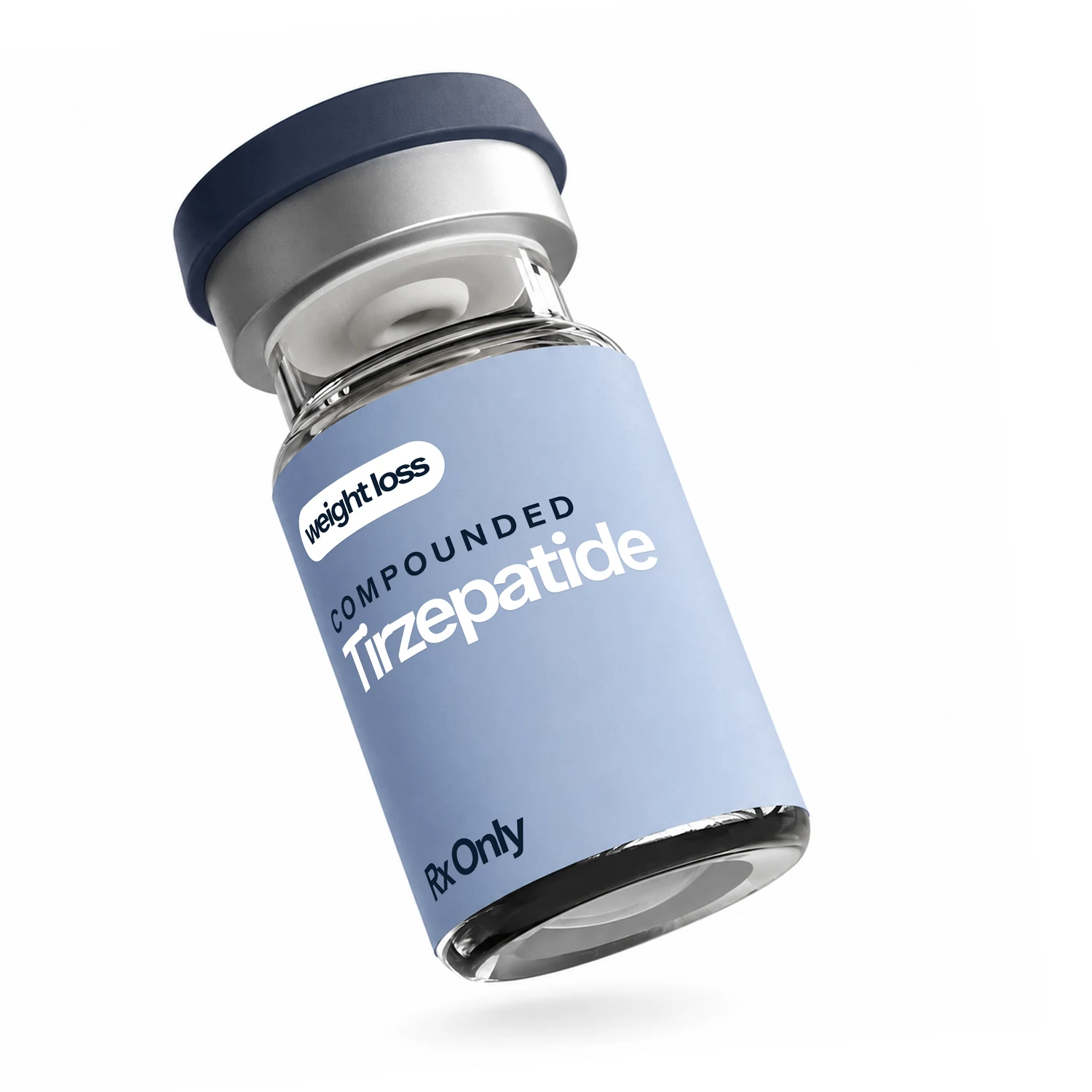
Compounded TirzepatideRx
Weekly GLP-1 + GIP injection.
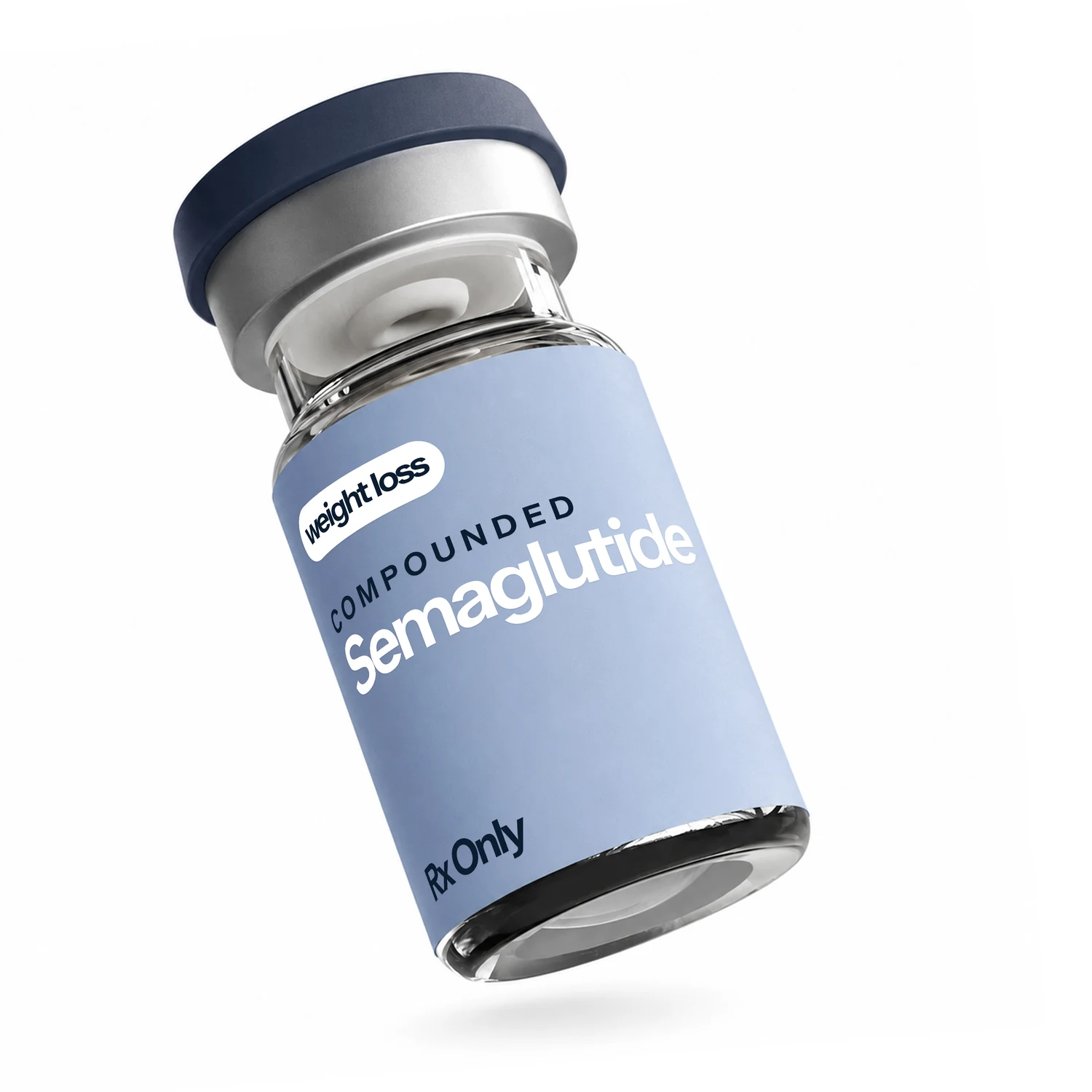
Compounded SemaglutideRx
Weekly GLP-1 injection.
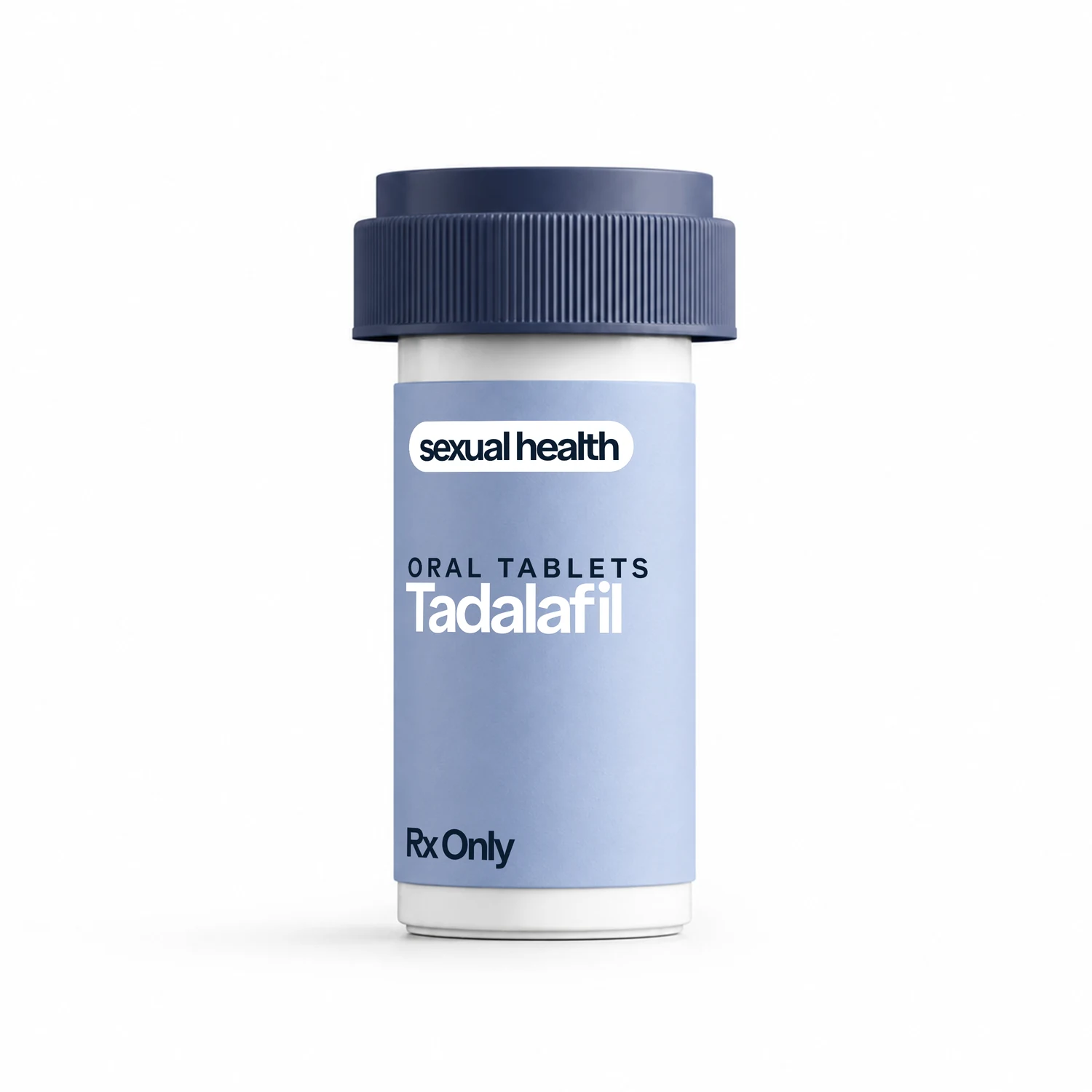
TadalafilRx
Generic Cialis®. Lasts up to 36 hours.
SildenafilRx
Generic Viagra®. Works in 30 minutes.
FinasterideRx
Generic Propecia®. Blocks DHT daily.

Hair Regrowth SprayRx
3-in-1 topical: finasteride + minoxidil + tretinoin.
Sleep, Depression, and Men Over 50: What the Link Means

Written by Daniel C.
Published March 25, 2026

Key Takeaways
# Sleep Is Upstream of Mood — Especially After 50
If you typed something like "why am I so irritable and exhausted" or "does bad sleep cause depression in men," you are asking the right question. The connection between sleep depression men over 50 is not a coincidence, and it is not weakness. It is biology — and it is addressable.
This article explains what happens to sleep architecture after 50, how disrupted sleep feeds low mood, what the research says about circadian rhythm and depression in men, and where a structured protocol can help.
What Happens to Sleep After 50
The first thing to understand is that sleep is not static across a man's life. The architecture changes — and it changes meaningfully in the decade between 50 and 60.
Sleep architecture refers to the cycling pattern of sleep stages: light sleep, deep slow-wave sleep (SWS), and rapid eye movement (REM) sleep. According to research published in the *Journal of Clinical Endocrinology and Metabolism*, deep slow-wave sleep — the physically restorative stage — declines sharply in men beginning in their late 40s and continues declining through the 50s. REM sleep, which governs emotional processing and memory consolidation, also compresses. The result is more time in bed but less time in the stages that actually restore the brain and body.
Compounding this, circadian rhythm — the internal 24-hour biological clock that governs sleep-wake timing — shifts with age. Men over 50 frequently experience circadian phase advancement, meaning the body's sleep pressure arrives earlier in the evening and releases earlier in the morning. When life schedules do not accommodate that shift, the mismatch accumulates as chronic partial sleep deprivation.
The Sleep-Depression Connection Is Not Metaphorical
Most men assume mood follows sleep — that they feel bad because they slept poorly. That is partly true. But the relationship runs in both directions, and sleep is increasingly understood as the upstream variable.
Sleep deprivation suppresses the prefrontal cortex — the region responsible for emotional regulation, patience, and long-range thinking — while simultaneously amplifying amygdala reactivity. The practical result: shorter fuse, lower tolerance, reduced capacity for perspective. A man does not feel sad in a clinical sense. He feels flat. Worn down. Less interested in things that used to matter.
According to the National Institute of Mental Health, insomnia is one of the most consistent predictors of a first or recurrent depressive episode in adults. The relationship is bidirectional — depression disrupts sleep, and disrupted sleep deepens depression — but the evidence increasingly supports addressing sleep as a primary intervention, not an afterthought.
A 2021 meta-analysis published in *JAMA Psychiatry* found that treating insomnia reduced depression symptoms independent of direct depression treatment. Sleep is not merely a symptom to manage. It is a target.

Sleep Apnea: The Diagnosis Men Over 50 Miss Most
Sleep apnea is worth naming plainly, because it is underdiagnosed in men over 50 and because its psychiatric footprint is frequently misread.
Obstructive sleep apnea (OSA) occurs when the upper airway partially or fully collapses during sleep, interrupting breathing and fragmenting sleep architecture — sometimes dozens or hundreds of times per night, without the sleeper's awareness. The man wakes feeling unrefreshed. He is tired through the afternoon. He is irritable. His concentration is inconsistent. These symptoms present, clinically, almost identically to major depression.
The American Academy of Sleep Medicine estimates that OSA affects roughly 30 percent of adult men and that the prevalence increases with age and body weight. Yet according to research published in *Sleep*, the majority of men with clinically significant OSA remain undiagnosed.
The practical implication: if a man over 50 presents with low mood, fatigue, and poor concentration, and has not been evaluated for OSA, the evaluation should come before — or at minimum alongside — any psychiatric or hormonal workup. Treating the apnea frequently resolves the mood symptoms without additional intervention. Results may vary.
Circadian Rhythm, Light, and the Nutritional Layer
Circadian rhythm disruption in men over 50 is not limited to sleep timing. The same internal clock governs cortisol secretion, testosterone release, digestive function, and appetite regulation. When the clock drifts out of alignment — through irregular sleep schedules, excessive artificial light at night, or insufficient morning light exposure — the downstream effects touch every system.
This connects directly to nutrition, and it is worth noting during National Nutrition Month. The men most likely to have disrupted circadian rhythms are also the men most likely to eat late, skip breakfast, and rely on processed convenience foods. Clean eating fundamentals — consistent meal timing, adequate protein at each meal, and a Mediterranean-style dietary pattern emphasizing vegetables, olive oil, fish, and whole grains — support circadian alignment as much as they support cardiovascular health.
Vitamin B12 is a specific nutrient worth attention here. Cobalamin (B12) plays a documented role in neurological function and in the regulation of melatonin synthesis, the hormone that governs sleep-onset timing. According to the National Institutes of Health Office of Dietary Supplements, B12 deficiency is more prevalent in men over 50 because intrinsic factor production — necessary for B12 absorption from food — declines with age. Low B12 presents with fatigue, mood disturbance, and cognitive slowing, symptoms that overlap substantially with both sleep deprivation and depression. Men over 50 eating less red meat, which is common on a Mediterranean pivot, may see B12 intake decline further.
Where Good Guy Rx Fits
Good Guy Rx is a technology platform. It connects men to independent licensed physicians and independent state-licensed pharmacies. It does not manufacture medications, dispense medications, or provide direct medical care.
What the platform does is remove friction. A man over 50 who suspects his sleep, mood, or energy is being affected by something addressable — low B12, circadian disruption, or a hormonal component — can consult with an independent licensed provider through the portal without a waiting room, without repeating himself to three different staff members, and without being handed a pamphlet designed for someone twenty years younger.
One relevant option available through the platform is **Vitamin B12**, prescribed by independent licensed providers and prepared or dispensed by independent state-licensed pharmacies. Compounded medications available through the platform are not FDA-approved; they are prepared by state-licensed compounding pharmacies in accordance with FDA regulations. A licensed provider determines whether any medication or supplement is appropriate for a given patient. Results may vary.

What to Do Next
Step one: Track your sleep for two weeks. Not with a device, necessarily — just a notepad. Bedtime, wake time, how you felt at noon. Pattern recognition precedes intervention.
Step two: Get evaluated for obstructive sleep apnea if you have not been. This means talking to a licensed provider. Snoring, morning headaches, unrefreshed waking, and daytime fatigue are sufficient reason to ask. This is the most commonly missed diagnosis in men over 50 with mood complaints.
Step three: Look at your light environment. Morning light exposure within an hour of waking — outside, not through glass — is one of the most evidence-supported circadian anchors available. Late-night screen use delays melatonin onset and fragments sleep architecture. These are not small adjustments.
Step four: If fatigue, low mood, or concentration issues persist after addressing sleep hygiene and you have not had a B12 panel, consider requesting one through a licensed provider. Start an online visit at Good Guy Rx to connect with an independent licensed physician who can evaluate whether **Vitamin B12** supplementation is appropriate for you.
Sleep is not a luxury or a reward for finishing the day's work. It is a physiological requirement. For a man over 50, protecting it is one of the more consequential decisions he can make for his mood, his cognitive function, and his long-term health. The years ahead are worth tending carefully.
Sources
- Sleep Architecture and Aging — *Journal of Clinical Endocrinology and Metabolism* — https://pubmed.ncbi.nlm.nih.gov/
- Insomnia and Depression: Bidirectional Relationship — National Institute of Mental Health — https://www.nimh.nih.gov/
- Treating Insomnia Reduces Depression Symptoms — *JAMA Psychiatry* — https://jamanetwork.com/journals/jamapsychiatry
- Obstructive Sleep Apnea Prevalence in Men — American Academy of Sleep Medicine — https://aasm.org/
- OSA Underdiagnosis in Men — *Sleep* — https://academic.oup.com/sleep
- Vitamin B12 and Neurological Function — NIH Office of Dietary Supplements — https://ods.od.nih.gov/factsheets/VitaminB12-HealthProfessional/
- Circadian Rhythm Disruption and Mood Disorders — *Nature Aging* — https://www.nature.com/nataging
This article is for informational purposes only and does not constitute medical advice. Talk with a licensed provider through the patient portal before starting any treatment.
References
- [Insomnia and Depression: Bidirectional Relationship — National Institute of Mental Health — https://www.nimh.nih.gov/](https://www.nimh.nih.gov/)
- [Treating Insomnia Reduces Depression Symptoms — *JAMA Psychiatry* — https://jamanetwork.com/journals/jamapsychiatry](https://jamanetwork.com/journals/jamapsychiatry)
- [Obstructive Sleep Apnea Prevalence in Men — American Academy of Sleep Medicine — https://aasm.org/](https://aasm.org/)
- [OSA Underdiagnosis in Men — *Sleep* — https://academic.oup.com/sleep](https://academic.oup.com/sleep)
- [Vitamin B12 and Neurological Function — NIH Office of Dietary Supplements — https://ods.od.nih.gov/factsheets/VitaminB12-HealthProfessional/](https://ods.od.nih.gov/factsheets/VitaminB12-HealthProfessional/)
- [Circadian Rhythm Disruption and Mood Disorders — *Nature Aging* — https://www.nature.com/nataging](https://www.nature.com/nataging)
- This article is for informational purposes only and does not constitute medical advice. Talk with a licensed provider through the patient portal before starting any treatment.*
Share this article

Ready to start your journey?
Complete your free online visit and see if GLP-1 treatment is right for you.
Get Started