
Good Guy Rx
Take care of what God gave you.
Get started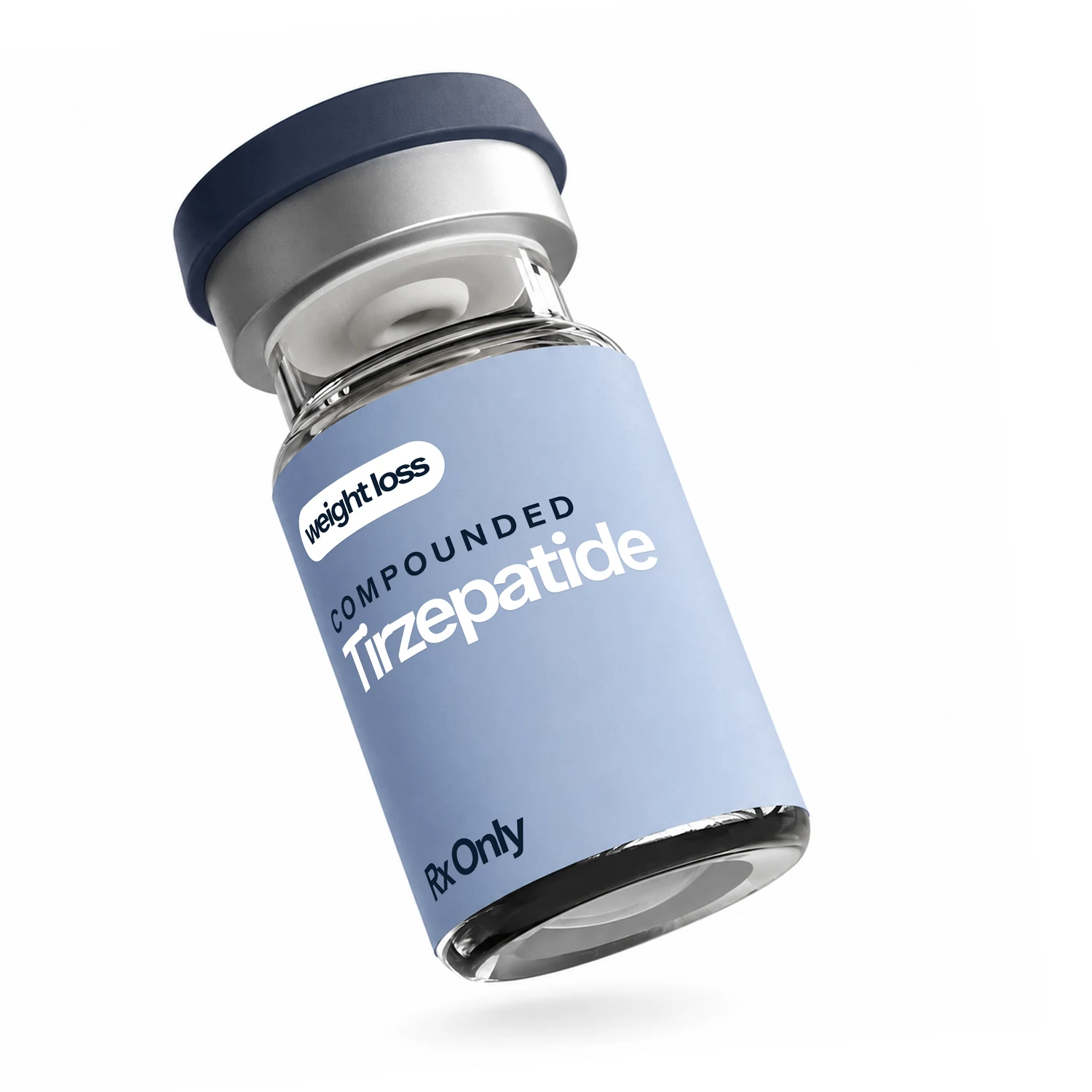
Compounded TirzepatideRx
Weekly GLP-1 + GIP injection.
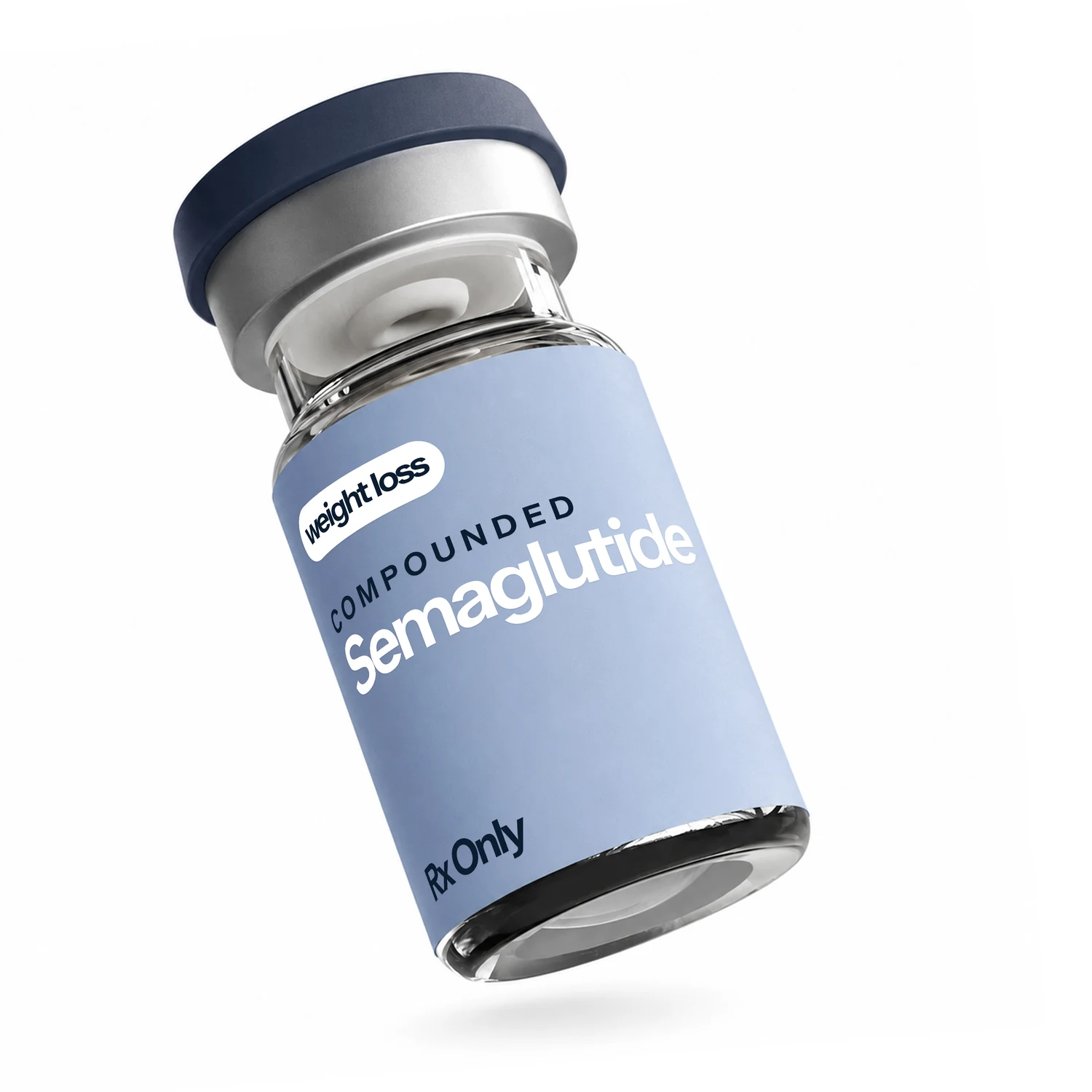
Compounded SemaglutideRx
Weekly GLP-1 injection.
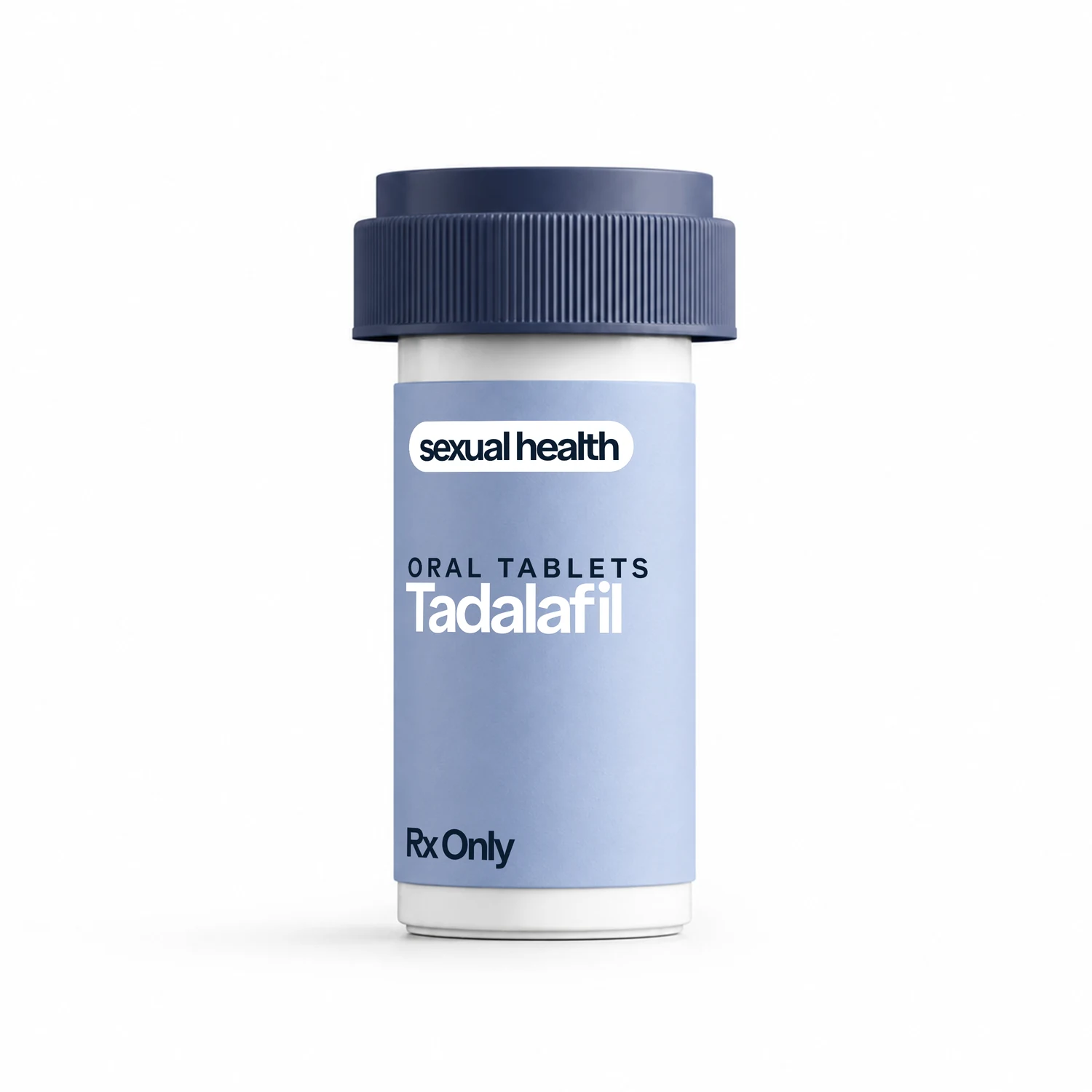
TadalafilRx
Generic Cialis®. Lasts up to 36 hours.
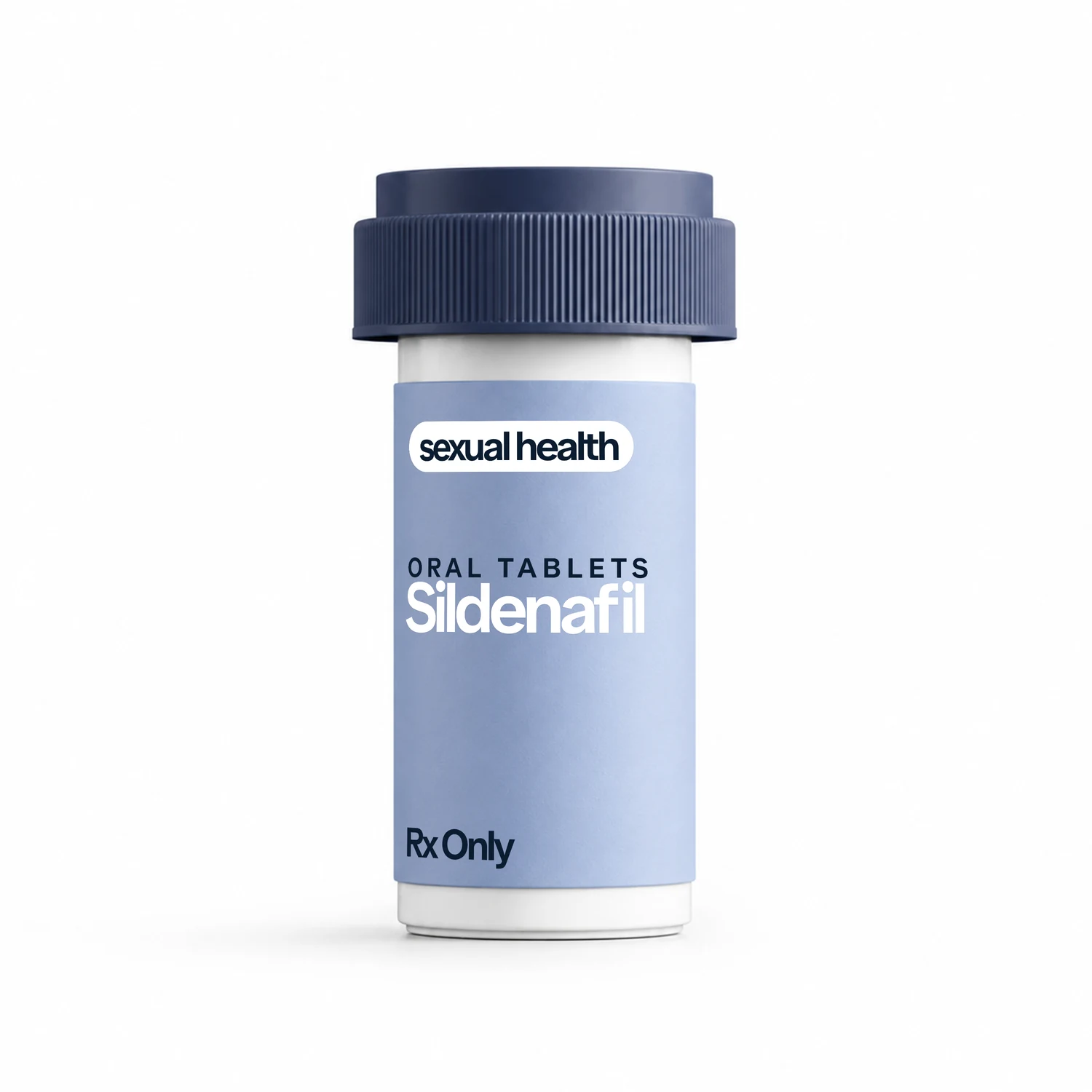
SildenafilRx
Generic Viagra®. Works in 30 minutes.
FinasterideRx
Generic Propecia®. Blocks DHT daily.

Hair Regrowth SprayRx
3-in-1 topical: finasteride + minoxidil + tretinoin.
Depression in Men Over 50: Signs Most Men Miss

Written by Daniel C.
Published February 25, 2026

Key Takeaways
# Depression in Men Over 50: Signs Most Men Miss
If you typed something like "why am I so angry all the time" or "why do I feel nothing anymore," you are in the right place. Depression in men over 50 does not always look the way it does in a pharmaceutical ad. It rarely involves visible crying. It often looks like a man who is short-tempered, exhausted, checked out, and quietly convinced that nothing is wrong with him — because nothing "looks" wrong from the outside.
That gap between what depression actually is and what men believe it to be is one reason it goes unaddressed for years.
What Depression Actually Looks Like in Men Over 50
The clinical definition of major depressive disorder (MDD) includes persistent low mood and loss of interest for at least two weeks, accompanied by changes in sleep, appetite, energy, concentration, or sense of worth. That definition is accurate. It is also insufficient for this conversation.
According to the National Institute of Mental Health, men are significantly less likely than women to be diagnosed with depression — not because they experience it less, but because the way it presents in men is frequently misread, including by the men themselves. Older men, in particular, tend to describe their experience in physical terms: fatigue, back pain, low libido, disrupted sleep. They do not say "I feel hopeless." They say "I haven't been sleeping right" or "I'm just tired."
Male depression symptoms in men over 50 commonly include irritability and anger, emotional withdrawal from a spouse or partner, increased alcohol use, risk-taking behavior, loss of interest in work or hobbies, difficulty concentrating, and persistent physical complaints without a clear medical cause. The American Psychological Association has noted that men are more likely to describe depressive symptoms through this physical and behavioral lens rather than emotional language.
Why Irritability Is the Symptom Men Keep Missing
Irritability depression men is a phrase that shows up in search because men are noticing it — they are short with their wives, impatient with their adult children, snapping at colleagues, and wondering why. Irritability is a recognized symptom of depression, not a separate problem and not simply a personality defect.
A 2013 review published in JAMA Internal Medicine examined symptom patterns across depressed adults and found that men were substantially more likely to report irritability, aggression, and substance use as presenting features compared to women, who more commonly reported sadness and anxiety. When a man over 50 walks into a physician's office describing anger and fatigue, depression is not always the first differential on the list — but it belongs there.
The mechanism is partly hormonal. Testosterone levels decline at a rate of roughly 1 to 2 percent per year after age 30, according to the American Urological Association. That gradual decline, sometimes called late-onset hypogonadism, intersects with the biology of mood regulation. Low testosterone does not cause depression on its own, but the overlap between the two conditions is significant enough that the Endocrine Society recommends screening for mood disorders when hypogonadism is evaluated.
The Physical Warning Signs That Men Attribute to "Getting Older"
Older men depression signs are frequently dismissed as the normal cost of aging. That dismissal is a clinical problem. Persistent fatigue, poor sleep, low motivation, sexual disinterest, and chronic pain can each have multiple causes — but when they cluster together in a man over 50, depression belongs in the differential, not at the bottom of it.

The CDC reports that depression affects approximately 7 million Americans over the age of 65, and that it is frequently underdiagnosed in older adults. Among men specifically, the consequences of missed diagnosis are serious. The American Foundation for Suicide Prevention reports that men over 65 have the highest rate of death by suicide of any demographic group in the United States — a number that reflects years of unaddressed depression, not sudden crisis.
That statistic is not here to frighten. It is here because a man who knows the actual stakes is better equipped to act on them.
The Heart Month Connection: Depression, Testosterone, and Cardiovascular Risk
February is American Heart Month, and the connection between heart health and mental health is more direct than most men realize. Research published in JAMA Psychiatry has established that depression is an independent risk factor for cardiovascular disease — not just a symptom of it. The physiological pathways include chronic inflammation, elevated cortisol, disrupted sleep architecture, and reduced heart rate variability.
There is a second link worth naming plainly: erectile dysfunction (ED) is frequently the first clinical warning sign of cardiovascular disease. According to research published in the Journal of the American College of Cardiology, ED can precede a cardiac event by three to five years because it reflects the same endothelial dysfunction that underlies coronary artery disease. Depression, low testosterone, and cardiovascular risk do not operate in separate lanes. In a man over 50, they often converge.
That convergence is not a reason for alarm. It is a reason to treat the whole picture rather than each symptom in isolation.
Energy, Nutrition, and the Basics That Are Not Actually Basic
Before any conversation about prescriptions, there is a category of foundational support that is underestimated by most men and overstated by most wellness marketing. Vitamin B12 is one of them.
B12 deficiency is more common in men over 50 than is widely recognized. The National Institutes of Health Office of Dietary Supplements notes that the capacity to absorb B12 from food declines with age due to reduced stomach acid production. Deficiency presents as fatigue, cognitive fog, low mood, and numbness — symptoms that overlap substantially with depression and are sometimes mistaken for it, or exist alongside it. Addressing a B12 deficiency does not treat depression. But it removes a confounding variable and supports the neurological baseline that mental health depends on.
Good Guy Rx connects patients to independent licensed providers who can assess B12 status as part of a broader evaluation. If supplementation is appropriate, B12 is available through the platform via independent state-licensed pharmacies. Results may vary.
Where Good Guy Rx Fits
Good Guy Rx is a technology platform. It connects men to independent licensed physicians and independent state-licensed pharmacies. It does not diagnose or treat depression. What it does is reduce the friction that keeps men from starting a real clinical conversation.

A licensed provider on the platform can evaluate the full picture — mood, energy, testosterone, cardiovascular markers, sleep — and refer to appropriate mental health resources when indicated. That evaluation happens on your schedule, without a waiting room, and without the requirement that you describe your emotional state to a stranger in a fluorescent-lit office on the first visit.
The platform is built for a man who is skeptical of health marketing, has a full life, and needs a straightforward process. The B12 visit is one entry point. A broader men's health evaluation is another. Neither requires that you already know what is wrong.
What to Do Next
Step 1. Name what you are noticing. Write it down if that is easier than saying it. Irritability, fatigue, withdrawal, disinterest — these are clinical data points, not character flaws.
Step 2. Start a visit. Use the patient portal to connect with an independent licensed provider. Bring your list. A physician cannot evaluate what you do not disclose.
Step 3. Ask about the full picture. Request that your evaluation include testosterone, B12, thyroid function, and a cardiovascular risk screen — not just the symptom you led with. Depression in men over 50 rarely has a single cause.
Step 4. Take the referral seriously. If a licensed provider recommends a mental health consultation, that recommendation reflects clinical judgment. The 988 Suicide and Crisis Lifeline is available at any time by call or text if you or someone you know is in acute distress.
Sources
- Depression in Men — National Institute of Mental Health
- Men and Depression — American Psychological Association
- Martin LA, et al. "The Experience of Symptoms of Depression in Men vs Women" — JAMA Internal Medicine, 2013
- Testosterone and Aging — American Urological Association
- Late-Onset Hypogonadism Guidelines — Endocrine Society
- Depression and Older Adults — CDC
- Suicide Statistics — American Foundation for Suicide Prevention
- Depression as a Risk Factor for Cardiovascular Disease — JAMA Psychiatry
- Erectile Dysfunction and Cardiovascular Risk — Journal of the American College of Cardiology
- Vitamin B12 — NIH Office of Dietary Supplements
- 988 Suicide and Crisis Lifeline
This article is for informational purposes only and does not constitute medical advice. Talk with a licensed provider through the patient portal before starting any treatment.
References
- [Men and Depression — American Psychological Association](https://www.apa.org/topics/men-boys/depression)
- [Martin LA, et al. "The Experience of Symptoms of Depression in Men vs Women" — JAMA Internal Medicine, 2013](https://jamanetwork.com/journals/jamainternalmedicine/fullarticle/1392494)
- [Testosterone and Aging — American Urological Association](https://www.auanet.org/)
- [Late-Onset Hypogonadism Guidelines — Endocrine Society](https://www.endocrine.org/)
- [Depression and Older Adults — CDC](https://www.cdc.gov/aging/depression/index.html)
- [Suicide Statistics — American Foundation for Suicide Prevention](https://afsp.org/suicide-statistics/)
- [Depression as a Risk Factor for Cardiovascular Disease — JAMA Psychiatry](https://jamanetwork.com/journals/jamapsychiatry)
- [Erectile Dysfunction and Cardiovascular Risk — Journal of the American College of Cardiology](https://www.jacc.org/)
Share this article

Ready to start your journey?
Complete your free online visit and see if GLP-1 treatment is right for you.
Get Started