
Good Guy Rx
Take care of what God gave you.
Get started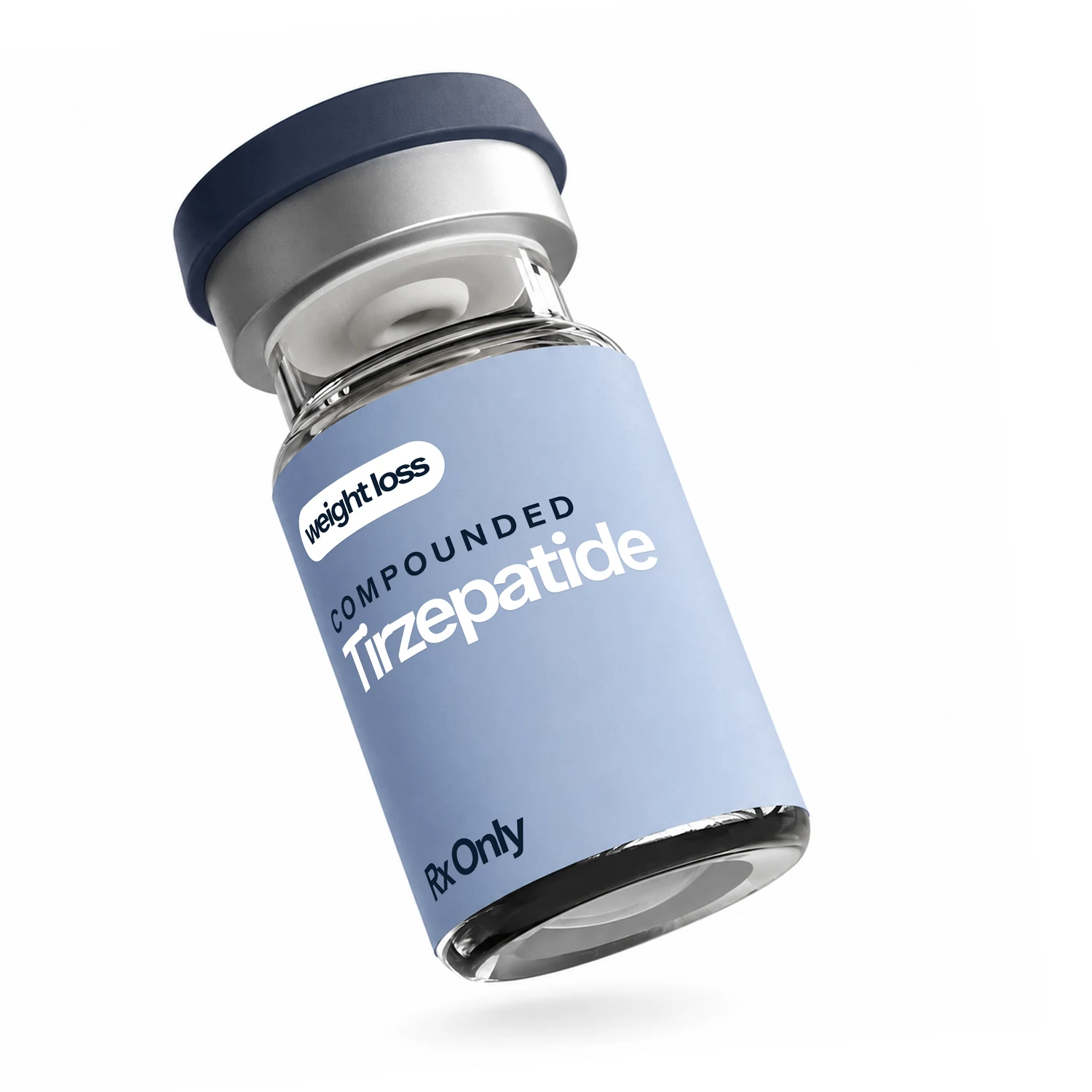
Compounded TirzepatideRx
Weekly GLP-1 + GIP injection.

Compounded SemaglutideRx
Weekly GLP-1 injection.

TadalafilRx
Generic Cialis®. Lasts up to 36 hours.

SildenafilRx
Generic Viagra®. Works in 30 minutes.

FinasterideRx
Generic Propecia®. Blocks DHT daily.

Hair Regrowth SprayRx
3-in-1 topical: finasteride + minoxidil + tretinoin.
Cutting Sugar: What It Does to Men's Metabolism

Written by Wesley P.
Published April 3, 2026

Key Takeaways
# Cutting Sugar: What It Does to Men's Metabolism
If you typed something like "what happens when you cut sugar" or "does sugar cause belly fat in men," you are asking the right question. The answer is not simple, but it is concrete — and for men between 45 and 70, it matters more than most nutrition advice you have heard in the last decade.
This is not about a cleanse. It is about understanding what added sugar does to the biological systems that govern your weight, your blood pressure, your energy, and your long-term cardiovascular health — and what changes when you remove it.
The Metabolic Floor: What It Is and Why It Shifts
The phrase metabolic floor refers to the baseline rate at which your body burns energy at rest. It is not fixed. It responds to what you eat, how much muscle you carry, your hormone levels, and — critically — how much sugar you regularly consume.
When dietary sugar, particularly fructose, reaches the liver in large quantities, the liver converts the excess into fat through a process called de novo lipogenesis. According to research published in the *Journal of Clinical Endocrinology and Metabolism*, this process is especially pronounced in men who consume high levels of sugar-sweetened beverages and processed foods. The result is visceral adipose tissue — the fat that accumulates around abdominal organs — which is metabolically active in ways subcutaneous fat is not. It releases inflammatory signals that blunt insulin sensitivity and depress the metabolic floor over time.
For men over 50, this is compounded by declining testosterone. The American Urological Association recognizes the relationship between visceral adiposity and lower testosterone, a feedback loop in which excess abdominal fat accelerates the conversion of testosterone to estrogen. Cutting sugar does not reverse age, but it removes one of the most direct contributors to this cycle.
Added Sugar and Metabolic Syndrome
Metabolic syndrome is a clinical cluster of conditions — elevated waist circumference, high triglycerides, low HDL cholesterol, high blood pressure, and elevated fasting glucose — that together significantly raise the risk of type 2 diabetes and cardiovascular disease. According to the CDC, approximately one in three American adults meets the criteria for metabolic syndrome, with prevalence rising sharply after age 40.
Added sugar is not the sole driver, but it is a primary one. The American Heart Association recommends that men consume no more than 36 grams of added sugar per day — roughly nine teaspoons. The average American man consumes roughly double that, much of it from sources that do not register as "sweet": bread, condiments, salad dressings, and flavored yogurts.
A 2023 review in *Cell Metabolism* examined the relationship between dietary sugar reduction and markers of metabolic syndrome and found that even modest reductions in added sugar — without overall caloric restriction — improved fasting insulin levels and reduced circulating triglycerides in middle-aged men. Results may vary. The mechanism is straightforward: lower sugar intake reduces the hepatic triglyceride load and decreases the insulin spikes that, over years, degrade the sensitivity of muscle and fat cells to insulin signaling.
What Actually Changes When You Cut Sugar
The word "cut" does not mean elimination. It means reducing added sugar — the sugar manufacturers put into food, distinct from the naturally occurring sugars in whole fruit, dairy, and some vegetables.

When men reduce added sugar consistently over four to eight weeks, peer-reviewed research suggests several measurable changes:
Fasting insulin levels drop. Lower insulin means the body is more willing to access stored fat for fuel rather than continuously storing it. This is what shifts the metabolic floor upward.
Triglycerides decrease. Because the liver is no longer running de novo lipogenesis at full capacity, it releases fewer triglyceride-rich lipoproteins into circulation. The *New England Journal of Medicine* has published research linking high triglycerides to cardiovascular risk independent of LDL cholesterol — a risk that is modifiable through diet.
Blood pressure responds. High sugar intake, particularly from fructose, stimulates uric acid production, which in turn inhibits nitric oxide — a compound that relaxes blood vessel walls. Reducing sugar allows nitric oxide function to partially recover. The effect is modest but real, and it compounds with other lifestyle changes.
Energy becomes more stable. The cycle of glucose spikes and crashes driven by high sugar intake produces the mid-afternoon fatigue that many men over 50 chalk up to aging. It is not entirely aging. Reducing sugar smooths the glucose curve and, with it, the energy curve.
Results may vary. These are population-level findings from peer-reviewed research. Individual response depends on baseline metabolic health, activity level, and total dietary composition.
A Brief Note on Stewardship: Testicular Cancer Awareness Month
April is Testicular Cancer Awareness Month. It is worth pausing here because the audience reading this article — men between 45 and 70 — is exactly the demographic that tends to defer routine health maintenance.
Testicular cancer is most common in men between 15 and 35, but awareness and self-examination are habits built across a lifetime of treating the body as something worth tending. The Movember Foundation describes regular self-examination as a basic act of stewardship — not vanity, not alarm, but the same attentiveness a man gives to the tools and property he maintains.
A monthly self-check takes under two minutes. If you notice a new lump, heaviness, or change in size or shape, contact a licensed provider. This is not a minor thing to defer.
The connection to metabolic health is real: research published in the *American Journal of Men's Health* has noted associations between obesity, metabolic dysfunction, and reproductive hormone disruption in men. Caring for your metabolic health is caring for the whole system.
Where Good Guy Rx Fits
Good Guy Rx is a technology platform. It connects men to independent licensed physicians and independent state-licensed compounding pharmacies. It does not manufacture medications and does not dispense them.
For men whose metabolic picture — weight, insulin resistance, cardiovascular markers — has moved beyond what dietary changes alone can address in a reasonable timeframe, the platform offers a structured path. The **weight loss assessment** connects you with an independent licensed provider who can review your health history, current labs if available, and goals, and determine whether a clinical weight management protocol is appropriate.

Compounded medications available through Good Guy Rx's affiliated independent state-licensed pharmacies — including compounded semaglutide and tirzepatide formulations — are prepared in accordance with FDA regulations. They are not FDA-approved. They are prescribed by independent licensed physicians and dispensed by independent state-licensed pharmacies. Whether they are appropriate for you is a clinical determination, not a marketing one.
If you are a man over 45 who has tried dietary changes and seen limited results, or whose metabolic syndrome markers remain elevated despite consistent effort, that conversation belongs with a licensed provider — not a wellness website, and not a support line.
What to Do Next
Step 1: Locate the sugar in your diet. Before cutting anything, spend one week reading nutrition labels on everything you eat that comes in a package. Added sugar will be listed separately on the label under total sugars. Most men are surprised where it lives.
Step 2: Reduce, do not eliminate. Replace one high-sugar item per week. Start with beverages — sweetened coffee drinks, juice, and soda are the fastest path to meaningful reduction. Move to condiments and sauces next.
Step 3: Track a metabolic marker. If you have access to a glucometer or recent labs, note your fasting glucose before you begin and again after six weeks. Give the change something to measure against.
Step 4: Know when diet is not enough. If you have been eating well and moving consistently for several months and your weight, blood pressure, or fasting glucose remain clinically elevated, take the weight loss assessment and speak with a licensed provider. Stewardship means knowing when a situation requires more than discipline.
Sources
- Added Sugar and De Novo Lipogenesis in Men — Journal of Clinical Endocrinology and Metabolism — https://pubmed.ncbi.nlm.nih.gov/
- Metabolic Syndrome Prevalence — CDC — https://www.cdc.gov/metabolicsyndrome
- Added Sugar Recommendations for Men — American Heart Association — https://www.heart.org/en/healthy-living/healthy-eating/eat-smart/sugar/added-sugars
- Dietary Sugar Reduction and Metabolic Markers — Cell Metabolism — https://www.cell.com/cell-metabolism/home
- Triglycerides and Cardiovascular Risk — New England Journal of Medicine — https://www.nejm.org/
- Testosterone, Visceral Fat, and Metabolic Health — American Urological Association — https://www.auanet.org/
- Obesity, Hormonal Disruption, and Men's Health — American Journal of Men's Health — https://journals.sagepub.com/home/jmh
- Testicular Self-Examination and Men's Health Stewardship — Movember Foundation — https://us.movember.com/
This article is for informational purposes only and does not constitute medical advice. Talk with a licensed provider through the patient portal before starting any treatment.
References
- [Metabolic Syndrome Prevalence — CDC — https://www.cdc.gov/metabolicsyndrome](https://www.cdc.gov/metabolicsyndrome)
- [Added Sugar Recommendations for Men — American Heart Association — https://www.heart.org/en/healthy-living/healthy-eating/eat-smart/sugar/added-sugars](https://www.heart.org/en/healthy-living/healthy-eating/eat-smart/sugar/added-sugars)
- [Dietary Sugar Reduction and Metabolic Markers — Cell Metabolism — https://www.cell.com/cell-metabolism/home](https://www.cell.com/cell-metabolism/home)
- [Triglycerides and Cardiovascular Risk — New England Journal of Medicine — https://www.nejm.org/](https://www.nejm.org/)
- [Testosterone, Visceral Fat, and Metabolic Health — American Urological Association — https://www.auanet.org/](https://www.auanet.org/)
- [Obesity, Hormonal Disruption, and Men's Health — American Journal of Men's Health — https://journals.sagepub.com/home/jmh](https://journals.sagepub.com/home/jmh)
- [Testicular Self-Examination and Men's Health Stewardship — Movember Foundation — https://us.movember.com/](https://us.movember.com/)
- This article is for informational purposes only and does not constitute medical advice. Talk with a licensed provider through the patient portal before starting any treatment.*
Share this article

Ready to start your journey?
Complete your free online visit and see if GLP-1 treatment is right for you.
Get Started