
Good Guy Rx
Take care of what God gave you.
Get started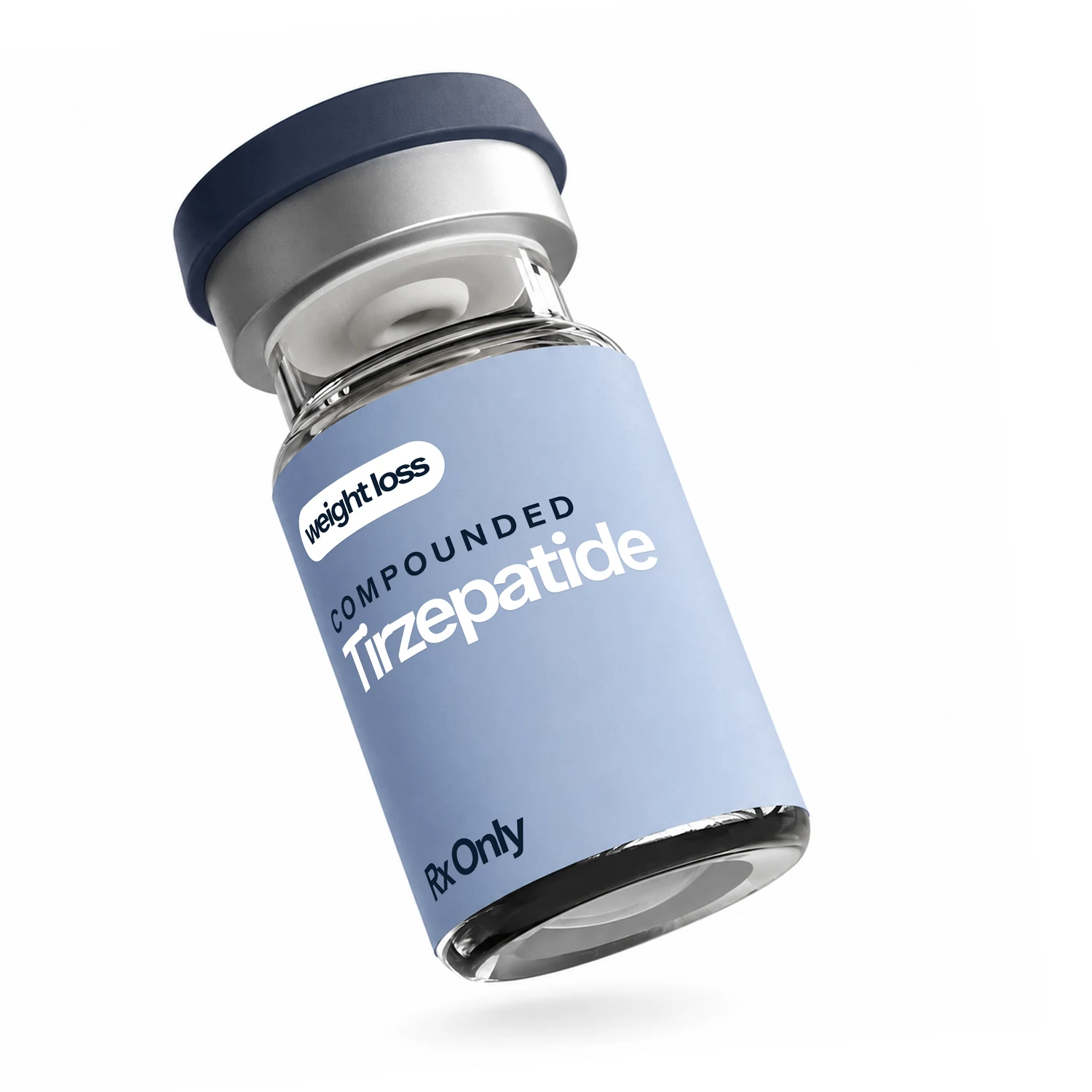
Compounded TirzepatideRx
Weekly GLP-1 + GIP injection.

Compounded SemaglutideRx
Weekly GLP-1 injection.
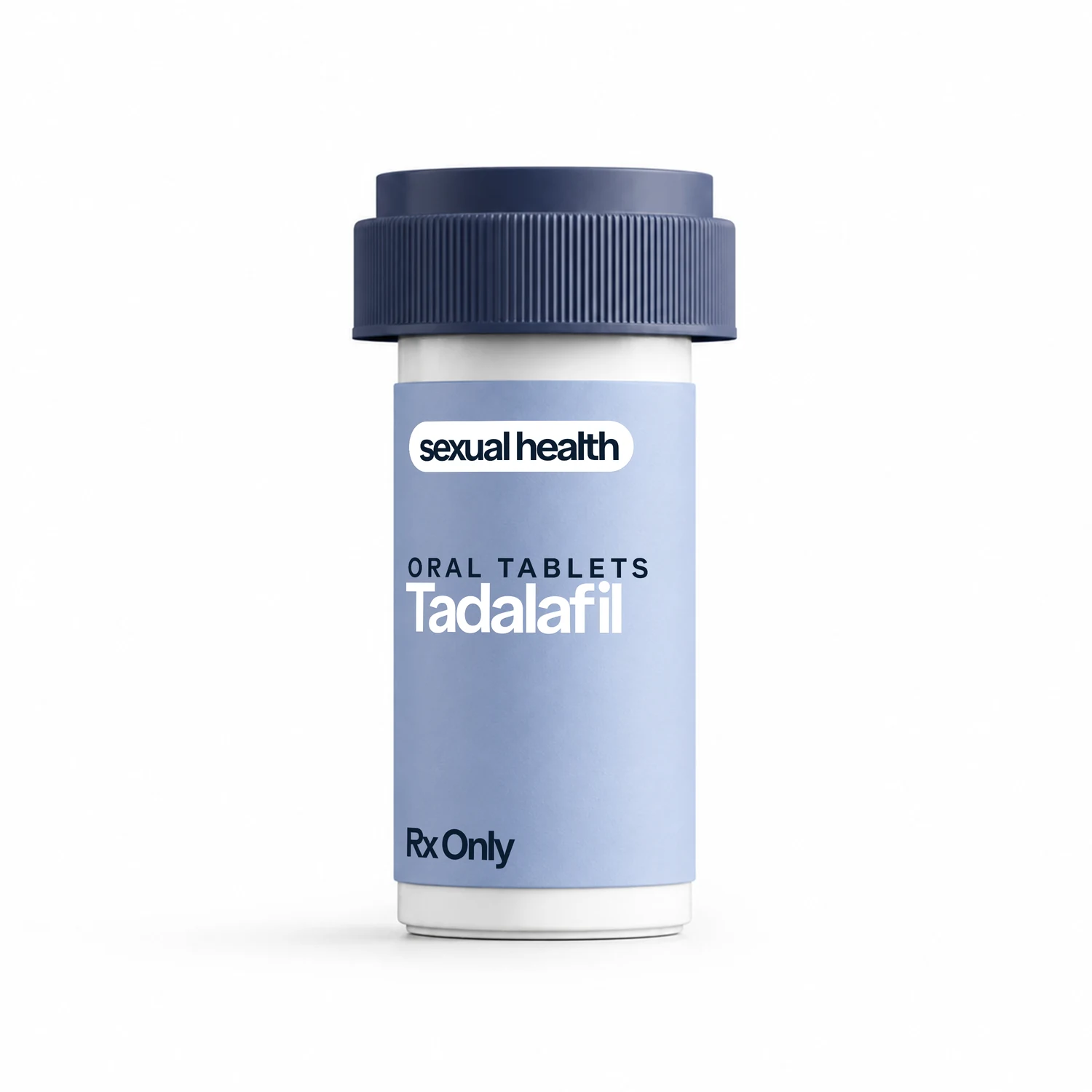
TadalafilRx
Generic Cialis®. Lasts up to 36 hours.

SildenafilRx
Generic Viagra®. Works in 30 minutes.
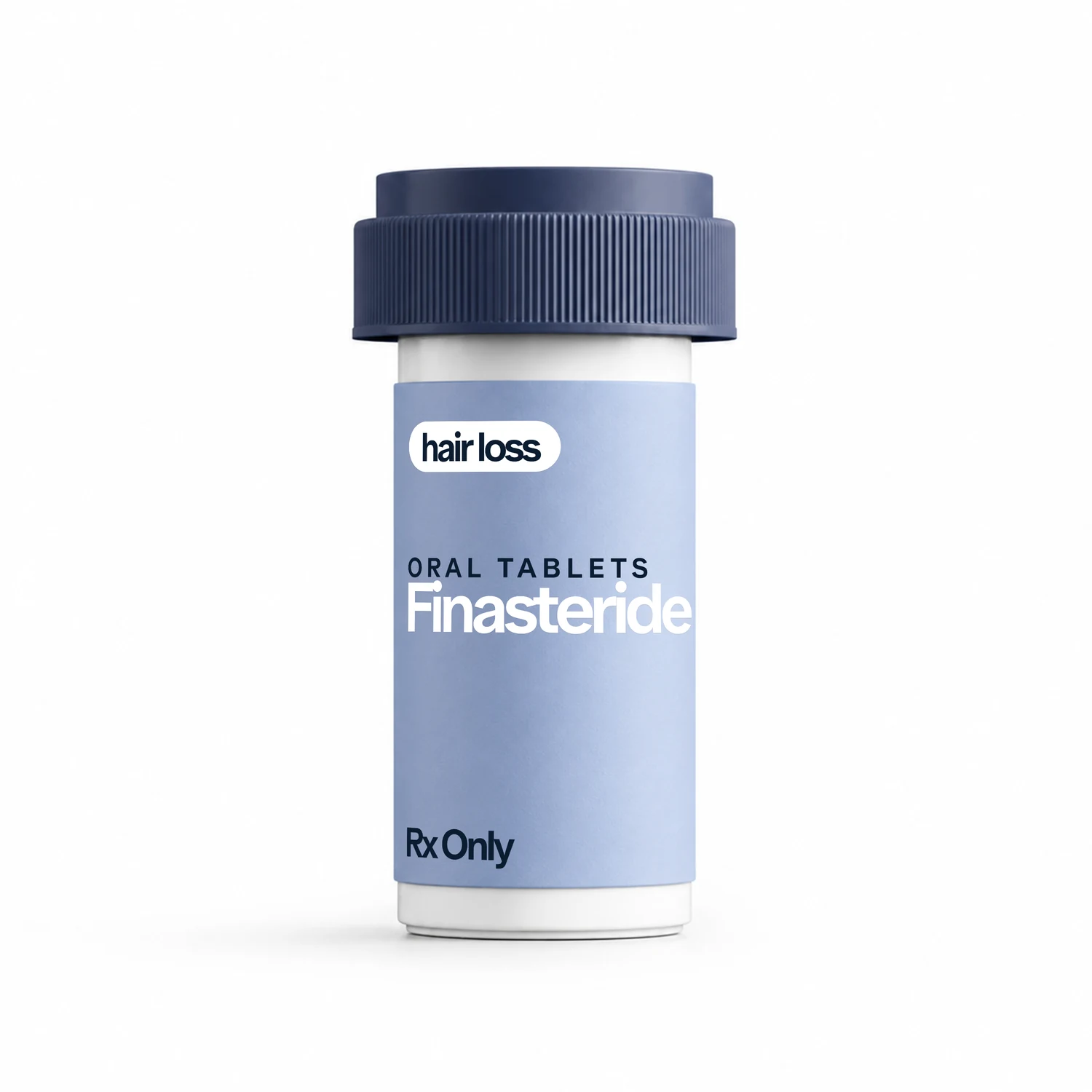
FinasterideRx
Generic Propecia®. Blocks DHT daily.
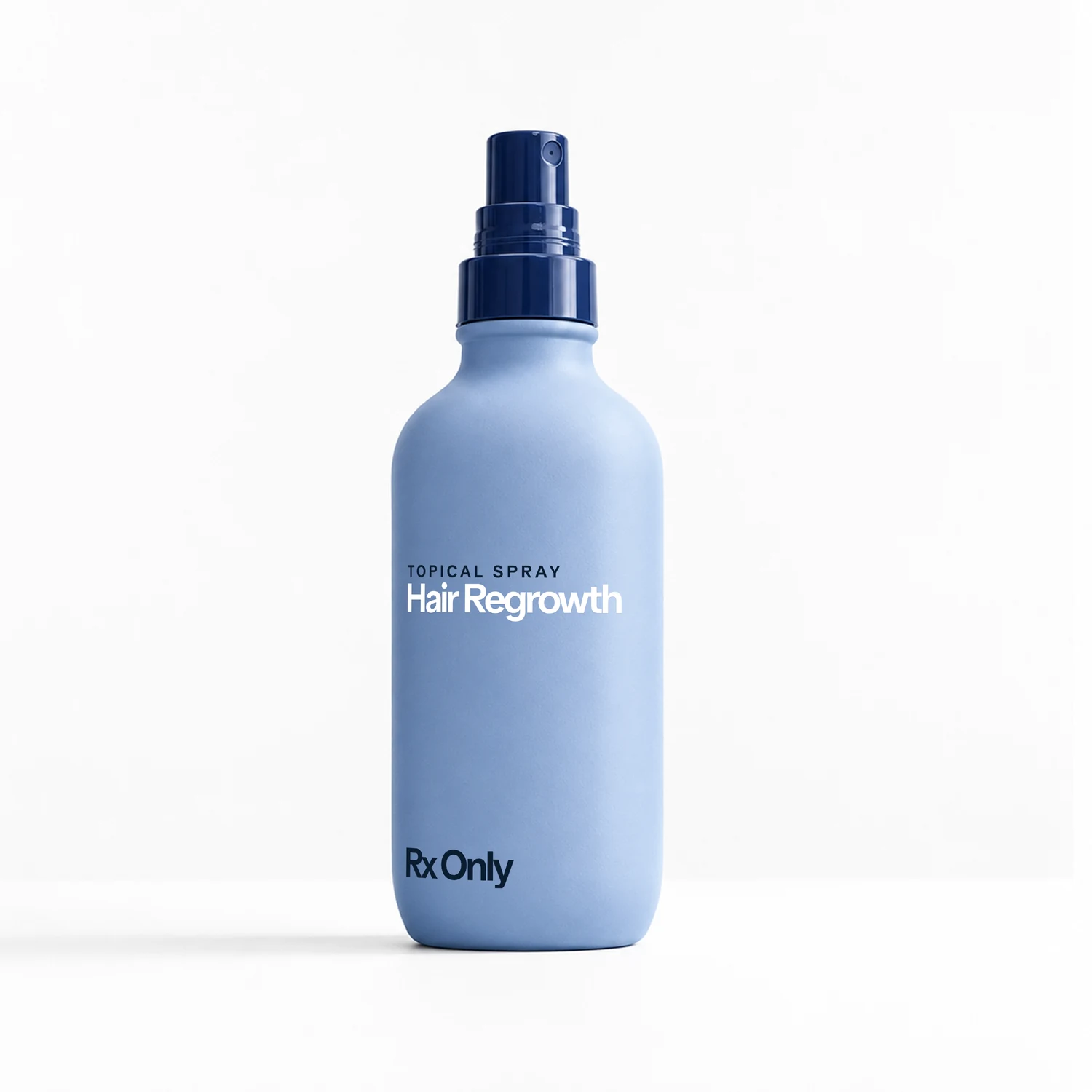
Hair Regrowth SprayRx
3-in-1 topical: finasteride + minoxidil + tretinoin.
Ultra-Processed Food and Men's Health: What the Data Shows

Written by Daniel C.
Published March 17, 2026

Key Takeaways
# Ultra-Processed Food and Men's Health: What the Data Shows
If you typed something like "is processed food really that bad for men" or "ultra processed food men health risks," you are asking the right question. Not the trendy question — the right one. The answer is no longer a matter of nutritional opinion. The data has arrived, it is substantial, and it points in one direction.
This article covers what ultra-processed food actually is, what peer-reviewed research says about what it does to the male body after 40, and what a practical shift looks like without overhauling your entire life.
What "Ultra-Processed" Actually Means
Not all processed food is the same. Freezing salmon is processing. Salting a cut of beef is processing. Ultra-processed food (UPF) refers to something categorically different: industrial formulations that contain ingredients rarely or never found in a home kitchen — emulsifiers, flavor enhancers, hydrogenated oils, modified starches, and artificial colorants assembled specifically to extend shelf life and increase palatability.
The most widely used classification system is the NOVA framework, developed by researchers at the University of São Paulo. NOVA divides foods into four groups based on the degree of industrial processing, with Group 4 — ultra-processed — covering products like packaged snack foods, reconstituted meat products, flavored yogurts, breakfast cereals, and most fast food. The classification is not about single nutrients like sodium or sugar. It is about the nature of the food itself.
According to research published in [The BMJ](https://www.bmj.com/content/365/bmj.l1451), ultra-processed foods account for more than 57 percent of total daily caloric intake in the average American diet. For men in the 45–70 age range, that number carries particular weight.
UPF and Heart Disease: The Cardiovascular Case
UPF and heart disease share a well-documented relationship. A 2019 cohort study published in [The BMJ](https://www.bmj.com/content/365/bmj.l1451) followed more than 100,000 French adults and found that a 10 percent increase in the proportion of ultra-processed food in the diet was associated with a significant increase in cardiovascular disease risk, including coronary artery disease and cerebrovascular disease.
A separate analysis published in the [Journal of the American College of Cardiology](https://www.jacc.org/doi/10.1016/j.jacc.2021.01.047) tracked over 3 million person-years of follow-up data and found that higher ultra-processed food consumption was independently associated with increased risk of cardiovascular mortality — even after adjusting for overall diet quality.
The mechanisms are layered. UPFs tend to displace whole foods that provide fiber, potassium, and polyphenols — compounds associated with vascular integrity. They also drive systemic inflammation, elevate triglyceride levels, and contribute to poor glycemic control. For a man over 45 who may already be managing borderline blood pressure or cholesterol, the cumulative load matters. Results may vary based on individual health history and baseline cardiovascular risk.

Processed Food Weight Gain: Why It Hits Differently After 40
Processed food weight gain is not simply a calorie arithmetic problem. A landmark randomized controlled trial published in [Cell Metabolism](https://www.cell.com/cell-metabolism/fulltext/S1550-4131(19)30248-7) by Hall et al. (2019) directly compared ad libitum consumption of ultra-processed versus unprocessed diets in a controlled inpatient setting. Participants on the ultra-processed diet consumed an average of 508 more calories per day and gained weight, while those on the unprocessed diet lost weight — despite being offered equal caloric availability.
The researchers concluded that properties intrinsic to ultra-processed foods — rapid digestibility, disrupted satiety signaling, altered gut microbiome composition — drive excess intake independent of macronutrient content. In plain terms: ultra-processed food makes it harder for your body to know when to stop eating.
After 40, this dynamic is compounded by changes in testosterone levels, muscle mass, and insulin sensitivity that alter how the male body manages caloric surplus. The NIH National Institute on Aging notes that body composition shifts in midlife make excess caloric intake disproportionately likely to be stored as visceral adipose tissue — the metabolically active fat that surrounds abdominal organs and is most closely linked to cardiometabolic risk. Results may vary.
National Nutrition Month: The Mediterranean Pivot for Men Over 40
Every March, National Nutrition Month draws attention to the fundamentals. This year, the fundamentals worth examining are the ones that have the most support in the literature for men specifically.
The Mediterranean dietary pattern — built around vegetables, legumes, whole grains, fish, olive oil, and moderate lean protein — has the most consistent evidence base of any dietary pattern for cardiovascular and metabolic benefit in midlife men. A meta-analysis published in [The Lancet](https://www.thelancet.com/journals/lancet/article/PIIS0140-6736(18)31785-2/fulltext) found that adherence to a Mediterranean-style diet was associated with meaningful reductions in all-cause mortality, cardiovascular events, and type 2 diabetes incidence.
The practical shift does not require replacing everything at once. It requires crowding out. When the plate is already occupied by grilled fish, roasted vegetables, olive oil, and a handful of legumes, there is less room — and less appetite — for the ultra-processed options. That is not a philosophy. It is displacement by volume and satiety.
Protein deserves specific mention. According to research published in the [American Journal of Men's Health](https://journals.sagepub.com/home/ajm), adequate dietary protein — distributed across meals rather than concentrated in one — supports preservation of lean muscle mass during the body composition changes common in men over 40. Aim for protein at breakfast. Most American men front-load carbohydrates at breakfast and protein at dinner. The evidence favors the reverse.
Sleep also belongs in a nutrition conversation. The CDC notes that insufficient sleep directly elevates ghrelin (the hunger-signaling hormone) and suppresses leptin (the satiety-signaling hormone) — creating a biochemical environment where ultra-processed, high-calorie foods become harder to resist the following day. Poor sleep and poor diet are not separate problems. They reinforce each other.
Where Good Guy Rx Fits
Good Guy Rx is a technology platform. It connects men to independent licensed physicians and independent state-licensed pharmacies. It does not manufacture medications and it is not a pharmacy.
For men over 45 whose dietary changes have not moved the scale, or whose weight is compounding other health concerns, the platform offers a structured entry point. The weight loss assessment connects you with an independent licensed provider who can evaluate your full clinical picture — not just your BMI, but your metabolic history, medications, and goals — and determine whether a medically supervised approach is appropriate.
Where compounded GLP-1 receptor agonist medications are clinically indicated and available, they are prepared by state-licensed compounding pharmacies in accordance with FDA regulations. Compounded medications are not FDA-approved. They are one tool in a broader clinical protocol — not a substitute for the dietary fundamentals described above.

If you have questions about whether a particular treatment is right for you, direct those questions to a licensed provider through the patient portal. Support staff cannot and do not provide medical guidance.
What to Do Next
1. Audit one meal, not every meal. Start with breakfast. Read the ingredient list on whatever you eat in the morning. If you cannot identify most of the ingredients, replace that item with eggs, Greek yogurt, or oats.
2. Make a Mediterranean swap once a week. Replace one ultra-processed dinner with grilled fish, a green vegetable, and olive oil. Do it consistently before expanding.
3. Protect sleep as a nutritional variable. Set a consistent sleep window. Treat disrupted sleep as a dietary risk factor because, biochemically, it is.
4. If your weight is not responding to dietary change, talk to a provider. Use the weight loss assessment to connect with an independent licensed physician who can evaluate your options. Results may vary.
Sources
- Ultra-processed food intake and risk of cardiovascular disease — *The BMJ*, 2019
- Association of ultra-processed food consumption with cardiovascular mortality — *Journal of the American College of Cardiology*, 2021
- Ultra-processed diets cause excess calorie intake and weight gain — *Cell Metabolism*, Hall et al., 201930248-7)
- Mediterranean diet and all-cause mortality — *The Lancet*, 201831785-2/fulltext)
- NIH National Institute on Aging — Maintaining a Healthy Weight
- CDC — Sleep and Health
- NOVA Food Classification System — Monteiro et al., University of São Paulo
This article is for informational purposes only and does not constitute medical advice. Talk with a licensed provider through the patient portal before starting any treatment.
References
- [Association of ultra-processed food consumption with cardiovascular mortality — *Journal of the American College of Cardiology*, 2021](https://www.jacc.org/doi/10.1016/j.jacc.2021.01.047)
- [Ultra-processed diets cause excess calorie intake and weight gain — *Cell Metabolism*, Hall et al., 2019](https://www.cell.com/cell-metabolism/fulltext/S1550-4131(19)30248-7)
- [Mediterranean diet and all-cause mortality — *The Lancet*, 2018](https://www.thelancet.com/journals/lancet/article/PIIS0140-6736(18)31785-2/fulltext)
- [NIH National Institute on Aging — Maintaining a Healthy Weight](https://www.nia.nih.gov/health/maintaining-healthy-weight)
- [CDC — Sleep and Health](https://www.cdc.gov/sleep/about_sleep/sleep_hygiene.html)
- [NOVA Food Classification System — Monteiro et al., University of São Paulo](https://www.fao.org/3/ca5644en/ca5644en.pdf)
- This article is for informational purposes only and does not constitute medical advice. Talk with a licensed provider through the patient portal before starting any treatment.*
Share this article

Ready to start your journey?
Complete your free online visit and see if GLP-1 treatment is right for you.
Get Started