
Good Guy Rx
Take care of what God gave you.
Get started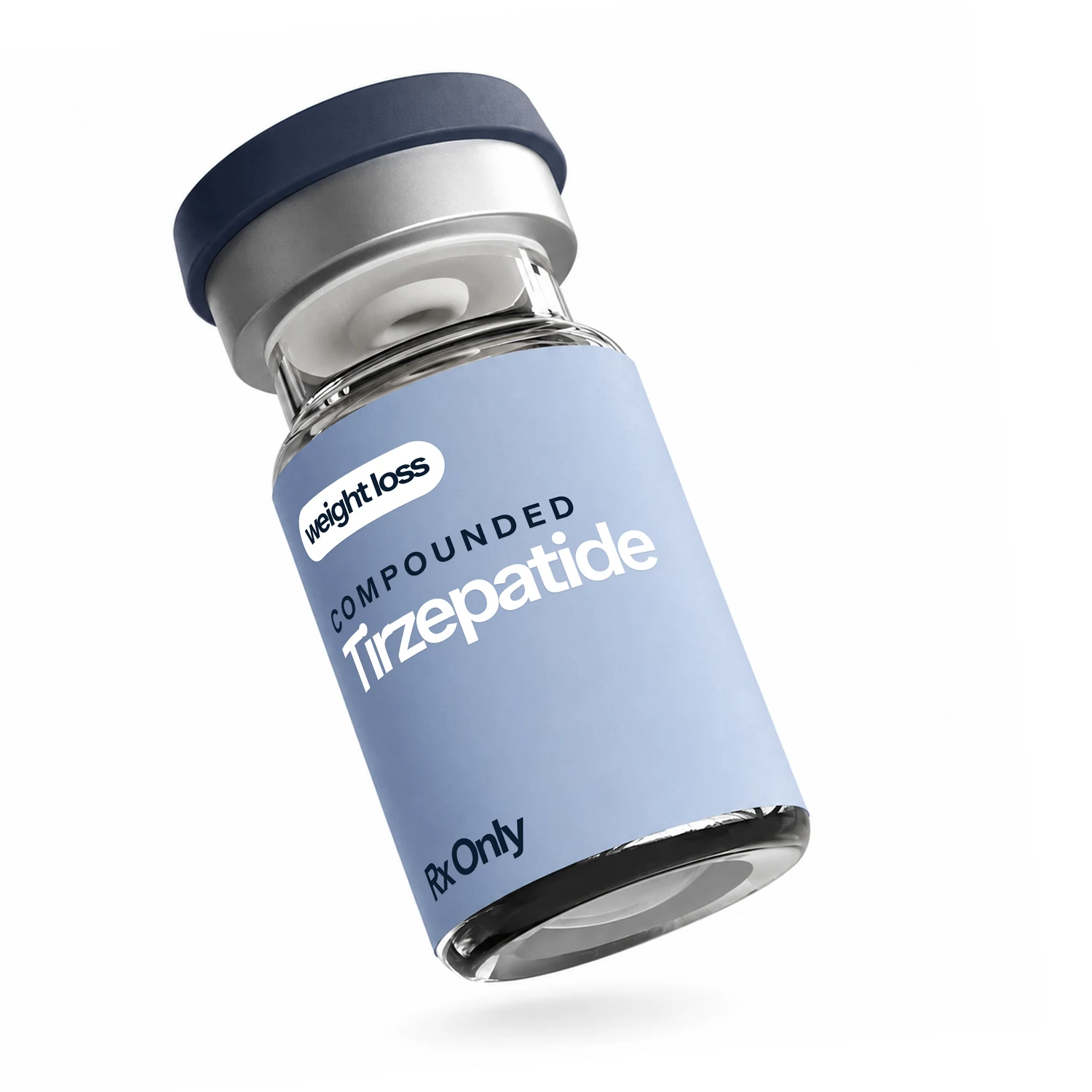
Compounded TirzepatideRx
Weekly GLP-1 + GIP injection.
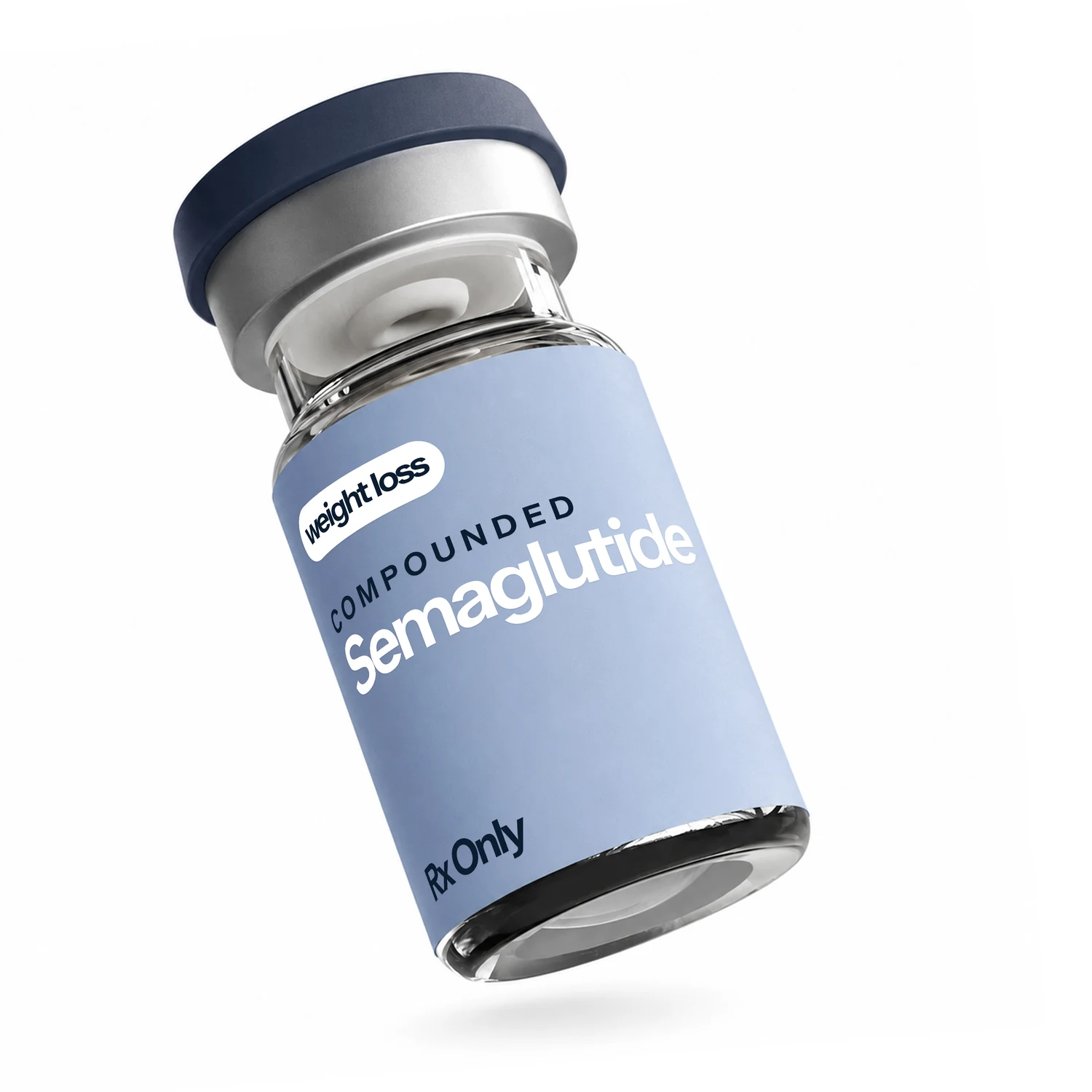
Compounded SemaglutideRx
Weekly GLP-1 injection.
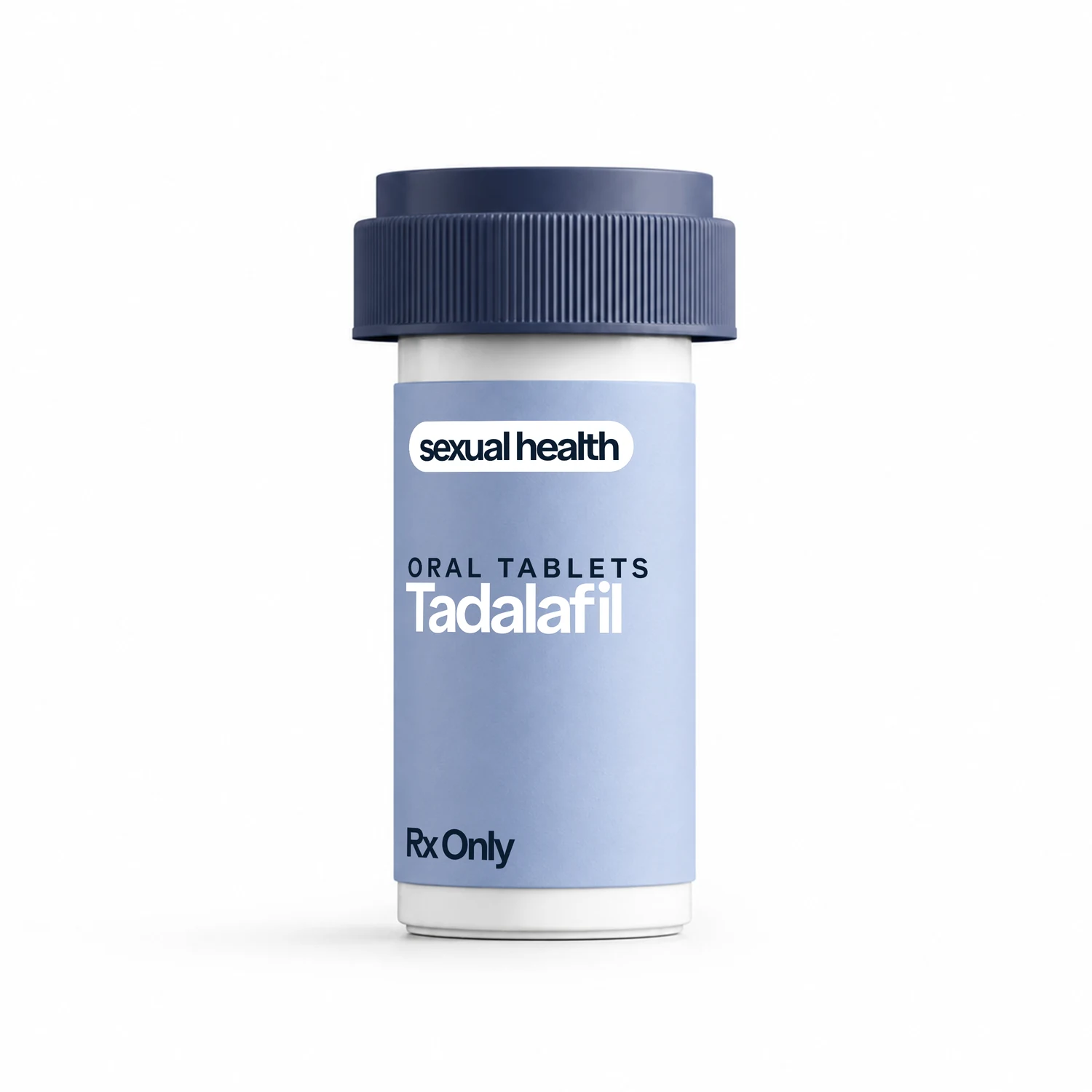
TadalafilRx
Generic Cialis®. Lasts up to 36 hours.
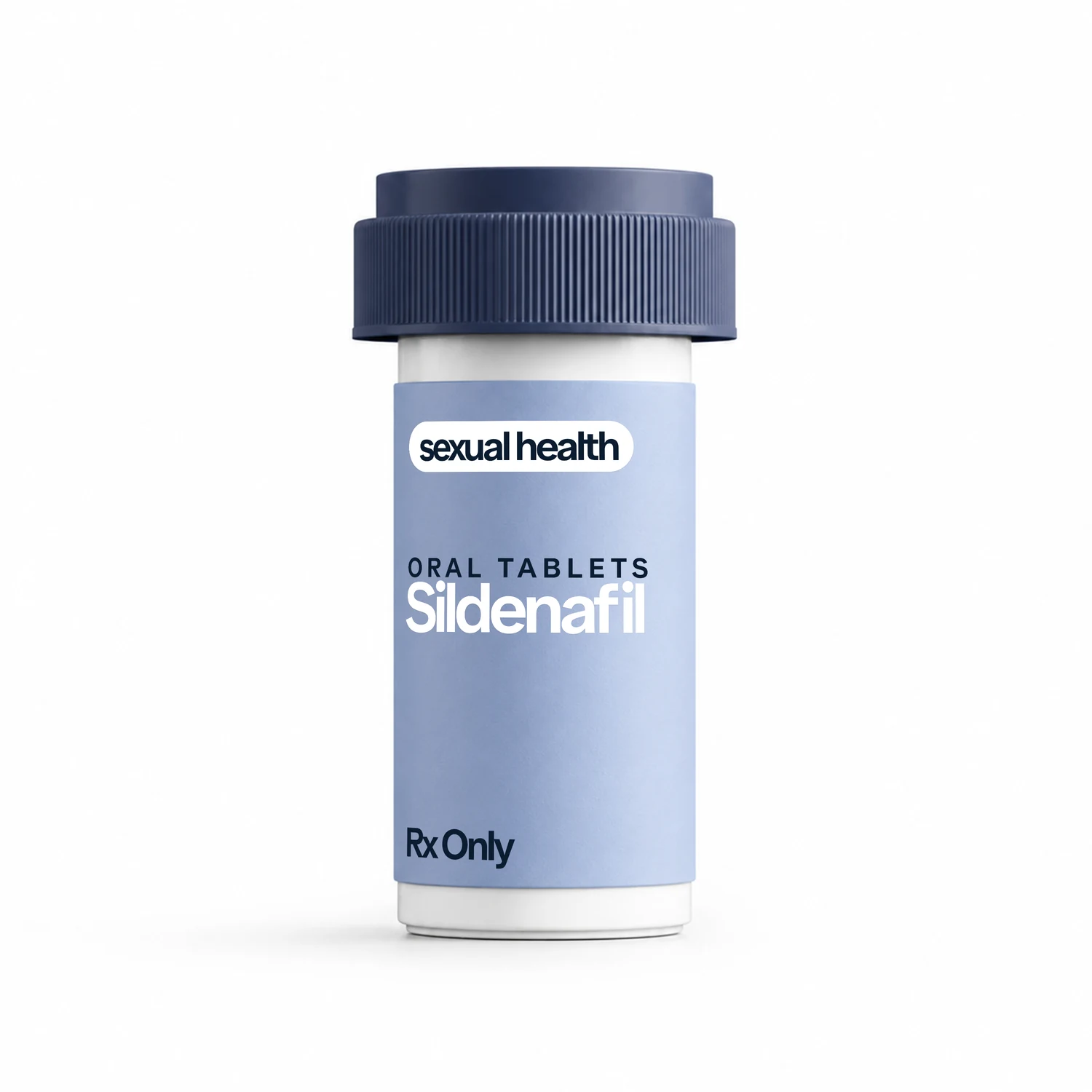
SildenafilRx
Generic Viagra®. Works in 30 minutes.
FinasterideRx
Generic Propecia®. Blocks DHT daily.

Hair Regrowth SprayRx
3-in-1 topical: finasteride + minoxidil + tretinoin.
GLP-1 Weight Loss Men Over 50: What the Data Shows

Written by David K.
Published March 4, 2026

Key Takeaways
# GLP-1 Weight Loss for Men Over 50: What the Trial Data Actually Shows
If you searched for what GLP-1 medications actually do for men over 50, you probably already passed through a few websites that felt like they were written for someone else. The claims were large. The language was breathless. You left.
This article stays with the data. The clinical trials are real, the results are meaningful, and the caveats matter as much as the headlines. If you are a man between 50 and 70 carrying weight you have not been able to move in years, the science here is worth understanding before you make any decision.
What GLP-1 Medications Are — and What They Are Not
GLP-1 receptor agonists are a class of medications that mimic glucagon-like peptide-1, a hormone your gut naturally releases after eating. That hormone signals the pancreas to release insulin, slows how quickly the stomach empties, and — critically — tells the brain that you are full. The result is reduced appetite and, over time, reduced caloric intake.
The two most studied medications in this class for weight management are semaglutide (the active ingredient in Ozempic and Wegovy) and tirzepatide (the active ingredient in Mounjaro and Zepbound). Tirzepatide acts on a second hormone pathway — glucose-dependent insulinotropic polypeptide, or GIP — in addition to GLP-1, which appears to compound its effect on appetite and fat metabolism.
These are not appetite suppressants in the stimulant sense. They work with the body's existing hormonal signaling. That distinction matters for men who have spent decades being told weight is purely a discipline problem.
What the STEP Trials Found on Semaglutide
The STEP trials — Semaglutide Treatment Effect in People with Obesity — are the foundational data set for semaglutide at the 2.4 mg weekly dose. The landmark STEP 1 trial, published in the *New England Journal of Medicine* in 2021, enrolled 1,961 adults with obesity or overweight plus at least one weight-related condition. Participants receiving semaglutide lost an average of 14.9 percent of body weight over 68 weeks, compared with 2.4 percent for placebo. Results may vary.
For men specifically, the STEP 1 data showed that male participants experienced meaningful reductions in body weight, though women in the trial lost modestly more on a percentage basis. A subsequent analysis published in [Obesity](https://onlinelibrary.wiley.com/doi/10.1002/oby.23498) examined sex-based differences across the STEP program and confirmed that men responded to semaglutide with clinically significant weight reduction, alongside improvements in waist circumference and cardiometabolic markers. Results may vary.
The STEP 4 trial, also published in the *New England Journal of Medicine*, demonstrated that continued use was necessary to maintain results — participants who switched to placebo after 20 weeks regained a substantial portion of lost weight. This is not a one-course treatment for most people.

What the SURMOUNT Trials Found on Tirzepatide
The SURMOUNT trials are the equivalent data set for tirzepatide. SURMOUNT-1, published in the *New England Journal of Medicine* in 2022, enrolled 2,539 adults with obesity or overweight. At the highest studied dose (15 mg weekly), participants lost an average of 20.9 percent of body weight over 72 weeks — the largest average reduction recorded in a Phase 3 obesity trial at the time. Results may vary.
Male participants in SURMOUNT-1 showed strong responses, with reductions in visceral fat — the metabolically active fat stored around abdominal organs — a particular concern for men in the 50-to-70 age range. According to the National Institutes of Health, excess visceral adiposity in men is associated with elevated cardiovascular risk, insulin resistance, and decline in testosterone production.
The SURMOUNT-2 trial extended findings to men and women with obesity and type 2 diabetes, a population that overlaps heavily with men over 50. Results were consistent with SURMOUNT-1 in direction, though the magnitude of weight loss was somewhat lower in the diabetic cohort. Results may vary.
Why the Data Looks Different After 50
Physiology shifts after 50 in ways that are relevant to how these medications perform. Sarcopenia — the age-related loss of skeletal muscle mass — accelerates through the fifth and sixth decades. Because GLP-1 medications reduce overall caloric intake, men who do not maintain adequate protein consumption and resistance activity during treatment risk losing lean mass alongside fat mass.
A 2023 analysis in *Cell Metabolism*00009-5) examined body composition changes during GLP-1 therapy and found that the proportion of weight lost as lean mass increased in older, more sedentary participants. The clinical implication: the medication works more effectively as a fat-loss tool when paired with sufficient dietary protein and consistent physical activity.
This is where National Nutrition Month's core message — protein adequacy, sleep quality, and a Mediterranean dietary pattern — maps directly onto the pharmacology. The American Journal of Men's Health has published multiple reviews noting that men over 50 are chronically under-consuming protein relative to their needs, particularly when in a caloric deficit. A reasonable working target for men using GLP-1 medications is 1.2 to 1.6 grams of protein per kilogram of body weight per day, but a licensed provider should set the specific guidance for your situation.
Sleep is not a secondary concern. The CDC notes that adults getting fewer than seven hours of sleep per night show measurably elevated ghrelin — a hunger-signaling hormone — and suppressed leptin. GLP-1 medications work in part through the same satiety pathways; inadequate sleep creates competing hormonal pressure that can blunt the medication's effectiveness.
Where Good Guy Rx Fits
Good Guy Rx is a technology platform. It connects men to independent licensed physicians who can evaluate whether GLP-1 therapy is appropriate for their specific health profile, and to independent state-licensed pharmacies that prepare compounded medications in accordance with FDA regulations.
Compounded semaglutide and compounded tirzepatide are not FDA-approved — they are prepared by state-licensed compounding pharmacies and dispensed under the supervision of an independent licensed provider. That distinction is material, and any platform that obscures it is worth leaving quickly.
If you want to understand whether you are a candidate for semaglutide or tirzepatide, the appropriate first step is a structured clinical evaluation — not a checkout cart. Good Guy Rx's process starts with that evaluation, conducted by an independent licensed provider who reviews your health history, current medications, and weight-related risk factors before any prescription is written.

There is no upsell. There is no subscription trap. There is a clinical process, because that is what the stewardship of your health requires.
What to Do Next
1. Start with a weight loss assessment. A structured intake through the weight loss assessment gives an independent licensed provider the information needed to evaluate your candidacy for GLP-1 therapy. This is not a marketing quiz — it is the beginning of a clinical conversation.
2. Pull together your current numbers. Know your most recent weight, waist circumference, blood pressure, fasting glucose or HbA1c if available, and any cardiovascular history. The more complete your picture, the more useful your provider conversation.
3. Set your protein and sleep floors before you start. If you are considering GLP-1 therapy, begin building the nutritional and sleep habits that will protect your lean mass during treatment. A Mediterranean dietary pattern — fish, legumes, olive oil, vegetables, adequate lean protein — is a reasonable foundation supported by the current literature.
4. Direct clinical questions to the patient portal. Any questions about dosing, side effects, drug interactions, or contraindications belong in a conversation with your licensed provider, not with a customer service representative. Good Guy Rx's patient portal connects you directly to the independent provider managing your care.
Sources
- STEP 1 Trial: Semaglutide for Weight Management — *New England Journal of Medicine*, 2021
- STEP 4 Trial: Continued Semaglutide vs. Placebo — *New England Journal of Medicine*, 2021
- Sex Differences in STEP Program Outcomes — *Obesity* Journal
- SURMOUNT-1 Trial: Tirzepatide for Weight Management — *New England Journal of Medicine*, 2022
- Lean Mass Changes During GLP-1 Therapy — *Cell Metabolism*, 202300009-5)
- Overweight and Obesity in Men — National Heart, Lung, and Blood Institute / NIH
- Sleep and Metabolic Health — CDC
- Protein Needs in Older Men — *American Journal of Men's Health*
This article is for informational purposes only and does not constitute medical advice. Talk with a licensed provider through the patient portal before starting any treatment.
References
- STEP Trial
- STEP trial
- SURMOUNT Trial
- SURMOUNT trial
- [STEP 4 Trial: Continued Semaglutide vs. Placebo — *New England Journal of Medicine*, 2021](https://www.nejm.org/doi/full/10.1056/NEJMoa2105816)
- [Sex Differences in STEP Program Outcomes — *Obesity* Journal](https://onlinelibrary.wiley.com/doi/10.1002/oby.23498)
- [SURMOUNT-1 Trial: Tirzepatide for Weight Management — *New England Journal of Medicine*, 2022](https://www.nejm.org/doi/full/10.1056/NEJMoa2206038)
- [Lean Mass Changes During GLP-1 Therapy — *Cell Metabolism*, 2023](https://www.cell.com/cell-metabolism/fulltext/S1550-4131(23)00009-5)
Share this article

Ready to start your journey?
Complete your free online visit and see if GLP-1 treatment is right for you.
Get Started