Good Guy Rx
Take care of what God gave you.
Get started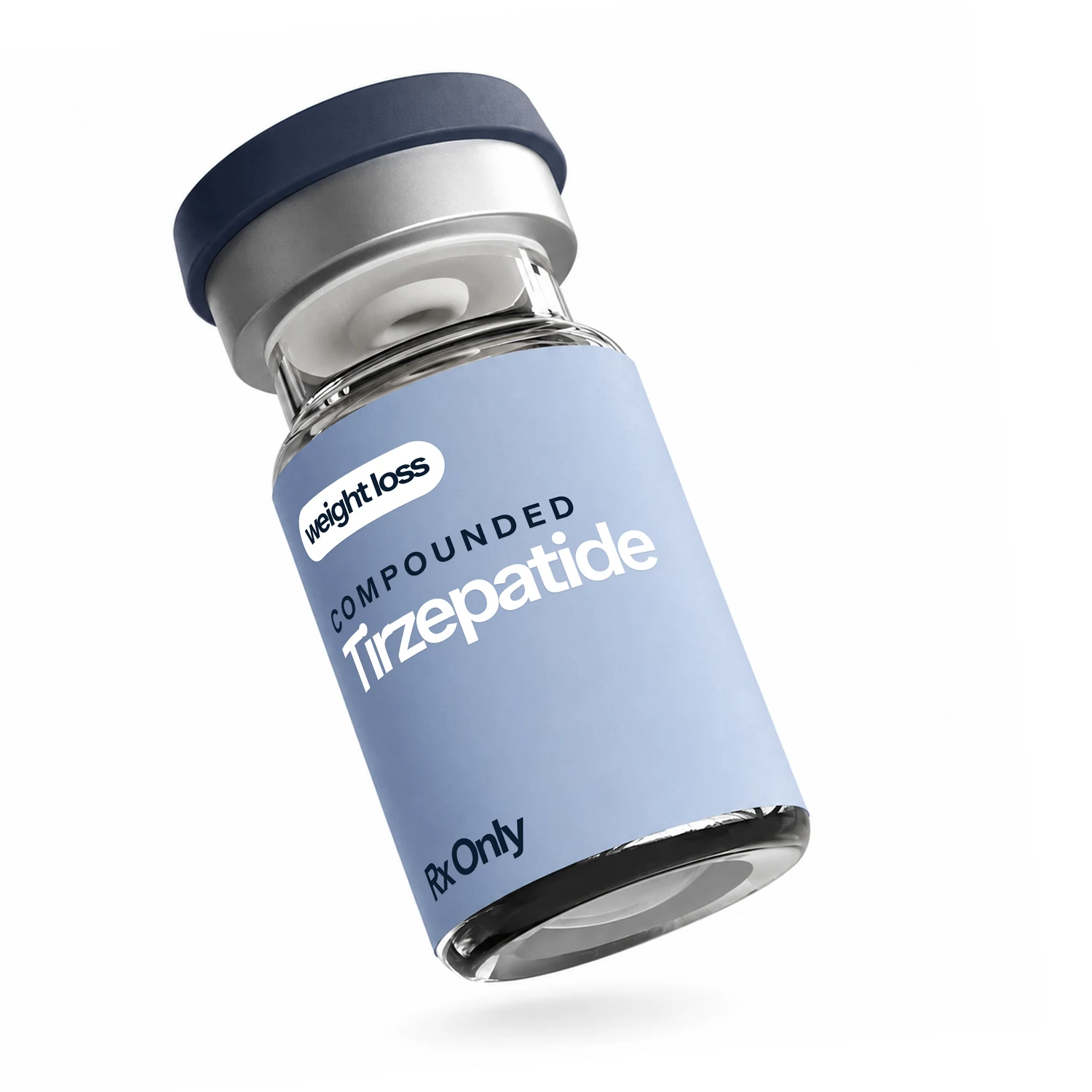
Compounded TirzepatideRx
Weekly GLP-1 + GIP injection.
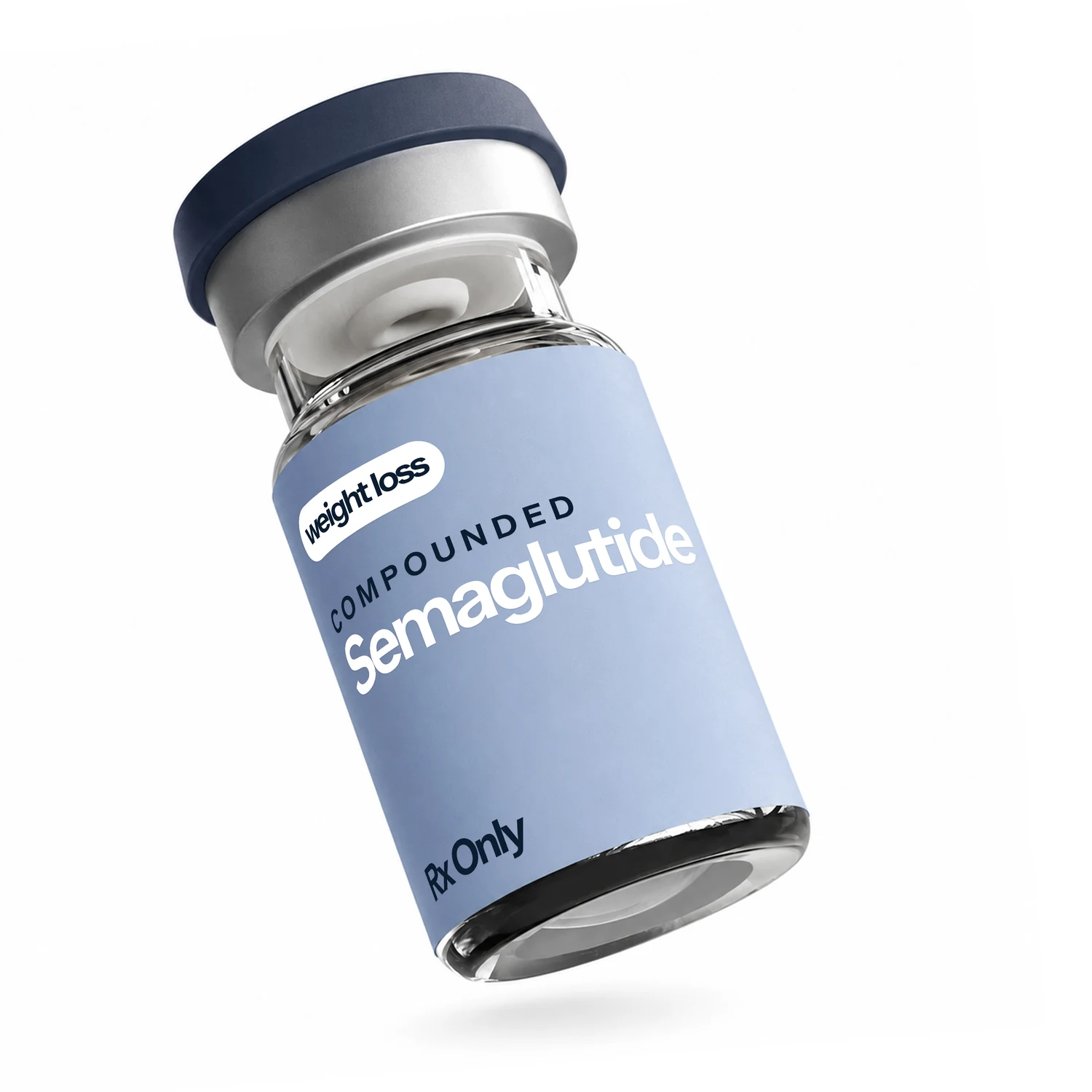
Compounded SemaglutideRx
Weekly GLP-1 injection.
TadalafilRx
Generic Cialis®. Lasts up to 36 hours.
SildenafilRx
Generic Viagra®. Works in 30 minutes.
FinasterideRx
Generic Propecia®. Blocks DHT daily.
Hair Regrowth SprayRx
3-in-1 topical: finasteride + minoxidil + tretinoin.
Topical vs Oral Finasteride: What the Evidence Says

Written by Michael H.
Published April 1, 2026

Key Takeaways
# Topical vs Oral Finasteride: What the Evidence Says
If you searched "topical vs oral finasteride," you are likely weighing two things: whether finasteride can actually slow or reverse male-pattern hair loss, and whether the side-effect profile is something a reasonable man should accept. Both questions deserve straight answers, not marketing copy. This article covers what peer-reviewed research currently shows, what the differences in formulation mean in practice, and how Good Guy Rx connects you to independent licensed providers who can help you decide.
What Finasteride Actually Does
Finasteride is a 5-alpha reductase inhibitor. The enzyme 5-alpha reductase converts testosterone into dihydrotestosterone (DHT). DHT is the androgen primarily responsible for miniaturizing hair follicles in men with a genetic predisposition to androgenetic alopecia — the clinical term for male-pattern hair loss.
Oral finasteride at 1 mg daily has been studied extensively since the 1990s. Multiple randomized controlled trials, summarized in reviews published in the Journal of the American Academy of Dermatology, confirm that oral finasteride reduces scalp DHT by approximately 60–70% and produces measurable hair-count improvement in the majority of men who use it consistently over 12 months. Results may vary.
The mechanism is systemic: a pill taken orally circulates through the bloodstream and suppresses DHT throughout the body. That systemic suppression is both the source of its effectiveness and the origin of most of the side-effect concerns.
The Oral Finasteride Side-Effect Conversation
The finasteride side effects most commonly discussed in clinical literature are sexual in nature: reduced libido, erectile dysfunction, and decreased ejaculate volume. According to the prescribing information reviewed by the FDA, these effects were reported in roughly 2–4% of men in pivotal trials, generally resolving after discontinuation.
A smaller subset of men report symptoms that persist after stopping the drug. This syndrome has been discussed in the peer-reviewed literature, including a 2020 paper in Translational Andrology and Urology, though its prevalence and mechanism remain debated. The honest position is that this is a real concern for a real minority of patients, and any licensed provider worth consulting will discuss it plainly before prescribing.
Oral finasteride also produces a measurable, sustained reduction in serum DHT — a consideration for men who want to preserve systemic androgen balance. Because the suppression is body-wide, it affects DHT levels in tissues well beyond the scalp.
The Case for Topical Finasteride
Topical finasteride applies the same active molecule directly to the scalp in a solution or gel vehicle, with the goal of concentrating drug activity at the follicle while limiting how much reaches systemic circulation.
The evidence base is younger than that for oral finasteride but is growing. A 2018 randomized controlled trial published in the Journal of the European Academy of Dermatology and Venereology (Caserini et al.) compared a topical finasteride solution against oral finasteride and placebo. The topical group achieved hair-count improvements comparable to the oral group, while serum DHT suppression was substantially lower — approximately 50% less systemic DHT reduction compared to the oral form. Results may vary.

A 2022 study in the Journal of Cosmetic Dermatology (Eichenfield et al.) extended these findings, noting that topical finasteride at concentrations between 0.1% and 0.25% delivered follicle-level DHT suppression with a more favorable systemic hormone profile than oral administration. Results may vary.
Topical finasteride safety data to date suggest the sexual side-effect rate is lower compared to the oral form, though long-term head-to-head trial data over multiple years remain limited. The American Academy of Dermatology notes topical finasteride as an emerging option while acknowledging that the oral form has the longer evidence record.
The practical limitation of topical finasteride is formulation access. It is not available as an FDA-approved branded product in the United States. It is prepared by state-licensed compounding pharmacies in accordance with FDA regulations.
Topical Finasteride Plus Minoxidil: The Combination Rationale
Many clinicians now favor combining topical finasteride with minoxidil, a vasodilator that promotes follicle blood supply through a separate mechanism. The two compounds address hair loss from different angles: finasteride targets the hormonal trigger, minoxidil targets follicle perfusion and growth-cycle extension.
A 2020 meta-analysis published in Dermatology and Therapy found that combination therapy (finasteride plus minoxidil in any route) produced greater hair-count outcomes than either agent alone. Results may vary. Combining both in a single topical solution improves adherence — one application covers both mechanisms.
For men who want to minimize systemic DHT suppression while still addressing the primary hormonal driver of hair loss, a compounded topical finasteride and minoxidil solution represents the formulation most consistent with that goal.
April: A Note on Stewardship of the Whole Body
April is Testicular Cancer Awareness Month. It sits alongside the hair-loss conversation naturally because both topics share a common reluctance: men in the 45–70 range tend to defer self-examination and provider conversations until something becomes impossible to ignore.
Testicular self-examination takes under two minutes. The American Cancer Society recommends monthly checks — noting any firmness, lumps, or change in size or shape, and reporting findings to a provider promptly. Testicular cancer is among the most treatable cancers when detected early. Treating the body as something worth maintaining — not just repairing after damage is done — is stewardship in the plain sense of the word.
If you are already talking with a licensed provider about hair loss, that conversation is a reasonable opening to ask about a full primary-care screen. Both conversations belong to the same discipline.
Where Good Guy Rx Fits
Good Guy Rx is a technology platform. It connects men to independent licensed physicians and independent state-licensed pharmacies. Good Guy Rx does not manufacture medications and is not a pharmacy.
For men who want to explore oral finasteride, a licensed provider can evaluate your medical history and, if appropriate, prescribe finasteride dispensed through an independent state-licensed pharmacy.

For men who want to explore the topical formulation — particularly those with questions about minimizing systemic side effects — the compounded topical finasteride + minoxidil option connects you to the same independent licensed physician consult and, if prescribed, to a state-licensed compounding pharmacy that prepares the solution in accordance with FDA regulations. Compounded medications are not FDA-approved.
A provider through the Good Guy Rx patient portal can review your history, discuss the evidence for each formulation, and make a recommendation specific to your situation. Medical questions go to the provider — not to support staff.
What to Do Next
Step 1: Decide what matters most to you. If minimizing systemic DHT suppression is a priority, bring that specifically to your provider consultation. If a longer evidence record matters more, that conversation goes toward oral finasteride.
Step 2: Complete an online visit. The Good Guy Rx platform routes you to an independent licensed physician who reviews your intake, medical history, and any relevant concerns before any prescription is written.
Step 3: If a prescription is issued, it goes to an independent state-licensed pharmacy. Oral finasteride ships as the branded or generic form. Compounded topical finasteride with minoxidil is prepared by a state-licensed compounding pharmacy per your provider's prescription.
Step 4: Set a follow-up. Hair loss treatments require consistency — typically 6 to 12 months before full assessment. A licensed provider through the patient portal can evaluate your response and adjust the plan. Results may vary.
Sources
- Caserini M, et al. — Journal of the European Academy of Dermatology and Venereology, 2018 — https://pubmed.ncbi.nlm.nih.gov/29044820/
- Eichenfield L, et al. — Journal of Cosmetic Dermatology, 2022 — https://pubmed.ncbi.nlm.nih.gov/35166024/
- Gupta AK, et al. — Dermatology and Therapy, 2020 — https://pubmed.ncbi.nlm.nih.gov/32072474/
- Finasteride Prescribing Information — FDA — https://www.accessdata.fda.gov/drugsatfda_docs/label/2012/020788s020lbl.pdf
- American Academy of Dermatology — Hair Loss: Diagnosis and Treatment — https://www.aad.org/public/diseases/hair-loss/treatment/
- American Cancer Society — Testicular Self-Exam — https://www.cancer.org/cancer/testicular-cancer/detection-diagnosis-staging/detection.html
- Traish AM, et al. — Translational Andrology and Urology, 2020 — https://pubmed.ncbi.nlm.nih.gov/32257862/
This article is for informational purposes only and does not constitute medical advice. Talk with a licensed provider through the patient portal before starting any treatment.
References
- [Eichenfield L, et al. — Journal of Cosmetic Dermatology, 2022 — https://pubmed.ncbi.nlm.nih.gov/35166024/](https://pubmed.ncbi.nlm.nih.gov/35166024/)
- [Gupta AK, et al. — Dermatology and Therapy, 2020 — https://pubmed.ncbi.nlm.nih.gov/32072474/](https://pubmed.ncbi.nlm.nih.gov/32072474/)
- [Finasteride Prescribing Information — FDA — https://www.accessdata.fda.gov/drugsatfda_docs/label/2012/020788s020lbl.pdf](https://www.accessdata.fda.gov/drugsatfda_docs/label/2012/020788s020lbl.pdf)
- [American Academy of Dermatology — Hair Loss: Diagnosis and Treatment — https://www.aad.org/public/diseases/hair-loss/treatment/](https://www.aad.org/public/diseases/hair-loss/treatment/)
- [American Cancer Society — Testicular Self-Exam — https://www.cancer.org/cancer/testicular-cancer/detection-diagnosis-staging/detection.html](https://www.cancer.org/cancer/testicular-cancer/detection-diagnosis-staging/detection.html)
- [Traish AM, et al. — Translational Andrology and Urology, 2020 — https://pubmed.ncbi.nlm.nih.gov/32257862/](https://pubmed.ncbi.nlm.nih.gov/32257862/)
- This article is for informational purposes only and does not constitute medical advice. Talk with a licensed provider through the patient portal before starting any treatment.*
Share this article

Ready to start your journey?
Complete your free online visit and see if GLP-1 treatment is right for you.
Get Started