
Good Guy Rx
Take care of what God gave you.
Get started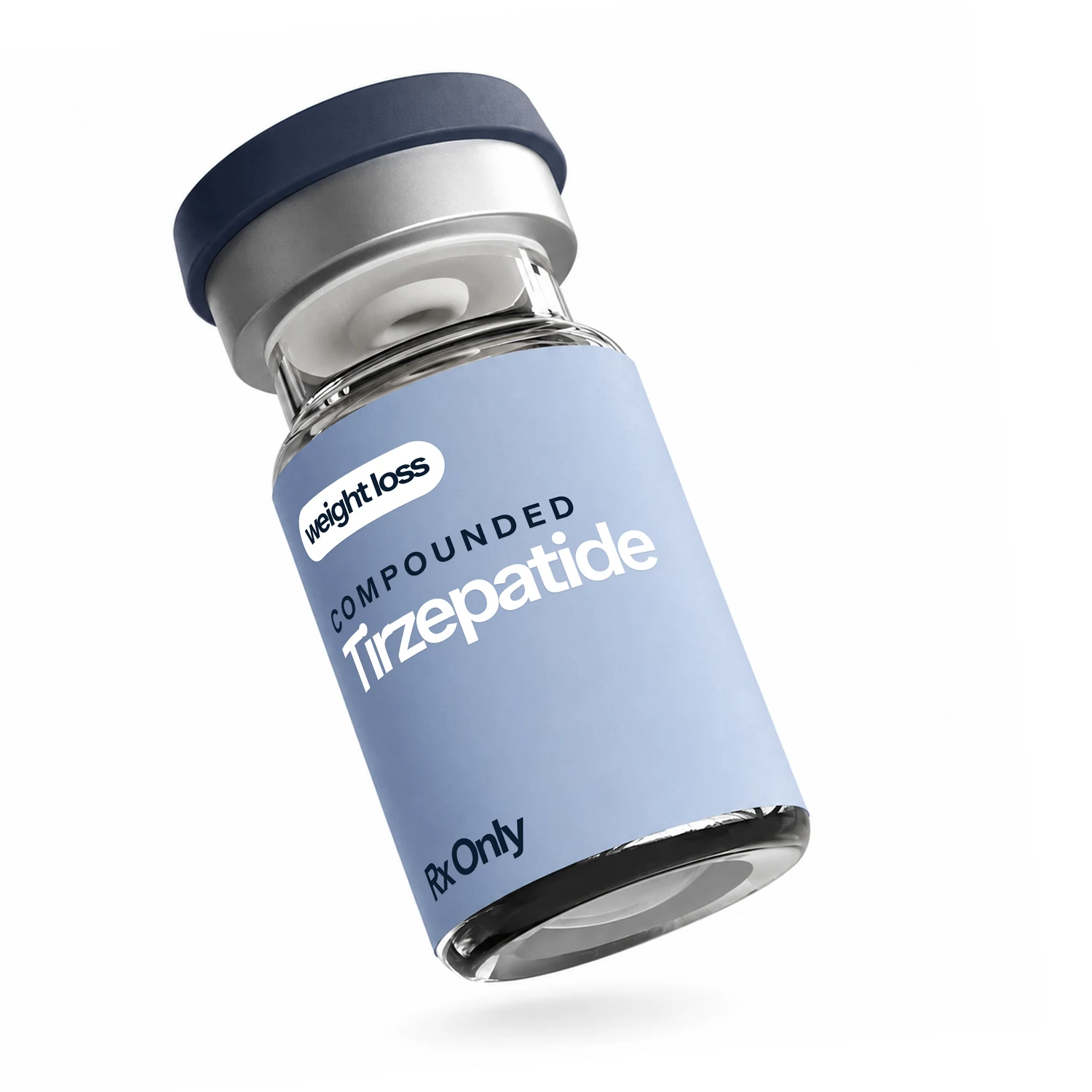
Compounded TirzepatideRx
Weekly GLP-1 + GIP injection.
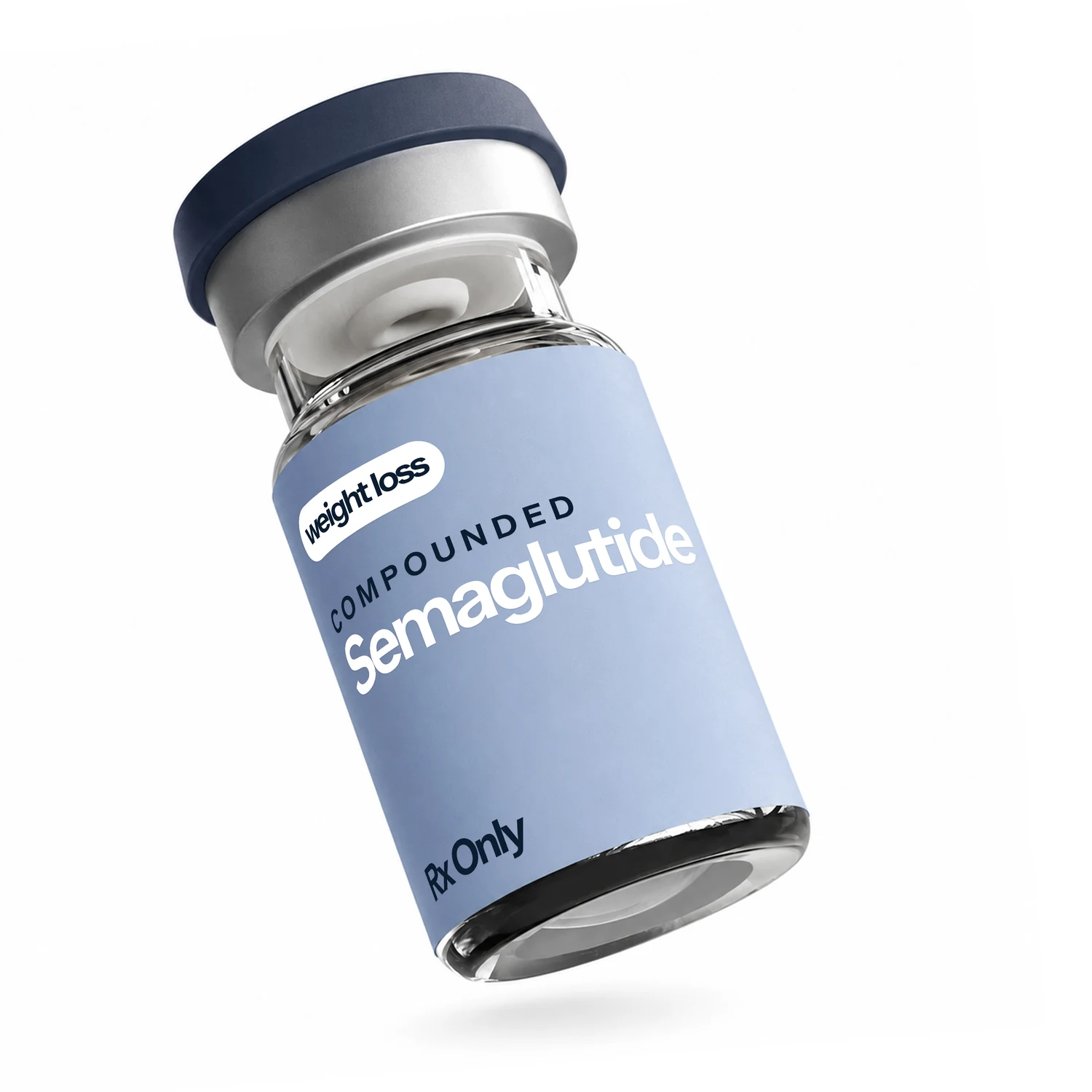
Compounded SemaglutideRx
Weekly GLP-1 injection.

TadalafilRx
Generic Cialis®. Lasts up to 36 hours.

SildenafilRx
Generic Viagra®. Works in 30 minutes.
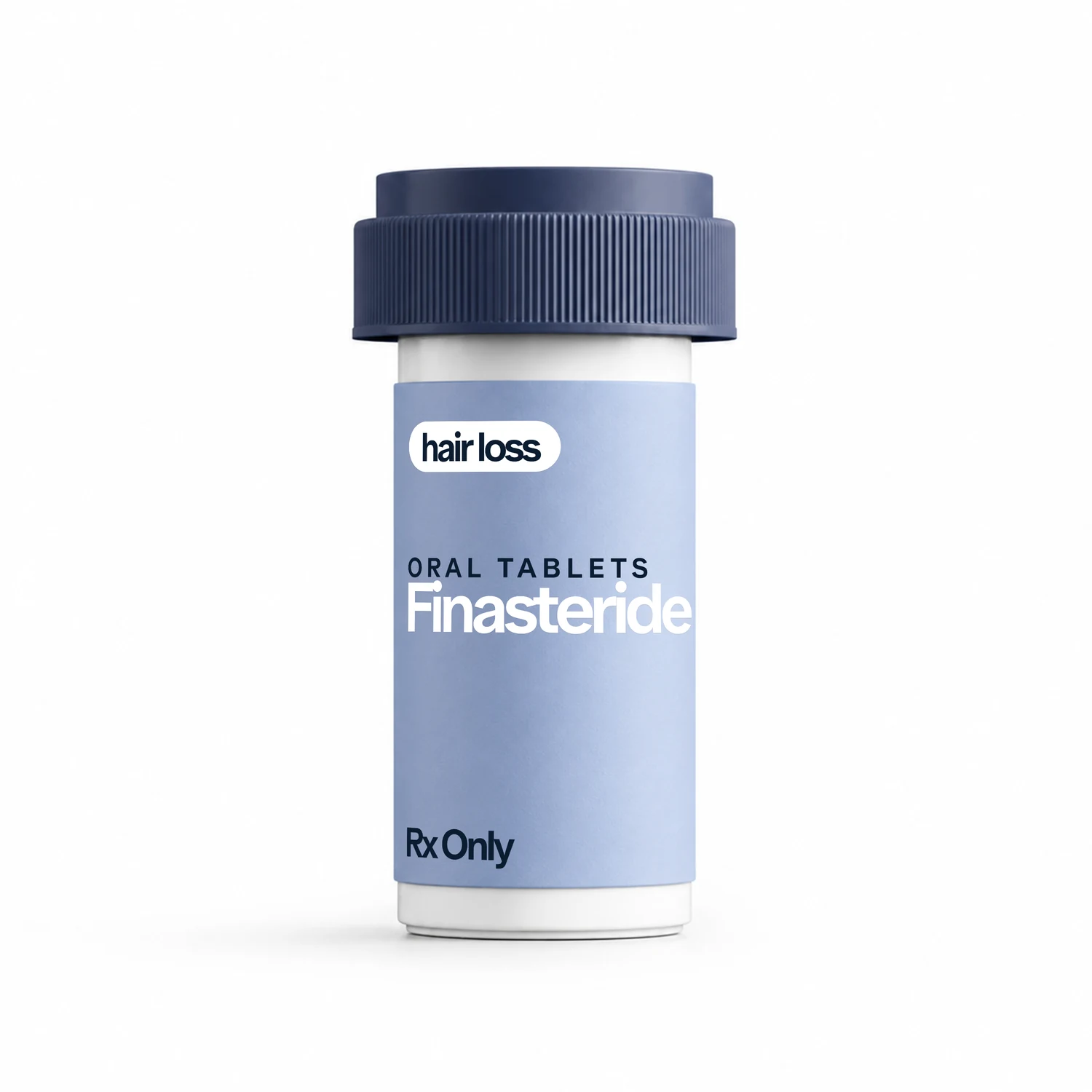
FinasterideRx
Generic Propecia®. Blocks DHT daily.
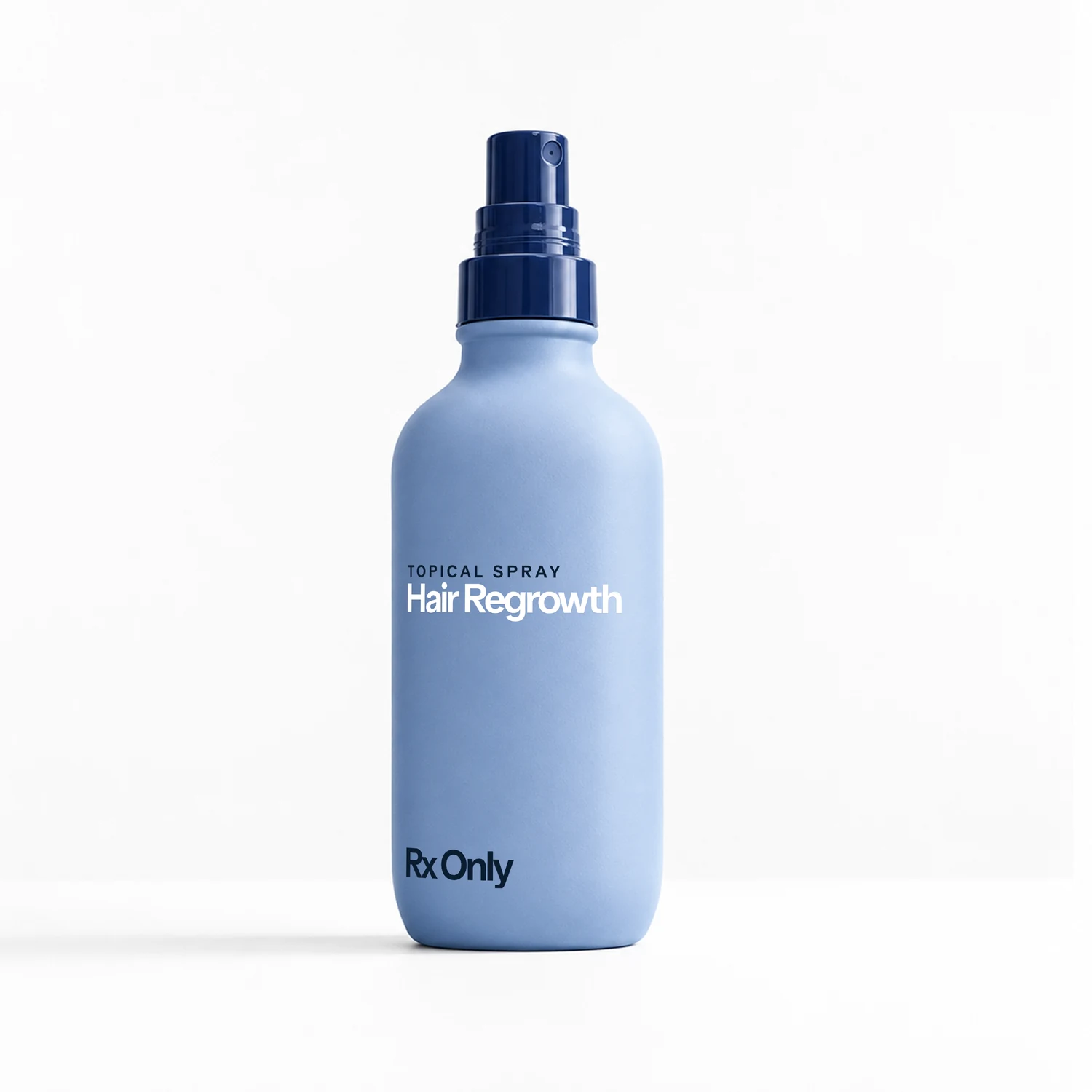
Hair Regrowth SprayRx
3-in-1 topical: finasteride + minoxidil + tretinoin.
Causes of Hair Loss in Men: A Complete Checklist

Written by Michael H.
Published April 23, 2026

Key Takeaways
# Causes of Hair Loss in Men: A Complete Checklist
If you typed "why am I losing hair" into a search bar recently, you are not alone — and you are asking the right question. The causes of hair loss in men are more varied than most people assume. Some are permanent. Some are temporary. Some respond well to treatment. Some do not. The first step is knowing which one you are dealing with.
This checklist walks through every major reason for thinning hair in men, what the science says about each, and what practical steps are available.
1. Androgenetic Alopecia (Male Pattern Hair Loss)
Androgenetic alopecia is the single most common reason for hair loss in men, affecting roughly 50 percent of men by age 50, according to the American Academy of Dermatology. It is driven by dihydrotestosterone (DHT), a byproduct of testosterone that binds to receptors in genetically susceptible hair follicles and gradually shrinks them over time.
The pattern is recognizable: a receding hairline at the temples, thinning at the crown, or both progressing toward each other. The follicles do not die immediately — they miniaturize across years or decades. That window matters. Earlier intervention generally preserves more hair than later intervention.
Genetics plays the primary role. If your father or maternal grandfather dealt with significant hair loss before 50, your risk is elevated. But genetics is not destiny where treatment is concerned.
What to do: Two treatments have decades of peer-reviewed evidence behind them. **Finasteride** is an oral 5-alpha reductase inhibitor that reduces DHT production. A landmark study published in the *Journal of the American Academy of Dermatology* followed men over five years and found finasteride statistically significantly slowed hair loss and promoted regrowth compared to placebo. **Topical minoxidil** is a vasodilator applied directly to the scalp that prolongs the anagen (growth) phase of the hair cycle. Results may vary. Both are most effective when started before follicle loss is advanced.
2. Telogen Effluvium (Stress-Related Shedding)
Telogen effluvium is a temporary but alarming form of hair loss in which a large number of follicles simultaneously shift into the telogen (resting/shedding) phase. The trigger is typically a physiological shock to the body — major surgery, severe illness, rapid weight loss, or prolonged psychological stress.
The shedding usually begins two to four months after the triggering event, which is why many men do not connect the hair loss to its actual cause. The American Academy of Dermatology notes that most cases of telogen effluvium resolve on their own within six to nine months once the underlying stressor is addressed.
What to do: Identify the timeline. If significant shedding started roughly three months after a stressful event, illness, or dramatic diet change, telogen effluvium is a strong candidate. Support the body with adequate protein (hair is primarily keratin, a protein), manage the stressor where possible, and give the cycle time to correct. A licensed provider can run bloodwork to rule out compounding factors.
3. Nutritional Deficiencies
Hair follicles are among the most metabolically active structures in the body. They are also among the first to suffer when the body is nutritionally depleted. Research published in *Dermatology and Therapy* has linked hair shedding to deficiencies in iron, zinc, vitamin D, biotin, and adequate dietary protein.
Men who have recently changed their diet — or who have been under-eating for extended periods — are at particular risk. Iron-deficiency is less common in men than in women, but it does occur, and it is frequently overlooked.
What to do: A standard blood panel can identify most of these deficiencies. Do not self-supplement aggressively without bloodwork; excess zinc and vitamin A, for example, can themselves trigger hair loss. Correct deficiencies with food first where possible, and with targeted supplementation under provider guidance second.

4. Thyroid Dysfunction
Both hypothyroidism (underactive thyroid) and hyperthyroidism (overactive thyroid) can produce diffuse thinning hair across the scalp. According to the National Institutes of Health, thyroid hormones directly regulate hair follicle cycling, and disruption in either direction can push follicles prematurely into the resting phase.
Thyroid conditions are often accompanied by other symptoms — fatigue, weight changes, temperature sensitivity, mood shifts — but hair loss can appear before other signs become obvious.
What to do: A thyroid-stimulating hormone (TSH) test is a routine part of most annual bloodwork panels. If thyroid dysfunction is identified, treating it is the primary intervention. Hair often recovers once thyroid levels stabilize, though it may take six months to a year to see full benefit.
5. Medications and Medical Treatments
A number of commonly prescribed medications list hair loss as a side effect. These include certain blood pressure medications (particularly beta-blockers), cholesterol-lowering drugs, anticoagulants, antidepressants, and anabolic steroids. Chemotherapy is the most widely known cause in this category, producing rapid, diffuse loss by targeting rapidly dividing cells — including follicle cells.
What to do: Review any medication started in the months before shedding began. Do not discontinue a prescribed medication without speaking to a licensed provider. In many cases, a substitution or dosage adjustment is possible.
6. Alopecia Areata and Autoimmune Causes
Alopecia areata is an autoimmune condition in which the immune system mistakenly attacks hair follicles, producing patchy, well-defined areas of hair loss rather than the gradual thinning seen in androgenetic alopecia. The National Alopecia Areata Foundation estimates it affects roughly 6.8 million people in the United States.
This is a different clinical category than androgenetic alopecia and responds to different treatments — topical or injected corticosteroids, contact immunotherapy, or newer JAK inhibitor medications. It requires a dermatologist's diagnosis and a different clinical path.
What to do: If your hair loss appears as round, smooth patches rather than a receding line or diffuse thinning, request an evaluation from a dermatologist. This is not a condition to self-treat with over-the-counter products.
7. Scalp Conditions
Chronic scalp conditions — including seborrheic dermatitis, scalp psoriasis, and tinea capitis (a fungal infection) — can damage follicles directly through inflammation or infection. These conditions are often identifiable by accompanying symptoms: flaking, scaling, itching, or redness.
What to do: Persistent scalp irritation alongside hair loss warrants a clinical evaluation. Medicated shampoos, antifungal treatments, or topical steroids are standard interventions depending on the diagnosis.
A Note for April: Testicular Cancer Awareness Month
April is Testicular Cancer Awareness Month. Hair health is one piece of a broader picture of physical stewardship. A man who takes time to notice changes in his hair is also a man who should take time for regular self-exams. Testicular cancer is among the most treatable cancers when caught early — the American Cancer Society recommends monthly self-exams beginning in adolescence. The discipline of paying attention to the body extends across every system, not just the one currently most visible in the mirror.

Where Good Guy Rx Fits
Good Guy Rx is a technology platform. It connects men to independent licensed physicians for evaluation and, when clinically appropriate, to independent state-licensed pharmacies for treatment.
For men whose hair loss traces to androgenetic alopecia — the most common cause — two well-studied options are available through the platform. **Finasteride** addresses the hormonal root of male pattern hair loss at the follicle level. **Topical minoxidil** addresses follicle cycling directly at the scalp. Compounded medications prepared through this platform are prepared by state-licensed compounding pharmacies in accordance with FDA regulations — they are not FDA-approved in the way that branded drugs are, and the distinction is worth understanding clearly.
A licensed provider through the patient portal can review your health history, identify which cause or combination of causes applies to your situation, and recommend a protocol appropriate for your case. Support staff do not answer clinical questions — those go to your provider through the portal.
What to Do Next
Step 1: Take the checklist seriously. Look at the timeline of your shedding — when it started, what else was happening in your life at that time, and what pattern the loss follows. This context is clinically useful.
Step 2: Get basic bloodwork if you have not had it recently. A standard panel that includes thyroid function, iron, vitamin D, and zinc will rule out several causes on this list.
Step 3: Start an online visit. If your pattern points to androgenetic alopecia, a licensed provider can confirm the diagnosis and discuss whether finasteride, topical minoxidil, or a combination is appropriate for your situation. Results may vary.
Step 4: Be consistent. Hair loss treatments that work do so over months, not weeks. The men who see the most benefit are the men who treat this the same way they treat blood pressure management or cholesterol — as maintenance, not a one-time fix.
Sources
- Male-Pattern Hair Loss — American Academy of Dermatology
- Excessive Hair Shedding (Telogen Effluvium) — American Academy of Dermatology
- Finasteride for Male Androgenetic Alopecia — Journal of the American Academy of Dermatology
- Nutritional Factors and Hair Loss — Dermatology and Therapy
- Thyroid Disorders and Hair — National Institutes of Health
- Alopecia Areata Overview — National Alopecia Areata Foundation
- Testicular Cancer Early Detection — American Cancer Society
This article is for informational purposes only and does not constitute medical advice. Talk with a licensed provider through the patient portal before starting any treatment.
References
- [Excessive Hair Shedding (Telogen Effluvium) — American Academy of Dermatology](https://www.aad.org/public/diseases/hair-loss/types/excessive-shedding)
- [Finasteride for Male Androgenetic Alopecia — Journal of the American Academy of Dermatology](https://www.jaad.org/)
- [Nutritional Factors and Hair Loss — Dermatology and Therapy](https://link.springer.com/journal/13555)
- [Thyroid Disorders and Hair — National Institutes of Health](https://www.ncbi.nlm.nih.gov/books/NBK279005/)
- [Alopecia Areata Overview — National Alopecia Areata Foundation](https://www.naaf.org/)
- [Testicular Cancer Early Detection — American Cancer Society](https://www.cancer.org/cancer/testicular-cancer/detection-diagnosis-staging/detection.html)
- This article is for informational purposes only and does not constitute medical advice. Talk with a licensed provider through the patient portal before starting any treatment.*
Share this article

Ready to start your journey?
Complete your free online visit and see if GLP-1 treatment is right for you.
Get Started