Good Guy Rx
Take care of what God gave you.
Get started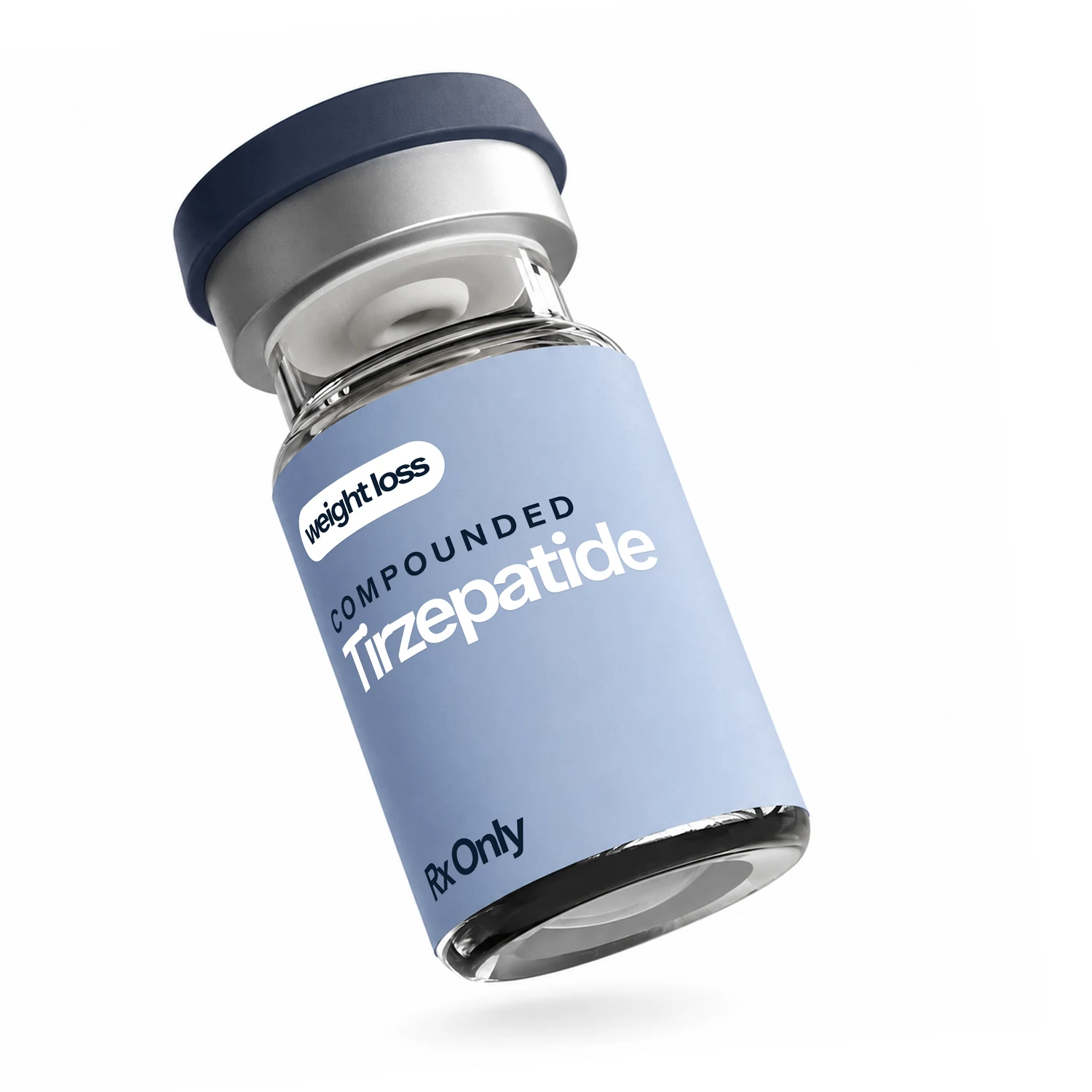
Compounded TirzepatideRx
Weekly GLP-1 + GIP injection.
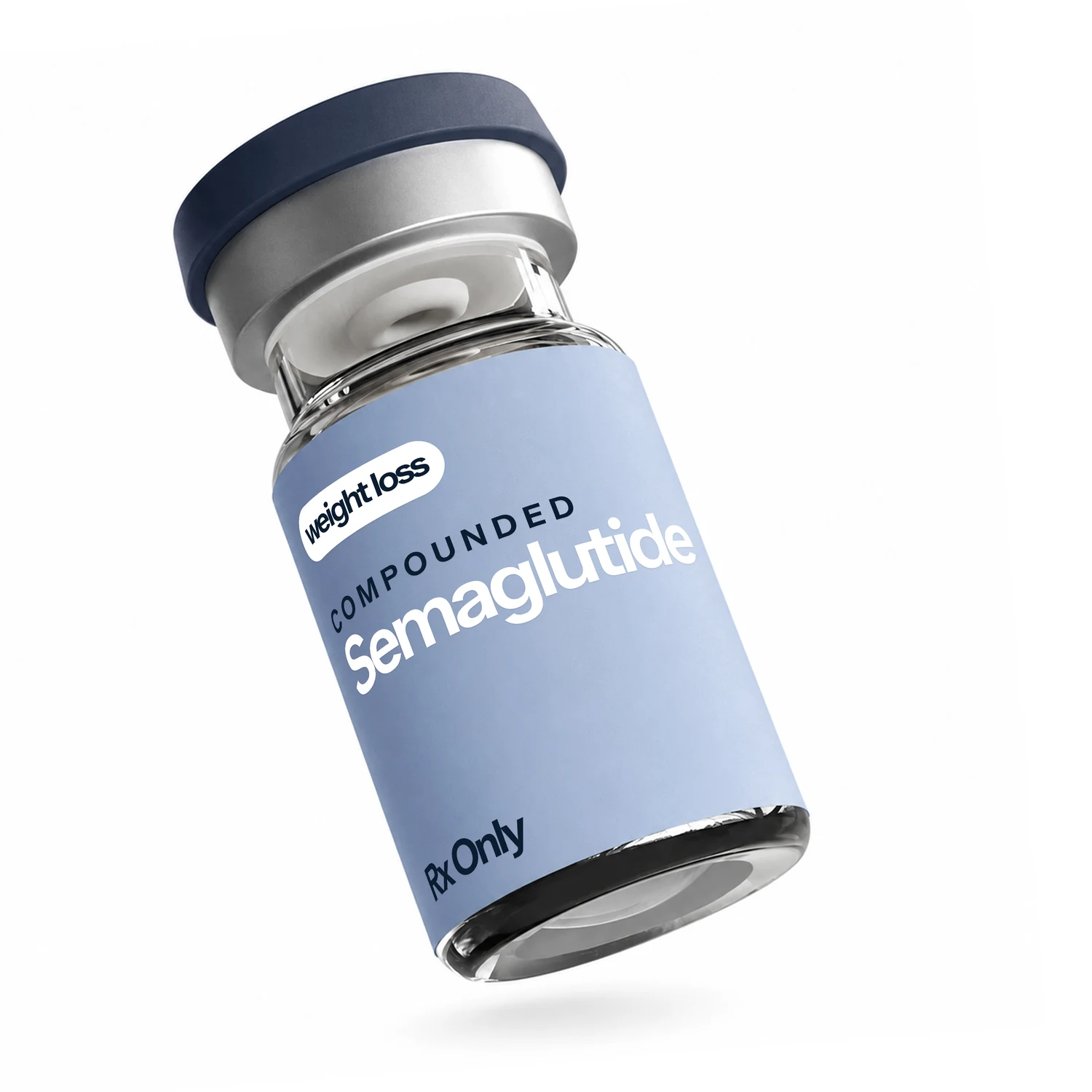
Compounded SemaglutideRx
Weekly GLP-1 injection.

TadalafilRx
Generic Cialis®. Lasts up to 36 hours.

SildenafilRx
Generic Viagra®. Works in 30 minutes.
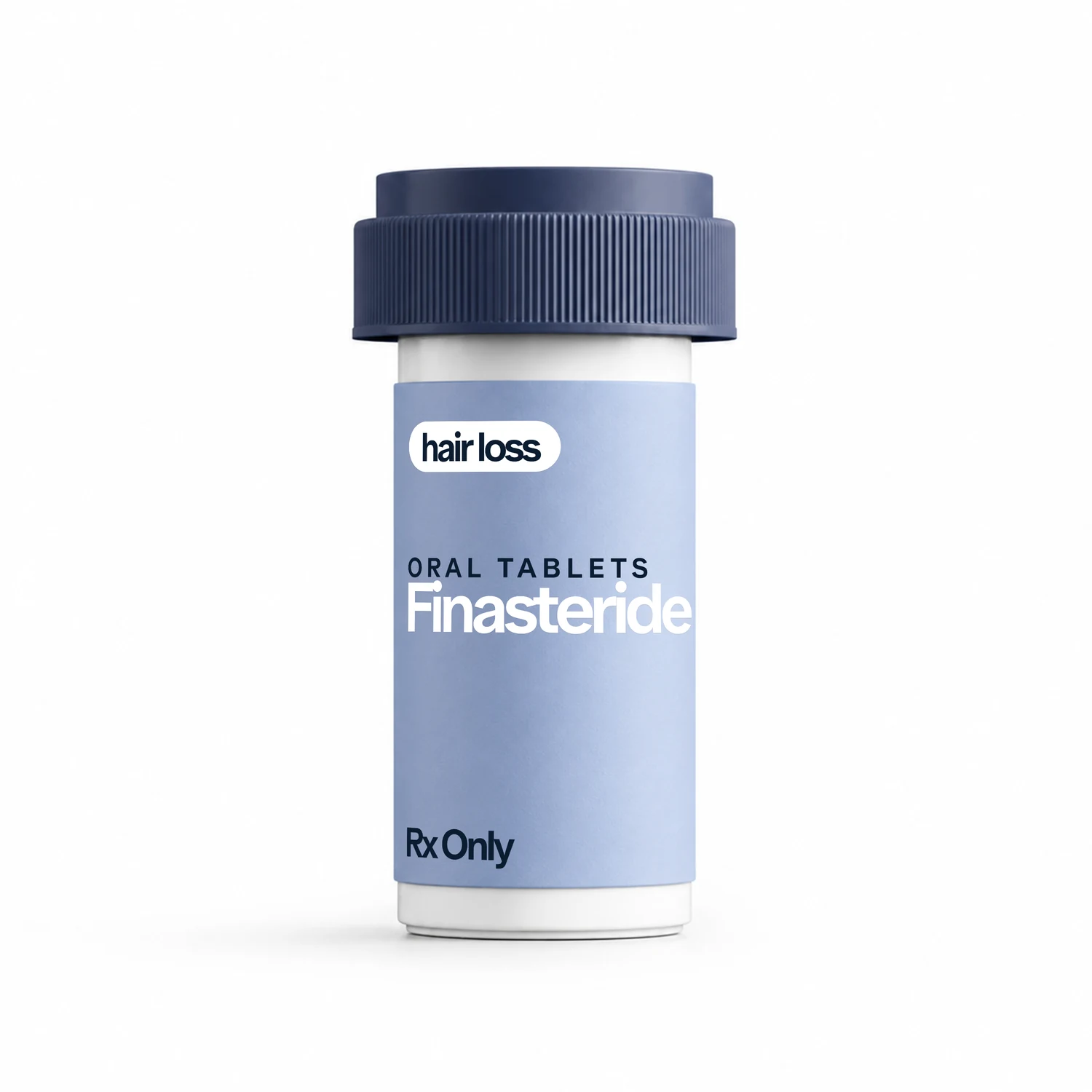
FinasterideRx
Generic Propecia®. Blocks DHT daily.
Hair Regrowth SprayRx
3-in-1 topical: finasteride + minoxidil + tretinoin.
Stress Hair Loss in Men: Cortisol, Shedding, and What Holds

Written by Michael H.
Published March 18, 2026

Key Takeaways
# Stress Hair Loss in Men: Cortisol, Shedding, and What Holds
If you typed something like "why is my hair falling out more than usual" or "stress hair loss men" into a search bar this month, you are not alone — and you are not imagining it. March is one of the most consistent months for reported increases in hair shedding among men over 40. There are measurable biological reasons for that. This article explains what is happening, why cortisol sits at the center of it, and what you can do right now.
What the Scalp Is Actually Doing
Every hair on your head follows a cycle. The active growth phase is called anagen. The transitional phase is called catagen. The resting phase — the one that ends in shedding — is called telogen. Under normal conditions, roughly 85 to 90 percent of your hair is in anagen at any given time, according to research published in the *Journal of Clinical Endocrinology and Metabolism*.
When the body experiences significant physiological or psychological stress, it can push a large percentage of follicles out of anagen prematurely and into telogen all at once. The clinical term for this is telogen effluvium — a diffuse, temporary shedding pattern that typically surfaces two to three months after the triggering event. That lag is important. The stress that is driving your March shed may trace back to a difficult November or December. Results may vary depending on the duration and severity of the stressor.
Telogen effluvium is different from androgenetic alopecia (pattern baldness driven by dihydrotestosterone, or DHT). It does not leave a receding hairline or a bald patch. It thins the entire scalp more or less evenly, and in most cases it resolves once the underlying cause is addressed. The two conditions can, however, occur at the same time, which is why getting a proper evaluation matters.
Cortisol's Role in the Cycle
Cortisol is the primary stress hormone produced by the adrenal glands. In short bursts, it is protective — it sharpens focus and mobilizes energy reserves. Chronically elevated cortisol is something else entirely. According to a 2021 study published in *Nature*, sustained cortisol elevation suppresses the activity of hair follicle stem cells by depleting a signaling molecule called Gas6, effectively keeping follicles locked out of the growth phase for longer than normal.
For men between 45 and 70, the cortisol picture is compounded. Testosterone and dehydroepiandrosterone (DHEA) — both of which buffer the effects of cortisol — decline with age. The National Institute on Aging notes that this hormonal shift leaves older men more biologically vulnerable to the downstream effects of chronic stress, including disrupted sleep, metabolic changes, and yes, accelerated hair cycling.
The winter-to-spring window adds a further layer. Reduced daylight hours through November and February suppress melatonin rhythms and elevate baseline cortisol. By March, men who have been under sustained work, financial, or family pressure for months are walking around with follicle stem cells that have been biochemically told to rest rather than grow.
March, Nutrition, and the Follicle's Supply Chain
National Nutrition Month lands in March for a reason. The follicle is one of the most metabolically active structures in the human body. It requires a steady supply of protein, iron, zinc, biotin, and omega-3 fatty acids to sustain the anagen phase. When diet quality drops — as it often does across the holiday and winter months — the follicle is among the first tissues to be deprioritized by the body's resource allocation.

Protein is the foundational input. Hair is composed almost entirely of keratin, a structural protein. The Academy of Nutrition and Dietetics recommends that men over 40 consume at least 1.2 grams of protein per kilogram of body weight daily to preserve muscle mass and support tissue repair. For a 200-pound man, that is roughly 110 grams per day — a number most American men fall short of, particularly those who skip breakfast or eat heavily processed lunches.
The Mediterranean dietary pattern — which emphasizes fish, legumes, olive oil, leafy greens, and lean poultry — has been associated with lower circulating cortisol and better cardiovascular markers in men over 45, according to research published in *Nutrients*. It is not a trendy eating plan. It is the closest thing nutritional science has to a consensus recommendation for men in this age range. Practical entry points: swap processed snack foods for a handful of walnuts, add one serving of fatty fish (salmon, sardines, mackerel) twice a week, and shift the ratio of your plate toward vegetables before adding protein.
Sleep closes the loop. Growth hormone — the primary driver of anagen phase extension — is released almost exclusively during deep sleep. Men who average fewer than six hours of sleep are operating with chronically suppressed growth hormone and elevated cortisol, according to the National Sleep Foundation. If you are addressing stress hair loss and ignoring sleep, you are addressing half the equation.
When Stress Shedding and Pattern Loss Overlap
Telogen effluvium resolves on its own in most men within six to nine months of removing or managing the stressor. But for men in the 45 to 70 range, there is a meaningful probability that androgenetic alopecia has been progressing quietly underneath the stress shed. The two conditions can make each other harder to see clearly.
Finasteride is an oral prescription medication that works by inhibiting the enzyme 5-alpha reductase, which converts testosterone into DHT. Reduced DHT at the follicle level slows or stops the miniaturization process associated with androgenetic alopecia. A large body of evidence reviewed by the American Academy of Dermatology supports finasteride as a first-line treatment for male pattern hair loss. It does not address telogen effluvium directly, but if pattern loss is occurring alongside stress shedding, leaving it untreated means losing ground permanently.
Topical minoxidil works through a different mechanism — it prolongs the anagen phase and increases blood flow to the follicle. It is applied directly to the scalp and has a strong safety profile in men. The combination of finasteride and minoxidil is among the most well-studied approaches to slowing male hair loss, with evidence published across multiple peer-reviewed dermatology journals.
Where Good Guy Rx Fits
Good Guy Rx is a technology platform. It connects men to independent licensed physicians and independent state-licensed pharmacies. It does not manufacture medications, and it does not fill prescriptions itself.
If a licensed provider determines that treatment is appropriate, two options available through the platform are directly relevant here:
- **Topical minoxidil** — prepared by state-licensed compounding pharmacies in accordance with FDA regulations. Applied to the scalp to support the anagen phase. Not FDA-approved as a compounded formulation. Results may vary.
- **Finasteride** — a prescription oral medication for androgenetic alopecia. A licensed provider must evaluate your history before prescribing. Results may vary.

The platform is designed for men who do not want to sort through pop-up ads and subscription traps. You complete a structured medical intake. An independent licensed physician reviews it. If treatment is appropriate and prescribed, the order routes to an independent state-licensed pharmacy. No retail line. No waiting room.
What to Do Next
Step 1: Audit the last three months. Think honestly about sleep, diet, and stress load from November through February. Telogen effluvium follows a two-to-three-month lag. Identifying the probable trigger is the starting point.
Step 2: Address the supply chain. Increase dietary protein toward the 1.2 g/kg daily target. Add omega-3-rich foods twice a week. Establish a consistent sleep window of seven to eight hours. These are not supplementary steps — they are the foundation.
Step 3: Distinguish stress shedding from pattern loss. Diffuse thinning across the entire scalp points toward telogen effluvium. Recession at the temples or a thinning crown points toward androgenetic alopecia. Many men over 45 have both. A licensed provider can help you tell them apart.
Step 4: Start a consult if pattern loss is a factor. If there is a family history of male pattern baldness, or if you have noticed the temples or crown thinning progressively over years, do not wait for the stress shed to resolve before addressing it. The earlier treatment starts, the more follicle function there is to preserve.
Sources
- Hair follicle stem cell suppression by chronic stress — *Nature*, 2021
- Hair growth cycle and follicle biology — *Journal of Clinical Endocrinology and Metabolism*
- Age-related hormonal decline in men — National Institute on Aging
- Protein intake recommendations for men over 40 — Academy of Nutrition and Dietetics
- Mediterranean diet and cortisol reduction — *Nutrients*, MDPI
- Sleep and growth hormone release — National Sleep Foundation
- Finasteride for male pattern hair loss — American Academy of Dermatology
This article is for informational purposes only and does not constitute medical advice. Talk with a licensed provider through the patient portal before starting any treatment.
References
- [Hair growth cycle and follicle biology — *Journal of Clinical Endocrinology and Metabolism*](https://pubmed.ncbi.nlm.nih.gov/)
- [Age-related hormonal decline in men — National Institute on Aging](https://www.nia.nih.gov/)
- [Protein intake recommendations for men over 40 — Academy of Nutrition and Dietetics](https://www.eatright.org/)
- [Mediterranean diet and cortisol reduction — *Nutrients*, MDPI](https://www.mdpi.com/journal/nutrients)
- [Sleep and growth hormone release — National Sleep Foundation](https://www.sleepfoundation.org/)
- [Finasteride for male pattern hair loss — American Academy of Dermatology](https://www.aad.org/)
- This article is for informational purposes only and does not constitute medical advice. Talk with a licensed provider through the patient portal before starting any treatment.*
Share this article

Ready to start your journey?
Complete your free online visit and see if GLP-1 treatment is right for you.
Get Started