Good Guy Rx
Take care of what God gave you.
Get started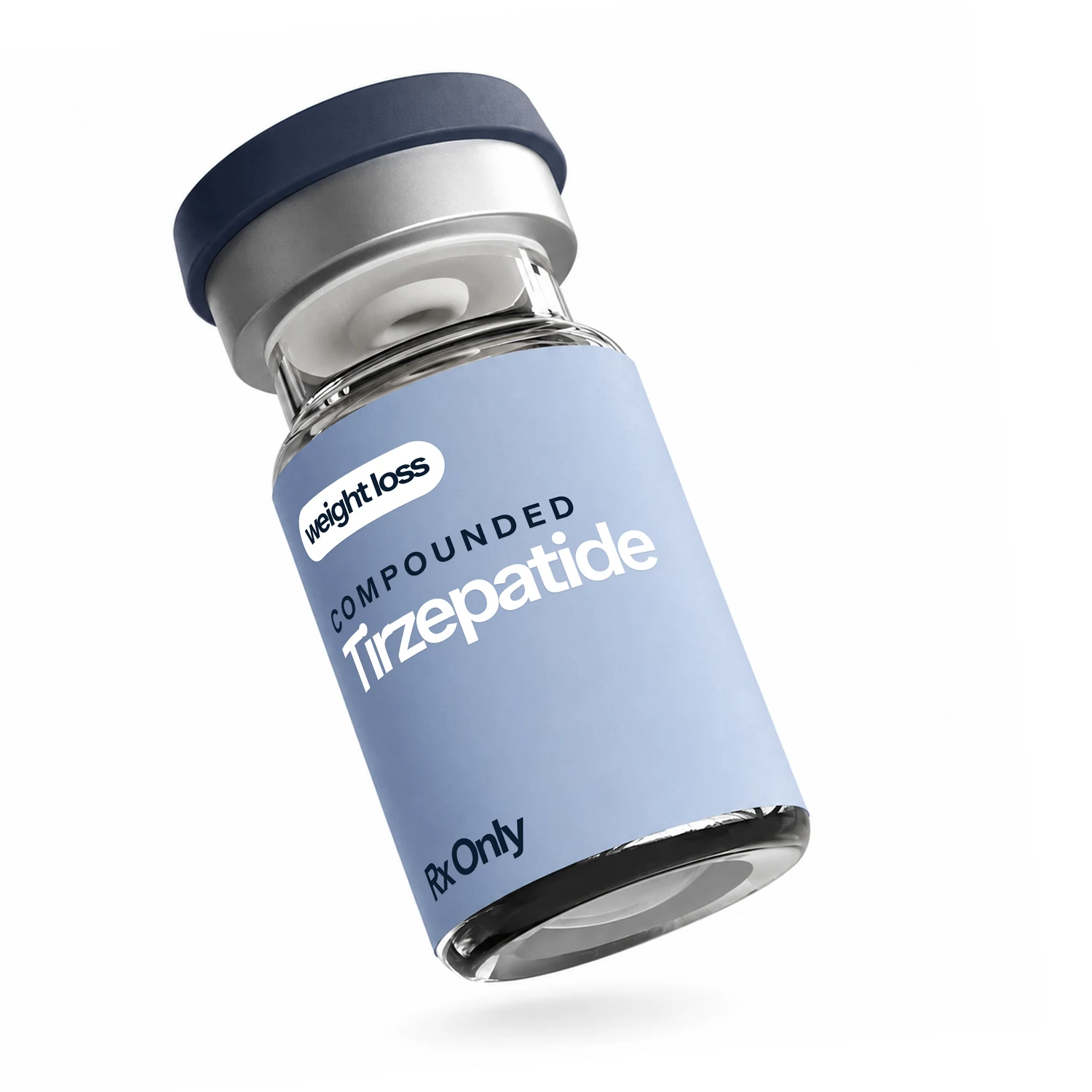
Compounded TirzepatideRx
Weekly GLP-1 + GIP injection.
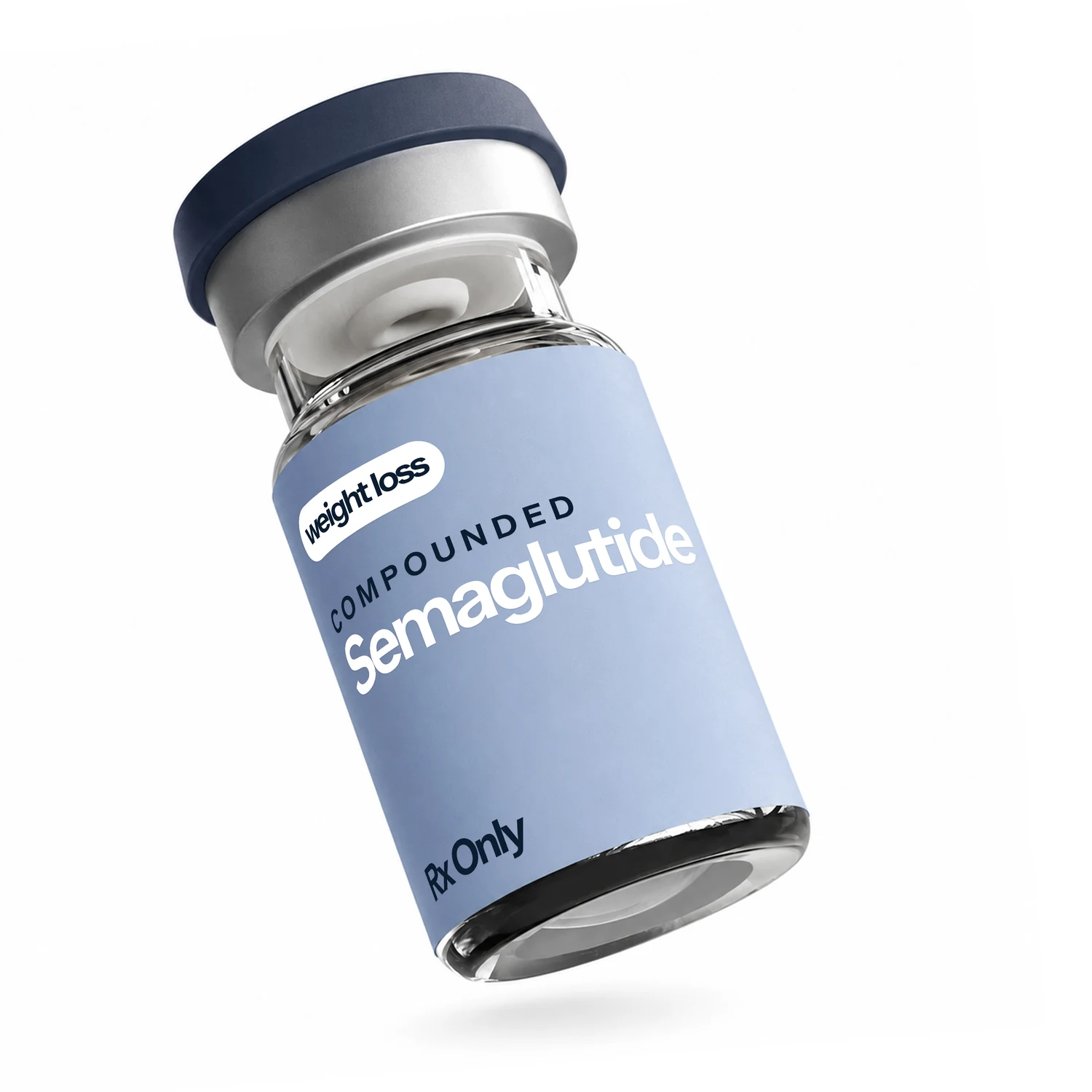
Compounded SemaglutideRx
Weekly GLP-1 injection.
TadalafilRx
Generic Cialis®. Lasts up to 36 hours.
SildenafilRx
Generic Viagra®. Works in 30 minutes.
FinasterideRx
Generic Propecia®. Blocks DHT daily.
Hair Regrowth SprayRx
3-in-1 topical: finasteride + minoxidil + tretinoin.
Compounded Topical Finasteride + Minoxidil Explained

Written by Michael H.
Published April 18, 2026

Key Takeaways
# Compounded Topical Finasteride + Minoxidil: One Bottle, Two Mechanisms
If you searched for compounded topical finasteride minoxidil, you are probably already past the stage of wondering whether hair loss is real. You know it is. What you want to know is whether a single topical preparation that combines two established compounds actually does what the label suggests — and whether the tradeoffs are worth your time and money. This article answers both questions plainly.
Why Two Mechanisms Matter More Than One
Male-pattern hair loss, known clinically as androgenetic alopecia, does not have a single cause. It is driven by a hormone called dihydrotestosterone (DHT) that shrinks hair follicles over time, combined with reduced blood flow and nutrient delivery to the scalp. A treatment that addresses only one of those factors leaves the other running unchecked.
That is the practical argument for combination therapy: pairing an agent that blocks DHT production with an agent that improves follicular circulation. Used separately, each has decades of published evidence behind it. Used together in a single topical formulation, they work on both mechanisms simultaneously without requiring two separate products applied at two separate times.
What Finasteride Does
Finasteride is a 5-alpha reductase inhibitor. The enzyme 5-alpha reductase converts testosterone into DHT inside the scalp. Finasteride slows that conversion. Less DHT means less follicular miniaturization over time.
Oral finasteride has been FDA-approved for male-pattern hair loss since 1997. According to a study published in the *Journal of the American Academy of Dermatology*, long-term use of oral finasteride at 1 mg daily demonstrated statistically significant hair count improvement versus placebo over five years. The oral route, however, enters systemic circulation and has been associated in a subset of users with sexual side effects, including reduced libido and erectile changes.
Topical finasteride delivers the compound directly to the scalp. Because absorption through skin is lower than through the gastrointestinal tract, systemic DHT suppression is reduced compared to oral dosing. A 2020 study published in *JAMA Dermatology* found that topical finasteride 0.25% applied twice daily produced scalp DHT reductions comparable to the oral form while showing significantly lower serum DHT suppression — suggesting a more localized effect with reduced systemic exposure. Results may vary.
What Minoxidil Does
Minoxidil works through a separate pathway entirely. It is a vasodilator — it widens blood vessels and increases blood flow to hair follicles. It also extends the anagen (active growth) phase of the hair cycle and has been shown to stimulate follicular keratinocyte proliferation.
Topical minoxidil has been available over the counter for decades. According to the American Academy of Dermatology, it is one of only two treatments with established evidence for male-pattern hair loss. The limitation of minoxidil used alone is that it does not address DHT. It cannot stop the hormonal process that is miniaturizing follicles — it can only try to keep those follicles better supplied while the damage continues.
That gap is exactly what finasteride fills.

The Case for a Compounded Combination
Compounded topical finasteride + minoxidil is prepared by state-licensed compounding pharmacies in accordance with FDA regulations. It is not an FDA-approved drug product. What it is, in practical terms, is a single formulation that a licensed provider can prescribe at specific concentrations tailored to a patient's clinical picture — rather than two separate over-the-counter or prescription products used in parallel.
A 2021 study published in *Dermatology and Therapy* compared a compounded topical combination of finasteride 0.1% and minoxidil 5% against topical minoxidil 5% alone over 24 weeks. The combination group showed statistically greater increases in total hair count and hair density. Results may vary, and individual response depends on the degree of hair loss, duration, and other health factors.
For a man who has watched gradual thinning over a decade and wants a single consistent protocol rather than a cabinet of separate bottles, the formulation has real practical appeal. The physician can adjust concentration ratios. The compounding pharmacy prepares the product to spec. One bottle, applied once or twice daily, addresses both mechanisms.
What to Know About Side Effects and Realistic Expectations
No treatment for hair loss produces results overnight. Peer-reviewed research consistently shows that meaningful response to combination therapy requires a minimum of three to six months of consistent use, with the most notable changes often appearing closer to twelve months. Results may vary.
Because the topical route reduces systemic absorption relative to oral finasteride, many of the concerns men carry about the oral form are less pronounced with topical application. That said, some systemic absorption does occur. Men with concerns about hormonal effects, including those managing prostate health, should discuss topical finasteride with a licensed provider before starting.
Minoxidil, in topical form, occasionally causes scalp irritation or initial shedding in the first four to eight weeks. This shedding — called telogen effluvium — is typically temporary and represents the follicular cycle resetting. It is not a sign the treatment is failing.
A Note on Stewardship This Month
April is Testicular Cancer Awareness Month. The same discipline that brings a man to address hair health — paying attention, acting on what he notices, following through with a provider — applies directly to his broader physical stewardship. The Testicular Cancer Society recommends monthly self-examinations as a routine practice, not a response to fear. Caring for the whole body is not a separate project from caring for specific concerns. It is the same commitment applied consistently. Talk with your provider about any changes you notice.
Where Good Guy Rx Fits
Good Guy Rx is a technology platform. It connects men to independent licensed physicians and independent state-licensed compounding pharmacies. Good Guy Rx does not manufacture medications and is not a pharmacy.
If a man wants to be evaluated for compounded hair loss treatment, the process starts with an online visit — a licensed provider reviews his history and clinical picture, determines whether combination therapy is appropriate, and, if so, sends a prescription to an independent state-licensed compounding pharmacy. The product is shipped directly to his door.

Two relevant starting points:
- Compounded topical finasteride + minoxidil — the combination formulation described in this article, prescribed and prepared to physician specification.
- Finasteride — for men whose provider determines that oral finasteride is the more appropriate starting point.
The distinction between compounded and brand-name medications matters: compounded preparations are not FDA-approved products. They are prepared by state-licensed compounding pharmacies in accordance with FDA regulations, under a valid prescription from an independent licensed provider.
What to Do Next
1. Document what you are seeing. Note where thinning is occurring, how long it has been progressing, and whether anyone in your immediate family shares the pattern. This information is useful to a provider.
2. Start an online visit. Through Good Guy Rx, an independent licensed physician reviews your intake and clinical picture. There is no in-office appointment required.
3. Ask your provider about combination therapy. If topical finasteride plus minoxidil is appropriate for your situation, your provider can prescribe it directly. If oral finasteride or a different protocol makes more clinical sense, that conversation happens during the visit.
4. Commit to the timeline. Consistent daily use for a minimum of three to six months is required before any meaningful evaluation of response is possible. Treatment that is started and stopped does not produce reliable data.
Sources
- Finasteride 5-Year Study — Journal of the American Academy of Dermatology
- Topical Finasteride and Systemic DHT — JAMA Dermatology (2020)
- Combination Topical Finasteride + Minoxidil vs. Minoxidil Alone — Dermatology and Therapy (2021)
- Hair Loss Treatment Evidence — American Academy of Dermatology
- Testicular Cancer Awareness — Testicular Cancer Society
- Minoxidil Mechanism and Use — National Institutes of Health / MedlinePlus
This article is for informational purposes only and does not constitute medical advice. Talk with a licensed provider through the patient portal before starting any treatment.
References
- [Topical Finasteride and Systemic DHT — JAMA Dermatology (2020)](https://jamanetwork.com/journals/jamadermatology)
- [Combination Topical Finasteride + Minoxidil vs. Minoxidil Alone — Dermatology and Therapy (2021)](https://link.springer.com/journal/13555)
- [Hair Loss Treatment Evidence — American Academy of Dermatology](https://www.aad.org/)
- [Testicular Cancer Awareness — Testicular Cancer Society](https://www.testicularcancersociety.org/)
- [Minoxidil Mechanism and Use — National Institutes of Health / MedlinePlus](https://medlineplus.gov/druginfo/meds/a689003.html)
- This article is for informational purposes only and does not constitute medical advice. Talk with a licensed provider through the patient portal before starting any treatment.*
Share this article

Ready to start your journey?
Complete your free online visit and see if GLP-1 treatment is right for you.
Get Started