
Good Guy Rx
Take care of what God gave you.
Get started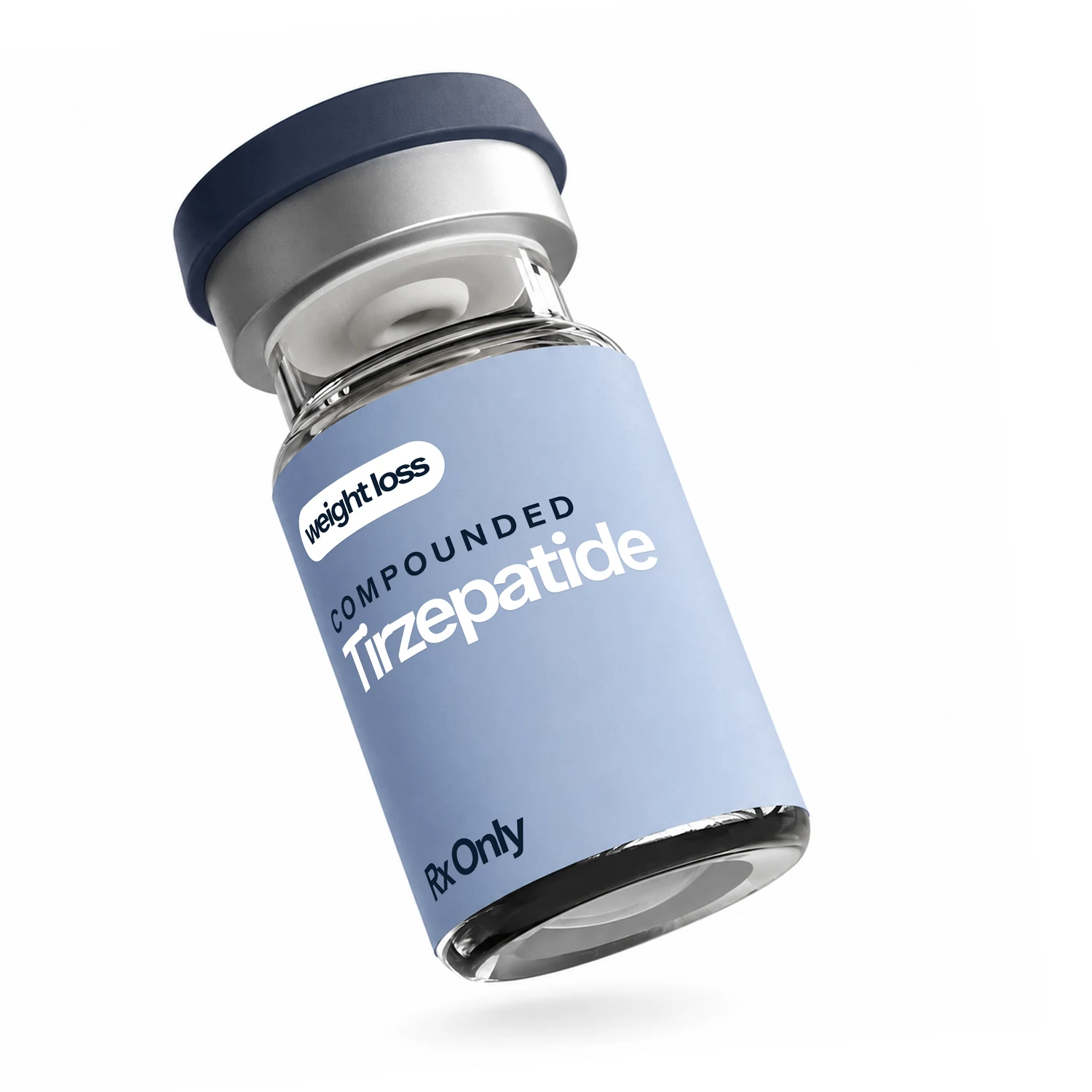
Compounded TirzepatideRx
Weekly GLP-1 + GIP injection.
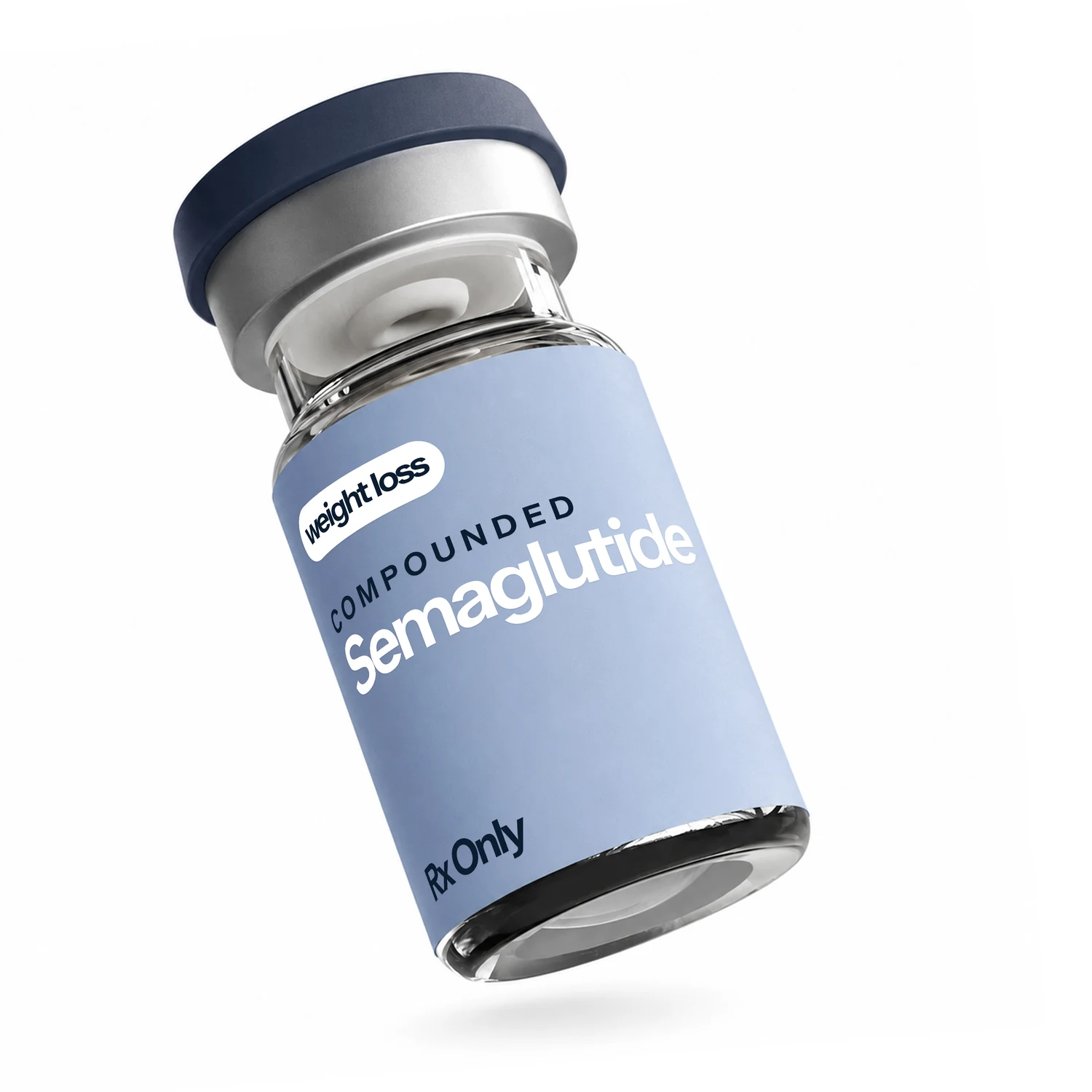
Compounded SemaglutideRx
Weekly GLP-1 injection.
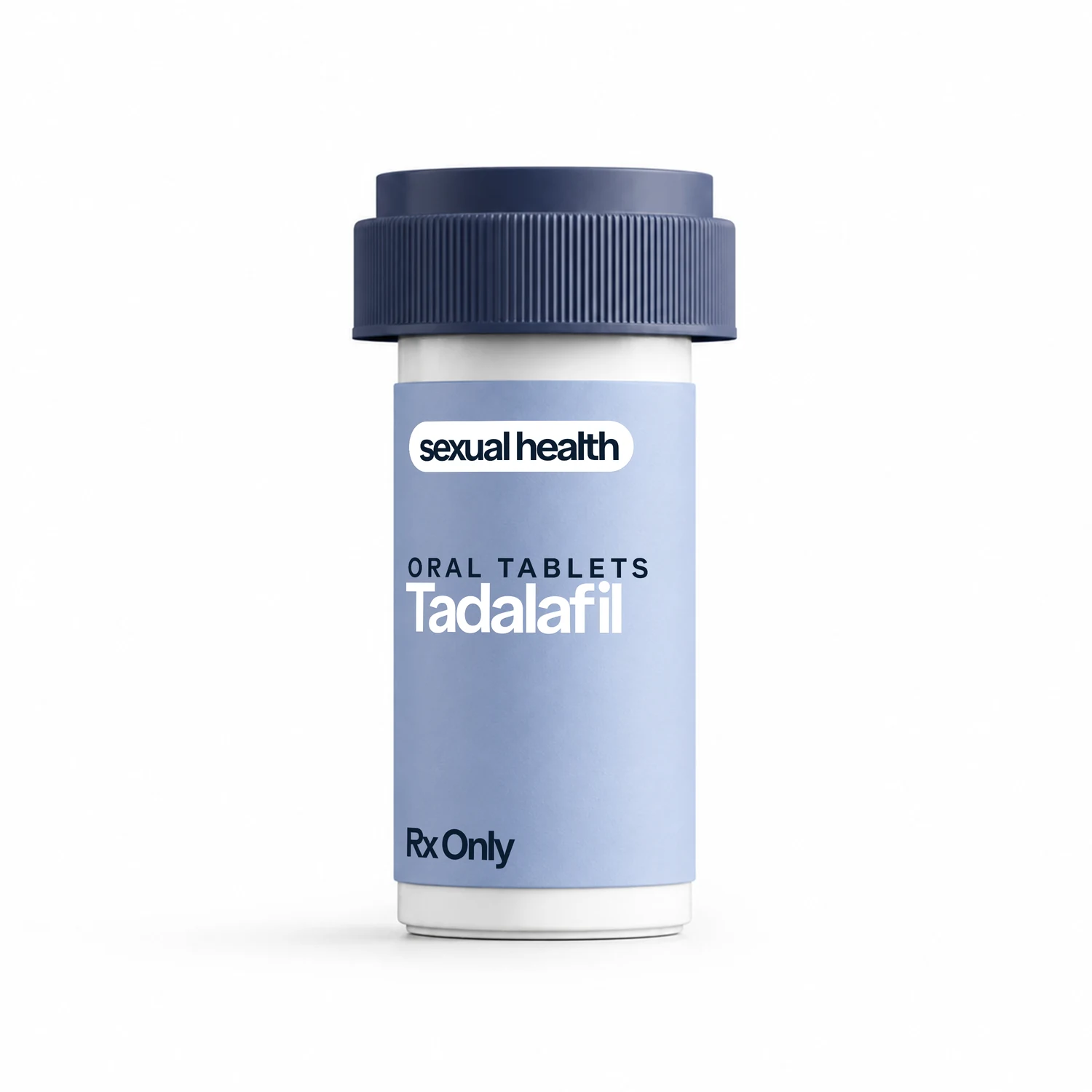
TadalafilRx
Generic Cialis®. Lasts up to 36 hours.

SildenafilRx
Generic Viagra®. Works in 30 minutes.
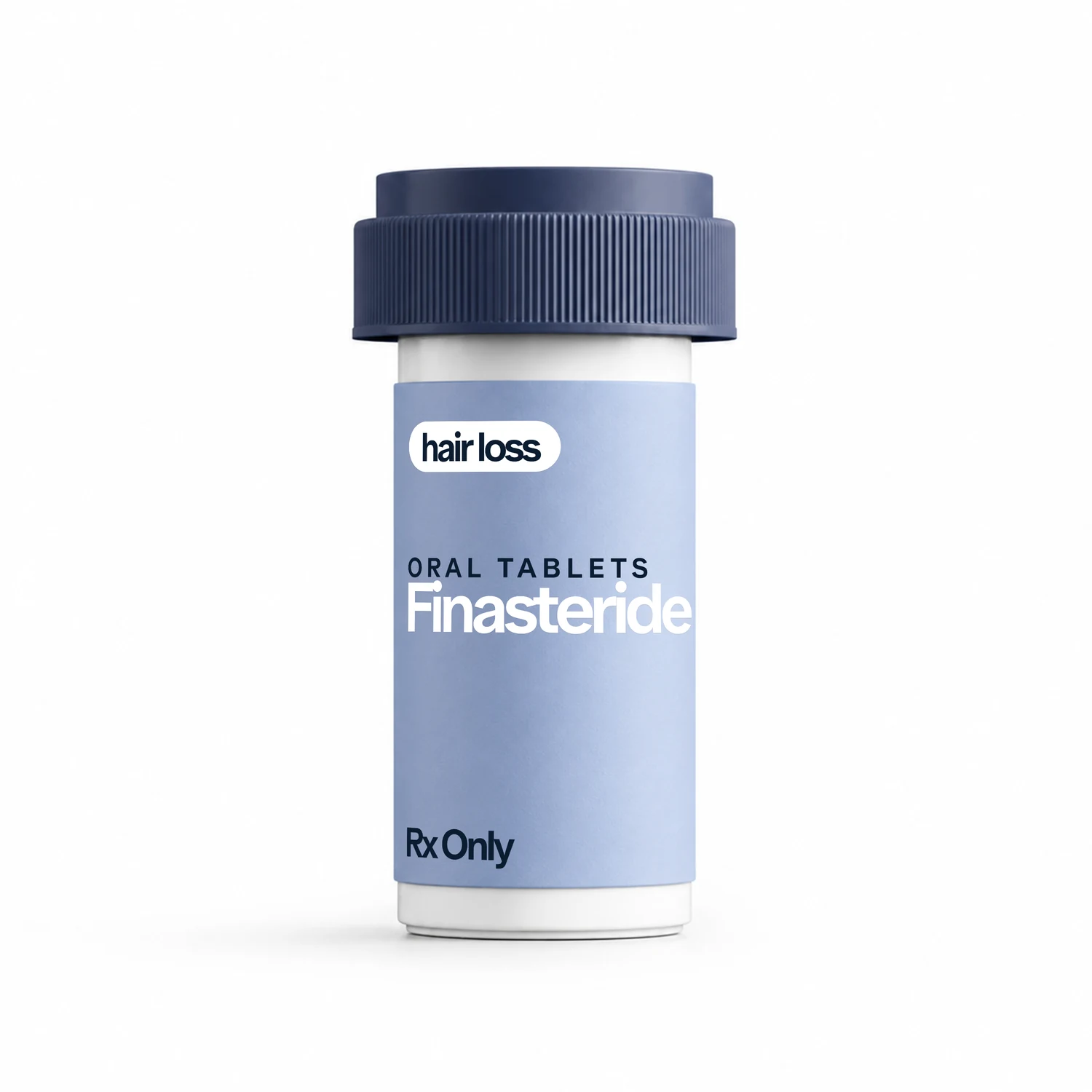
FinasterideRx
Generic Propecia®. Blocks DHT daily.

Hair Regrowth SprayRx
3-in-1 topical: finasteride + minoxidil + tretinoin.
Therapy Options for Men: Cost, Formats, and What Works

Written by Jonathan R.
Published April 25, 2026

Key Takeaways
# Therapy Options for Men: Cost, Formats, and What Actually Works
If you searched "therapy options men cost," you already know what you're up against. The information out there is either written for a college sophomore or buried inside a 40-page clinical PDF. This article is neither. It is a plain account of what therapy costs in 2026, which formats deliver documented results, and how a man between 45 and 70 evaluates the decision the same way he evaluates any other — on evidence and value.
Why Men in This Age Group Are Asking the Question Now
The American Psychological Association reported in its 2023 Stress in America survey that men over 45 are less likely to seek mental health support than any other adult demographic, yet report significant stress related to work, health, and family transitions. That gap is not explained by a lack of need. It is explained by a mismatch between what is available and what men in this demographic will actually use.
The good news is that the market has changed. Telehealth, the delivery of clinical services through secure video or messaging platforms, has expanded the menu considerably. A man no longer has to drive across town, sit in a waiting room designed for someone else, and pay a cash rate that would make a cardiologist wince. Options now exist at nearly every price point, and peer-reviewed research has caught up to the formats.
What Therapy Actually Costs in 2026
Cost is the first filter. Here is an honest range.
In-person therapy with a licensed psychologist or psychiatrist runs between $150 and $300 per 50-minute session without insurance. In major metro areas, the upper end of that range is common. With insurance, a copay of $30 to $60 per session is typical — but in-network availability for mental health is limited. The National Alliance on Mental Illness has documented persistent network adequacy failures in mental health coverage, meaning your plan may technically cover therapy while offering very few in-network providers.
Licensed clinical social workers (LCSWs) and licensed professional counselors (LPCs) bill at lower rates, generally $80 to $150 per session without insurance. They are qualified to treat anxiety, depression, grief, relationship stress, and most of the conditions men in this demographic are actually dealing with. A psychiatrist is specifically the right call when medication evaluation is part of the equation.
Online therapy platforms — text-based, video, or a hybrid — have brought the entry price down to $60 to $100 per week for unlimited messaging plus one live session. Some platforms are lower. Quality varies. The credentials of the assigned provider and the clinical model used matter more than the price point. Look for platforms where providers hold active state licensure and where the clinical approach is named and documented.
Employee Assistance Programs (EAPs), offered by most large employers, typically cover three to eight free sessions per issue per year. This is underused. If your employer offers one, it is worth knowing the number.
The Formats: What Research Supports
Not all therapy is the same, and not all of it has the same evidence base. A man making this decision deserves a clear account of what the research says.

Cognitive Behavioral Therapy (CBT) is the most extensively studied psychotherapy format in the world. According to a meta-analysis published in [Cognitive Behaviour Therapy](https://pubmed.ncbi.nlm.nih.gov/31462133/) (2019), CBT demonstrates consistent efficacy for depression, generalized anxiety disorder, and stress-related conditions across age groups. It is structured, goal-oriented, and time-limited — typically 12 to 20 sessions. For a man who does not want open-ended exploration and does want a defined protocol, CBT is the format most aligned with that preference.
Acceptance and Commitment Therapy (ACT) is a second-generation behavioral approach with a growing evidence base. The American Psychological Association recognizes it as an empirically supported treatment. Where CBT focuses on changing thought patterns, ACT focuses on clarifying what matters and committing to action consistent with those values. For men dealing with the weight of unfinished business — health scares, career transitions, loss — ACT has shown particular utility.
Interpersonal Therapy (IPT) addresses relationship patterns, grief, and role transitions. It is time-limited and structured, with documented efficacy for depression according to guidelines from the National Institute of Mental Health. Men navigating the later years of a marriage, the death of a parent, or a significant health diagnosis often find IPT directly applicable.
Peer support and group formats are not a replacement for individual clinical care but carry their own evidence base. The Movember Foundation has funded and evaluated men-specific mental health programs including peer-based models, with documented reductions in social isolation. Cost is generally low or free. Effectiveness depends heavily on the quality of facilitation.
Telehealth and Online Therapy: What to Evaluate
Online therapy for men is no longer a workaround. It is, for many men in this demographic, the most practical primary option. The Journal of Affective Disorders published a 2020 review confirming that internet-delivered CBT produces outcomes comparable to in-person CBT for depression and anxiety. Results may vary by individual, severity of condition, and platform quality.
When evaluating a telehealth mental health platform, ask four things. First: are the providers independently licensed in your state? Second: is the clinical model documented and evidence-based? Third: what is the actual credential of the person you will see — a licensed psychologist, an LCSW, or an LPC? Fourth: how are records handled, and what is the privacy policy?
A platform that cannot answer those four questions clearly is not a platform worth trusting.
Testicular Cancer Awareness: A Note on Stewardship
April is Testicular Cancer Awareness Month. The American Cancer Society recommends that men become familiar with the normal size and feel of their testicles so that changes can be detected early. Testicular self-examination — a monthly check for lumps, swelling, or changes in consistency — takes under two minutes and is the kind of stewardship that costs nothing but attention.
Mental and physical health are not separate accounts. A man who attends to one is more likely to attend to the other. If you notice anything unusual, contact your primary care provider directly. Do not defer it.
Where Good Guy Rx Fits
Good Guy Rx is a technology platform. It connects men to independent licensed physicians and independent state-licensed pharmacies. It does not prescribe. It does not dispense. It provides the infrastructure for a licensed provider to evaluate your situation and, where appropriate, recommend a treatment plan.
For men navigating the intersection of mental health and hormonal health — which is a real and documented intersection — the platform offers access to independent licensed physicians who can evaluate testosterone levels, mood, sleep, and energy within a single consultation. Conditions like low testosterone (hypogonadism) are associated with depressive symptoms according to research published in the Journal of Clinical Endocrinology and Metabolism. A licensed provider can determine whether a hormonal component is present and whether treatment is appropriate.

Relevant options available through independent providers on the platform include:
- Testosterone Replacement Therapy (TRT) — evaluated and prescribed by independent licensed physicians. Where compounded formulations are involved, they are prepared by state-licensed compounding pharmacies in accordance with FDA regulations and are not FDA-approved.
- Sermorelin — a compounded peptide therapy also prepared by state-licensed compounding pharmacies in accordance with FDA regulations. Not FDA-approved. Evaluated by independent licensed providers.
- Semaglutide — available where clinically appropriate. Compounded semaglutide is prepared by state-licensed compounding pharmacies in accordance with FDA regulations and is not FDA-approved.
If your concern is primarily mental health, a licensed provider through the patient portal can help you evaluate whether a clinical referral for therapy, a medication consultation, or a hormonal workup is the right next step. That evaluation is the starting point, not the end of the conversation.
What to Do Next
Step 1. Identify what you are actually dealing with. Persistent low mood, sleep disruption, irritability, and withdrawal from people you care about are symptoms worth naming plainly. They are not character flaws.
Step 2. Check your employer's EAP. If your company offers one, the number is on the back of your insurance card or in your HR portal. Three to eight free sessions is a meaningful starting point.
Step 3. If cost is the primary barrier, look at licensed therapists on platforms that accept insurance, or at community mental health centers in your area. The SAMHSA National Helpline (1-800-662-4357) provides free referrals to local services regardless of income.
Step 4. If you suspect a physical component — low energy, diminished motivation, poor sleep, reduced libido alongside mood changes — schedule a consultation through the Good Guy Rx patient portal. An independent licensed physician can order labs and evaluate whether a hormonal or medical factor is contributing. Results may vary.
Sources
- Stress in America 2023 — American Psychological Association — https://www.apa.org/news/press/releases/stress
- Mental Health Insurance Parity — National Alliance on Mental Illness — https://www.nami.org/Advocacy/Policy-Priorities/Improving-Health/Mental-Health-Insurance-Parity
- CBT Efficacy Meta-Analysis — Cognitive Behaviour Therapy, 2019 — https://pubmed.ncbi.nlm.nih.gov/31462133/
- Acceptance and Commitment Therapy — American Psychological Association — https://www.apa.org/ptsd-guideline/treatments/acceptance-commitment-therapy
- Interpersonal Therapy Overview — National Institute of Mental Health — https://www.nimh.nih.gov/health/topics/psychotherapies
- Men's Mental Health Programs — Movember Foundation — https://us.movember.com/programs/mental-health
- Internet-Delivered CBT Review — Journal of Affective Disorders, 2020 — https://pubmed.ncbi.nlm.nih.gov/31981892/
- Testosterone and Depressive Symptoms — Journal of Clinical Endocrinology and Metabolism, 2018 — https://pubmed.ncbi.nlm.nih.gov/30010803/
- Testicular Self-Examination — American Cancer Society — https://www.cancer.org/cancer/types/testicular-cancer/detection-diagnosis-staging/detection.html
- SAMHSA National Helpline — Substance Abuse and Mental Health Services Administration — https://www.samhsa.gov/find-help/national-helpline
This article is for informational purposes only and does not constitute medical advice. Talk with a licensed provider through the patient portal before starting any treatment.
References
- [Mental Health Insurance Parity — National Alliance on Mental Illness — https://www.nami.org/Advocacy/Policy-Priorities/Improving-Health/Mental-Health-Insurance-Parity](https://www.nami.org/Advocacy/Policy-Priorities/Improving-Health/Mental-Health-Insurance-Parity)
- [CBT Efficacy Meta-Analysis — Cognitive Behaviour Therapy, 2019 — https://pubmed.ncbi.nlm.nih.gov/31462133/](https://pubmed.ncbi.nlm.nih.gov/31462133/)
- [Acceptance and Commitment Therapy — American Psychological Association — https://www.apa.org/ptsd-guideline/treatments/acceptance-commitment-therapy](https://www.apa.org/ptsd-guideline/treatments/acceptance-commitment-therapy)
- [Interpersonal Therapy Overview — National Institute of Mental Health — https://www.nimh.nih.gov/health/topics/psychotherapies](https://www.nimh.nih.gov/health/topics/psychotherapies)
- [Men's Mental Health Programs — Movember Foundation — https://us.movember.com/programs/mental-health](https://us.movember.com/programs/mental-health)
- [Internet-Delivered CBT Review — Journal of Affective Disorders, 2020 — https://pubmed.ncbi.nlm.nih.gov/31981892/](https://pubmed.ncbi.nlm.nih.gov/31981892/)
- [Testosterone and Depressive Symptoms — Journal of Clinical Endocrinology and Metabolism, 2018 — https://pubmed.ncbi.nlm.nih.gov/30010803/](https://pubmed.ncbi.nlm.nih.gov/30010803/)
- [Testicular Self-Examination — American Cancer Society — https://www.cancer.org/cancer/types/testicular-cancer/detection-diagnosis-staging/detection.html](https://www.cancer.org/cancer/types/testicular-cancer/detection-diagnosis-staging/detection.html)
Share this article

Ready to start your journey?
Complete your free online visit and see if GLP-1 treatment is right for you.
Get Started