
Good Guy Rx
Take care of what God gave you.
Get started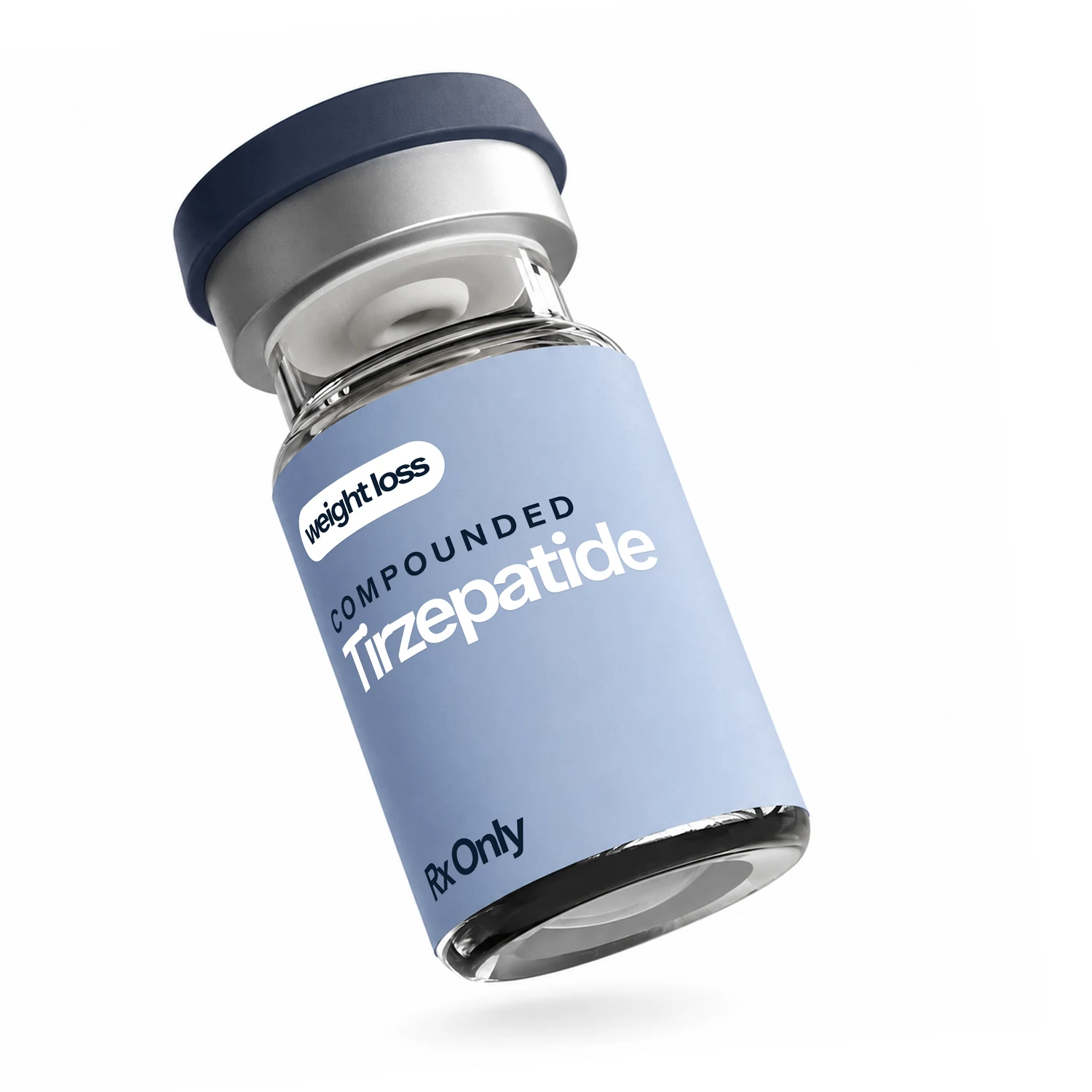
Compounded TirzepatideRx
Weekly GLP-1 + GIP injection.
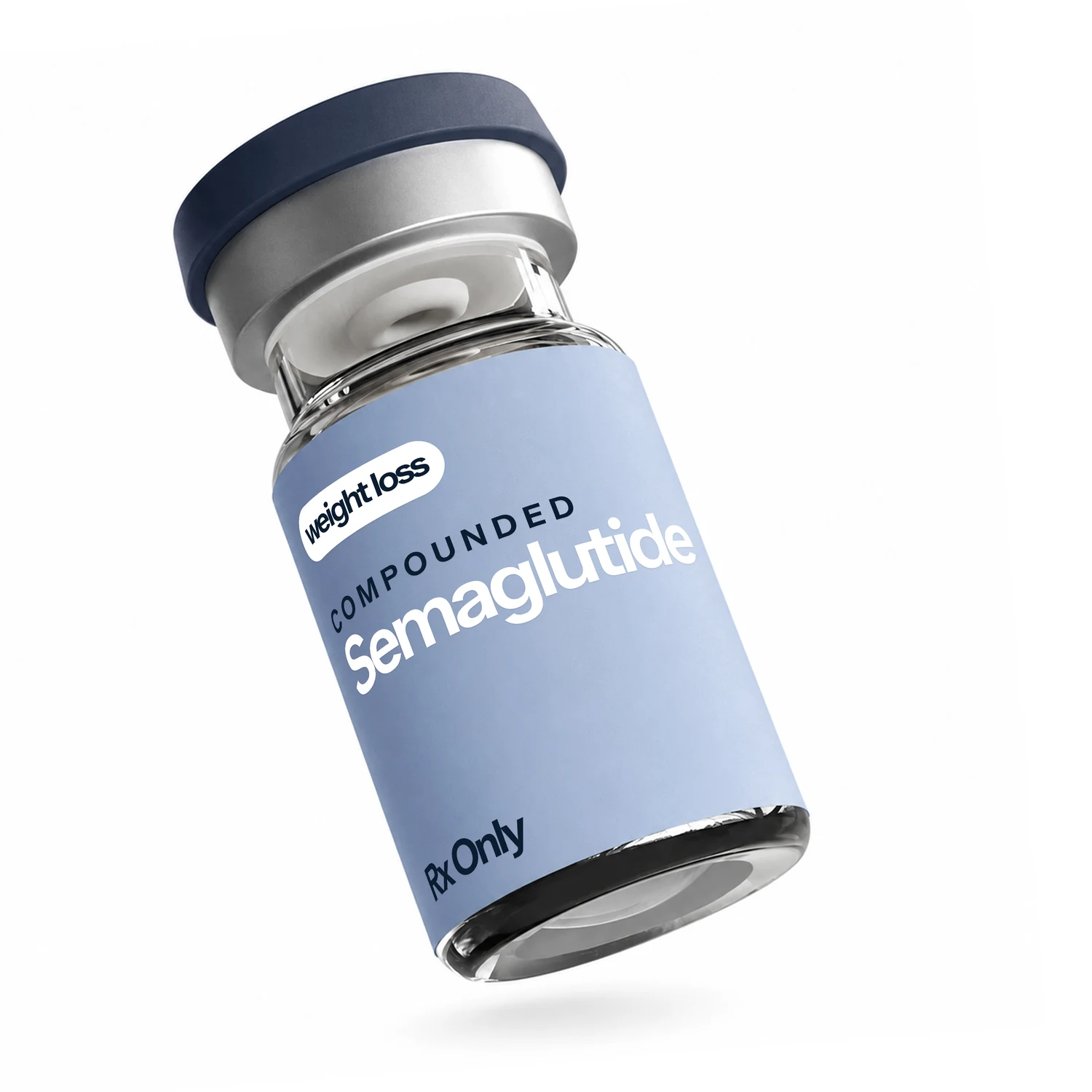
Compounded SemaglutideRx
Weekly GLP-1 injection.
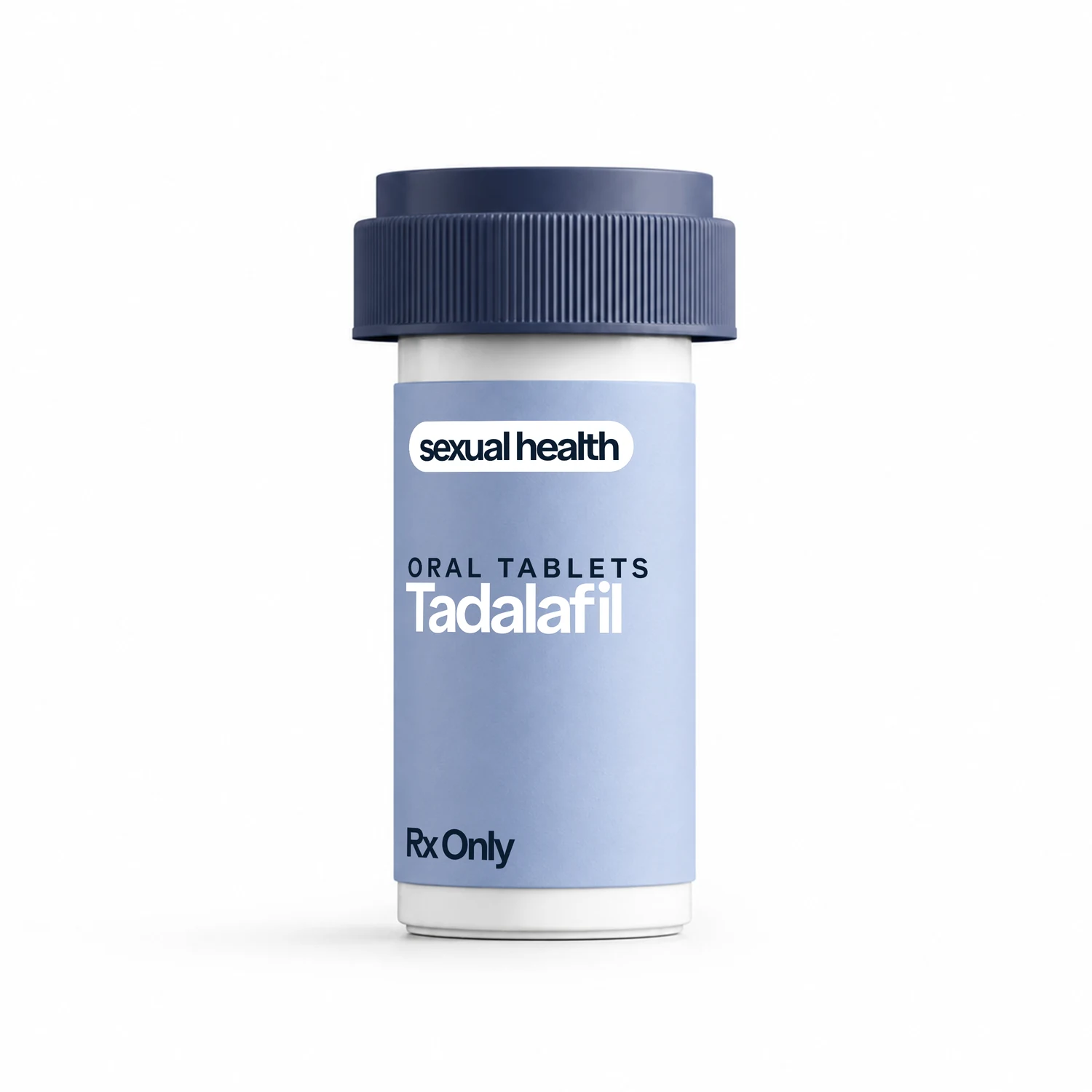
TadalafilRx
Generic Cialis®. Lasts up to 36 hours.
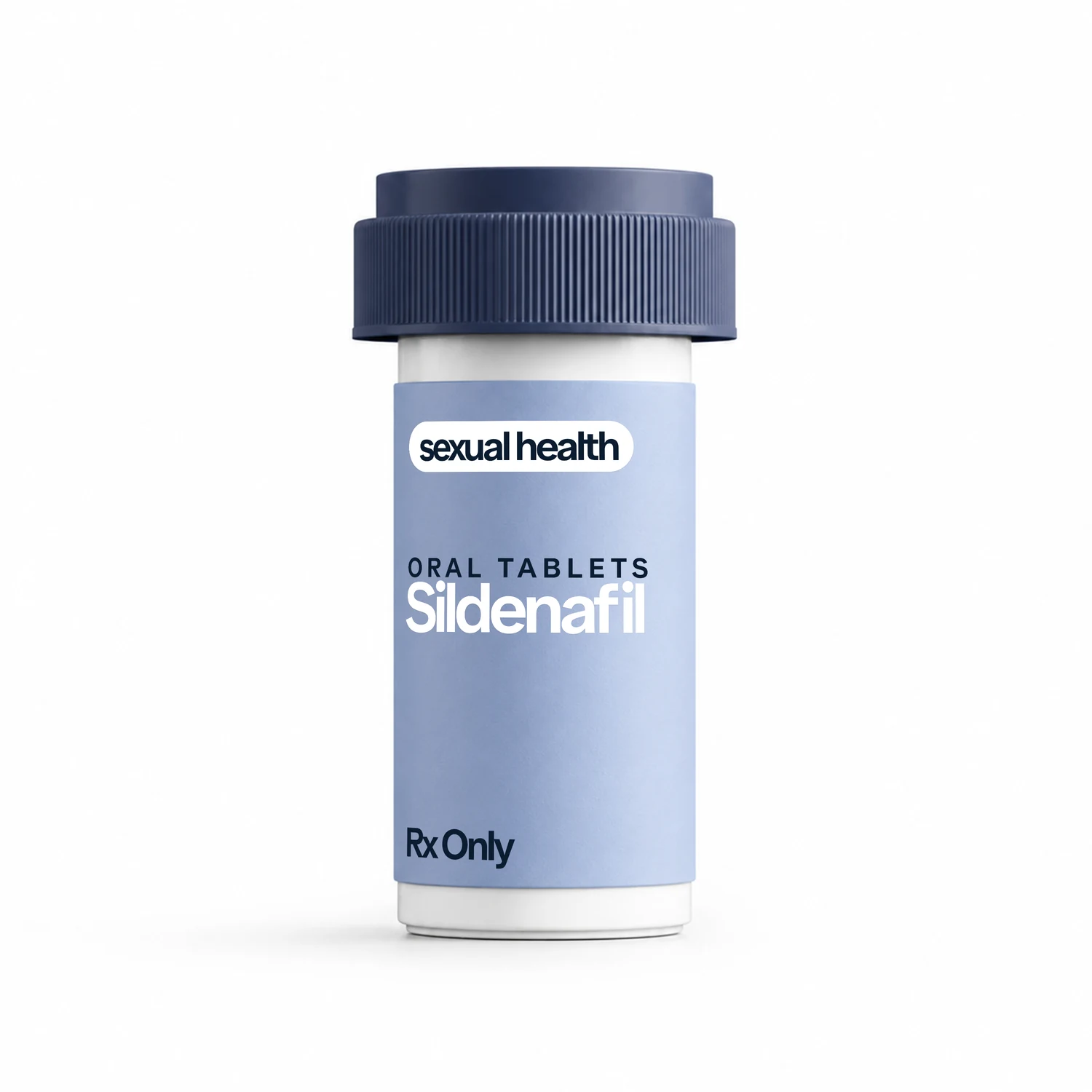
SildenafilRx
Generic Viagra®. Works in 30 minutes.
FinasterideRx
Generic Propecia®. Blocks DHT daily.

Hair Regrowth SprayRx
3-in-1 topical: finasteride + minoxidil + tretinoin.
GLP-1 Constipation & Nausea: What Actually Works

Written by James T.
Published May 2, 2026

Key Takeaways
GLP-1 receptor agonists are effective tools for weight management, but gastrointestinal side effects — particularly nausea and constipation — are the leading reason patients reduce their dose or discontinue treatment entirely; this guide explains why they happen and what the evidence says about managing them.
How GLP-1 Medications Affect Your Gut
GLP-1 stands for glucagon-like peptide-1, a hormone your small intestine naturally releases after a meal. When a medication such as semaglutide or tirzepatide activates GLP-1 receptors — and, in tirzepatide's case, GIP (glucose-dependent insulinotropic polypeptide) receptors as well — it slows a process called gastric emptying: the rate at which food moves from your stomach into the small intestine.
Slowed gastric emptying is intentional. It extends the feeling of fullness and blunts post-meal glucose spikes. The trade-off is that the entire GI tract decelerates. Food and waste spend more time in transit, which increases water reabsorption in the colon and can cause constipation. The stomach, slower to empty, can also generate pressure and nausea — particularly in the first weeks of treatment or after a dose increase.
This is not a malfunction. It is the expected pharmacology of the drug class.
What the Trials Tell Us
The STEP trials (semaglutide; Novo Nordisk, 2021) and the SURMOUNT trials (tirzepatide; Eli Lilly, 2022–2023) are the pivotal datasets for this drug class.
In STEP 1, published in the *New England Journal of Medicine*, nausea was reported in approximately 44% of participants receiving semaglutide 2.4 mg weekly, versus 16% in the placebo group. The majority of nausea events were rated mild to moderate, occurred during dose escalation, and resolved without discontinuation. Constipation was reported in roughly 24% of participants on active treatment.
In SURMOUNT-1, published in the *New England Journal of Medicine*, nausea affected approximately 33% and constipation approximately 28% of participants receiving tirzepatide 15 mg — again concentrated in the escalation phase.
A 2023 analysis in *Diabetes Care* confirmed that GI adverse events across GLP-1 receptor agonists are largely dose-dependent and time-limited, with incidence declining significantly after week 12 in most patients. Results may vary.
Who Should Be Especially Cautious
GLP-1 receptor agonists are not appropriate for patients with a personal or family history of medullary thyroid carcinoma or Multiple Endocrine Neoplasia type 2 (MEN 2). They are also contraindicated in patients with a history of pancreatitis and require careful evaluation in those with significant gastroparesis — because further slowing gastric emptying in an already-impaired stomach can worsen symptoms substantially.

Patients with a history of inflammatory bowel disease (Crohn's disease or ulcerative colitis) should discuss risks explicitly with their prescribing provider before starting. The prescribing provider determines whether this drug class is appropriate after a thorough medical intake.
The Practical Playbook: Nausea
- Eat smaller portions. GLP-1 medications reduce capacity and emptying rate simultaneously. Eating to prior portion sizes — especially of fatty or spicy food — is the most common trigger for nausea.
- Sit upright after meals. Remaining reclined within 90 minutes of eating increases reflux and nausea while gastric motility is suppressed.
- Slow the dose escalation if needed. The FDA-approved titration schedules for semaglutide and tirzepatide are minimums, not maximums. Staying at a lower dose for an extra 4 weeks is clinically supported and preferable to discontinuing. Discuss any dose adjustment with your provider before making changes.
- Avoid high-fat and high-sugar meals. Peer-reviewed research published in *Obesity* consistently links dietary fat content to increased GLP-1-associated nausea.
- Take your injection on a day when your schedule allows some flexibility the following 12–24 hours, particularly during the first months of treatment.
The Practical Playbook: Constipation
GLP-1 constipation is the side effect patients are least warned about and most likely to manage poorly. Here is what the evidence supports:
- Hydration is non-negotiable. Because colonic transit is slower, water absorption from stool increases. The *American Journal of Men's Health* and broader GI literature support a minimum of 64–80 oz of water daily during GLP-1 therapy. If you are not measuring intake, you are likely under-hydrated.
- Increase dietary fiber gradually. A rapid increase in fiber without adequate water can worsen constipation. Aim for 25–35 grams per day, increasing by 5 grams per week. Soluble fiber (psyllium husk, oats, legumes) is better tolerated than insoluble fiber in most patients.
- Physical activity accelerates colonic motility. Even 20–30 minutes of moderate walking daily has demonstrated measurable effects on transit time in peer-reviewed GI literature.
- Over-the-counter osmotic laxatives (polyethylene glycol, sold as MiraLAX) are considered first-line for GLP-1-associated constipation by most gastroenterologists. Stimulant laxatives (senna, bisacodyl) are reasonable for short-term use but not for chronic management.
- Contact your provider if you have not had a bowel movement in more than 4 days, or if you experience abdominal pain, bloating, or nausea that feels different from your typical medication side effect pattern. These can signal ileus (intestinal obstruction) — a rare but serious complication. Do not route medical questions through support staff; use the patient portal to reach your licensed provider directly.

Mental Health Awareness: A Note Worth Taking Seriously
May is Mental Health Awareness Month. It is worth stating plainly: according to the American Foundation for Suicide Prevention (AFSP), men account for nearly 80% of suicide deaths in the United States, yet represent only about 20% of crisis helpline callers. That disparity is not a small rounding error — it is a public health emergency.
Physical health changes, including starting a new medication, adjusting to a different body, and changing long-standing eating habits, can surface unexpected emotions. If you are experiencing persistent low mood, withdrawal from people you care about, or thoughts of self-harm, please reach out. The 988 Suicide and Crisis Lifeline is available by call or text at 988. Talking to someone — a provider, a counselor, a trusted person in your life — is a clinically sound decision, not a weakness.
The Good Guy Rx Pathway
Good Guy Rx is a technology platform that connects men to independent licensed physicians and independent state-licensed pharmacies. If you are experiencing significant GI side effects or want to discuss whether semaglutide or tirzepatide — both prepared by state-licensed compounding pharmacies in accordance with FDA regulations — are appropriate for your clinical profile, a prescribing provider can review your full medical history and guide your care. Start with the online assessment for semaglutide or tirzepatide through the patient portal.
Sources
- Wilding JPH et al., "Once-Weekly Semaglutide in Adults with Overweight or Obesity (STEP 1)" — *New England Journal of Medicine*, 2021 — https://www.nejm.org/doi/full/10.1056/NEJMoa2032183
- Jastreboff AM et al., "Tirzepatide Once Weekly for the Treatment of Obesity (SURMOUNT-1)" — *New England Journal of Medicine*, 2022 — https://www.nejm.org/doi/full/10.1056/NEJMoa2206038
- Smits MM & Van Raalte DH, "Safety of Semaglutide" — *Frontiers in Endocrinology*, 2021 — https://www.frontiersin.org/articles/10.3389/fendo.2021.645563/full
- GI Adverse Events in GLP-1 Receptor Agonist Use — *Diabetes Care*, 2023 — https://diabetesjournals.org/care/article/46/6/1203/148826
- American Foundation for Suicide Prevention — Men and Suicide — https://afsp.org/men-and-suicide
- 988 Suicide and Crisis Lifeline — SAMHSA — https://988lifeline.org/
- Obesity Journal — Wiley — https://onlinelibrary.wiley.com/journal/1930739x
This article is educational. A licensed provider determines whether you are a candidate after a medical intake.
References
- STEP trial
- SURMOUNT trial
- [Jastreboff AM et al., "Tirzepatide Once Weekly for the Treatment of Obesity (SURMOUNT-1)" — *New England Journal of Medicine*, 2022 — https://www.nejm.org/doi/full/10.1056/NEJMoa2206038](https://www.nejm.org/doi/full/10.1056/NEJMoa2206038)
- [Smits MM & Van Raalte DH, "Safety of Semaglutide" — *Frontiers in Endocrinology*, 2021 — https://www.frontiersin.org/articles/10.3389/fendo.2021.645563/full](https://www.frontiersin.org/articles/10.3389/fendo.2021.645563/full)
- [GI Adverse Events in GLP-1 Receptor Agonist Use — *Diabetes Care*, 2023 — https://diabetesjournals.org/care/article/46/6/1203/148826](https://diabetesjournals.org/care/article/46/6/1203/148826)
- [American Foundation for Suicide Prevention — Men and Suicide — https://afsp.org/men-and-suicide](https://afsp.org/men-and-suicide)
- [988 Suicide and Crisis Lifeline — SAMHSA — https://988lifeline.org/](https://988lifeline.org/)
- [Obesity Journal — Wiley — https://onlinelibrary.wiley.com/journal/1930739x](https://onlinelibrary.wiley.com/journal/1930739x)
Share this article

Ready to start your journey?
Complete your free online visit and see if GLP-1 treatment is right for you.
Get Started