
Good Guy Rx
Take care of what God gave you.
Get started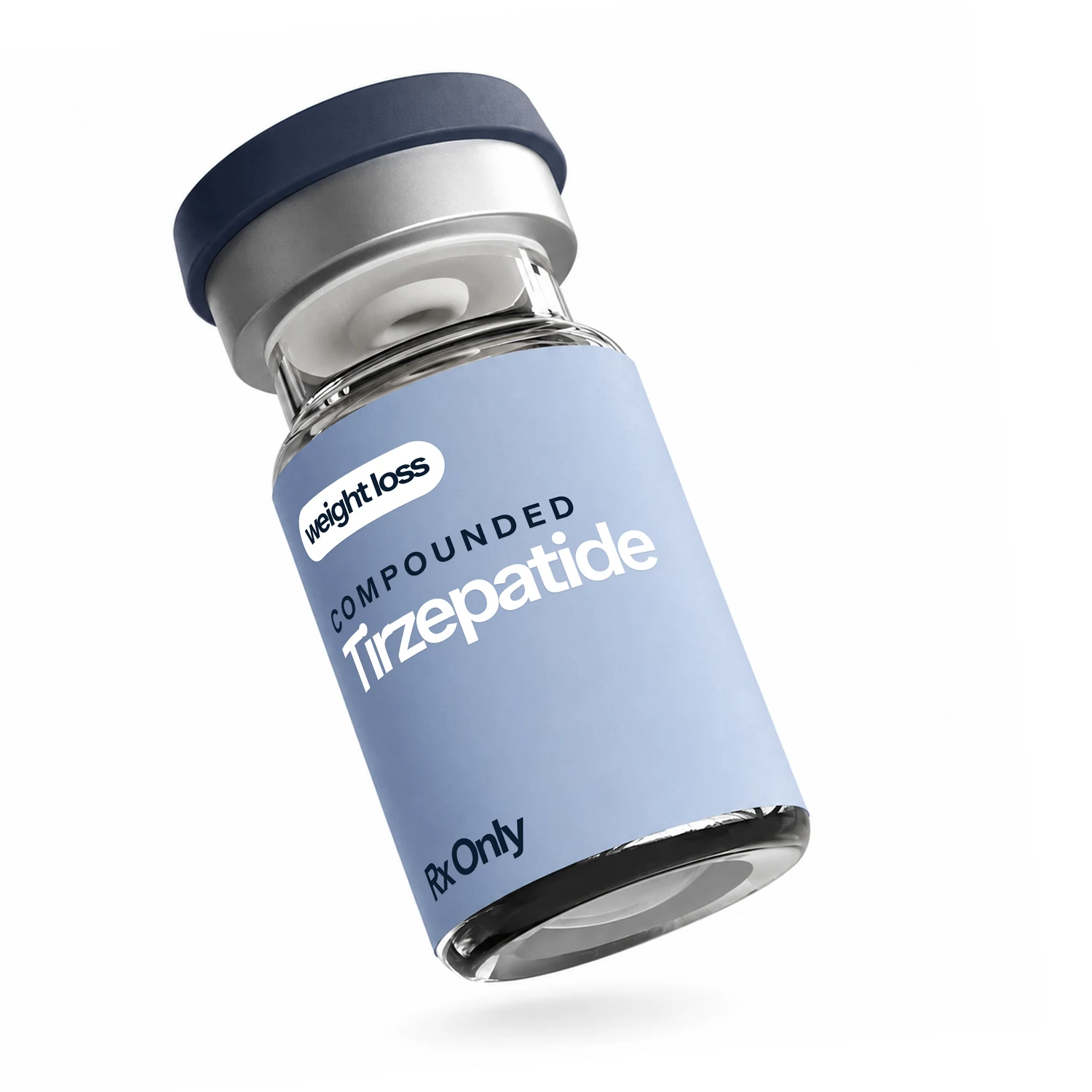
Compounded TirzepatideRx
Weekly GLP-1 + GIP injection.
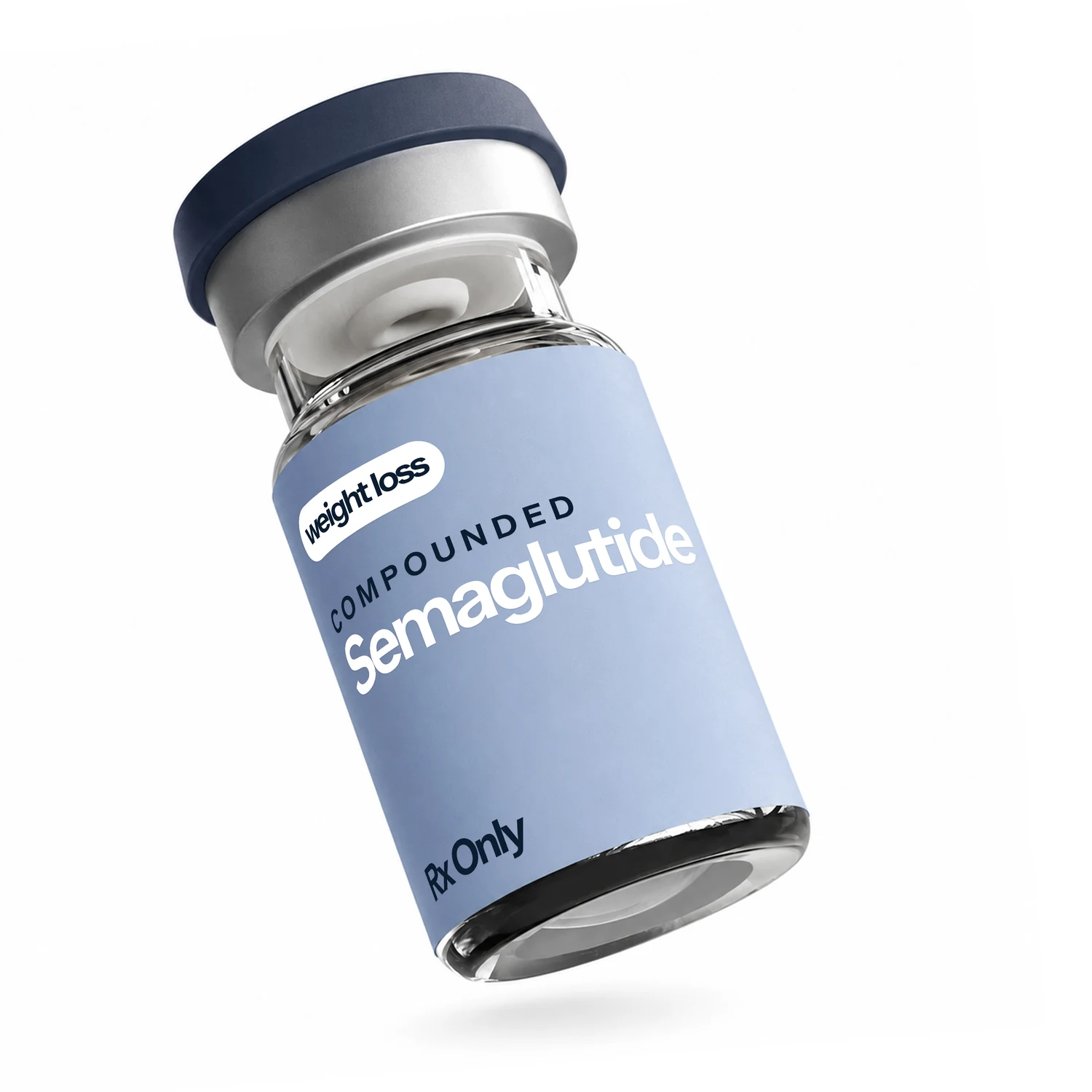
Compounded SemaglutideRx
Weekly GLP-1 injection.
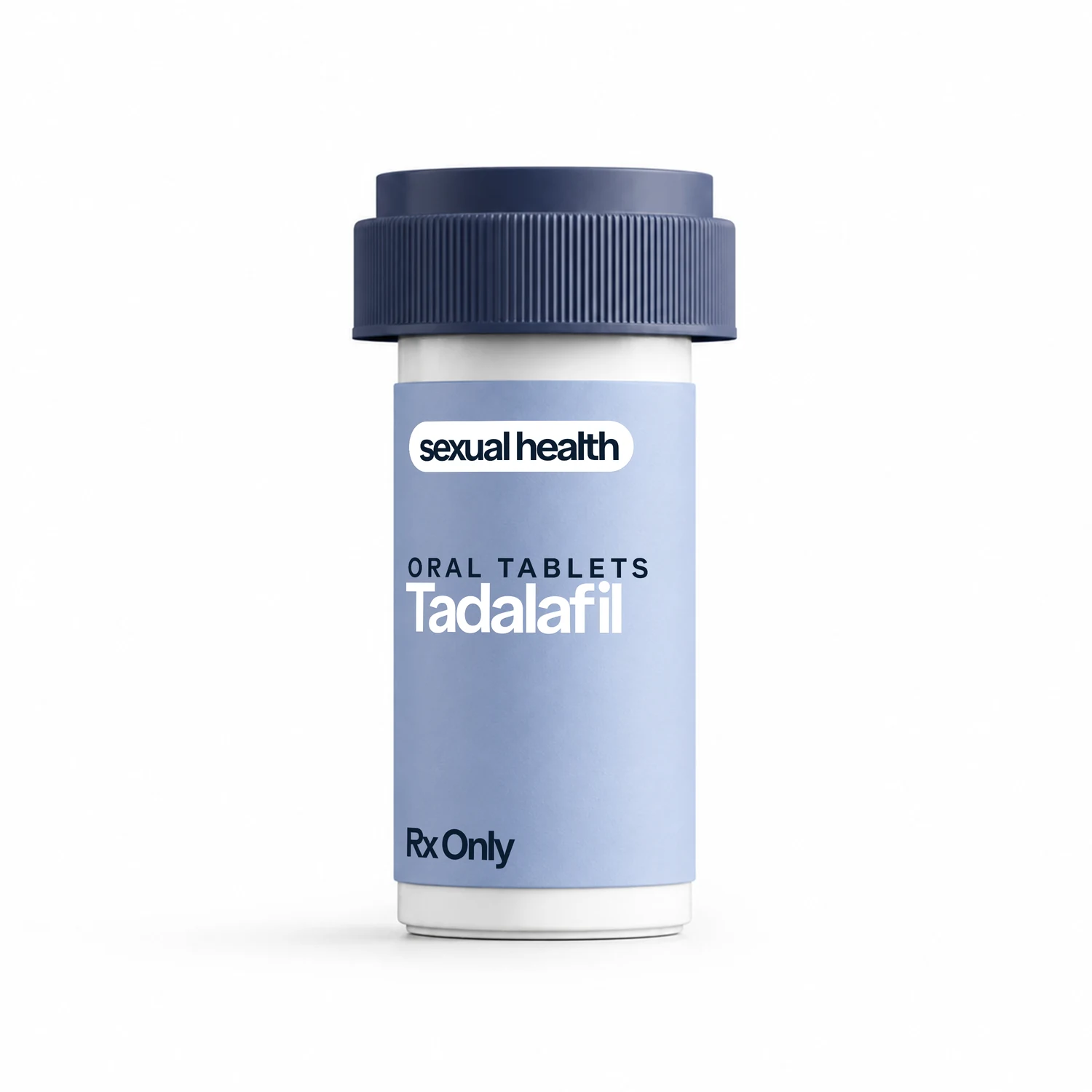
TadalafilRx
Generic Cialis®. Lasts up to 36 hours.

SildenafilRx
Generic Viagra®. Works in 30 minutes.
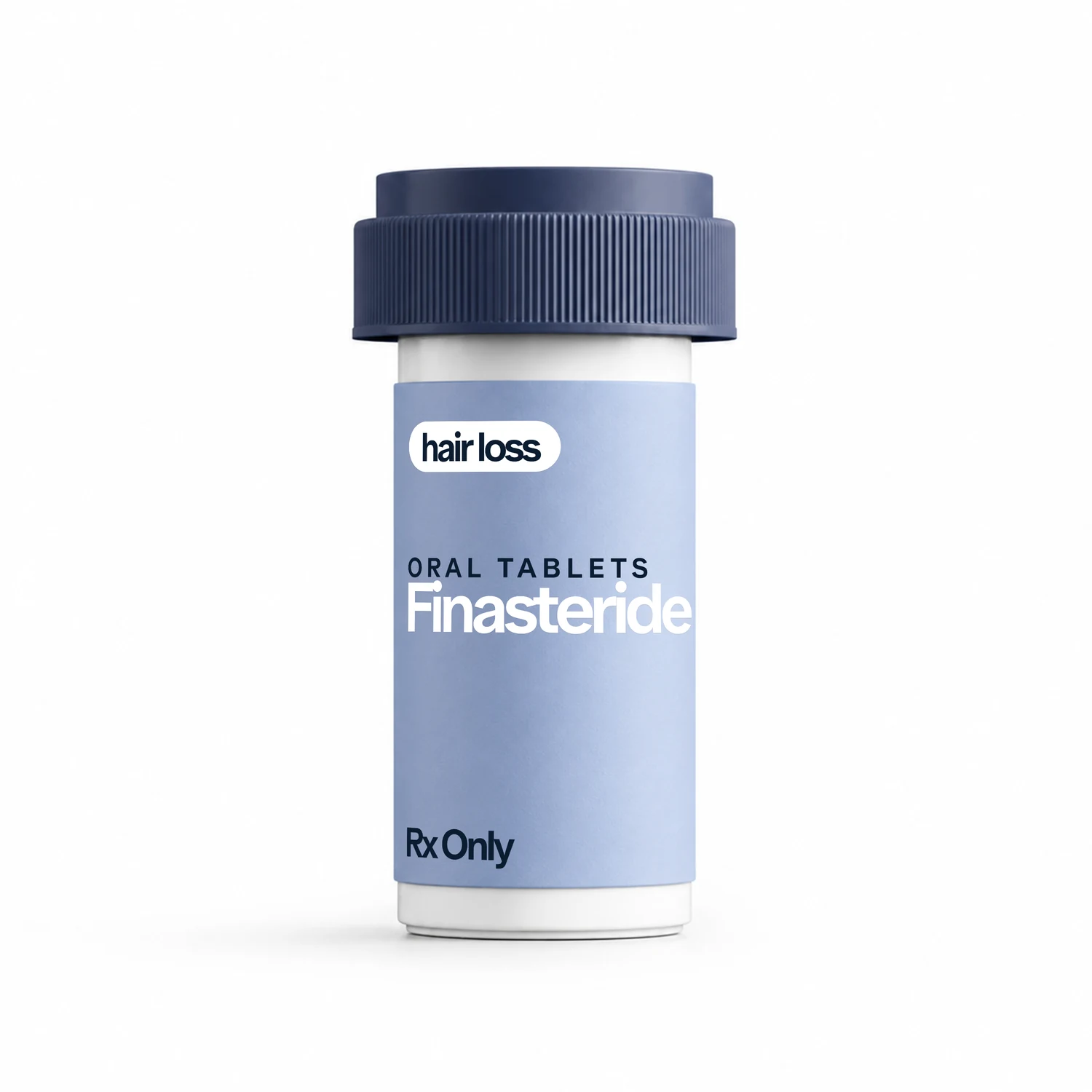
FinasterideRx
Generic Propecia®. Blocks DHT daily.

Hair Regrowth SprayRx
3-in-1 topical: finasteride + minoxidil + tretinoin.
Omega-3 Fish Oil for Men: Heart, Brain, Evidence

Written by James T.
Published March 3, 2026

Key Takeaways
Omega-3 fatty acids — specifically EPA and DHA — have a meaningful, evidence-supported role in cardiovascular and cognitive health for men, though the size of the benefit depends heavily on baseline diet, dose, and formulation.
What Are Omega-3 Fatty Acids?
Omega-3 fatty acids are a family of polyunsaturated fats your body cannot synthesize on its own, making dietary or supplemental intake essential. The two clinically relevant forms are eicosapentaenoic acid (EPA) and docosahexaenoic acid (DHA). A third form, alpha-linolenic acid (ALA), is found in flaxseed and walnuts but converts to EPA and DHA at rates below 10%, making it a poor substitute for direct marine sources.
Fish oil supplements are concentrated extracts of EPA and DHA derived primarily from fatty fish — sardines, anchovies, mackerel, and salmon. During National Nutrition Month, it's worth grounding your supplement decisions in clinical data rather than label marketing.
Mechanism of Action
EPA and DHA exert several physiological effects that explain their therapeutic interest:
- Triglyceride reduction: Both fatty acids suppress hepatic (liver) production of very-low-density lipoprotein (VLDL), the precursor to triglycerides in the blood. High triglycerides are an independent cardiovascular risk factor.
- Anti-inflammatory signaling: EPA and DHA are precursors to resolvins and protectins — signaling molecules that help resolve, rather than amplify, inflammatory cascades. Chronic low-grade inflammation is implicated in atherosclerosis and neurodegenerative disease.
- Membrane fluidity: DHA is the dominant structural fatty acid in neuronal cell membranes. Adequate DHA supports synaptic (nerve-to-nerve junction) transmission and may slow age-related neuronal atrophy.
- Platelet aggregation: EPA modestly inhibits platelet clumping, which influences blood clot formation. This is clinically relevant — and also why high doses require provider oversight if you take anticoagulants.
The Evidence Base
Cardiovascular Outcomes
The landmark REDUCE-IT trial, published in the New England Journal of Medicine in 2018, enrolled 8,179 patients with elevated triglycerides already on statin therapy. High-dose icosapentaenoic acid (a purified EPA ethyl ester, 4 g/day) reduced major adverse cardiovascular events by 25% relative to placebo. Importantly, the study used a prescription-grade, high-concentration EPA product — not standard over-the-counter fish oil.

The STRENGTH trial, published in JAMA in 2020, tested a combined EPA+DHA formulation at 4 g/day and found no significant reduction in cardiovascular events versus corn oil. The divergence between REDUCE-IT and STRENGTH remains an active area of scientific debate, with some researchers attributing the difference to EPA-only versus combined formulations, and others questioning the corn oil comparator.
For men eating a diet low in marine-source omega-3s — a common pattern in men over 40 consuming predominantly processed foods — peer-reviewed research suggests that correcting this deficit through diet or supplementation may reduce triglyceride concentrations meaningfully. Results may vary.
Cognitive and Brain Health
DHA accounts for approximately 30–40% of total fatty acids in the brain's gray matter. A 2022 analysis published in Nutrients found that higher circulating DHA was associated with better scores on memory and processing speed assessments in middle-aged adults. The evidence for omega-3s preventing cognitive decline remains preliminary — we do not yet know whether supplementation in cognitively healthy men delays the onset of dementia. What the data do support is that adequate DHA intake is correlated with better baseline cognitive function.
What About Standard OTC Supplements?
Most over-the-counter fish oil capsules contain 300–600 mg of combined EPA+DHA per capsule, meaning a "1,000 mg fish oil" softgel may deliver only 300 mg of the active fatty acids. The therapeutic doses used in major trials ranged from 2–4 g of EPA/DHA daily. This gap between typical supplement doses and trial doses is clinically important and frequently overlooked.
Who Is — and Is Not — a Candidate
Reasonable candidates for fish oil supplementation include men with: - Elevated triglycerides (≥150 mg/dL) - Low dietary fish intake (fewer than two servings of fatty fish per week) - A personal or family history of cardiovascular disease, pending provider review - Interest in supporting cognitive health as part of a Mediterranean-style dietary pattern
Use caution or seek provider guidance if you: - Take anticoagulants (blood thinners) such as warfarin or apixaban — omega-3s may potentiate bleeding risk - Are scheduled for surgery within two weeks - Have a fish or shellfish allergy (though highly purified products may be tolerated — confirm with your provider) - Have atrial fibrillation (AFib): the REDUCE-IT trial noted a small increase in AFib incidence in the high-dose EPA group, a finding worth discussing with your cardiologist
The American Heart Association recommends eating two servings of non-fried, oily fish per week as the preferred first-line strategy — food before supplements, when feasible.
What to Expect on Supplementation
- Triglyceride response is typically measurable within 4–8 weeks of consistent dosing.
- Common side effects include fishy aftertaste, burping, and mild GI upset — enteric-coated formulations and refrigerating capsules reduce these substantially.
- Dose matters: For triglyceride lowering, most evidence supports 2–4 g of EPA+DHA daily, not the 300–600 mg delivered by a single standard capsule.
- Drug interactions: Notify your provider of all supplements. High-dose omega-3s combined with anticoagulants or antiplatelet agents (e.g., aspirin, clopidogrel) warrant monitoring.
- Contact your prescribing provider if you notice unusual bruising, prolonged bleeding from cuts, or new-onset heart palpitations.

A nutrient that pairs well with a Mediterranean dietary pattern is vitamin B12, which supports neurological function and red blood cell production — particularly relevant for men over 45 who may have declining intrinsic factor (the protein needed to absorb B12 from food). If your provider has flagged low B12 alongside omega-3 insufficiency, you can begin a B12 assessment here.
The Good Guy Rx Pathway
Good Guy Rx is a technology platform that connects men to independent licensed physicians and independent state-licensed pharmacies. If you are interested in a cardiovascular risk assessment, a lipid panel review, or provider-guided supplementation recommendations, the prescribing provider determines whether any therapeutic intervention is appropriate after a thorough medical intake. Start that conversation through the Good Guy Rx online visit portal and bring your most recent lipid panel if you have one.
Sources
- REDUCE-IT Trial — Bhatt DL et al. — New England Journal of Medicine, 2018
- STRENGTH Trial — Nicholls SJ et al. — JAMA, 2020
- Omega-3 DHA and Cognitive Function — Nutrients, 2022
- Fish and Omega-3 Fatty Acids — American Heart Association
- Omega-3 Fatty Acids — National Institutes of Health Office of Dietary Supplements
This article is educational. A licensed provider determines whether you are a candidate after a medical intake.
References
- [STRENGTH Trial — Nicholls SJ et al. — JAMA, 2020](https://jamanetwork.com/journals/jama/fullarticle/2773792)
- [Omega-3 DHA and Cognitive Function — Nutrients, 2022](https://www.mdpi.com/2072-6643/14/15/3067)
- [Fish and Omega-3 Fatty Acids — American Heart Association](https://www.heart.org/en/healthy-living/healthy-eating/eat-smart/fats/fish-and-omega-3-fatty-acids)
- [Omega-3 Fatty Acids — National Institutes of Health Office of Dietary Supplements](https://ods.od.nih.gov/factsheets/Omega3FattyAcids-HealthProfessional/)
- This article is educational. A licensed provider determines whether you are a candidate after a medical intake.*
Share this article

Ready to start your journey?
Complete your free online visit and see if GLP-1 treatment is right for you.
Get Started