
Good Guy Rx
Take care of what God gave you.
Get started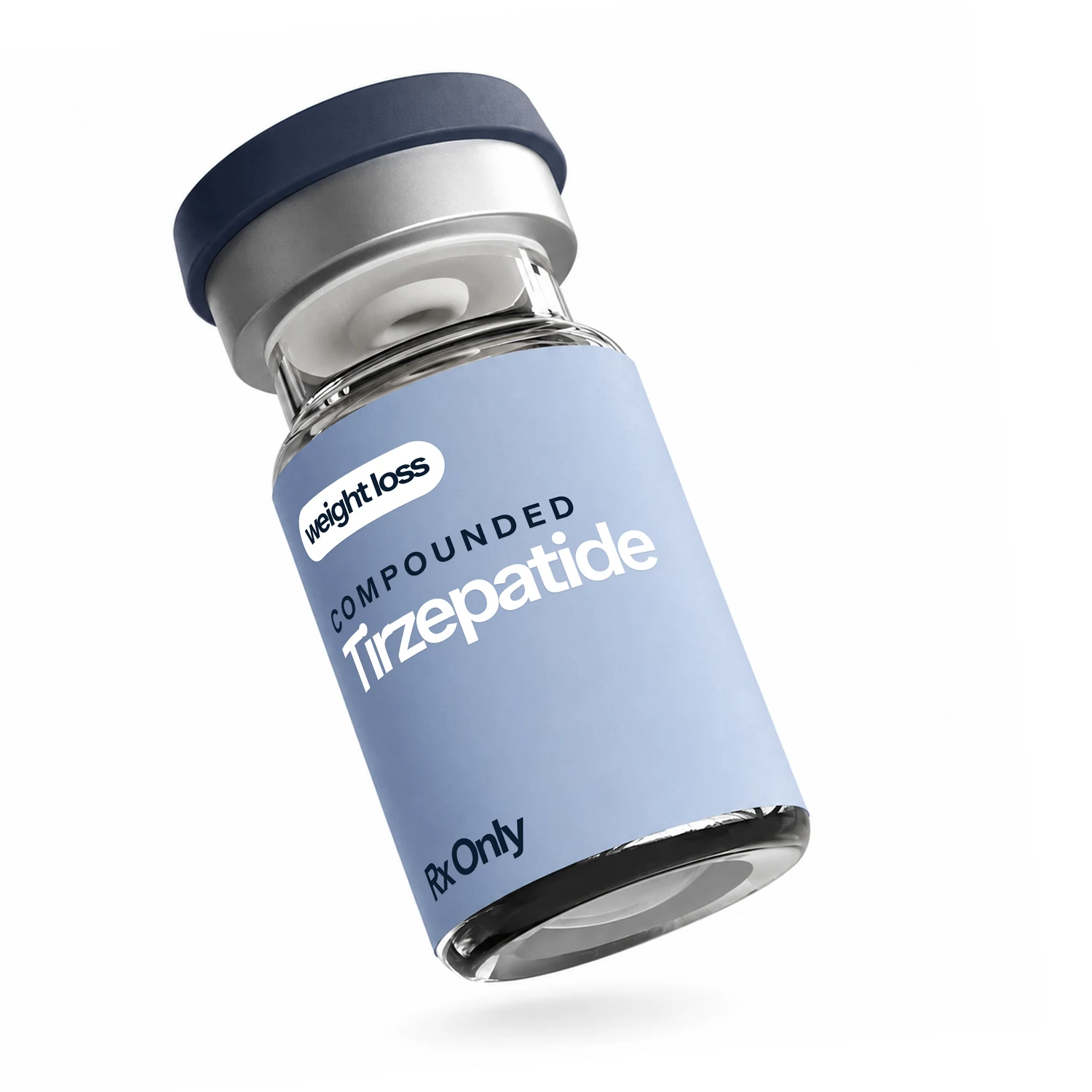
Compounded TirzepatideRx
Weekly GLP-1 + GIP injection.

Compounded SemaglutideRx
Weekly GLP-1 injection.
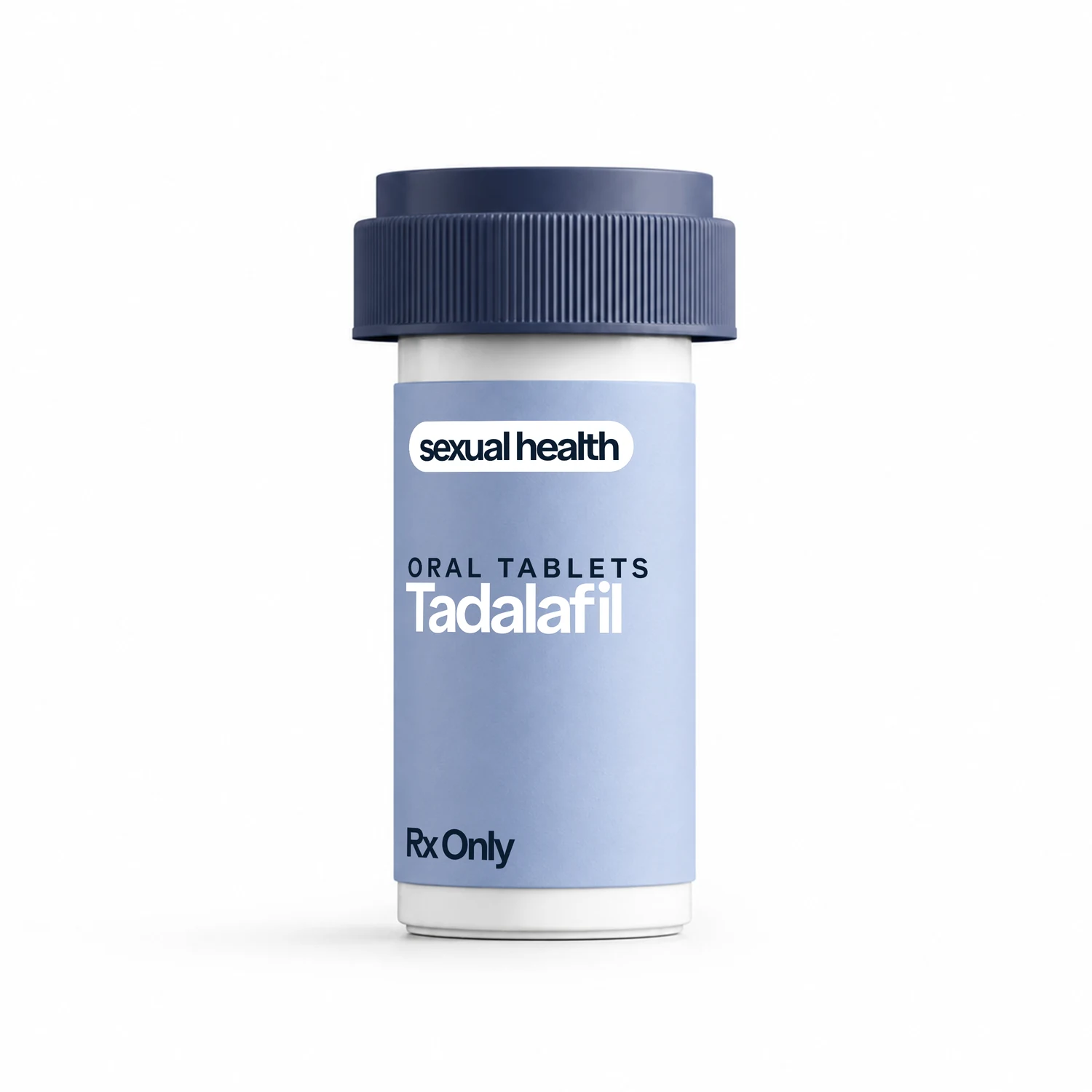
TadalafilRx
Generic Cialis®. Lasts up to 36 hours.

SildenafilRx
Generic Viagra®. Works in 30 minutes.
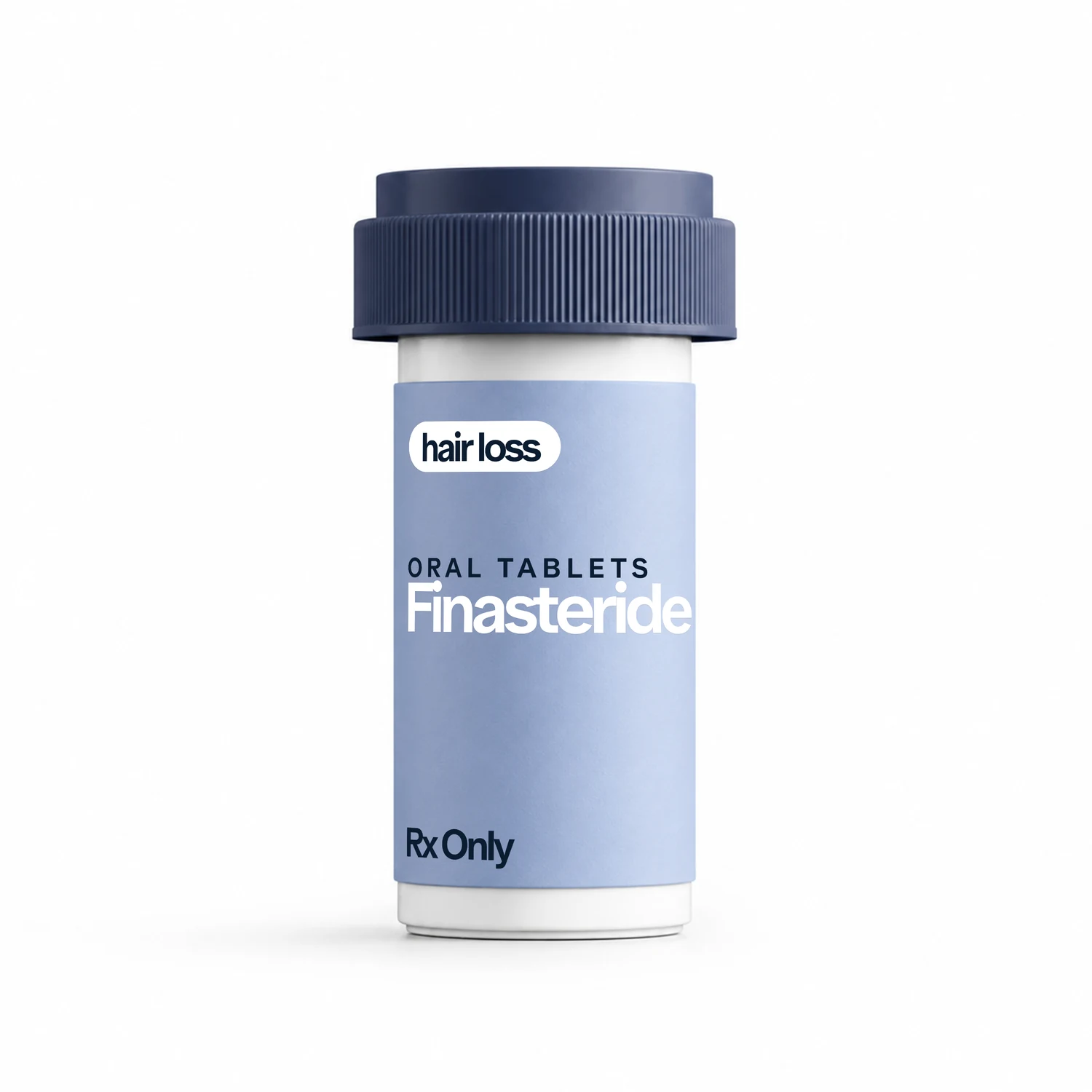
FinasterideRx
Generic Propecia®. Blocks DHT daily.

Hair Regrowth SprayRx
3-in-1 topical: finasteride + minoxidil + tretinoin.
Magnesium, Zinc & Vitamin D: What the Evidence Says

Written by James T.
Published March 31, 2026

Key Takeaways
Magnesium, zinc, and vitamin D are among the most commonly deficient micronutrients in adult men, and each has a distinct, evidence-supported role in metabolic, hormonal, and musculoskeletal health — but the evidence for "stacking" them together is more nuanced than marketing suggests.
Why These Three Micronutrients Matter for Men Over 40
During National Nutrition Month, the fundamentals deserve a clinical look. Protein targets, sleep quality, and dietary patterns like the Mediterranean approach get well-deserved attention — but micronutrient sufficiency underlies all of them. Magnesium, zinc, and vitamin D are not interchangeable, and they are not a cure-all. What follows is what the evidence actually supports.
Mechanism of Action: What Each Micronutrient Does
Magnesium is a cofactor — a helper molecule — in more than 300 enzymatic reactions in the human body. These include ATP (adenosine triphosphate, the body's primary energy currency) synthesis, protein synthesis, blood glucose regulation, and neuromuscular transmission. It also regulates the hypothalamic-pituitary axis, the hormonal control center that governs testosterone production and stress response.
Zinc is an essential trace mineral required for the activity of over 200 enzymes. It plays a direct role in testosterone biosynthesis within the Leydig cells of the testes, immune cell signaling, and DNA repair. The body has no dedicated zinc storage system, meaning consistent dietary intake is required.
Vitamin D functions more like a hormone than a classical vitamin. The active form, 1,25-dihydroxyvitamin D (calcitriol), binds to vitamin D receptors (VDRs) found in nearly every tissue type — including skeletal muscle, the prostate, and cells of the immune system. It regulates calcium absorption, bone mineralization, and has been associated with testosterone-receptor sensitivity in several studies.
Critically, magnesium is required for the conversion of vitamin D from its inactive storage form (25-hydroxyvitamin D) to its active form. This biochemical dependency is one reason the three are often discussed together: deficiency in one can impair the function of another.
The Evidence Base
Vitamin D
The data on vitamin D in men is substantial but frequently overstated. The large VITAL trial (New England Journal of Medicine, 2019), which enrolled over 25,000 participants, found that vitamin D3 supplementation (2,000 IU/day) did not significantly reduce the primary endpoints of major cardiovascular events or cancer incidence in the general population. However, subgroup analyses suggested possible benefit in cancer mortality among those with adequate body weight.
For bone health, a 2022 meta-analysis published in The Lancet (the USPSTF evidence review) concluded that vitamin D supplementation reduced fracture risk only when combined with calcium in older adults. Standalone high-dose vitamin D did not demonstrate significant fracture reduction.

For testosterone, a 12-month randomized controlled trial published in Hormone and Metabolic Research found that men with vitamin D deficiency who supplemented showed modestly higher testosterone compared to placebo. Results may vary based on baseline deficiency status.
Magnesium
A 2011 study published in Biological Trace Element Research found that magnesium supplementation was associated with increased free and total testosterone in both sedentary and exercising men, with the effect more pronounced in those who exercised — suggesting the benefit is amplified by physical activity. Results may vary.
Regarding sleep, peer-reviewed research published in the Journal of Research in Medical Sciences found that magnesium supplementation in older adults improved subjective sleep quality, sleep efficiency, and sleep onset time. Given that poor sleep is a known suppressor of testosterone and growth hormone in men over 40, this is a clinically relevant pathway.
Zinc
A frequently cited study in Nutrition (1996, Prasad et al.) demonstrated that dietary zinc restriction in healthy men led to a significant reduction in serum testosterone over 20 weeks, and that zinc supplementation in zinc-deficient older men raised testosterone concentrations. This remains foundational data, though it applies most clearly to men with confirmed deficiency — not to men with normal zinc status. Results may vary.
Who Is and Is Not a Candidate for Supplementation
Higher-risk groups for deficiency:
- Men over 50 with limited sun exposure (vitamin D)
- Men following highly processed diets low in leafy greens, nuts, or seeds (magnesium)
- Men with gastrointestinal conditions such as Crohn's disease or celiac disease (all three)
- Men with type 2 diabetes or insulin resistance — magnesium wasting via the kidneys is well documented in this population
- Men with elevated alcohol intake (zinc depletion)
- Men with dark skin pigmentation living at northern latitudes (vitamin D)
Supplementation is generally NOT indicated when:
- Serum levels are within normal reference range — adding more does not confer additional benefit and may cause harm
- You have hypercalcemia (elevated blood calcium) or nephrolithiasis (kidney stones) — high-dose vitamin D and calcium combinations carry risk
- You are on certain medications: magnesium can interfere with some antibiotics and bisphosphonates; zinc at high doses can impair copper absorption and interact with immunosuppressants
- You have hemochromatosis or other conditions affecting mineral metabolism
The clinical takeaway: test before you supplement. A standard metabolic panel, serum 25-hydroxyvitamin D, and RBC (red blood cell) magnesium level provide the baseline. Your prescribing provider can order these.
What to Expect on Treatment
If deficiency is confirmed and supplementation is appropriate:

- Vitamin D: Serum levels typically rise within 8–12 weeks of consistent supplementation. The Endocrine Society recommends 1,500–2,000 IU/day for deficiency prevention in adults; therapeutic repletion doses are higher and require provider oversight.
- Magnesium: Glycinate and malate forms are generally better tolerated gastrointestinally than oxide. Common side effects include loose stools at higher doses. Meaningful changes in sleep or muscle cramp frequency may be noticed within 3–6 weeks.
- Zinc: Standard supplementation doses range from 8–11 mg/day (dietary reference intake) to 25–40 mg/day therapeutically. Nausea on an empty stomach is common. Long-term use above 40 mg/day should be monitored for copper depletion.
When to contact your provider: Report any new kidney stones, significant GI distress, palpitations, or muscle weakness. Do not self-escalate to high-dose regimens without a provider's guidance.
A Note on Vitamin B12
While not part of the magnesium-zinc-vitamin D triad, vitamin B12 deficiency is common in men over 40 — particularly those on metformin (a diabetes medication that reduces B12 absorption) or those following plant-predominant diets. If your provider identifies B12 deficiency alongside other micronutrient gaps, B12 support is available through Good Guy Rx following a medical intake.
The Good Guy Rx Pathway
Good Guy Rx is a technology platform that connects men to independent licensed physicians and independent state-licensed pharmacies. If you are concerned about micronutrient deficiency — or want to understand how nutritional status may be affecting your energy, sleep, or hormonal health — the prescribing provider determines whether any supplement or medication is appropriate after a thorough medical intake. You can begin that process at Good Guy Rx.
Sources
- VITAL Trial: Vitamin D and Omega-3 Supplementation — *New England Journal of Medicine*, 2019
- Vitamin D and Fracture Risk Meta-Analysis — *The Lancet*, 202200437-7/fulltext)
- Vitamin D Supplementation and Testosterone in Deficient Men — *Hormone and Metabolic Research*, 2011
- Magnesium and Testosterone in Sedentary and Exercising Men — *Biological Trace Element Research*, 2011
- Magnesium and Sleep Quality in Older Adults — *Journal of Research in Medical Sciences*, 2012
- Zinc and Testosterone: Dietary Restriction Study — *Nutrition*, 1996, Prasad et al.
- Endocrine Society Clinical Practice Guideline: Vitamin D Deficiency
- NIH Office of Dietary Supplements: Magnesium Fact Sheet
- NIH Office of Dietary Supplements: Zinc Fact Sheet
- NIH Office of Dietary Supplements: Vitamin D Fact Sheet
This article is educational. A licensed provider determines whether you are a candidate after a medical intake.
References
- [Vitamin D and Fracture Risk Meta-Analysis — *The Lancet*, 2022](https://www.thelancet.com/journals/lancet/article/PIIS0140-6736(22)00437-7/fulltext)
- [Vitamin D Supplementation and Testosterone in Deficient Men — *Hormone and Metabolic Research*, 2011](https://pubmed.ncbi.nlm.nih.gov/21154195/)
- [Magnesium and Testosterone in Sedentary and Exercising Men — *Biological Trace Element Research*, 2011](https://pubmed.ncbi.nlm.nih.gov/21311352/)
- [Magnesium and Sleep Quality in Older Adults — *Journal of Research in Medical Sciences*, 2012](https://pubmed.ncbi.nlm.nih.gov/23853635/)
- [Zinc and Testosterone: Dietary Restriction Study — *Nutrition*, 1996, Prasad et al.](https://pubmed.ncbi.nlm.nih.gov/8875519/)
- [Endocrine Society Clinical Practice Guideline: Vitamin D Deficiency](https://www.endocrine.org/clinical-practice-guidelines/vitamin-d-deficiency)
- [NIH Office of Dietary Supplements: Magnesium Fact Sheet](https://ods.od.nih.gov/factsheets/Magnesium-HealthProfessional/)
- [NIH Office of Dietary Supplements: Zinc Fact Sheet](https://ods.od.nih.gov/factsheets/Zinc-HealthProfessional/)
Share this article

Ready to start your journey?
Complete your free online visit and see if GLP-1 treatment is right for you.
Get Started