
Good Guy Rx
Take care of what God gave you.
Get started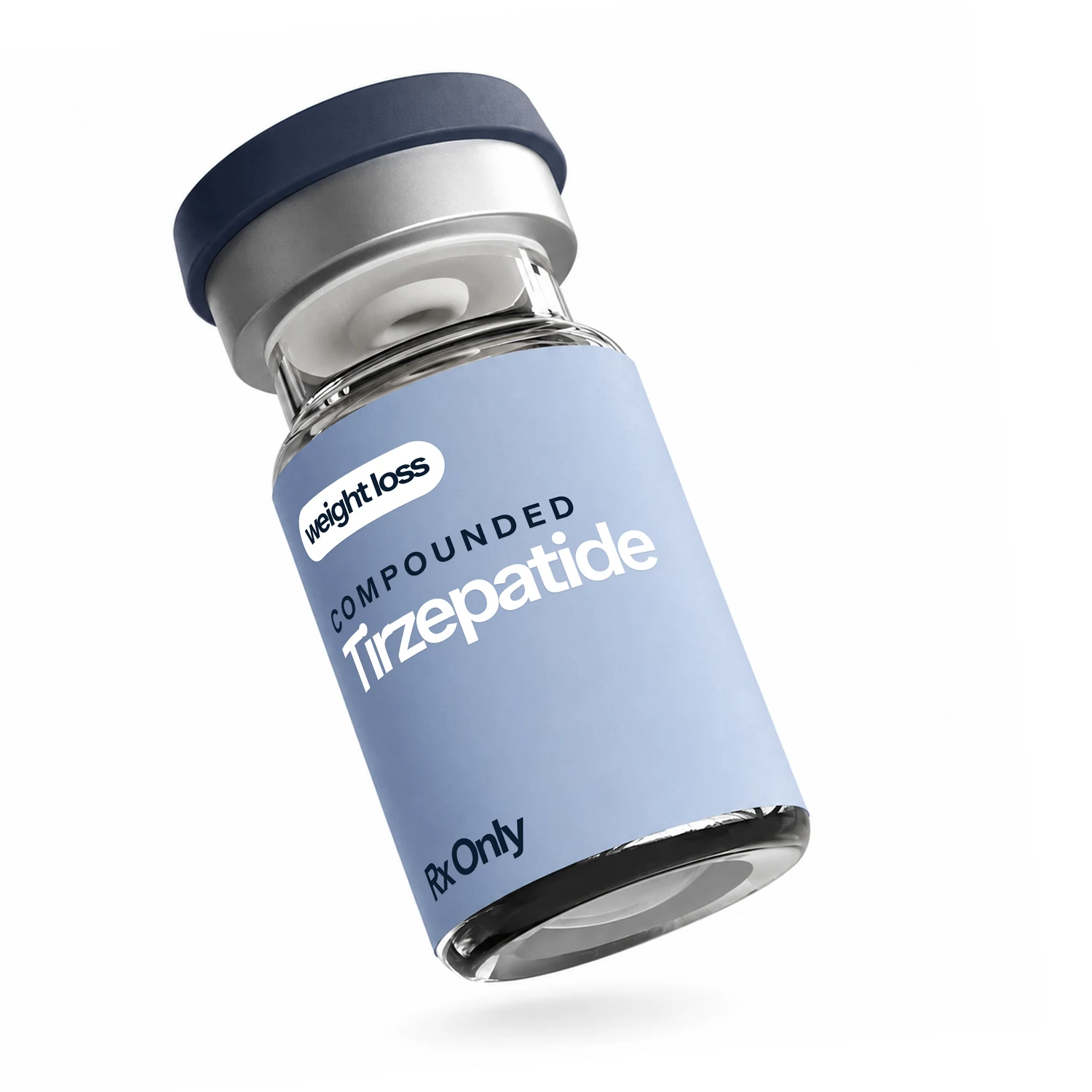
Compounded TirzepatideRx
Weekly GLP-1 + GIP injection.
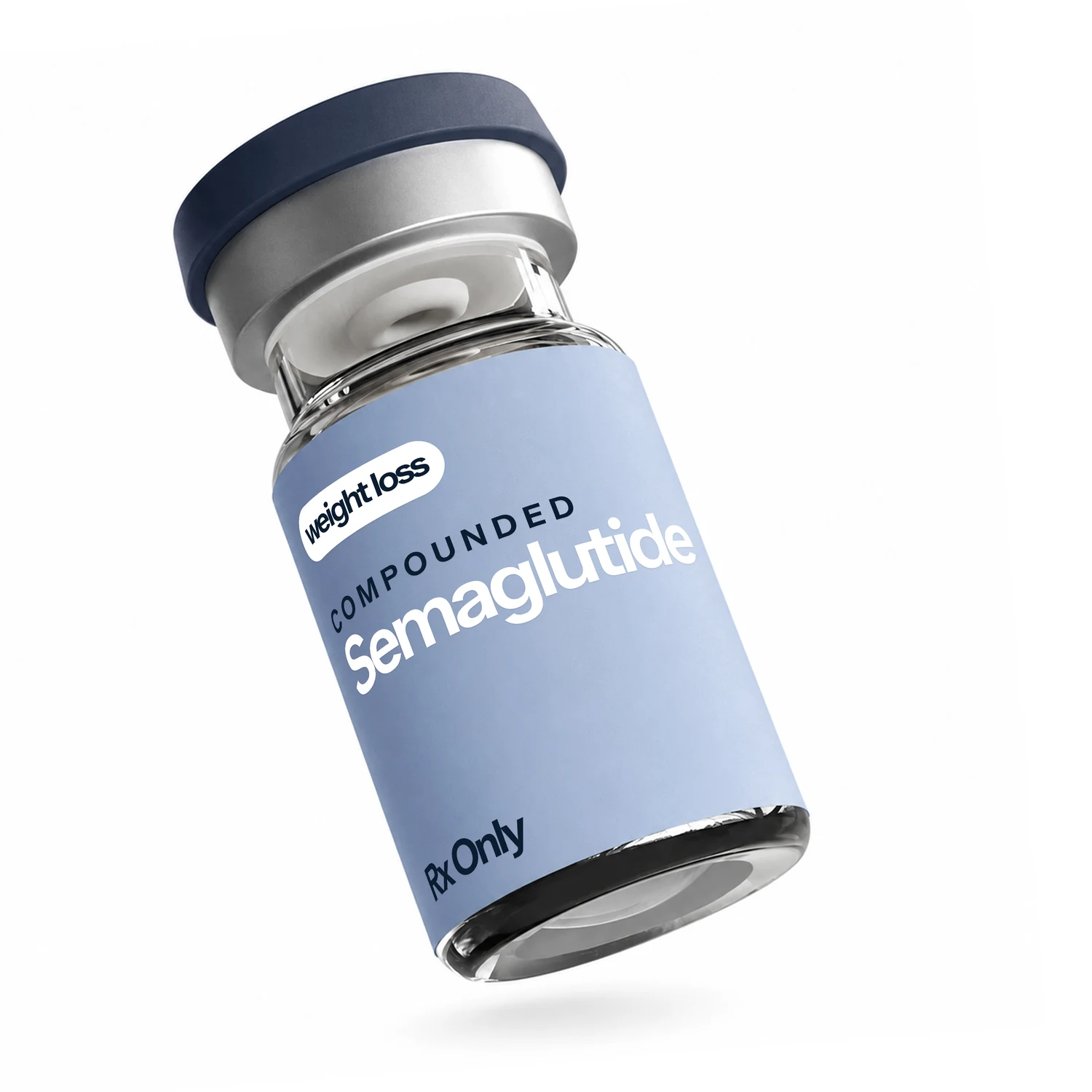
Compounded SemaglutideRx
Weekly GLP-1 injection.
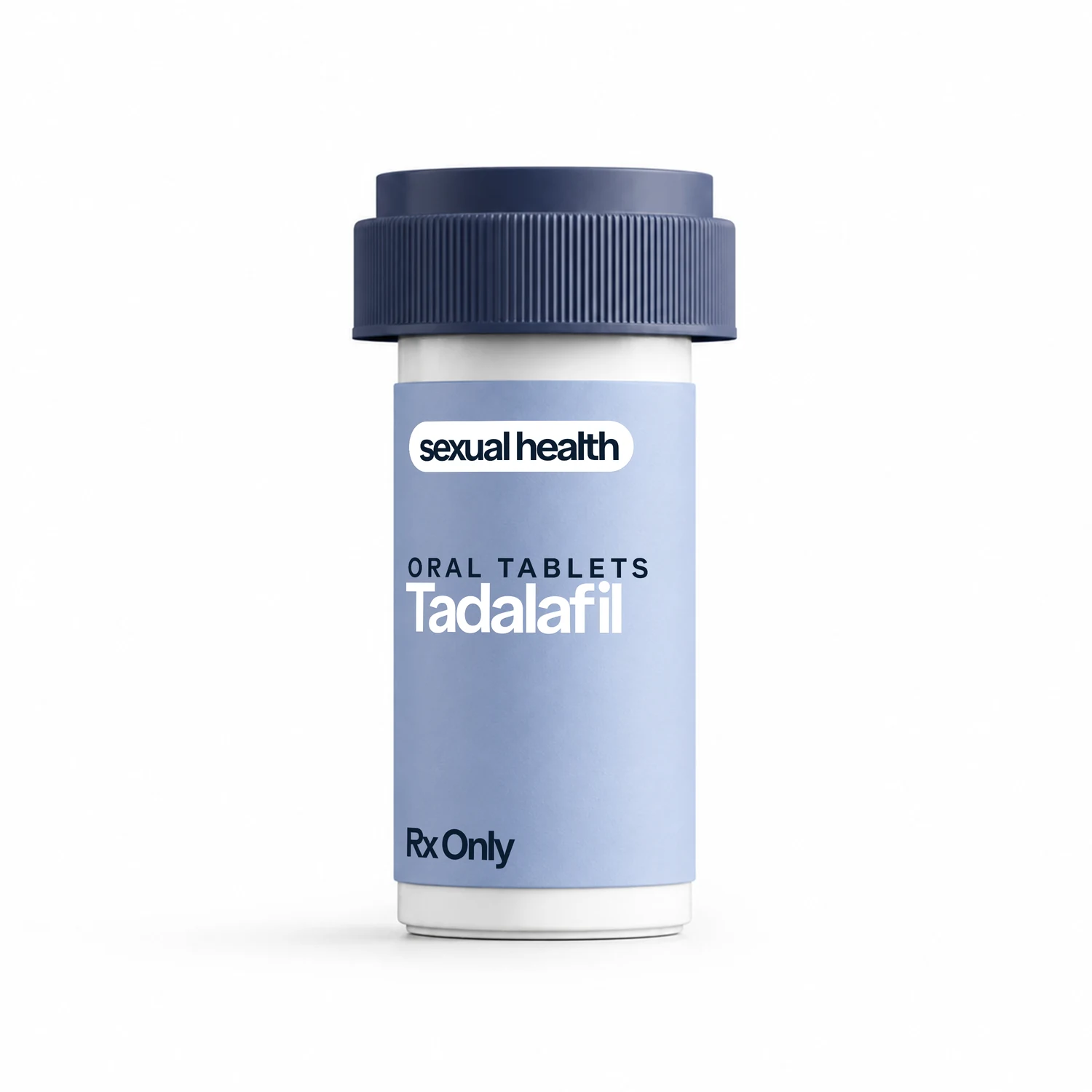
TadalafilRx
Generic Cialis®. Lasts up to 36 hours.
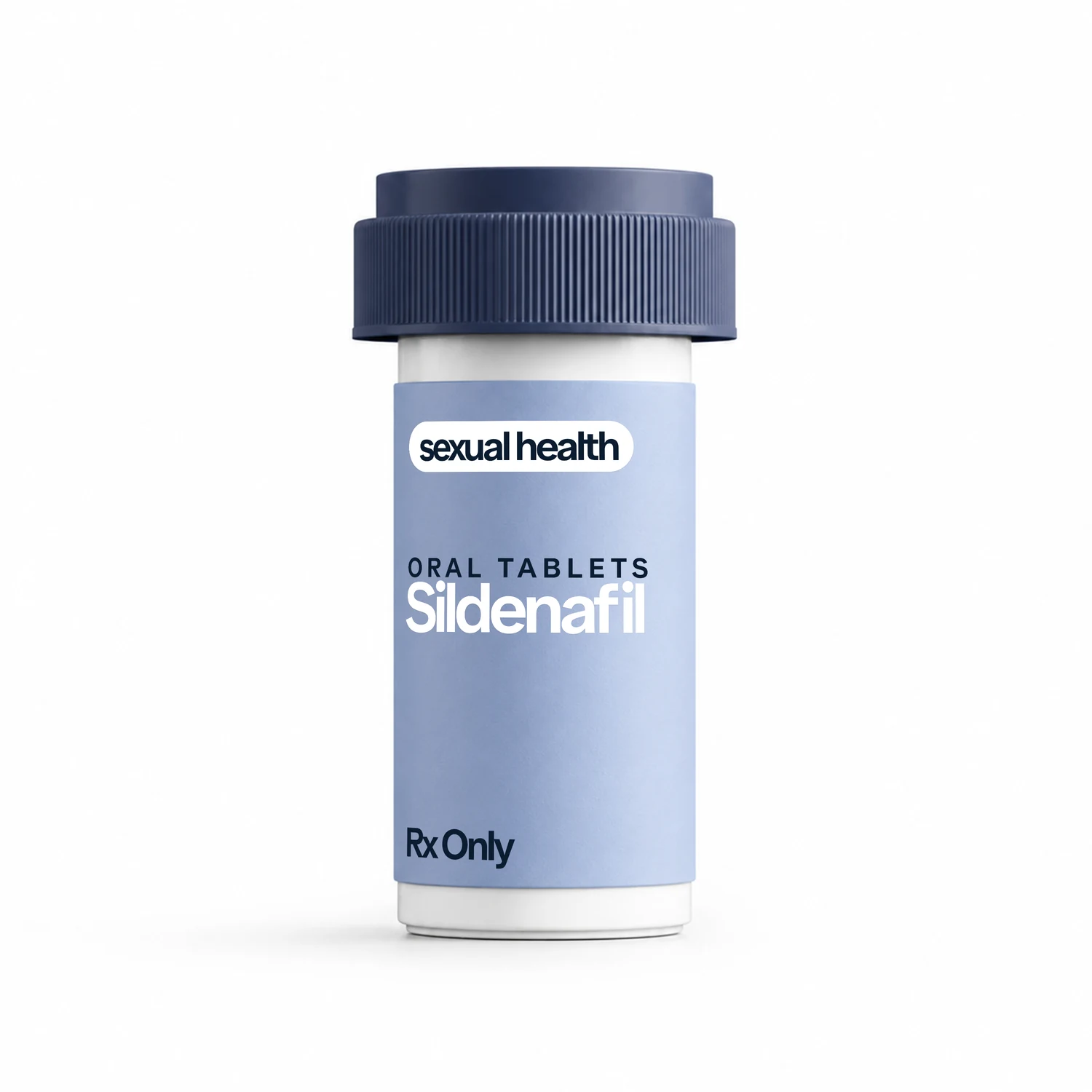
SildenafilRx
Generic Viagra®. Works in 30 minutes.
FinasterideRx
Generic Propecia®. Blocks DHT daily.

Hair Regrowth SprayRx
3-in-1 topical: finasteride + minoxidil + tretinoin.
Vitamin D Deficiency in Men: Testing and Dosing

Written by James T.
Published February 17, 2026

Key Takeaways
Vitamin D deficiency affects an estimated 35% of U.S. adults, is measurable with a single blood test, and is correctable — yet most men in the 45–70 age range have never had their levels checked.
What Vitamin D Actually Does
Vitamin D is not a traditional vitamin — it is a secosteroid hormone that binds to receptors found in virtually every tissue in the body, including skeletal muscle, cardiac muscle, the vasculature, and the testes. Its primary job is regulating calcium absorption in the gut, but its downstream roles extend to immune modulation, insulin sensitivity, skeletal integrity, and androgen synthesis.
When a physician says your vitamin D is low, they mean that circulating 25-hydroxyvitamin D (25(OH)D) — the storage form measured in blood — has dropped below the threshold needed to sustain these functions. The Endocrine Society defines deficiency as a 25(OH)D level below 20 ng/mL and insufficiency as 20–29 ng/mL. Optimal function in most clinical frameworks targets 30–50 ng/mL.
Why Men Over 45 Are Particularly Vulnerable
Several factors converge in this age group. Skin synthesis of vitamin D from UVB light declines with age. The kidneys become less efficient at converting 25(OH)D to its active form, 1,25-dihydroxyvitamin D (calcitriol). Body fat sequesters vitamin D, so men with higher adiposity carry lower circulating levels even with adequate sun exposure. And unlike calcium or vitamin B12, vitamin D is not abundant in a standard Western diet — fatty fish, fortified dairy, and egg yolks are the meaningful dietary sources.
The Test: What to Ask Your Provider
The correct test is a serum 25-hydroxyvitamin D (25(OH)D) level, drawn from a standard blood sample. Do not accept a 1,25-dihydroxyvitamin D test as a substitute — that active-form assay is used for specific kidney and granulomatous disease workups and does not reflect whole-body vitamin D status.
According to guidance from the National Institutes of Health Office of Dietary Supplements, a 25(OH)D level below 12 ng/mL represents frank deficiency with risk of rickets (bone softening) in adults; levels between 12–20 ng/mL are considered inadequate for most people; and levels above 50 ng/mL may carry risk of toxicity over time, particularly with supplemental dosing.
Evidence Base: What Correcting Deficiency Actually Does
Bone and muscle. A 2022 meta-analysis published in the *New England Journal of Medicine* — the VITAL trial extension — enrolled more than 25,000 adults and found that vitamin D3 supplementation at 2,000 IU/day reduced cancer mortality and modestly reduced autoimmune disease incidence, though it did not significantly reduce fracture rates in the general population. Results may vary based on baseline 25(OH)D status.
Testosterone and androgen function. A randomized controlled trial published in [Hormone and Metabolic Research](https://pubmed.ncbi.nlm.nih.gov/21154195/) (Pilz et al., 2011) assigned 54 non-obese men to 3,332 IU of vitamin D3 daily or placebo for 12 months. Men in the supplementation group showed statistically significant increases in total testosterone, free testosterone, and bioavailable testosterone compared to placebo. Results may vary.

Cardiovascular relevance. February is American Heart Month — a timely reminder that low vitamin D has been independently associated with endothelial dysfunction, arterial stiffness, and elevated cardiovascular risk markers in peer-reviewed research. The link is clinically significant because erectile dysfunction (ED) — the inability to achieve or maintain an erection sufficient for sexual activity — is now recognized by the American Urological Association as an early vascular warning sign. Endothelial dysfunction, the same mechanism that impairs penile blood flow in ED, often precedes coronary artery disease by years. A man who presents with new-onset ED in his 40s or 50s warrants cardiovascular screening, not just a prescription. Addressing correctable contributors — including vitamin D deficiency — is part of a comprehensive approach.
Cognitive and mood function. Peer-reviewed research published in the [Journal of Clinical Endocrinology and Metabolism](https://pubmed.ncbi.nlm.nih.gov/30629140/) has associated 25(OH)D levels below 20 ng/mL with higher rates of depressive symptoms in men. We do not yet know whether supplementation reverses established depression — the data are correlational — but correction of frank deficiency is considered standard of care.
Vitamin D Dose in Men: Practical Framework
The Endocrine Society Clinical Practice Guideline recommends the following for adults with confirmed deficiency:
- Repletion phase: 50,000 IU of vitamin D2 or D3 weekly for 8 weeks, OR 6,000 IU of D3 daily for 8 weeks — prescribed by a licensed provider.
- Maintenance phase: 1,500–2,000 IU of D3 daily for most adults once 25(OH)D is above 30 ng/mL.
- Testing interval: Recheck 25(OH)D 3 months after initiating supplementation to confirm response.
Vitamin D3 (cholecalciferol) is preferred over D2 (ergocalciferol) for maintenance because D3 raises and sustains 25(OH)D levels more effectively in clinical trials.
Toxicity is real but uncommon at doses below 4,000 IU/day. Symptoms of toxicity — hypercalcemia (elevated blood calcium) — include nausea, weakness, kidney stones, and confusion. Routine supplementation should not exceed 4,000 IU/day without provider supervision and periodic monitoring.
Co-factors matter. Vitamin D requires adequate magnesium for activation, and its calcium-absorption function works in concert with vitamin K2 (menaquinone), which directs calcium to bone rather than arterial walls. If you are correcting a significant deficiency, discuss magnesium and K2 status with your provider.
Who Is and Is Not a Candidate for High-Dose Supplementation
Likely to benefit from testing and supplementation: Men with limited sun exposure, dark skin pigmentation (which reduces cutaneous vitamin D synthesis), obesity (BMI ≥ 30), malabsorptive conditions (Crohn's disease, celiac disease, post-bariatric surgery), chronic kidney disease, or confirmed 25(OH)D below 30 ng/mL.
Use with caution or avoid high-dose supplementation: Men with a history of hypercalcemia, sarcoidosis, tuberculosis, or other granulomatous diseases (these conditions independently raise calcitriol), primary hyperparathyroidism, or a history of calcium oxalate kidney stones. A prescribing provider must review your full history before recommending doses above 2,000 IU/day.
Nutritional Support: B12 and the Deficiency Overlap
Vitamin D deficiency rarely travels alone. Men in the 45–70 range who are deficient in vitamin D frequently show concurrent insufficiency in vitamin B12 (cobalamin), which is essential for neurological function, red blood cell production, and energy metabolism. If you are already addressing your vitamin D status, ask your provider to check a serum B12 level at the same visit. Good Guy Rx's B12 assessment connects you to a licensed provider who can evaluate your B12 status as part of a broader nutritional review.

What to Expect on Treatment
Most men notice no immediate change in the first 4–6 weeks of supplementation. This is expected — vitamin D repletion is not a rapid-acting intervention. Clinical improvements in muscle strength, mood, and energy, when they occur, typically emerge over 3–6 months of consistent dosing. Results may vary.
Contact your provider if you experience: new nausea or vomiting, excessive thirst, frequent urination, or confusion during high-dose repletion — these may signal hypercalcemia and require prompt evaluation.
The Good Guy Rx Pathway
Good Guy Rx is a technology platform that connects men to independent licensed physicians and independent state-licensed pharmacies. If you have not had a 25(OH)D level checked recently, or if you have a result and are unsure what to do with it, a prescribing provider can review your labs, your history, and your goals through a structured medical intake — no office waiting room required. The prescribing provider determines whether a specific vitamin D dosing protocol, along with any complementary nutritional support, is appropriate for you after that intake.
Sources
- Vitamin D Fact Sheet for Health Professionals — NIH Office of Dietary Supplements
- VITAL Trial: Vitamin D Supplementation and Cancer/Cardiovascular Outcomes — *New England Journal of Medicine*, 2022
- Pilz S et al., "Effect of Vitamin D Supplementation on Testosterone Levels in Men" — *Hormone and Metabolic Research*, 2011
- Endocrine Society Clinical Practice Guideline: Vitamin D Deficiency — *Journal of Clinical Endocrinology and Metabolism*, 2011
- Vitamin D Deficiency and Depression in Men — *Journal of Clinical Endocrinology and Metabolism*, 2019
- American Urological Association: Erectile Dysfunction Guideline
This article is educational. A licensed provider determines whether you are a candidate after a medical intake.
References
- [VITAL Trial: Vitamin D Supplementation and Cancer/Cardiovascular Outcomes — *New England Journal of Medicine*, 2022](https://www.nejm.org/doi/full/10.1056/NEJMoa2202423)
- [Pilz S et al., "Effect of Vitamin D Supplementation on Testosterone Levels in Men" — *Hormone and Metabolic Research*, 2011](https://pubmed.ncbi.nlm.nih.gov/21154195/)
- [Endocrine Society Clinical Practice Guideline: Vitamin D Deficiency — *Journal of Clinical Endocrinology and Metabolism*, 2011](https://academic.oup.com/jcem/article/96/7/1911/2833671)
- [Vitamin D Deficiency and Depression in Men — *Journal of Clinical Endocrinology and Metabolism*, 2019](https://pubmed.ncbi.nlm.nih.gov/30629140/)
- [American Urological Association: Erectile Dysfunction Guideline](https://www.auanet.org/guidelines-and-quality/guidelines/erectile-dysfunction-guideline)
- This article is educational. A licensed provider determines whether you are a candidate after a medical intake.*
Share this article

Ready to start your journey?
Complete your free online visit and see if GLP-1 treatment is right for you.
Get Started