Good Guy Rx
Take care of what God gave you.
Get started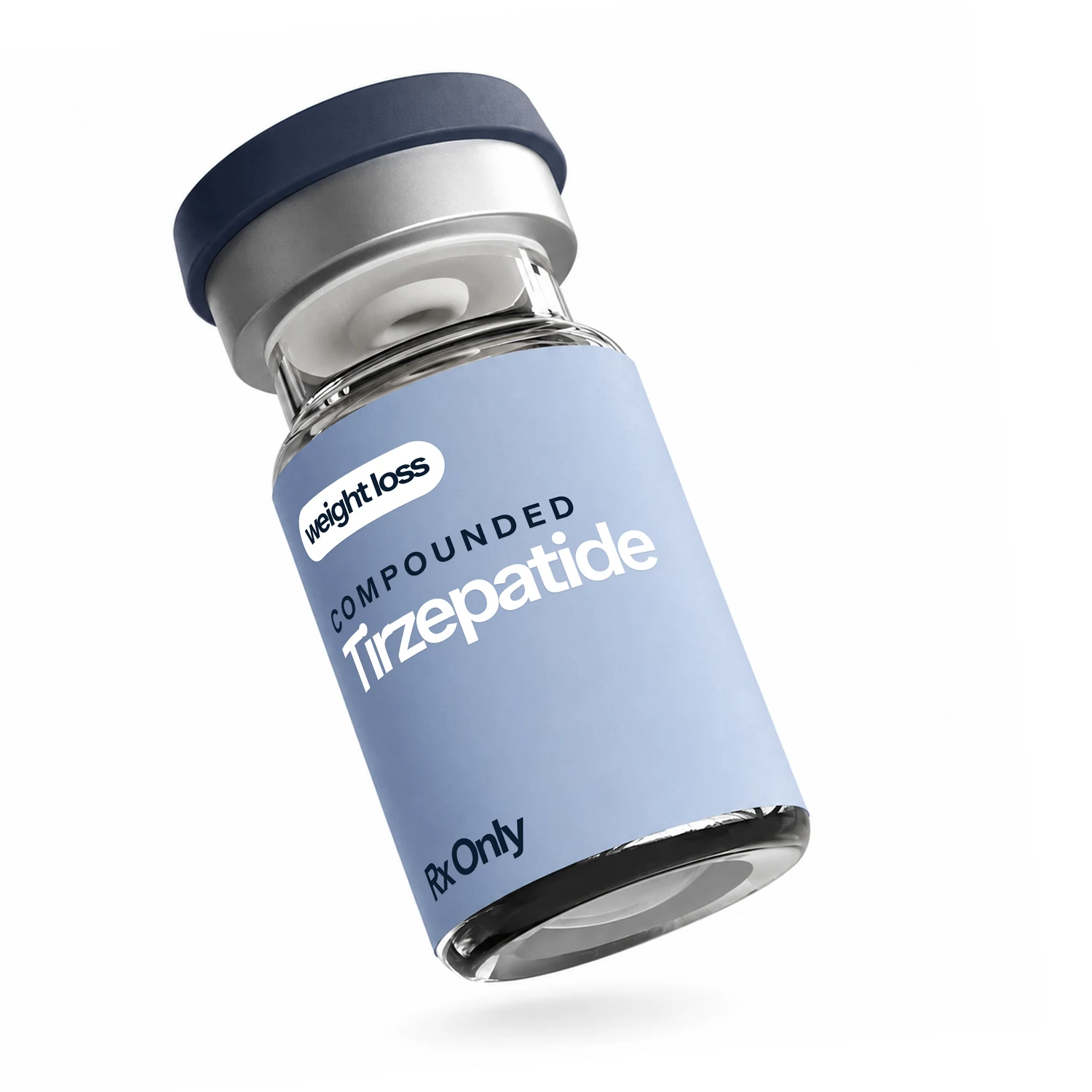
Compounded TirzepatideRx
Weekly GLP-1 + GIP injection.
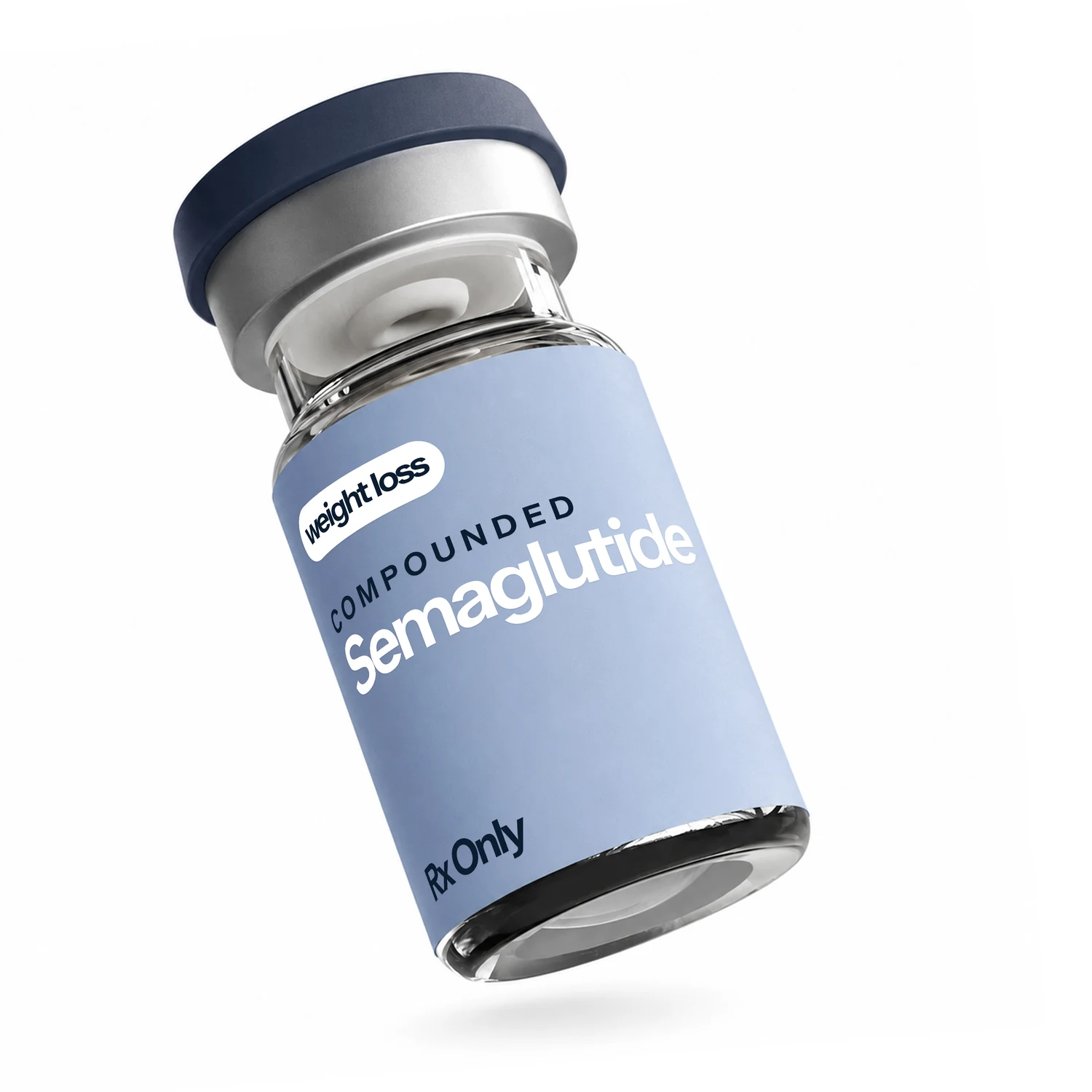
Compounded SemaglutideRx
Weekly GLP-1 injection.
TadalafilRx
Generic Cialis®. Lasts up to 36 hours.
SildenafilRx
Generic Viagra®. Works in 30 minutes.
FinasterideRx
Generic Propecia®. Blocks DHT daily.
Hair Regrowth SprayRx
3-in-1 topical: finasteride + minoxidil + tretinoin.
Hair Loss Vitamins Men: What Evidence Shows

Written by James T.
Published April 13, 2026

Key Takeaways
The supplement aisle offers dozens of products marketed for hair loss, but only a small number of nutrients have credible clinical evidence — and even fewer are relevant unless you have a documented deficiency.
The Biology of Hair Loss: A Brief Primer
Before evaluating any supplement, it helps to understand why hair falls out. The most common cause in men is androgenetic alopecia (male-pattern hair loss), a genetically driven process in which the hormone dihydrotestosterone (DHT) progressively miniaturizes hair follicles. Nutrient deficiencies are a separate, and often overlooked, contributor — they do not cause androgenetic alopecia, but they can worsen shedding and impair regrowth. These two categories require different interventions.
What the Evidence Actually Supports
Iron Deficiency
Iron deficiency is the most evidence-backed nutritional cause of hair shedding in men. Telogen effluvium — a condition in which a large proportion of hairs prematurely enter the resting (telogen) phase and shed — is a recognized consequence of depleted iron stores. A review published in the Journal of the American Academy of Dermatology found a consistent association between low serum ferritin (the body's iron-storage protein) and hair shedding across multiple studies. The mechanism is physiologically plausible: iron is a cofactor for ribonucleotide reductase, an enzyme essential for cell proliferation in the hair follicle matrix.
What to do: If you are experiencing increased shedding, ask your provider to check a serum ferritin level. Correction of iron deficiency — not supplementation in the absence of deficiency — is what the evidence supports. Routine iron supplementation without a documented deficiency carries risk, including hemochromatosis (iron overload) in genetically susceptible individuals.
Vitamin D
Vitamin D deficiency has been associated with hair follicle cycling abnormalities. Vitamin D receptors are expressed in keratinocytes (the cells that form the hair shaft), and animal models have shown that receptor knockout disrupts the normal hair cycle. A 2013 study published in Skin Pharmacology and Physiology found significantly lower serum vitamin D levels in patients with alopecia areata (an autoimmune hair-loss condition) and telogen effluvium compared to controls.
What we do not yet know is whether correcting a deficiency reliably reverses hair loss, or by how much. The association is credible; the therapeutic effect size in humans remains incompletely characterized. Results may vary.
What to do: The NIH Office of Dietary Supplements recommends testing 25-hydroxyvitamin D levels if deficiency is suspected. Supplementation to restore normal range (typically defined as ≥ 20 ng/mL) is reasonable and low-risk at standard doses.
Zinc
Zinc plays a role in hair follicle structure and the inhibition of follicle regression. A study in Annals of Dermatology found lower serum zinc levels in men with androgenetic alopecia compared to controls, and a separate clinical trial demonstrated that zinc supplementation improved hair loss in patients with documented zinc deficiency. The key caveat: zinc supplementation has not been shown to benefit men with normal zinc levels, and excess zinc can paradoxically cause hair loss by interfering with copper absorption.

What the Evidence Does NOT Support
Biotin (Vitamin B7)
Biotin is the ingredient most prominently featured on hair supplement labels. Here is what the data show: biotin deficiency is rare in healthy adults eating a varied diet, and there is no high-quality clinical trial demonstrating that biotin supplementation improves hair density or reduces shedding in men with normal biotin levels.
The FDA has issued warnings that high-dose biotin supplementation can interfere with laboratory assays for thyroid function, troponin (a cardiac marker), and other critical tests — potentially producing falsely normal or abnormal results. If you are taking high-dose biotin and require bloodwork, inform your provider.
The bottom line on biotin: it is unlikely to harm you at label doses, but the evidence that it helps hair in the absence of deficiency is not there.
Collagen, Keratin, and "Hair, Skin & Nails" Blends
These proprietary blends are almost universally supported by in-vitro (cell culture) or animal data, not randomized controlled trials in humans. Peer-reviewed research suggests that orally ingested collagen is digested into amino acids before reaching the follicle — the selective delivery implied by marketing does not reflect gastrointestinal physiology. We do not yet know whether any meaningful amount of intact collagen reaches hair follicles after oral ingestion.
Saw Palmetto
Saw palmetto (Serenoa repens) is a plant extract marketed as a "natural DHT blocker." Some small trials have shown modest effects on hair density, but the evidence is inconsistent and the studies are methodologically limited. It should not be considered equivalent to clinically validated treatments.
Addressing the Actual Cause: DHT and Proven Pharmacotherapy
If your hair loss is androgenetic (the most common type), no vitamin or supplement addresses the underlying mechanism. The two treatments with the strongest evidence base are:
- Finasteride — a 5-alpha reductase inhibitor that reduces scalp DHT by approximately 70%. Its efficacy was established in two pivotal randomized controlled trials published in the Journal of the American Academy of Dermatology (Kaufman et al., 1998), demonstrating statistically significant increases in hair count at 12 and 24 months compared to placebo. Results may vary.
- Minoxidil — a vasodilator that prolongs the anagen (growth) phase of the hair cycle. Evidence for topical minoxidil is robust across multiple trials and decades of use.
The prescribing provider determines whether finasteride or compounded topical finasteride + minoxidil is appropriate after a full medical intake. Compounded formulations are prepared by state-licensed compounding pharmacies in accordance with FDA regulations and are not FDA-approved drug products.

A Note on Testicular Health: April Is Testicular Cancer Awareness Month
This is a brief but important detour. Testicular cancer is the most common solid tumor in men aged 15–35, and early detection dramatically improves outcomes. The American Cancer Society recommends that men be aware of normal testicular anatomy so that changes — a painless lump, swelling, or a sensation of heaviness — are recognized promptly and evaluated by a provider.
A monthly self-examination takes under two minutes and is straightforward. If you notice anything new or different, contact a licensed provider through the patient portal — do not wait. Good stewardship of your health includes attention to the areas you cannot see in the mirror.
The Good Guy Rx Pathway
Good Guy Rx is a technology platform that connects men to independent licensed physicians and independent state-licensed pharmacies. If you have questions about hair loss treatment options — including whether a nutrient workup or prescription therapy is appropriate for you — start with a medical intake. The prescribing provider will review your history and determine the right clinical approach. Begin your assessment for finasteride or compounded topical finasteride + minoxidil when you are ready.
Sources
- Rushton DH. Nutritional factors and hair loss. *Journal of the American Academy of Dermatology*, 2002.
- Banihashemi M et al. Serum vitamin D in patients with alopecia areata. *Skin Pharmacology and Physiology*, 2013.
- Park H et al. The role of zinc in the treatment of alopecia. *Annals of Dermatology*, 2009.
- FDA Safety Communication: Biotin interference with lab tests. U.S. Food and Drug Administration, 2019.
- Kaufman KD et al. Finasteride in the treatment of men with androgenetic alopecia. *Journal of the American Academy of Dermatology*, 1998.
- NIH Office of Dietary Supplements — Vitamin D Fact Sheet for Health Professionals.
- American Cancer Society — Testicular Cancer Early Detection.
This article is educational. A licensed provider determines whether you are a candidate after a medical intake.
References
- [Banihashemi M et al. Serum vitamin D in patients with alopecia areata. *Skin Pharmacology and Physiology*, 2013.](https://pubmed.ncbi.nlm.nih.gov/23428658/)
- [Park H et al. The role of zinc in the treatment of alopecia. *Annals of Dermatology*, 2009.](https://pubmed.ncbi.nlm.nih.gov/20548848/)
- [FDA Safety Communication: Biotin interference with lab tests. U.S. Food and Drug Administration, 2019.](https://www.fda.gov/medical-devices/safety-communications/fda-warns-biotin-may-interfere-lab-tests)
- [Kaufman KD et al. Finasteride in the treatment of men with androgenetic alopecia. *Journal of the American Academy of Dermatology*, 1998.](https://pubmed.ncbi.nlm.nih.gov/9236500/)
- [NIH Office of Dietary Supplements — Vitamin D Fact Sheet for Health Professionals.](https://ods.od.nih.gov/factsheets/VitaminD-HealthProfessional/)
- [American Cancer Society — Testicular Cancer Early Detection.](https://www.cancer.org/cancer/types/testicular-cancer/detection-diagnosis-staging/detection.html)
- This article is educational. A licensed provider determines whether you are a candidate after a medical intake.*
Share this article

Ready to start your journey?
Complete your free online visit and see if GLP-1 treatment is right for you.
Get Started