Good Guy Rx
Take care of what God gave you.
Get started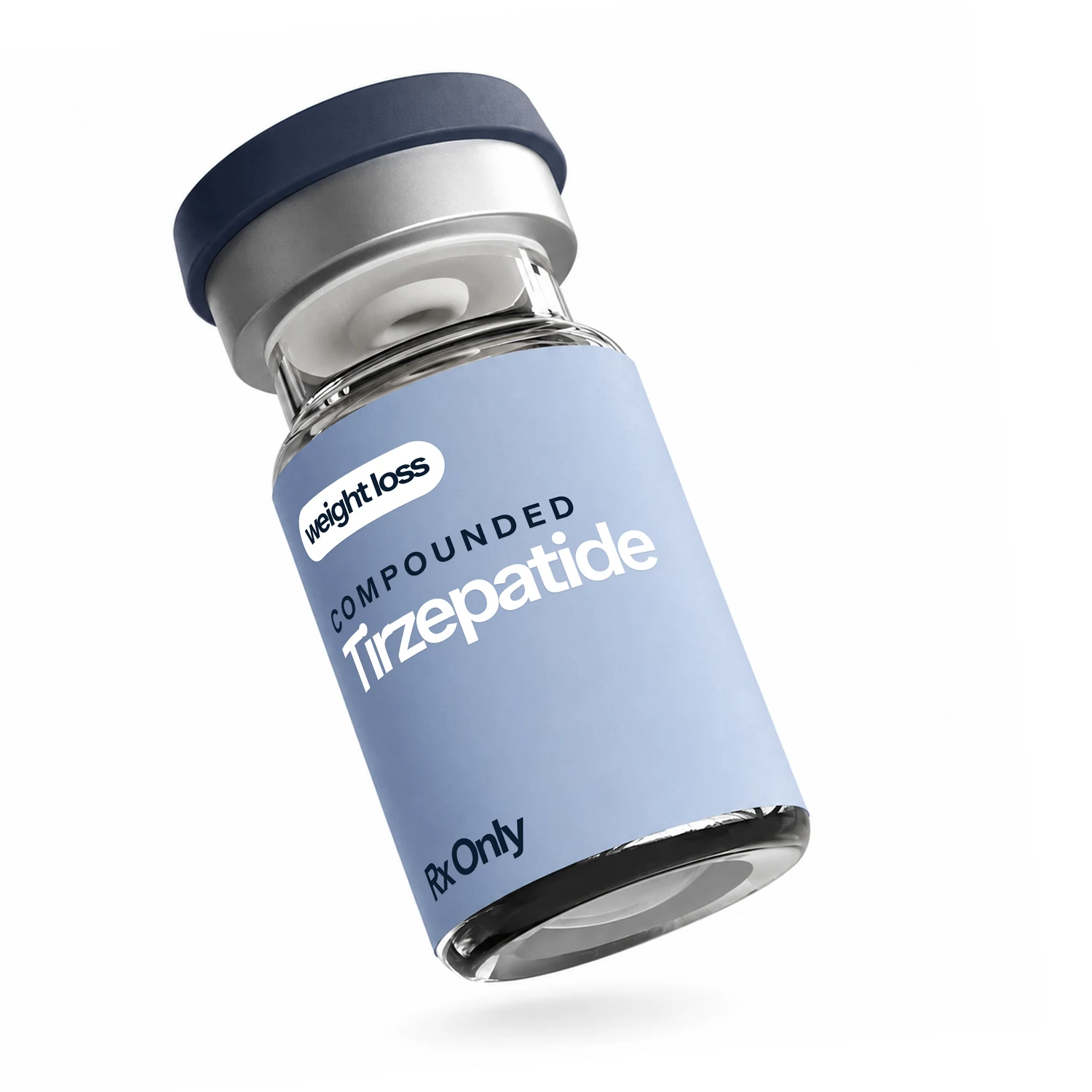
Compounded TirzepatideRx
Weekly GLP-1 + GIP injection.
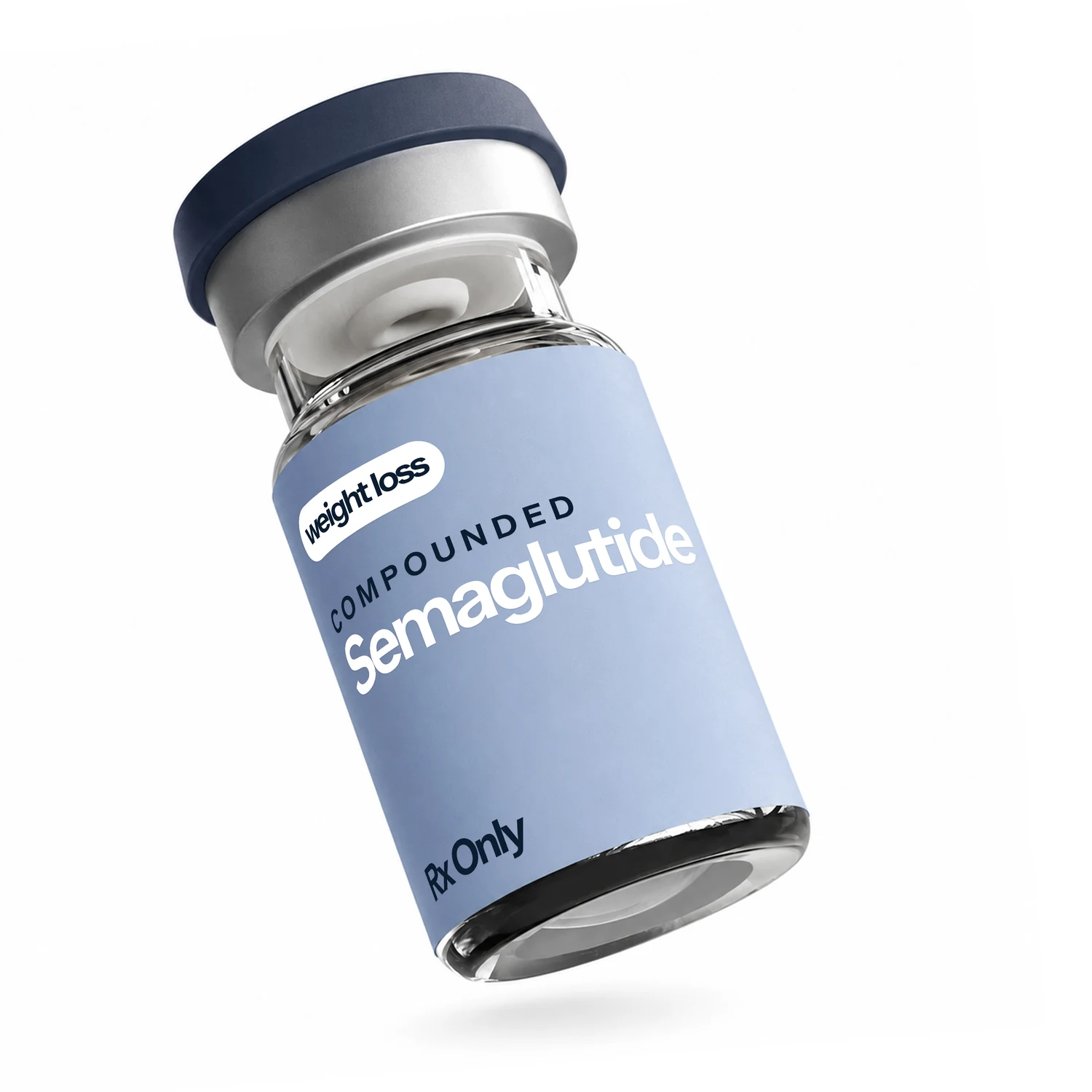
Compounded SemaglutideRx
Weekly GLP-1 injection.
TadalafilRx
Generic Cialis®. Lasts up to 36 hours.
SildenafilRx
Generic Viagra®. Works in 30 minutes.
FinasterideRx
Generic Propecia®. Blocks DHT daily.
Hair Regrowth SprayRx
3-in-1 topical: finasteride + minoxidil + tretinoin.
Gratitude Practice for Men: What the Evidence Says

Written by Daniel C.
Published March 10, 2026

Key Takeaways
# Gratitude Practice for Men: What the Evidence Says
If you typed something like "does gratitude actually do anything" or "gratitude practice men evidence" into a search bar, you are not alone — and you are asking the right question. A lot of wellness copy treats gratitude like a bumper sticker. The research treats it differently. There is a measurable body of peer-reviewed literature connecting consistent thankfulness practices to reduced depression symptoms, better sleep, and stronger relationships. This article covers what that evidence actually shows, why it matters specifically to men between 45 and 70, and what a practical starting point looks like.
What Researchers Mean by "Gratitude Practice"
Gratitude practice is not a feeling. In the clinical literature, it refers to a structured, recurring behavior — most commonly written reflection — in which a person deliberately identifies and records specific things, people, or circumstances for which he is thankful. The most studied format is the gratitude journal: a brief daily or weekly written record, typically three to five entries per session.
This is worth distinguishing from general positivity or mood tracking. Researchers measure it as a discrete behavioral intervention, not a personality trait. That distinction matters because it means the practice can be started, tested, and evaluated like any other protocol.
The Journal of Experimental Psychology and related outlets have studied gratitude under controlled conditions for more than two decades. The foundational work of Drs. Robert Emmons and Michael McCullough, published in the Journal of Personality and Social Psychology, established that participants who wrote weekly about things they were grateful for reported higher levels of well-being and fewer physical complaints than control groups after ten weeks.
The Mental Health Signal
Depression is the condition most consistently linked to gratitude research outcomes. According to the National Institute of Mental Health, approximately 6 million men in the United States are affected by depression each year, with men significantly less likely than women to seek treatment. The gap between prevalence and treatment is a documented public health problem.
The Movember Foundation, which tracks men's mental health data globally, notes that men are far more likely to describe depressive symptoms in terms of irritability, fatigue, and physical complaints than in the classic clinical vocabulary — which means many men go undiagnosed for years.
Against that backdrop, a 2017 study published in Psychotherapy Research found that participants who wrote gratitude letters — in addition to receiving counseling — reported significantly better mental health outcomes at four and twelve weeks post-study than those who received counseling alone or who completed expressive writing about difficult experiences. The effect held even when participants never sent the letters. The writing itself carried the benefit. Results may vary.
A separate line of research in Cerebral Cortex used neuroimaging to show that gratitude processing activates the medial prefrontal cortex, a region associated with moral cognition and interpersonal bonding. This is not a metaphor. There are structural correlates in the brain that correspond to the practice.
Why This Is Particularly Relevant to Men Over 45
Men in the 45-to-70 range face a specific convergence of pressures: career transitions, aging parents, children leaving home, shifts in physical capacity, and — often quietly — a declining sense of forward momentum. The American Journal of Men's Health has published research linking this life stage to elevated rates of social isolation and subclinical depression, particularly among men whose identity has been strongly tied to professional output or physical performance.

What the research suggests is that a gratitude practice addresses one of the core cognitive distortions that drives this pattern: negativity bias, the well-documented tendency of the human brain to weight losses and threats more heavily than gains and safety. A 2021 review in Nature Aging noted that deliberate positive-recall practices appear to partially counteract age-related increases in negativity bias, with effects observable after as few as three to four weeks of consistent practice.
This is not about denying difficulty. It is about calibrating attention. A man who spent 30 years building something — a business, a family, a career — has substantial material for this kind of accounting. The practice asks him to do what a good steward does: take stock of what is actually there.
The Sleep and Physical Connection
Mental health does not operate in isolation from physical health, and this is especially true during National Nutrition Month — a useful moment to note that clean eating, adequate protein, and sleep quality are all interconnected with mood regulation.
According to research published in Applied Psychology: Health and Well-Being, participants who wrote in a gratitude journal for 15 minutes before bed fell asleep faster and slept longer than a control group. The proposed mechanism involves reduced pre-sleep cognitive arousal — the mental rehearsal of unresolved problems that most men recognize as the reason they are still awake at 1 a.m.
Sleep, in turn, affects appetite regulation, testosterone metabolism, cortisol management, and the capacity for the kind of disciplined eating that men over 40 are advised to pursue. The Mediterranean dietary pattern — high in lean protein, fish, olive oil, vegetables, and whole grains — has been associated with lower rates of depression in large observational studies, including a landmark 2017 trial published in BMC Medicine known as the SMILES trial. The point is not that gratitude replaces nutrition or that nutrition replaces mental-health practice. The point is that these levers interact. Attending to one tends to reinforce the others.
Starting a Practice: What the Evidence Actually Supports
The research does not support elaborate rituals. It supports consistency and specificity. Three evidence-backed parameters stand out.
Frequency: Weekly journaling showed comparable or superior results to daily journaling in several studies, likely because daily entries can become rote. Three times per week is a reasonable starting point.
Specificity: Entries that name a particular person, moment, or circumstance ("my son asked me to help him with his truck this morning") produce stronger effects than general statements ("I am grateful for my family"). The specificity anchors the recall to a real sensory memory.
Depth over volume: Two or three specific entries per session outperform lists of ten. The goal is brief reflection, not cataloguing.
A gratitude journal does not need to be a dedicated book. A notes app, a legal pad, a voice memo — the medium is not the variable. The behavior is the variable.
Where Good Guy Rx Fits
Good Guy Rx is a technology platform. It connects men to independent licensed physicians and independent state-licensed pharmacies. It does not manufacture medications. It does not practice medicine.

Mental wellness — including mood, energy, and sleep quality — can be affected by underlying physiological factors, including hormone levels. Men in the 45-to-70 range may find that a gratitude practice yields less traction than expected if underlying conditions are unaddressed. A licensed provider on the platform can evaluate whether testosterone replacement therapy or related hormonal support is appropriate. Compounded medications available through the platform are prepared by state-licensed compounding pharmacies in accordance with FDA regulations — they are not FDA-approved products.
For men whose sleep difficulties are driving mood disruption, sleep support protocols are available for provider review through the patient portal. For men managing weight alongside mental wellness goals, GLP-1 weight management consultations are available with independent licensed providers.
The consultation process is straightforward: complete an intake, connect with an independent licensed physician, and receive a care plan based on your specific profile. No in-person visit required.
What to Do Next
Step 1. Start the practice this week. Set a recurring reminder three times per week — Sunday, Tuesday, Thursday works for many men. Write two to three specific entries per session. Keep it under ten minutes.
Step 2. Run it for four weeks before evaluating. The research consistently shows that effects accumulate over three to four weeks of consistent practice. One week is not enough data.
Step 3. If mood, energy, or sleep remain significantly disrupted after a month of consistent practice, consider whether a physiological factor may be involved. Log into the Good Guy Rx patient portal and request a consultation with an independent licensed provider. Direct medical questions to that provider — not to support staff.
Step 4. Connect the behavioral and the physical. Use National Nutrition Month as a prompt to audit protein intake, reduce processed food, and protect sleep duration. A licensed provider can help you understand how these factors interact with your specific health picture.
Sources
- Emmons, R.A. & McCullough, M.E. — "Counting Blessings Versus Burdens" — Journal of Personality and Social Psychology — https://psycnet.apa.org/doi/10.1037/0022-3514.84.2.377
- Wong, Y.J. et al. — "Does Gratitude Writing Improve the Mental Health of Psychotherapy Clients?" — Psychotherapy Research — https://www.tandfonline.com/doi/full/10.1080/10503307.2016.1169332
- Kini, P. et al. — "The Effects of Gratitude Expression on Neural Activity" — NeuroImage — https://www.sciencedirect.com/science/article/abs/pii/S1053811915010332
- National Institute of Mental Health — Men and Depression — https://www.nimh.nih.gov/health/topics/men-and-mental-health
- Movember Foundation — Men's Mental Health Data — https://us.movember.com/mens-health/mental-health
- Jacka, F.N. et al. — SMILES Trial — BMC Medicine — https://bmcmedicine.biomedcentral.com/articles/10.1186/s12916-017-0791-y
- Digdon, N. & Koble, A. — "Effects of Constructive Worry, Imagery Distraction, and Gratitude Interventions on Sleep Quality" — Applied Psychology: Health and Well-Being — https://iaap-journals.onlinelibrary.wiley.com/doi/10.1111/j.1758-0854.2011.01049.x
- American Journal of Men's Health — Social Isolation and Depression in Midlife Men — https://journals.sagepub.com/home/jmh
This article is for informational purposes only and does not constitute medical advice. Talk with a licensed provider through the patient portal before starting any treatment.
References
- [Wong, Y.J. et al. — "Does Gratitude Writing Improve the Mental Health of Psychotherapy Clients?" — Psychotherapy Research — https://www.tandfonline.com/doi/full/10.1080/10503307.2016.1169332](https://www.tandfonline.com/doi/full/10.1080/10503307.2016.1169332)
- [Kini, P. et al. — "The Effects of Gratitude Expression on Neural Activity" — NeuroImage — https://www.sciencedirect.com/science/article/abs/pii/S1053811915010332](https://www.sciencedirect.com/science/article/abs/pii/S1053811915010332)
- [National Institute of Mental Health — Men and Depression — https://www.nimh.nih.gov/health/topics/men-and-mental-health](https://www.nimh.nih.gov/health/topics/men-and-mental-health)
- [Movember Foundation — Men's Mental Health Data — https://us.movember.com/mens-health/mental-health](https://us.movember.com/mens-health/mental-health)
- [Jacka, F.N. et al. — SMILES Trial — BMC Medicine — https://bmcmedicine.biomedcentral.com/articles/10.1186/s12916-017-0791-y](https://bmcmedicine.biomedcentral.com/articles/10.1186/s12916-017-0791-y)
- [Digdon, N. & Koble, A. — "Effects of Constructive Worry, Imagery Distraction, and Gratitude Interventions on Sleep Quality" — Applied Psychology: Health and Well-Being — https://iaap-journals.onlinelibrary.wiley.com/doi/10.1111/j.1758-0854.2011.01049.x](https://iaap-journals.onlinelibrary.wiley.com/doi/10.1111/j.1758-0854.2011.01049.x)
- [American Journal of Men's Health — Social Isolation and Depression in Midlife Men — https://journals.sagepub.com/home/jmh](https://journals.sagepub.com/home/jmh)
- This article is for informational purposes only and does not constitute medical advice. Talk with a licensed provider through the patient portal before starting any treatment.*
Share this article

Ready to start your journey?
Complete your free online visit and see if GLP-1 treatment is right for you.
Get Started