
Good Guy Rx
Take care of what God gave you.
Get started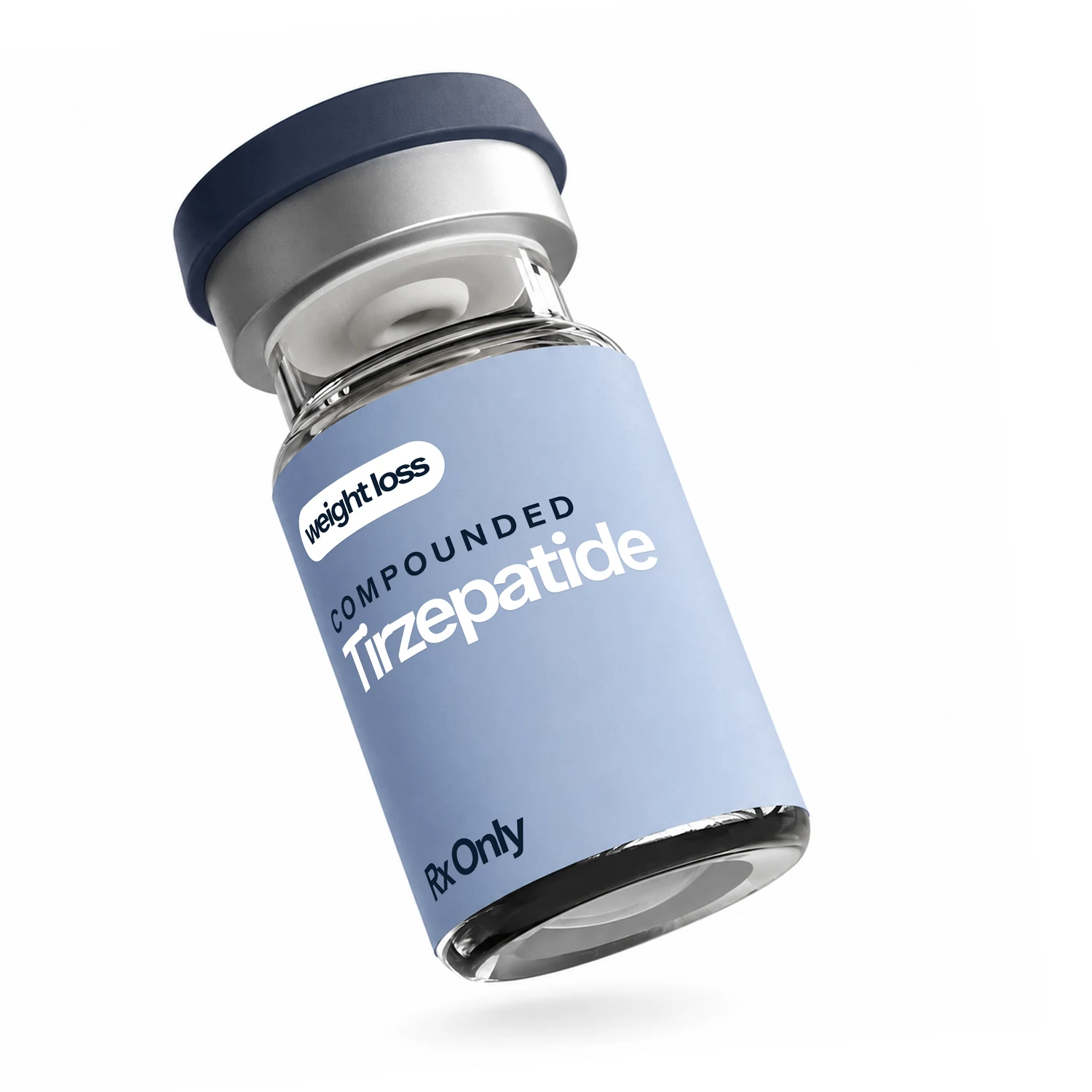
Compounded TirzepatideRx
Weekly GLP-1 + GIP injection.

Compounded SemaglutideRx
Weekly GLP-1 injection.

TadalafilRx
Generic Cialis®. Lasts up to 36 hours.

SildenafilRx
Generic Viagra®. Works in 30 minutes.
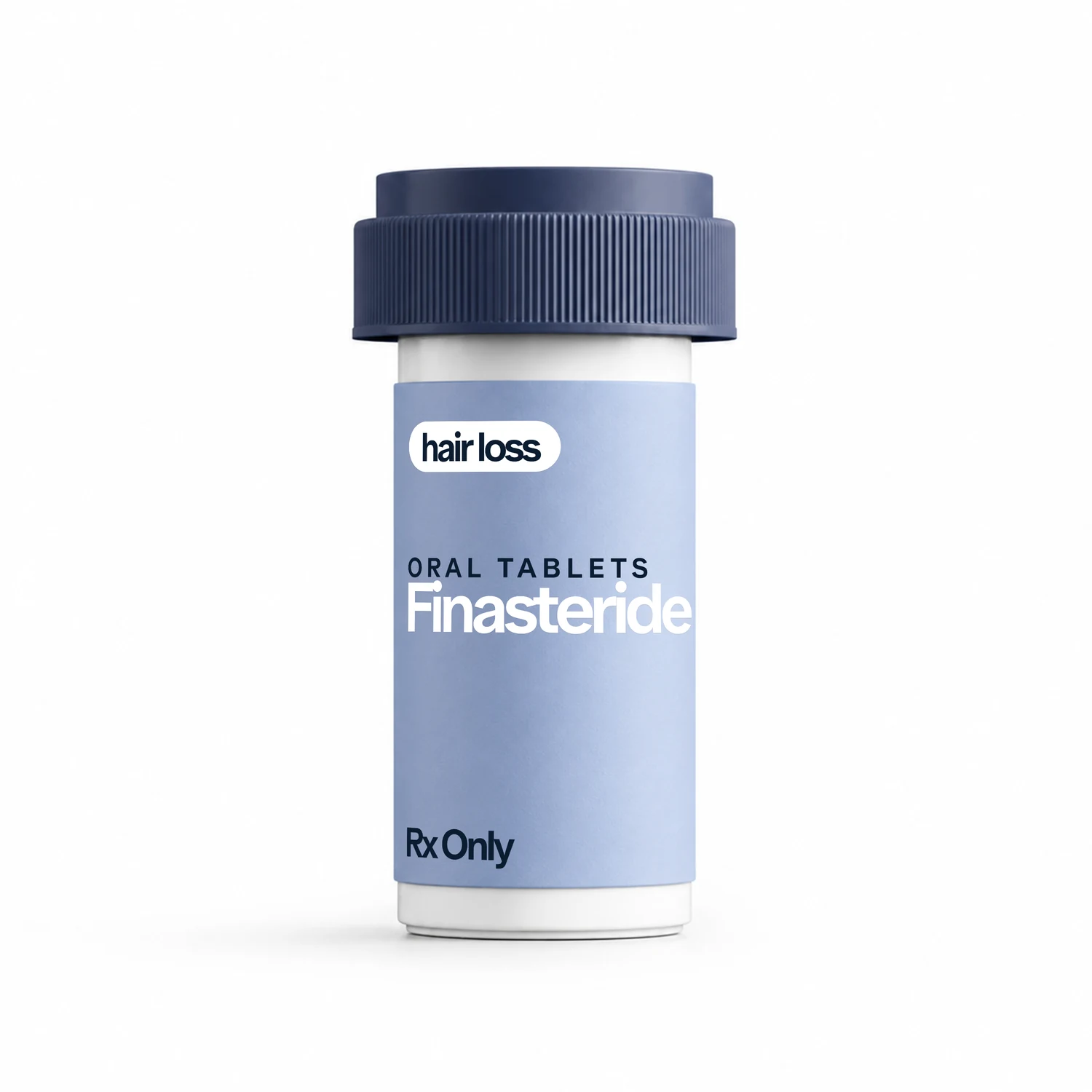
FinasterideRx
Generic Propecia®. Blocks DHT daily.

Hair Regrowth SprayRx
3-in-1 topical: finasteride + minoxidil + tretinoin.
Faith Practice and Men's Mental Health

Written by Todd Chrisley
Published April 12, 2026

Key Takeaways
# Faith Practice and Men's Mental Health
I am going to tell you something I had to learn at the worst possible time in my life. Believing in God and actually practicing faith are two entirely different things. I believed for decades. I did not practice — not really — until I had no other choice.
What I Mean by Practice
When I walked into federal prison, I carried the same belief I had carried since boyhood. God is real. God is good. I knew that. What I did not know was how to use that belief when everything else was stripped away. No family at the breakfast table. No business to run. No version of Todd Chrisley that the world recognized. Just a man and whatever he had actually built on the inside.
What I found, slowly and painfully, is that belief without practice is like a muscle you have never used. You can believe a muscle exists. You can tell people you have it. The moment you need to lift something heavy, it fails you. Not because God failed me. Because I had never done the daily work of building the thing.
Faith as practice means you show up for it the same way you show up for anything else that matters. You pray in the morning not because you feel spiritual but because discipline does not wait for feeling. You read something anchoring, even three verses, even on the days the words feel flat. You sit still long enough to be honest with yourself about what is actually going on inside you. That is not weakness. That is maintenance.
According to a 2023 review published in the American Journal of Men's Health, men who reported consistent daily faith routines — including structured prayer, scripture reading, or faith community involvement — showed measurably lower rates of depressive symptomatology and reported stronger social support networks than men who identified as religious but did not engage in regular practice. Belief without behavior did not move the needle. Practice did.
I think about that a lot.
The Weight Men Carry Alone
If you are sitting where I was sitting, somewhere between 45 and 65, you have probably spent the better part of your adult life being the one who holds things together. You do not say out loud when something is wrong. You recalibrate quietly, you take the hit, and you keep moving. That is not a character flaw. For a long time, it is exactly what was required of you. But there is a cost.

The National Institute of Mental Health reports that men are significantly less likely than women to seek help for depression and anxiety, and that middle-aged men represent one of the highest-risk groups for suicide in the United States. The American Foundation for Suicide Prevention notes that men die by suicide at nearly four times the rate of women. These are not statistics about weak men. These are statistics about strong men who ran out of runway because nobody ever taught them that tending to the inside is part of the job.
Prayer and mental health are connected in ways that science is now documenting what faith communities have always known. A 2021 study in JAMA Psychiatry found that regular spiritual practice was associated with a reduced risk of major depressive disorder over time, independent of socioeconomic factors. The mechanism matters less to me than the result. It works. Results may vary — because we are all built differently and carry different weights — but the pattern is consistent enough that ignoring it is its own kind of pride.
I was proud for a long time. I thought needing God in a practical, daily, hands-and-knees way was something other people did. It was not until I had nothing left to be proud about that I understood grace is not a concept. It is a practice. You receive it by showing up for it.
What to Actually Do
I am not going to hand you a devotional plan. What I am going to tell you is what I do, because it is simple enough that a man who has never done any of this can start tomorrow.
In the morning, before anything else: Sit down somewhere quiet. Not your phone. Not the news. Spend five minutes in silence and two minutes in prayer. You do not need the right words. God has heard worse openings than yours.
Read something grounding. Proverbs is one chapter a day for a month. If scripture is not where you are right now, a passage from any text that points you toward something larger than your own anxiety will do the work.
Walk. The NIH has published substantial evidence linking moderate physical activity to reduced cortisol levels and improved mood regulation. A 20-minute walk is not just a walk. It is biochemistry working in your favor. Do it outside when you can. The body and the spirit are not as separate as we were taught.
See your doctor. Not because something is wrong, but because a man who takes care of what he has been given does not wait for the warning light. An annual physical is not a luxury. It is stewardship.
On that note: April is Testicular Cancer Awareness Month. I will say this plainly. Testicular cancer is one of the most treatable cancers when caught early, and the American Cancer Society recommends that men perform a monthly self-examination. It takes less than two minutes. You are caring for what God gave you. That is not a medical lecture. That is the same logic as checking the oil. Know what is normal so you recognize what is not. If anything feels different, call your doctor the same day. Early detection is not dramatic. It is responsible.
Good Guy Rx — Mental Wellness Support

If the weight you are carrying includes more than what a morning routine can address — if sleep, mood, or energy have shifted in ways that feel less like stress and more like something biological — that is worth a real conversation with a licensed physician. Good Guy Rx is a technology platform that connects men to independent licensed physicians and independent state-licensed pharmacies. No clinic waiting rooms. No judgment. A provider who will actually listen.
Take the mental wellness assessment here and let a licensed provider help you understand what your body may be telling you.
I spent too many years treating faith like a credential I already had rather than a practice I needed to build. I am not the same man I was before the storm I walked through — and I would not trade what I learned in it, even on the hard days. That is not a performance. That is what grace actually costs and what it actually returns.
Take care of what God gave you.
Sources
- Daily Spiritual Practices and Men's Mental Health — American Journal of Men's Health
- Men and Mental Health — National Institute of Mental Health
- Suicide Statistics — American Foundation for Suicide Prevention
- Spiritual Practice and Risk of Major Depressive Disorder — JAMA Psychiatry
- Physical Activity and Mental Health — National Institutes of Health
- Testicular Cancer Early Detection — American Cancer Society
References
- [Men and Mental Health — National Institute of Mental Health](https://www.nimh.nih.gov/health/topics/men-and-mental-health)
- [Suicide Statistics — American Foundation for Suicide Prevention](https://afsp.org/suicide-statistics/)
- [Spiritual Practice and Risk of Major Depressive Disorder — JAMA Psychiatry](https://jamanetwork.com/journals/jamapsychiatry)
- [Physical Activity and Mental Health — National Institutes of Health](https://www.nih.gov/health-information/physical-activity-mental-health)
- [Testicular Cancer Early Detection — American Cancer Society](https://www.cancer.org/cancer/types/testicular-cancer/detection-diagnosis-staging/detection.html)
Share this article

Ready to start your journey?
Complete your free online visit and see if GLP-1 treatment is right for you.
Get Started