
Good Guy Rx
Take care of what God gave you.
Get started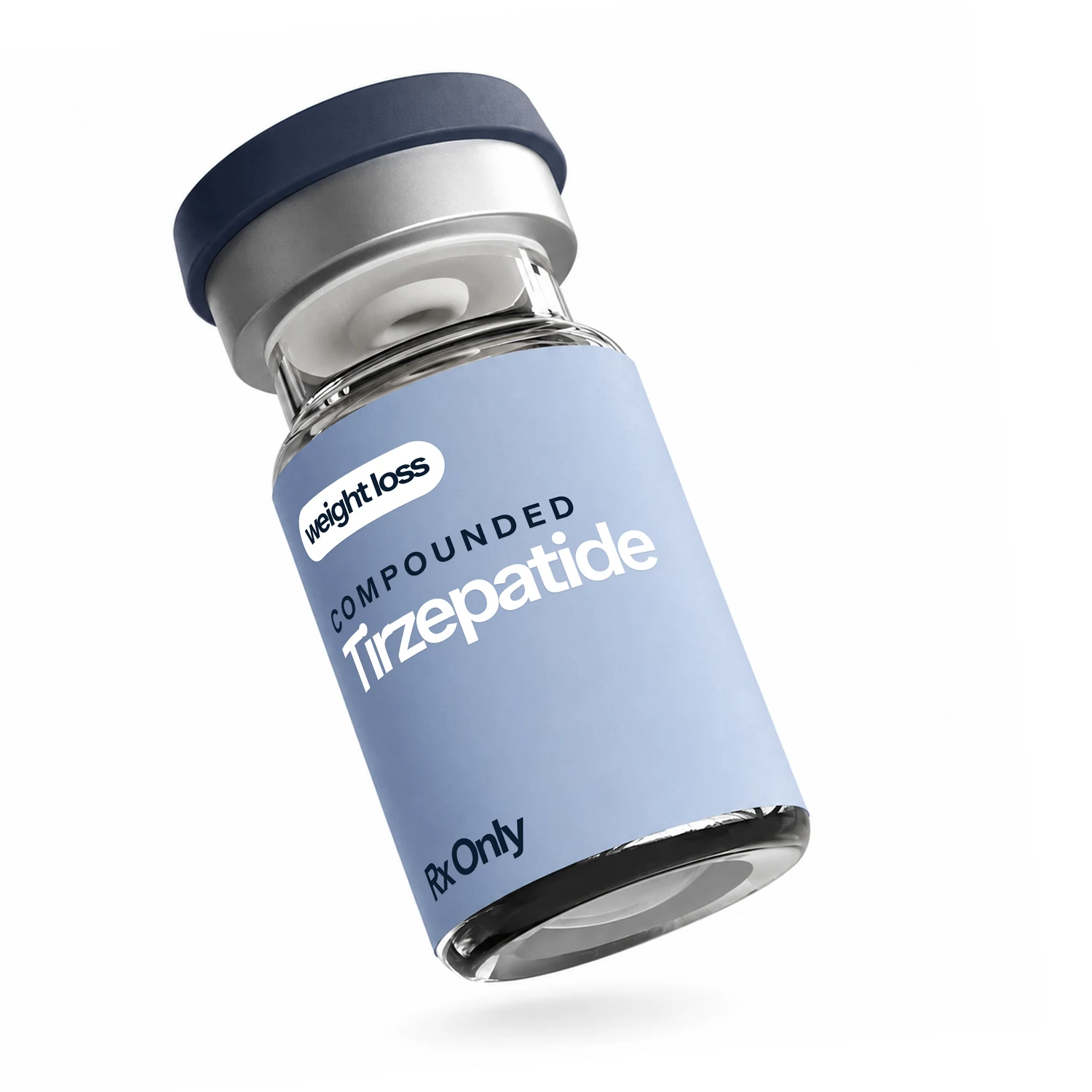
Compounded TirzepatideRx
Weekly GLP-1 + GIP injection.

Compounded SemaglutideRx
Weekly GLP-1 injection.
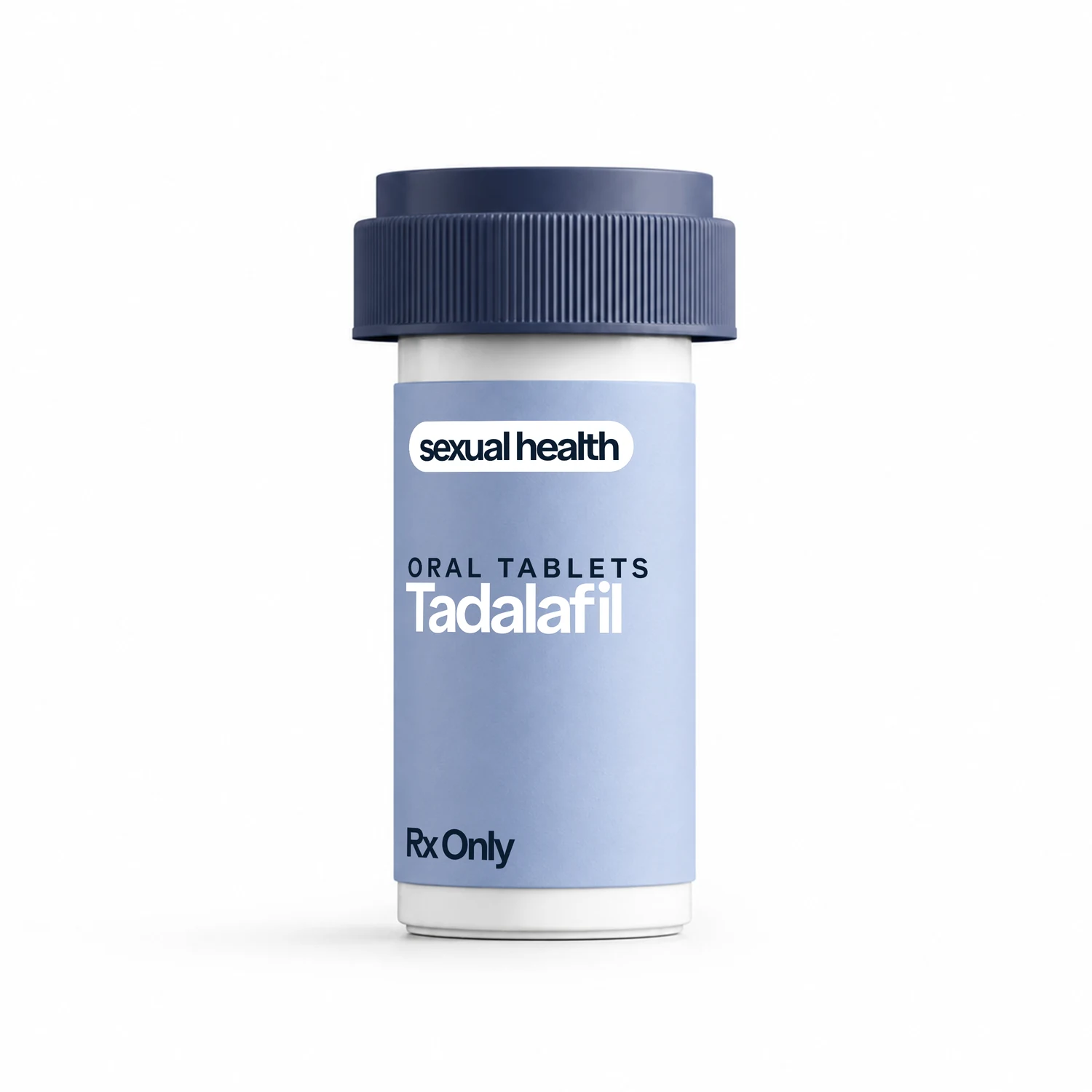
TadalafilRx
Generic Cialis®. Lasts up to 36 hours.

SildenafilRx
Generic Viagra®. Works in 30 minutes.
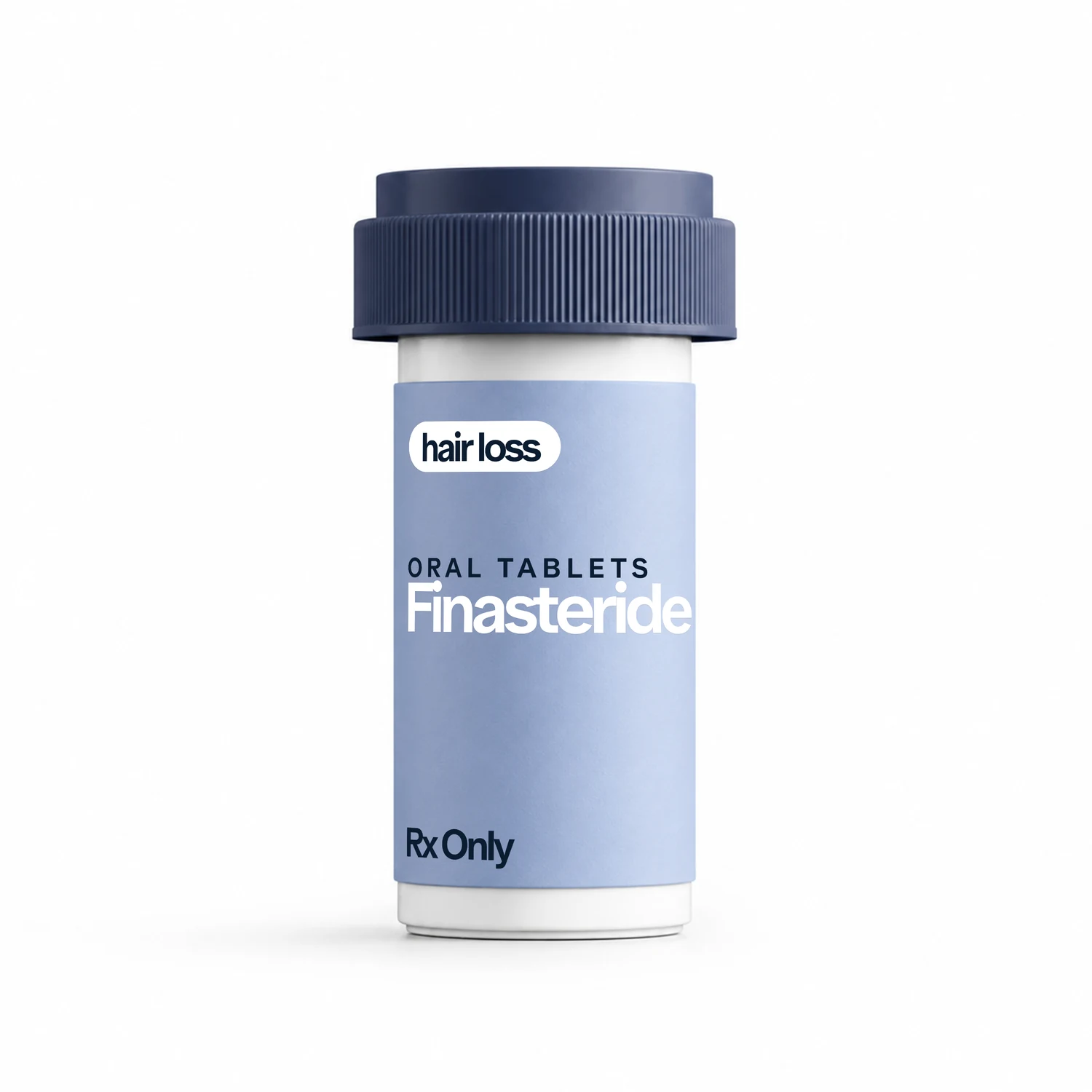
FinasterideRx
Generic Propecia®. Blocks DHT daily.

Hair Regrowth SprayRx
3-in-1 topical: finasteride + minoxidil + tretinoin.
Empty Nest Syndrome Men Won't Admit Is Real

Written by Todd Chrisley
Published March 15, 2026

Key Takeaways
# Empty Nest Syndrome Men Won't Admit Is Real
I remember standing in a doorway that used to have noise behind it. The bed was made. The floor was clean. And I felt something I did not have a word for yet. Men are not supposed to feel that. Or at least that is what we tell ourselves.
If your kids have left home recently, or if that day is coming, I want to talk to you about something real. Not what you are supposed to feel. What you actually feel.
The Quiet Nobody Warned Me About
There is a version of empty nest syndrome that men carry in silence. It does not look like crying on the couch. It looks like restlessness at six in the morning. It looks like eating whatever is in front of you because the rhythm of family meals is gone. It looks like irritability you cannot explain to your wife. It looks like sitting down to watch television and realizing you have no idea what you actually enjoy anymore, because for twenty-some years your enjoyment was wrapped up entirely in those kids.
I will tell you plainly: I have been through federal prison. Twenty-eight months. I have sat in rooms where everything was stripped away. And I will tell you that the quiet of an empty house hit me in a place that even that experience could not fully prepare me for. Because this quiet is not punishment. This quiet is supposed to be the reward. That is the part that confuses a man.
The word for what a lot of men are feeling is empty nest depression, and it is more common than the culture acknowledges. According to research published in the American Journal of Men's Health, men are significantly less likely to seek help for mood-related symptoms than women, even when those symptoms are equally present. The National Institute of Mental Health notes that major depressive disorder affects millions of American men annually, and life transitions — retirement, children leaving home, identity shifts — are among the recognized triggers. Results may vary by individual circumstance, but the pattern is consistent enough that it deserves to be named out loud.
What This Actually Means for You
If you are sitting where I was sitting, you have probably been telling yourself one of two lies. The first lie is that you are fine. The second lie is that what you are feeling is weakness. Neither one is true.
What is actually happening is that your primary organizing purpose for two decades just walked out the door with a duffel bag and a plant. You built your days around those kids. You built your identity as a provider, a protector, a dad. And now the structure that held all of that is gone. That is not weakness. That is grief. Grief is what happens when something that mattered — something that should have mattered — ends its season.

The reason men with kids leaving home so rarely talk about this is because we have been taught that our feelings are meant to be solved, not felt. You fix things. You do not sit with things. But some things cannot be fixed. They can only be honored and then moved through.
God did not wire you for numbness. He wired you for connection. When the object of that connection changes shape, you are allowed to notice. I believe that. I learned it the hard way, in a way I would not wish on anyone. But I learned it.
What to Actually Do
Here is where I will get practical with you, because that is what a man needs. Not just permission to feel it, but something to do with his hands and his body while he works through it.
First: eat like you mean it. National Nutrition Month is not just a calendar note. It is a useful reminder that the body and the mind are not separate systems. When the structure of family meals disappears, men over 40 tend to eat erratically, skip protein, and drift toward convenience. That is a problem. Protein synthesis slows with age, and according to the NIH Office of Dietary Supplements, men over 50 need to be deliberate about adequate protein intake to preserve lean muscle mass. The Mediterranean dietary pattern — whole grains, lean protein, olive oil, vegetables, fish — has been associated with reduced markers of inflammation and improved mood in peer-reviewed research. Make a real meal. Sit down for it. Even if it is just you and your wife. Especially if it is just you and your wife.
Second: sleep like it is a discipline. The CDC has documented that men in midlife are among the most chronically undersleept populations in the country. Poor sleep amplifies every emotional difficulty you are already navigating. Seven to nine hours is not indulgence. It is maintenance.
Third: move your body outside. Walk. Lift. Bike. Hike. The mechanism matters less than the consistency. Research in JAMA Internal Medicine has linked regular physical activity to measurable reduction in depressive symptoms in middle-aged men. You do not need a program. You need a habit.
Fourth: talk to someone licensed. I mean a doctor or a therapist. Not a friend who will tell you you are fine. Not a pastor who will only give you scripture and send you home. A licensed professional who can assess where you actually are. The American Urological Association and the Movember Foundation have both published data showing that men who engage with preventive healthcare — mental and physical — have measurably better long-term outcomes. Results may vary, but silence has a known outcome and it is not good.
A Note on What You May Be Feeling Physically
Empty nest depression in men does not stay in the mind. It shows up as fatigue, low motivation, disrupted sleep, and changes in weight and appetite. Some of what you are attributing to the empty house may also have a physiological component worth discussing with a licensed physician.

Good Guy Rx is a technology platform that connects men between 45 and 70 to independent licensed physicians and independent state-licensed pharmacies. If what you are experiencing includes persistent fatigue, changes in mood, or physical symptoms that have been easy to ignore, the right place to start is a structured conversation with a provider who knows men's health.
Take the Men's Health Assessment at Good Guy Rx — it is private, it is plain, and it connects you directly to an independent licensed physician. Any compounded medications prescribed through the platform are prepared by state-licensed compounding pharmacies in accordance with FDA regulations, not manufactured by the platform.
The Close
The house being quiet is not the end of something. It is the beginning of a season you have not been given instructions for yet. That is uncomfortable. It is also, if you handle it with honesty, one of the better things God can give a man — the chance to find out who he is when no one is watching and nothing is required.
You built something. Your kids left because you did the job right. Now take care of what is left: your faith, your marriage, your body, and your word.
Take care of what God gave you.
Sources
- Men's Mental Health and Help-Seeking Behavior — American Journal of Men's Health — https://journals.sagepub.com/home/ajmh
- Major Depressive Disorder Statistics — National Institute of Mental Health — https://www.nimh.nih.gov/health/statistics/major-depression
- Dietary Protein and Muscle Health in Aging Men — NIH Office of Dietary Supplements — https://ods.od.nih.gov/
- Sleep and Health in Midlife Adults — CDC Sleep Division — https://www.cdc.gov/sleep/index.html
- Physical Activity and Depression in Middle-Aged Men — JAMA Internal Medicine — https://jamanetwork.com/journals/jamainternalmedicine
- Men's Health and Preventive Care Engagement — Movember Foundation — https://us.movember.com/
- Clinical Guidelines on Men's Health — American Urological Association — https://www.auanet.org/
References
- [Major Depressive Disorder Statistics — National Institute of Mental Health — https://www.nimh.nih.gov/health/statistics/major-depression](https://www.nimh.nih.gov/health/statistics/major-depression)
- [Dietary Protein and Muscle Health in Aging Men — NIH Office of Dietary Supplements — https://ods.od.nih.gov/](https://ods.od.nih.gov/)
- [Sleep and Health in Midlife Adults — CDC Sleep Division — https://www.cdc.gov/sleep/index.html](https://www.cdc.gov/sleep/index.html)
- [Physical Activity and Depression in Middle-Aged Men — JAMA Internal Medicine — https://jamanetwork.com/journals/jamainternalmedicine](https://jamanetwork.com/journals/jamainternalmedicine)
- [Men's Health and Preventive Care Engagement — Movember Foundation — https://us.movember.com/](https://us.movember.com/)
- [Clinical Guidelines on Men's Health — American Urological Association — https://www.auanet.org/](https://www.auanet.org/)
Share this article

Ready to start your journey?
Complete your free online visit and see if GLP-1 treatment is right for you.
Get Started