
Good Guy Rx
Take care of what God gave you.
Get started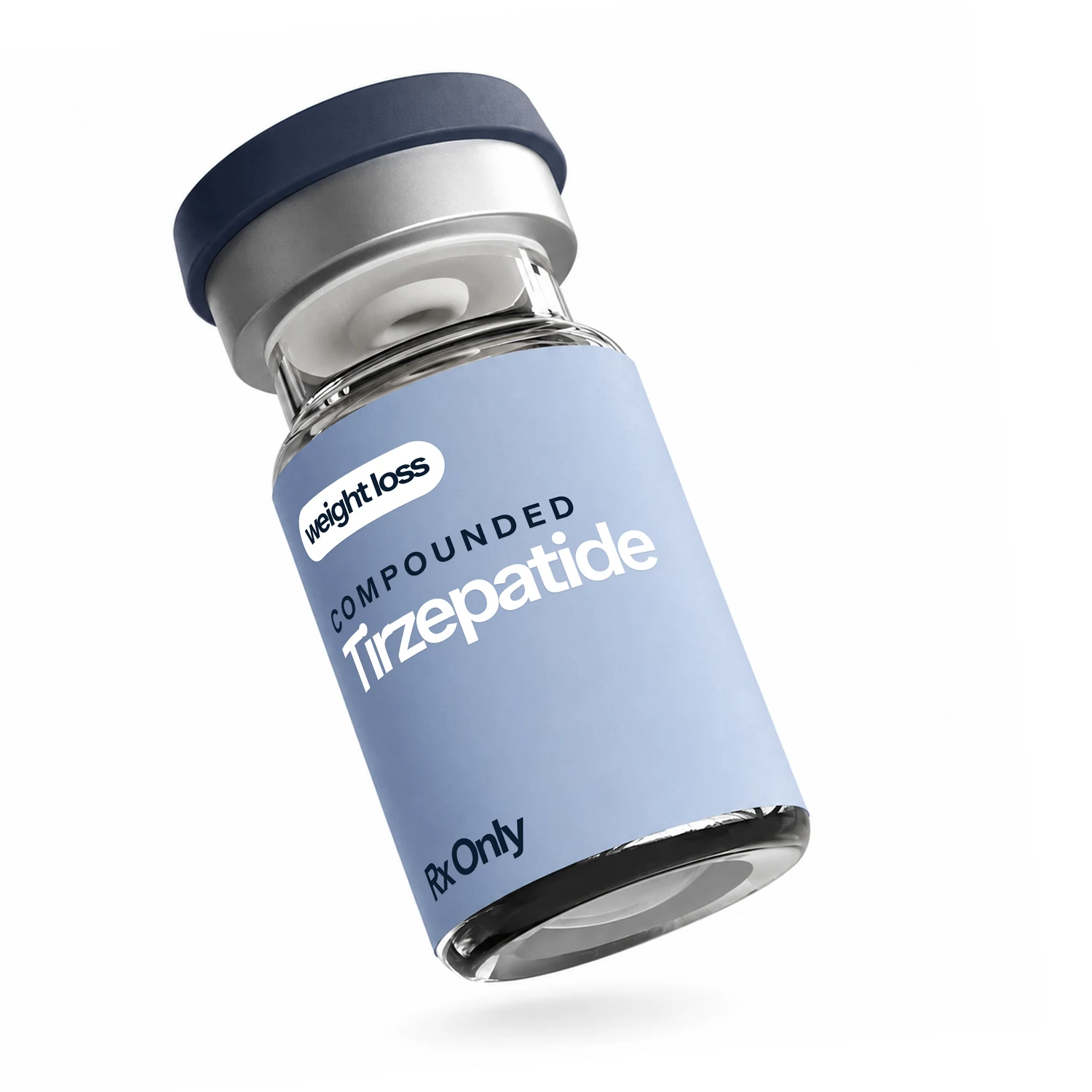
Compounded TirzepatideRx
Weekly GLP-1 + GIP injection.
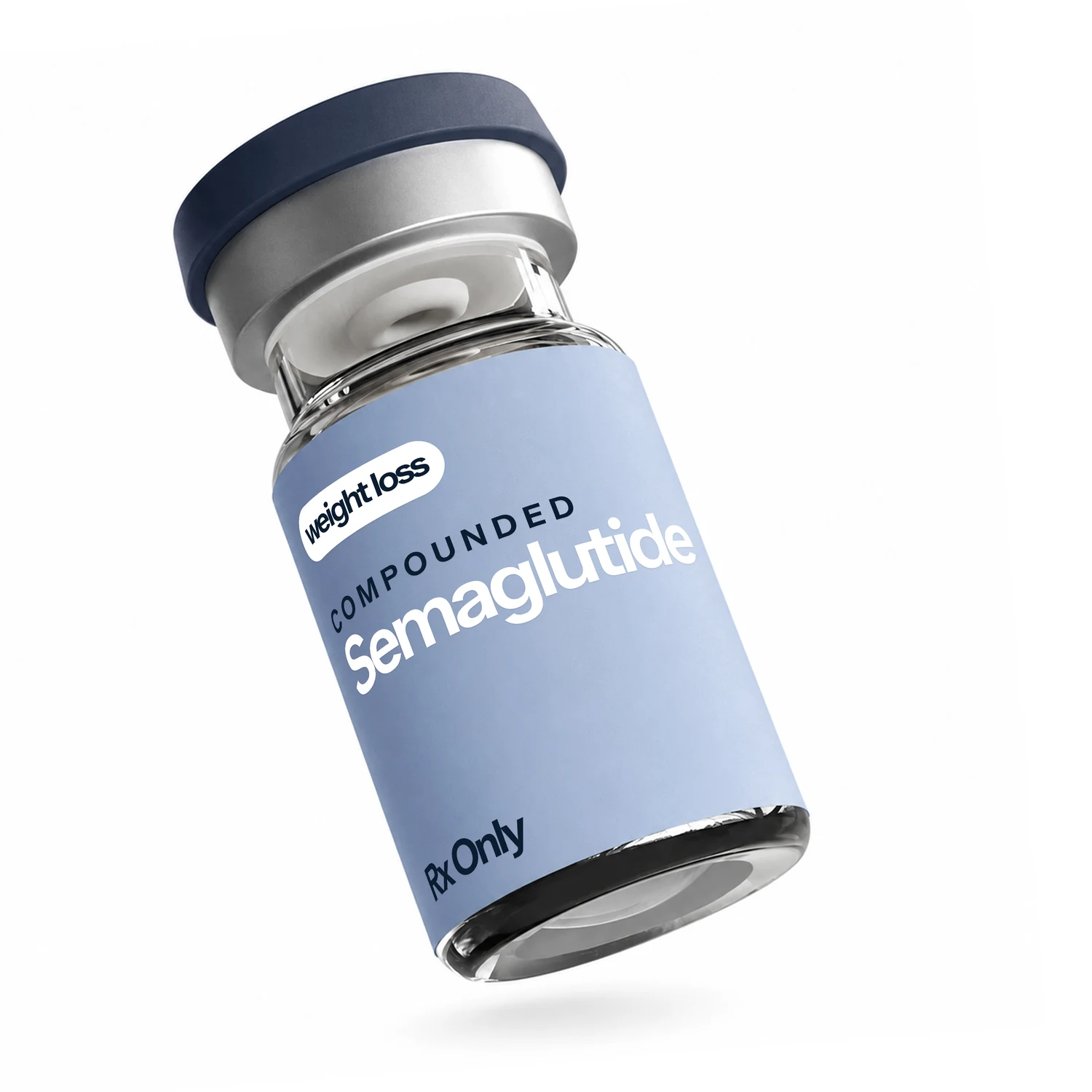
Compounded SemaglutideRx
Weekly GLP-1 injection.
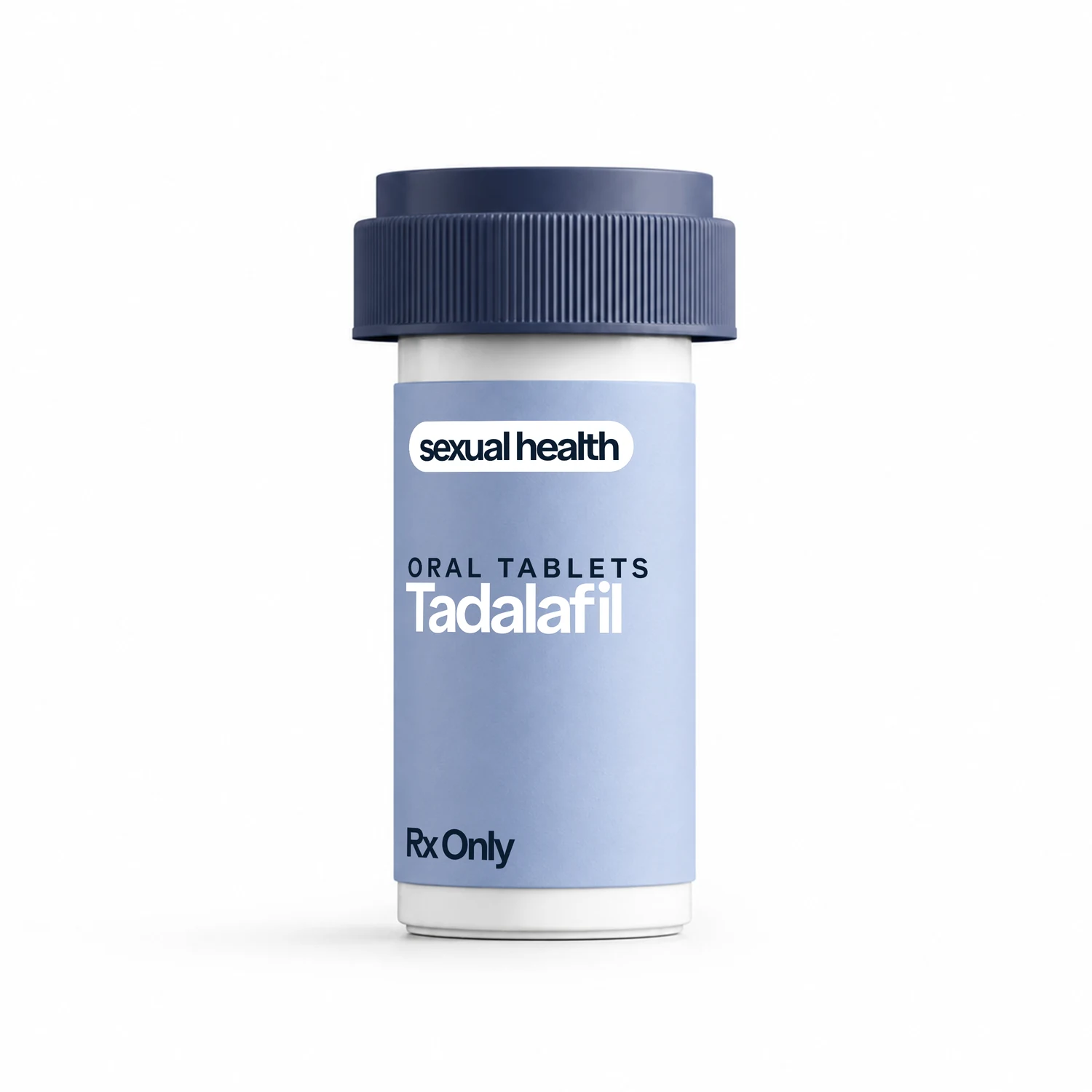
TadalafilRx
Generic Cialis®. Lasts up to 36 hours.
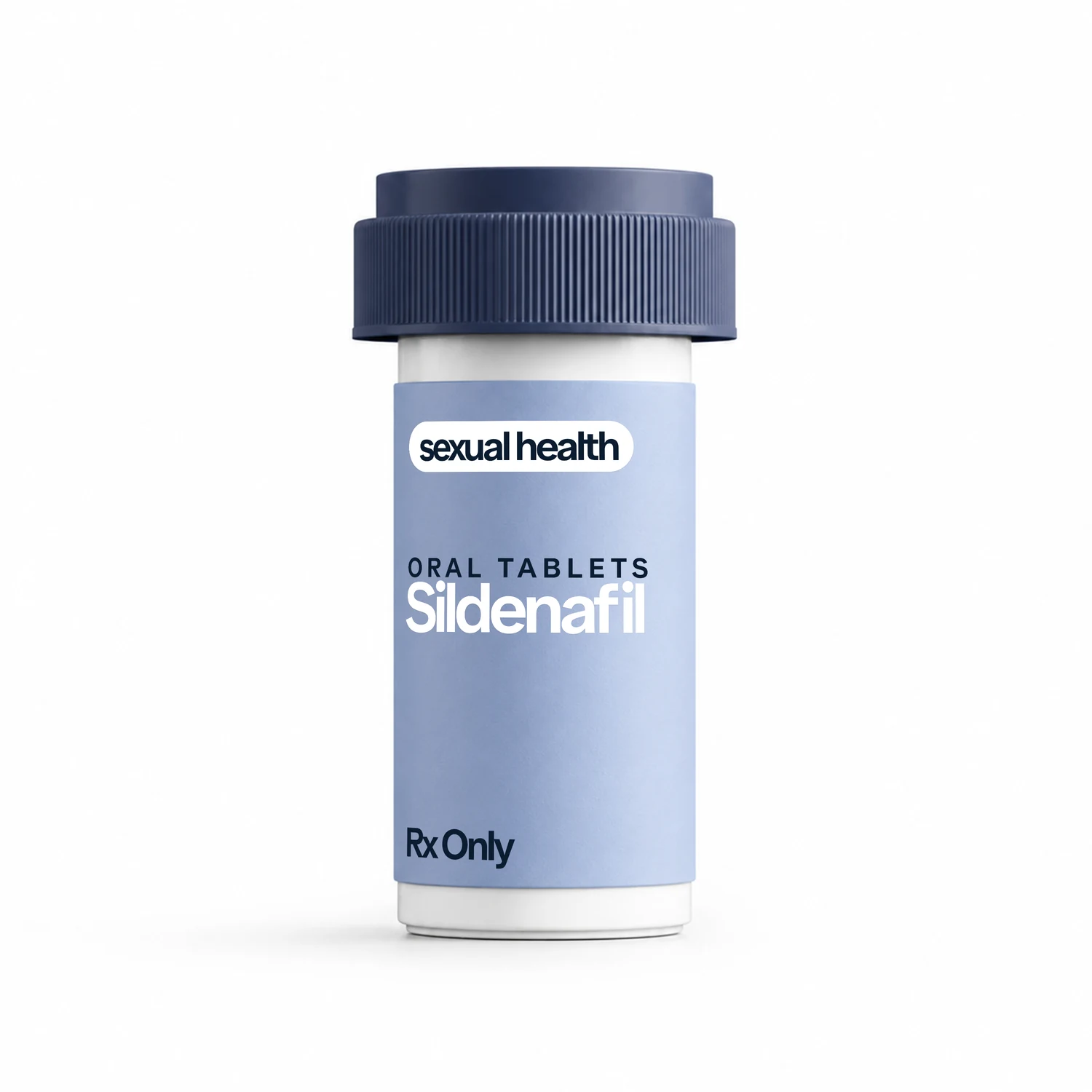
SildenafilRx
Generic Viagra®. Works in 30 minutes.
FinasterideRx
Generic Propecia®. Blocks DHT daily.
Hair Regrowth SprayRx
3-in-1 topical: finasteride + minoxidil + tretinoin.
GLP-1 Cost Comparison 2026: What You Actually Pay

Written by David K.
Published May 6, 2026

Key Takeaways
# GLP-1 Cost Comparison 2026: Compounded, Brand, and What You Actually Pay
If you typed "how much does a GLP-1 cost" into a search bar this week, you are not alone. The GLP-1 cost comparison question is one of the most common things men ask before their first consultation — and it is one of the most poorly answered questions on the internet. Marketing pages quote "as low as" numbers with no context. Insurance pages speak in jargon. This article gives you a plain accounting of what compounded semaglutide, compounded tirzepatide, brand-name Wegovy, and brand-name Ozempic actually cost in 2026, and what drives the difference.
What a GLP-1 Medication Is — and Why Cost Varies So Much
GLP-1 stands for glucagon-like peptide-1, a hormone your gut releases after eating. It signals the brain to reduce appetite, slows gastric emptying, and improves insulin regulation. Medications that mimic this hormone — semaglutide and tirzepatide being the two most clinically studied — have shown significant body-weight reductions in large-scale trials.
The STEP trials, published in the New England Journal of Medicine, demonstrated that weekly subcutaneous semaglutide produced meaningful, sustained weight reduction over 68 weeks in adults with obesity. The SURMOUNT trials, also published in the New England Journal of Medicine, showed that tirzepatide — a dual GIP/GLP-1 receptor agonist — produced even larger reductions in a comparable population. Results may vary.
Cost varies because these medications can reach patients through two distinct supply chains: the brand-name pharmaceutical market and state-licensed compounding pharmacies. Each has a different regulatory standing, a different price point, and a different coverage landscape.
Brand-Name GLP-1 Pricing in 2026
Wegovy (semaglutide 2.4 mg, manufactured by Novo Nordisk) carries a list price of approximately $1,350 to $1,450 per month in 2026 without insurance coverage. Ozempic (semaglutide up to 2 mg, the same molecule approved for type 2 diabetes and used off-label for weight management) lists at approximately $900 to $1,000 per month without coverage.
Zepbound (tirzepatide manufactured by Eli Lilly, approved for chronic weight management) lists at approximately $1,060 to $1,100 per month without coverage. Mounjaro (tirzepatide approved for type 2 diabetes) runs in a similar range.
Insurance coverage for these medications remains inconsistent. The Kaiser Family Foundation has documented that employer-sponsored plans are split on covering GLP-1s for obesity specifically, as opposed to diabetes. Even when a plan covers the drug, prior authorization requirements, step-therapy protocols, and formulary tier placements can push your effective out-of-pocket cost to $300–$500 per month — or deny coverage entirely.
Manufacturer savings cards (Novo Nordisk's NovoCare program, Lilly's Savings Card) can bring monthly costs down to $25–$500 depending on income, insurance status, and program eligibility. These programs change terms annually, so verify current eligibility directly with the manufacturer.
Compounded GLP-1 Pricing in 2026
Compounded semaglutide and compounded tirzepatide are prepared by state-licensed compounding pharmacies in accordance with FDA regulations. They are not FDA-approved finished drug products. They are not generic versions of Wegovy or Ozempic. They are pharmacy-compounded preparations of the same active pharmaceutical ingredient, prescribed by a licensed provider after a clinical evaluation.

Because compounding pharmacies source the active ingredient and prepare the medication themselves, the cost structure is fundamentally different from brand-name manufacturing and distribution. In 2026, compounded semaglutide typically ranges from $150 to $350 per month depending on dose, pharmacy, and formulation. Compounded tirzepatide typically ranges from $250 to $450 per month at therapeutic doses.
These figures are meaningfully lower than brand-name list prices — often 70 to 80 percent lower. That gap exists not because quality is reduced but because brand-name pricing reflects patent protection, marketing expenditure, and distribution infrastructure that compounding pharmacies do not carry.
One important 2026 regulatory note: the FDA removed semaglutide from its drug shortage list in early 2025. This placed new restrictions on compounding pharmacies that had been operating under shortage exemptions. The FDA's current guidance on compounding makes clear that 503A and 503B pharmacies operate under different rules regarding what they can compound and for whom. A licensed provider who knows your clinical picture and the current regulatory environment is the right person to advise you on which pathway is available to you.
What Actually Drives Your Out-of-Pocket Number
Three variables determine what you pay, regardless of which medication you are considering.
Insurance status is the first. If you have commercial insurance and your plan covers GLP-1s for obesity (not just diabetes), brand-name medications may be cost-competitive with compounded options after your benefit applies. If your plan excludes weight-management drugs — which many still do — you are paying list price or near it.
Dose is the second. GLP-1 protocols typically start low and titrate upward over several months to minimize gastrointestinal side effects. Lower starting doses cost less. As your dose increases to a maintenance level, your monthly cost increases proportionally. Budget for the maintenance dose, not the starting dose.
Clinical eligibility is the third. A licensed provider will evaluate your weight, metabolic health, current medications, and medical history before prescribing. This is not a formality. According to the American Gastroenterological Association's 2022 Clinical Practice Update00347-6/fulltext), GLP-1 medications carry real contraindications — including personal or family history of medullary thyroid carcinoma and certain pancreatic conditions — that must be assessed before a prescription is written.
A Word on Men's Health This Month
May is Mental Health Awareness Month. It belongs in this article because the men most likely to be researching GLP-1 medications — men 45 to 70 carrying weight they did not carry at 35, managing blood pressure and fatigue and a quieter confidence than they used to have — are also the men statistically least likely to ask for help with anything.
According to the American Foundation for Suicide Prevention, men account for nearly 80 percent of suicide deaths in the United States while representing a fraction of crisis helpline traffic. That disparity is not accidental. It reflects a long-standing pattern of men managing difficulty alone, in silence, past the point of sustainability.
Taking your metabolic health seriously is not a small thing. It is stewardship of the years you have and the responsibilities you carry. If you are also carrying something heavier than weight — depression, isolation, a sense that the man you were is harder to find — a licensed provider is the right place to say so. The patient portal is there for both conversations.
Where Good Guy Rx Fits
Good Guy Rx is a technology platform. It connects men to independent licensed physicians who conduct clinical evaluations and, where appropriate, write prescriptions — and to independent state-licensed compounding pharmacies that fill those prescriptions. Good Guy Rx does not manufacture medications. Good Guy Rx is not a pharmacy.
For men pursuing weight management with GLP-1 therapy, the platform offers two compounded pathways:

**Compounded semaglutide** — prepared by state-licensed compounding pharmacies in accordance with FDA regulations. Not FDA-approved. Prescribed following a licensed provider consultation.
**Compounded tirzepatide** — the dual GIP/GLP-1 agonist, also prepared by state-licensed compounding pharmacies in accordance with FDA regulations. Not FDA-approved. Prescribed following a licensed provider consultation.
If your clinical picture and insurance situation make a brand-name medication the better fit, your provider can discuss that path as well. The platform's role is to connect you to qualified medical judgment — not to steer you toward any specific product.
What to Do Next
1. Know your insurance status before your consultation. Log into your benefits portal or call the number on your insurance card and ask specifically whether GLP-1 medications are covered for obesity or weight management under your plan. Note whether prior authorization is required.
2. Budget for maintenance, not the starter dose. Ask your provider what the expected maintenance dose is for your target. Price that dose, not the 0.25 mg starting dose. It is the number that reflects your actual ongoing cost.
3. Complete a clinical consultation with a licensed provider. No one should be prescribing GLP-1 medications without a full evaluation of your weight, metabolic history, current medications, and contraindications. Use the patient portal to start that conversation. Direct all clinical questions there — not to support staff.
4. Reassess at 90 days. GLP-1 therapy is not a short-term course. Plan for a 90-day check-in with your provider to evaluate response, adjust dosing, and confirm the treatment remains appropriate for your situation. Results may vary.
Sources
- STEP 1 Trial: Once-Weekly Semaglutide in Adults with Overweight or Obesity — *New England Journal of Medicine* — https://www.nejm.org/doi/full/10.1056/NEJMoa2032183
- SURMOUNT-1 Trial: Tirzepatide Once Weekly for the Treatment of Obesity — *New England Journal of Medicine* — https://www.nejm.org/doi/full/10.1056/NEJMoa2206038
- Coverage and Use of GLP-1s — Kaiser Family Foundation — https://www.kff.org/health-costs/issue-brief/coverage-and-use-of-glp-1s/
- Compounding and FDA: Questions and Answers — U.S. Food and Drug Administration — https://www.fda.gov/drugs/human-drug-compounding/compounding-and-fda-questions-and-answers
- AGA Clinical Practice Update on the Pharmacological Treatment of Obesity — *Gastroenterology* — https://www.gastrojournal.org/article/S0016-5085(22)00347-6/fulltext00347-6/fulltext)
- Suicide Statistics — American Foundation for Suicide Prevention — https://afsp.org/suicide-statistics/
This article is for informational purposes only and does not constitute medical advice. Talk with a licensed provider through the patient portal before starting any treatment.
References
- scale trial
- STEP trial
- SURMOUNT trial
- [SURMOUNT-1 Trial: Tirzepatide Once Weekly for the Treatment of Obesity — *New England Journal of Medicine* — https://www.nejm.org/doi/full/10.1056/NEJMoa2206038](https://www.nejm.org/doi/full/10.1056/NEJMoa2206038)
- [Coverage and Use of GLP-1s — Kaiser Family Foundation — https://www.kff.org/health-costs/issue-brief/coverage-and-use-of-glp-1s/](https://www.kff.org/health-costs/issue-brief/coverage-and-use-of-glp-1s/)
- [Compounding and FDA: Questions and Answers — U.S. Food and Drug Administration — https://www.fda.gov/drugs/human-drug-compounding/compounding-and-fda-questions-and-answers](https://www.fda.gov/drugs/human-drug-compounding/compounding-and-fda-questions-and-answers)
- [AGA Clinical Practice Update on the Pharmacological Treatment of Obesity — *Gastroenterology* — https://www.gastrojournal.org/article/S0016-5085(22)00347-6/fulltext](https://www.gastrojournal.org/article/S0016-5085(22)00347-6/fulltext)
- [Suicide Statistics — American Foundation for Suicide Prevention — https://afsp.org/suicide-statistics/](https://afsp.org/suicide-statistics/)
Share this article

Ready to start your journey?
Complete your free online visit and see if GLP-1 treatment is right for you.
Get Started