Good Guy Rx
Take care of what God gave you.
Get started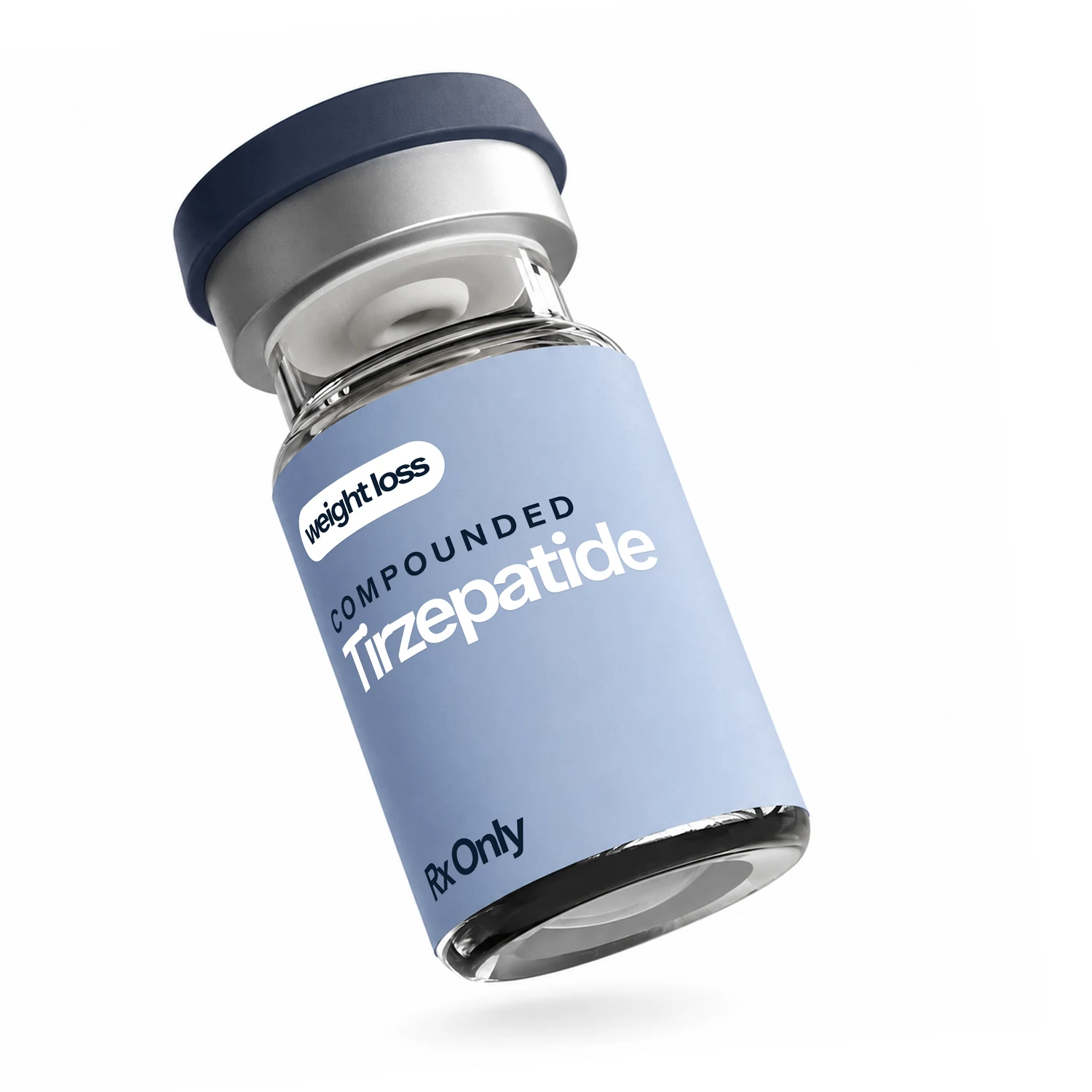
Compounded TirzepatideRx
Weekly GLP-1 + GIP injection.
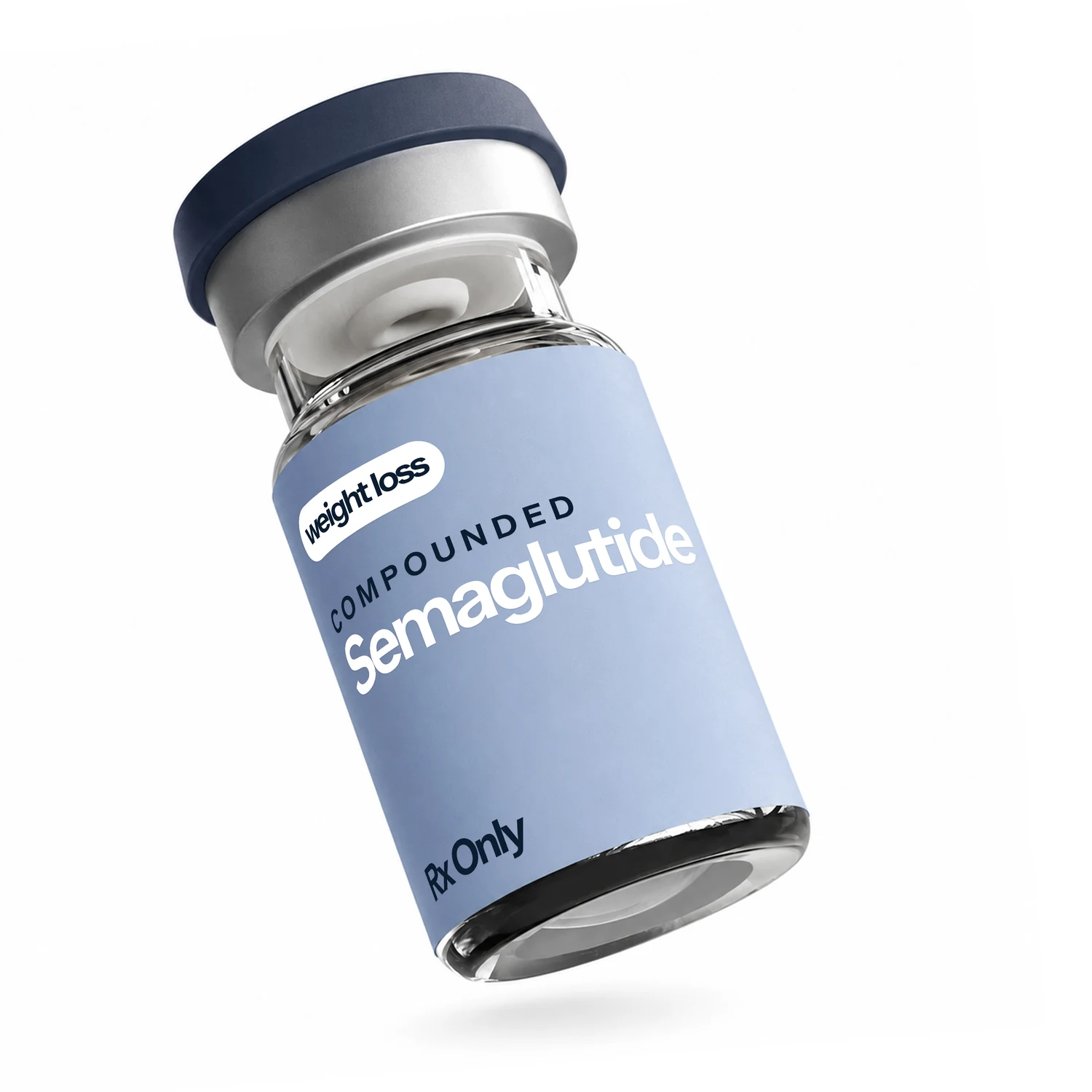
Compounded SemaglutideRx
Weekly GLP-1 injection.
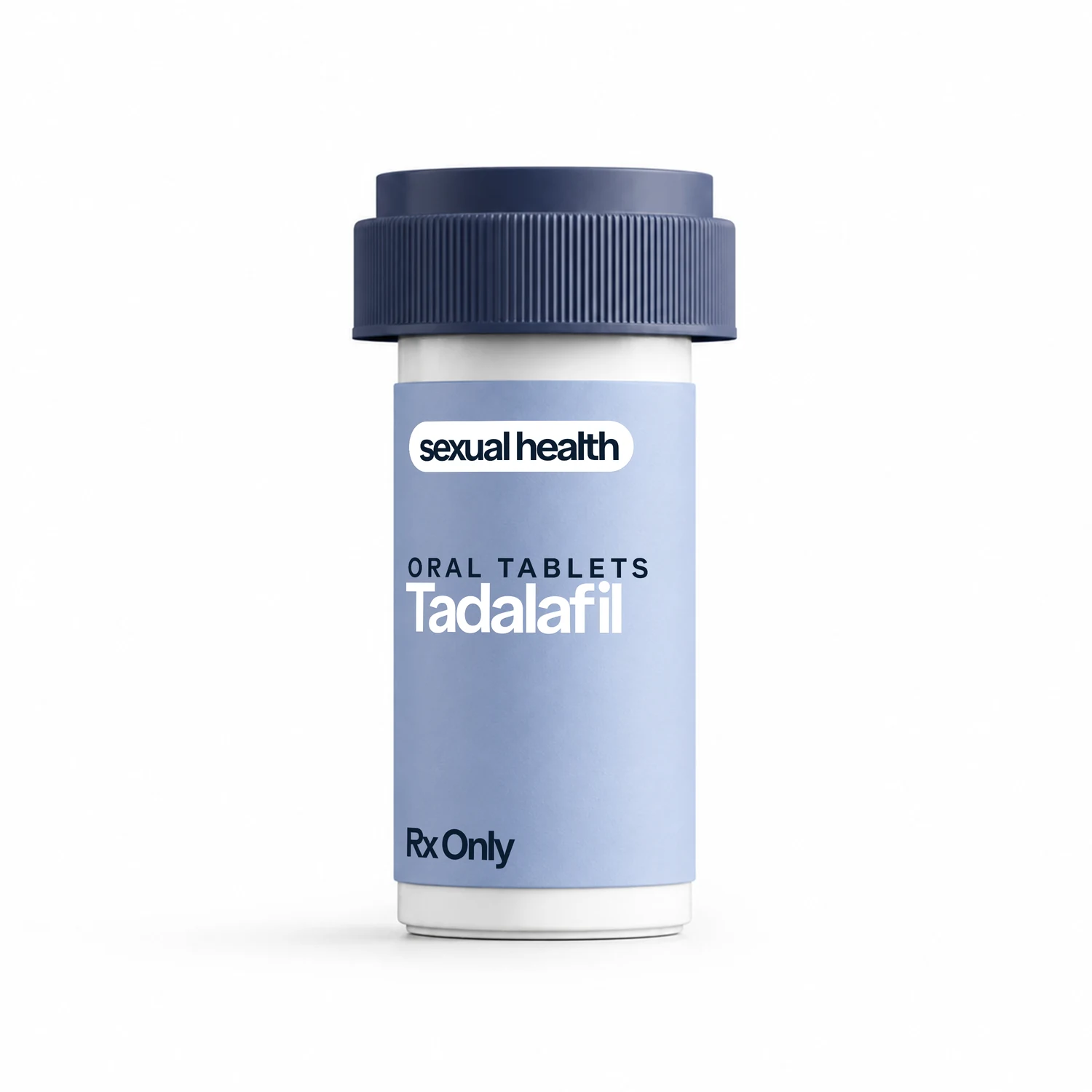
TadalafilRx
Generic Cialis®. Lasts up to 36 hours.
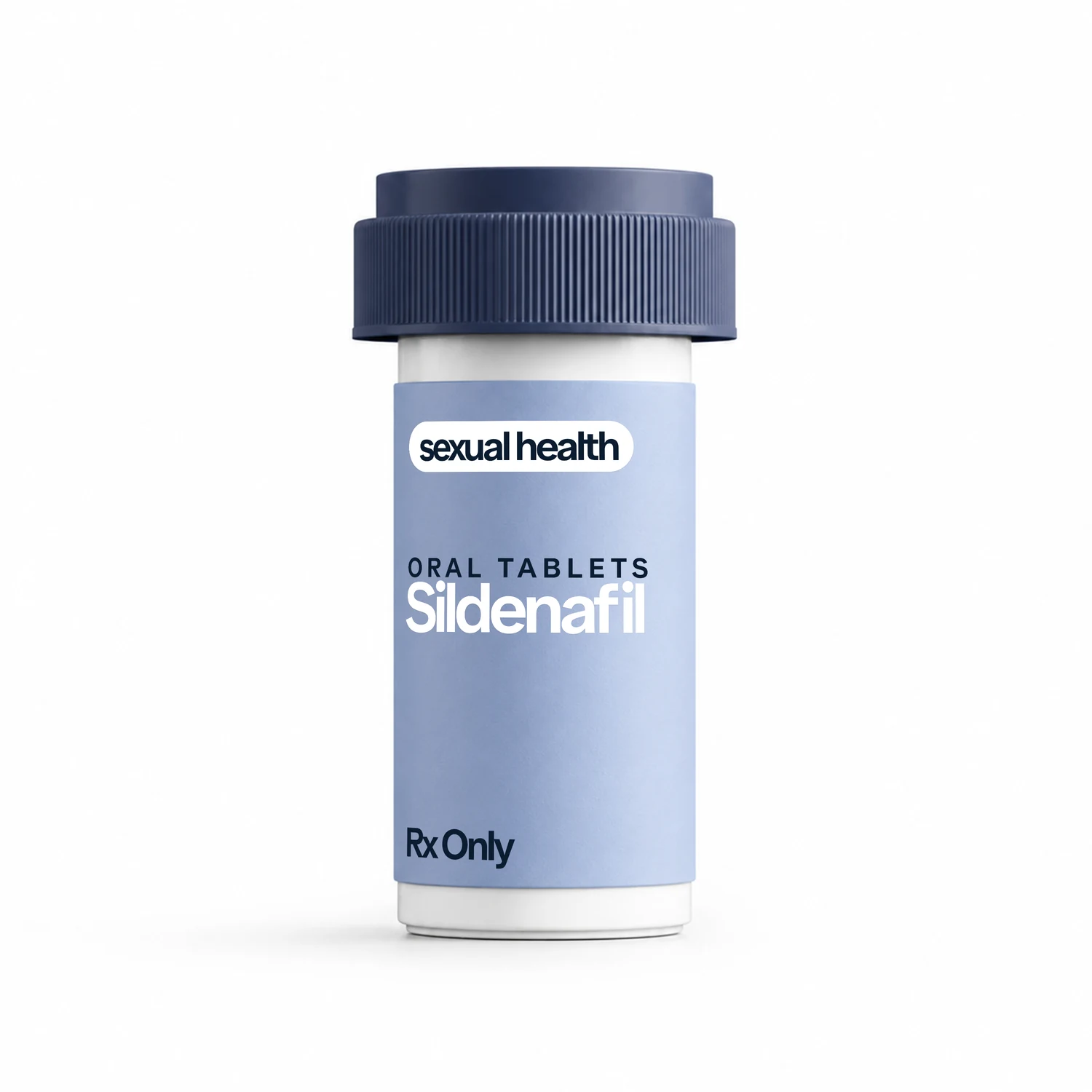
SildenafilRx
Generic Viagra®. Works in 30 minutes.
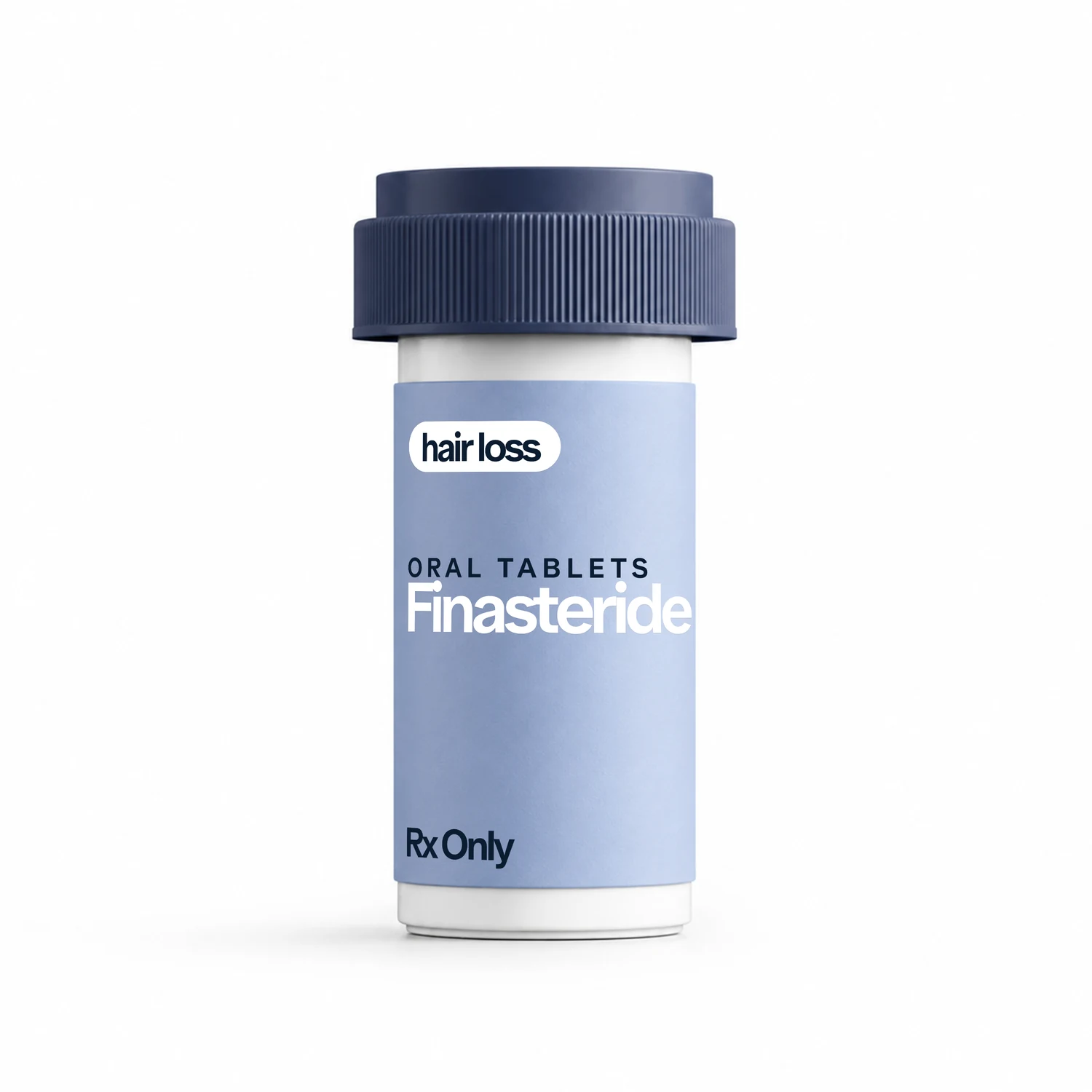
FinasterideRx
Generic Propecia®. Blocks DHT daily.
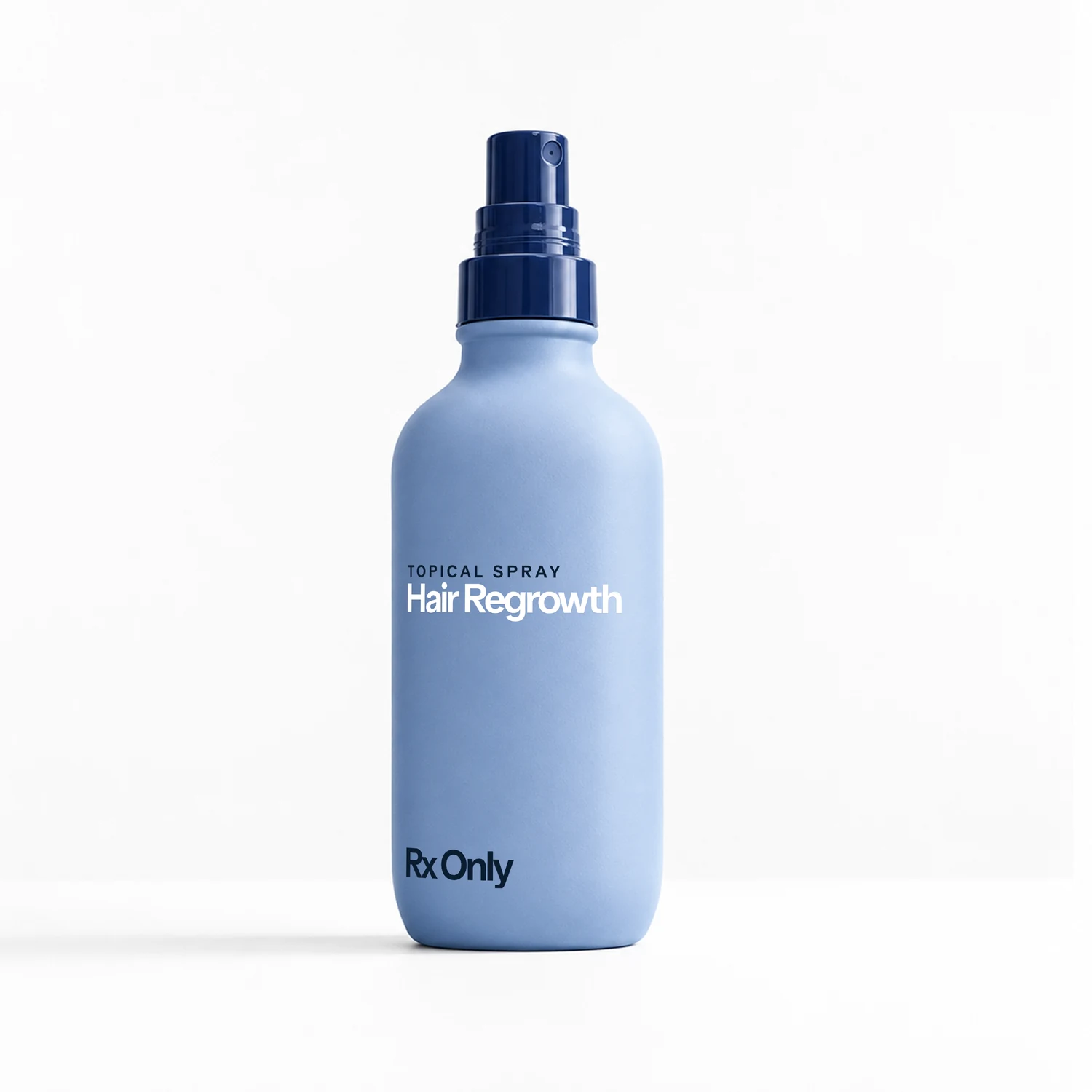
Hair Regrowth SprayRx
3-in-1 topical: finasteride + minoxidil + tretinoin.
Men Suicide Statistics 2026: Read This Twice
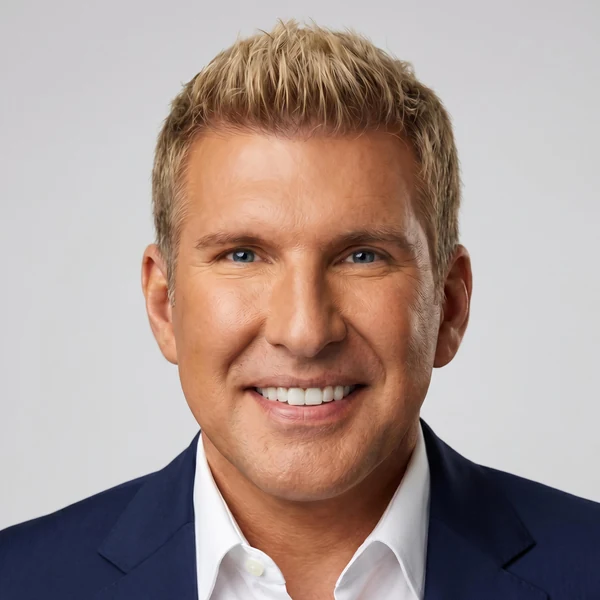
Written by Todd Chrisley
Published February 15, 2026

Key Takeaways
# Men Suicide Statistics 2026: Read This Twice
I want you to sit with two numbers before you read another word. According to the American Foundation for Suicide Prevention, men account for nearly 80 percent of all suicide deaths in the United States. And according to the Movember Foundation, men make up roughly 20 percent of crisis help-line traffic. That is not a typo. That is not a rounding error. That is a catastrophe hiding in plain sight, and it has been hiding there for decades because the men living inside it were taught — the same way I was taught — that silence is strength.
I am telling you right now: silence is not strength. I learned that the hard way.
What I Learned in a Place I Never Expected to Learn It
I spent 28 months in federal prison. I have talked about that publicly because I believe the truth is the only thing worth trading in. What I have talked about less is what it does to a man's insides when everything he built — his reputation, his routines, his sense of himself — gets stripped away at once. There were days I did not want to get out of bed. Not because I was lazy. Because the weight of it was physical. It sat on my chest like something I could not name.
I prayed. I was angry at God. I prayed again. That is an honest account of what faith looks like when it is working, not when it is decorative.
What I did not do — what most men do not do — is pick up a phone and say, "I am not okay." I am not proud of that. I am honest about it. Because the same conditioning that made me good at building things made me terrible at admitting I was struggling. Nobody hands you a blueprint that says, "Here is what to do when you cannot hold it together." They hand you the one that says, "Hold it together."
That blueprint is killing us.
The Gap Is Not a Mystery
When researchers and clinicians talk about men's mental health crisis, they use words like "underdiagnosis" and "help-seeking behavior." What those words mean in plain English is this: men are suffering at enormous rates and telling almost nobody.
The National Institute of Mental Health confirms that men die by suicide at a rate nearly four times higher than women, even though women report higher rates of depression and anxiety. The gap is not in the suffering. The gap is in the asking.
Why men do not ask for help is not complicated. It is conditioned. From the time most of us were boys, we were told in a hundred different ways that need is weakness. You push through. You figure it out. You do not burden people. And so we push through, figure it out, and do not burden people — right up until the moment we cannot anymore.
Peer-reviewed research published in the American Journal of Men's Health has consistently found that men delay seeking mental health care significantly longer than women, and that stigma — specifically the belief that seeking help signals incompetence — is the primary barrier. Not access. Not cost. Pride dressed up as self-sufficiency.
If you are sitting where I was sitting, you know exactly what I mean. You have told yourself some version of: "I am fine. Other people have real problems. I just need to work harder." I have said all of those things. They are not true. They are armor. And armor gets heavy.
A Connection You Cannot Afford to Miss — Especially in February
February is American Heart Month, and I want to draw a line that most men never get drawn for them. Erectile dysfunction — which an enormous number of men in this age range are quietly dealing with and telling nobody about — is frequently not a bedroom problem. It is a cardiovascular warning signal.
According to a landmark study published in JAMA Internal Medicine, men with ED have a significantly elevated risk of cardiovascular events including heart attack and stroke. The American Heart Association recognizes the connection between endothelial dysfunction — the impaired ability of blood vessels to dilate properly — and both cardiac disease and ED. They share the same underlying mechanism.
What that means for you is this: if something is off in that department and you have been dismissing it, your body may be sending you a message about your heart, not just your confidence. Results may vary, but the clinical literature is consistent. Silence on this one is not just pride — it is a health risk.
What to Actually Do
No abstract advice. Here is what works, and what I do.

Sleep. Seven to eight hours. The National Institutes of Health directly links chronic sleep deprivation to elevated depression and anxiety risk in men. This is not optional maintenance. It is foundational.
Walk every day. Not a regimen. Not a program. A 30-minute walk. Research published in JAMA Psychiatry found that even modest aerobic activity significantly reduces the risk of major depression. Start there.
Eat like your body is something you are responsible for. Because it is. You would not run your business on bad fuel and wonder why performance suffered.
Lift something. Resistance training two to three times a week has documented effects on testosterone, mood regulation, and cortisol management, according to research in the Journal of Clinical Endocrinology and Metabolism.
See a doctor. A real one. Tell them the truth. If something is off — physically, mentally, in the bedroom, in your chest — say so out loud. That is not weakness. That is stewardship of what you were given.
Call someone. The 988 Suicide and Crisis Lifeline exists. It is a phone call. Men use it at one-fifth the rate they should. If you are in the dark, that number matters.
A Note on Men's Health Support
Good Guy Rx is a technology platform that connects men to independent licensed physicians and independent state-licensed compounding pharmacies. If you are dealing with symptoms you have been putting off — whether those are related to hormonal changes, cardiovascular health signals like ED, or general vitality — a licensed provider can evaluate your specific situation and discuss options that may be appropriate for you.
Compounded medications available through the platform are prepared by state-licensed compounding pharmacies in accordance with FDA regulations and are not FDA-approved. Results may vary. Medical questions should be directed to a licensed provider through the patient portal, not to support staff.
Start your confidential assessment here.
You already know something is off. The number that has been sitting in the back of your mind, the morning you did not want to get up, the symptom you have been explaining away — that is not nothing. That is your body and your mind asking for the same thing I was too proud to ask for: attention, honesty, and care.
Stewardship is not glamorous. It is daily. It is a decision you make when nobody is watching, to treat what you have been given like it matters. Because it does.
Take care of what God gave you.
Sources
- Suicide Statistics — American Foundation for Suicide Prevention — https://afsp.org/suicide-statistics/
- Men's Mental Health — Movember Foundation — https://us.movember.com/mens-health/mental-health
- Suicide Statistics — National Institute of Mental Health — https://www.nimh.nih.gov/health/statistics/suicide
- Men's Help-Seeking Behavior and Stigma — American Journal of Men's Health — https://journals.sagepub.com/home/ajm
- Erectile Dysfunction and Cardiovascular Risk — JAMA Internal Medicine — https://jamanetwork.com/journals/jamainternalmedicine
- Endothelial Dysfunction and Heart Disease — American Heart Association — https://www.heart.org/
- Sleep Deprivation and Mental Health — National Institutes of Health — https://www.nih.gov/news-events/nih-research-matters/sleep-deprivation-linked-mental-health-problems
- Physical Activity and Depression Risk — JAMA Psychiatry — https://jamanetwork.com/journals/jamapsychiatry
- Resistance Training and Hormonal Health — Journal of Clinical Endocrinology and Metabolism — https://academic.oup.com/jcem
- 988 Suicide and Crisis Lifeline — SAMHSA — https://988lifeline.org/
References
- [Men's Mental Health — Movember Foundation — https://us.movember.com/mens-health/mental-health](https://us.movember.com/mens-health/mental-health)
- [Suicide Statistics — National Institute of Mental Health — https://www.nimh.nih.gov/health/statistics/suicide](https://www.nimh.nih.gov/health/statistics/suicide)
- [Men's Help-Seeking Behavior and Stigma — American Journal of Men's Health — https://journals.sagepub.com/home/ajm](https://journals.sagepub.com/home/ajm)
- [Erectile Dysfunction and Cardiovascular Risk — JAMA Internal Medicine — https://jamanetwork.com/journals/jamainternalmedicine](https://jamanetwork.com/journals/jamainternalmedicine)
- [Endothelial Dysfunction and Heart Disease — American Heart Association — https://www.heart.org/](https://www.heart.org/)
- [Sleep Deprivation and Mental Health — National Institutes of Health — https://www.nih.gov/news-events/nih-research-matters/sleep-deprivation-linked-mental-health-problems](https://www.nih.gov/news-events/nih-research-matters/sleep-deprivation-linked-mental-health-problems)
- [Physical Activity and Depression Risk — JAMA Psychiatry — https://jamanetwork.com/journals/jamapsychiatry](https://jamanetwork.com/journals/jamapsychiatry)
- [Resistance Training and Hormonal Health — Journal of Clinical Endocrinology and Metabolism — https://academic.oup.com/jcem](https://academic.oup.com/jcem)
Share this article

Ready to start your journey?
Complete your free online visit and see if GLP-1 treatment is right for you.
Get Started