
Good Guy Rx
Take care of what God gave you.
Get started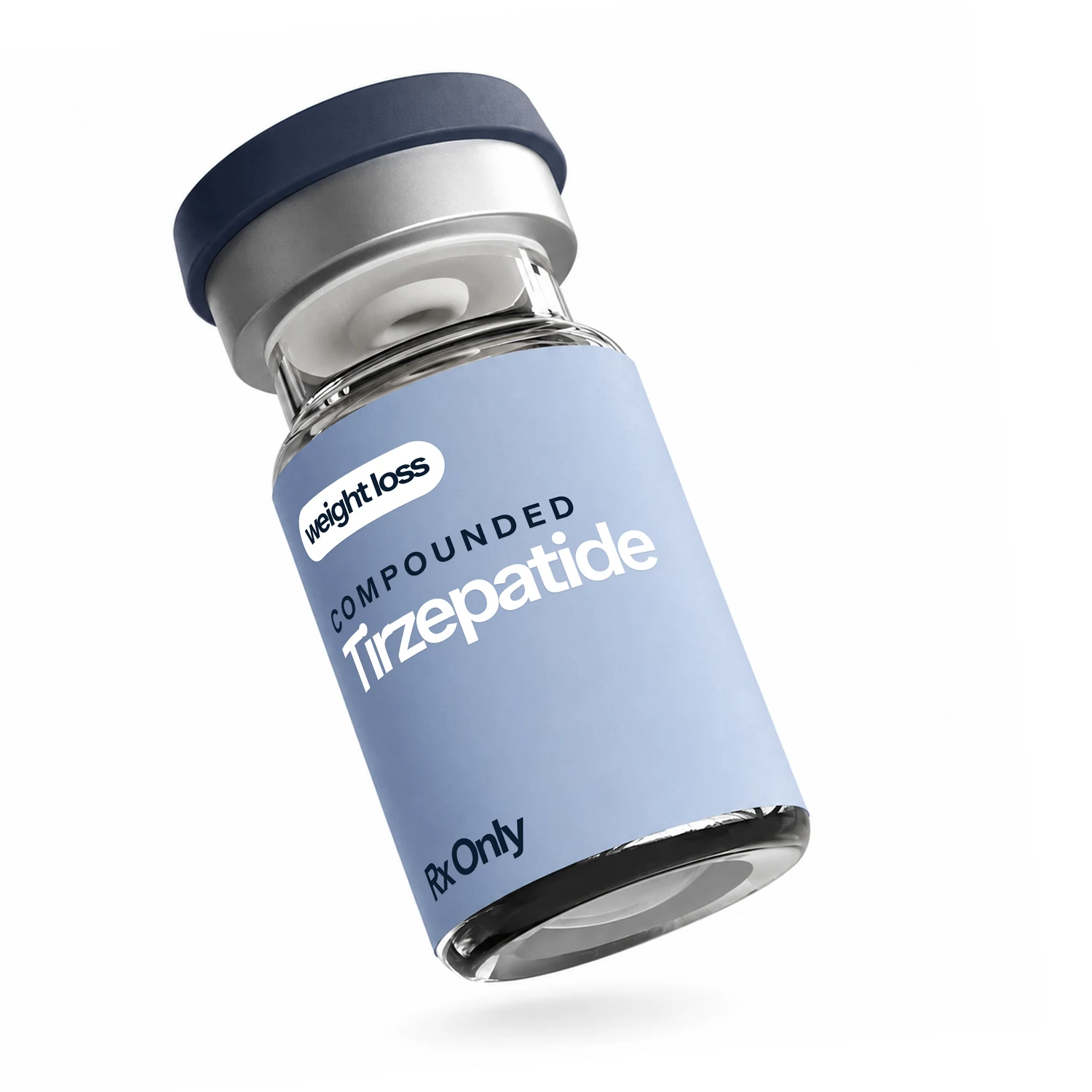
Compounded TirzepatideRx
Weekly GLP-1 + GIP injection.

Compounded SemaglutideRx
Weekly GLP-1 injection.

TadalafilRx
Generic Cialis®. Lasts up to 36 hours.

SildenafilRx
Generic Viagra®. Works in 30 minutes.
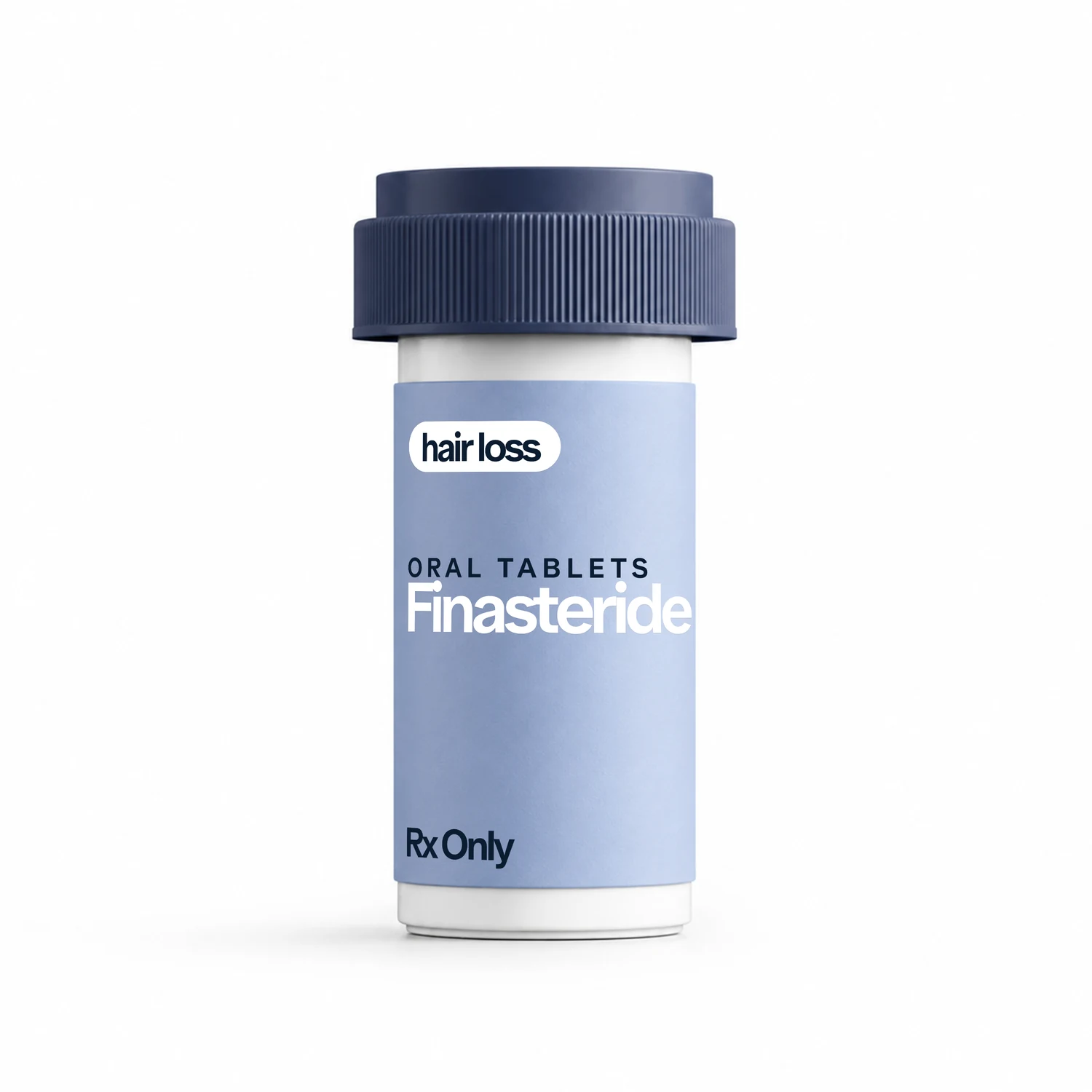
FinasterideRx
Generic Propecia®. Blocks DHT daily.

Hair Regrowth SprayRx
3-in-1 topical: finasteride + minoxidil + tretinoin.
Men Asking for Help: What Strength Looks Like at 55

Written by Todd Chrisley
Published April 26, 2026

Key Takeaways
# Men Asking for Help: What Strength Looks Like at 55
I spent most of my adult life believing that carrying it alone was the same thing as carrying it well. I was wrong. And it cost me more than I want to count.
I am not going to dress that up. I stood in rooms full of people who loved me and felt completely isolated. I smiled on camera. I cracked jokes. I kept the machinery moving. And underneath all of it, I was struggling in ways I did not have the language for, because men like me — men who grew up the way I grew up, in the South, with a certain idea of what a man is supposed to look like — we were never taught that language. We were taught to handle it. We were taught that asking for help was the beginning of losing.
That belief is a lie. And it has killed men I knew.
What I Learned the Hard Way
When you go through something like what I went through — 28 months in a federal prison, away from your wife, away from your family, stripped of nearly everything you built — you find out very quickly what you are actually made of. Not the performance of strength. The real thing.
And here is what I found: the men I respected most inside were not the ones who never broke. They were the ones who broke, admitted it, and asked for what they needed. That took more discipline than silence ever did.
I prayed. A lot. Sometimes I was angry at God, and I told Him so, because I believe He can handle my anger better than I can handle pretending it is not there. And somewhere in that honesty, something shifted. Grace does not come to the man who pretends he is fine. It comes to the man who tells the truth about where he is.
That is not a sermon. That is what I lived.
If You Are Sitting Where I Was Sitting
According to the National Institute of Mental Health, men are significantly less likely than women to seek treatment for depression, anxiety, and other mental health conditions — yet men die by suicide at nearly four times the rate of women, according to data from the American Foundation for Suicide Prevention.

Let that sit with you for a moment.
The Movember Foundation, which has tracked men's mental health for two decades, identifies social isolation and the stigma around men asking for help as two of the leading factors driving those numbers. Peer-reviewed research published in the American Journal of Men's Health has documented that men therapy stigma — specifically the belief that seeking help signals weakness — causes men to delay or avoid care until a crisis forces the issue.
You do not wait for a crisis to change the oil in your truck. You do not wait for the engine light to come on before you do the maintenance. A man who takes care of his equipment but refuses to take care of his mind is not being strong. He is being careless with something God gave him to steward.
If you have been telling yourself that you are fine when you are not, I am not here to embarrass you. I am here to tell you that I have been in that exact place. And the moment I stopped pretending was the moment things actually started to change.
What You Actually Do
This is not complicated, but it is not easy either. Here is what I know works.
Talk to someone. Not necessarily a stranger in an office. Start with one person — a pastor, a friend, a spouse, a doctor. One honest conversation is more productive than five years of silence. The American Psychological Association confirms that even brief, structured counseling produces measurable reductions in depression symptoms in men who engage with it. Results may vary.
Sleep like it matters. The NIH has documented a direct, bidirectional relationship between sleep deprivation and depression. Seven to nine hours is not a luxury. It is maintenance.
Move your body every single day. A landmark meta-analysis published in JAMA Psychiatry in 2023 found that physical activity significantly reduces symptoms of major depressive disorder across all age groups. Walk. Lift. Do something physical that asks something of you.
See your doctor. A real appointment, not a conversation you have at a cookout. Tell him the truth. If he does not take it seriously, find one who will. You deserve a physician who listens.

Check yourself physically, too. April is Testicular Cancer Awareness Month, and I want to say something plain: a man who takes his mental health seriously takes his physical health seriously. Testicular cancer is one of the most treatable cancers when caught early, according to the American Cancer Society. A monthly self-examination takes less than two minutes. Stewardship means paying attention to all of it — what is happening in your mind and what is happening in your body. Do not skip the check because it feels awkward. Awkward is survivable. Undetected is not always.
On Mental Wellness Support
For men who are ready to address what is happening beneath the surface — whether that is mood, energy, sleep, or the general sense that something is off — Good Guy Rx is a technology platform that connects you to independent licensed physicians who will actually listen. These are real doctors. Real conversations. No rush. If a compounded medication prepared by a state-licensed compounding pharmacy in accordance with FDA regulations is appropriate for your situation, your physician will discuss that with you directly.
This is not a subscription box. It is access to care built for men who take their health seriously.
Start your confidential assessment here.
The Close
Asking for help is not the end of who you are as a man. It is the beginning of who you could actually become.
Take care of what God gave you.
Share this article

Ready to start your journey?
Complete your free online visit and see if GLP-1 treatment is right for you.
Get Started