
Good Guy Rx
Take care of what God gave you.
Get started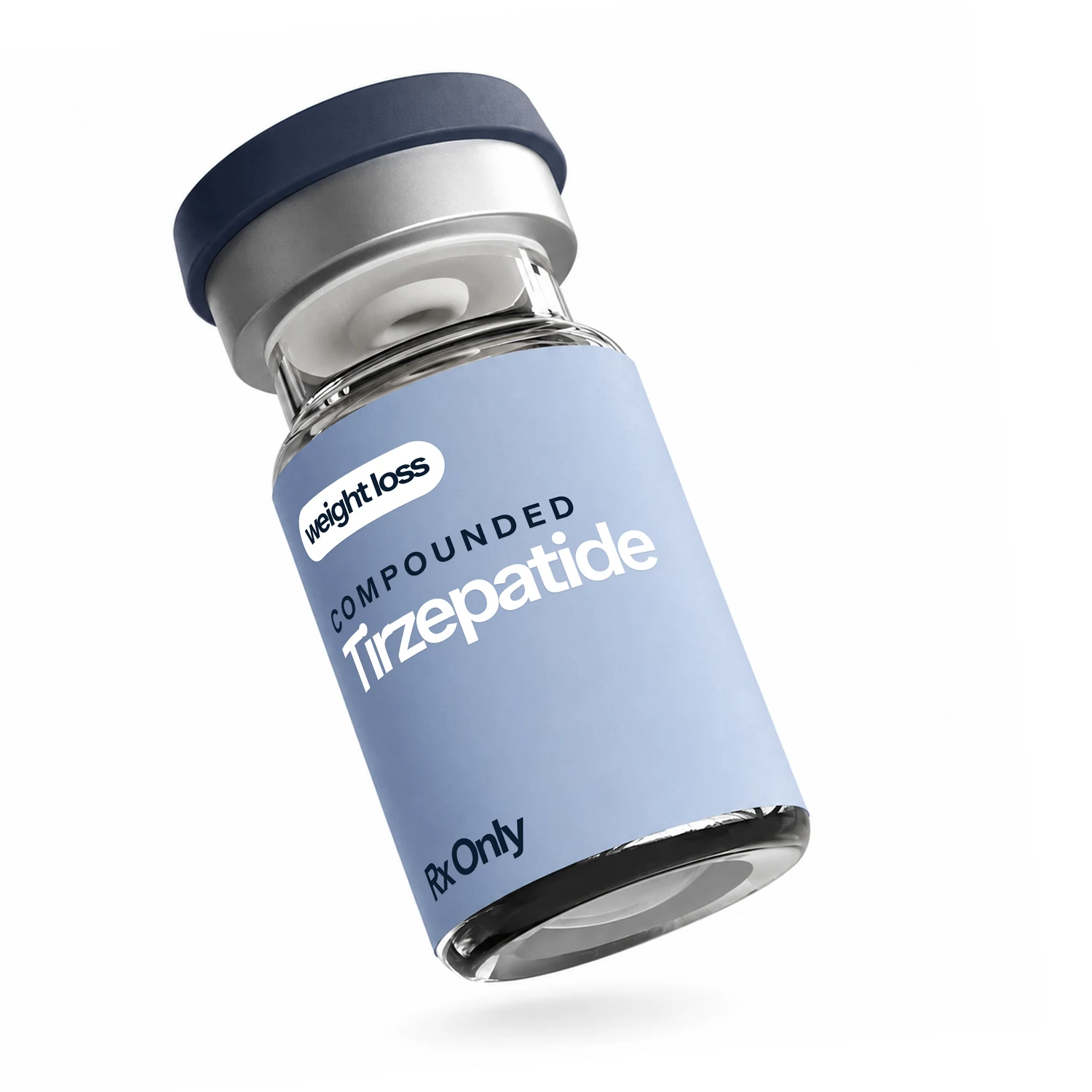
Compounded TirzepatideRx
Weekly GLP-1 + GIP injection.
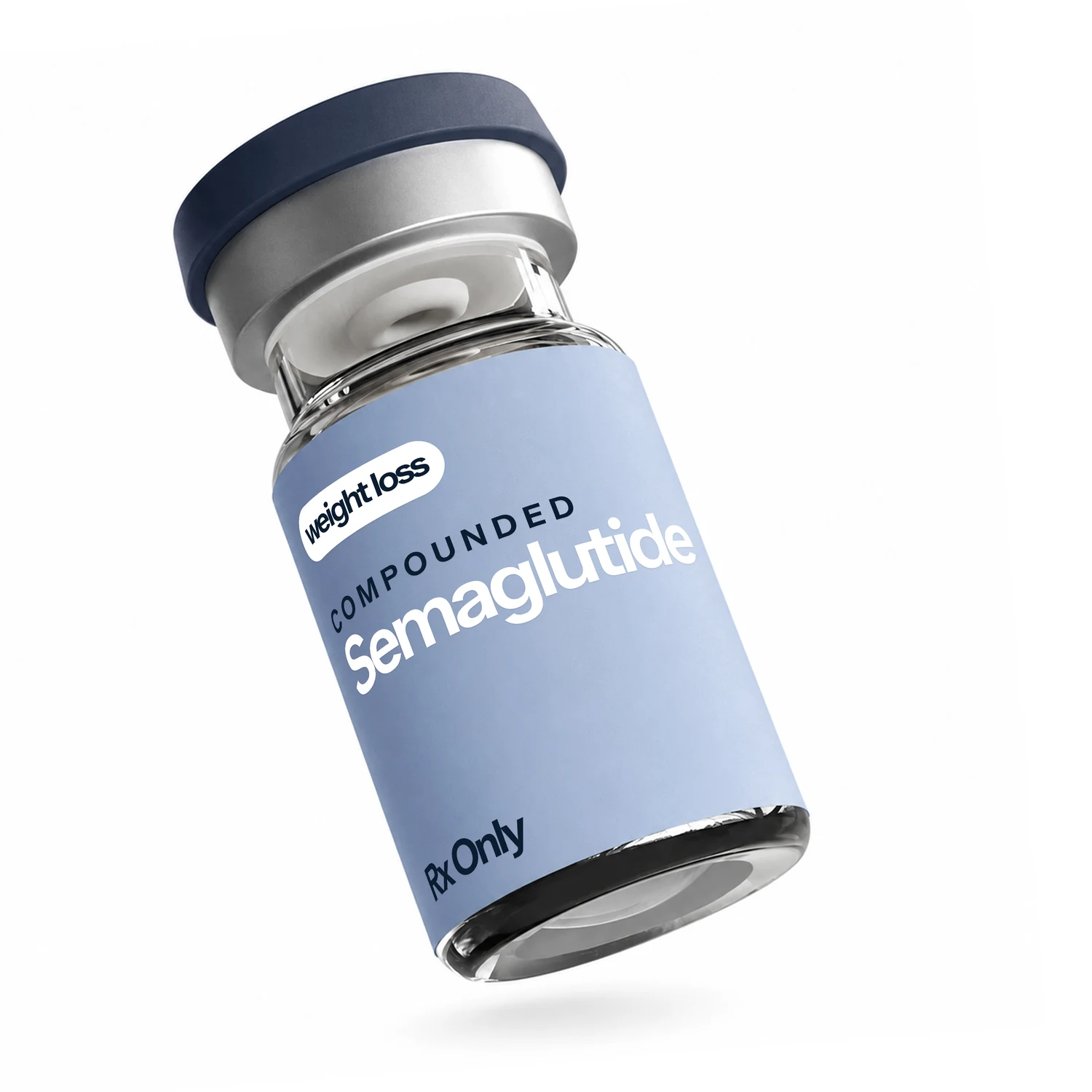
Compounded SemaglutideRx
Weekly GLP-1 injection.
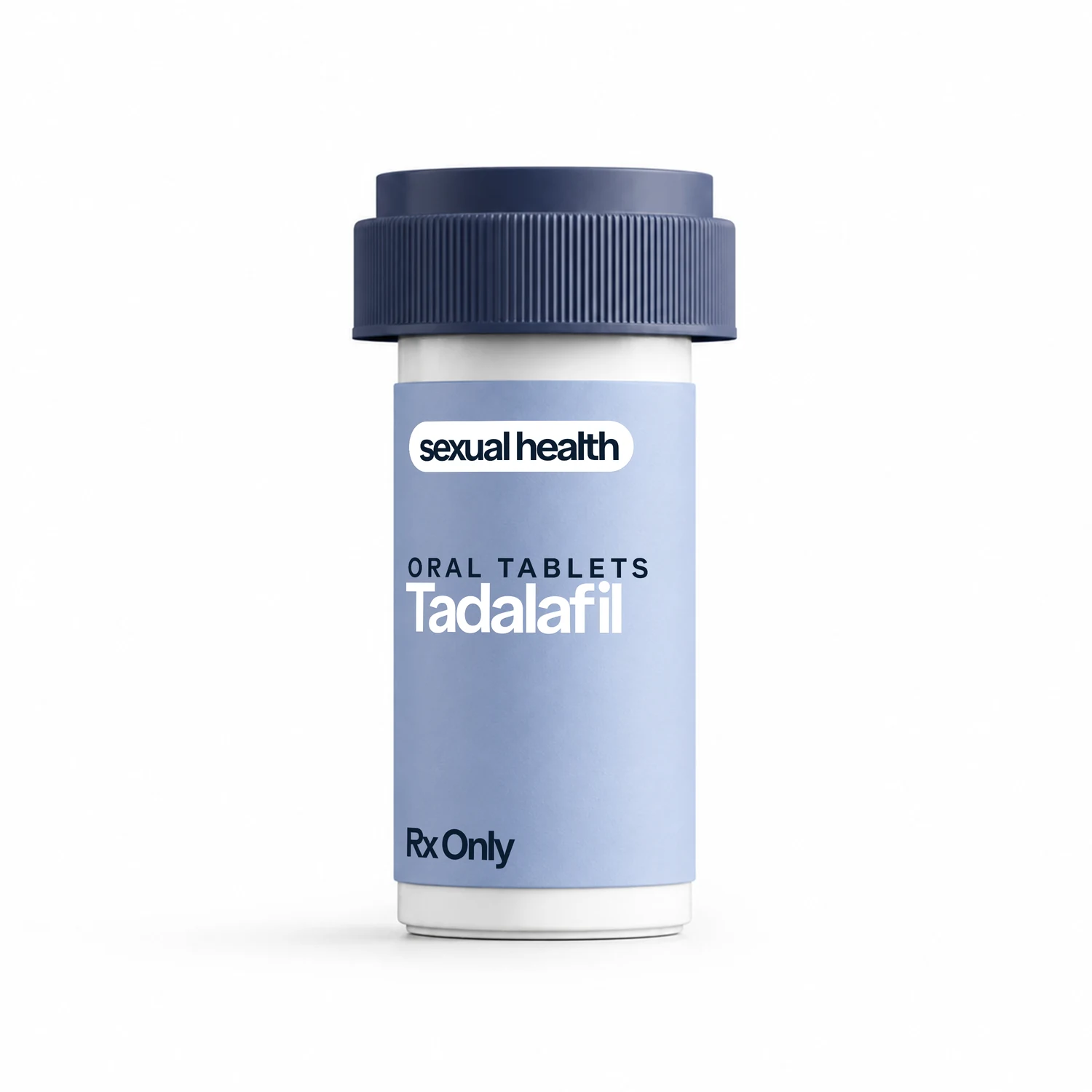
TadalafilRx
Generic Cialis®. Lasts up to 36 hours.
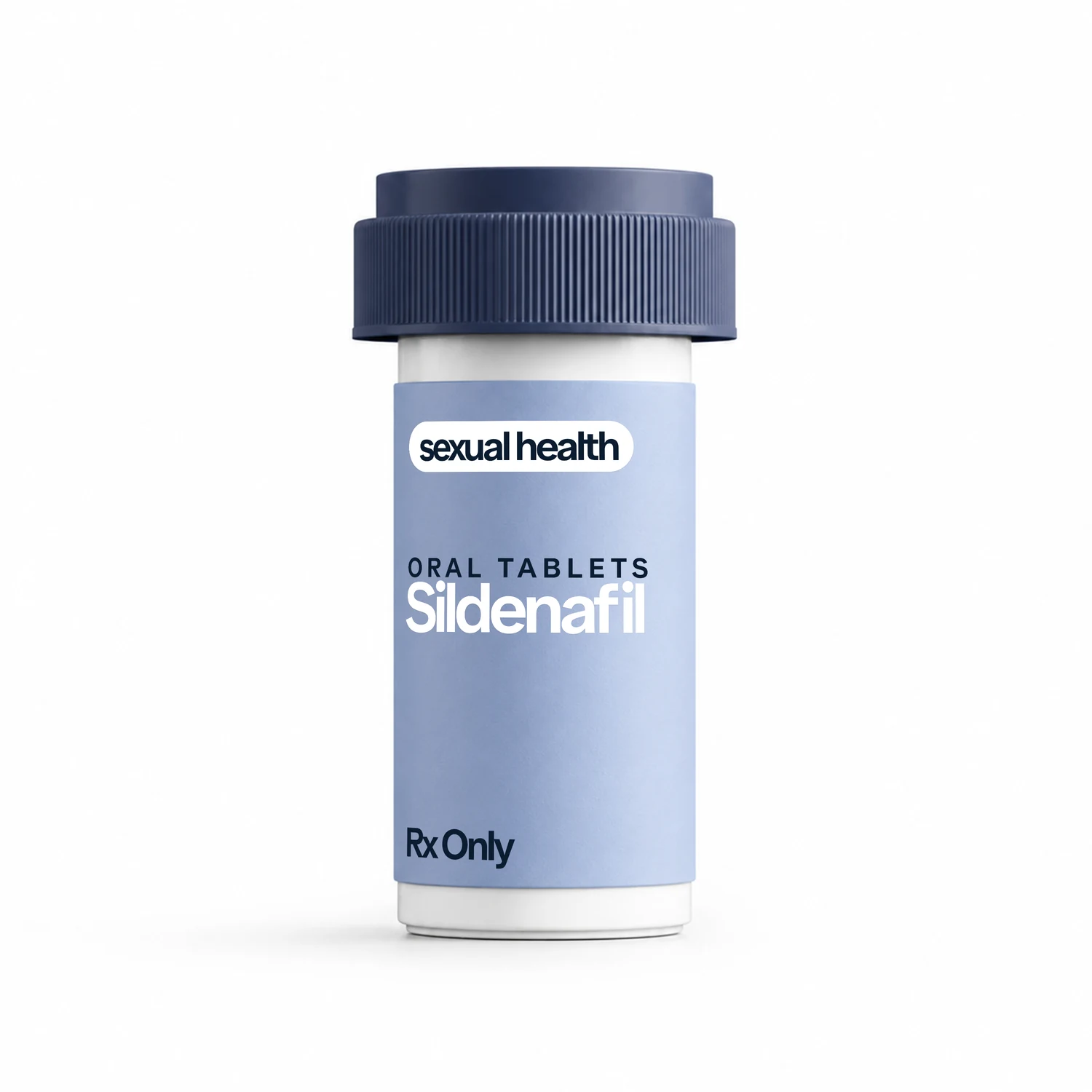
SildenafilRx
Generic Viagra®. Works in 30 minutes.
FinasterideRx
Generic Propecia®. Blocks DHT daily.

Hair Regrowth SprayRx
3-in-1 topical: finasteride + minoxidil + tretinoin.
Andropause, Mood & Men Over 50: What to Know

Written by Marcus W.
Published February 26, 2026

Key Takeaways
Declining testosterone during midlife is associated with measurable changes in mood, energy, and cognitive function — and distinguishing normal aging from a treatable hormonal condition requires clinical evaluation.
What Is Andropause?
Andropause — sometimes called late-onset hypogonadism — describes the gradual decline in testosterone production that begins around age 30 to 35 and accelerates in many men after 50. Unlike the relatively abrupt hormonal shift of female menopause, andropause is a slow, cumulative process. Testosterone falls at roughly 1–2% per year after age 30, according to data published in the Journal of Clinical Endocrinology and Metabolism. By the sixth decade, a clinically significant proportion of men have serum testosterone (testosterone measured in the bloodstream) below the threshold most endocrinologists consider adequate for healthy function.
The term "male menopause" is widely used in popular media, but clinicians prefer late-onset hypogonadism because testosterone decline is not universal, not abrupt, and not inevitable — it is a spectrum.
How Does Testosterone Affect Mood?
Testosterone is not simply a "muscle hormone." It interacts directly with the brain's limbic system — the network governing emotion, motivation, and stress response. Androgen receptors (proteins that bind testosterone and carry its signal into cells) are expressed throughout the prefrontal cortex, hippocampus, and amygdala — regions central to mood regulation, memory, and fear processing.
When testosterone falls, several downstream effects follow:
- Serotonin sensitivity decreases. Animal and human studies suggest testosterone modulates serotonergic signaling, the same pathway targeted by most antidepressant medications.
- Dopamine reward circuits are blunted. Men with low testosterone frequently report anhedonia — reduced ability to feel pleasure — which is a hallmark symptom of clinical depression.
- Cortisol balance shifts. Low testosterone is associated with a higher cortisol-to-testosterone ratio, meaning the stress hormone operates with less counterbalance.
- Sleep architecture is disrupted. Most testosterone is secreted during deep sleep. Poor sleep reduces testosterone; low testosterone worsens sleep quality — a self-reinforcing cycle.
The result can look like, and often overlap with, major depressive disorder: persistent low mood, irritability, poor concentration, reduced libido, and fatigue. Results may vary between individuals.
What Does the Evidence Show?
The relationship between low testosterone and depressive symptoms in men over 50 is one of the better-studied intersections in men's health.

A landmark analysis published in [JAMA](https://jamanetwork.com/) followed more than 3,000 men and found that men with the lowest testosterone quartile had significantly higher rates of depressive symptoms compared to age-matched peers with normal testosterone — independent of chronic disease burden.
The American Urological Association (AUA) recognizes mood disturbance — including depression, irritability, and reduced motivation — as a clinical criterion for evaluating testosterone deficiency, alongside the more commonly cited sexual and physical symptoms.
Importantly, a 2023 paper in the [New England Journal of Medicine](https://www.nejm.org/) reporting on the TRAVERSE trial — a large cardiovascular safety study of testosterone therapy in men with hypogonadism and elevated cardiovascular risk — found testosterone replacement was not associated with increased major cardiovascular events compared to placebo. This is clinically relevant during American Heart Month, because the testosterone-cardiovascular link is frequently misunderstood. In fact, erectile dysfunction (ED) — a symptom that overlaps significantly with low testosterone — is now recognized by cardiologists as an early warning sign of underlying cardiovascular disease. The American College of Cardiology notes that ED often precedes a cardiac event by three to five years, making it a potential clinical signal worth evaluating in any man over 50 who reports it.
Regarding B12 and mood: peer-reviewed research suggests vitamin B12 deficiency independently contributes to fatigue, cognitive fog, and depressive symptoms — symptoms that can compound or mimic low-testosterone presentation. Men over 50 absorb B12 less efficiently due to declining gastric acid production, and deficiency is underdiagnosed in this demographic. If you are experiencing fatigue and mood changes, B12 status should be part of the clinical picture. The prescribing provider can assess whether B12 supplementation is appropriate after a medical intake.
Who May Be a Candidate for Evaluation — and Who Is Not?
Evaluation for late-onset hypogonadism may be appropriate if you have: - Persistent low mood or irritability not fully explained by life circumstances - Significant fatigue despite adequate sleep - Reduced libido or erectile dysfunction - Loss of muscle mass or increased central body fat - Two morning serum total testosterone measurements below the laboratory reference range
Evaluation is less straightforward or requires specialist coordination if you have: - Active prostate cancer or a recent prostate cancer diagnosis (testosterone therapy is generally contraindicated) - Untreated, severe obstructive sleep apnea - Hematocrit (red blood cell concentration) above 50% (polycythemia) - A recent cardiovascular event (requires cardiology input before any hormonal therapy) - Desire for fertility in the near term (testosterone therapy suppresses sperm production)
The prescribing provider determines whether testosterone assessment or therapy is appropriate after a thorough medical intake — this is not a decision based on symptoms alone.
What to Expect During Evaluation and Treatment
If your provider orders testosterone testing, expect two early-morning blood draws on separate days, as testosterone follows a circadian rhythm and peaks before 10 a.m. The workup typically also includes luteinizing hormone (LH), follicle-stimulating hormone (FSH), sex hormone-binding globulin (SHBG), a complete metabolic panel, and hematocrit.

If therapy is initiated, most men do not notice mood improvement immediately. Clinical response typically emerges over 4 to 12 weeks, with fuller effects on mood and energy sometimes taking three to six months. Results may vary.
Common early side effects to discuss with your provider: - Mild acne or oily skin - Increased red blood cell production (requires periodic monitoring) - Testicular atrophy with prolonged use - Fluid retention
Contact your provider through the patient portal — not support staff — if you experience: chest pain, shortness of breath, leg swelling, significant mood worsening, or any new urinary symptoms.
The Good Guy Rx Pathway
Good Guy Rx is a technology platform that connects men to independent licensed physicians and independent state-licensed pharmacies. If you are experiencing symptoms consistent with andropause — mood changes, fatigue, reduced drive — the prescribing provider reviews your medical intake and determines whether hormonal evaluation or adjunctive support such as B12 is clinically indicated. Compounded medications available through the platform are prepared by state-licensed compounding pharmacies in accordance with FDA regulations and are not FDA-approved products. To begin, complete a medical intake through the Good Guy Rx provider network.
Sources
- Testosterone and Depression in Men — Journal of Clinical Endocrinology and Metabolism — https://pubmed.ncbi.nlm.nih.gov/
- Testosterone, Mood, and Depressive Symptoms in Aging Men — JAMA — https://jamanetwork.com/
- TRAVERSE Trial: Cardiovascular Safety of Testosterone Replacement — New England Journal of Medicine — https://www.nejm.org/
- AUA Guidelines on Testosterone Deficiency — American Urological Association — https://www.auanet.org/
- Erectile Dysfunction as a Cardiovascular Risk Marker — American College of Cardiology — https://www.acc.org/
- Vitamin B12 Deficiency and Mood in Older Adults — NIH/National Institute on Aging — https://www.nia.nih.gov/
This article is educational. A licensed provider determines whether you are a candidate after a medical intake.
References
- [Testosterone, Mood, and Depressive Symptoms in Aging Men — JAMA — https://jamanetwork.com/](https://jamanetwork.com/)
- [TRAVERSE Trial: Cardiovascular Safety of Testosterone Replacement — New England Journal of Medicine — https://www.nejm.org/](https://www.nejm.org/)
- [AUA Guidelines on Testosterone Deficiency — American Urological Association — https://www.auanet.org/](https://www.auanet.org/)
- [Erectile Dysfunction as a Cardiovascular Risk Marker — American College of Cardiology — https://www.acc.org/](https://www.acc.org/)
- [Vitamin B12 Deficiency and Mood in Older Adults — NIH/National Institute on Aging — https://www.nia.nih.gov/](https://www.nia.nih.gov/)
- This article is educational. A licensed provider determines whether you are a candidate after a medical intake.*
Share this article

Ready to start your journey?
Complete your free online visit and see if GLP-1 treatment is right for you.
Get Started