
Good Guy Rx
Take care of what God gave you.
Get started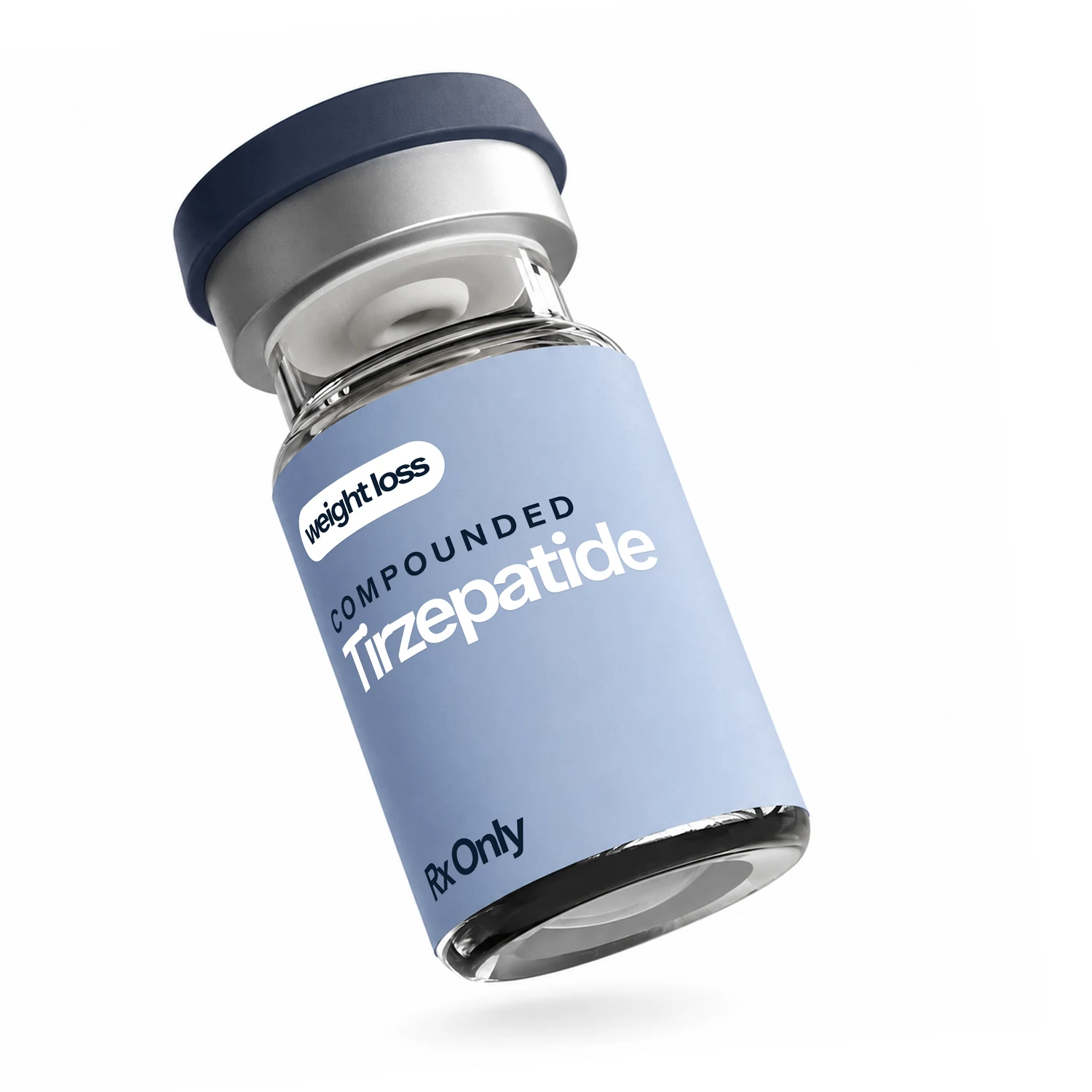
Compounded TirzepatideRx
Weekly GLP-1 + GIP injection.
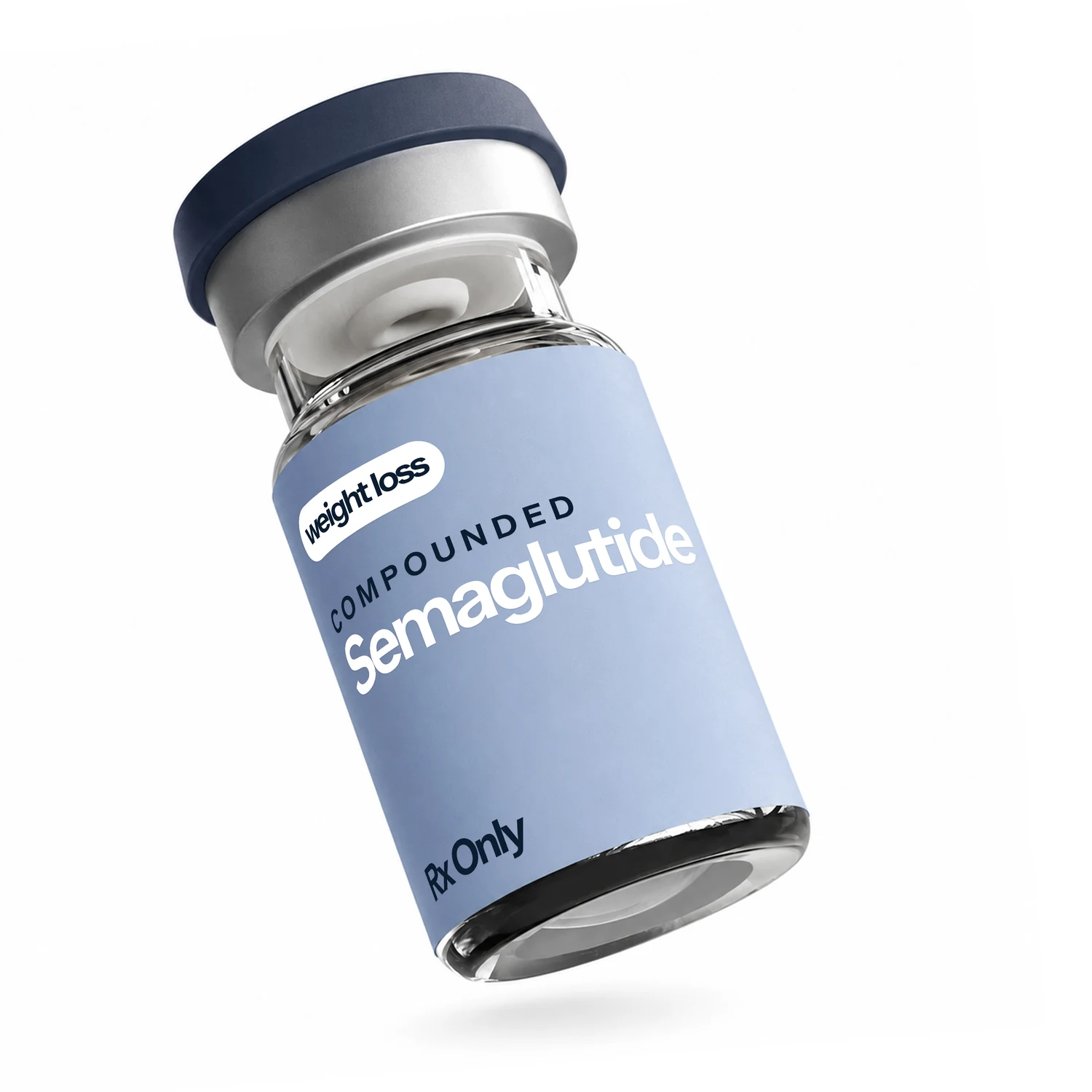
Compounded SemaglutideRx
Weekly GLP-1 injection.
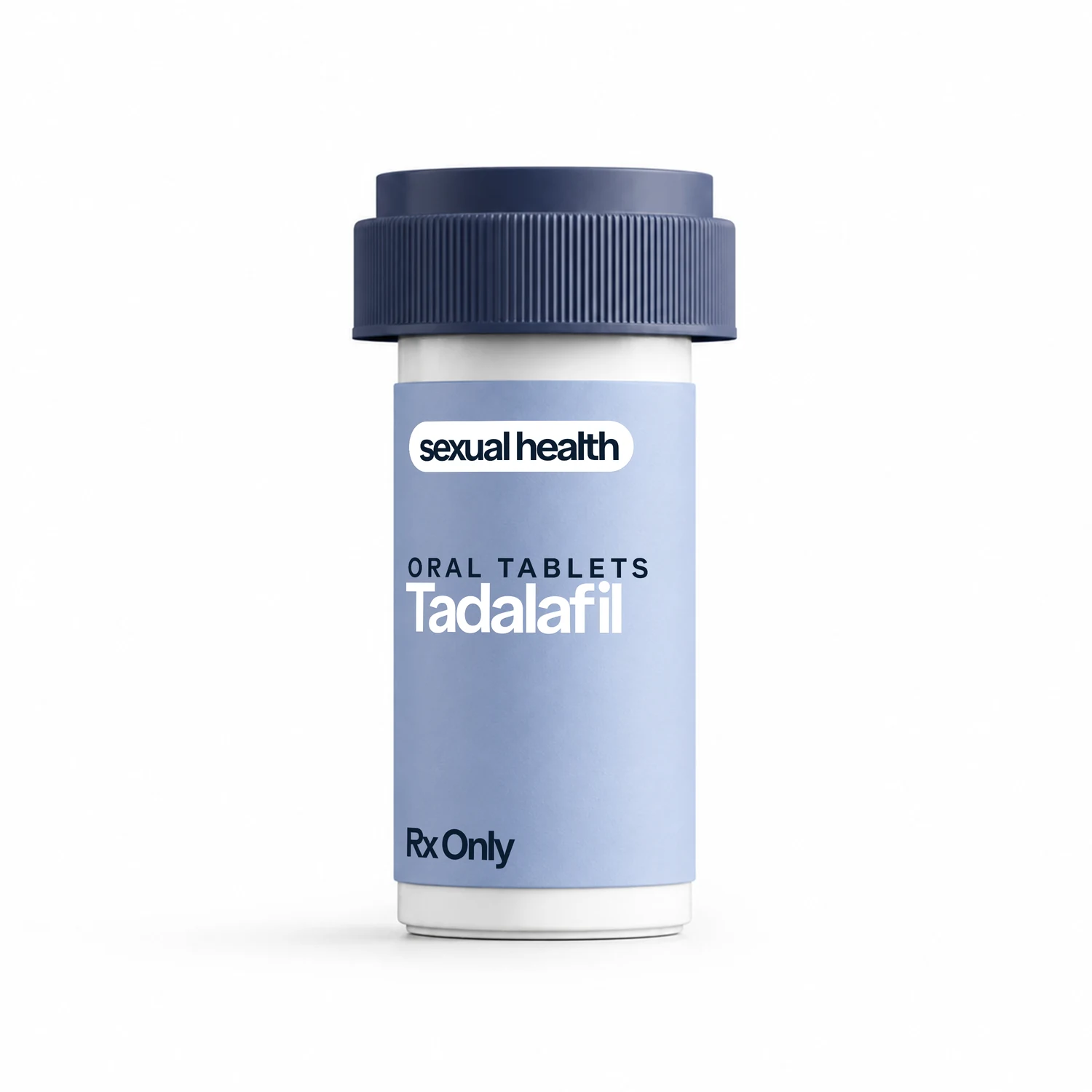
TadalafilRx
Generic Cialis®. Lasts up to 36 hours.

SildenafilRx
Generic Viagra®. Works in 30 minutes.
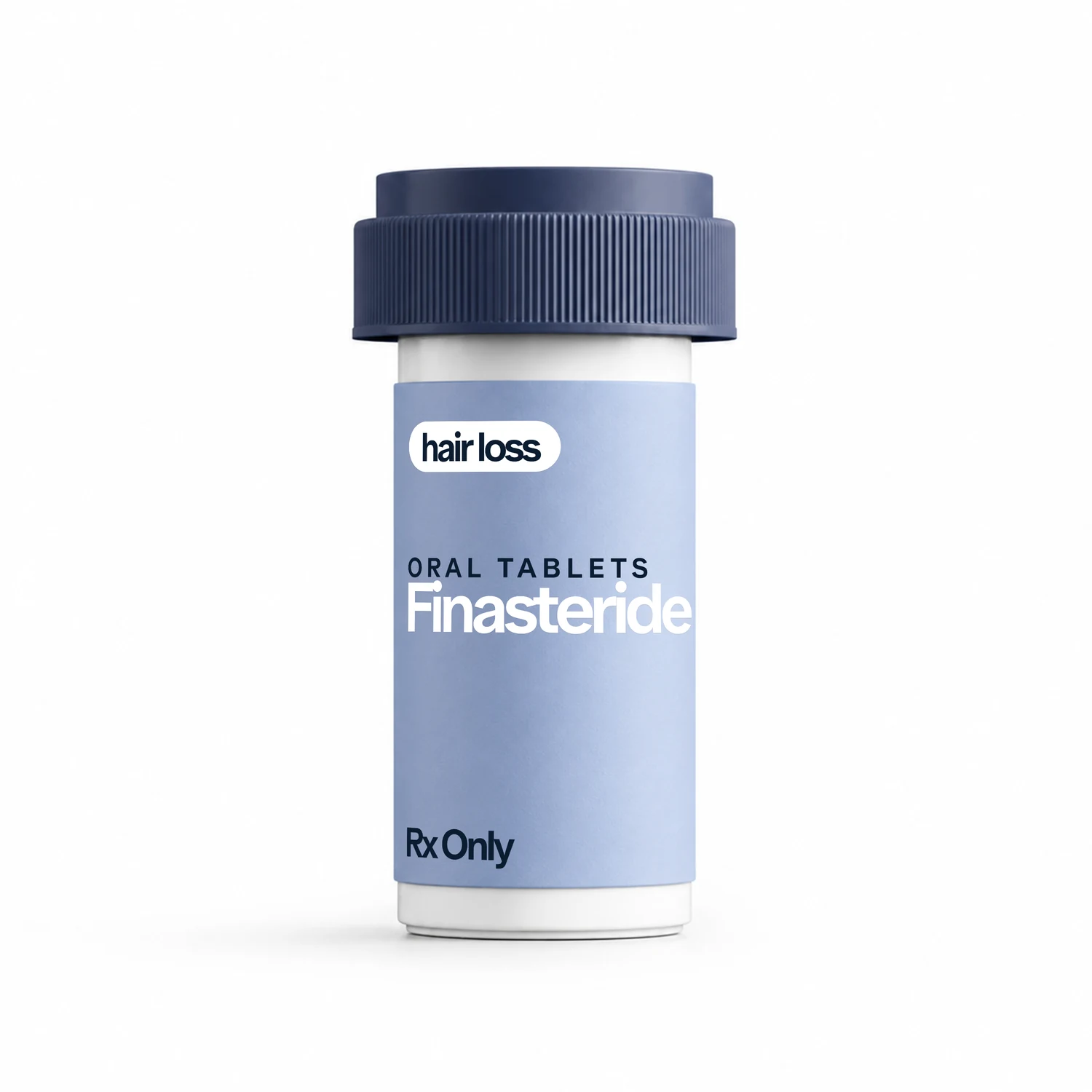
FinasterideRx
Generic Propecia®. Blocks DHT daily.

Hair Regrowth SprayRx
3-in-1 topical: finasteride + minoxidil + tretinoin.
When to Start Finasteride: The Reversibility Window

Written by Michael H.
Published April 16, 2026

Key Takeaways
# When to Start Finasteride: The Reversibility Window
If you typed "when to start finasteride" into a search bar, you already suspect something is happening at your hairline or crown. That instinct — the one that made you look twice in the mirror this morning — is worth paying attention to. The science on hair loss early treatment is consistent on one point: timing matters more than most men realize.
This is not a vanity conversation. Hair is part of the body you were given to steward. Understanding what is happening beneath the scalp, and when intervention can still make a difference, is a reasonable use of your attention.
What Is Actually Happening at the Follicle
Androgenetic alopecia — the medical term for male pattern baldness — is not a single event. It is a gradual process driven by dihydrotestosterone (DHT), a hormone derived from testosterone by the enzyme 5-alpha reductase. DHT binds to receptors in genetically susceptible hair follicles and triggers follicle miniaturization: a progressive shrinking of the follicle that produces finer, shorter, less pigmented hair with each successive growth cycle.
The critical distinction is between miniaturized follicles and dead follicles. A miniaturized follicle is still alive. It is still capable of producing a terminal hair if the hormonal environment changes. A follicle that has been miniaturized for long enough — years, in most cases — becomes fibrotic. The structural architecture is lost. At that stage, no medication currently available can restore it to function.
According to research published in the Journal of the American Academy of Dermatology, follicle fibrosis progresses on a timeline that varies by individual genetics, but the window during which medical intervention can halt or reverse miniaturization is generally defined as the period before follicle death — roughly the first several years of visible thinning.
The Reversibility Window: What "Early" Means in Practice
Early treatment in this context does not mean the moment you turn 30. It means the period during which your thinning hair is still producing some hair — however fine — from follicles that remain biologically active. Dermatologists commonly assess this using the Norwood Scale, a seven-stage classification of male pattern baldness. Stages I through III represent the highest probability of treatment response. Stages V through VII represent areas where follicle loss is largely permanent.
A landmark study published in the New England Journal of Medicine demonstrated that finasteride — a 5-alpha reductase inhibitor — halted progression in the majority of men who received it and produced visible regrowth in a significant subset. Critically, the men who showed the most regrowth were those who began treatment earliest in their hair-loss progression. Results may vary.
The practical translation: if you are in your late 30s or 40s and you are noticing a widening part, a higher forehead, or thinning at the crown, those follicles are almost certainly still viable. The window is open. It will not stay open indefinitely.
Finasteride: How It Works and What the Evidence Shows
Finasteride works by inhibiting the 5-alpha reductase enzyme, which reduces serum and scalp DHT levels by approximately 60 to 70 percent. Lower DHT means less hormonal signaling to susceptible follicles. Miniaturization slows or stops. In follicles that are still active, the hair cycle can begin to normalize.
The pivotal clinical trials that led to FDA approval of oral finasteride for androgenetic alopecia showed statistically significant hair count increases at two years compared to placebo, with continued benefit at five years among men who remained on the medication. According to data reviewed by the FDA, finasteride's effects are dependent on continued use — discontinuation typically results in a return to the pre-treatment trajectory within twelve months.
This is why the decision to start is also a decision about maintenance. Hair loss treatment is not a one-time intervention. It is a standing practice, like blood pressure management or cholesterol management. The men who benefit most are those who treat it with the same steady discipline.
Topical delivery is an option for men who prefer to minimize systemic exposure. Compounded topical finasteride combined with minoxidil — prepared by state-licensed compounding pharmacies in accordance with FDA regulations — delivers both a DHT-blocking agent and a vasodilator directly to the scalp. Compounded medications are not FDA-approved. The combination targets two distinct mechanisms: hormonal miniaturization and follicular blood flow. Your licensed provider can help you determine which formulation is appropriate for your situation.
Why Men Wait — and What That Costs
The most common reason men delay treatment is the same reason men delay most health decisions: the problem does not feel urgent yet. Hair loss is gradual. The change between this month and last month is almost imperceptible. The change between age 42 and age 50, however, is not.
A second reason is the noise in the marketplace. The men's health category is saturated with products, subscriptions, and claims that most men in this demographic correctly identify as oversold. Walking away from that noise is rational. The risk is walking away from the science along with the marketing.
The evidence base for finasteride is robust. It is one of the most-studied medications in dermatology. The decision about whether and when to use it belongs between you and a licensed physician — not a chatbot, not a supplement label, and not a before-and-after photo on a website.

A Note on Stewardship This Month
April is Testicular Cancer Awareness Month. The connection to this article is simple: the same willingness to pay attention to changes in your body that might lead you to research hair loss treatment is the same willingness that supports regular self-examination. Testicular self-examination takes less than two minutes. The American Cancer Society recommends that men become familiar with the normal size and feel of each testicle so that any change — a lump, a change in firmness, a heaviness — is noticed promptly. Early detection of testicular cancer carries a survival rate above 95 percent, according to the National Cancer Institute. The body you steward deserves attention in more than one place.
Where Good Guy Rx Fits
Good Guy Rx is a technology platform. We connect men to independent licensed physicians and independent state-licensed pharmacies. We do not manufacture medications. We do not dispense medications. We build the pathway so that a man who has a real question gets a real clinical conversation.
If you are evaluating whether now is the right time to start hair-loss treatment, the appropriate next step is a licensed provider visit — not a self-diagnosis, and not an automatic subscription. Through Good Guy Rx, you can initiate an online visit with an independent licensed physician who will review your history, assess your current stage of hair loss, and determine whether finasteride or compounded topical finasteride with minoxidil is clinically appropriate for you.
If a prescription is written, it is filled by an independent state-licensed compounding or retail pharmacy. You receive clinical oversight, not just a product.
What to Do Next
Step 1: Assess where you are. Look at photos of yourself from five and ten years ago. Note the hairline, the part width, the density at the crown. If the change is visible, your follicles are in motion.
Step 2: Start a provider conversation. Use the patient portal to initiate an online visit. A licensed physician will review your case. Bring your observations. Bring any questions about side effects or long-term use. That conversation belongs with a clinician.
Step 3: Commit to a timeline. If treatment is prescribed, give it twelve months before evaluating results. Hair cycles are measured in months, not weeks. Results may vary.
Step 4: While you are at it, do your monthly self-check. Ten minutes on your health — scalp and below — is reasonable stewardship of the years ahead.
Sources
- Finasteride in the Treatment of Men with Androgenetic Alopecia — New England Journal of Medicine — https://www.nejm.org/doi/full/10.1056/NEJM199811263392201
- Androgenetic Alopecia: An Evidence-Based Treatment Update — Journal of the American Academy of Dermatology — https://www.jaad.org/article/S0190-9622(17)32399-8/fulltext32399-8/fulltext)
- FDA Drug Approval: Finasteride (Propecia) — U.S. Food and Drug Administration — https://www.fda.gov/drugs/postmarket-drug-safety-information-patients-and-providers/propecia-finasteride-information
- Follicular Miniaturization and DHT in Androgenetic Alopecia — Journal of Clinical Endocrinology and Metabolism — https://academic.oup.com/jcem/article/84/8/2613/2864453
- Testicular Cancer Early Detection — American Cancer Society — https://www.cancer.org/cancer/types/testicular-cancer/detection-diagnosis-staging/detection.html
- Testicular Cancer Survival Statistics — National Cancer Institute — https://www.cancer.gov/types/testicular/patient/testicular-treatment-pdq
This article is for informational purposes only and does not constitute medical advice. Talk with a licensed provider through the patient portal before starting any treatment.
References
- [Androgenetic Alopecia: An Evidence-Based Treatment Update — Journal of the American Academy of Dermatology — https://www.jaad.org/article/S0190-9622(17)32399-8/fulltext](https://www.jaad.org/article/S0190-9622(17)32399-8/fulltext)
- [FDA Drug Approval: Finasteride (Propecia) — U.S. Food and Drug Administration — https://www.fda.gov/drugs/postmarket-drug-safety-information-patients-and-providers/propecia-finasteride-information](https://www.fda.gov/drugs/postmarket-drug-safety-information-patients-and-providers/propecia-finasteride-information)
- [Follicular Miniaturization and DHT in Androgenetic Alopecia — Journal of Clinical Endocrinology and Metabolism — https://academic.oup.com/jcem/article/84/8/2613/2864453](https://academic.oup.com/jcem/article/84/8/2613/2864453)
- [Testicular Cancer Early Detection — American Cancer Society — https://www.cancer.org/cancer/types/testicular-cancer/detection-diagnosis-staging/detection.html](https://www.cancer.org/cancer/types/testicular-cancer/detection-diagnosis-staging/detection.html)
- [Testicular Cancer Survival Statistics — National Cancer Institute — https://www.cancer.gov/types/testicular/patient/testicular-treatment-pdq](https://www.cancer.gov/types/testicular/patient/testicular-treatment-pdq)
- This article is for informational purposes only and does not constitute medical advice. Talk with a licensed provider through the patient portal before starting any treatment.*
Share this article

Ready to start your journey?
Complete your free online visit and see if GLP-1 treatment is right for you.
Get Started