
Good Guy Rx
Take care of what God gave you.
Get started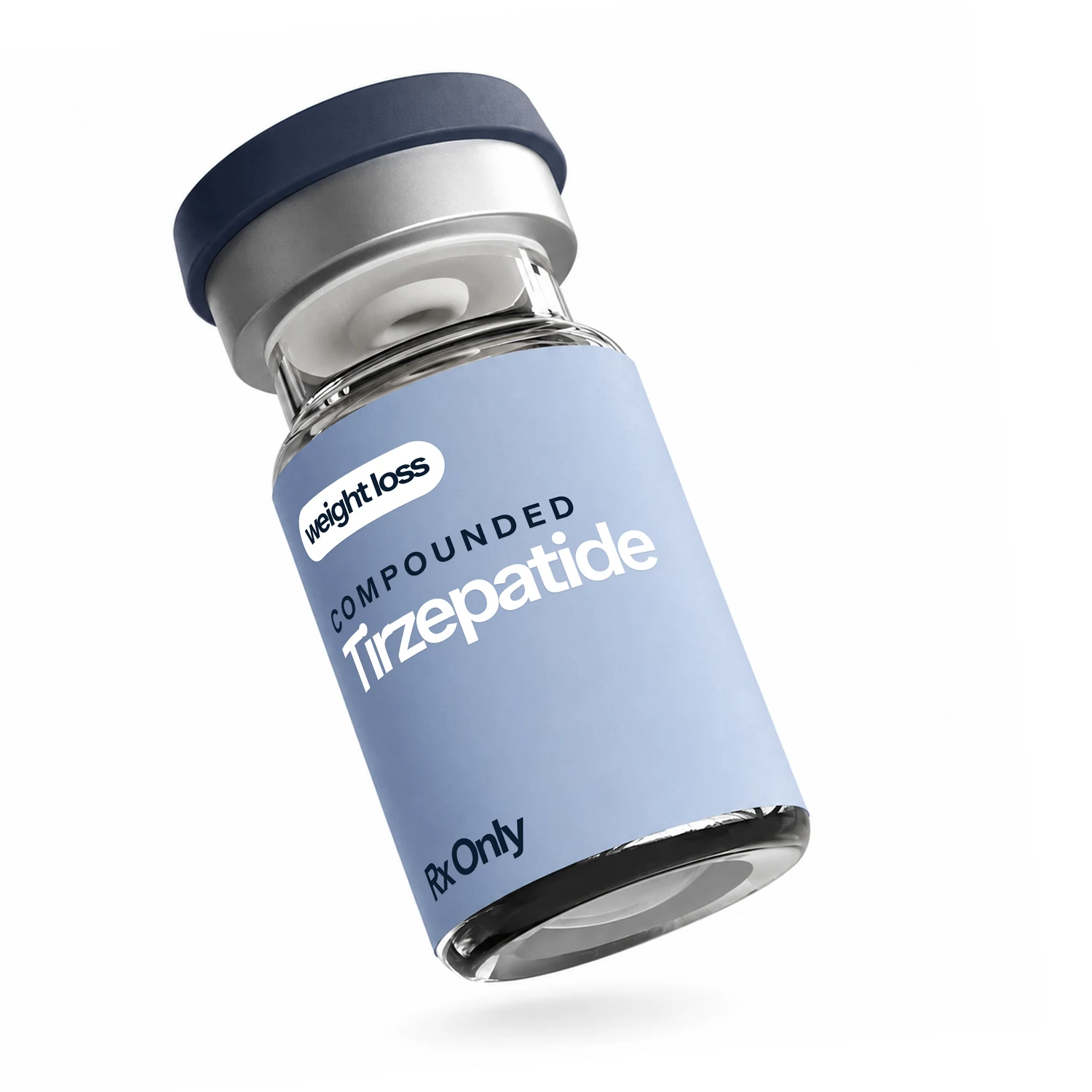
Compounded TirzepatideRx
Weekly GLP-1 + GIP injection.
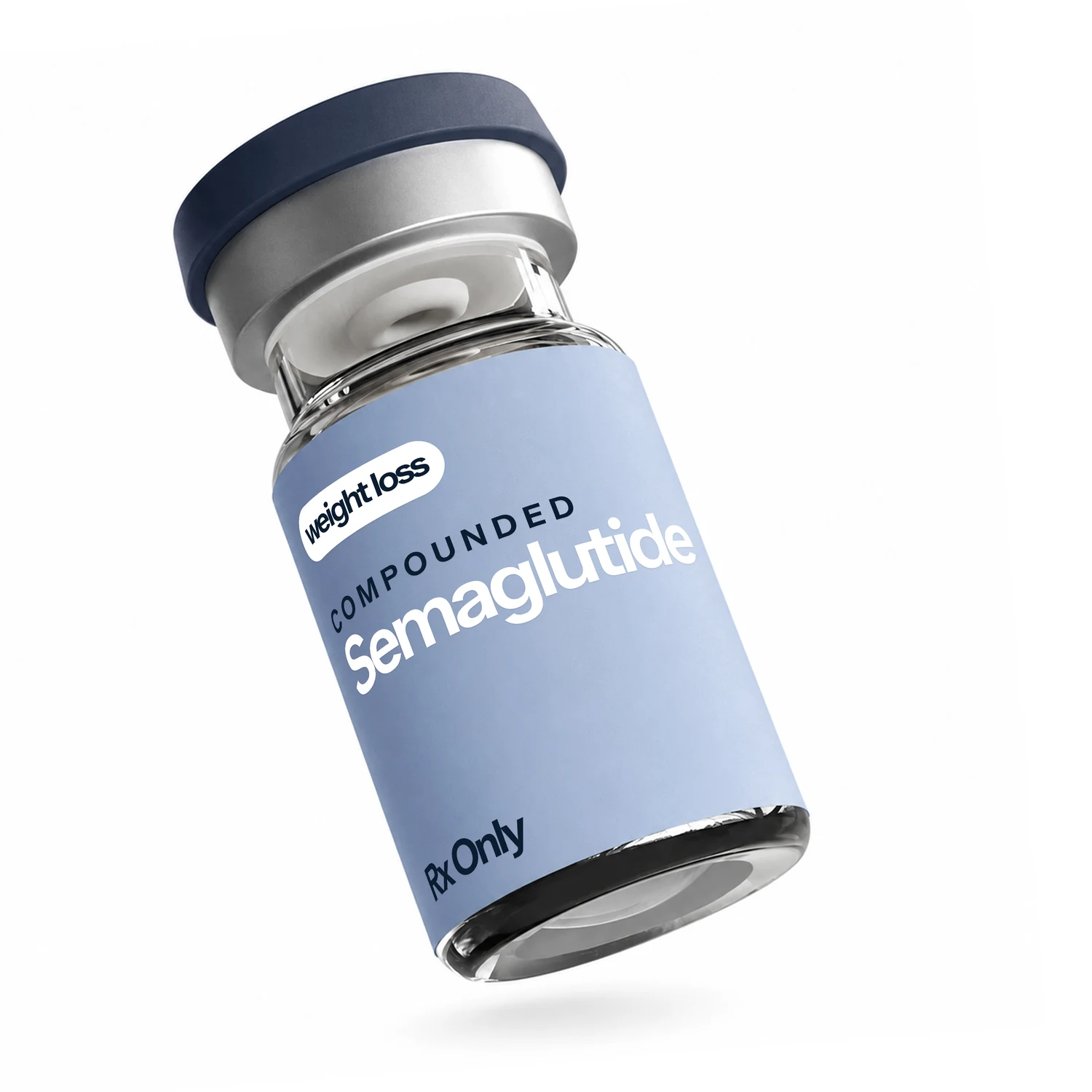
Compounded SemaglutideRx
Weekly GLP-1 injection.
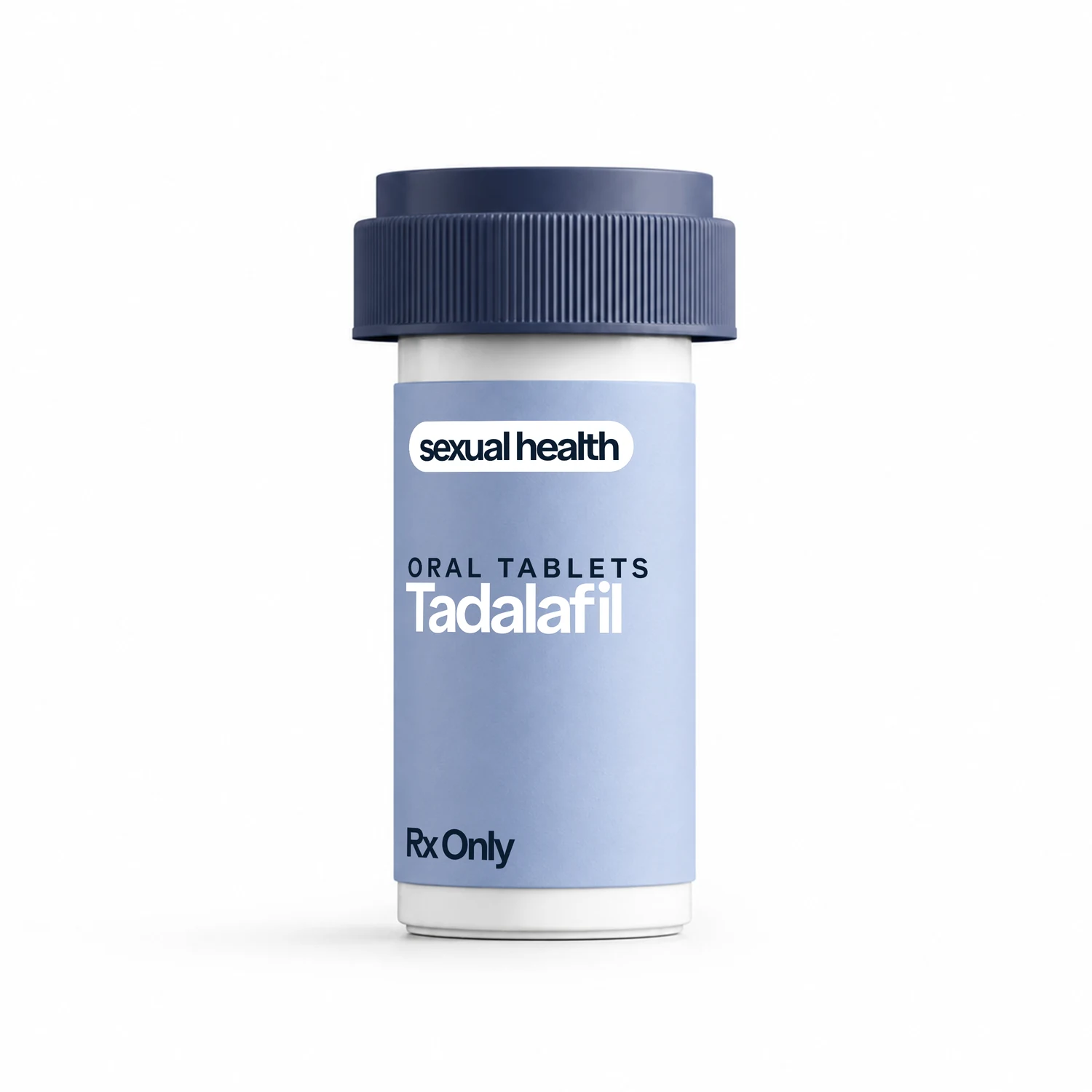
TadalafilRx
Generic Cialis®. Lasts up to 36 hours.

SildenafilRx
Generic Viagra®. Works in 30 minutes.
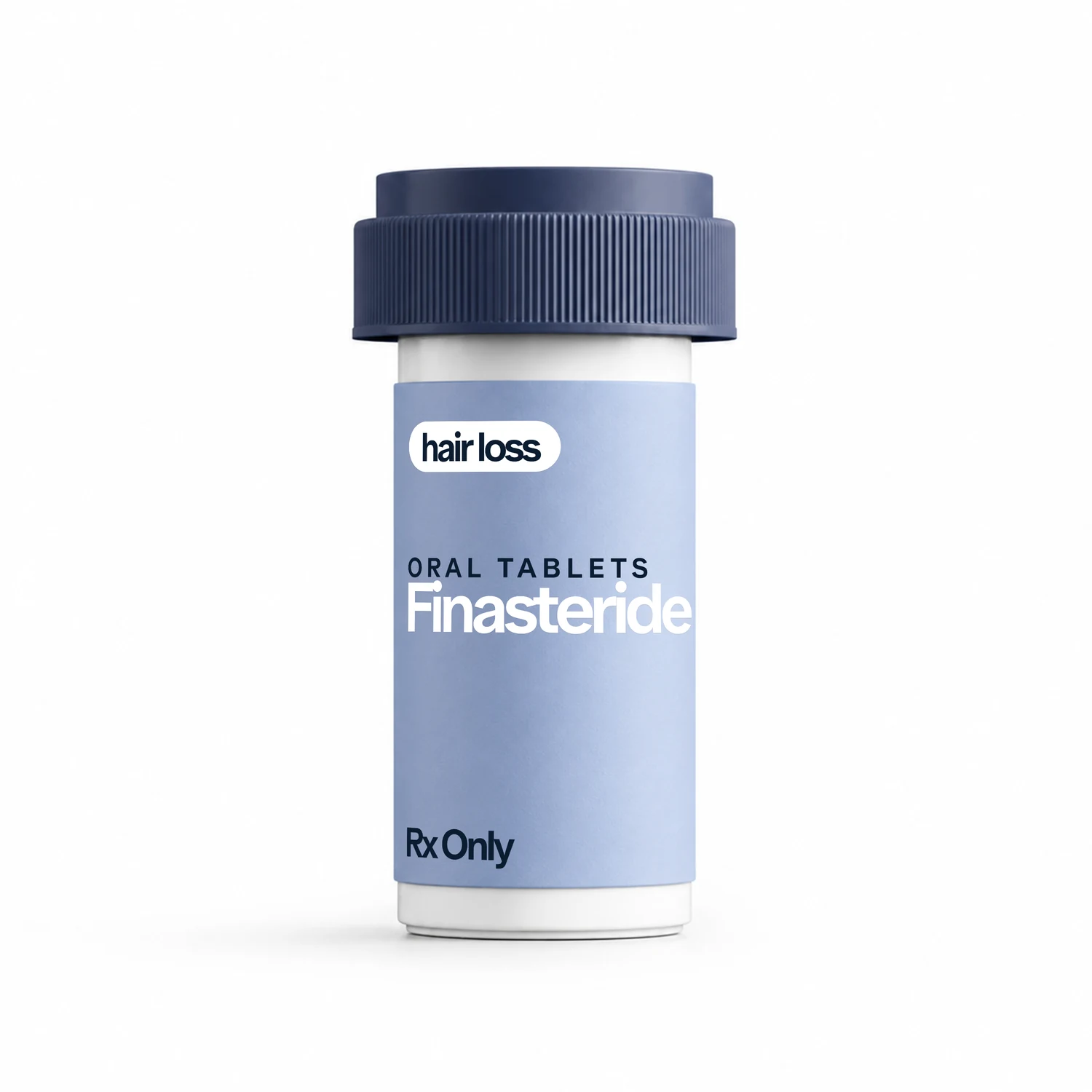
FinasterideRx
Generic Propecia®. Blocks DHT daily.

Hair Regrowth SprayRx
3-in-1 topical: finasteride + minoxidil + tretinoin.
GLP-1 Plateau Men: What to Do When Weight Loss Stalls

Written by David K.
Published February 16, 2026

Key Takeaways
# GLP-1 Plateau Men: What to Do When Weight Loss Stalls
You searched because the scale stopped moving. You started semaglutide or tirzepatide, lost meaningful weight in the first several months, and then — nothing. The number on the scale has not changed in weeks. You are not imagining it. A GLP-1 weight loss plateau is a documented, well-understood physiological event, and it does not mean the medication has stopped working or that you have done something wrong.
This article explains what is happening in your body, why plateaus are built into the biology of weight loss, and what you can do about it — including when a conversation with a licensed provider is the right next step.
Why the Scale Stops: The Biology Behind the Plateau
GLP-1 receptor agonists — the class of medications that includes semaglutide and tirzepatide — work primarily by mimicking glucagon-like peptide-1, a hormone that signals satiety, slows gastric emptying, and modulates insulin release. They are among the most effective tools available for sustained weight reduction in adults with obesity or overweight.
But weight loss is not a straight line. According to data from the STEP trials (the pivotal semaglutide studies published in the New England Journal of Medicine), the rate of weight loss typically peaks within the first six months and then slows — even as participants continue taking the medication at therapeutic doses. The SURMOUNT trials for tirzepatide showed a similar curve: rapid early loss, a deceleration phase, and then a new lower body-weight set point.
The mechanism is adaptive. As body weight decreases, your body requires fewer calories to maintain itself. Resting metabolic rate drops. Lean muscle mass — if not actively preserved — can decline alongside fat. The result is a reduced caloric deficit even if your eating habits have not changed. This is not failure. This is metabolic adaptation, and it is the same phenomenon observed in every sustained weight-loss intervention.
It is also worth noting that plateaus have a cardiovascular dimension. During American Heart Month, it is worth stating plainly: excess visceral fat is a direct driver of cardiovascular risk. The American Heart Association links abdominal obesity to hypertension, dyslipidemia, and insulin resistance — all precursors to cardiac events. Moving through a plateau is not cosmetic. It is stewardship of the cardiovascular system you rely on every day.
What Actually Causes a Plateau on GLP-1 Therapy
Several factors converge to produce a stall. Understanding them helps you address the right one.
Dose ceiling. Both semaglutide and tirzepatide are titrated upward over weeks to reach a therapeutic maintenance dose. If you are at a sub-therapeutic dose — or if your provider has not yet assessed whether a dose adjustment is appropriate — the plateau may reflect an unmet clinical ceiling. This is a conversation for your licensed provider, not an assumption to act on independently.
Caloric recalibration. GLP-1 medications suppress appetite significantly in the early months. Over time, appetite can partially normalize. If food intake has quietly crept back toward prior patterns, the caloric deficit narrows. A 2022 analysis in Obesity found that dietary adherence at six months was a significant predictor of outcomes at twelve months — meaning the behavioral component does not disappear once the prescription is written.
Muscle loss and reduced energy expenditure. Rapid weight loss in any form carries the risk of lean mass reduction. Less muscle means a lower resting metabolic rate. According to research published in the Journal of Clinical Endocrinology and Metabolism, preserving lean mass through resistance exercise during GLP-1 therapy is associated with more favorable body composition outcomes and sustained weight management. Results may vary.
Sleep and stress. Cortisol, the primary stress hormone, promotes fat storage — particularly visceral fat. Chronic poor sleep elevates cortisol and disrupts leptin and ghrelin, two hormones that regulate hunger. The National Institutes of Health identifies sleep deprivation as a meaningful contributor to weight-loss resistance. If you are sleeping fewer than six hours a night, that alone can blunt the medication's effect.
Practical Steps to Move Through a Plateau
A plateau is a signal, not a ceiling. Here is a plain accounting of what tends to work.
Reassess protein intake. Dietary protein is the primary driver of lean mass preservation. Most men in the 45–70 range consume less protein than they need during a caloric deficit. A target of 1.2 to 1.6 grams of protein per kilogram of body weight per day is supported by peer-reviewed research in the context of weight-loss interventions. Whole food sources — eggs, lean beef, chicken, fish — are the foundation.
Add or formalize resistance training. Cardiovascular exercise burns calories during activity. Resistance training rebuilds and preserves the metabolic tissue — muscle — that determines how many calories you burn at rest. Two to three sessions per week of compound movements (squats, deadlifts, rows, presses) is a meaningful threshold. You do not need a coach or a gym membership to start.
Audit total caloric intake without obsessing over it. A two-week food log — even a rough one kept in a notes app — often surfaces patterns that are not visible otherwise. Late-night eating, liquid calories, and portion drift are the three most common culprits.
Review your dose with your provider. This is the most important step and the one most men delay. If you have been at the same dose for more than two to three months and weight loss has stalled completely, your provider may assess whether a titration is appropriate. Do not adjust your own dose. Contact your provider through the patient portal.
The Cardiovascular Connection Worth Knowing
This is American Heart Month. One fact belongs in this conversation: erectile dysfunction (ED) is frequently the first clinical sign of cardiovascular disease in men. According to a study published in the Journal of the American College of Cardiology, men with ED have a significantly elevated risk of future cardiac events — often preceding diagnosis of coronary artery disease by several years. Visceral fat, insulin resistance, and vascular inflammation drive both conditions through shared pathways.

Managing weight through a plateau is not separate from protecting your heart. It is the same work. A man who moves through a GLP-1 plateau and reaches a stable, healthy body weight is also reducing the inflammatory and metabolic load on his cardiovascular system. That matters at 50. It matters more at 60.
Where Good Guy Rx Fits
Good Guy Rx is a technology platform. It connects men to independent licensed physicians and independent state-licensed compounding pharmacies. It does not manufacture medications. It does not dispense them. It provides the infrastructure for a man to have a proper clinical consultation and, when appropriate, access to a treatment plan managed by real providers.
If you are on a GLP-1 protocol and experiencing a plateau, the right path is a documented conversation with your assigned provider — not a forum post, not a dose adjustment made on your own.
For men who have not yet started and want to understand their options, semaglutide and tirzepatide are both available through the platform following an independent clinical evaluation. These are compounded medications prepared by state-licensed compounding pharmacies in accordance with FDA regulations. They are not FDA-approved compounded products. Pricing, eligibility, and dosing are determined by your independent licensed provider.
Results may vary.
What to Do Next
Step 1. Log in to the patient portal and message your provider. Describe the plateau specifically: how long it has lasted, your current dose, any changes in diet or activity. Bring data, not frustration.
Step 2. Begin a two-week food and protein log. Note total daily protein in grams. Compare it to the 1.2–1.6 g/kg target.
Step 3. Add resistance training to your week — even two sessions. Compound lifts. Progressive load. Consistency over intensity.
Step 4. If you are not yet a patient and want a clinical evaluation for a GLP-1 protocol, start an online visit. An independent licensed provider will review your history and determine whether treatment is appropriate for you.
The scale will move again. The work in the meantime is not wasted.
Sources
- STEP 1 Trial: Semaglutide and Sustained Weight Reduction — New England Journal of Medicine — https://www.nejm.org/doi/full/10.1056/NEJMoa2032183
- SURMOUNT-1 Trial: Tirzepatide and Weight Reduction in Adults with Obesity — New England Journal of Medicine — https://www.nejm.org/doi/full/10.1056/NEJMoa2206038
- Dietary Adherence and Weight-Loss Outcomes at 12 Months — Obesity — https://onlinelibrary.wiley.com/journal/1930739x
- Lean Mass Preservation During GLP-1 Therapy — Journal of Clinical Endocrinology and Metabolism — https://academic.oup.com/jcem
- Sleep Deprivation and Weight-Loss Resistance — National Institutes of Health — https://www.nih.gov/
- Erectile Dysfunction as a Predictor of Cardiovascular Events — Journal of the American College of Cardiology — https://www.jacc.org/
- Visceral Obesity and Cardiovascular Risk — American Heart Association — https://www.heart.org/
This article is for informational purposes only and does not constitute medical advice. Talk with a licensed provider through the patient portal before starting any treatment.
References
- STEP trial
- SURMOUNT trial
- [SURMOUNT-1 Trial: Tirzepatide and Weight Reduction in Adults with Obesity — New England Journal of Medicine — https://www.nejm.org/doi/full/10.1056/NEJMoa2206038](https://www.nejm.org/doi/full/10.1056/NEJMoa2206038)
- [Dietary Adherence and Weight-Loss Outcomes at 12 Months — Obesity — https://onlinelibrary.wiley.com/journal/1930739x](https://onlinelibrary.wiley.com/journal/1930739x)
- [Lean Mass Preservation During GLP-1 Therapy — Journal of Clinical Endocrinology and Metabolism — https://academic.oup.com/jcem](https://academic.oup.com/jcem)
- [Sleep Deprivation and Weight-Loss Resistance — National Institutes of Health — https://www.nih.gov/](https://www.nih.gov/)
- [Erectile Dysfunction as a Predictor of Cardiovascular Events — Journal of the American College of Cardiology — https://www.jacc.org/](https://www.jacc.org/)
- [Visceral Obesity and Cardiovascular Risk — American Heart Association — https://www.heart.org/](https://www.heart.org/)
Share this article

Ready to start your journey?
Complete your free online visit and see if GLP-1 treatment is right for you.
Get Started