
Good Guy Rx
Take care of what God gave you.
Get started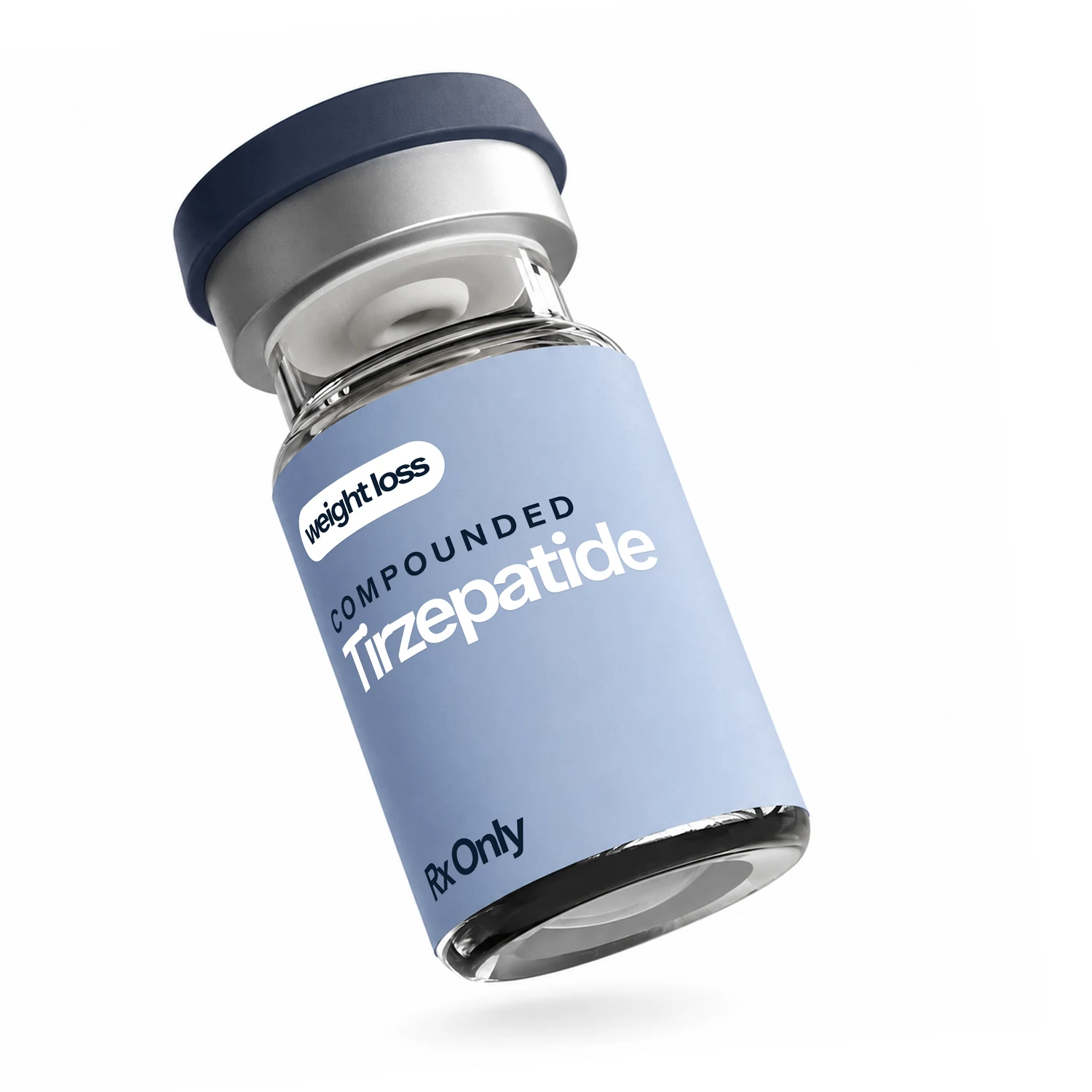
Compounded TirzepatideRx
Weekly GLP-1 + GIP injection.
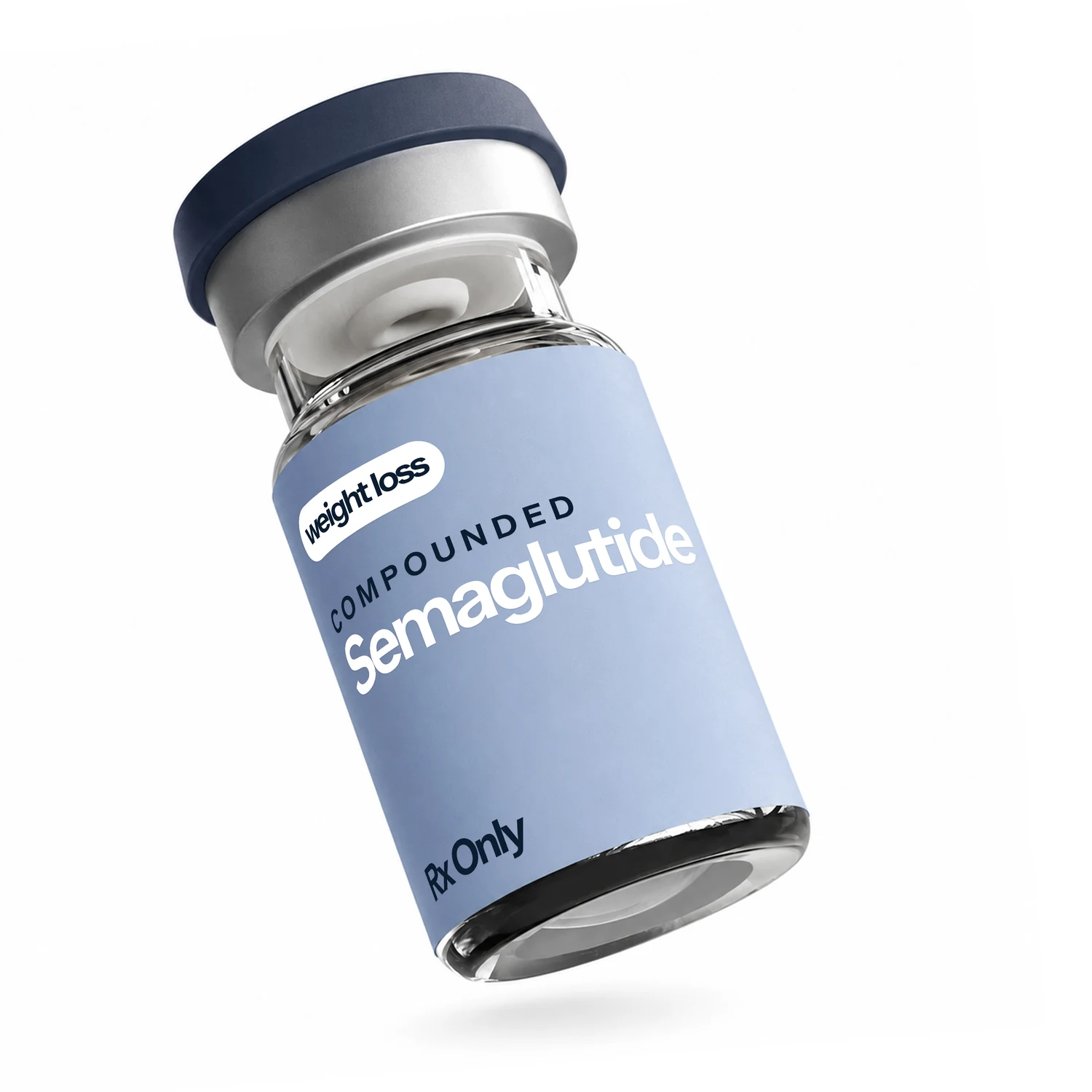
Compounded SemaglutideRx
Weekly GLP-1 injection.
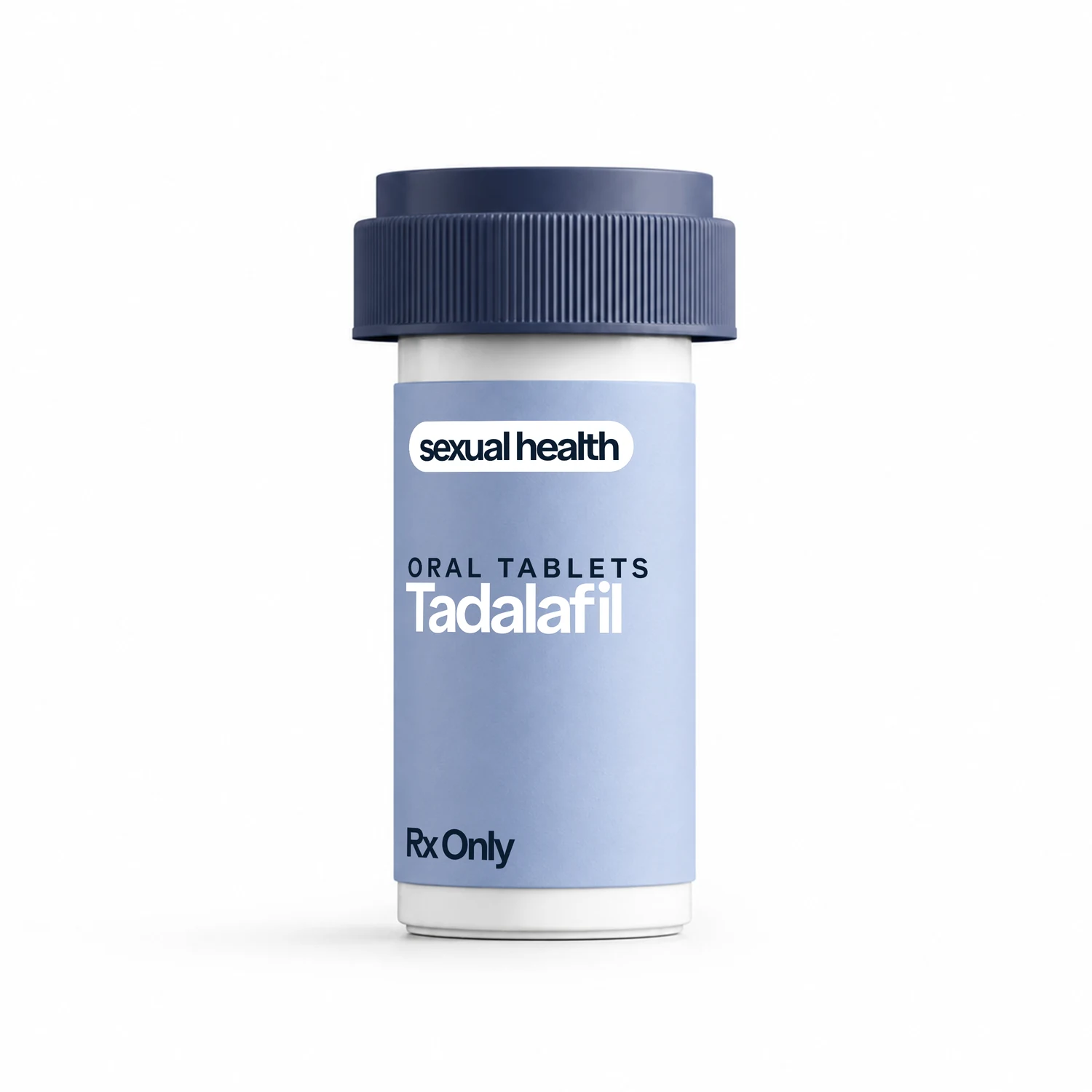
TadalafilRx
Generic Cialis®. Lasts up to 36 hours.
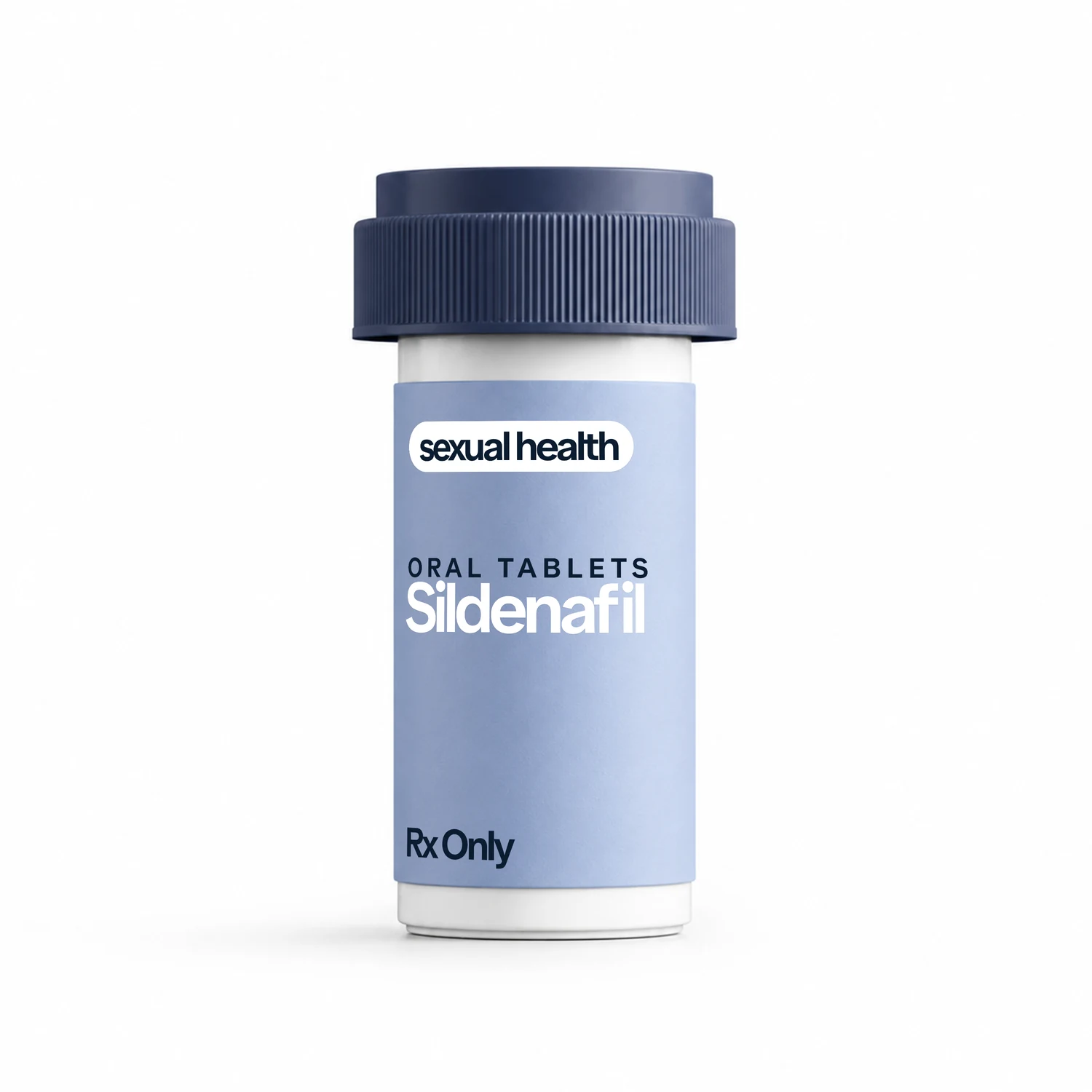
SildenafilRx
Generic Viagra®. Works in 30 minutes.
FinasterideRx
Generic Propecia®. Blocks DHT daily.

Hair Regrowth SprayRx
3-in-1 topical: finasteride + minoxidil + tretinoin.
GLP-1, Weight Loss, and Testosterone in Men

Written by Marcus W.
Published May 11, 2026

Key Takeaways
In men with obesity-related hypogonadism, clinically significant weight loss achieved with GLP-1 receptor agonists is associated with measurable increases in serum testosterone — often without exogenous hormone therapy.
How Obesity Suppresses Testosterone
To understand the connection, it helps to know what hypogonadism means in this context. Hypogonadism is the clinical term for inadequate testosterone production by the testes. In men with excess adipose (fat) tissue, a specific pattern called functional hypogonadism — sometimes called obesity-related hypogonadism — is common and, critically, often reversible.
Here is the chain of events:
- Adipose tissue is not inert storage. It is metabolically active and contains the enzyme aromatase, which converts testosterone into estradiol (a form of estrogen).
- Elevated estradiol signals the hypothalamic-pituitary axis — the brain's hormone-control center — to reduce output of luteinizing hormone (LH), the signal that tells the testes to produce testosterone.
- Excess visceral fat also drives insulin resistance and systemic inflammation, both of which independently suppress testicular function.
- The result: low total testosterone and free testosterone, with symptoms that may include fatigue, reduced libido, difficulty maintaining muscle mass, and low mood.
According to a review published in the Journal of Clinical Endocrinology and Metabolism, the prevalence of hypogonadism in men with obesity may exceed 40%, and in men with class III obesity (BMI ≥ 40), some estimates approach 50%. Results may vary based on individual metabolic profile, age, and comorbid conditions.
What GLP-1 Receptor Agonists Do
GLP-1 stands for glucagon-like peptide-1, an incretin hormone produced in the gut after eating. GLP-1 receptor agonists are medications that mimic this hormone. They work through several overlapping mechanisms:
- They slow gastric emptying (food leaves the stomach more slowly, prolonging satiety).
- They act on GLP-1 receptors in the hypothalamus to reduce appetite signals.
- They improve pancreatic beta-cell function and reduce post-meal glucose spikes.
- They reduce systemic inflammation and, over time, visceral adiposity.
The net effect is sustained caloric deficit leading to meaningful weight loss — and with that weight loss comes a reversal of the hormonal suppression described above.
The Evidence Base
The strongest clinical data on GLP-1–mediated weight loss comes from two trial programs:

The STEP trials (semaglutide): The STEP 1 trial, published in the New England Journal of Medicine in 2021, enrolled 1,961 adults with obesity (BMI ≥ 30) or overweight with at least one weight-related comorbidity. Participants treated with once-weekly subcutaneous semaglutide 2.4 mg achieved substantial mean body weight reduction versus placebo over 68 weeks. Results may vary.
The SURMOUNT trials (tirzepatide): The SURMOUNT-1 trial, published in the New England Journal of Medicine in 2022, evaluated tirzepatide — a dual GIP/GLP-1 receptor agonist — in 2,539 adults with obesity. Tirzepatide acts on both glucose-dependent insulinotropic polypeptide (GIP) receptors and GLP-1 receptors simultaneously, producing weight reduction that exceeded that seen with GLP-1 single agonists in head-to-head comparisons. Results may vary.
On testosterone specifically: A 2023 analysis published in [Obesity](https://onlinelibrary.wiley.com/journal/1930739x) examined testosterone trajectories in men with obesity enrolled in weight-loss interventions. Researchers observed that reductions in fat mass — particularly visceral fat — were associated with significant increases in total and free testosterone, mediated by reductions in aromatase activity and improved LH pulsatility. Peer-reviewed research further suggests that for every meaningful unit of BMI reduction, testosterone may rise incrementally, though individual responses vary considerably. Results may vary.
The American Urological Association guidelines acknowledge that weight loss is a first-line intervention for functional hypogonadism before or alongside testosterone replacement therapy consideration.
Who Is — and Is Not — a Candidate
Potentially appropriate candidates (subject to provider evaluation): - Men with BMI ≥ 30, or BMI ≥ 27 with a weight-related comorbidity such as type 2 diabetes, hypertension, or dyslipidemia - Men with documented low testosterone in the context of obesity who want to explore a non-hormonal pathway first - Men who have not responded adequately to lifestyle modification alone
Contraindications and cautions — the prescribing provider will screen for: - Personal or family history of medullary thyroid carcinoma (MTC) or Multiple Endocrine Neoplasia syndrome type 2 (MEN 2) — GLP-1 receptor agonists carry an FDA boxed warning for these conditions - Active or recent pancreatitis - Severe gastroparesis or other significant gastrointestinal motility disorders - Pregnancy or planned pregnancy - Certain renal or hepatic conditions requiring dose adjustment
GLP-1 receptor agonists are not appropriate as a shortcut for men who are not clinically overweight, and they do not replace evaluation for primary hypogonadism (testicular or pituitary pathology).
What to Expect on Treatment
Early weeks (1–4): Appetite reduction is typically the first noticeable effect. Nausea, mild bloating, and constipation or loose stools are common, particularly during dose escalation. These effects tend to diminish as the body adjusts.
Weeks 4–12: Weight loss becomes measurable. Most protocols use a gradual dose titration to minimize gastrointestinal side effects.
Months 3–6 and beyond: Continued fat mass reduction. Testosterone changes, if they occur, generally track with sustained weight loss rather than appearing immediately. Do not expect hormonal shifts in the first month.
When to contact the prescribing provider promptly: - Persistent vomiting preventing hydration - Severe abdominal pain radiating to the back (potential pancreatitis signal) - Signs of hypoglycemia if you are also on other glucose-lowering medications - Any new or worsening depression or mood changes

A Note on Men's Mental Health — May Is Mental Health Awareness Month
Men account for approximately 80% of suicide deaths in the United States, yet represent only about 20% of crisis helpline contacts, according to data from the American Foundation for Suicide Prevention (AFSP). That gap — between how often men are suffering and how rarely they reach out — is one of the most important numbers in public health.
Low testosterone and obesity are each independently associated with elevated rates of depression and anxiety. Addressing the physiological underpinning does not replace mental health care, but it is part of the whole picture. If you are struggling emotionally, contact the 988 Suicide and Crisis Lifeline by calling or texting 988. Reach out. It is a clinical act of self-preservation.
The Good Guy Rx Pathway
Good Guy Rx is a technology platform that connects men to independent licensed physicians and independent state-licensed pharmacies. If you are interested in whether a GLP-1 receptor agonist such as tirzepatide — prepared by state-licensed compounding pharmacies in accordance with FDA regulations — may be appropriate for your situation, the prescribing provider determines candidacy after a full medical intake. Start with the weight loss assessment to connect with a licensed provider. Direct clinical questions to your provider through the patient portal, not to support staff.
Sources
- STEP 1 Trial: Semaglutide for Weight Management — New England Journal of Medicine — https://www.nejm.org/doi/full/10.1056/NEJMoa2032183
- SURMOUNT-1 Trial: Tirzepatide for Obesity — New England Journal of Medicine — https://www.nejm.org/doi/full/10.1056/NEJMoa2206038
- Obesity-Related Hypogonadism and Weight Loss — Obesity Journal — https://onlinelibrary.wiley.com/journal/1930739x
- Hypogonadism Prevalence and Obesity — Journal of Clinical Endocrinology and Metabolism — https://pubmed.ncbi.nlm.nih.gov/
- AUA Guidelines on Testosterone Deficiency — American Urological Association — https://www.auanet.org/
- Suicide Statistics — American Foundation for Suicide Prevention — https://afsp.org/
- 988 Suicide and Crisis Lifeline — SAMHSA/NIH — https://988lifeline.org/
This article is educational. A licensed provider determines whether you are a candidate after a medical intake.
References
- STEP trial
- SURMOUNT trial
- [SURMOUNT-1 Trial: Tirzepatide for Obesity — New England Journal of Medicine — https://www.nejm.org/doi/full/10.1056/NEJMoa2206038](https://www.nejm.org/doi/full/10.1056/NEJMoa2206038)
- [Obesity-Related Hypogonadism and Weight Loss — Obesity Journal — https://onlinelibrary.wiley.com/journal/1930739x](https://onlinelibrary.wiley.com/journal/1930739x)
- [Hypogonadism Prevalence and Obesity — Journal of Clinical Endocrinology and Metabolism — https://pubmed.ncbi.nlm.nih.gov/](https://pubmed.ncbi.nlm.nih.gov/)
- [AUA Guidelines on Testosterone Deficiency — American Urological Association — https://www.auanet.org/](https://www.auanet.org/)
- [Suicide Statistics — American Foundation for Suicide Prevention — https://afsp.org/](https://afsp.org/)
- [988 Suicide and Crisis Lifeline — SAMHSA/NIH — https://988lifeline.org/](https://988lifeline.org/)
Share this article

Ready to start your journey?
Complete your free online visit and see if GLP-1 treatment is right for you.
Get Started