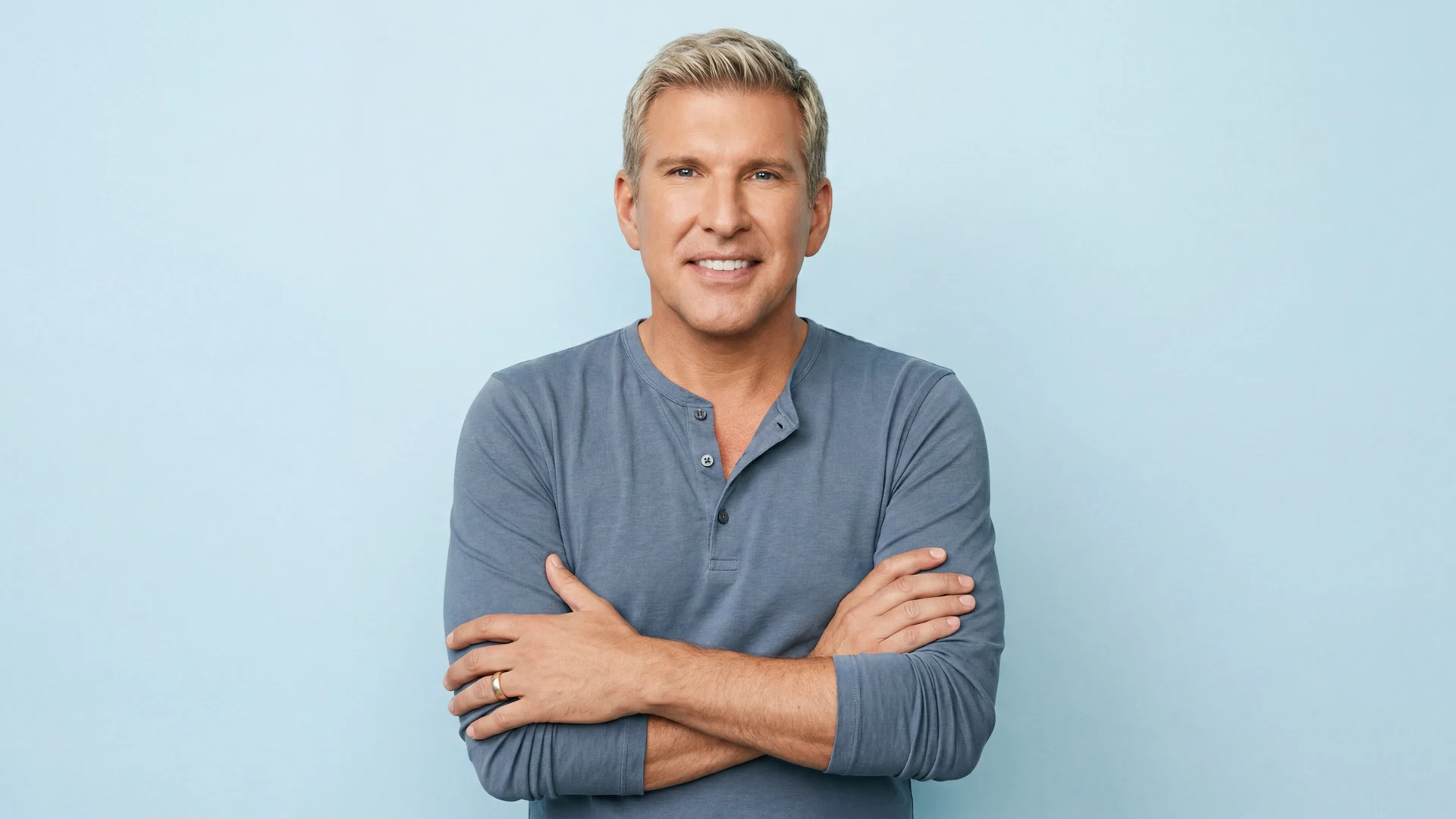
Good Guy Rx
Take care of what God gave you.
Get started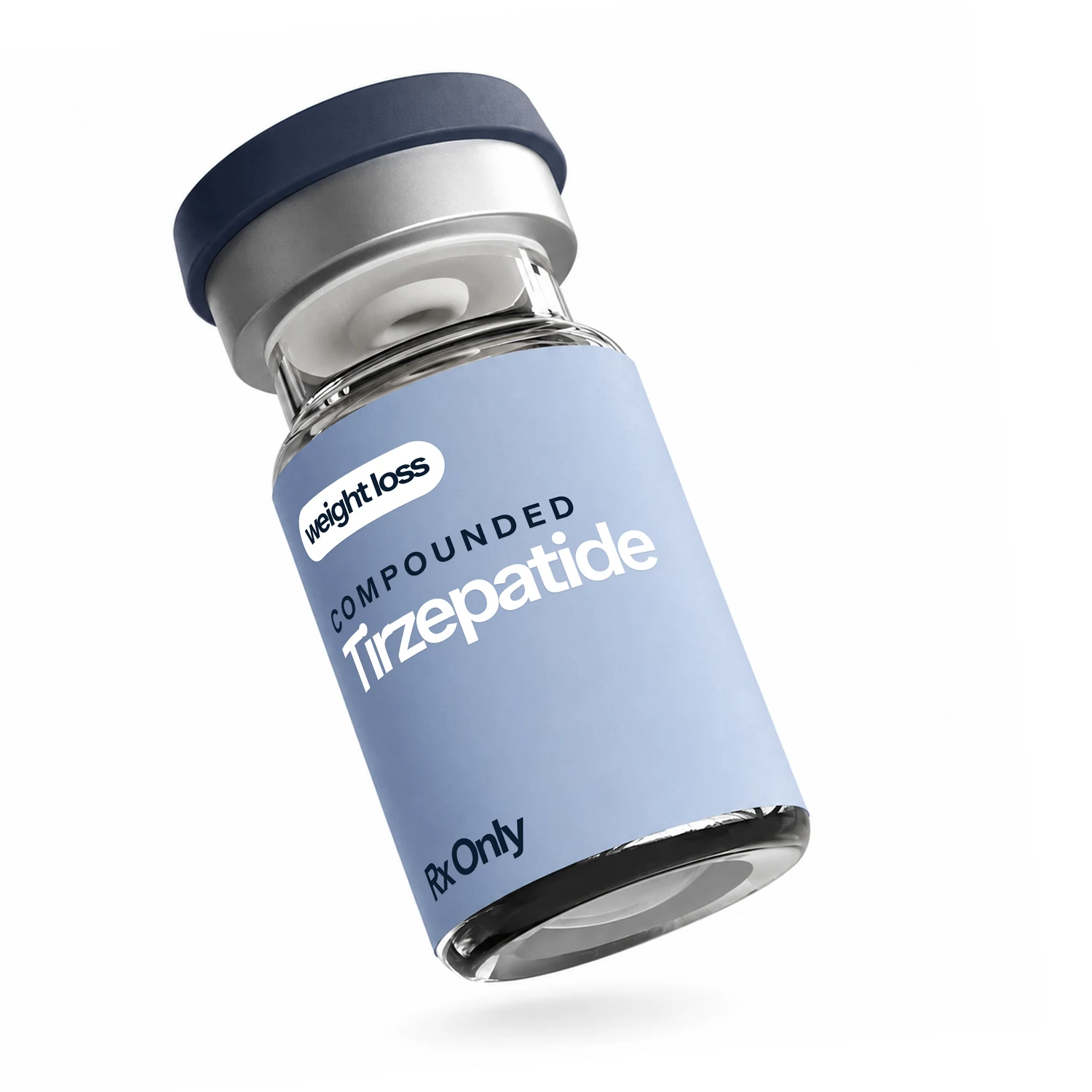
Compounded TirzepatideRx
Weekly GLP-1 + GIP injection.
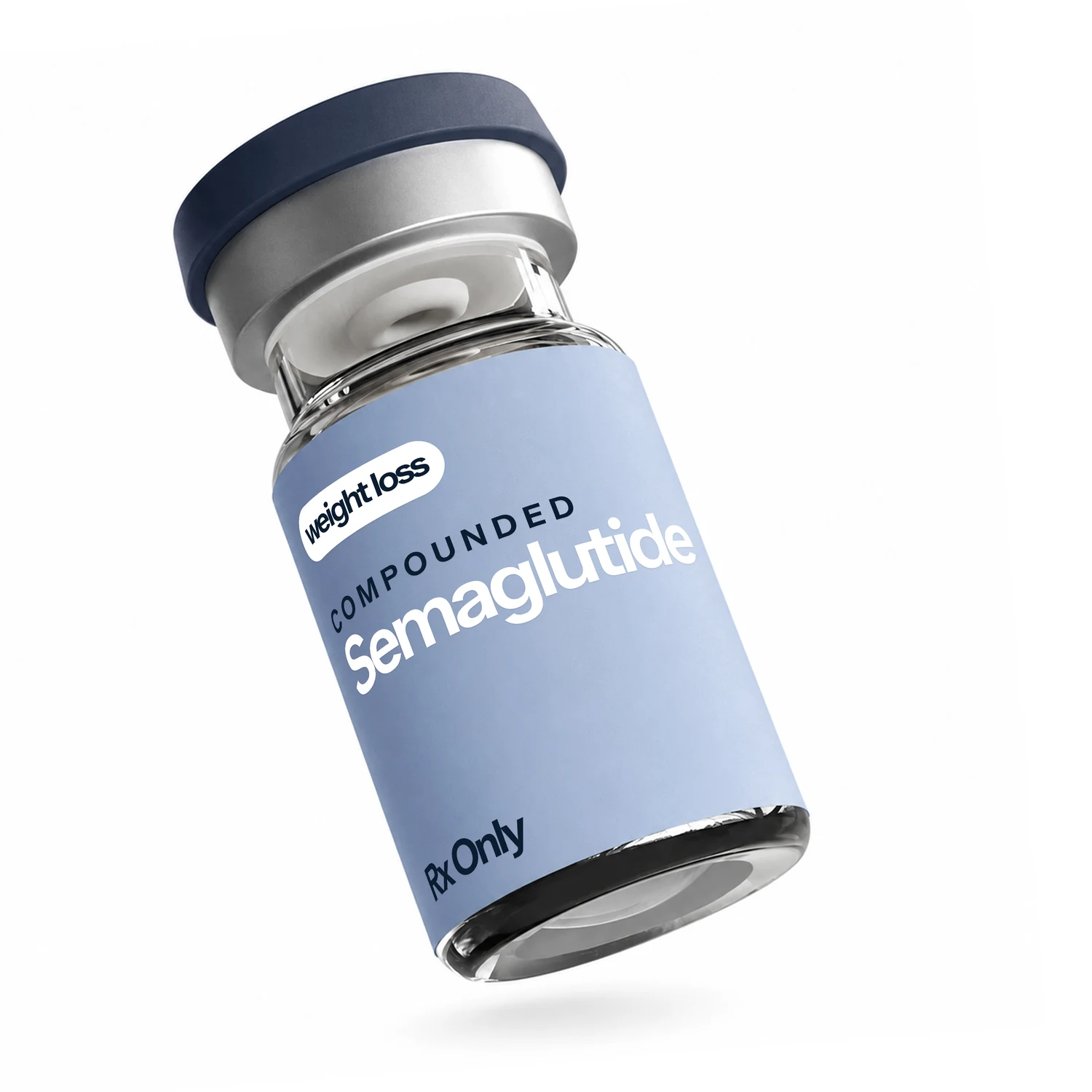
Compounded SemaglutideRx
Weekly GLP-1 injection.
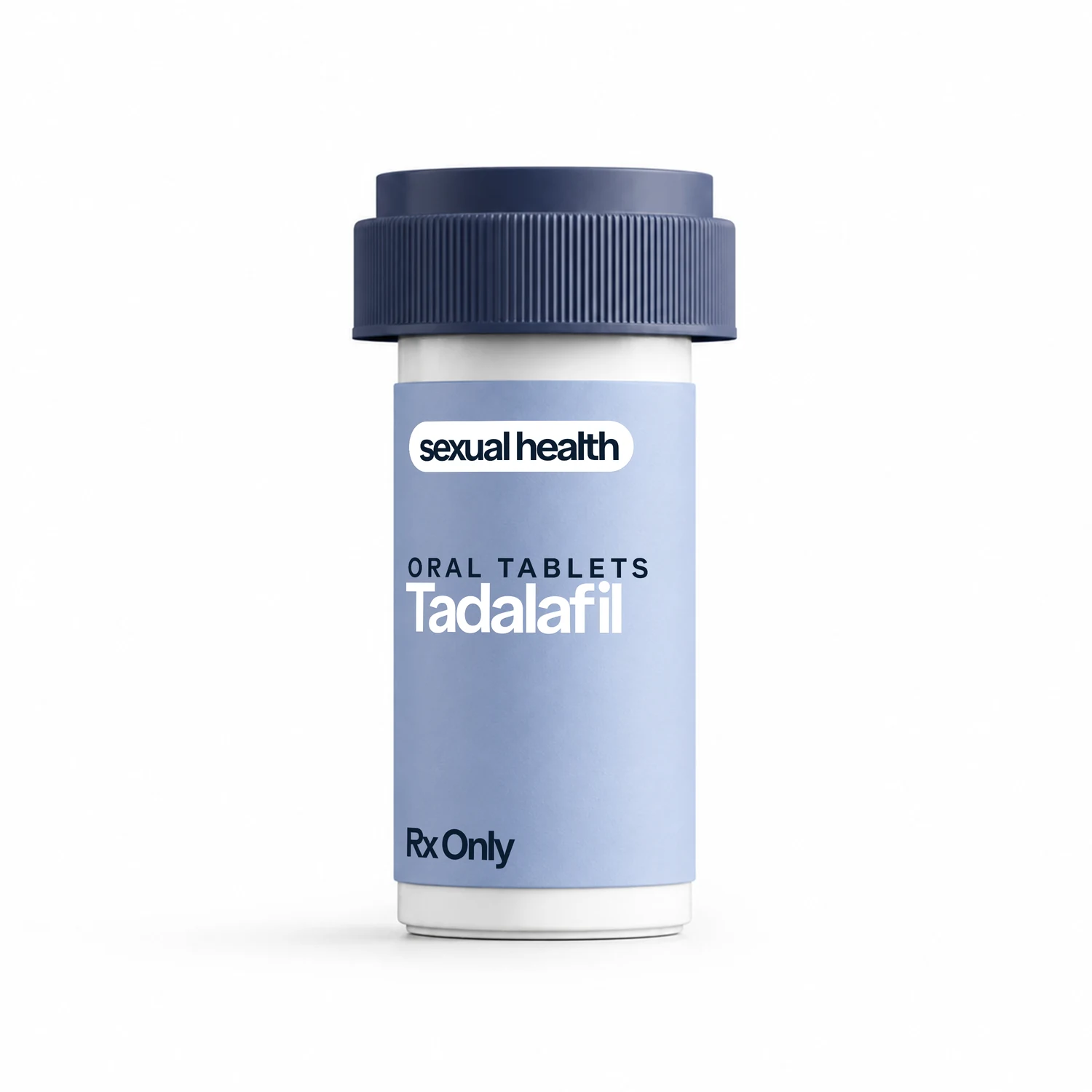
TadalafilRx
Generic Cialis®. Lasts up to 36 hours.
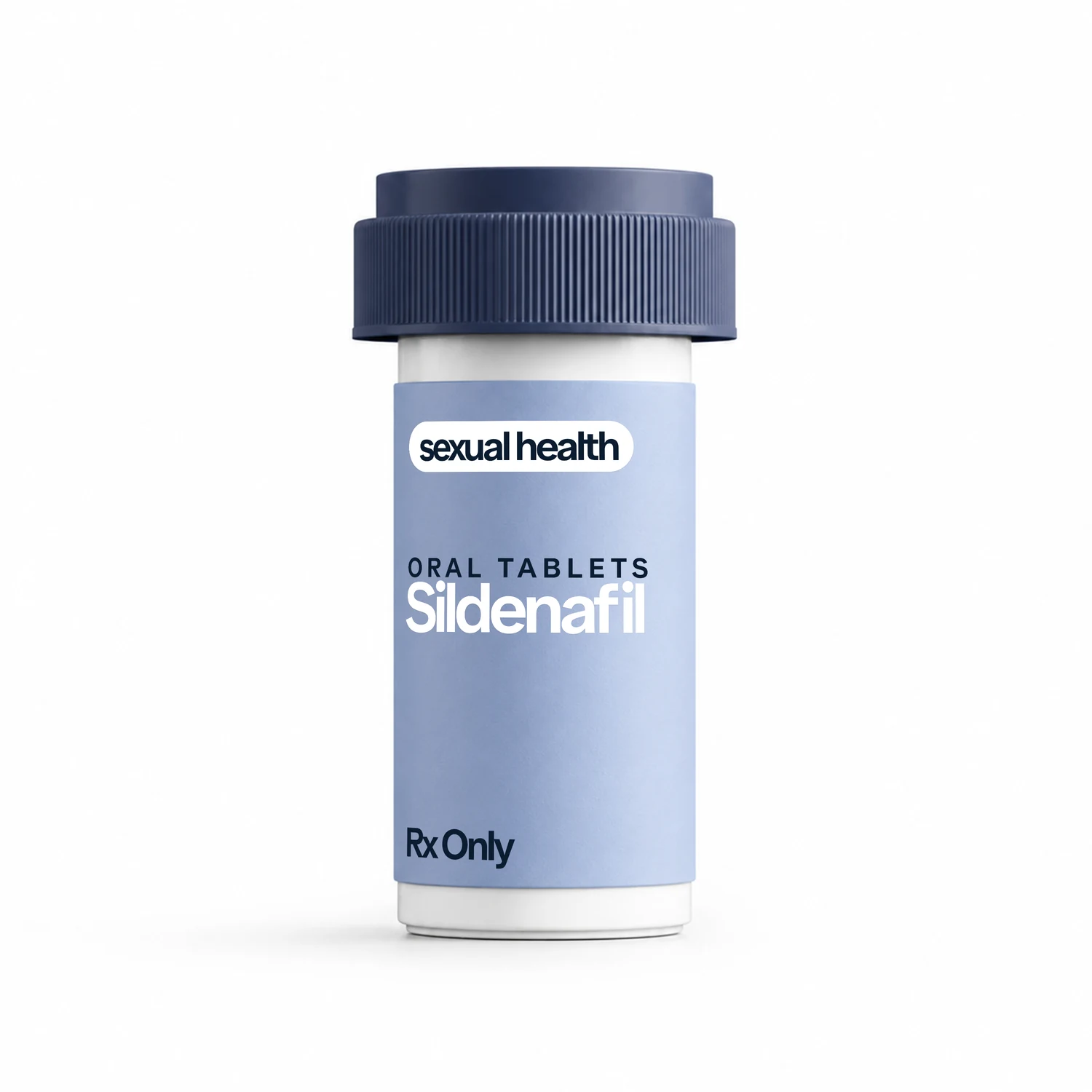
SildenafilRx
Generic Viagra®. Works in 30 minutes.
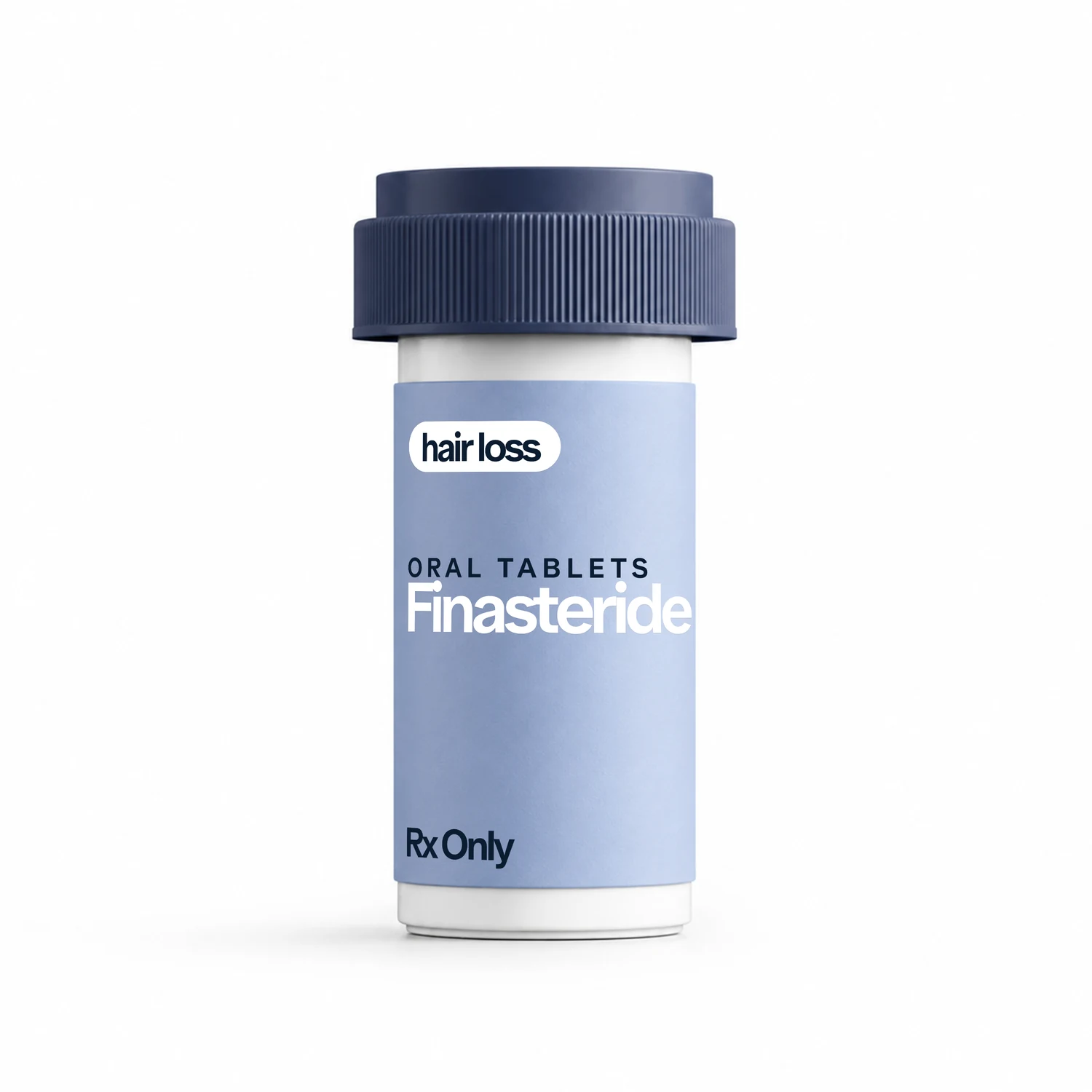
FinasterideRx
Generic Propecia®. Blocks DHT daily.
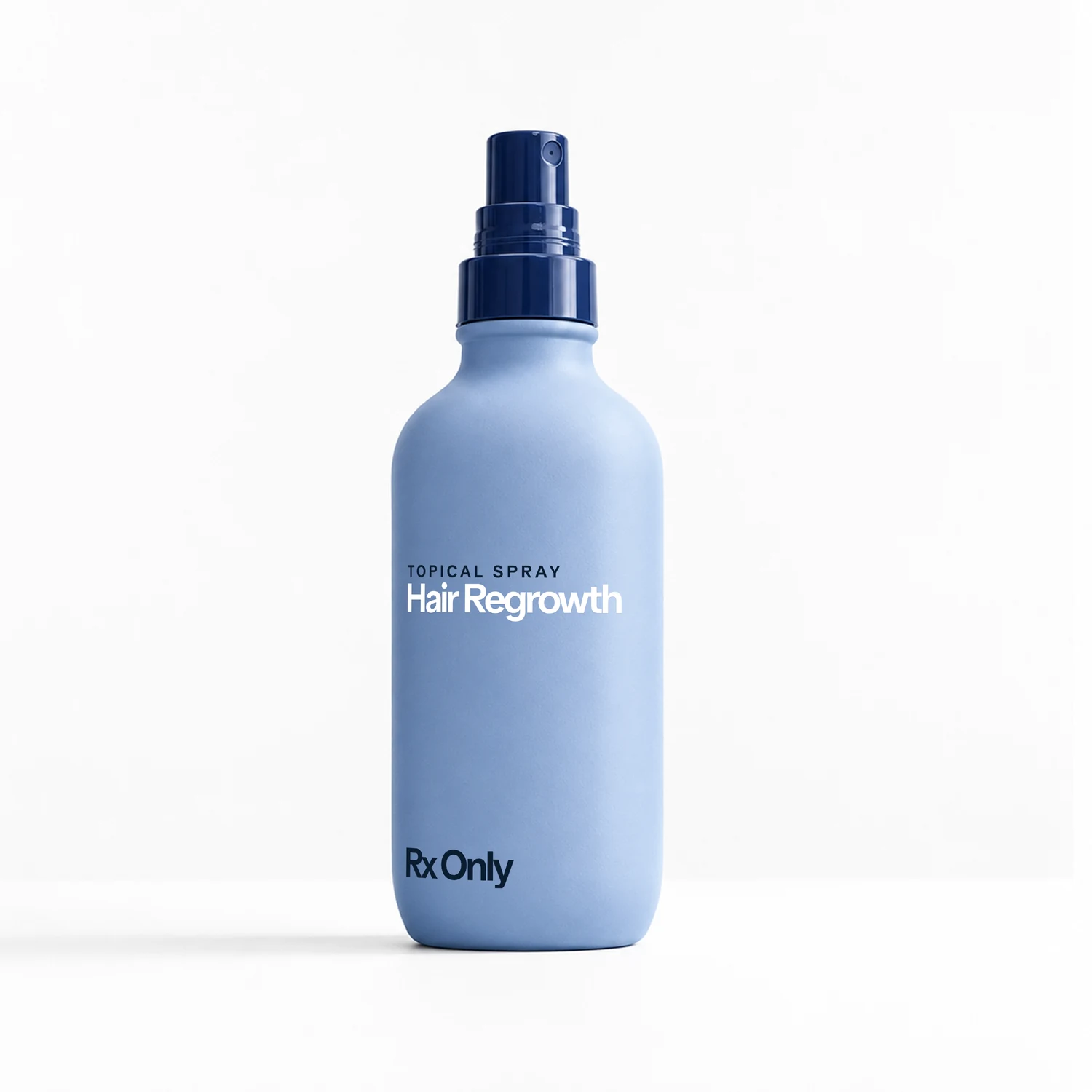
Hair Regrowth SprayRx
3-in-1 topical: finasteride + minoxidil + tretinoin.
The "I Am Fine" Trap: What Men Won't Say
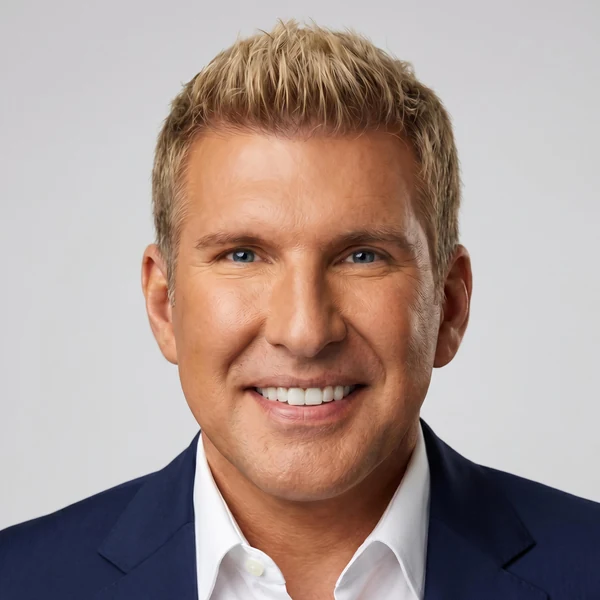
Written by Todd Chrisley
Published March 19, 2026

Key Takeaways
# The "I Am Fine" Trap: What Men Won't Say
I said "I am fine" for years. I said it to Julie. I said it to my kids. I said it to God, which is the most foolish place you can take that lie, because He already knows the answer. I was not fine. I was running fast enough that I did not have to feel the distance between who I was presenting to the world and who I actually was inside that house, behind that door, in the dark at two in the morning.
If that sounds familiar to you, keep reading. This one is for you.
The Story
I am not going to dress up what those years looked like. There was pressure from every direction — business, family, cameras, critics — and my default setting was the same as most men I know: absorb it, compress it, perform fine. That performance is not strength. I thought it was. I was wrong.
When everything fell apart publicly — and I mean publicly, in a way most men will never experience — I did not have the option of performing fine anymore. The mask was gone. What I found underneath it was not a man who had failed. It was a man who had been quietly drowning for a long time and had convinced everyone around him, including himself, that he was swimming laps.
Twenty-eight months in federal prison will strip every layer of false fine right off of you. There is no audience in a prison cell. There is no performance. There is just you, the truth, and whatever relationship you have with God. Mine needed serious repair. His grace was bigger than my damage. It always is. But I had to stop saying "fine" before I could receive any of it.
What This Means for You
Men hiding depression do not look like men hiding depression. That is the trap. You are not lying in bed. You are coaching the youth team, closing deals, grilling on Saturday. You are present in body and absent everywhere else. The people who love you feel it even if they cannot name it.
According to the National Institute of Mental Health, more than six million men in the United States experience depression each year — and men are significantly less likely than women to seek treatment. The Movember Foundation has documented that men's emotional avoidance is one of the primary reasons male mental health conditions go undiagnosed and untreated for years, sometimes decades.
A 2023 study published in the American Journal of Men's Health found that men consistently underreport depressive symptoms to clinicians, framing emotional distress through physical complaints — fatigue, back pain, irritability — rather than naming what is actually happening. The authors concluded that men saying "I am fine" functions as a cultural reflex, not an honest self-assessment.

Here is the thing nobody tells you: that reflex has a cost. It costs you presence. It costs your marriage quiet degrees of intimacy you will not even notice leaving until one day you look across the dinner table and realize you are strangers who love each other. It costs your health — chronic stress drives cortisol dysregulation, which the NIH links directly to cardiovascular risk, disrupted sleep, and metabolic dysfunction in men over forty.
The cost compounds. And you are paying it silently.
What to Actually Do
Enough story. Here is the practical side of this, because talking without action is just another form of avoidance.
Start with your body, because that is where men will go first. If you will not call it depression, call it maintenance. You maintain your car, your house, your career. You are allowed to maintain yourself.
Sleep. Seven to nine hours is not a luxury. The CDC reports that more than a third of American adults are chronically sleep-deprived, and men in high-pressure careers are disproportionately affected. Sleep is when your brain clears waste, when testosterone is restored, and when your nervous system steps down from threat response. Protect it like a meeting you cannot miss.
Eat with some intention. National Nutrition Month is a good time to be honest about what you are putting in. Research published in The Lancet consistently associates the Mediterranean dietary pattern — lean proteins, fish, olive oil, vegetables, whole grains — with reduced inflammatory markers and lower rates of depression in middle-aged men. You do not need a plan. You need protein at every meal and fewer things that come out of a bag.
Move. Not to look different. To feel differently. A brisk thirty-minute walk five days a week is enough to measurably reduce cortisol and improve serotonin regulation, according to peer-reviewed research summarized by the NIH. You do not need a gym. You need consistency.
Talk to someone. A licensed counselor. A pastor. Your wife. Your doctor. Not a person at a bar, not a podcast, not yourself at two in the morning. A real person who can listen and push back. The American Foundation for Suicide Prevention reports that men die by suicide at a rate nearly four times higher than women. The silence is not neutral. It has a body count.
If you are sitting where I was sitting — not suicidal, not in crisis, just quietly not fine — you still have every reason to say something out loud. Grace, growth, and truth start with honesty. You cannot receive what you will not admit you need.
A note about your physical health from the Good Guy Rx platform:

Mental load and emotional avoidance in men over forty rarely travel alone. Hormonal shifts, sleep disruption, and metabolic changes are all clinically connected to mood, energy, and drive. If you have been feeling flat, foggy, or less like yourself — and you have been calling it stress — it may be worth a real clinical conversation.
Good Guy Rx is a technology platform that connects men to independent licensed physicians and independent state-licensed pharmacies. Our licensed providers can assess what is actually happening beneath the surface, including hormone health and related physical factors that contribute to how you feel day to day. No waiting room. No judgment.
Take the men's health assessment here and let a licensed provider give you an honest answer — not the one you have been giving yourself.
Results may vary. Compounded medications, where applicable, are prepared by state-licensed compounding pharmacies in accordance with FDA regulations and are not FDA-approved.
I spent a long time protecting everyone around me from knowing I was not fine. I thought that was what strong men did. What I know now is that the strongest thing I ever did was stop pretending — and mean it when I said I needed help. That is not weakness. That is the first act of a man who has decided to be honest with himself and with God.
Stop saying "fine." Start telling the truth.
Take care of what God gave you.
Sources
- Depression in Men — National Institute of Mental Health
- Men's Mental Health — Movember Foundation
- Men's Underreporting of Depressive Symptoms — American Journal of Men's Health
- Stress Hormones and Health — NIH Research Matters
- Adult Sleep Deprivation Data — CDC
- Mediterranean Diet and Depression — The Lancet
- Exercise and Serotonin Regulation — NIH / NCBI
- Suicide Statistics — American Foundation for Suicide Prevention
References
- [Men's Mental Health — Movember Foundation](https://us.movember.com/mens-health/mental-health)
- [Men's Underreporting of Depressive Symptoms — American Journal of Men's Health](https://journals.sagepub.com/home/ajm)
- [Stress Hormones and Health — NIH Research Matters](https://www.nih.gov/news-events/nih-research-matters/stress-hormones-health)
- [Adult Sleep Deprivation Data — CDC](https://www.cdc.gov/sleep/data-and-statistics/adults.html)
- [Mediterranean Diet and Depression — The Lancet](https://www.thelancet.com/)
- [Exercise and Serotonin Regulation — NIH / NCBI](https://www.ncbi.nlm.nih.gov/pmc/articles/PMC1470658/)
- [Suicide Statistics — American Foundation for Suicide Prevention](https://afsp.org/about-suicide/suicide-statistics/)
Share this article

Ready to start your journey?
Complete your free online visit and see if GLP-1 treatment is right for you.
Get Started