
Good Guy Rx
Take care of what God gave you.
Get started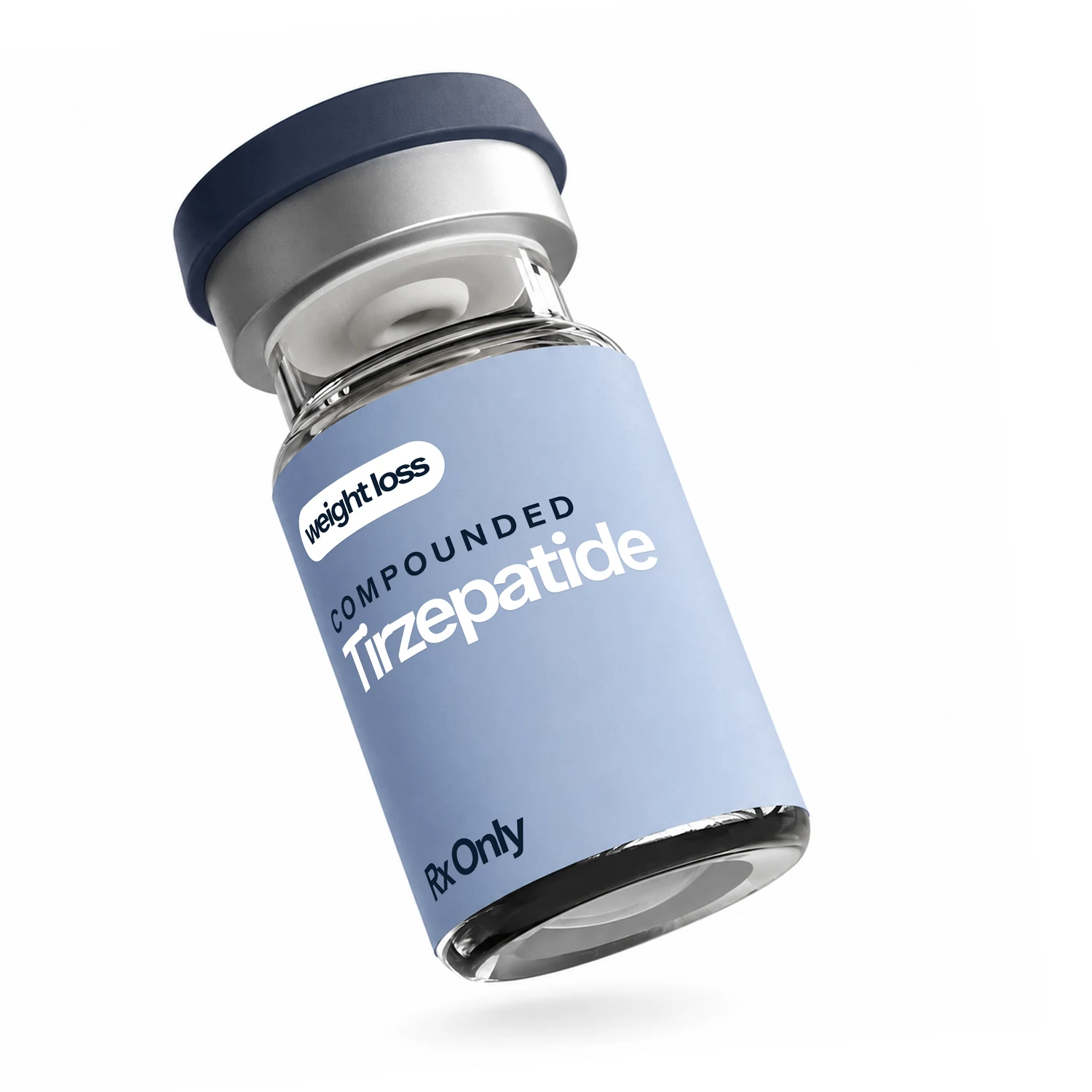
Compounded TirzepatideRx
Weekly GLP-1 + GIP injection.
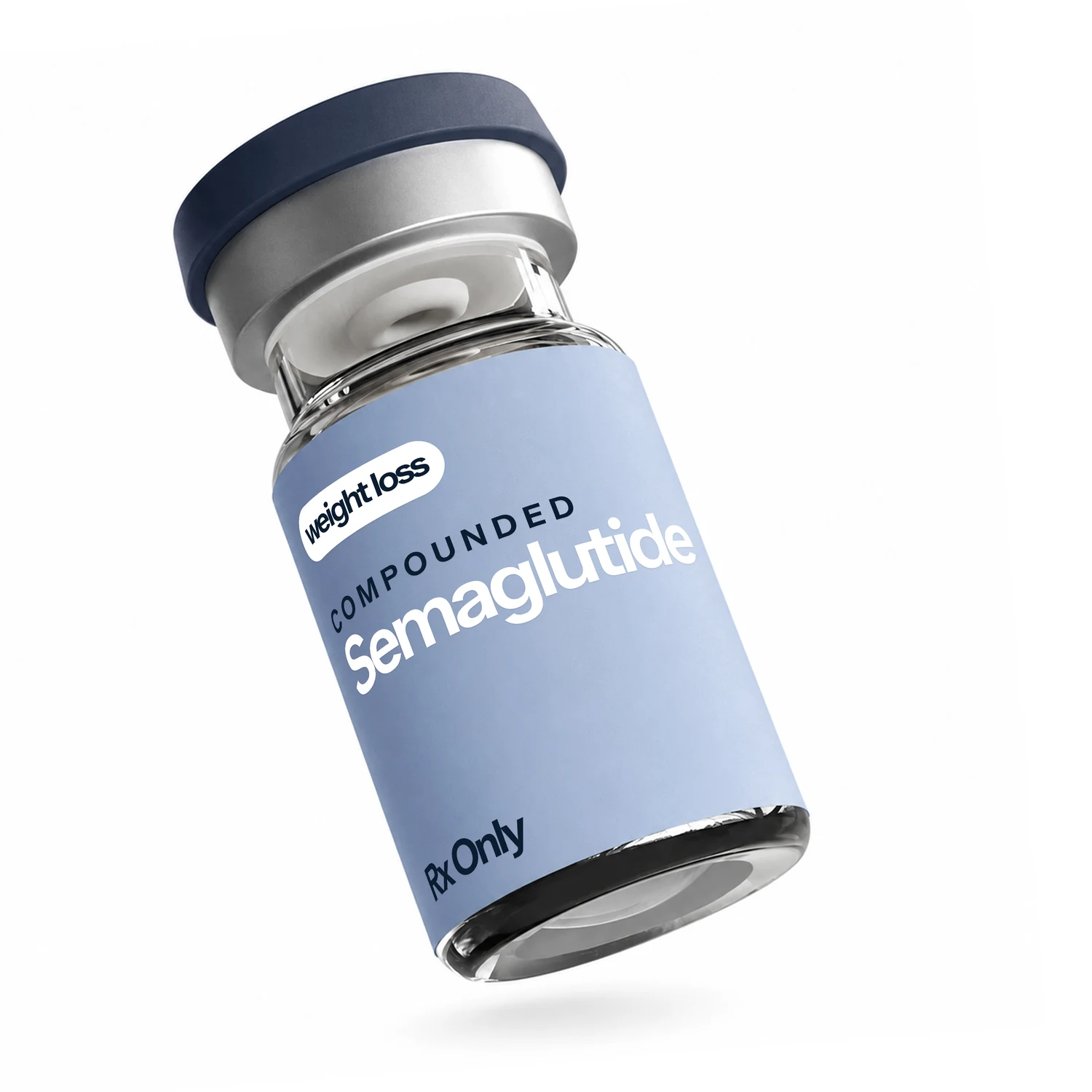
Compounded SemaglutideRx
Weekly GLP-1 injection.
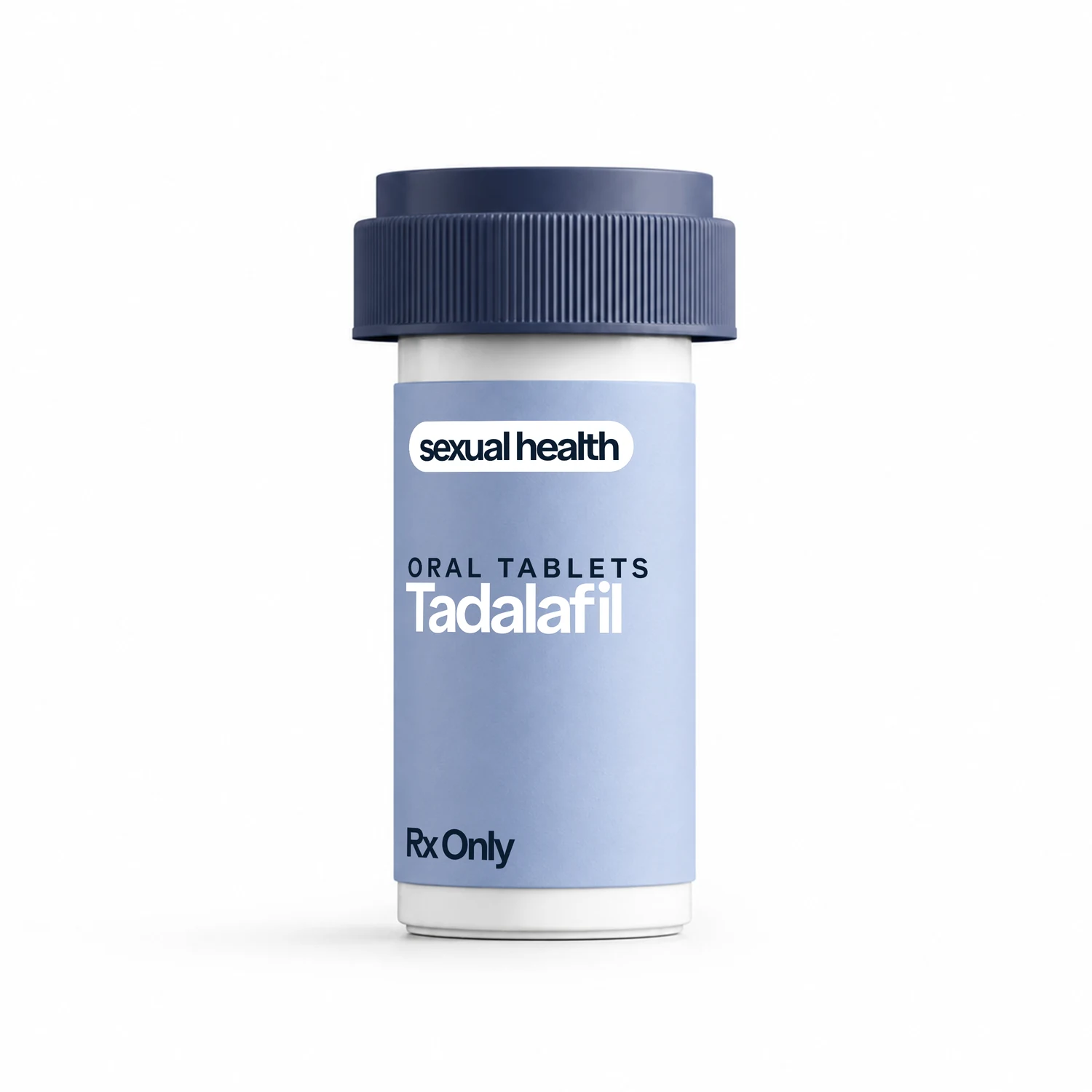
TadalafilRx
Generic Cialis®. Lasts up to 36 hours.
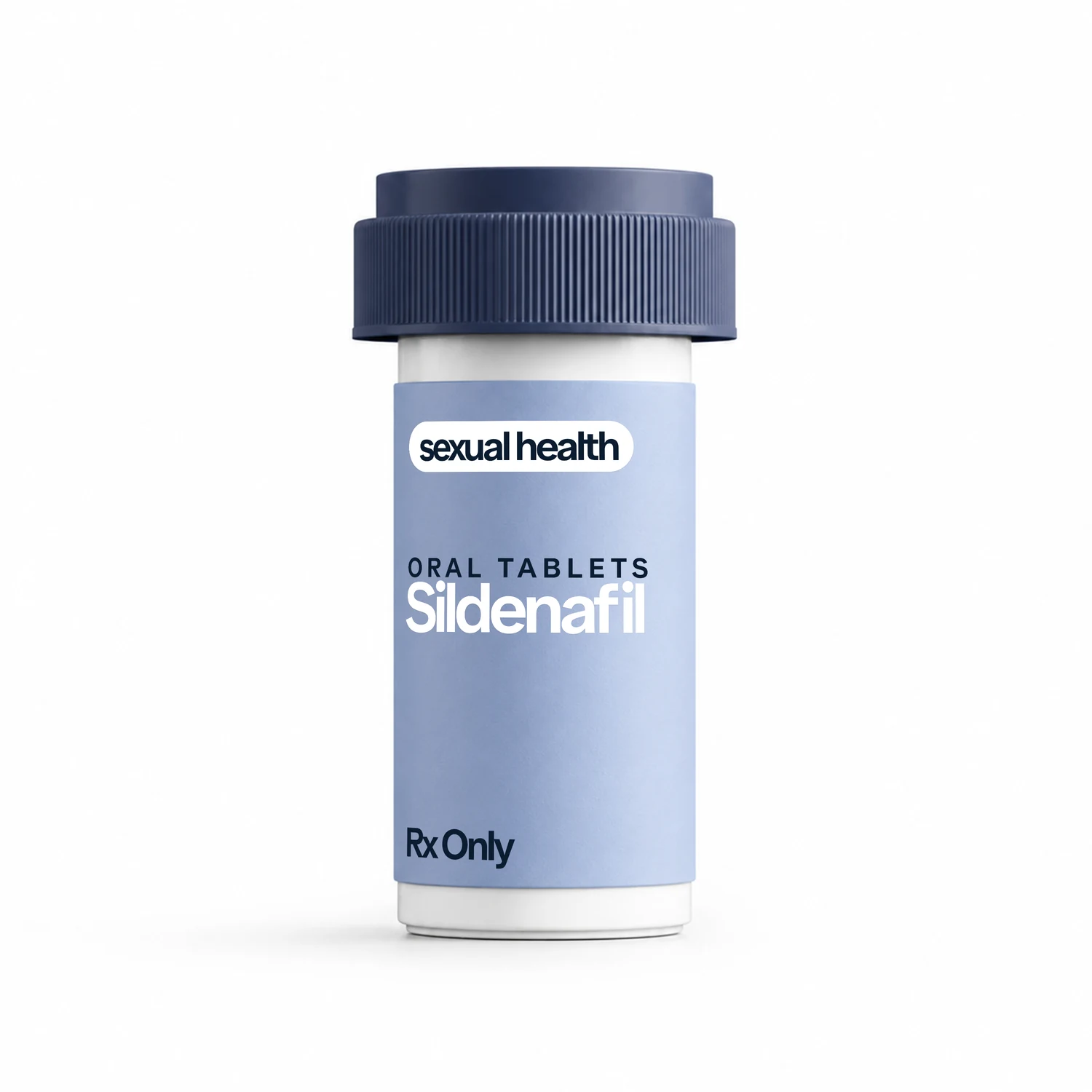
SildenafilRx
Generic Viagra®. Works in 30 minutes.
FinasterideRx
Generic Propecia®. Blocks DHT daily.

Hair Regrowth SprayRx
3-in-1 topical: finasteride + minoxidil + tretinoin.
Nitric Oxide and ED: The Molecule Behind Every PDE5 Inhibitor

Written by David K.
Published March 21, 2026

Key Takeaways
# Nitric Oxide and ED: The Molecule Behind Every PDE5 Inhibitor
If you searched nitric oxide ED men, you are asking the right question. Most conversations about erectile dysfunction start and end at the prescription pad. This one starts one layer deeper — at the biology that makes any treatment work in the first place. Understanding that biology is not academic. It changes what you eat, how you sleep, and how you talk to a licensed provider about your options.
What Nitric Oxide Actually Does
Nitric oxide (NO) is a signaling molecule your body produces in the inner lining of blood vessels. That lining is called the endothelium, and its job is to regulate blood flow by releasing NO in response to physical or psychological arousal. When NO is released into smooth muscle tissue, it triggers a cascade that relaxes the arterial walls inside the penis. Blood flows in. Pressure builds. An erection follows.
This is not a metaphor. It is a precise biochemical sequence. According to research published in the *Journal of Clinical Endocrinology and Metabolism*, NO initiates the production of cyclic guanosine monophosphate (cGMP), which is the direct chemical messenger that tells smooth muscle cells to relax and allow blood to fill the erectile chambers — the corpora cavernosa.
The enzyme phosphodiesterase type 5 (PDE5) breaks down cGMP. When cGMP is degraded too quickly, the smooth muscle tightens back up before a full erection is achieved or maintained. Every PDE5 inhibitor on the market — including tadalafil and sildenafil — works by blocking PDE5, which preserves cGMP and extends the window in which NO can do its work.
Why Endothelial Function Declines in Men Over 45
The endothelium is not static. It responds to decades of input: diet, sleep, physical activity, blood pressure, blood sugar, and smoking history. For most men between 45 and 70, endothelial dysfunction — the reduced ability of the endothelium to produce NO — is the underlying mechanism behind erectile difficulty, not a broken nervous system and not a testosterone floor collapse.
The American Heart Association has long recognized that erectile dysfunction and cardiovascular disease share a common root: endothelial dysfunction. A 2018 analysis in *JAMA* confirmed that ED often precedes a cardiac event by three to five years, making it a clinically meaningful early signal rather than an isolated inconvenience.
What damages the endothelium over time? Chronically elevated blood glucose, hypertension, dyslipidemia, excess visceral fat, oxidative stress, and poor sleep all reduce the bioavailability of NO. None of these are abstract. They are the accumulated product of choices made — and choices that can be redirected.
L-Arginine, Diet, and the Mediterranean Pivot
Your body synthesizes NO from L-arginine, an amino acid found in protein-rich whole foods. The enzyme responsible for this conversion is endothelial nitric oxide synthase (eNOS). Without adequate L-arginine substrate — and without the cofactors that keep eNOS functioning, including folate, vitamin B12, and dietary antioxidants — NO production falls short regardless of what medication a provider prescribes.

This is where National Nutrition Month lands with real practical weight for men over 40. The Mediterranean dietary pattern is the most studied eating framework in relation to endothelial health and erectile function. A peer-reviewed study published in the *American Journal of Men's Health* found that adherence to a Mediterranean diet was associated with improved erectile function scores in men with mild to moderate ED, independent of medication use. Results may vary.
The dietary fundamentals are not complicated:
- Protein from whole food sources. Lean poultry, fish, legumes, and nuts supply L-arginine directly. Processed red meat does not carry the same benefit and contributes to the oxidative burden that degrades eNOS.
- Dark leafy vegetables and beets. These supply dietary nitrates that the body converts to NO through a separate, saliva-dependent pathway — a useful redundancy when the enzymatic pathway is compromised.
- Olive oil and omega-3 fatty acids. Both reduce systemic inflammation and support endothelial membrane integrity.
- Reduced refined carbohydrates and added sugars. Postprandial glucose spikes directly impair NO bioavailability within hours of a meal.
Sleep is not separate from nutrition in this context. The body's primary NO restoration window is deep, slow-wave sleep. Men who chronically sleep fewer than six hours show measurably lower endothelial NO output according to research indexed by the NIH National Library of Medicine. Adequate protein intake also supports the sleep architecture needed for that restoration. The two are linked.
How PDE5 Inhibitors Fit Into This Biology
Understanding the NO pathway reframes what PDE5 inhibitors are and are not. They do not generate arousal. They do not replace NO. They protect and extend the signal that NO has already produced. A man whose endothelium is severely compromised — producing very little NO to begin with — will find that even a well-dosed PDE5 inhibitor delivers diminished returns.
This is not a reason to avoid medication. It is a reason to pursue both tracks simultaneously. Dietary and lifestyle changes that improve endothelial function raise the baseline NO available for PDE5 inhibitors to work with. The two approaches are additive, not competitive.
Tadalafil, available in daily low-dose or on-demand formulations, is often preferred for men who want consistent background coverage without timing pressure. Sildenafil is typically dosed on demand and has a shorter active window. A licensed provider can assess which formulation — and which dose — fits your cardiovascular profile and existing medications. This matters because PDE5 inhibitors interact with nitrate medications, and that interaction requires direct provider evaluation, not a general recommendation.
Where Good Guy Rx Fits
Good Guy Rx is a technology platform. It connects men to independent licensed physicians who evaluate, prescribe, and monitor — and to independent state-licensed pharmacies that dispense. The platform does not manufacture medications and does not dispense them.
When a licensed provider through Good Guy Rx prescribes a compounded formulation, that medication is prepared by a state-licensed compounding pharmacy in accordance with FDA regulations. Compounded medications are not FDA-approved. Brand-name medications such as standard sildenafil and tadalafil carry FDA approval as commercially manufactured products. A provider will discuss which category applies to your prescription.
The consultation process is straightforward: complete an online visit, answer a clinical intake, and a licensed provider reviews your case. No waiting room. No explaining yourself to a receptionist.

What to Do Next
1. Start with diet this week. Add one serving of dark leafy greens daily. Replace one processed protein source with fish, legumes, or lean poultry. These are not dramatic changes. They are maintenance inputs for a system that has been running longer than it was initially built to.
2. Protect your sleep. Seven to eight hours of uninterrupted sleep is not a preference. It is a physiological requirement for NO restoration and hormonal regulation. If sleep quality is poor, mention it in your clinical intake — it is clinically relevant information.
3. Complete an online visit. A licensed provider needs to evaluate your cardiovascular history, current medications, and symptom duration before any PDE5 inhibitor is appropriate. Begin that process at tadalafil or sildenafil depending on what fits your use pattern — or let the provider guide that decision.
4. Ask the provider about your endothelial health. If you have elevated blood pressure, borderline blood glucose, or a family history of cardiovascular disease, the conversation about ED belongs in that broader context. A provider who sees the full picture is more useful than one who sees only the symptom.
The molecule is small. The system it governs is not. Stewardship of that system starts with knowing how it works.
This article is for informational purposes only and does not constitute medical advice. Talk with a licensed provider through the patient portal before starting any treatment.
Sources
- Nitric Oxide and Erectile Function — National Library of Medicine (NIH)
- Endothelial Dysfunction and Cardiovascular Risk — American Heart Association
- Erectile Dysfunction as a Predictor of Cardiovascular Events — JAMA
- Mediterranean Diet and Erectile Function — American Journal of Men's Health
- L-Arginine, eNOS, and Nitric Oxide Bioavailability — Journal of Clinical Endocrinology and Metabolism
- Sleep Duration and Endothelial Function — NIH National Library of Medicine
- PDE5 Inhibitors: Mechanism and Clinical Use — NIH National Library of Medicine
References
- [Endothelial Dysfunction and Cardiovascular Risk — American Heart Association](https://www.heart.org/en/health-topics/heart-attack/understand-your-risks-to-prevent-a-heart-attack)
- [Erectile Dysfunction as a Predictor of Cardiovascular Events — JAMA](https://jamanetwork.com/journals/jama/fullarticle/197587)
- [Mediterranean Diet and Erectile Function — American Journal of Men's Health](https://journals.sagepub.com/home/jmh)
- [L-Arginine, eNOS, and Nitric Oxide Bioavailability — Journal of Clinical Endocrinology and Metabolism](https://pubmed.ncbi.nlm.nih.gov/)
- [Sleep Duration and Endothelial Function — NIH National Library of Medicine](https://www.ncbi.nlm.nih.gov/pmc/articles/PMC4667388/)
- [PDE5 Inhibitors: Mechanism and Clinical Use — NIH National Library of Medicine](https://www.ncbi.nlm.nih.gov/books/NBK549843/)
Share this article

Ready to start your journey?
Complete your free online visit and see if GLP-1 treatment is right for you.
Get Started