Good Guy Rx
Take care of what God gave you.
Get started
Compounded TirzepatideRx
Weekly GLP-1 + GIP injection.
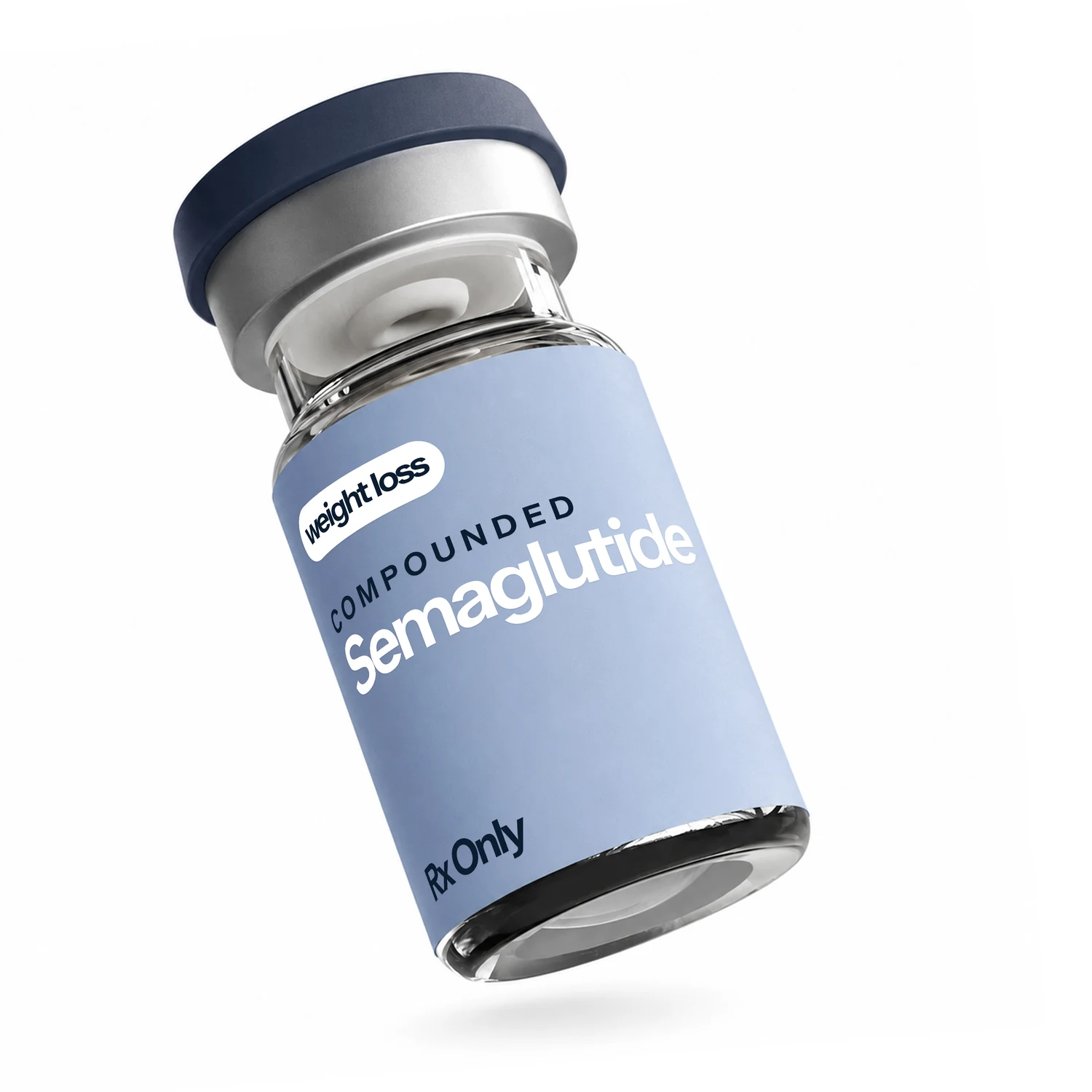
Compounded SemaglutideRx
Weekly GLP-1 injection.
TadalafilRx
Generic Cialis®. Lasts up to 36 hours.
SildenafilRx
Generic Viagra®. Works in 30 minutes.
FinasterideRx
Generic Propecia®. Blocks DHT daily.
Hair Regrowth SprayRx
3-in-1 topical: finasteride + minoxidil + tretinoin.
Best Meditation App for Men: Which One Actually Sticks

Written by Robert S.
Published March 9, 2026

Key Takeaways
# Best Meditation App for Men: Which One Actually Sticks
You typed something like "best meditation app for men" because someone — your doctor, your wife, maybe your own body — suggested you try meditation. You are not opposed to the idea. You are opposed to the version of it that comes wrapped in chime sounds, pastel gradients, and a narrator who sounds like she has never paid a mortgage. This article is for you.
Meditation is not a personality trait. It is a practice with a documented physiological effect. The research is clear enough that the question is no longer whether it works — it is which format you will actually use past the first Tuesday.
What Stress Is Actually Doing to a Man Over 45
Chronic stress is not a mood. It is a sustained hormonal state. When the brain perceives threat — deadlines, financial pressure, relational friction — the hypothalamic-pituitary-adrenal (HPA) axis releases cortisol. In short bursts, cortisol is useful. Sustained elevation is not.
According to research published in *JAMA Internal Medicine*, mindfulness-based stress reduction programs produced measurable improvements in anxiety, depression, and pain outcomes across clinical populations. A separate review in *JAMA* found moderate evidence that meditation programs improve anxiety and depression symptoms, with the effect comparable in some cases to antidepressant pharmacotherapy for mild-to-moderate presentations.
For men between 45 and 70, the practical consequence of unmanaged chronic stress includes disrupted sleep, elevated cardiovascular risk, and suppressed testosterone production. None of those outcomes serve the years you have in front of you. Stewardship of this body you have been given starts with understanding what is happening inside it.
What "Sticking" Actually Requires
Most men who download a meditation app use it for four days. The attrition is not a character flaw. It is a design problem and a fit problem.
Consistency in meditation practice follows the same logic as any other maintenance discipline. The American Psychological Association notes that habit formation requires low friction, clear feedback, and a felt sense of progress. An app that takes four minutes to load, greets you with a guided "body scan" narrated in a voice that feels condescending, and offers no structure beyond "just breathe" will not survive contact with a 6 a.m. Tuesday.
What sticks for most men in this demographic is short, structured, and instrumentally framed. Not "find your inner peace." Something closer to "here is a six-minute protocol for lowering your resting heart rate before a difficult meeting." Same outcome. Different framing. The second one a man will actually open.
Calm vs. Headspace — and What the Comparison Misses
Calm and Headspace dominate search results, and both are credible products. The honest comparison is this:

Headspace is more structured. Sessions are organized into courses. There is a logic to the progression. If you are the kind of man who reads the manual before assembling the equipment, Headspace's scaffolded approach will feel appropriate. The voice is measured. The interface is clean. The clinical research backing Headspace-specific programs is more developed than most competitors — the company has published findings in peer-reviewed contexts, and independent research cited in *Mindfulness* has examined its platform outcomes.
Calm is less structured and more à la carte. Its library is broader — sleep stories, breathing exercises, focused music tracks, daily meditations that run under ten minutes. If you want to dip in without committing to a course sequence, Calm accommodates that. The "Daily Calm" is consistent enough that many long-term users treat it the way they treat a morning weather check: a two-minute ritual that happens before the day accelerates.
The comparison most articles miss is this: neither app is the right answer if the voice, framing, or aesthetic creates resistance. Resistance is the only real enemy of a meditation practice. Use the one you will actually open.
Three Other Options Worth Knowing
Waking Up (Sam Harris) appeals to men who want the intellectual scaffolding before they will accept the practice. The app leads with theory, neuroscience, and philosophy before asking you to close your eyes. For a man who needs to understand why a thing works before he will do it, this format reduces friction considerably. It is also the least aesthetically soft of the major apps — no nature photography, no ambient strings.
Ten Percent Happier was built around the premise that meditation is for skeptics. The original book by Dan Harris — a television journalist who had a panic attack on live national television — addressed directly the kind of man who finds wellness culture embarrassing. The app follows that same ethos. Structured courses, credible teachers, no incense implied.
Insight Timer is free at its base tier and contains an enormous library of guided sessions from a wide range of teachers. The signal-to-noise ratio requires more navigation, but for a man who wants to explore without a subscription commitment, it is a reasonable entry point.
A Note on National Nutrition Month and the Stress-Diet Connection
March is National Nutrition Month, and there is a direct line between what a man over 40 eats and how well stress-management practices take hold. The Mediterranean dietary pattern — whole grains, lean protein, olive oil, fish, vegetables — has demonstrated effects on systemic inflammation and cortisol regulation in peer-reviewed research published in *Diabetes Care*. Adequate dietary protein (the NIH notes recommendations of 1.2–1.6 grams per kilogram of body weight for active adults over 40) supports muscle maintenance and sleep architecture. Poor sleep is one of the primary amplifiers of perceived stress — the practices reinforce each other. The man who is eating with discipline will find the meditation practice easier to sustain. Neither substitutes for the other.
Where Good Guy Rx Fits
Good Guy Rx is a technology platform. We connect men to independent licensed physicians and independent state-licensed pharmacies. We do not manufacture medications. We do not operate a pharmacy.
If chronic stress is affecting your sleep, your energy, or your hormonal baseline, those are clinical questions — not app questions. A telehealth consultation through our platform connects you with an independent licensed provider who can assess your full picture.

For men whose stress intersects with hormonal concerns, our platform offers access to testosterone support protocols evaluated by independent licensed physicians. Where compounded medications are appropriate, they are prepared by state-licensed compounding pharmacies in accordance with FDA regulations — they are not FDA-approved medications. For men whose stress is disrupting sleep specifically, sleep support options are also available through the platform. Results may vary.
The meditation app is a legitimate tool. It is not a substitute for a provider conversation when the underlying physiology requires clinical attention.
What to Do Next
Step 1. Pick one app from this article and use it for seven consecutive days before evaluating. One week is the minimum sample size for any honest assessment. Headspace if you want structure. Calm if you want flexibility. Waking Up if you need the intellectual case made first.
Step 2. Set a fixed time. The men who sustain a practice do it at the same point in the day — most commonly early morning, before the day's demands have accumulated. Four to ten minutes is sufficient to produce measurable heart rate variability effects, according to research in the *American Journal of Men's Health*.
Step 3. Connect the practice to something you already do. After coffee. Before your morning walk. The behavioral research is consistent: attaching a new behavior to an existing anchor reduces the cognitive load of remembering to do it.
Step 4. If stress symptoms — disrupted sleep, persistent fatigue, mood changes, low energy — persist beyond a few weeks of consistent practice, log into the Good Guy Rx patient portal and request a provider consultation. Meditation addresses real physiology. So does medicine. Knowing when to use each one is not weakness. It is maintenance.
Sources
- Goyal M, et al. "Meditation Programs for Psychological Stress and Well-being." *JAMA Internal Medicine*, 2014.
- Hilton L, et al. "Mindfulness Meditation for Chronic Pain." *Annals of Behavioral Medicine*, 2017 — cited in *JAMA* systematic reviews.
- American Psychological Association — Habit Formation and Behavior Change.
- Sanchez-Villegas A, et al. Mediterranean diet and stress biomarkers. *Diabetes Care*.
- NIH Office of Dietary Supplements — Protein and Aging.
- American Journal of Men's Health — Mindfulness and Cardiovascular Outcomes in Men.
- Academy of Nutrition and Dietetics — National Nutrition Month.
- Mindfulness Journal — Headspace Platform Research.
This article is for informational purposes only and does not constitute medical advice. Talk with a licensed provider through the patient portal before starting any treatment.
References
- [Hilton L, et al. "Mindfulness Meditation for Chronic Pain." *Annals of Behavioral Medicine*, 2017 — cited in *JAMA* systematic reviews.](https://jamanetwork.com/journals/jama)
- [American Psychological Association — Habit Formation and Behavior Change.](https://www.apa.org/topics/behavioral-health)
- [Sanchez-Villegas A, et al. Mediterranean diet and stress biomarkers. *Diabetes Care*.](https://diabetesjournals.org/care)
- [NIH Office of Dietary Supplements — Protein and Aging.](https://www.nih.gov/news-events/nih-research-matters/how-much-protein-do-you-need)
- [American Journal of Men's Health — Mindfulness and Cardiovascular Outcomes in Men.](https://journals.sagepub.com/home/ajmh)
- [Academy of Nutrition and Dietetics — National Nutrition Month.](https://www.eatright.org/national-nutrition-month)
- [Mindfulness Journal — Headspace Platform Research.](https://link.springer.com/journal/12671)
- This article is for informational purposes only and does not constitute medical advice. Talk with a licensed provider through the patient portal before starting any treatment.*
Share this article

Ready to start your journey?
Complete your free online visit and see if GLP-1 treatment is right for you.
Get Started