Good Guy Rx
Take care of what God gave you.
Get started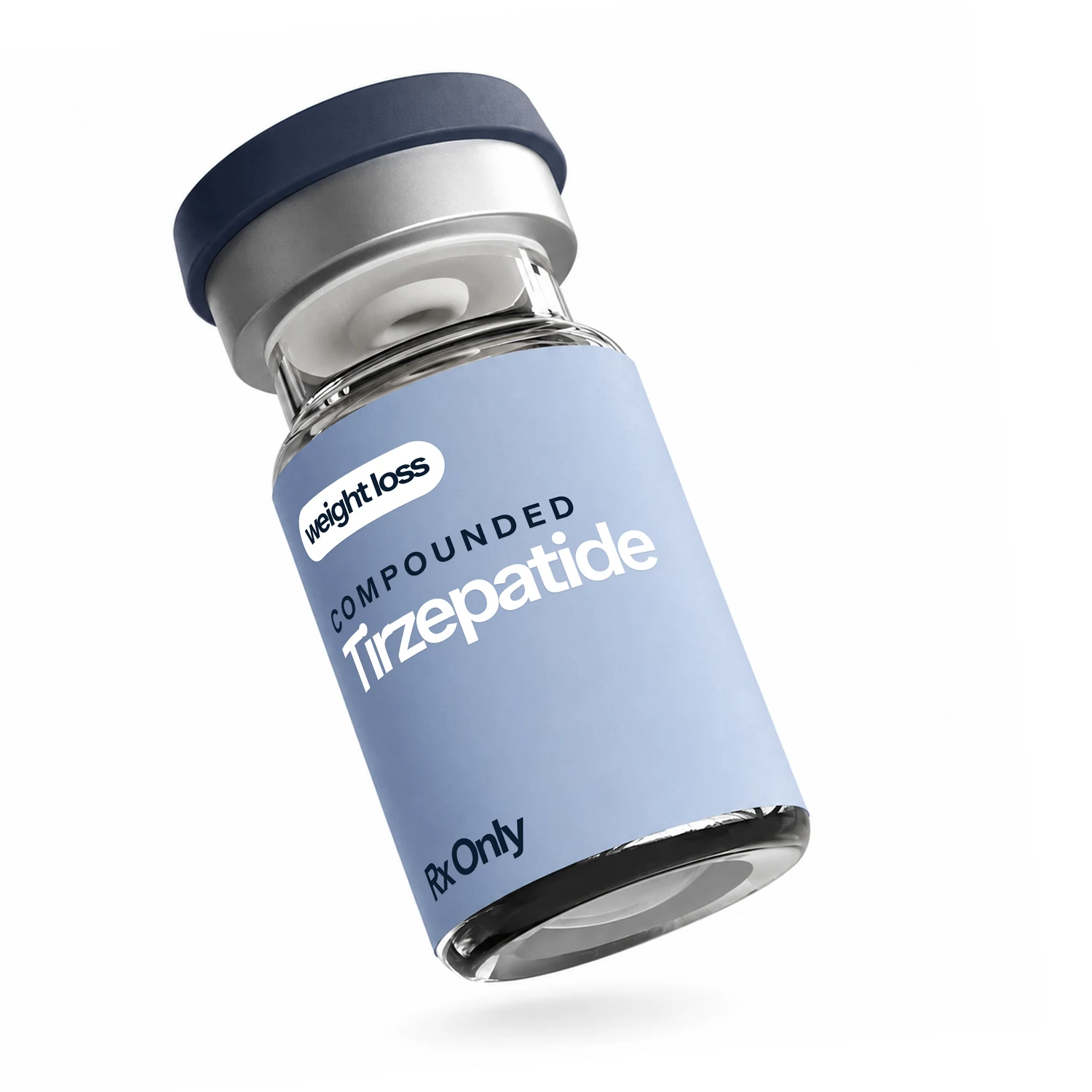
Compounded TirzepatideRx
Weekly GLP-1 + GIP injection.
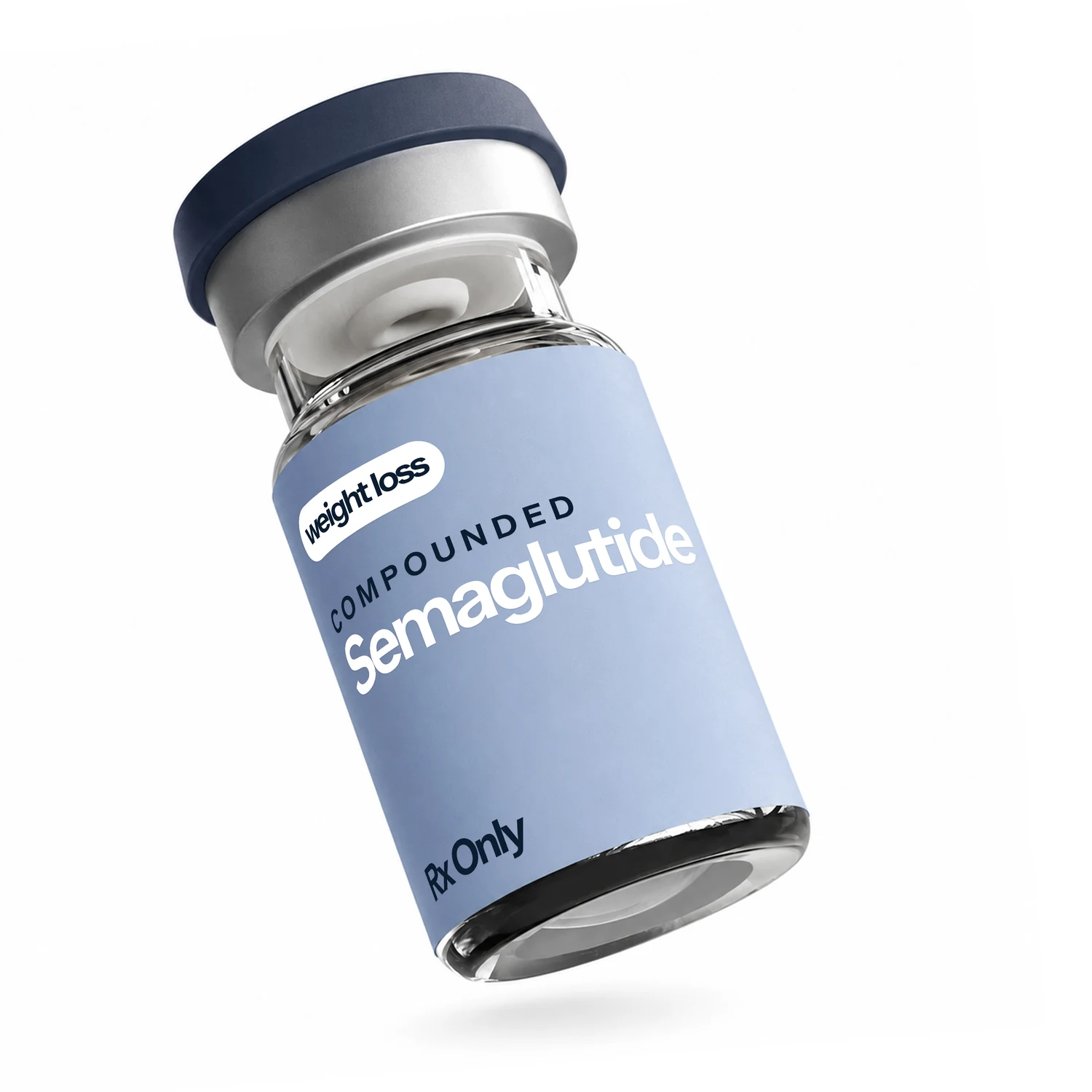
Compounded SemaglutideRx
Weekly GLP-1 injection.
TadalafilRx
Generic Cialis®. Lasts up to 36 hours.
SildenafilRx
Generic Viagra®. Works in 30 minutes.
FinasterideRx
Generic Propecia®. Blocks DHT daily.
Hair Regrowth SprayRx
3-in-1 topical: finasteride + minoxidil + tretinoin.
Ketoconazole Shampoo for Hair Loss: What the Evidence Shows

Written by James T.
Published February 19, 2026

Key Takeaways
Ketoconazole shampoo — best known as an antifungal dandruff treatment — has demonstrated measurable hair-density benefits in peer-reviewed trials, making it a clinically relevant adjunct to first-line hair-loss therapies for appropriate patients.
What Is Ketoconazole and Why Does It Matter for Hair?
Ketoconazole is an imidazole antifungal agent. When applied topically as a shampoo (brand name: Nizoral), it was originally developed to treat seborrheic dermatitis — the flaky, itchy scalp condition caused in part by the yeast Malassezia. What clinicians noticed over time, however, was that some patients using ketoconazole shampoo reported improvements in hair density that went beyond what scalp-health alone could explain.
The leading hypothesis involves dihydrotestosterone (DHT) — the androgen primarily responsible for androgenetic alopecia (the medical term for pattern hair loss). DHT binds to hair follicle receptors and progressively miniaturizes them, shortening the growth cycle over years. Laboratory research suggests ketoconazole may weakly inhibit the local production or follicular uptake of DHT at the scalp level, though it is not classified as a 5-alpha reductase inhibitor the way oral or topical finasteride is. Its anti-inflammatory action on the scalp is also thought to play a role, since subclinical inflammation is recognized as a contributing factor in follicle miniaturization.
The Evidence Base
The most frequently cited human trial is a 1998 study published in the *Journal of Dermatology* by Pierard-Franchimont and colleagues. In that randomized, controlled study, men with androgenetic alopecia alternated between ketoconazole 2% shampoo and an unmedicated shampoo over 21 months. The ketoconazole group showed increases in hair density and follicle size that were statistically comparable to those observed in participants using 2% minoxidil in a parallel arm. Results may vary, and this was a relatively small study — it should not be interpreted as evidence that ketoconazole shampoo replaces minoxidil or finasteride.
A 2019 review in *Dermatologic Therapy* examined the cumulative evidence and concluded that ketoconazole shampoo shows "promising results" as an adjunct in androgenetic alopecia management, while acknowledging the need for larger, longer randomized controlled trials before definitive clinical recommendations can be made.
Peer-reviewed research also supports ketoconazole's role in reducing Malassezia-driven scalp inflammation, which, when left unaddressed, may accelerate follicle damage in genetically susceptible individuals.
Bottom line on evidence: The data are encouraging but not yet at the level of the large Phase III trials that underpin finasteride and minoxidil recommendations. Use ketoconazole shampoo as an adjunct, not a monotherapy.

Who May Benefit — and Who Should Not Use It
Potentially appropriate candidates: - Men with androgenetic alopecia already using a first-line agent (finasteride or minoxidil) who want to address scalp inflammation as well - Men with co-existing seborrheic dermatitis or dandruff and concurrent hair thinning - Men seeking an OTC option to discuss with their provider before starting a prescription regimen
Use with caution or discuss with a provider if you have: - Known hypersensitivity to ketoconazole or any imidazole antifungal - Scalp wounds, severe eczema, or psoriasis (damaged skin barrier may alter absorption) - A history of liver disease (relevant primarily for oral ketoconazole, which is a distinct formulation — topical shampoo carries minimal systemic absorption, but disclosure to your provider is always appropriate)
Ketoconazole shampoo is not a replacement for prescription therapy in moderate-to-severe androgenetic alopecia. Patients with significant hair loss should discuss oral or topical prescription options with a licensed provider. The prescribing provider determines whether any medication — including adjunctive agents — is appropriate after a full medical intake.
What to Expect on Treatment
Frequency: Most protocols studied in trials used ketoconazole 2% shampoo two to four times per week, leaving the lather in contact with the scalp for three to five minutes before rinsing. Over-the-counter 1% formulations (such as Nizoral A-D) are also available for more frequent use.
Timeline: Do not expect rapid results. Hair follicle cycling means that any measurable change in density typically takes a minimum of three to six months of consistent use to become apparent. Results may vary significantly between individuals.
Common side effects (topical use): - Scalp dryness or mild irritation (most common) - Temporary hair texture changes - Rarely, contact dermatitis — discontinue and contact your provider if a rash develops
When to call the provider: If you experience significant scalp burning, visible rash, or hair shedding that worsens after starting any new hair-loss regimen, message your care team through the patient portal — do not rely on support staff for clinical questions.
How This Fits Into a Broader Hair-Loss Protocol
For most men with androgenetic alopecia, the clinical evidence hierarchy looks like this:

- Finasteride (oral or topical) — the most robust evidence base for halting DHT-mediated follicle miniaturization. If you are considering this option, start with a provider visit for finasteride to determine candidacy.
- Minoxidil (topical or oral) — promotes follicle vasodilation and extends the anagen (growth) phase. Often combined with finasteride.
- Compounded topical finasteride + minoxidil — a single-vehicle formulation that some patients find more convenient; prepared by state-licensed compounding pharmacies in accordance with FDA regulations (not FDA-approved as a combination product). Learn more and assess candidacy at compounded topical finasteride + minoxidil.
- Ketoconazole shampoo — adjunctive, addresses scalp-level inflammation and possible local DHT activity.
No single agent addresses every mechanism of hair loss simultaneously. A multimodal approach, guided by a licensed provider, generally produces the best-sustained outcomes. Results may vary.
The Good Guy Rx Pathway
Good Guy Rx is a technology platform that connects men to independent licensed physicians and independent state-licensed pharmacies — it is not a pharmacy or manufacturer. If you are ready to discuss a medically supervised hair-loss plan that may include prescription finasteride, topical minoxidil, or compounded formulations, complete a medical intake at care.goodguyrx.com. The prescribing provider reviews your history and determines whether any of these therapies is appropriate for you.
Sources
- Pierard-Franchimont C, et al. "Ketoconazole Shampoo: Effect of Long-Term Use in Androgenic Alopecia." — *Dermatology* (1998)
- Berger RS, et al. "The effects of minoxidil, 1% pyrithione zinc and a combination of both on hair density: a randomized controlled trial." — *British Journal of Dermatology* (2003)
- Blumeyer A, et al. "Evidence-based (S3) guideline for the treatment of androgenetic alopecia in women and in men." — *Journal of the German Society of Dermatology* (2011)
- Marks LS, et al. "Androgen receptor and 5-alpha reductase in human scalp." — *Journal of Clinical Endocrinology and Metabolism* (2001)
- Dhurat R, et al. "A randomized evaluator-blinded study of the effect of two different doses of finasteride on hair density." — *International Journal of Trichology* (2014)
- U.S. Food and Drug Administration — Compounding Overview
This article is educational. A licensed provider determines whether you are a candidate after a medical intake.
References
- [Berger RS, et al. "The effects of minoxidil, 1% pyrithione zinc and a combination of both on hair density: a randomized controlled trial." — *British Journal of Dermatology* (2003)](https://pubmed.ncbi.nlm.nih.gov/14616380/)
- [Blumeyer A, et al. "Evidence-based (S3) guideline for the treatment of androgenetic alopecia in women and in men." — *Journal of the German Society of Dermatology* (2011)](https://pubmed.ncbi.nlm.nih.gov/21980982/)
- [Marks LS, et al. "Androgen receptor and 5-alpha reductase in human scalp." — *Journal of Clinical Endocrinology and Metabolism* (2001)](https://pubmed.ncbi.nlm.nih.gov/11600536/)
- [Dhurat R, et al. "A randomized evaluator-blinded study of the effect of two different doses of finasteride on hair density." — *International Journal of Trichology* (2014)](https://pubmed.ncbi.nlm.nih.gov/24592076/)
- [U.S. Food and Drug Administration — Compounding Overview](https://www.fda.gov/drugs/human-drug-compounding/compounding-laws-and-policies)
- This article is educational. A licensed provider determines whether you are a candidate after a medical intake.*
Share this article

Ready to start your journey?
Complete your free online visit and see if GLP-1 treatment is right for you.
Get Started