
Good Guy Rx
Take care of what God gave you.
Get started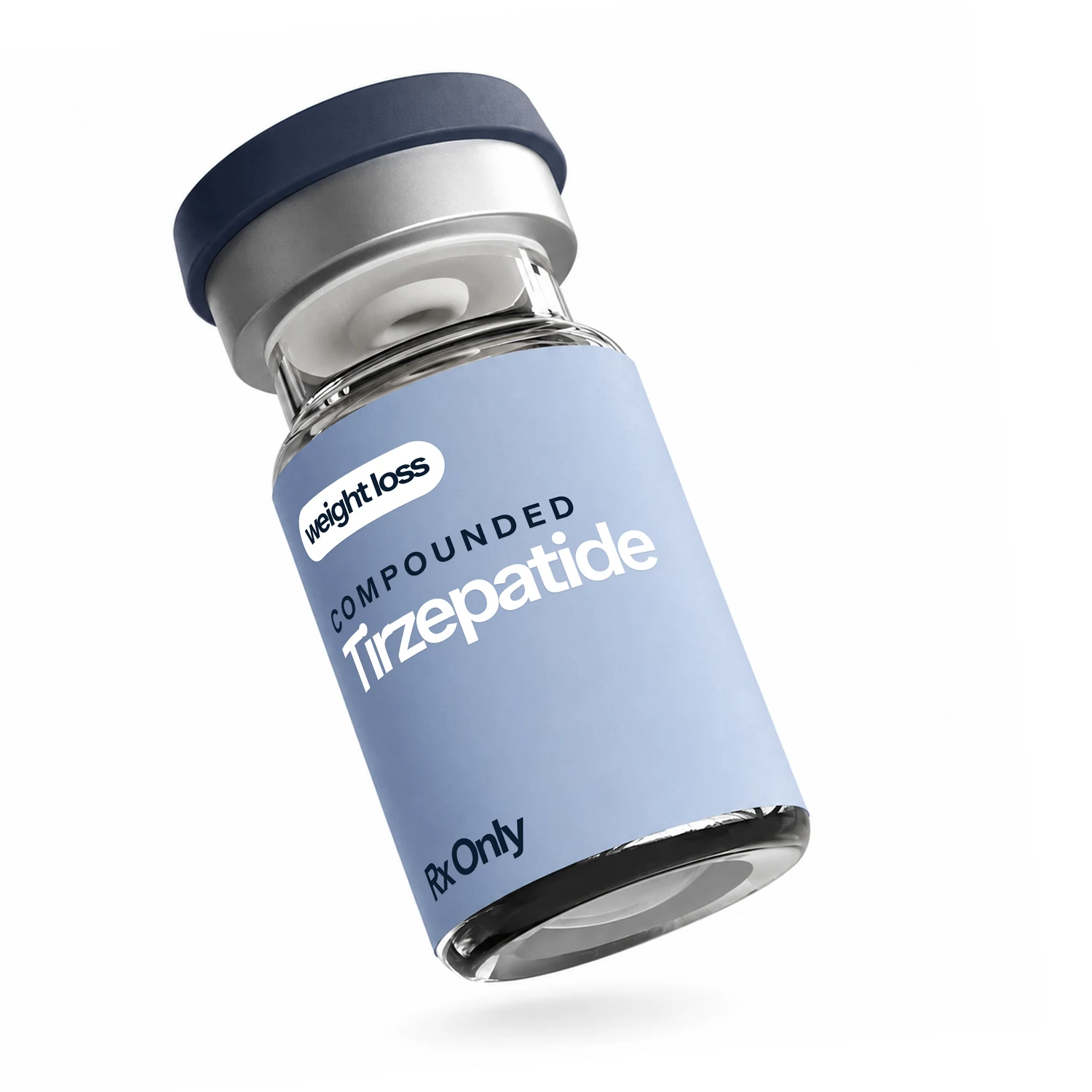
Compounded TirzepatideRx
Weekly GLP-1 + GIP injection.

Compounded SemaglutideRx
Weekly GLP-1 injection.
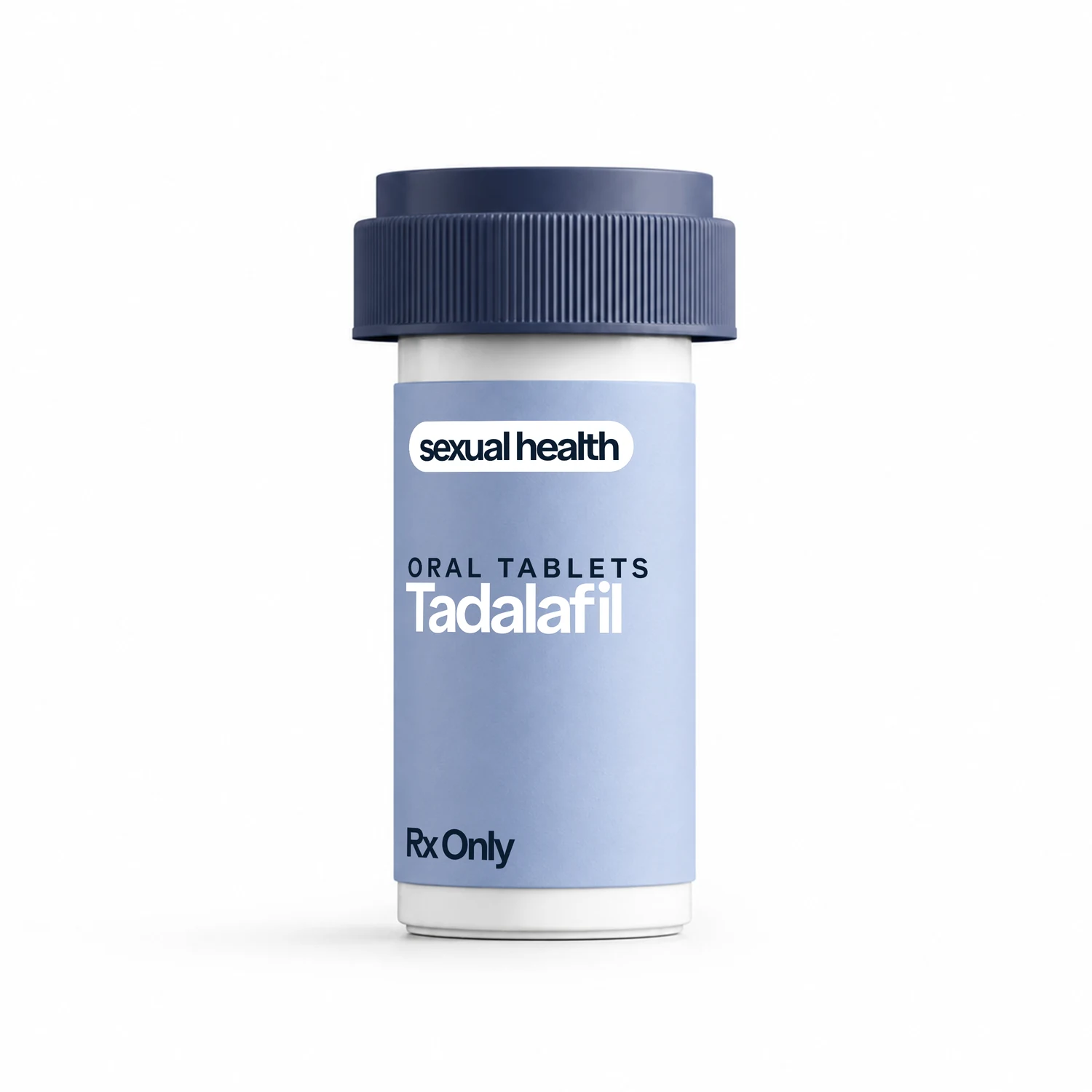
TadalafilRx
Generic Cialis®. Lasts up to 36 hours.

SildenafilRx
Generic Viagra®. Works in 30 minutes.
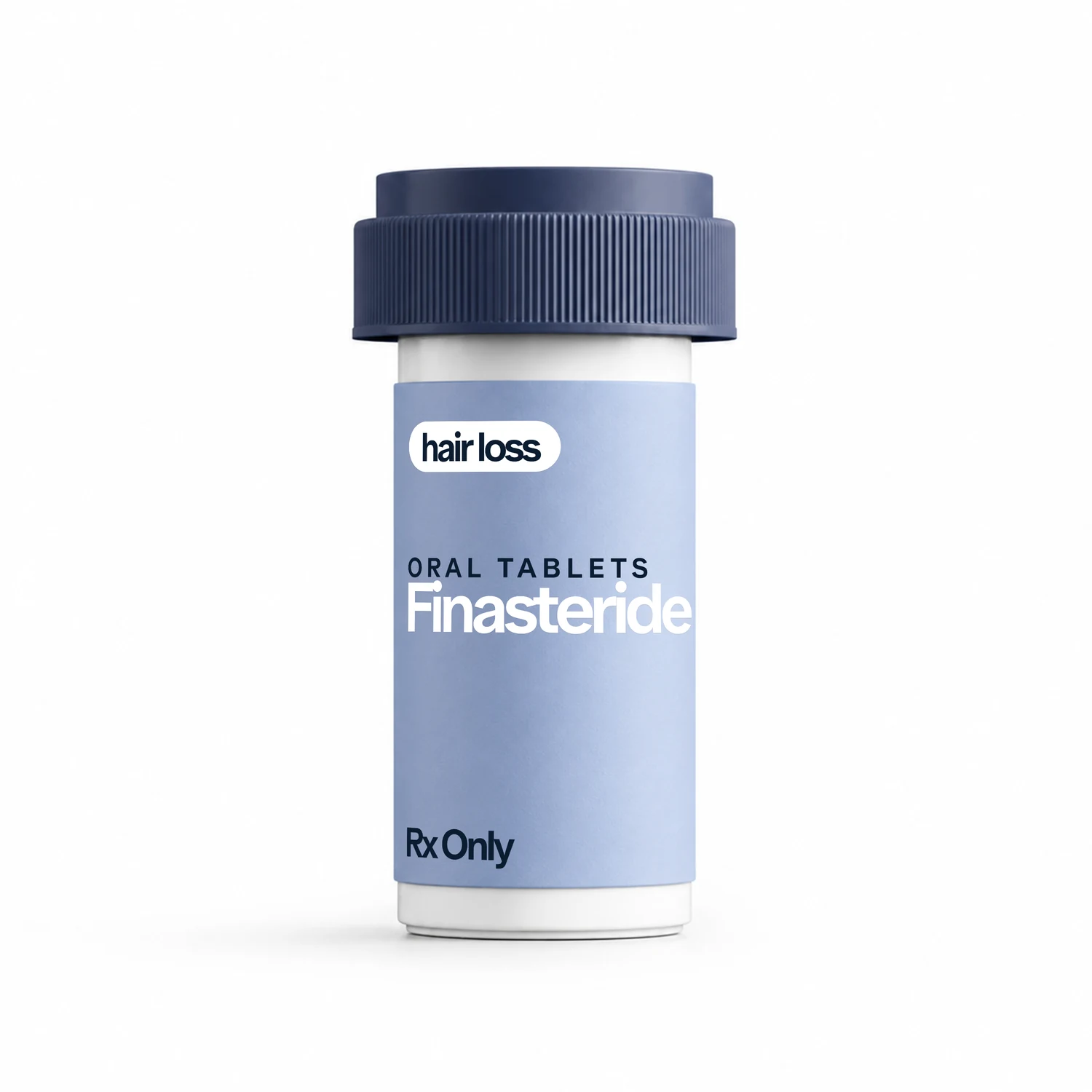
FinasterideRx
Generic Propecia®. Blocks DHT daily.

Hair Regrowth SprayRx
3-in-1 topical: finasteride + minoxidil + tretinoin.
Intermittent Fasting Men Over 50: A Balanced Look

Written by Daniel C.
Published April 29, 2026

Key Takeaways
# Intermittent Fasting Men Over 50: What the Evidence Actually Shows
If you searched "intermittent fasting men over 50," you already know what you are not looking for. You are not looking for a fitness influencer's morning routine. You are not looking for a list of superfoods. You are looking for a plain answer to a plain question: does skipping breakfast actually do anything useful for a man in his fifties or sixties, and is it safe?
That is the question this article addresses.
What Intermittent Fasting Is — and Is Not
Intermittent fasting is an eating pattern, not a diet. It does not prescribe what you eat. It prescribes when you eat. The most commonly studied protocol is 16:8 fasting — sixteen hours without caloric intake, followed by an eight-hour window during which normal meals are consumed. A man who finishes dinner at 7:00 p.m. and eats nothing until 11:00 a.m. the next day is doing 16:8.
Time-restricted eating is the clinical term researchers use most often. The distinction matters because "intermittent fasting" has collected a great deal of marketing noise. Time-restricted eating is simply a schedule. It produces no mystical metabolic effect on its own. It works, when it works, primarily by reducing total caloric intake — because there are fewer hours in which to eat.
There are more aggressive protocols, including 5:2 (five days of normal eating, two days of very low caloric intake) and alternate-day fasting. These are not covered in depth here because the evidence for men over 50 is thinner, and the compliance burden is higher.
What the Research Shows for Men in This Age Range
The honest answer is that most of the well-powered clinical trials on time-restricted eating enrolled younger, mixed-sex populations. Data specific to men over 50 is present but limited.
With that caveat stated, here is what the peer-reviewed record shows.
A 2020 study published in *Cell Metabolism* found that time-restricted eating reduced caloric intake and improved several cardiometabolic markers — including blood pressure and fasting glucose — in adults with metabolic syndrome. The effect was meaningful but modest. Results may vary.
According to research published in *Obesity*, 16:8 time-restricted eating produced comparable weight loss to continuous caloric restriction over a twelve-week period, with no significant difference in lean muscle mass loss between the two approaches. That last point matters for men over 50, because sarcopenia — the age-related loss of skeletal muscle — is a genuine concern in this demographic and is not something to accelerate.
The National Institute on Aging, a division of the NIH, has noted that caloric restriction studies in animal models show lifespan and healthspan benefits, but that translating those findings directly to older human males requires caution. Human data remains preliminary.
What is reasonably well-supported: for men who are overweight, time-restricted eating is a low-friction way to reduce caloric intake without tracking every gram of food. For men who are already at a healthy weight and metabolically sound, the marginal benefit is unclear.

The Real Risks for Men Over 50
This is the part most fasting advocates underplay.
Muscle loss is the primary concern. After 50, the body's capacity for muscle protein synthesis — the process by which dietary protein is converted into muscle tissue — declines. Compressing eating into a shorter window makes it harder to distribute adequate protein across multiple meals, which is the pattern most associated with preserving muscle mass. According to research in the *American Journal of Men's Health*, older men require higher per-meal protein thresholds to stimulate muscle protein synthesis compared to younger men. If an eight-hour window means two large meals instead of three moderate ones, that threshold is harder to hit consistently.
Sleep and cortisol interaction is a second concern. Men over 50 tend to have naturally higher baseline cortisol levels in the morning. Fasting extends the overnight cortisol elevation. For most healthy men, this is not clinically significant. For men who are already under high occupational or relational stress, or who have disrupted sleep, prolonged morning fasting may compound fatigue rather than relieve it.
Medication timing is a third consideration that is non-negotiable. A number of medications commonly prescribed to men in this age group — including metformin, certain blood pressure medications, and statins — carry instructions about food timing. Do not begin any fasting protocol without reviewing your medication schedule with a licensed provider.
Finally, cardiovascular risk warrants mention. A 2024 preliminary analysis presented at the American Heart Association scientific sessions raised questions about cardiovascular outcomes in adults who compressed their eating into fewer than eight hours per day. The analysis was observational and has limitations, but it underscores that longer fasting windows are not universally beneficial and should not be assumed safe without provider guidance.
What Actually Works for Men Over 50
The men who report the most consistent benefit from time-restricted eating in this demographic tend to share a few characteristics. They were already eating too much and too late. They were not doing serious resistance training. And they found that having a defined eating window removed the low-grade daily negotiation around snacking.
If those conditions describe you, a 12:12 or 14:10 window — stopping eating by 8:00 p.m. and resuming at 8:00 or 10:00 a.m. — is a reasonable starting point that carries fewer of the muscle-loss and cortisol concerns of stricter protocols.
Protein distribution is non-negotiable regardless of the window chosen. Peer-reviewed research consistently supports a target of 1.2 to 1.6 grams of protein per kilogram of body weight per day for men over 50, distributed across meals rather than concentrated in one sitting.
Resistance training must accompany any caloric deficit, including one produced by time-restricted eating. Muscle mass is not a vanity consideration at this stage of life. It is directly associated with metabolic health, bone density, fall prevention, and functional independence in later years. Stewardship of the body means protecting what is still there.
A Note on Testicular Cancer Awareness Month
April is Testicular Cancer Awareness Month. This is not unrelated to the topic of men's health stewardship. The same discipline that prompts a man to reconsider what he eats and when should prompt him to perform a monthly testicular self-examination. Testicular cancer is most common in younger men but can occur at any age, and it carries a high survival rate when caught early. The Movember Foundation provides clear guidance on self-examination technique. A man who takes stewardship seriously does not skip this. It takes under two minutes.
Where Good Guy Rx Fits
Good Guy Rx is a technology platform. It connects men to independent licensed physicians and independent state-licensed pharmacies. It does not manufacture medications, and it does not dispense them.

If you have been circling the question of weight management — whether through dietary changes like time-restricted eating, through medical support, or both — the right starting point is a structured assessment with a licensed provider who can review your full health picture.
The weight loss assessment at Good Guy Rx connects you to an independent licensed physician who can evaluate whether a medically supervised approach, including compounded medications prepared by state-licensed compounding pharmacies in accordance with FDA regulations, is appropriate for your situation. Compounded medications are not FDA-approved. They are prepared to a provider's specification for an individual patient.
Time-restricted eating and medical weight management are not mutually exclusive. A licensed provider can help you understand how they interact.
What to Do Next
Step one: Talk to a licensed provider before starting any fasting protocol, particularly if you take prescription medications. Medical questions belong in the patient portal, not with support staff.
Step two: If you proceed, start conservatively. A 12:12 window for two to four weeks before moving to 14:10 gives your body time to adapt and gives you time to observe how your energy, sleep, and mood respond.
Step three: Do not reduce protein. If anything, increase it. Prioritize protein at every meal within your eating window. A man over 50 running a caloric deficit without adequate protein is trading fat for muscle, which is the wrong trade.
Step four: Complete a weight loss assessment if your weight, metabolic markers, or energy have been a persistent concern. A structured conversation with an independent licensed physician takes less time than most men expect and provides more clarity than any article can.
Sources
- Sutton et al., "Early Time-Restricted Feeding Improves Insulin Sensitivity" — *Cell Metabolism*, 201830253-5)
- Lowe et al., "Time-Restricted Eating for Weight Loss" — *Obesity*, 2020
- National Institute on Aging, "Calorie Restriction and Fasting Diets: What Do We Know?" — NIH
- Cholewa et al., "Protein Requirements in Older Men" — *American Journal of Men's Health*, 2017
- American Heart Association, "8-Hour Time-Restricted Eating Linked to 91% Higher Risk of Cardiovascular Death" — AHA Scientific Sessions, 2024
- Movember Foundation, Testicular Self-Examination Guidance
This article is for informational purposes only and does not constitute medical advice. Talk with a licensed provider through the patient portal before starting any treatment.
References
- [Lowe et al., "Time-Restricted Eating for Weight Loss" — *Obesity*, 2020](https://onlinelibrary.wiley.com/doi/10.1002/oby.22824)
- [National Institute on Aging, "Calorie Restriction and Fasting Diets: What Do We Know?" — NIH](https://www.nia.nih.gov/news/calorie-restriction-and-fasting-diets-what-do-we-know)
- [Cholewa et al., "Protein Requirements in Older Men" — *American Journal of Men's Health*, 2017](https://journals.sagepub.com/doi/10.1177/1557988316669182)
- [American Heart Association, "8-Hour Time-Restricted Eating Linked to 91% Higher Risk of Cardiovascular Death" — AHA Scientific Sessions, 2024](https://newsroom.heart.org/news/8-hour-time-restricted-eating-linked-to-a-91-higher-risk-of-cardiovascular-death)
- [Movember Foundation, Testicular Self-Examination Guidance](https://us.movember.com/mens-health/testicular-cancer)
- This article is for informational purposes only and does not constitute medical advice. Talk with a licensed provider through the patient portal before starting any treatment.*
Share this article

Ready to start your journey?
Complete your free online visit and see if GLP-1 treatment is right for you.
Get Started