Good Guy Rx
Take care of what God gave you.
Get started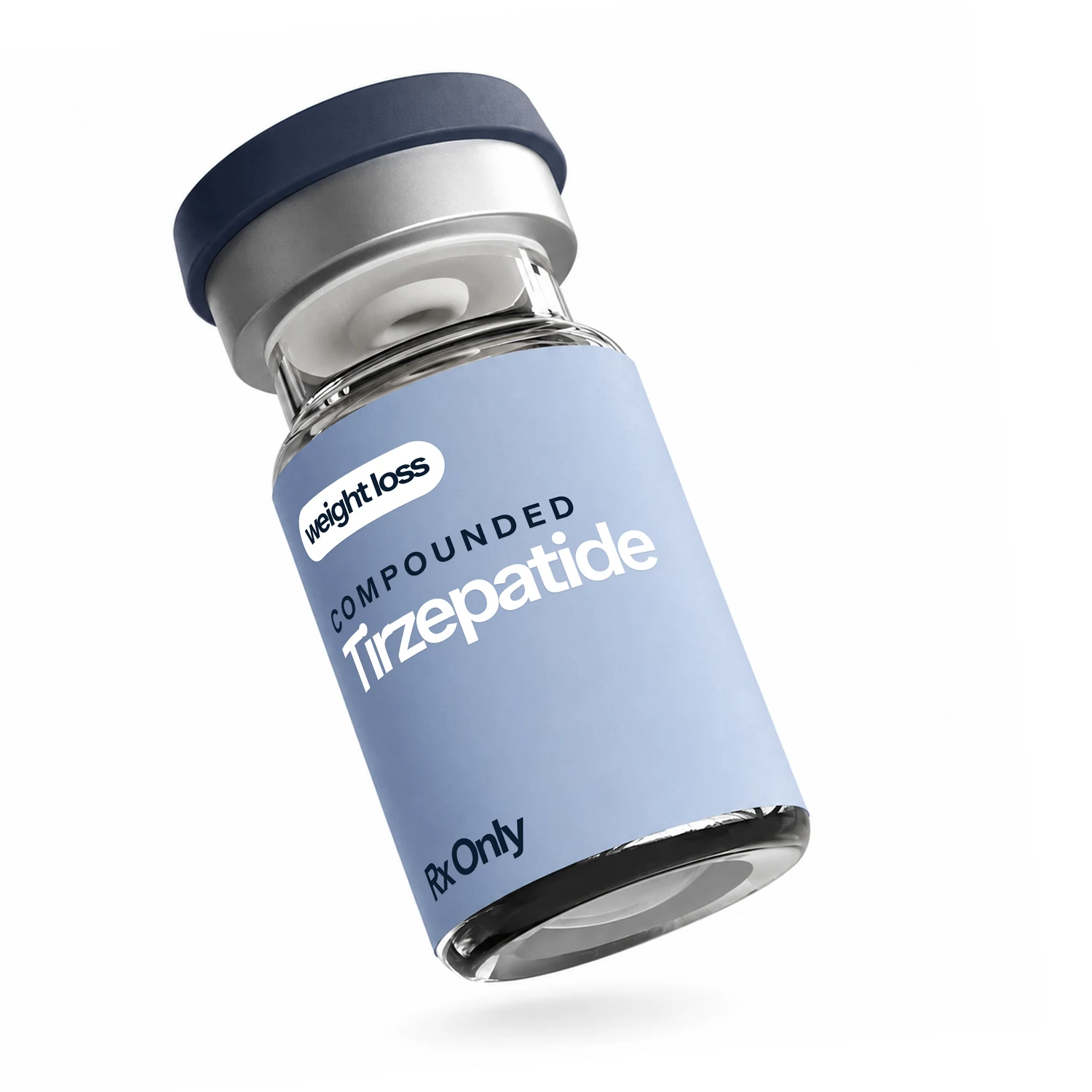
Compounded TirzepatideRx
Weekly GLP-1 + GIP injection.
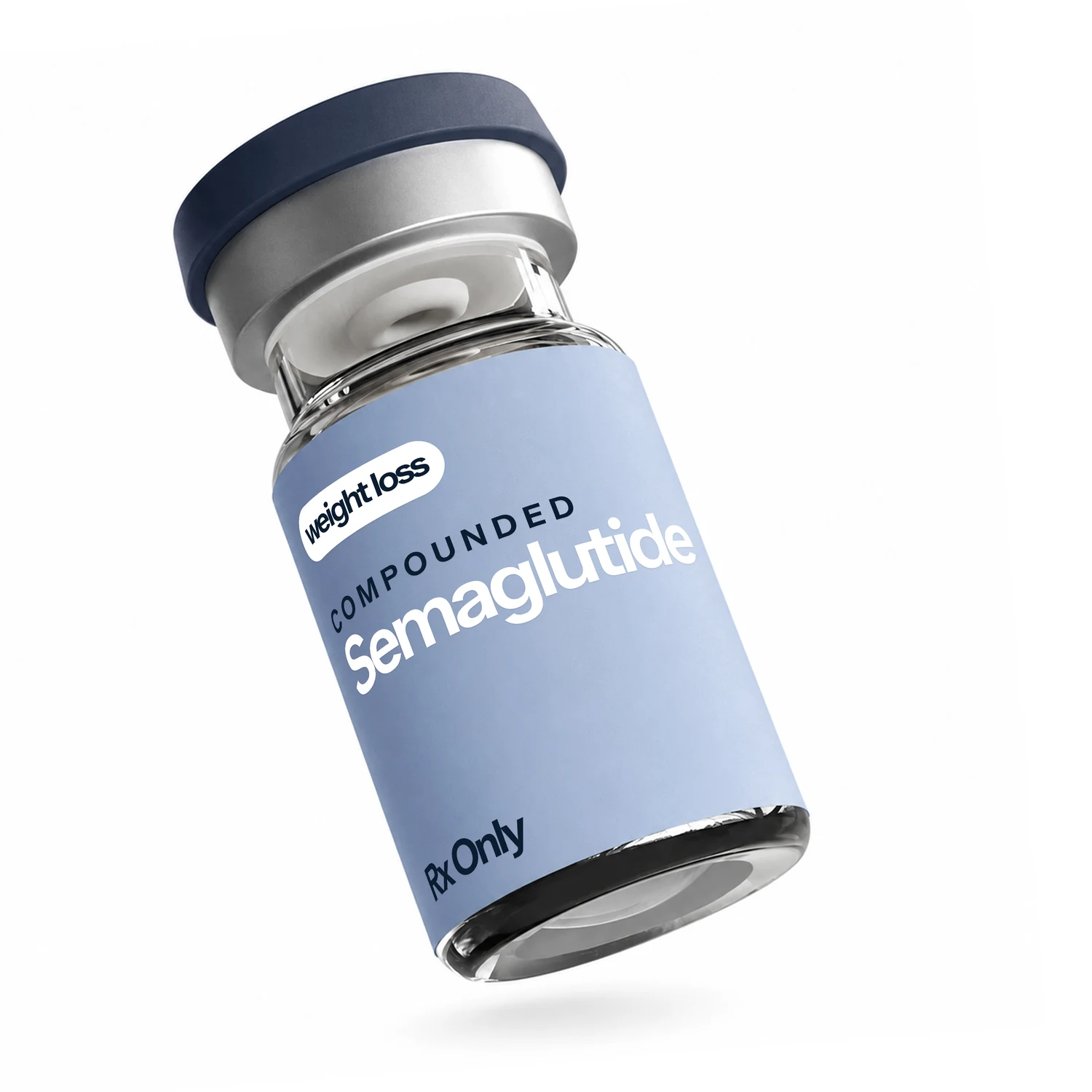
Compounded SemaglutideRx
Weekly GLP-1 injection.
TadalafilRx
Generic Cialis®. Lasts up to 36 hours.
SildenafilRx
Generic Viagra®. Works in 30 minutes.
FinasterideRx
Generic Propecia®. Blocks DHT daily.
Hair Regrowth SprayRx
3-in-1 topical: finasteride + minoxidil + tretinoin.
Hydration Men Over 50: The Cheapest Performance Tool

Written by Wesley P.
Published May 1, 2026

Key Takeaways
# Hydration Men Over 50: The Cheapest Performance Tool You Already Own
If you typed something like "why am I so tired" or "why can't I focus" into a search bar today, there is a reasonable chance the answer is sitting on your kitchen counter. Hydration for men over 50 is not a wellness trend. It is basic physiology, and the research is unambiguous: the older a man gets, the less reliably his body signals thirst, and the more consequential even mild dehydration becomes for energy, cognition, and mood.
This is not complicated. It does not require a subscription box. It requires water and the discipline to drink it consistently.
Why Older Men Dehydrate More Easily
The human body is roughly 60 percent water. By the time a man reaches his mid-50s, that percentage has declined modestly — but the more significant change is in the thirst mechanism itself. According to research published in the [American Journal of Men's Health](https://journals.sagepub.com/home/ajm), older adults experience a measurable blunting of the hypothalamic thirst response, meaning the brain's signal to drink water becomes less accurate with age.
Age-related thirst blunting is not a minor inconvenience. It means a man can be meaningfully dehydrated and feel no particular urge to drink. He may feel tired, irritable, or foggy and attribute those symptoms to a poor night's sleep, work stress, or simply "getting older." In many cases, the proximate cause is inadequate water intake.
Muscle mass also plays a role. Muscle tissue holds more water than fat tissue. As men lose lean muscle mass through the natural process of sarcopenia — the age-related decline in skeletal muscle — total body water capacity decreases. This makes the margin for adequate hydration narrower, and the consequences of missing that margin more pronounced.
What Dehydration Actually Does to the Brain and Mood
This is the section most men skip, and it is the one most worth reading.
Dehydration and cognition are directly linked. A 2011 study published in the [Journal of Nutrition](https://academic.oup.com/jn) found that even mild dehydration — defined as a fluid loss of just 1 to 2 percent of body weight — produced measurable impairments in concentration, working memory, and reaction time in adults. That is not a dramatic level of dehydration. That is missing a couple of glasses of water on a busy morning.
The connection between water intake and mood in older men is equally well-documented. Research published in [PLOS ONE](https://journals.plos.org/plosone/) found that low fluid intake was associated with increased tension, anxiety, and fatigue scores, while adequate hydration correlated with better reported mood states. The mechanism is partly neurological: the brain is approximately 75 percent water, and even small deficits affect the production and transport of neurotransmitters including serotonin and dopamine.
This matters in a context that deserves plain acknowledgment. May is Mental Health Awareness Month. Men account for approximately 80 percent of suicide deaths in the United States, according to the American Foundation for Suicide Prevention, yet represent only about 20 percent of mental health helpline traffic. Men are not asking for help. Many are not even identifying their distress as distress — they are calling it fatigue, irritability, or "just how things are." Dehydration will not explain all of that, and it does not. But it is one controllable variable that affects mood and cognition, and it costs nothing to address. Stewardship of the body you have been given includes the small disciplines alongside the large ones.

If what you are carrying feels heavier than dehydration can account for, a licensed provider through the patient portal is the appropriate next step — not a support line you will not call, but a real clinical conversation with a physician who is prepared to have it.
Water Intake Recommendations for Men Over 50
The National Academies of Sciences, Engineering, and Medicine set the adequate daily water intake for adult men at approximately 3.7 liters (roughly 125 ounces) of total water from all sources, including food. For men who exercise, live in warm climates, or take medications that affect fluid balance — diuretics, for example, which are commonly prescribed for blood pressure — that baseline rises.
A practical working target for most men over 50 is half your body weight in ounces per day. A 200-pound man should aim for 100 ounces. That is not a ceiling. It is a floor.
Caffeinated beverages count toward total intake, contrary to the persistent myth that coffee is dehydrating at normal consumption levels. According to a review published in the [American Journal of Clinical Nutrition](https://academic.oup.com/ajcn), moderate caffeine intake does not produce a net diuretic effect in regular coffee drinkers. Coffee is not a substitute for water, but it is not draining the account either.
Alcohol is different. It suppresses antidiuretic hormone (ADH), causing the kidneys to excrete more fluid than consumed. Two drinks produce a measurable fluid deficit. Men over 50 who drink regularly should account for this in their daily water intake and not assume they are hydrated because they are not thirsty.
Electrolytes, B Vitamins, and Supporting Hydration
Water moves into cells more effectively when electrolytes — primarily sodium, potassium, and magnesium — are present in appropriate ratios. Men who sweat regularly through exercise or outdoor work, or who have made dietary changes that reduce processed food intake, may find their electrolyte balance has shifted. This can present as muscle cramps, fatigue, or a persistent sense that drinking water is not helping as much as it should.
Vitamin B12 is a separate but related consideration for men over 50. The stomach's production of intrinsic factor — required for B12 absorption from food — declines with age. B12 deficiency produces fatigue, cognitive fog, and mood disruption that closely mirrors the symptoms of chronic dehydration. The two conditions can compound each other. The NIH Office of Dietary Supplements notes that B12 deficiency is significantly more common in adults over 50 than in younger populations, largely due to this absorption issue.
If you are drinking adequate water and still experiencing persistent fatigue or mental fog, B12 supplementation may be worth discussing with a licensed provider. Good Guy Rx connects you to independent licensed physicians who can evaluate your labs and symptom picture, and to independent state-licensed pharmacies that prepare compounded medications in accordance with FDA regulations — if a compounded formulation is clinically appropriate for you.
Where Good Guy Rx Fits
Good Guy Rx is a technology platform. It connects men to independent licensed physicians and independent state-licensed pharmacies. It does not manufacture medications. It does not dispense them.
For a man dealing with fatigue, cognitive fog, or mood changes that may have a nutritional or hormonal component, the appropriate first step is a clinical consultation — not a supplement purchase made on the basis of an advertisement. The B12 visit on this platform begins with a licensed provider reviewing your health history and determining whether intervention is warranted. Compounded medications available through the platform are prepared by state-licensed compounding pharmacies in accordance with FDA regulations and are not FDA-approved products. Results may vary.

Hydration itself costs nothing and requires no prescription. It is the baseline from which everything else is assessed.
What to Do Next
1. Establish a morning baseline. Drink 16 ounces of water before coffee, before email, before anything else. You lose fluid overnight. Replace it first.
2. Carry a fixed-volume container. A 32-ounce stainless steel bottle gives you a countable unit. Three of those reaches the general daily target for a 190-pound man. You do not need an app. You need a container you can count.
3. Eat water-dense foods. Cucumbers, celery, watermelon, oranges, and leafy greens contribute meaningfully to total daily fluid intake. A man eating a diet heavy in processed or dry foods is starting from a deficit.
4. If fatigue and fog persist, get evaluated. Dehydration is common and correctable. So is B12 deficiency. So are hormonal changes that affect energy and mood in men over 50. A licensed provider can distinguish between them. The patient portal is the right place to start that conversation — not a search engine, not a support staff member, and not a delay of another six months.
Sources
- Age-related changes in thirst and fluid intake — *American Journal of Men's Health* — https://journals.sagepub.com/home/ajm
- Mild dehydration affects mood and cognition — *Journal of Nutrition* — https://academic.oup.com/jn
- Fluid intake and mood states — *PLOS ONE* — https://journals.plos.org/plosone/
- Caffeine and diuresis — *American Journal of Clinical Nutrition* — https://academic.oup.com/ajcn
- Dietary Reference Intakes for Water — National Academies of Sciences, Engineering, and Medicine — https://www.nationalacademies.org/
- Vitamin B12 fact sheet — NIH Office of Dietary Supplements — https://ods.od.nih.gov/factsheets/VitaminB12-HealthProfessional/
- Suicide statistics and gender disparity — American Foundation for Suicide Prevention — https://afsp.org/
This article is for informational purposes only and does not constitute medical advice. Talk with a licensed provider through the patient portal before starting any treatment.
References
- [Mild dehydration affects mood and cognition — *Journal of Nutrition* — https://academic.oup.com/jn](https://academic.oup.com/jn)
- [Fluid intake and mood states — *PLOS ONE* — https://journals.plos.org/plosone/](https://journals.plos.org/plosone/)
- [Caffeine and diuresis — *American Journal of Clinical Nutrition* — https://academic.oup.com/ajcn](https://academic.oup.com/ajcn)
- [Dietary Reference Intakes for Water — National Academies of Sciences, Engineering, and Medicine — https://www.nationalacademies.org/](https://www.nationalacademies.org/)
- [Vitamin B12 fact sheet — NIH Office of Dietary Supplements — https://ods.od.nih.gov/factsheets/VitaminB12-HealthProfessional/](https://ods.od.nih.gov/factsheets/VitaminB12-HealthProfessional/)
- [Suicide statistics and gender disparity — American Foundation for Suicide Prevention — https://afsp.org/](https://afsp.org/)
- This article is for informational purposes only and does not constitute medical advice. Talk with a licensed provider through the patient portal before starting any treatment.*
Share this article

Ready to start your journey?
Complete your free online visit and see if GLP-1 treatment is right for you.
Get Started