
Good Guy Rx
Take care of what God gave you.
Get started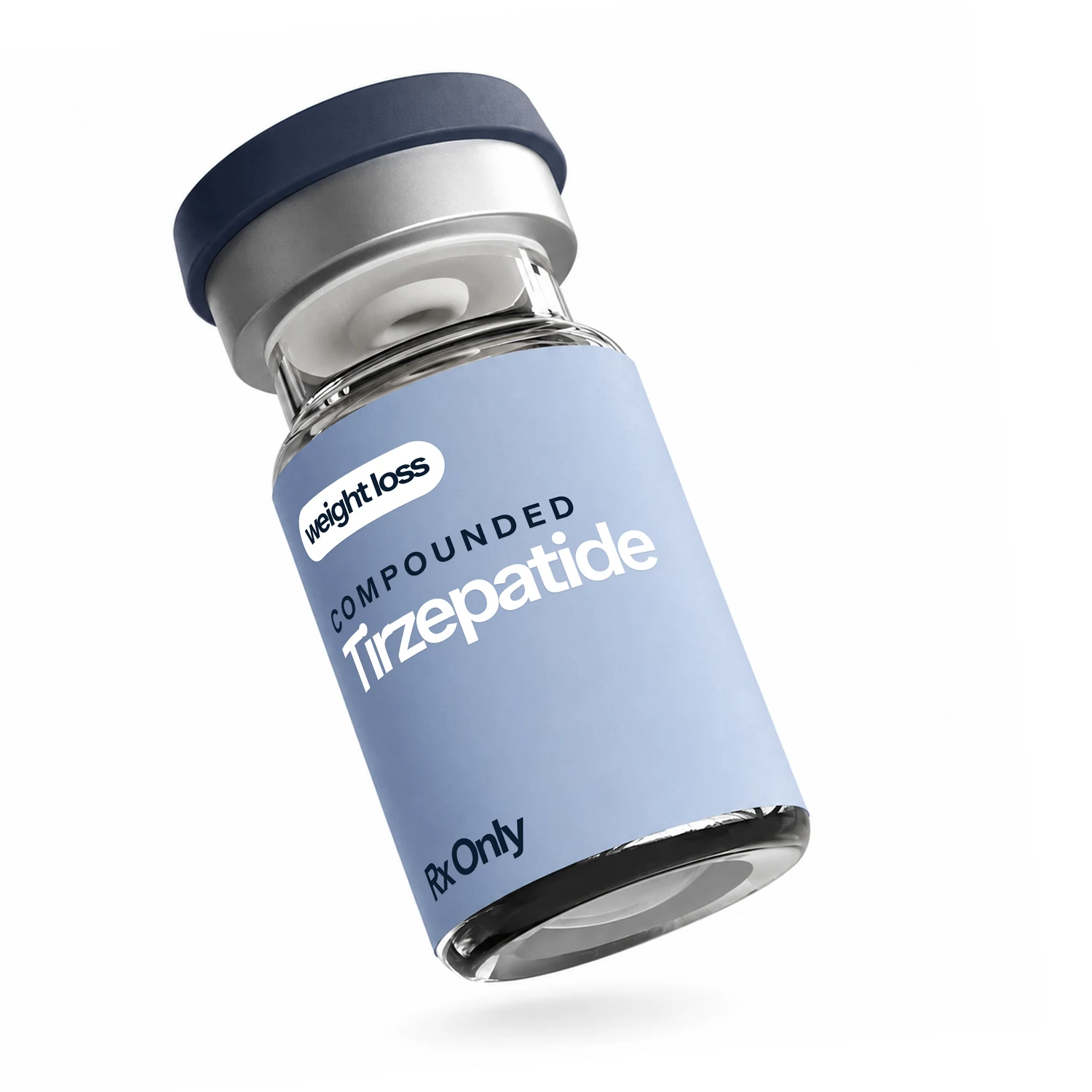
Compounded TirzepatideRx
Weekly GLP-1 + GIP injection.
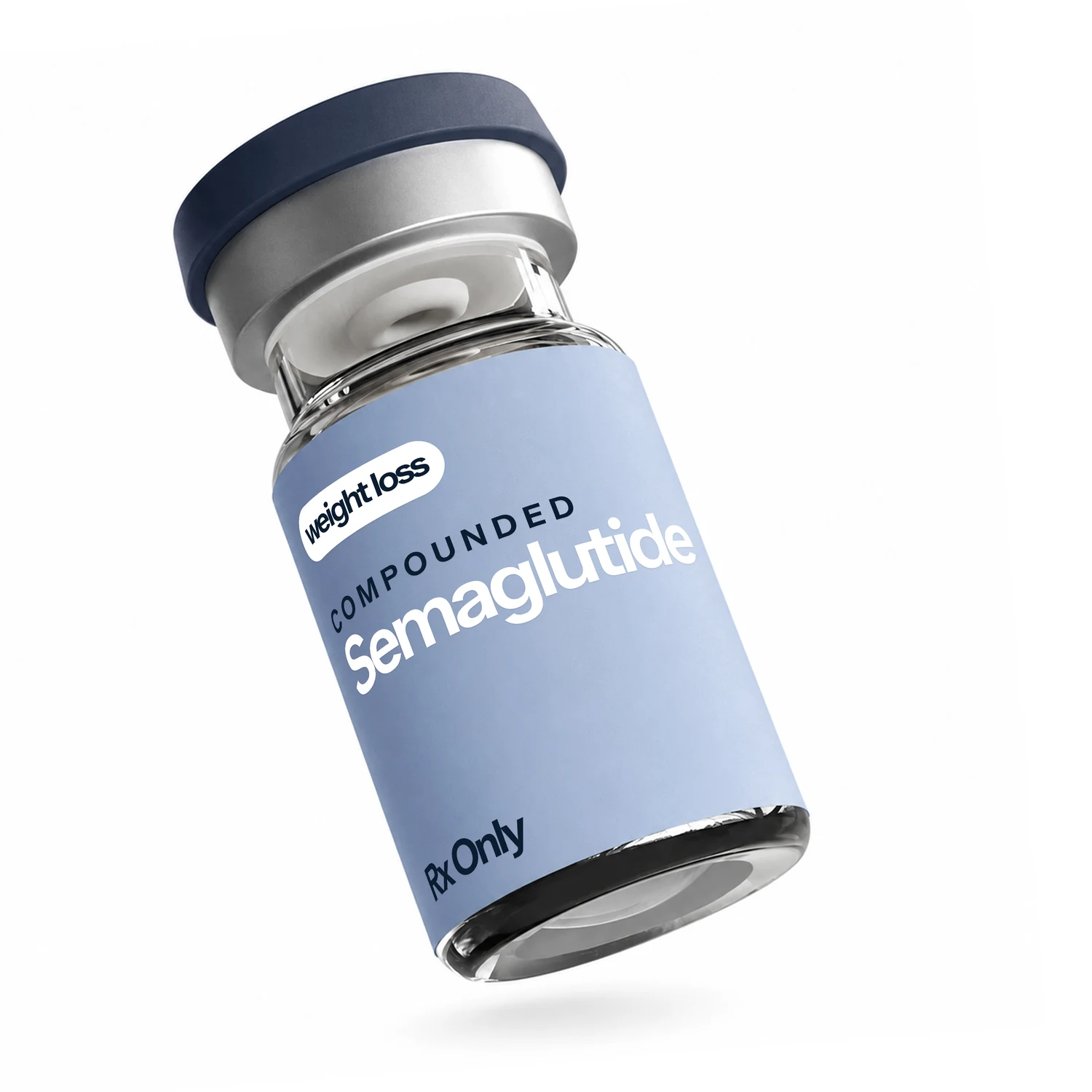
Compounded SemaglutideRx
Weekly GLP-1 injection.
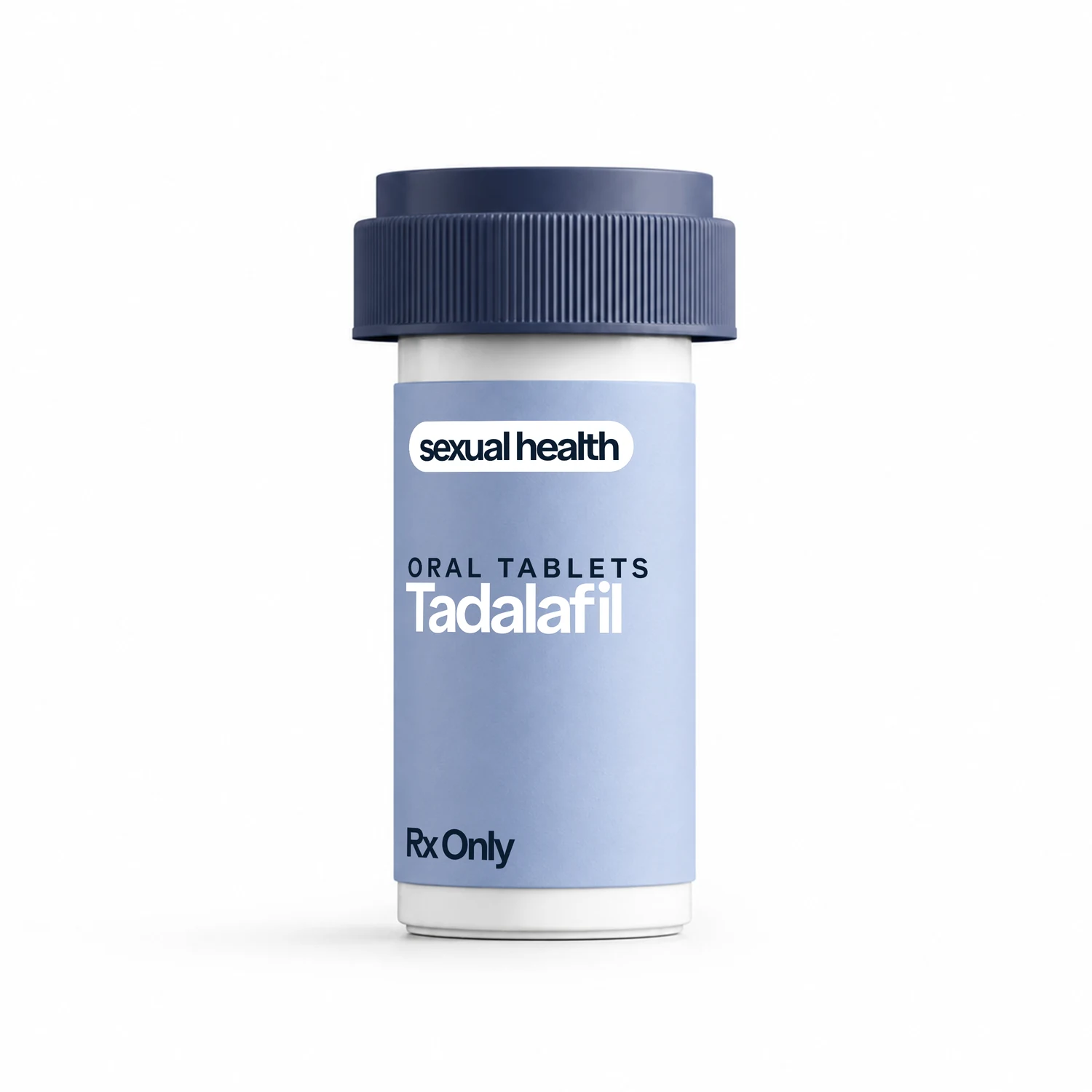
TadalafilRx
Generic Cialis®. Lasts up to 36 hours.

SildenafilRx
Generic Viagra®. Works in 30 minutes.
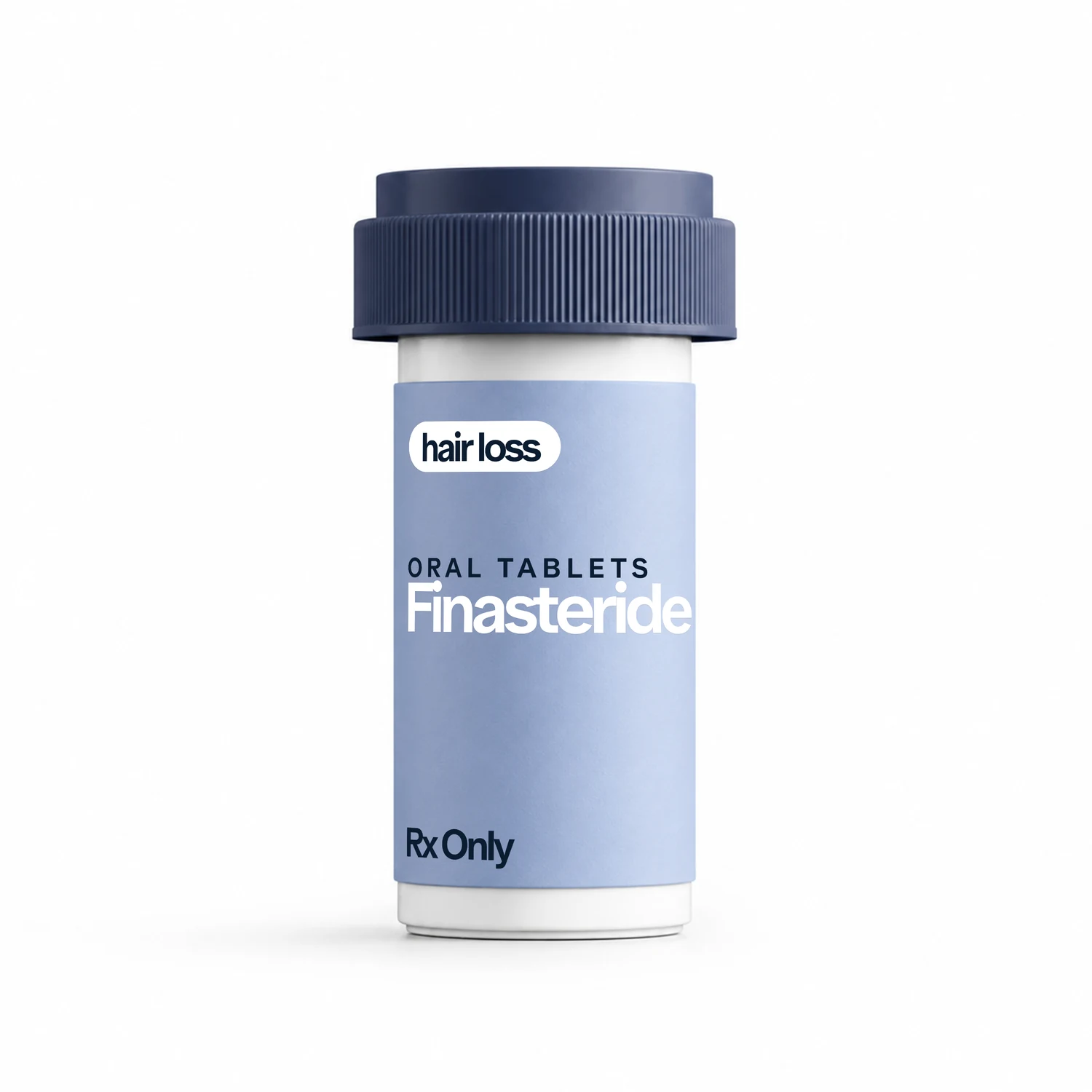
FinasterideRx
Generic Propecia®. Blocks DHT daily.
Hair Regrowth SprayRx
3-in-1 topical: finasteride + minoxidil + tretinoin.
Hair Transplant vs Medication: Who Needs Which

Written by Michael H.
Published April 7, 2026

Key Takeaways
# Hair Transplant vs Medication: Who Actually Needs Which
If you searched "hair transplant vs medication," you are probably standing at a fork in the road. Your hairline has moved. The crown is thinning. You have been ignoring it for two or three years, and now you are ready to do something about it. The question is not whether to act. The question is which action matches your situation.
This article lays out both options plainly — what each one does, who it serves, and where the decision actually gets made.
What Is Happening to Your Hair
The most common cause of hair loss in men is androgenetic alopecia, also called male pattern baldness. It accounts for roughly 95 percent of hair loss cases in men, according to the American Academy of Dermatology. The mechanism is well established: a hormone called dihydrotestosterone (DHT) — a byproduct of testosterone — binds to receptors in hair follicles. Over time, that binding miniaturizes the follicle. The hair produced becomes finer, shorter, and eventually stops growing altogether.
DHT sensitivity is genetic. If your father or maternal grandfather lost hair early, your odds increase. But genetics are not destiny when it comes to slowing the process.
The stage of loss at the time you seek treatment is the single most important variable in determining which path makes sense. Clinicians commonly use the Norwood Scale — a seven-stage classification — to describe the extent of male pattern hair loss. Where you fall on that scale shapes every conversation that follows.
What Medication Does — and Does Not Do
Medications for hair loss work by addressing the biological process while follicles are still alive. Two compounds have the strongest evidence base.
Finasteride is an oral prescription medication that inhibits the enzyme 5-alpha reductase, which converts testosterone into DHT. By lowering scalp DHT levels, finasteride slows follicle miniaturization and, in many men, allows existing follicles to recover some function. According to a landmark study published in the *Journal of the American Academy of Dermatology*, men taking finasteride over five years showed significant maintenance of hair count compared to placebo. Results may vary.
Minoxidil works through a different pathway — it is a vasodilator that increases blood flow and nutrient delivery to the follicle. It does not affect DHT. Used in combination with finasteride, the two compounds address both the hormonal cause and the follicle's local environment simultaneously. Research published in *Dermatologic Therapy* has documented additive benefit when the two agents are combined, particularly in topical formulations. Results may vary.
What medication cannot do: it cannot restore hair from follicles that have already died. A follicle that has been miniaturized to the point of complete dormancy — typically after years of untreated loss — will not respond to medication. This is why timing matters. The man at Norwood Stage 2 or 3 who acts now has more working follicles to preserve than the man at Stage 5 who has waited a decade.
What a Hair Transplant Does — and Does Not Do
A hair transplant is a surgical procedure. A surgeon harvests follicular units from a donor area — almost always the back and sides of the scalp, where DHT sensitivity is lower — and places them into thinning or bald areas. The most common modern technique is FUE (follicular unit extraction), in which individual follicular units are removed one by one, leaving no linear scar.

The transplanted follicles retain the genetic characteristics of the donor site. They are resistant to the same DHT that damaged the recipient area. That resistance is why transplanted hair tends to be permanent. According to the International Society of Hair Restoration Surgery, FUE is now the most frequently performed hair restoration technique worldwide.
What a transplant cannot do: it cannot create new hair. It redistributes existing hair. This distinction matters enormously. A man who has significant loss across the crown and frontal scalp but limited donor density may not have enough viable donor hair to achieve the coverage he expects. A skilled surgeon will tell you this plainly during a consultation.
The other thing a transplant does not do is stop the underlying process. Without medication, the native hair surrounding the transplanted grafts will continue to thin. Many surgeons recommend finasteride as a maintenance protocol following transplant surgery specifically for this reason.
FUE vs Finasteride: The Real Question
The comparison that most men are actually making is not "surgery vs a pill." It is: "Am I at the stage where surgery is the right primary intervention, or am I at the stage where medication can hold what I have?"
The honest answer depends on three variables:
1. How much viable hair remains. If you are at Norwood Stage 2, 3, or even an early 4, medication is frequently the first clinical recommendation. There is enough native hair worth preserving that slowing loss has real, visible value. Results may vary.
2. Whether your loss has stabilized. A hair transplant into an unstable loss pattern — where native hair around the grafts continues to fall out — can produce an unnatural result over time. Many surgeons prefer to see stability before proceeding. Medication can help create that stability.
3. Your expectations about density. A transplant moves hair. It does not add hair. Men with realistic expectations — restoring a hairline, addressing a specific crown patch — tend to be satisfied. Men expecting the density of their twenties are not good surgical candidates at any stage.
For many men, the answer is not either/or. Medication first, then reassess. Some reach a point of stability and decide the result is acceptable. Others stabilize and then choose surgery from a position of clarity rather than urgency.
A Note on Stewardship This Month
April is Testicular Cancer Awareness Month — and while that sits apart from hair loss, the underlying principle is the same. Men between 45 and 70 tend to act on health concerns later than they should. Testicular self-exams take less than two minutes. The American Cancer Society recommends monthly self-checks. Catching a change early — whether in hair follicles or in tissue — is stewardship. The body is a gift. It is worth maintaining with the same attention you would give anything else you value.
Where Good Guy Rx Fits
Good Guy Rx is a technology platform. It connects men to independent licensed physicians and independent state-licensed pharmacies. It does not manufacture medications or dispense them directly.
If you are in the earlier stages of hair loss and want to address the underlying DHT process with a prescription, a licensed provider on the platform can evaluate whether [finasteride](https://care.goodguyrx.com/start-online-visit/finasteride) is appropriate for your situation. This is an oral prescription medication reviewed by a physician, not an over-the-counter product.

For men who prefer a topical approach — or whose providers determine a combination protocol is appropriate — [compounded topical finasteride + minoxidil](https://care.goodguyrx.com/start-online-visit/topical-hair) is available through the platform. This formulation is prepared by state-licensed compounding pharmacies in accordance with FDA regulations. It is not FDA-approved as a compounded product. It combines the DHT-blocking mechanism of finasteride with the circulatory support of minoxidil in a single topical application.
Neither product is appropriate for every man. A licensed provider will review your history, current medications, and the extent of your loss before any prescription is issued. If you have questions about clinical protocols, direct them to a licensed provider through the patient portal — not to support staff.
Hair transplant surgery is not a service Good Guy Rx provides. If a consultation on the platform leads a provider to recommend surgical evaluation, they will say so.
What to Do Next
Step 1: Assess where you are on the Norwood Scale. You do not need a clinical appointment to do a rough self-assessment. Good photographs in natural light, taken from multiple angles, will tell you a great deal. Be honest about what you see.
Step 2: Start a consultation with a licensed provider. A provider who can see your photos and review your health history will give you a more accurate picture of your options than any article can. Use the patient portal at Good Guy Rx to initiate that conversation.
Step 3: Understand that medication and surgery are not competitors. If a provider recommends medication, that does not close the door on surgery later. It frequently opens a better surgical outcome by stabilizing loss first.
Step 4: Give medication time. Finasteride and minoxidil work over months, not days. The American Academy of Dermatology notes that meaningful assessment of medication response typically requires six to twelve months of consistent use. Patience is part of the protocol.
Sources
- Male Pattern Baldness: Causes and Overview — American Academy of Dermatology — https://www.aad.org/public/diseases/hair-loss/causes/why-hair-falls-out
- Finasteride Five-Year Study — Journal of the American Academy of Dermatology — https://www.jaad.org/
- Combination Finasteride and Minoxidil — Dermatologic Therapy — https://pubmed.ncbi.nlm.nih.gov/
- FUE Global Procedure Data — International Society of Hair Restoration Surgery — https://www.ishrs.org/
- Testicular Cancer Early Detection — American Cancer Society — https://www.cancer.org/cancer/testicular-cancer/detection-diagnosis-staging/detection.html
- Hair Loss Treatment Guidelines — American Academy of Dermatology — https://www.aad.org/
This article is for informational purposes only and does not constitute medical advice. Talk with a licensed provider through the patient portal before starting any treatment.
References
- [Finasteride Five-Year Study — Journal of the American Academy of Dermatology — https://www.jaad.org/](https://www.jaad.org/)
- [Combination Finasteride and Minoxidil — Dermatologic Therapy — https://pubmed.ncbi.nlm.nih.gov/](https://pubmed.ncbi.nlm.nih.gov/)
- [FUE Global Procedure Data — International Society of Hair Restoration Surgery — https://www.ishrs.org/](https://www.ishrs.org/)
- [Testicular Cancer Early Detection — American Cancer Society — https://www.cancer.org/cancer/testicular-cancer/detection-diagnosis-staging/detection.html](https://www.cancer.org/cancer/testicular-cancer/detection-diagnosis-staging/detection.html)
- [Hair Loss Treatment Guidelines — American Academy of Dermatology — https://www.aad.org/](https://www.aad.org/)
- This article is for informational purposes only and does not constitute medical advice. Talk with a licensed provider through the patient portal before starting any treatment.*
Share this article

Ready to start your journey?
Complete your free online visit and see if GLP-1 treatment is right for you.
Get Started