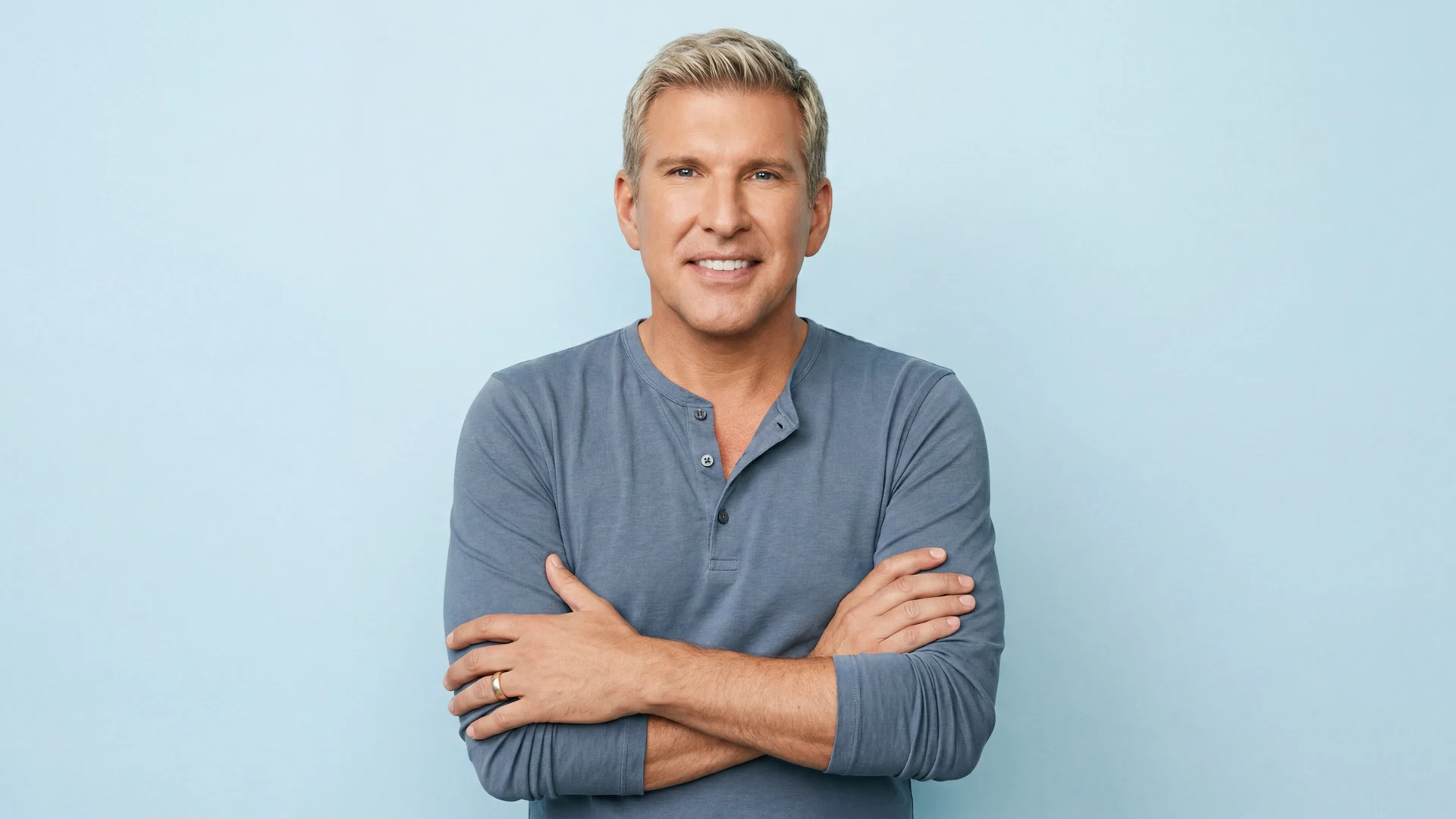
Good Guy Rx
Take care of what God gave you.
Get started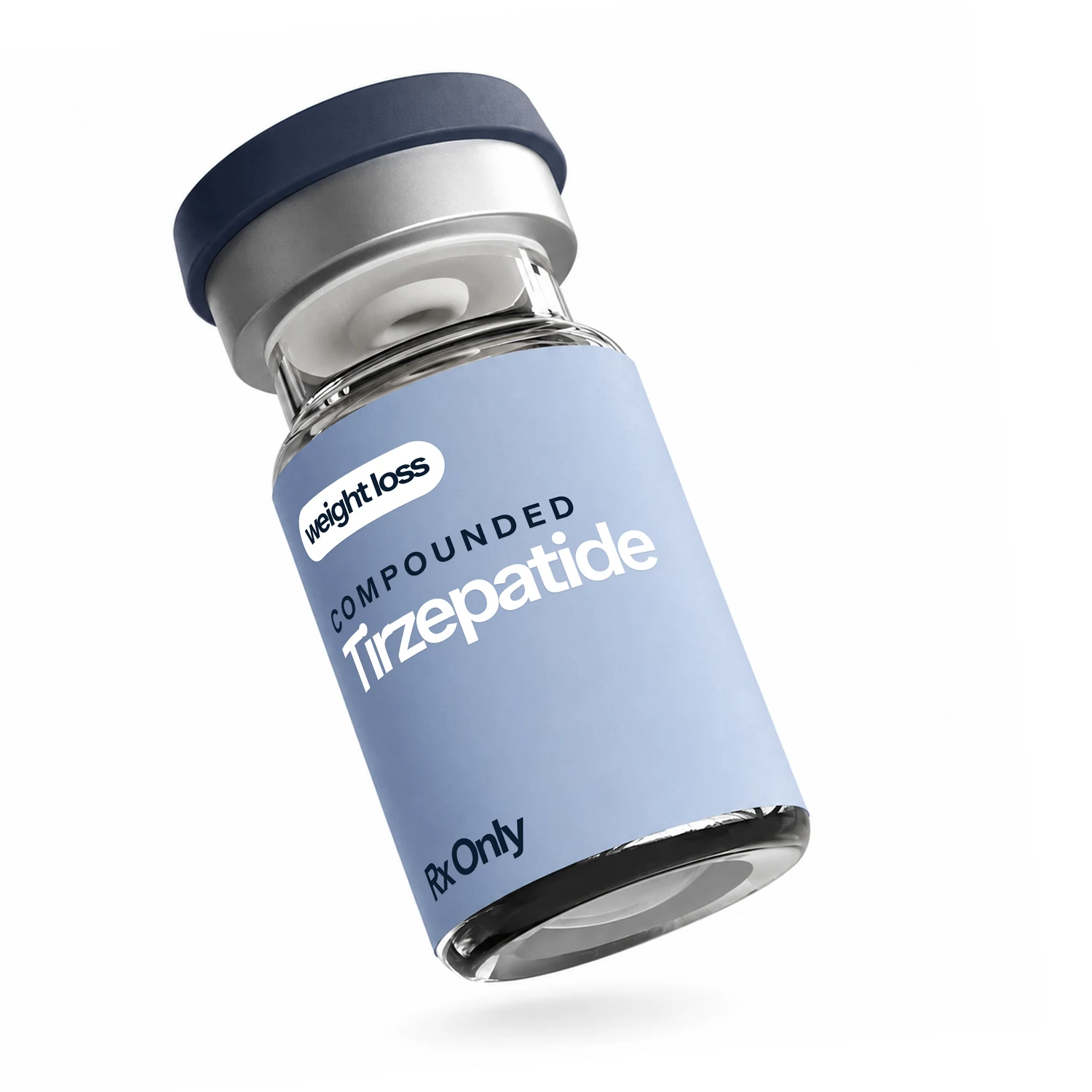
Compounded TirzepatideRx
Weekly GLP-1 + GIP injection.
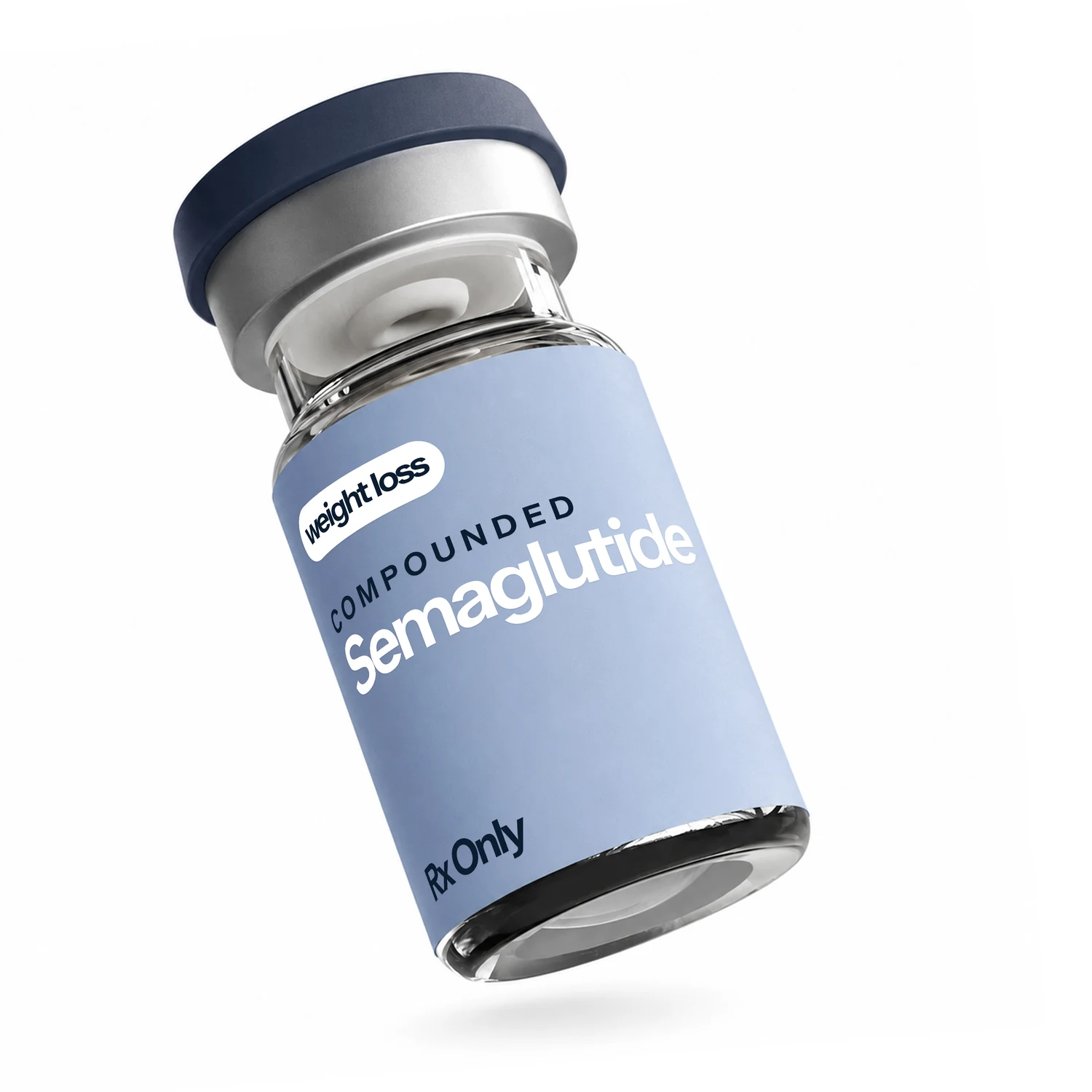
Compounded SemaglutideRx
Weekly GLP-1 injection.
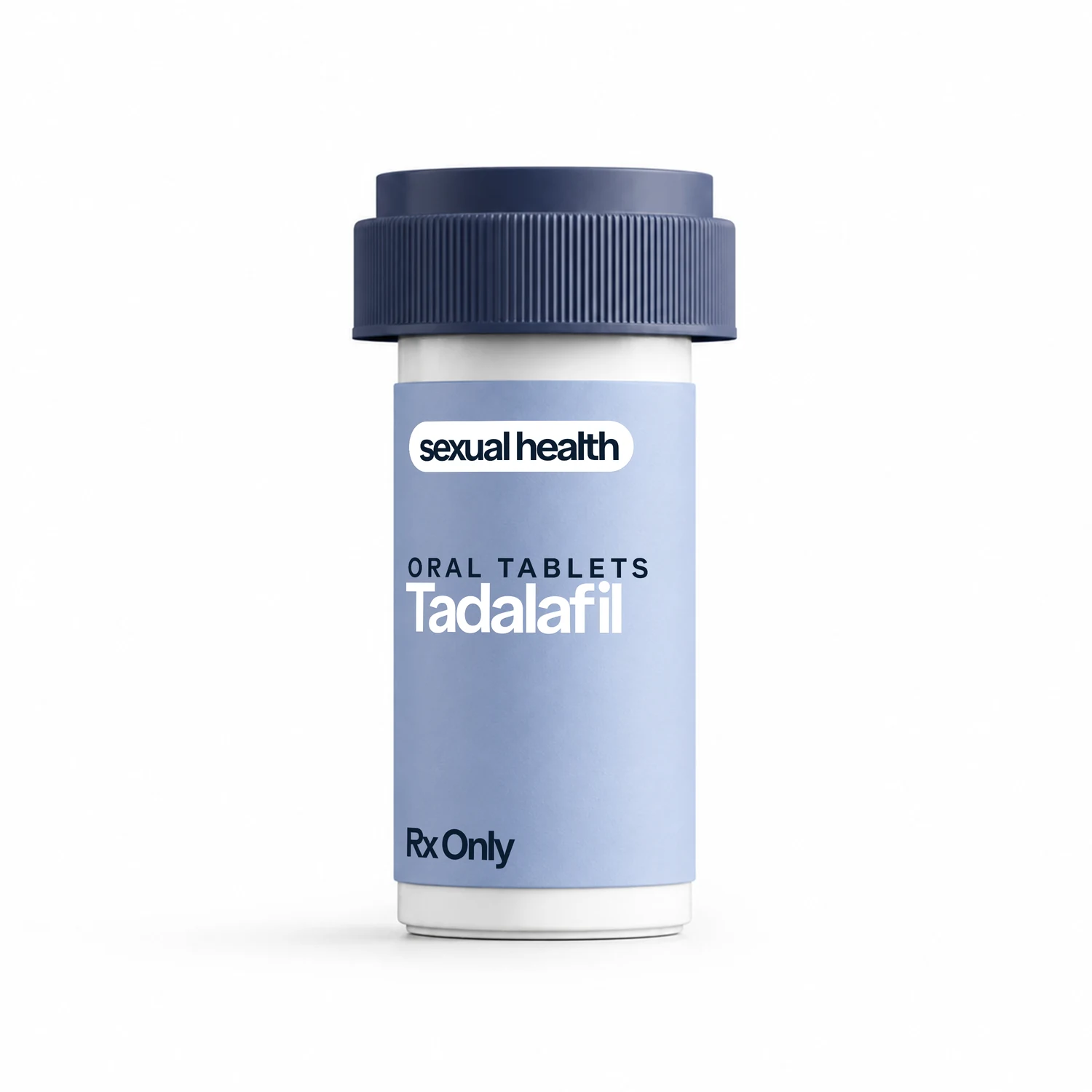
TadalafilRx
Generic Cialis®. Lasts up to 36 hours.
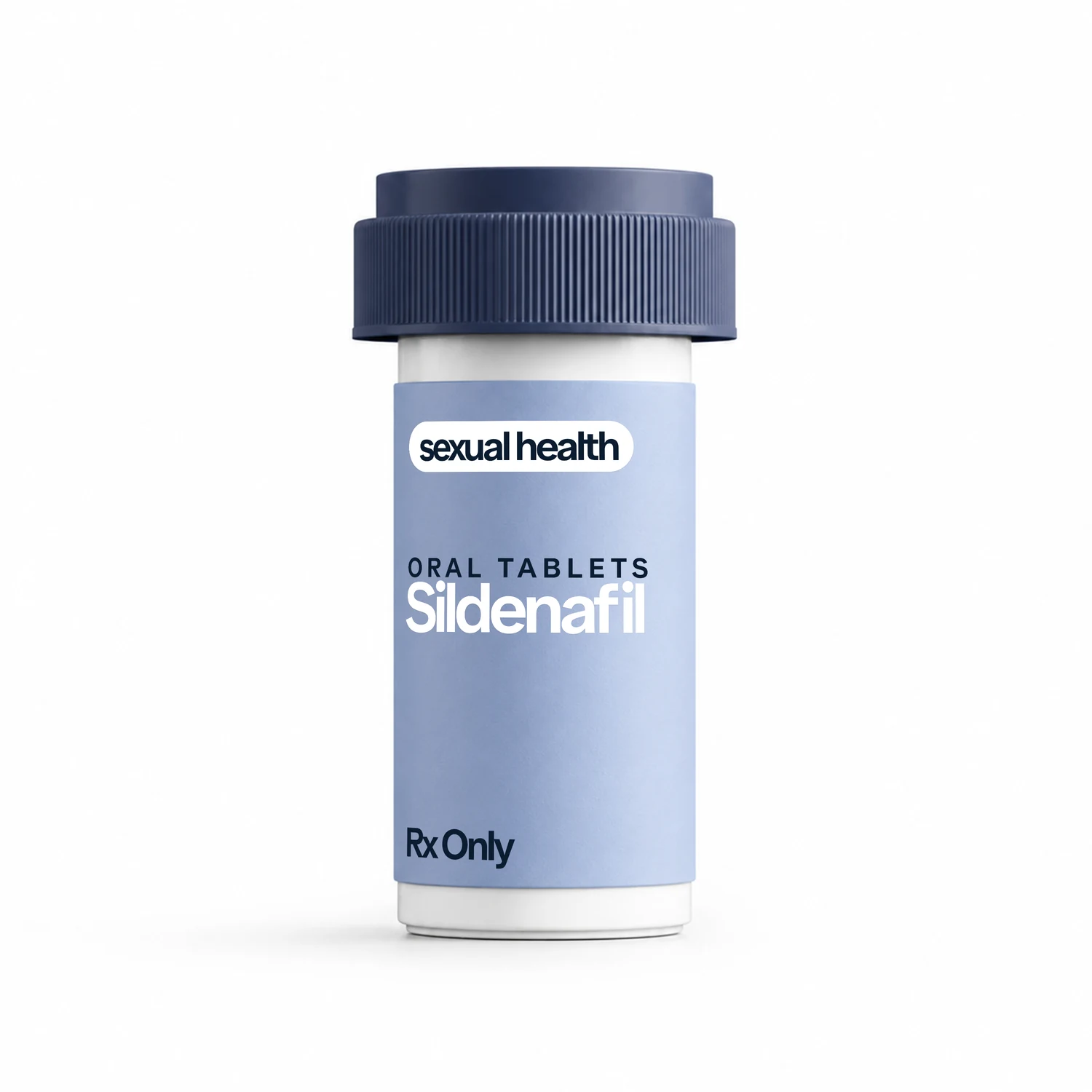
SildenafilRx
Generic Viagra®. Works in 30 minutes.
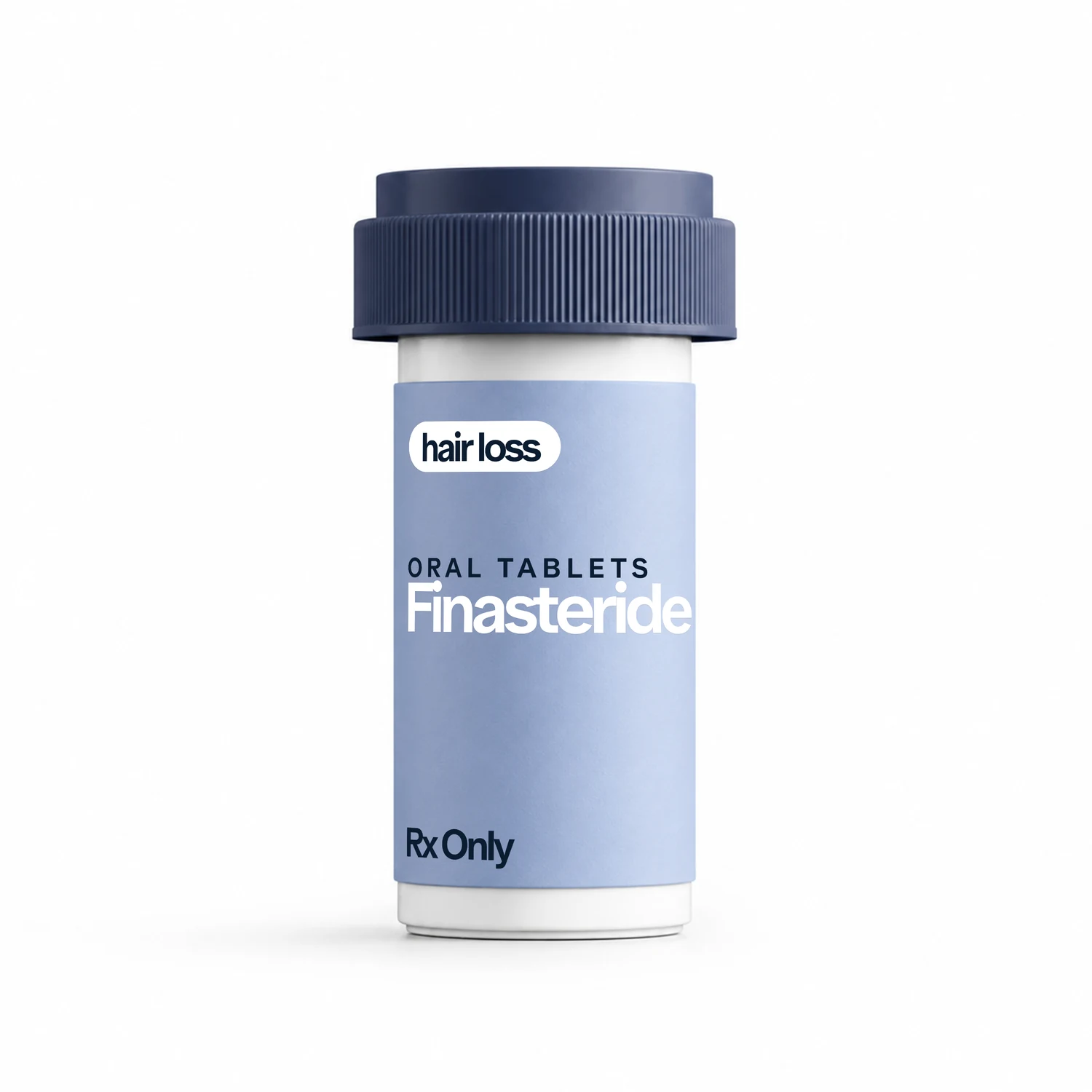
FinasterideRx
Generic Propecia®. Blocks DHT daily.
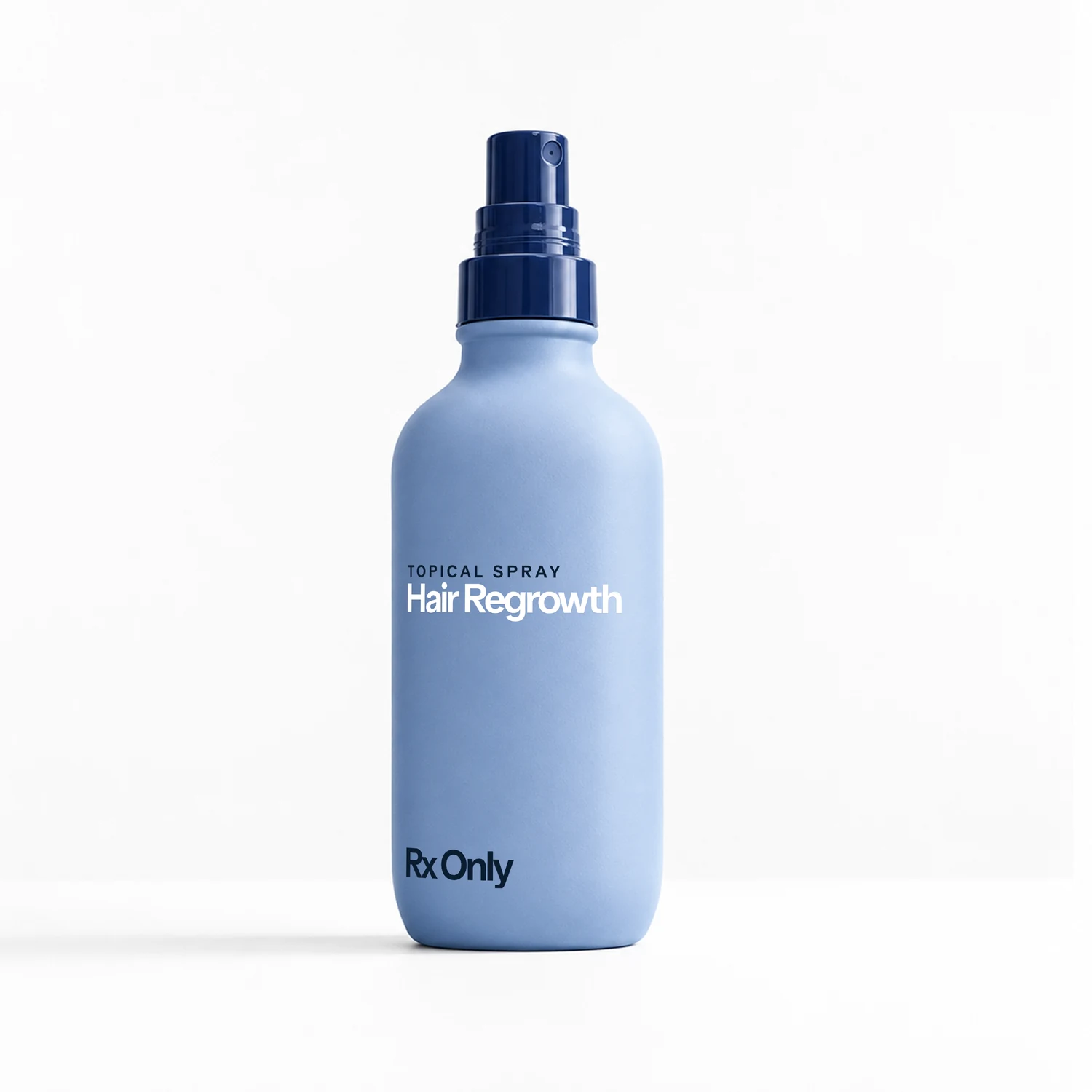
Hair Regrowth SprayRx
3-in-1 topical: finasteride + minoxidil + tretinoin.
GLP-1 Strength Training Men: Don't Skip the Iron
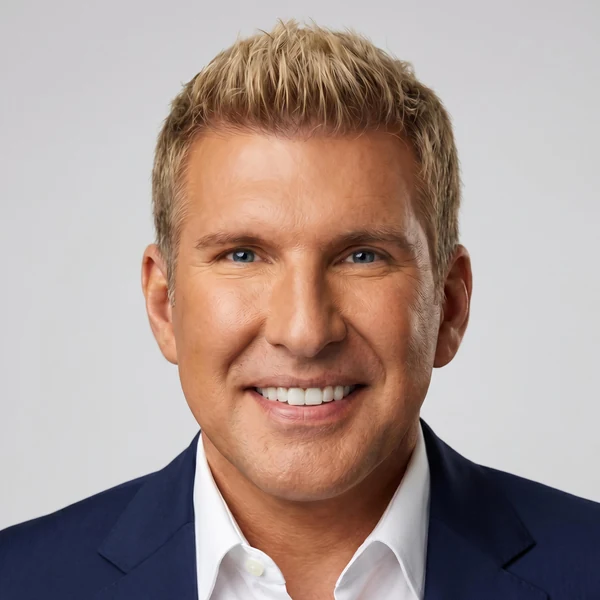
Written by Todd Chrisley
Published March 22, 2026
Key Takeaways
# GLP-1 Without Strength Training Leaves Money on the Table
I have sat in rooms where men talked about losing weight like it was a single problem with a single solution. Take the medication. Watch the scale. Done. I understand the appeal of that thinking. When you have been carrying extra weight for a decade, anything that moves the number down feels like a win. But I learned something the hard way, inside and outside of those walls I lived in for 28 months: a partial solution applied to a whole problem does not hold. You have to deal with all of it, or you will be back at the start before long.
That is the truth about GLP-1 receptor agonist medications and the gym. One without the other is an incomplete answer.
What GLP-1 Medications Actually Do — and What They Do Not
GLP-1 receptor agonists work by signaling the brain to reduce appetite and slow gastric emptying. The clinical results on body weight are real. According to the STEP 1 trial published in The New England Journal of Medicine, participants using semaglutide alongside lifestyle intervention lost a mean of 14.9% of body weight over 68 weeks. The SURMOUNT-1 trial, also published in The New England Journal of Medicine, showed mean weight reduction of 20.9% with tirzepatide at the highest dose studied. Results may vary.
Those numbers are significant. But here is the part most men skip right past: a meaningful portion of the weight lost during caloric restriction — with or without medication — is lean muscle mass, not just fat. Research published in *Obesity* found that individuals on GLP-1 therapy can lose up to 25–39% of their total weight loss as lean mass when resistance training is not part of the protocol.
For a man over 50, that is not a footnote. That is the whole story.
Why Muscle Mass Is the Asset You Cannot Afford to Lose
I talk about stewardship. I talk about taking care of what God gave you. Your skeletal muscle is one of the most important things He gave you, and it does far more than move weight at the gym.
Muscle tissue is metabolically active. It burns calories at rest. It regulates insulin sensitivity. It protects your joints. It keeps you standing up straight at 65. According to the American Journal of Men's Health, men experience age-related muscle loss — called sarcopenia — at a rate of roughly 3–8% per decade after 30, accelerating after 60. If you are on a GLP-1 medication and losing weight without resistance training, you are pulling forward that decline. You are borrowing against the future.
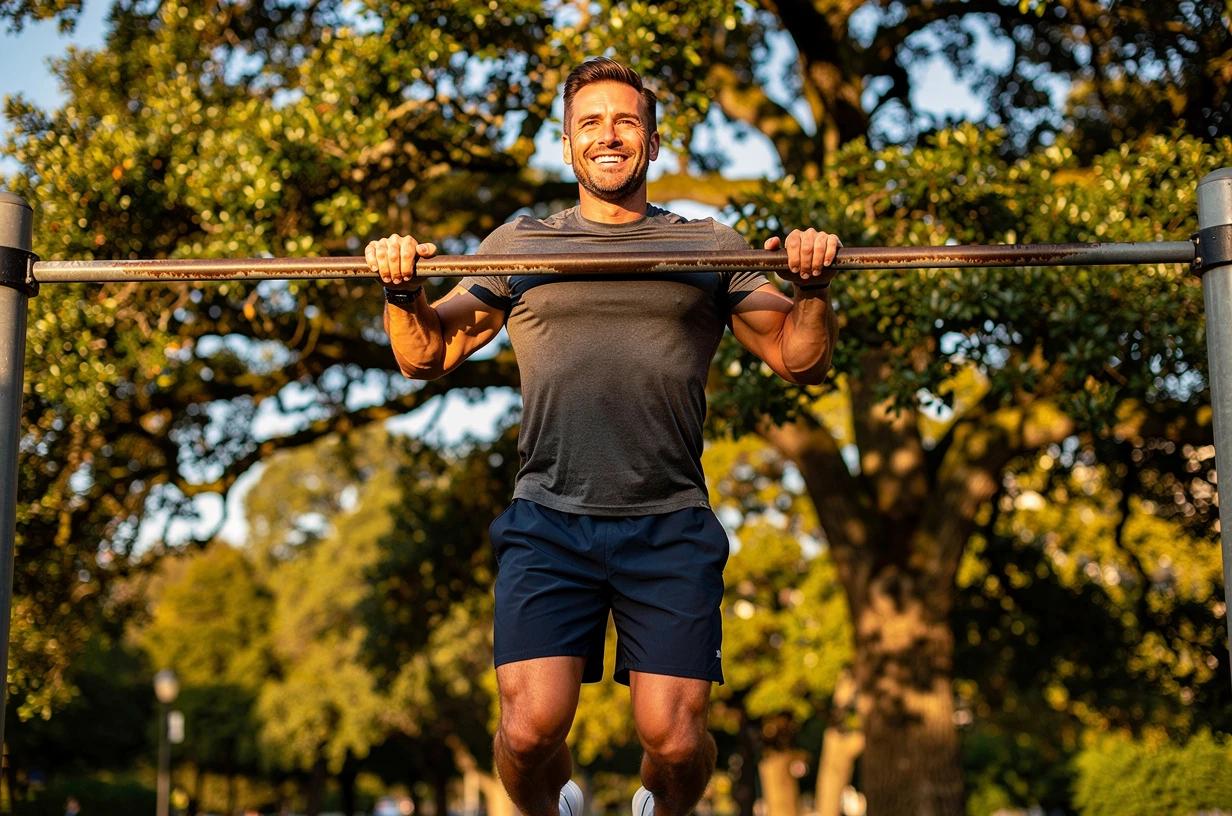
I spent time in a place where I had no access to a real gym. I used the floor. I used body weight. I used whatever I could find, because I understood that keeping my body strong was not vanity — it was discipline. It was the physical expression of the same faith that kept my mind from going dark. Maintenance of the body is an act of respect. You either practice it or you pay for skipping it later.
If You Have Been Telling Yourself the Medication Is Enough
I hear it all the time. Men say: I am eating less, I am losing weight, why do I need to lift? Here is why. When you are in a caloric deficit, your body looks for fuel. It will take it from fat when it can. It will also take it from muscle when the resistance signal is not there to say: keep this, we need it.
Resistance training sends that signal. It tells the body to preserve lean mass while the fat comes off. That is not a theory — that is documented physiology. A 2021 study in *Cell Metabolism*00148-4) confirmed that resistance exercise during caloric restriction substantially attenuated lean mass loss compared to diet alone.
If you are sitting where I was sitting — older, heavier than you want to be, not sure where to start — this is where you start. Not with a complicated program. Not with a gym membership that costs more than your first car. With the basics, done consistently.
The Practical Turn: What to Actually Do
National Nutrition Month is a good time to get honest about all three pillars, not just the food.
On protein: Eat at least 0.7 to 1.0 grams of protein per pound of lean body mass daily. This is not optional when you are on a GLP-1 medication and training. The NIH Office of Dietary Supplements supports adequate protein intake as essential for muscle protein synthesis, especially in older adults. Eggs, lean beef, chicken, Greek yogurt, and fish are straightforward sources. The Mediterranean dietary pattern — built on fish, legumes, olive oil, and vegetables — has strong peer-reviewed support for cardiovascular health and body composition in men over 40. Start there.
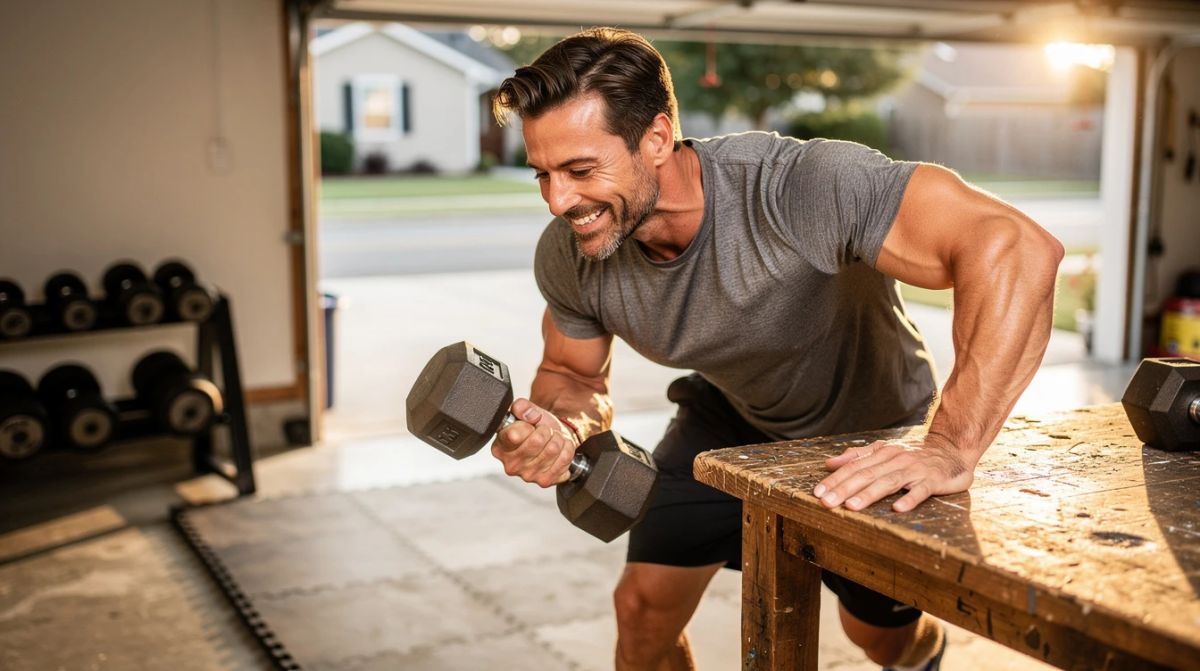
On resistance training: Two to three sessions per week is the floor. Compound movements — squats, rows, presses, deadlifts — hit the most muscle in the least time. You do not need a spotter. You do not need a mirror. You need a set of dumbbells and the willingness to show up. According to the American College of Sports Medicine, adults should perform muscle-strengthening activities of moderate or greater intensity involving all major muscle groups on two or more days per week.
On sleep: This one gets ignored most. Testosterone, growth hormone, and cortisol regulation all happen during sleep. The NIH National Heart, Lung, and Blood Institute recommends 7–9 hours for adults. Less than that, and your muscle recovery stalls. Less than that, and your appetite hormones — ghrelin and leptin — push against every dietary discipline you are trying to hold.
Walk. Thirty minutes a day is not nothing. It is insulin sensitivity, it is cardiovascular health, it is your legs staying strong enough to carry you to your grandchildren.
See a doctor before you change anything significant. I mean that plainly. Not a friend. Not a forum. A licensed physician who knows your history.

For Men Considering a Medically Supervised Weight-Loss Plan
Platform note: Good Guy Rx is a technology platform that connects men to independent licensed physicians and independent state-licensed pharmacies. If you are over 40, carrying weight that has not moved despite real effort, and you want a physician to evaluate whether a medically supervised approach — including compounded medications prepared by state-licensed compounding pharmacies in accordance with FDA regulations — is appropriate for you, the right first step is a clinical assessment.
Start your weight-loss assessment here.
A licensed provider will review your history and determine what, if anything, is appropriate for your situation. Results may vary. Medical questions belong in the patient portal with your provider, not with support staff.
The Close
The medication can help move the weight. The iron is what keeps the man underneath it intact. Do not choose one and skip the other — stewardship means you take care of the whole thing.
Take care of what God gave you.
Sources
- STEP 1 Trial: Once-Weekly Semaglutide in Adults with Overweight or Obesity — The New England Journal of Medicine — https://www.nejm.org/doi/10.1056/NEJMoa2032183
- SURMOUNT-1 Trial: Tirzepatide Once Weekly for the Treatment of Obesity — The New England Journal of Medicine — https://www.nejm.org/doi/10.1056/NEJMoa2206038
- Lean Mass Loss During GLP-1 Therapy — Obesity Journal — https://onlinelibrary.wiley.com/doi/10.1002/oby.23374
- Sarcopenia in Men — American Journal of Men's Health — https://journals.sagepub.com/doi/10.1177/15579883211011636
- Resistance Exercise and Lean Mass During Caloric Restriction — Cell Metabolism — https://www.cell.com/cell-metabolism/fulltext/S1550-4131(21)00148-400148-4)
- Physical Activity Guidelines for Americans — American College of Sports Medicine — https://www.acsm.org/education-resources/trending-topics-resources/physical-activity-guidelines
- Why Sleep Is Important — NIH National Heart, Lung, and Blood Institute — https://www.nhlbi.nih.gov/health/sleep/why-sleep-is-important
- Dietary Supplements and Protein — NIH Office of Dietary Supplements — https://ods.od.nih.gov/factsheets/list-all/
References
- [SURMOUNT-1 Trial: Tirzepatide Once Weekly for the Treatment of Obesity — The New England Journal of Medicine — https://www.nejm.org/doi/10.1056/NEJMoa2206038](https://www.nejm.org/doi/10.1056/NEJMoa2206038)
- [Lean Mass Loss During GLP-1 Therapy — Obesity Journal — https://onlinelibrary.wiley.com/doi/10.1002/oby.23374](https://onlinelibrary.wiley.com/doi/10.1002/oby.23374)
- [Sarcopenia in Men — American Journal of Men's Health — https://journals.sagepub.com/doi/10.1177/15579883211011636](https://journals.sagepub.com/doi/10.1177/15579883211011636)
- [Resistance Exercise and Lean Mass During Caloric Restriction — Cell Metabolism — https://www.cell.com/cell-metabolism/fulltext/S1550-4131(21)00148-4](https://www.cell.com/cell-metabolism/fulltext/S1550-4131(21)00148-4)
- [Physical Activity Guidelines for Americans — American College of Sports Medicine — https://www.acsm.org/education-resources/trending-topics-resources/physical-activity-guidelines](https://www.acsm.org/education-resources/trending-topics-resources/physical-activity-guidelines)
- [Why Sleep Is Important — NIH National Heart, Lung, and Blood Institute — https://www.nhlbi.nih.gov/health/sleep/why-sleep-is-important](https://www.nhlbi.nih.gov/health/sleep/why-sleep-is-important)
- [Dietary Supplements and Protein — NIH Office of Dietary Supplements — https://ods.od.nih.gov/factsheets/list-all/](https://ods.od.nih.gov/factsheets/list-all/)
Share this article
Ready to start your journey?
Complete your free online visit and see if GLP-1 treatment is right for you.
Get Started