
Good Guy Rx
Take care of what God gave you.
Get started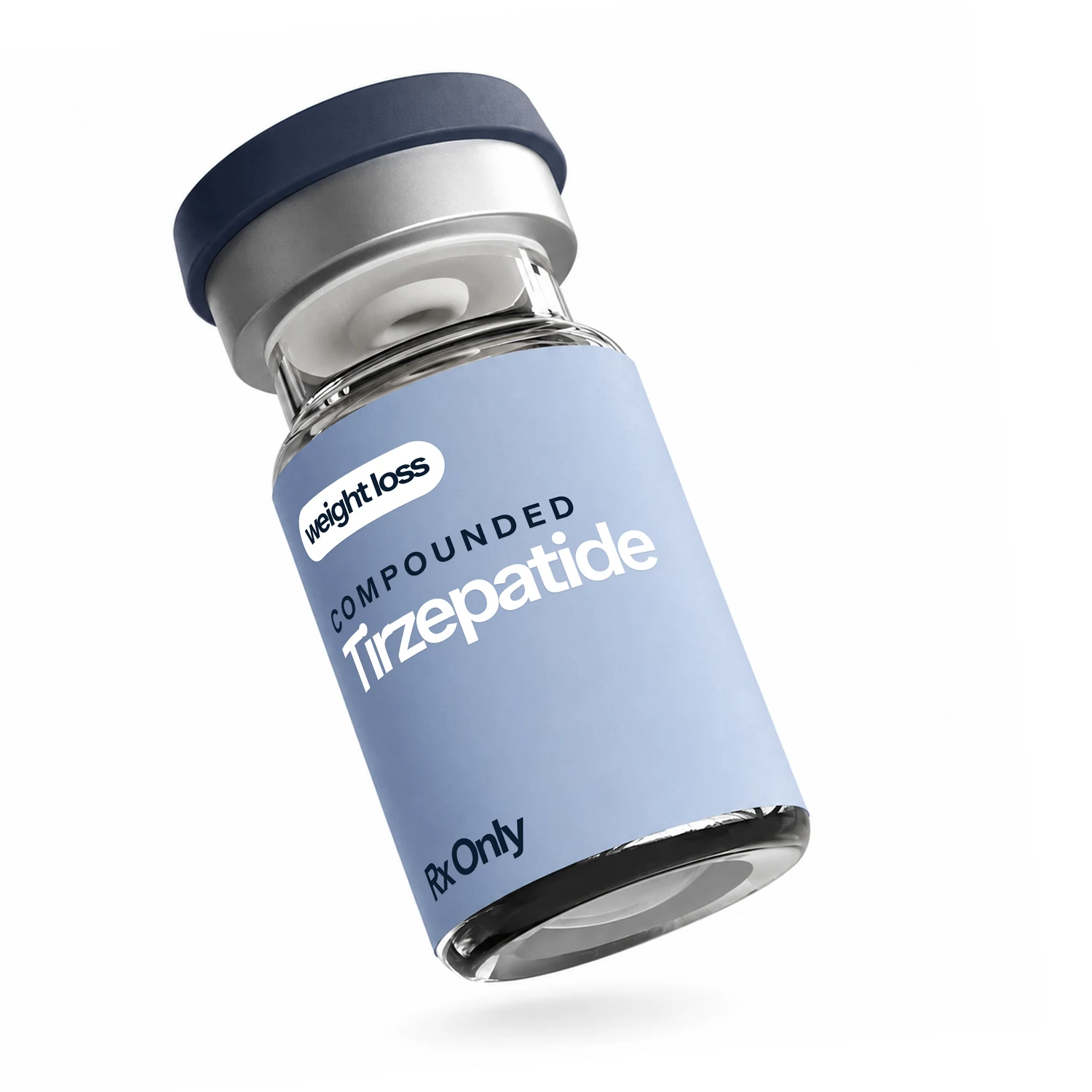
Compounded TirzepatideRx
Weekly GLP-1 + GIP injection.

Compounded SemaglutideRx
Weekly GLP-1 injection.

TadalafilRx
Generic Cialis®. Lasts up to 36 hours.

SildenafilRx
Generic Viagra®. Works in 30 minutes.
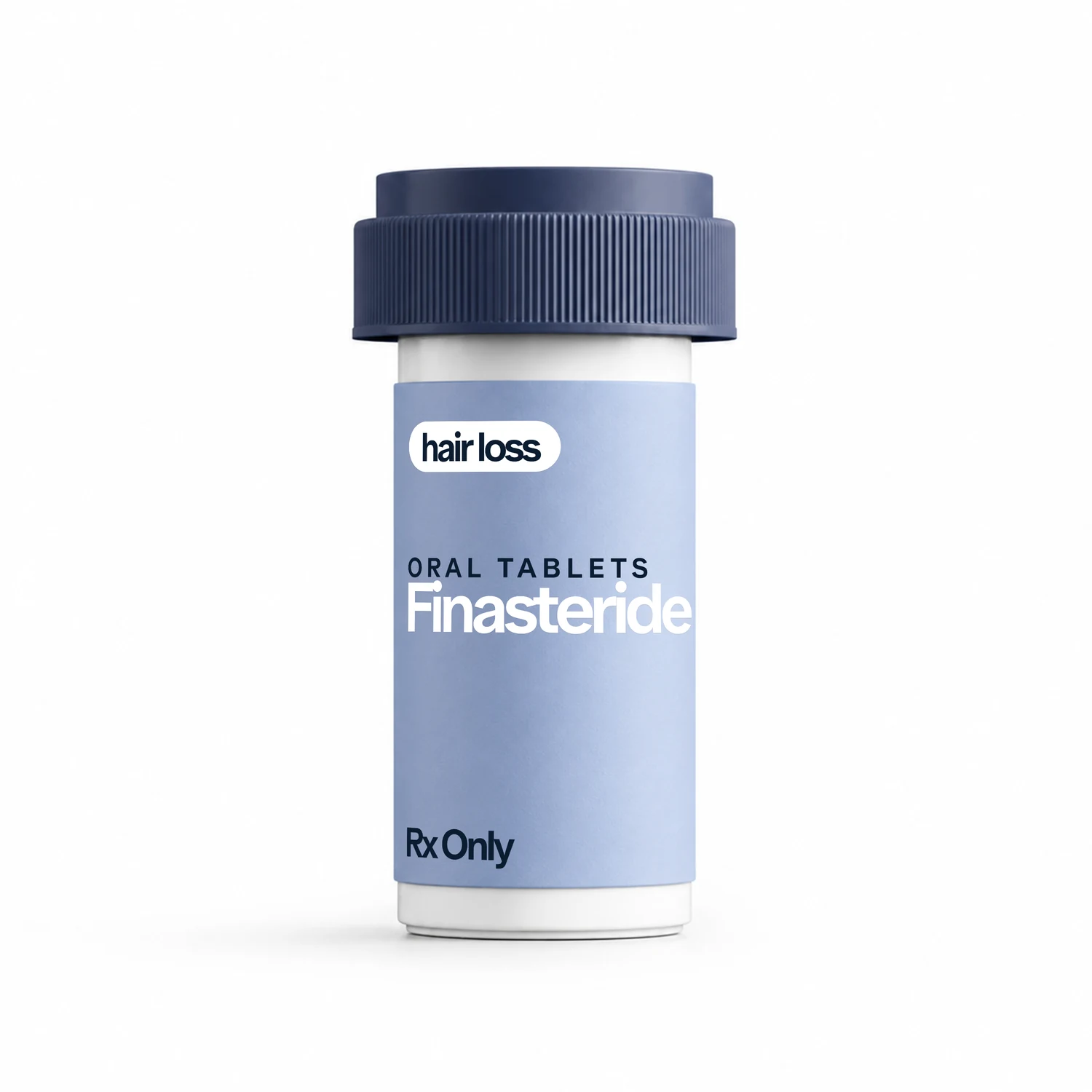
FinasterideRx
Generic Propecia®. Blocks DHT daily.

Hair Regrowth SprayRx
3-in-1 topical: finasteride + minoxidil + tretinoin.
Divorce Mental Health Men: What to Expect

Written by Todd Chrisley
Published April 5, 2026

Key Takeaways
# When the House Goes Quiet: Divorce, Depression, and Getting Back to Yourself
I know what it feels like when everything you built gets pulled out from under you. I have sat in rooms where I had no control over the outcome, where the future looked like a wall with no door in it, and where the only voice louder than my fear was God reminding me that He had not left. I am not here to compare pain. But I will tell you this: the silence that follows the end of a marriage is one of the loudest things a man can hear. And most men have no idea what is coming.
If you are going through a divorce, or if you know a man who is, this article is for you. Not because I have a prescription. Because I have been broken, and I know what it costs to pretend you are not.
What the Research Actually Says About Divorced Men and Depression
Let me start with the facts, because men respect facts.
The data on divorce mental health in men is not subtle. According to research published in the American Journal of Men's Health, divorced and separated men report significantly higher rates of depression, anxiety, and alcohol misuse than their married counterparts. The American Psychological Association notes that men are less likely than women to seek mental-health support following a divorce — which means the wound stays open longer than it has to.
A study reviewed by the National Institute of Mental Health found that men are four times more likely than women to die by suicide, and major life disruptions like divorce are among the most cited precipitating stressors. The American Foundation for Suicide Prevention reports that middle-aged men represent the highest-risk demographic in the country.
I am not saying that to frighten you. I am saying it so you understand that what you feel after a divorce is not weakness. It is a documented, measurable, physiological and psychological response. And it deserves real attention.
The Curve No One Told You About
Here is what the male mental-health curve after divorce typically looks like, and why it catches men off guard.
In the first weeks, a lot of men feel a strange kind of relief. The conflict is over. There is a clarity to the pain. Some men even feel productive — they make lists, they move furniture, they call people they have not spoken to in years.
Then, somewhere between month two and month six, it hits.

The Journal of Clinical Endocrinology and Metabolism has published research linking prolonged psychological stress in men to measurable decreases in testosterone, disrupted cortisol rhythms, poor sleep architecture, and suppressed immune function. The body keeps score. You cannot outwork, outearn, or out-distract your way through that kind of internal accounting.
A lot of men in this valley start drinking more than they should. Some stop exercising. Some stop eating properly. Some go completely quiet. And because the men around them were raised the same way — to stand up straight and keep moving — nobody says a word.
That silence has a cost. Results may vary for any individual man, but the pattern is common enough that it has a name in clinical literature: adjustment disorder with depressed mood, and it is entirely treatable.
If You Are Sitting Where I Was Sitting
I will be plain with you. There was a season of my life where I had to decide whether I was going to let what happened to me define me or whether I was going to let God use it to refine me. That decision was not made once. It was made every single morning. Some mornings I made it well. Some mornings I did not.
If you have been telling yourself that you just need time, I want to push back on that — gently, but directly. Time alone does not heal a wound. What you do with the time is what heals it.
If you have been telling yourself that talking to someone is not for men like you, I want you to reconsider that. I have talked to pastors, to counselors, to physicians. Every single time I swallowed my pride and asked for help, something moved. Not always the thing I wanted moved. But something.
Your faith, your family, your physical fitness — these are not soft ideas. They are load-bearing walls. When the marriage ends, you do not tear out the walls. You inspect them. You reinforce what held and you repair what did not.
The Practical Steps — Plain and Specific
No theories. Here is what the evidence and my own experience say to do.
Sleep first. The National Institutes of Health is clear that chronic sleep deprivation accelerates cortisol dysregulation, weight gain, and mood deterioration. Get seven to nine hours. Not six. Not five. Seven to nine.
Move your body every day. A meta-analysis published in JAMA Psychiatry found that regular physical activity reduced symptoms of major depressive disorder comparably to antidepressant medication in some populations. Walk. Lift. Swim. Forty-five minutes. It does not have to be complicated.
Eat like you respect yourself. Processed food, alcohol, and sugar are not comfort. They are accelerants on a fire you are trying to put out. Protein, vegetables, and water are maintenance. Treat your body like something worth maintaining.
Talk to a licensed professional. A physician, a licensed counselor, or a therapist. Not a buddy at the bar. The American Urological Association and the Movember Foundation both emphasize that men are dramatically undertreated for depression and anxiety — not because the treatments do not work, but because men do not ask.

Get a full physical. When your mental health is under stress, your physical health pays the bill. And since this is Testicular Cancer Awareness Month, I want to say plainly: do a self-check. The American Cancer Society recommends monthly self-examinations for men. It takes two minutes. It is stewardship of what you were given. Do not let embarrassment cost you your life.
A Note on Hormonal Health After Divorce
Good Guy Rx Platform Note
Prolonged psychological stress and disrupted sleep are among the most well-documented contributors to declining testosterone and other hormonal imbalances in men over 45. If you have noticed changes in your energy, mood, sleep quality, or physical capacity since your divorce, those changes may have a measurable biological basis worth investigating.
Good Guy Rx is a technology platform that connects men to independent licensed physicians and independent state-licensed pharmacies. Our physicians can order relevant labs, review your results, and, where clinically appropriate, discuss options that may include medications prepared by state-licensed compounding pharmacies in accordance with FDA regulations — which means they are not FDA-approved compounded medications, but they are prepared under rigorous regulatory standards.
If any of this applies to you, the right first step is a clinical assessment. You can start one here: Take the Men's Health Assessment. Results may vary.
The Close
The end of a marriage is not the end of you. It is a reckoning — with what you built, what you neglected, and what you are still capable of. I have stood in that reckoning. I did not come through it because I was strong. I came through it because I stopped pretending I did not need help, and because I held onto faith when everything else let go.
You are not done. Not even close.
Take care of what God gave you.
Share this article

Ready to start your journey?
Complete your free online visit and see if GLP-1 treatment is right for you.
Get Started