
Good Guy Rx
Take care of what God gave you.
Get started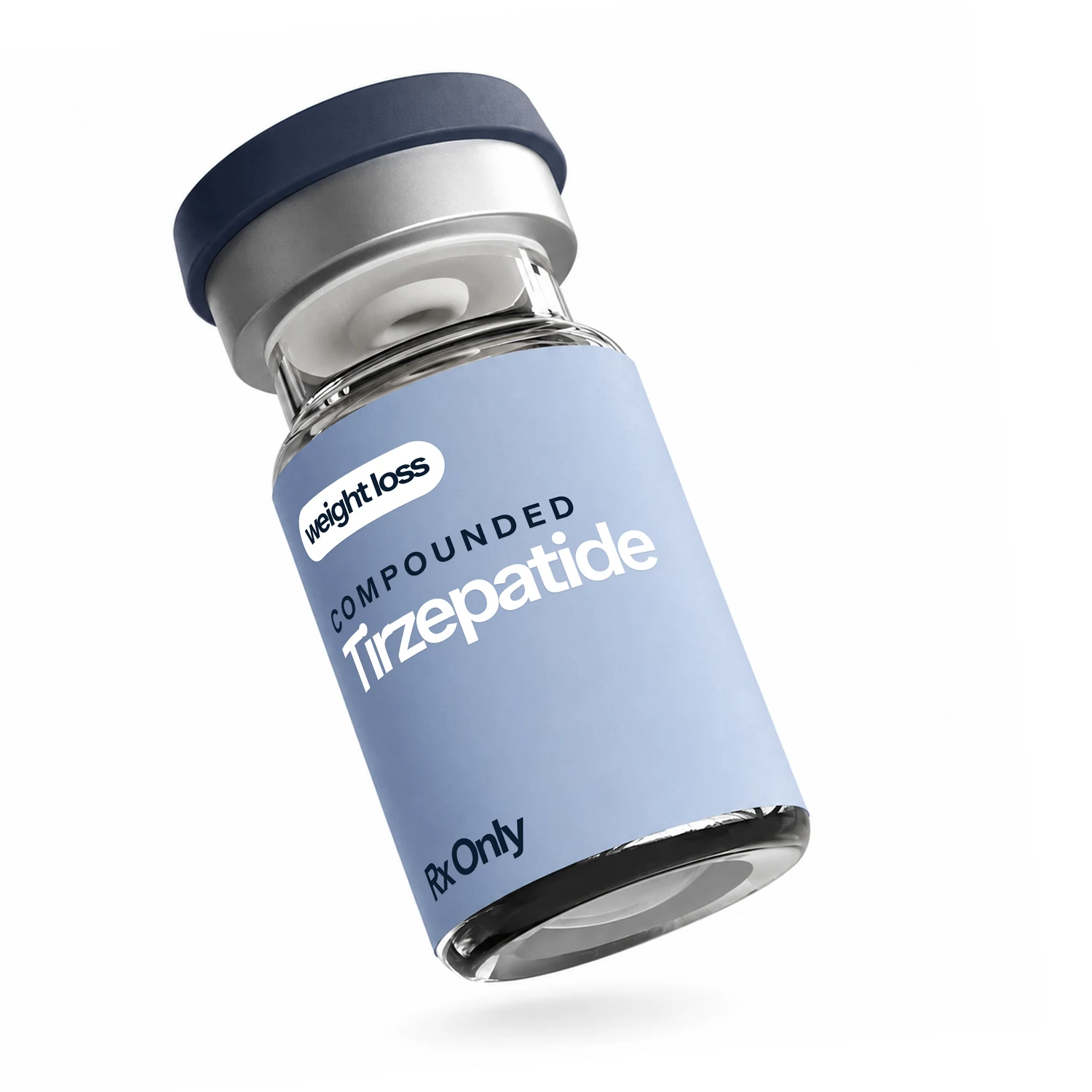
Compounded TirzepatideRx
Weekly GLP-1 + GIP injection.
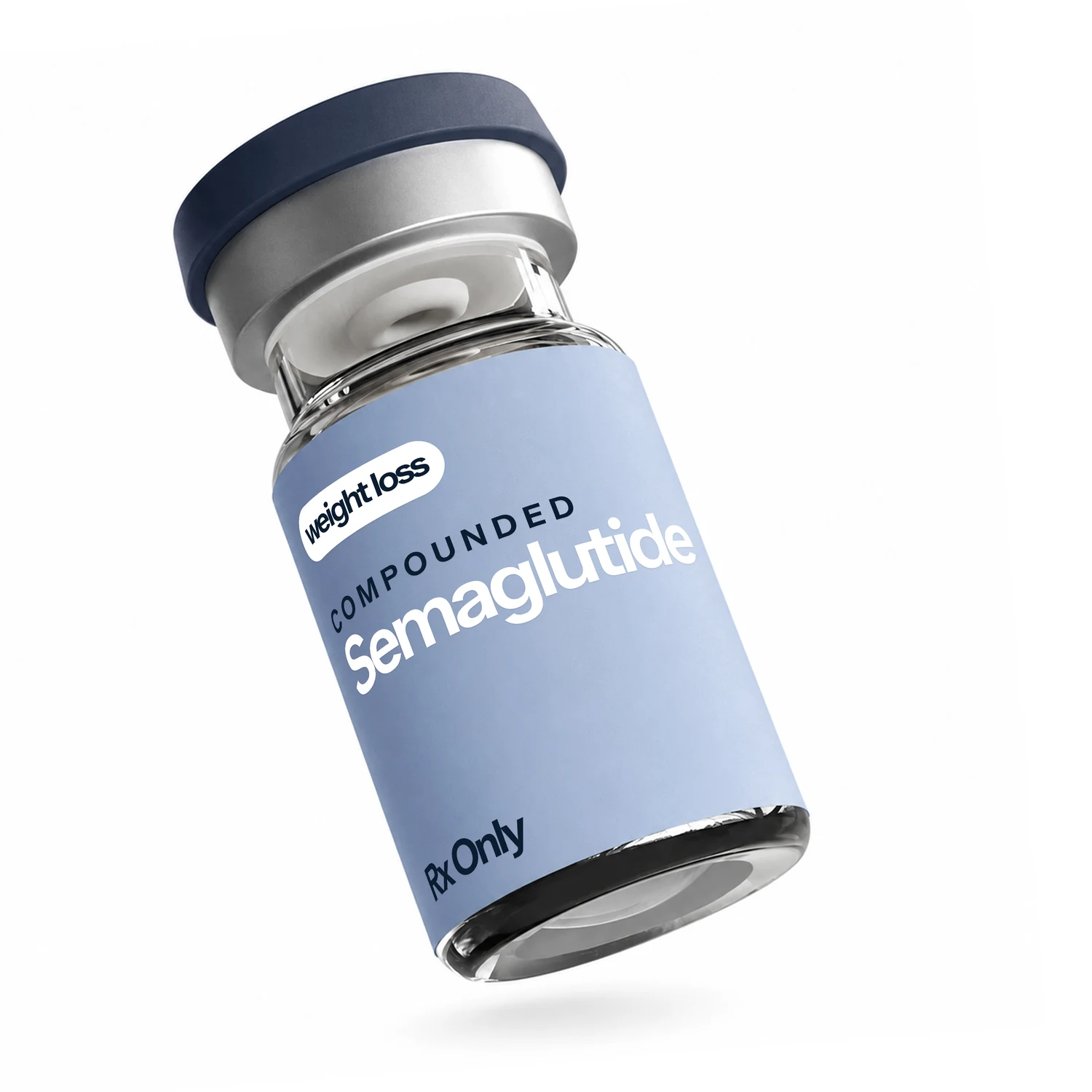
Compounded SemaglutideRx
Weekly GLP-1 injection.

TadalafilRx
Generic Cialis®. Lasts up to 36 hours.

SildenafilRx
Generic Viagra®. Works in 30 minutes.
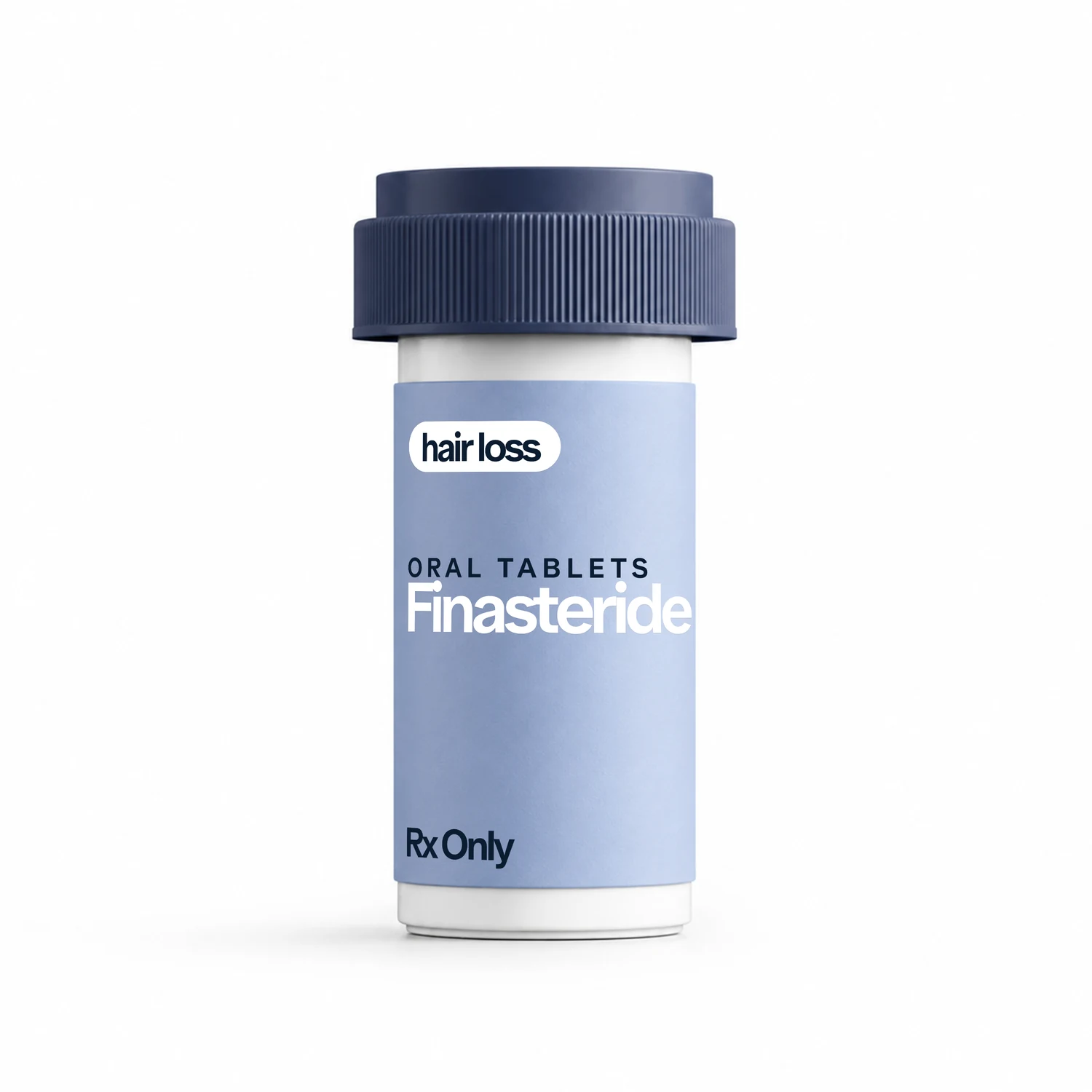
FinasterideRx
Generic Propecia®. Blocks DHT daily.

Hair Regrowth SprayRx
3-in-1 topical: finasteride + minoxidil + tretinoin.
Caregiver Burnout in Men: A Stewardship Issue
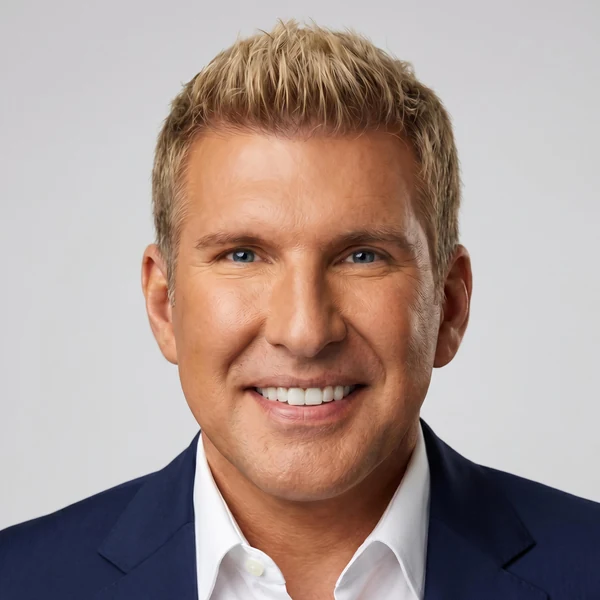
Written by Todd Chrisley
Published February 27, 2026

Key Takeaways
# When You're the Caregiver: Burnout Is a Stewardship Issue
I have sat in rooms where I had nothing left to give. Not a kind word, not a steady breath, not a clear thought. And I kept giving anyway, because that is what men like us do. We were raised to hold the wall. Nobody told us that holding the wall until you collapse is not strength. It is poor stewardship of the one body and mind God gave you to work with.
If you are caring for an aging parent right now, this one is for you.
What Happens When the Caregiver Forgets He Is Also a Person
I know men in my life who have walked this road. A father slipping into dementia. A mother who can no longer manage her medications, her meals, or her mornings without help. And the son — a grown man, maybe your age, maybe you — who rearranges his entire life around her schedule. He stops sleeping a full night. He stops exercising because there is no time. He eats whatever is fastest. He tells his wife he is fine. He tells himself he is fine.
He is not fine.
Caregiver burnout is not a soft word for being tired. According to the American Psychological Association, caregivers experience significantly elevated rates of chronic stress, depression, and anxiety compared to non-caregivers. The National Alliance for Caregiving and AARP reports that more than 53 million Americans are unpaid caregivers, and a substantial portion of them are men caring for aging parents — a population that dramatically underreports its own distress.
Men do not talk about this. That silence is costing us.
Here is what I believe, and what I have had to learn the hard way: you cannot pour from an empty vessel. That is not a motivational saying. That is a fact of physics and a principle of faith. When you run yourself into the ground, you do not become a better caregiver. You become a liability. You make mistakes. You snap at the person you love. You miss the appointment. You forget the medication. And eventually your own body files a complaint that you cannot ignore.
The Body Keeps the Score on Stress
This is where I want to be direct with you, man to man, because February is American Heart Month, and there is something the medical community knows that most of us were never told plainly.
Chronic stress does not stay in your head. It moves into your cardiovascular system. According to research published in *JAMA Internal Medicine*, prolonged psychological stress is independently associated with elevated risk of coronary artery disease and adverse cardiac events. Your heart is downstream from your nervous system, and if your nervous system has been on high alert for months or years, your heart is paying a price you cannot see yet.

There is another signal that men frequently dismiss. According to the American Heart Association, erectile dysfunction can be an early warning sign of underlying cardiovascular disease. The same endothelial dysfunction that impairs blood flow to the heart can manifest in other vascular beds first. The American Urological Association recognizes this link and recommends that men presenting with ED receive cardiovascular risk screening. The Massachusetts Male Aging Study, one of the most cited longitudinal studies in men's health, found that the prevalence of erectile dysfunction increases significantly with age and with conditions tied to stress, including depression and cardiovascular disease.
If your body is sending you a signal, do not tell yourself it is just stress and leave it at that. Stress may be exactly the cause. And stress has consequences you need to take seriously.
The Principle: Stewardship Is Not Optional
If you are sitting where I was sitting, telling yourself that your needs come last because that is what a good son does, what a good husband does, what a good man does, I want to offer you a different frame.
Stewardship means managing what has been entrusted to you with care and discipline. You would not run a truck engine without oil and call it sacrifice. You would call it negligence. Your body is not different. God did not give you this body so you could run it into the dirt out of misplaced guilt. He gave it to you to maintain so you could show up — for your parent, for your spouse, for your children, for yourself.
Caring for an aging parent is one of the most honoring things a man can do. Do not dishonor that work by destroying yourself in the process.
What to Actually Do
These are not suggestions. These are minimum standards for a man who intends to remain functional.
Sleep. Seven to nine hours. This is not negotiable. Sleep deprivation impairs judgment, elevates cortisol, and accelerates cardiovascular risk, according to research published in *Sleep*, the journal of the Sleep Research Society. If nighttime caregiving responsibilities are fragmenting your sleep, ask for help from another family member, even one night a week.
Move your body every single day. You do not need a gym membership. You need thirty minutes of walking. According to the CDC, 150 minutes of moderate physical activity per week reduces risk of depression, cardiovascular disease, and type 2 diabetes. That is a minimum. Start there.
Eat actual food. Protein at every meal. Vegetables on the plate. Limit the alcohol. You already know this. Do it.
Talk to a physician about what is happening in your body. Not your buddy. Not a forum. A licensed physician. If you are experiencing fatigue, mood changes, sleep disruption, or any change in sexual function, these are clinical signals that deserve a clinical response. Results may vary, but the men who address these issues early consistently report better outcomes than those who wait.
Ask for help. This is not weakness. This is logistics. The Family Caregiver Alliance has concrete resources — respite care, counseling, support groups — built specifically for people in your situation.

A note from Good Guy Rx:
Men dealing with sustained stress sometimes notice changes in sexual health or energy that they attribute to age and move on. Those changes can have treatable causes. Good Guy Rx is a technology platform that connects men to independent licensed physicians and independent state-licensed pharmacies. If your physician determines that treatment is appropriate, any compounded medications would be prepared by state-licensed compounding pharmacies in accordance with FDA regulations — they are not FDA-approved medications, but they are prepared under regulatory oversight by licensed professionals.
If you want a discreet, straightforward way to talk to a real doctor about what your body is doing, start with a brief assessment here. Results may vary.
Hold the Wall. But Hold Yourself Together First.
You became the caregiver because you are the kind of man who shows up. That is not nothing. That is everything. But showing up depleted, resentful, sick, and silent is not the version of you that anyone in your life needs. Take care of your sleep. Take care of your heart. Take care of what is going on inside your body, even the parts that feel embarrassing to mention. And then go take care of your parent with everything you have, because you actually have something left to give.
That is what stewardship looks like.
Take care of what God gave you.
Sources
- Caregiving in the U.S. — National Alliance for Caregiving and AARP — https://www.caregiving.org/research/caregiving-in-the-us/
- Psychological Stress and Cardiovascular Disease — JAMA Internal Medicine — https://jamanetwork.com/journals/jamainternalmedicine
- Erectile Dysfunction and Heart Disease — American Heart Association — https://www.heart.org/en/health-topics/erectile-dysfunction
- Erectile Dysfunction Guideline — American Urological Association — https://www.auanet.org/
- Massachusetts Male Aging Study — PubMed/NIH — https://pubmed.ncbi.nlm.nih.gov/1440180/
- Sleep Deprivation and Cardiovascular Risk — Sleep (journal) — https://academic.oup.com/sleep
- Physical Activity Guidelines for Adults — CDC — https://www.cdc.gov/physicalactivity/basics/adults/index.htm
- Caregiver Resources — Family Caregiver Alliance — https://www.caregiver.org/
- Caregiver Mental Health — American Psychological Association — https://www.apa.org/topics/caregiving
References
- [Psychological Stress and Cardiovascular Disease — JAMA Internal Medicine — https://jamanetwork.com/journals/jamainternalmedicine](https://jamanetwork.com/journals/jamainternalmedicine)
- [Erectile Dysfunction and Heart Disease — American Heart Association — https://www.heart.org/en/health-topics/erectile-dysfunction](https://www.heart.org/en/health-topics/erectile-dysfunction)
- [Erectile Dysfunction Guideline — American Urological Association — https://www.auanet.org/](https://www.auanet.org/)
- [Massachusetts Male Aging Study — PubMed/NIH — https://pubmed.ncbi.nlm.nih.gov/1440180/](https://pubmed.ncbi.nlm.nih.gov/1440180/)
- [Sleep Deprivation and Cardiovascular Risk — Sleep (journal) — https://academic.oup.com/sleep](https://academic.oup.com/sleep)
- [Physical Activity Guidelines for Adults — CDC — https://www.cdc.gov/physicalactivity/basics/adults/index.htm](https://www.cdc.gov/physicalactivity/basics/adults/index.htm)
- [Caregiver Resources — Family Caregiver Alliance — https://www.caregiver.org/](https://www.caregiver.org/)
- [Caregiver Mental Health — American Psychological Association — https://www.apa.org/topics/caregiving](https://www.apa.org/topics/caregiving)
Share this article

Ready to start your journey?
Complete your free online visit and see if GLP-1 treatment is right for you.
Get Started