Good Guy Rx
Take care of what God gave you.
Get started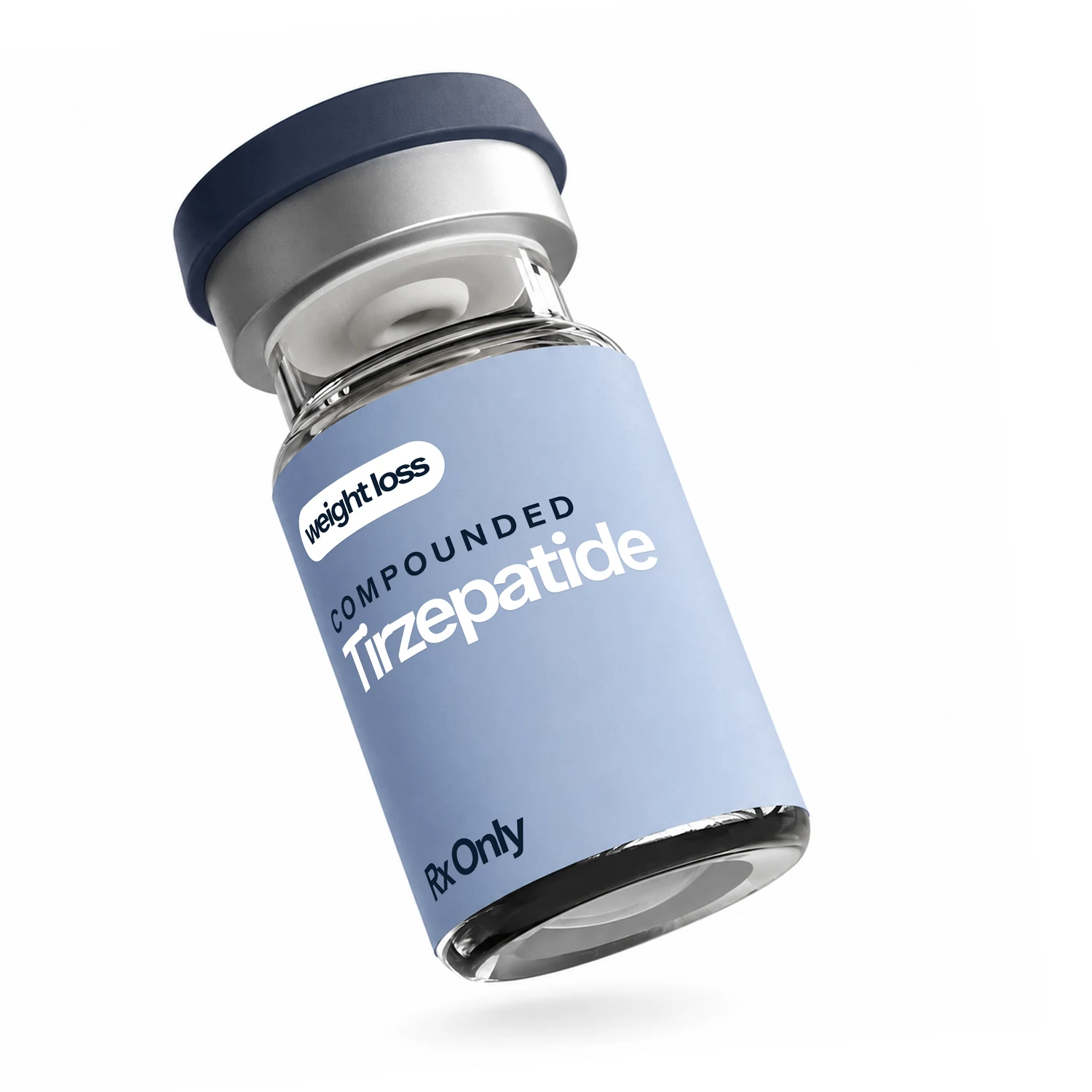
Compounded TirzepatideRx
Weekly GLP-1 + GIP injection.
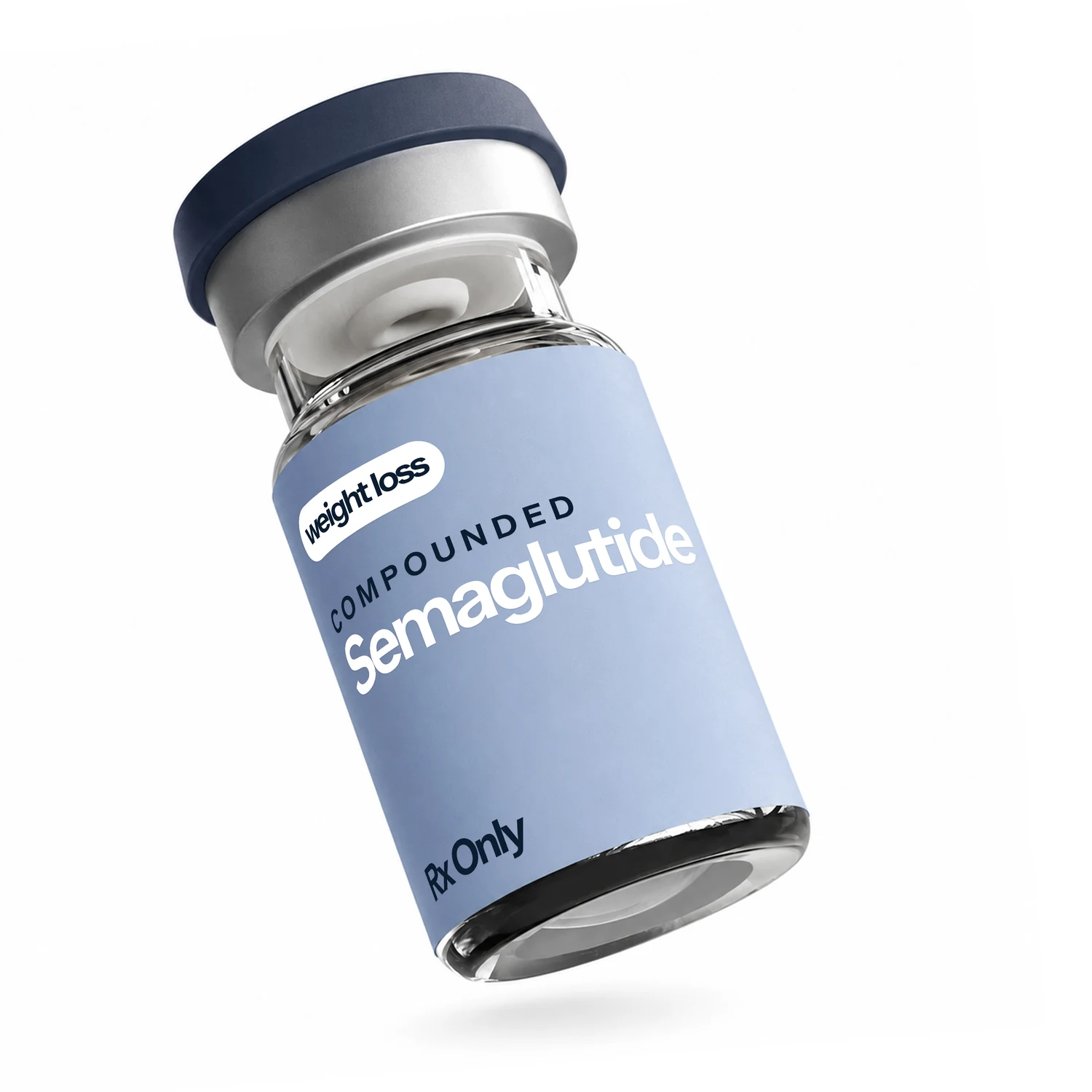
Compounded SemaglutideRx
Weekly GLP-1 injection.
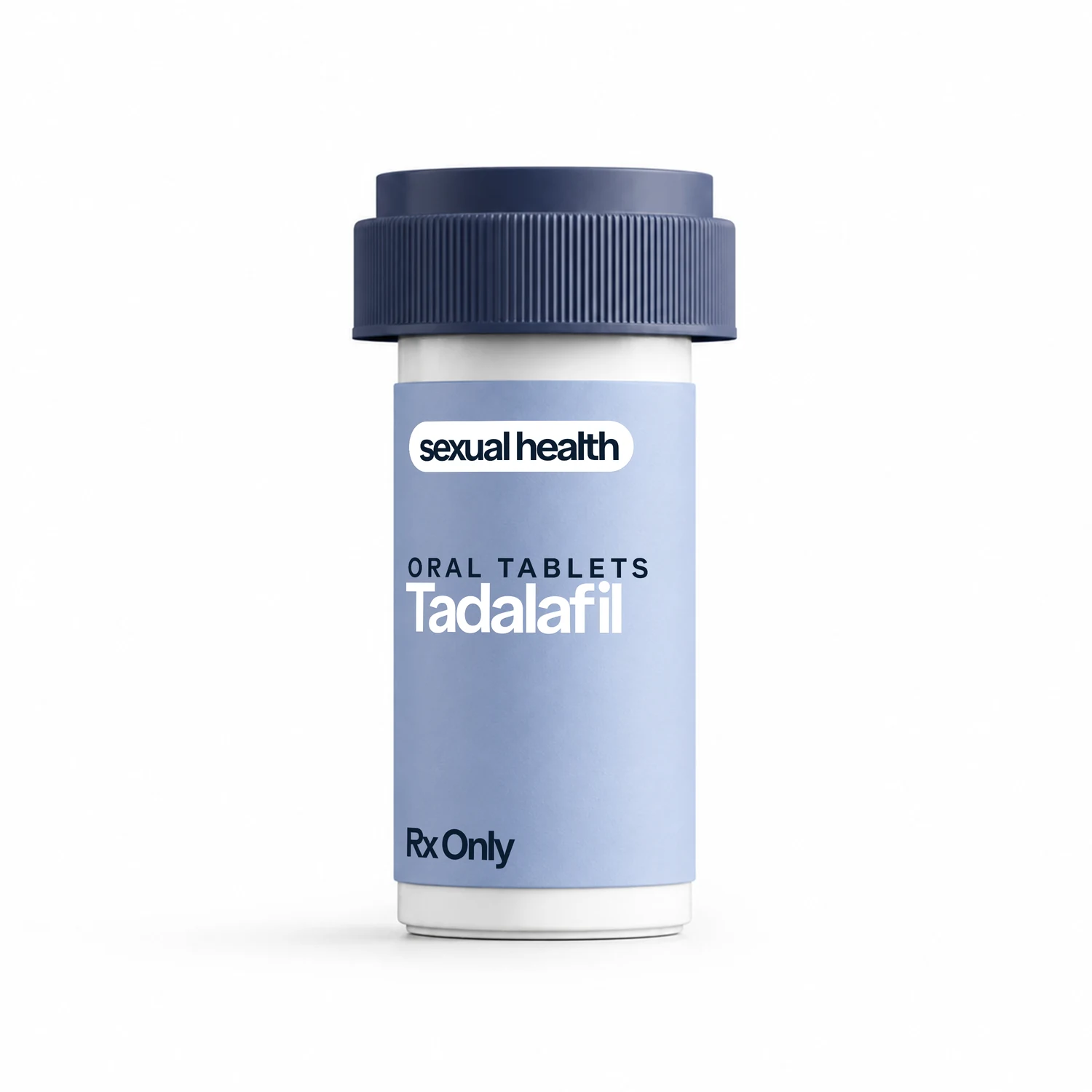
TadalafilRx
Generic Cialis®. Lasts up to 36 hours.
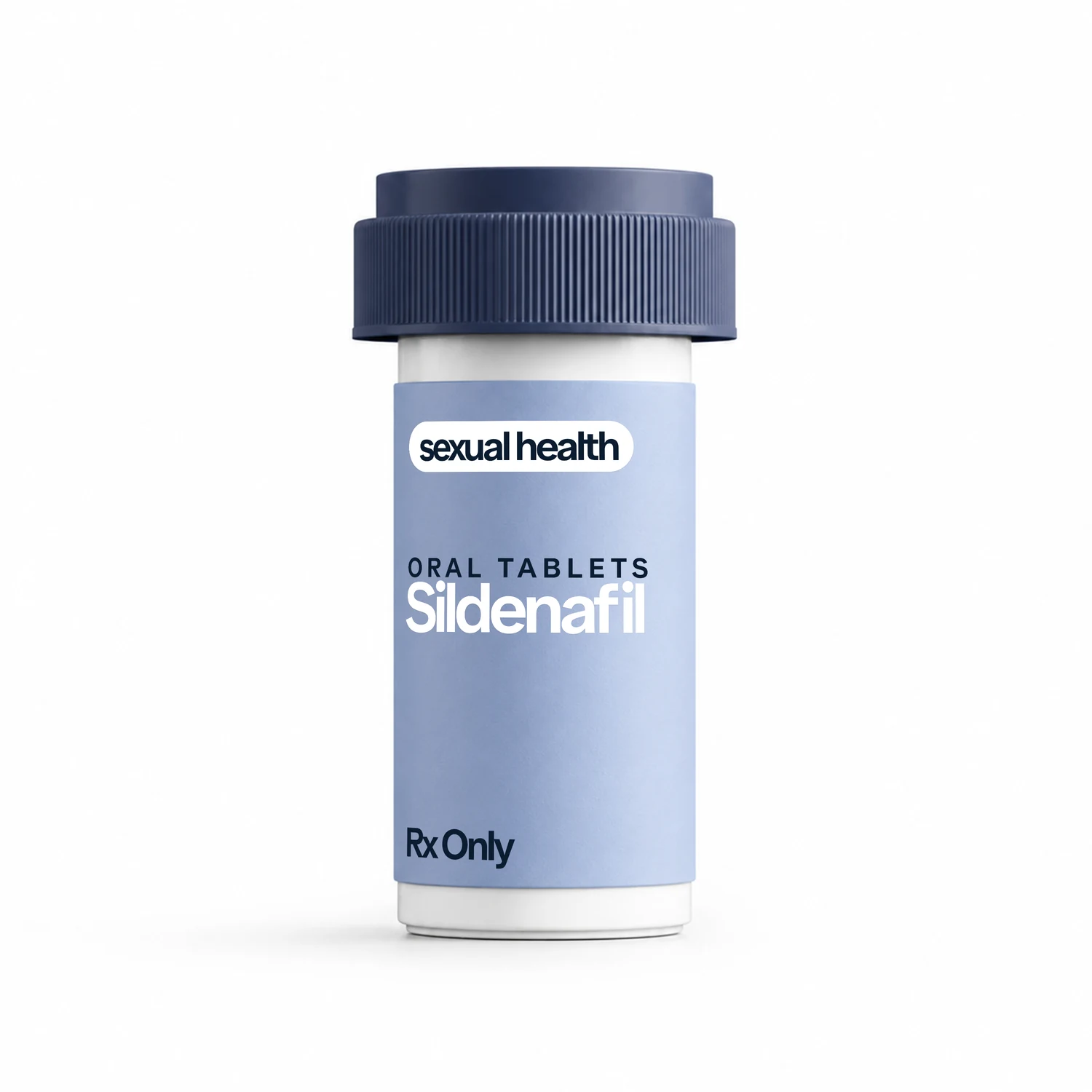
SildenafilRx
Generic Viagra®. Works in 30 minutes.
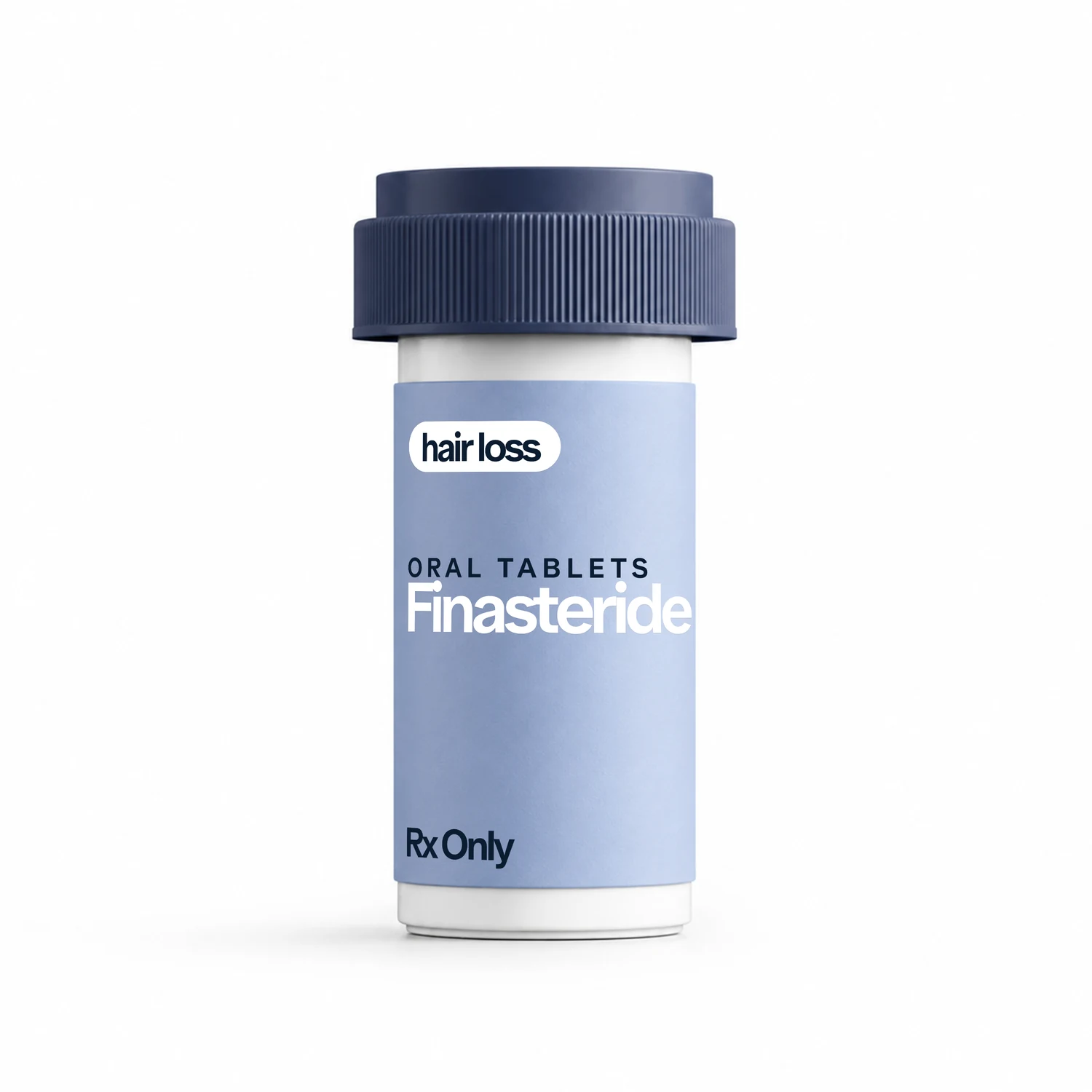
FinasterideRx
Generic Propecia®. Blocks DHT daily.
Hair Regrowth SprayRx
3-in-1 topical: finasteride + minoxidil + tretinoin.
Bicycle Riding and ED: What the Evidence Actually Shows
Written by Michael H.
Published April 6, 2026

Key Takeaways
# Bicycle Riding and ED: What the Evidence Actually Shows
If you typed "bicycle riding ED" into a search bar, you probably read something alarming — a headline suggesting that every mile on a saddle is quietly working against you. The concern is not baseless, but it is widely overstated. Here is what the peer-reviewed evidence actually says, what the real risk factors are, and what a man who rides regularly can do to protect himself.
Where the Concern Comes From
The connection between cycling erectile dysfunction and saddle design has been studied for more than two decades. The short version: a traditional narrow bicycle saddle places a significant portion of a rider's body weight on the perineum — the soft tissue between the sit bones that contains arteries, veins, and nerves supplying the penis.
According to research published in the *Journal of Sexual Medicine*, sustained compression of the pudendal artery during prolonged riding can temporarily reduce blood flow to penile tissue. Repeated over months and years without proper equipment or positioning, this compression may contribute to endothelial changes — the lining of blood vessels — that play a role in erectile function.
The key word is may. The research does not establish that recreational cycling causes erectile dysfunction (ED) in otherwise healthy men. It identifies a mechanism worth understanding and a set of modifiable risk factors worth addressing.
What the Research Actually Shows
A widely cited study in *JAMA* found that among men who cycled more than three hours per week, a higher proportion reported genital numbness compared with swimmers and runners. Numbness — a signal of nerve compression — is a meaningful warning sign, but it is not the same as ED.
A 2020 review published in *Sexual Medicine Reviews* examined multiple studies and concluded that high-intensity, high-volume cycling — think competitive cyclists logging ten or more hours per week on aggressive road geometry — carries a measurably higher association with perineal compression symptoms than recreational riding. Men cycling fewer than three hours per week showed no statistically significant increased risk of ED compared to non-cyclists.
The American Urological Association does not classify recreational cycling as a cause of ED. It does recognize that saddle design and riding posture are legitimate variables in sexual health for high-volume riders.
The honest summary: casual and moderate cycling does not appear to cause ED. Aggressive riding posture, narrow traditional saddles, and very high weekly volume represent the specific combination worth taking seriously.
The Factors That Matter More Than the Miles
If you are a man between 45 and 70, the more relevant conversation is about the conditions that reliably drive ED regardless of whether you own a bicycle.
Erectile dysfunction affects an estimated 30 million men in the United States, according to the National Institute of Diabetes and Digestive and Kidney Diseases (NIDDK). The primary drivers are cardiovascular disease, type 2 diabetes, hypertension, low testosterone, obesity, and smoking. These conditions impair the same vascular and nerve pathways that cycling critics worry about — but at a far greater scale and with far stronger evidence.
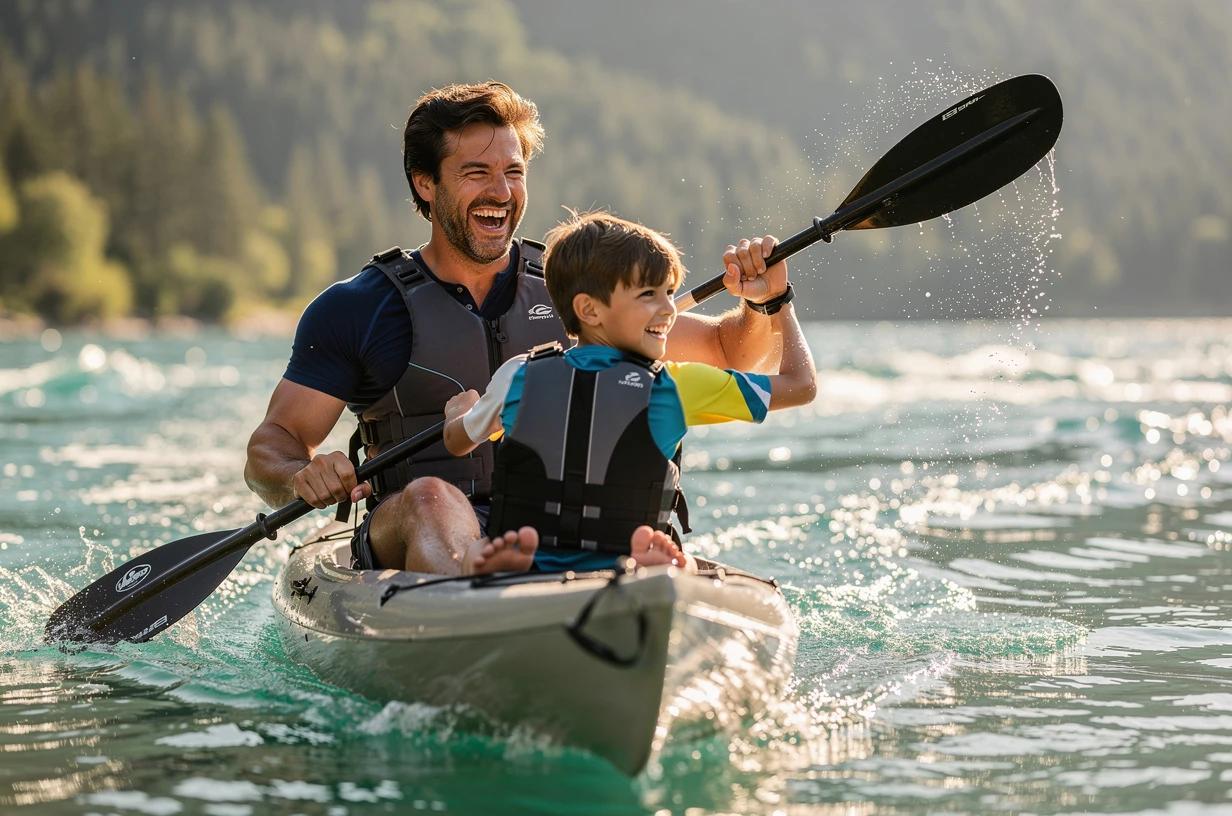
According to the American Heart Association, moderate aerobic exercise — including cycling — reduces cardiovascular risk, which in turn supports erectile function. A man who rides three times a week with proper equipment is likely doing his vascular health a favor, not a disservice.
If you are experiencing ED, the first questions a licensed provider will ask have nothing to do with your bicycle. They will ask about your blood pressure, your fasting glucose, your lipid panel, your weight, and your sleep quality.
Practical Steps for Cyclists Who Want to Ride Without the Risk
If you ride regularly and want to be deliberate about perineal health, the evidence points to a short, practical list:
1. Saddle selection matters. Noseless or center-cut saddles significantly reduce perineal pressure. A 2016 study in the *Journal of Urology* found that riders using noseless saddles had measurably better penile oxygen saturation during rides compared to those on traditional saddles.
2. Saddle height and tilt matter. A saddle tilted slightly nose-down, combined with proper seat height, redistributes weight to the sit bones rather than the perineum. A professional bike fit is not a luxury for a man logging regular miles — it is basic maintenance of the equipment.
3. Shorts and padding matter. Quality cycling shorts with adequate chamois padding reduce friction and repeated micro-compression. This is not a vanity item.
4. Listen to numbness. Any genital numbness during or after a ride is a signal to stop and reassess saddle position before continuing. Numbness is your body communicating something specific.
5. Take breaks on long rides. Standing up on the pedals every 20 to 30 minutes on extended rides relieves compression and restores blood flow.
Testicular Cancer Awareness Month: A Timely Reminder for Every Man on a Saddle
May is Testicular Cancer Awareness Month — and while you are already in the habit of paying attention to the region, this is the right moment to add a monthly self-check to your routine. The Movember Foundation recommends a simple manual exam: after a warm shower, gently roll each testicle between the thumb and fingers, checking for any new lump, hardness, or change in size.
Testicular cancer is the most common cancer in men ages 15 to 35, but it occurs in older men as well. When caught early, survival rates exceed 95 percent according to the National Cancer Institute. Stewardship of your body means checking the things you can check. The exam takes less than two minutes.
This is not alarm — it is maintenance. The same discipline that leads a man to maintain his vehicle, his property, and his relationships applies here.
Where Good Guy Rx Fits
Good Guy Rx is a technology platform. It connects men to independent licensed physicians and independent state-licensed pharmacies. It does not manufacture medications and does not dispense them directly.
If a licensed provider determines that ED treatment is appropriate for you, two well-established options are available through the platform:

- **Sildenafil** — the active compound in Viagra, available as a brand-name prescription or as a compounded formulation prepared by state-licensed compounding pharmacies in accordance with FDA regulations. Compounded formulations are not FDA-approved. Results may vary.
- **Tadalafil** — the active compound in Cialis, available in daily or as-needed dosing. Also available as a compounded formulation prepared by state-licensed compounding pharmacies in accordance with FDA regulations. Compounded formulations are not FDA-approved. Results may vary.
The consultation happens online. A licensed provider reviews your health history, asks the clinically relevant questions, and determines what — if anything — is appropriate. No in-person appointment. No waiting room.
What to Do Next
Step 1. Assess your current setup if you ride regularly. Saddle type, tilt, height, and shorts quality are the variables most directly linked to perineal compression. Adjust before concluding the bicycle is the problem.
Step 2. Address the larger picture. Blood pressure, glucose, weight, sleep, and smoking status are the dominant drivers of ED in men 45 to 70. A conversation with your primary care physician about those numbers is more important than any saddle upgrade.
Step 3. If you are experiencing ED — regardless of how much you ride — complete an online visit through Good Guy Rx. An independent licensed provider will review your situation and discuss whether treatment is appropriate. Medical questions belong in the patient portal, not with support staff.
Step 4. Add a monthly testicular self-check to your routine this month. It costs nothing and takes two minutes. That is stewardship in the plainest sense.
Sources
- Cycling and Male Sexual Health — Journal of Sexual Medicine
- Genital Numbness and Cycling — JAMA
- Perineal Compression in Cyclists: A Systematic Review — Sexual Medicine Reviews
- Noseless Saddles and Penile Oxygen Saturation — Journal of Urology
- Erectile Dysfunction Statistics — NIDDK, NIH
- Aerobic Exercise and Cardiovascular Risk — American Heart Association
- Testicular Cancer Early Detection — National Cancer Institute
- Testicular Self-Exam Guidance — Movember Foundation
- ED Clinical Guidelines — American Urological Association
This article is for informational purposes only and does not constitute medical advice. Talk with a licensed provider through the patient portal before starting any treatment.
References
- [Genital Numbness and Cycling — JAMA](https://jamanetwork.com/)
- [Perineal Compression in Cyclists: A Systematic Review — Sexual Medicine Reviews](https://pubmed.ncbi.nlm.nih.gov/)
- [Noseless Saddles and Penile Oxygen Saturation — Journal of Urology](https://www.auajournals.org/journal/juro)
- [Erectile Dysfunction Statistics — NIDDK, NIH](https://www.niddk.nih.gov/)
- [Aerobic Exercise and Cardiovascular Risk — American Heart Association](https://www.heart.org/)
- [Testicular Cancer Early Detection — National Cancer Institute](https://www.cancer.gov/)
- [Testicular Self-Exam Guidance — Movember Foundation](https://us.movember.com/)
- [ED Clinical Guidelines — American Urological Association](https://www.auanet.org/)
Share this article

Ready to start your journey?
Complete your free online visit and see if GLP-1 treatment is right for you.
Get Started