Good Guy Rx
Take care of what God gave you.
Get started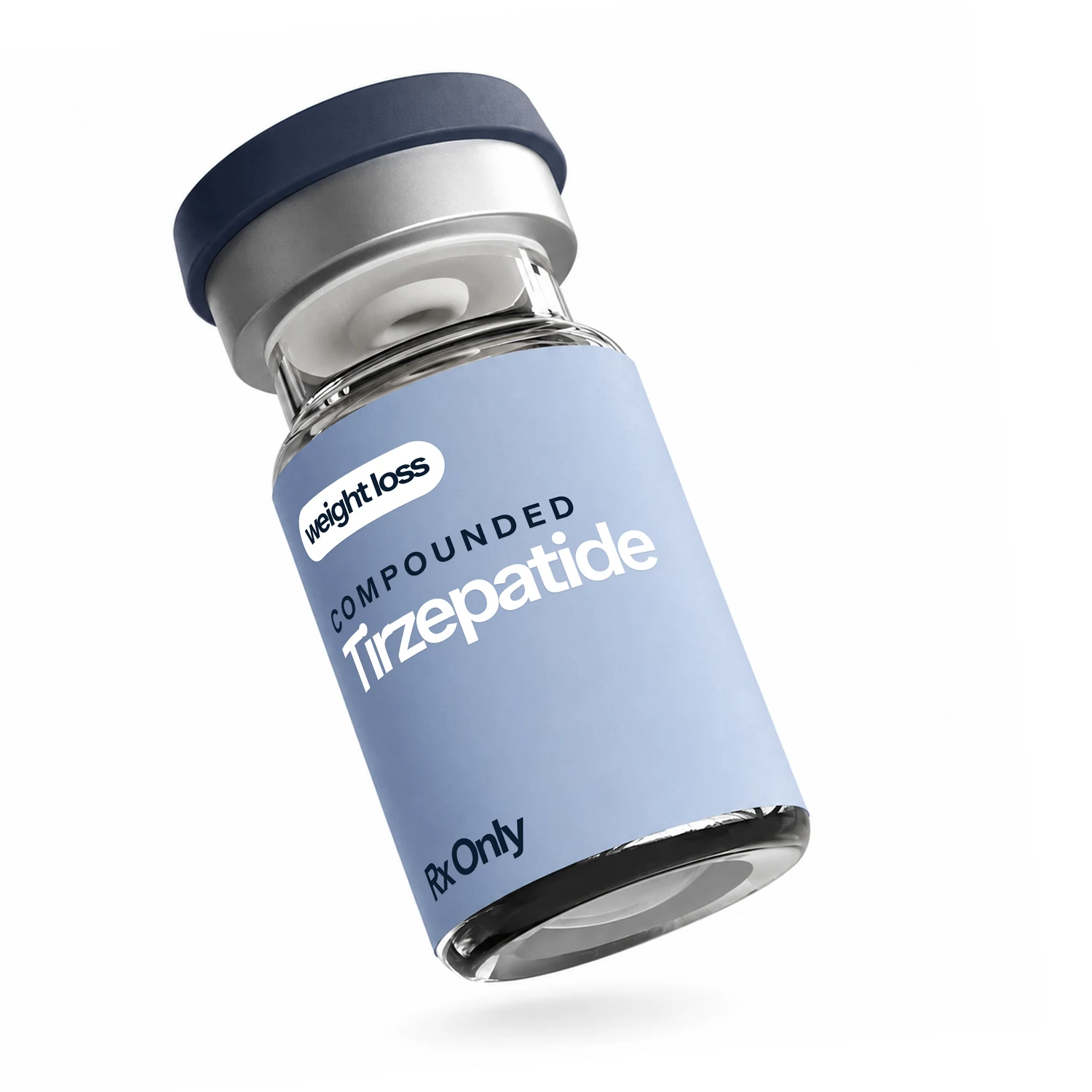
Compounded TirzepatideRx
Weekly GLP-1 + GIP injection.
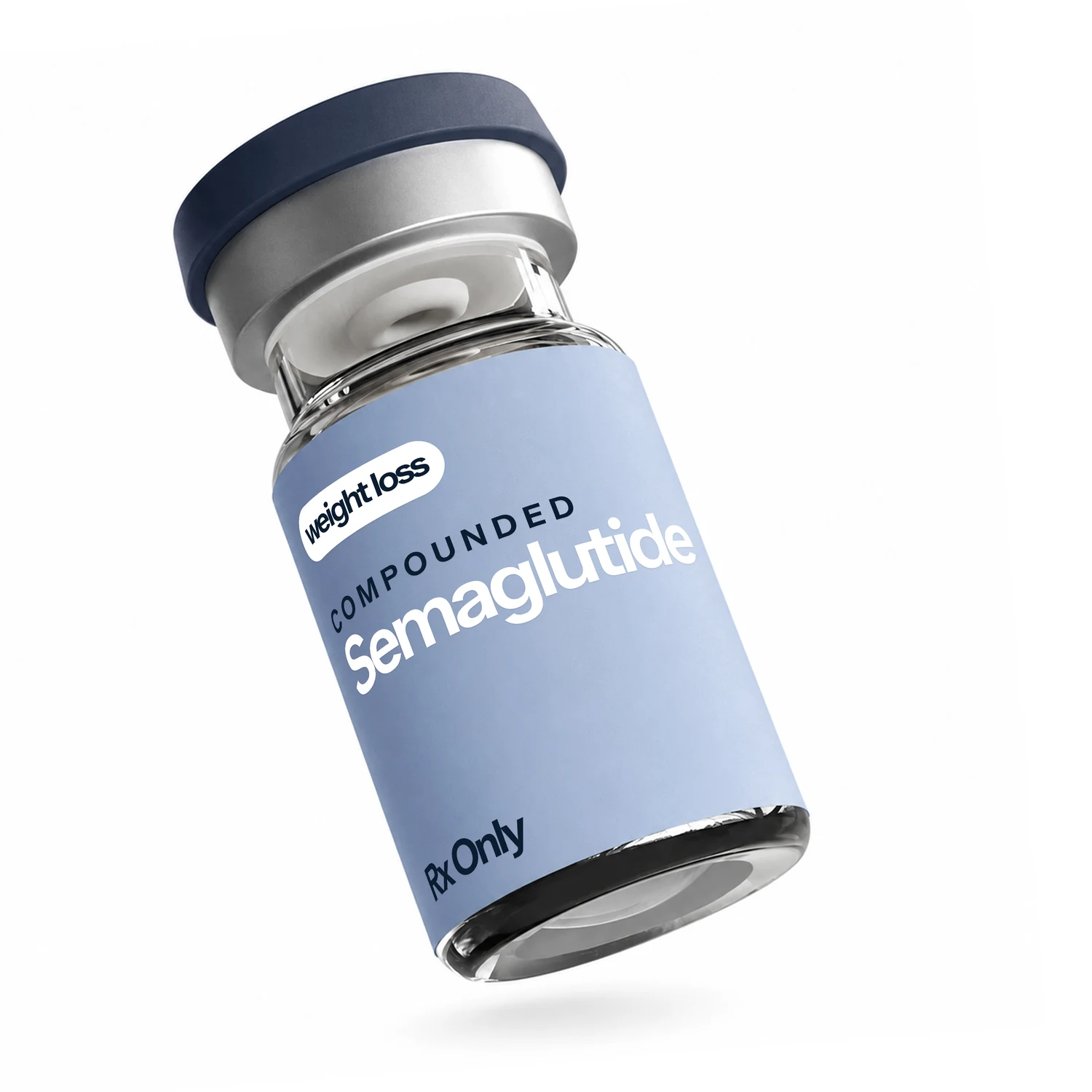
Compounded SemaglutideRx
Weekly GLP-1 injection.
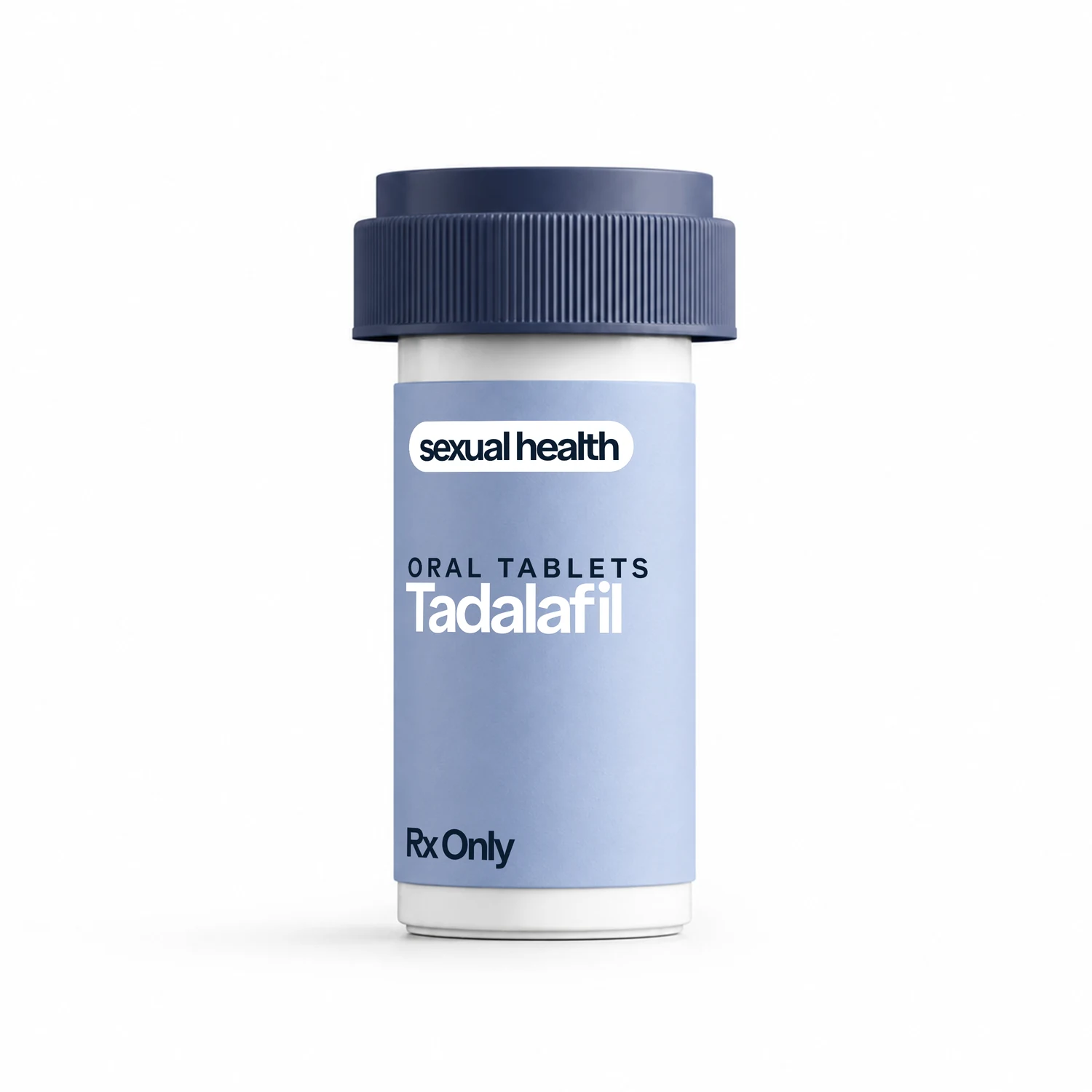
TadalafilRx
Generic Cialis®. Lasts up to 36 hours.
SildenafilRx
Generic Viagra®. Works in 30 minutes.
FinasterideRx
Generic Propecia®. Blocks DHT daily.
Hair Regrowth SprayRx
3-in-1 topical: finasteride + minoxidil + tretinoin.
Ginseng for ED: What the Evidence Actually Says

Written by Marcus W.
Published March 6, 2026

Key Takeaways
Korean red ginseng has demonstrated modest, short-term improvements in erectile function in small randomized controlled trials, but the evidence remains limited compared to FDA-approved pharmacotherapy.
What Is Ginseng, and Why Does It Come Up in ED Discussions?
Panax ginseng — commonly called Korean red ginseng or Asian ginseng — is a root plant used in traditional East Asian medicine for centuries. The dried, steamed root contains active compounds called ginsenosides, which are believed to influence nitric oxide (NO) synthesis, a key molecular step in achieving and maintaining an erection. Because erectile dysfunction (ED) — the persistent inability to achieve or maintain an erection sufficient for satisfying sexual activity — affects an estimated 30 million men in the United States according to the National Institute of Diabetes and Digestive and Kidney Diseases (NIDDK), interest in accessible, over-the-counter options is understandable.
During National Nutrition Month, it is worth placing botanical supplements in the same clinical lens we apply to food: the label matters, but so does the actual evidence.
Mechanism of Action: How Ginsenosides May Affect Erections
An erection depends on smooth muscle relaxation inside the corpus cavernosum (the two spongy cylinders running the length of the penis). That relaxation is triggered primarily by nitric oxide released from nerve endings and vascular endothelium. Phosphodiesterase type 5 (PDE5) inhibitors — the drug class that includes sildenafil and tadalafil — work by blocking the enzyme that breaks down cyclic GMP, prolonging that smooth-muscle relaxation signal.
Ginsenosides are thought to act upstream: laboratory and animal studies suggest they stimulate endothelial nitric oxide synthase (eNOS), the enzyme that produces NO in blood vessel walls. Some ginsenosides may also have mild antioxidant effects that protect NO from being degraded before it can act. What looks promising in a cell culture, however, does not automatically translate to a clinically meaningful outcome in a human being — a distinction worth keeping in mind.
What the Clinical Trials Actually Show
The most frequently cited human trial is a 2002 randomized, double-blind, placebo-controlled crossover study published in the Journal of Urology, in which 45 men with ED received either 900 mg of Korean red ginseng three times daily or placebo for eight weeks, then crossed over after a washout period. Men in the ginseng group reported significantly higher scores on the International Index of Erectile Function (IIEF) — a validated 15-question self-report tool — compared to placebo. Penetration ability and rigidity scores also favored ginseng.

A 2008 systematic review in the British Journal of Clinical Pharmacology analyzed seven randomized controlled trials of Panax ginseng for ED. The reviewers concluded that the totality of evidence "suggests that red ginseng may be an effective option for treating erectile dysfunction," while immediately noting that sample sizes were small (most trials enrolled fewer than 60 participants), trial durations were short (four to twelve weeks), and methodological quality was variable.
A more recent 2021 meta-analysis published in Sexual Medicine Reviews examined nine RCTs and found statistically significant but modest improvements in IIEF scores with red ginseng versus placebo. Effect sizes were smaller than those consistently observed with PDE5 inhibitors in the landmark STEP-like efficacy trials used for drug approval. The authors called for larger, longer, rigorous trials before ginseng can be recommended as a primary treatment.
Bottom line on the evidence: There is a signal. The signal is real enough to warrant continued research. It is not robust enough to position ginseng as equivalent to — or a replacement for — established pharmacotherapy. Results may vary.
Who Might Consider It — and Who Should Not
Ginseng may be a reasonable adjunct (add-on) conversation topic for men who: - Have mild ED and prefer to explore lifestyle and botanical options first, in partnership with a licensed provider. - Are already optimizing the foundational pillars — cardiovascular fitness, sleep quality, and a nutrient-dense diet (the Mediterranean dietary pattern has the strongest evidence base for vascular and sexual health in men, per a 2021 analysis in *Nutrients*). - Have no contraindications to ginseng.
Ginseng is NOT appropriate as a stand-alone treatment, and caution is warranted if you: - Take warfarin or other anticoagulants (Panax ginseng may reduce platelet aggregation and increase bleeding risk). - Take MAO inhibitors (a class of antidepressants) — interactions have been reported. - Have hormone-sensitive cancers — ginseng has weak phytoestrogenic activity. - Are managing diabetes on insulin or secretagogues — ginseng may lower blood glucose unpredictably. - Have uncontrolled hypertension or significant cardiovascular disease — ED itself can be an early marker of vascular disease, and the underlying condition warrants formal evaluation.
A licensed provider — not a supplement label — is the correct person to make these determinations.
What to Expect: Timing, Side Effects, and When to Act
Clinical trials used doses of 900 mg to 1,000 mg taken two to three times daily of standardized Korean red ginseng extract. Benefits, when they occurred, emerged at four to eight weeks. Common side effects reported in trials include insomnia, headache, and GI upset. Less commonly, users report palpitations or increased blood pressure — important to monitor, given the cardiovascular link to ED.
Contact a licensed provider promptly if you experience: chest pain, palpitations, significant blood pressure changes, unusual bleeding, or any new neurological symptoms. Do not wait to see if symptoms resolve on their own.

A note on supplement quality: The FDA does not regulate dietary supplements with the same rigor as prescription drugs. Independent third-party certification (e.g., USP Verified, NSF Certified for Sport) reduces but does not eliminate the risk of mislabeled or adulterated products.
The Good Guy Rx Pathway
Good Guy Rx is a technology platform that connects men to independent licensed physicians and independent state-licensed pharmacies. If you are experiencing ED and want a comprehensive evaluation — including discussion of all evidence-based options, from lifestyle modification to prescription pharmacotherapy — the prescribing provider determines whether any medication or treatment plan is appropriate after a thorough medical intake. Start that conversation by completing the online ED assessment through the secure patient portal; direct all clinical questions there, not to support staff.
Sources
- Hong B, et al. "A double-blind crossover study evaluating the efficacy of Korean red ginseng in patients with erectile dysfunction." — *Journal of Urology*, 2002
- Jang DJ, et al. "Red ginseng for treating erectile dysfunction: a systematic review." — *British Journal of Clinical Pharmacology*, 2008
- Nguyen CTN, et al. "Red ginseng and erectile dysfunction: a systematic review and meta-analysis." — *Sexual Medicine Reviews*, 2021
- Calabrò RS, et al. "Mediterranean diet and sexual function in men." — *Nutrients*, 2021
- National Institute of Diabetes and Digestive and Kidney Diseases. "Erectile Dysfunction." — NIDDK
- American Urological Association. "Erectile Dysfunction: AUA Guideline." — AUA, 2018 (amended 2022)
This article is educational. A licensed provider determines whether you are a candidate after a medical intake.
References
- [Jang DJ, et al. "Red ginseng for treating erectile dysfunction: a systematic review." — *British Journal of Clinical Pharmacology*, 2008](https://pubmed.ncbi.nlm.nih.gov/18754850/)
- [Nguyen CTN, et al. "Red ginseng and erectile dysfunction: a systematic review and meta-analysis." — *Sexual Medicine Reviews*, 2021](https://pubmed.ncbi.nlm.nih.gov/33131981/)
- [Calabrò RS, et al. "Mediterranean diet and sexual function in men." — *Nutrients*, 2021](https://www.mdpi.com/2072-6643/13/9/2993)
- [National Institute of Diabetes and Digestive and Kidney Diseases. "Erectile Dysfunction." — NIDDK](https://www.niddk.nih.gov/health-information/urologic-diseases/erectile-dysfunction/definition-facts)
- [American Urological Association. "Erectile Dysfunction: AUA Guideline." — AUA, 2018 (amended 2022)](https://www.auanet.org/guidelines-and-quality/guidelines/erectile-dysfunction-guideline)
- This article is educational. A licensed provider determines whether you are a candidate after a medical intake.*
Share this article

Ready to start your journey?
Complete your free online visit and see if GLP-1 treatment is right for you.
Get Started