Good Guy Rx
Take care of what God gave you.
Get started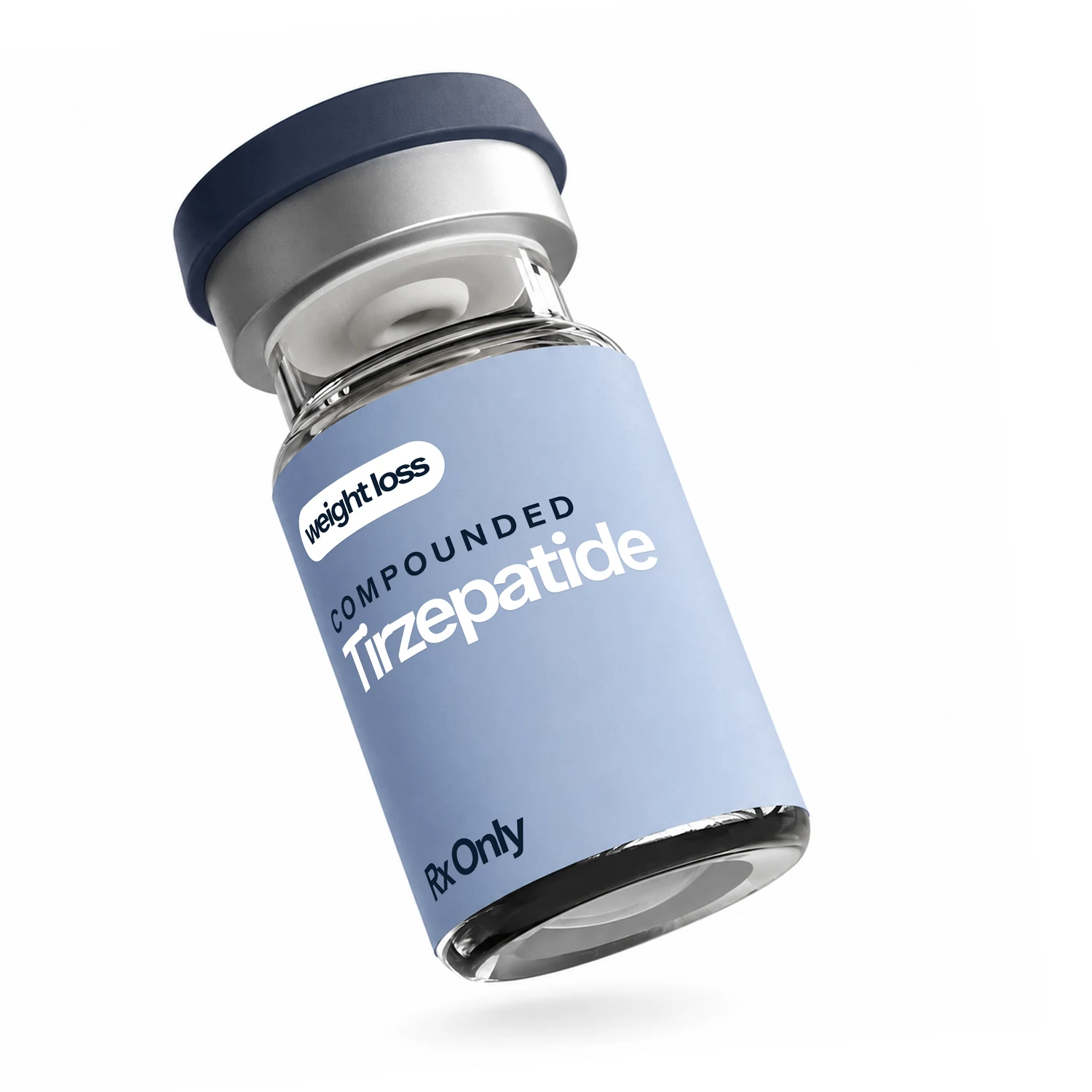
Compounded TirzepatideRx
Weekly GLP-1 + GIP injection.
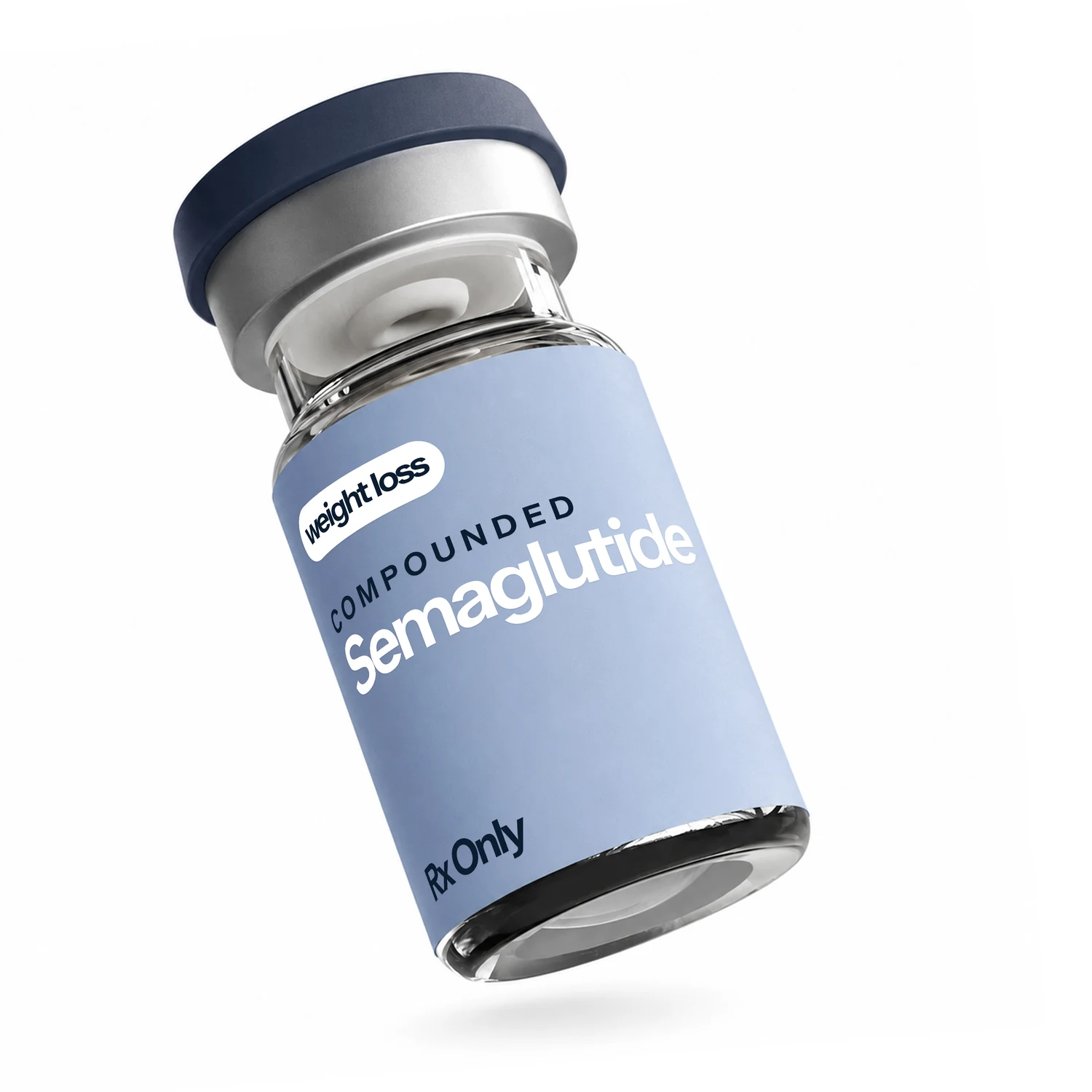
Compounded SemaglutideRx
Weekly GLP-1 injection.
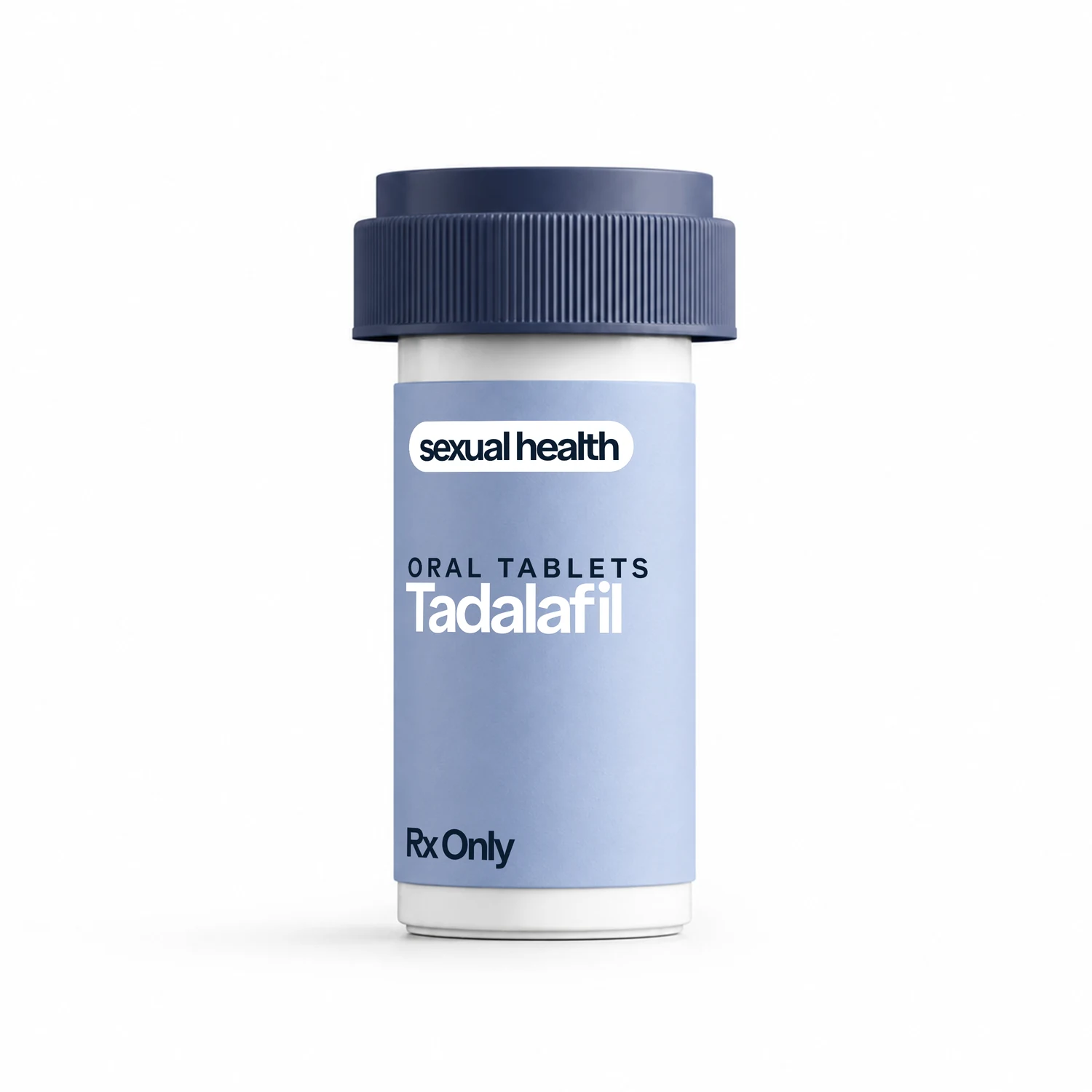
TadalafilRx
Generic Cialis®. Lasts up to 36 hours.
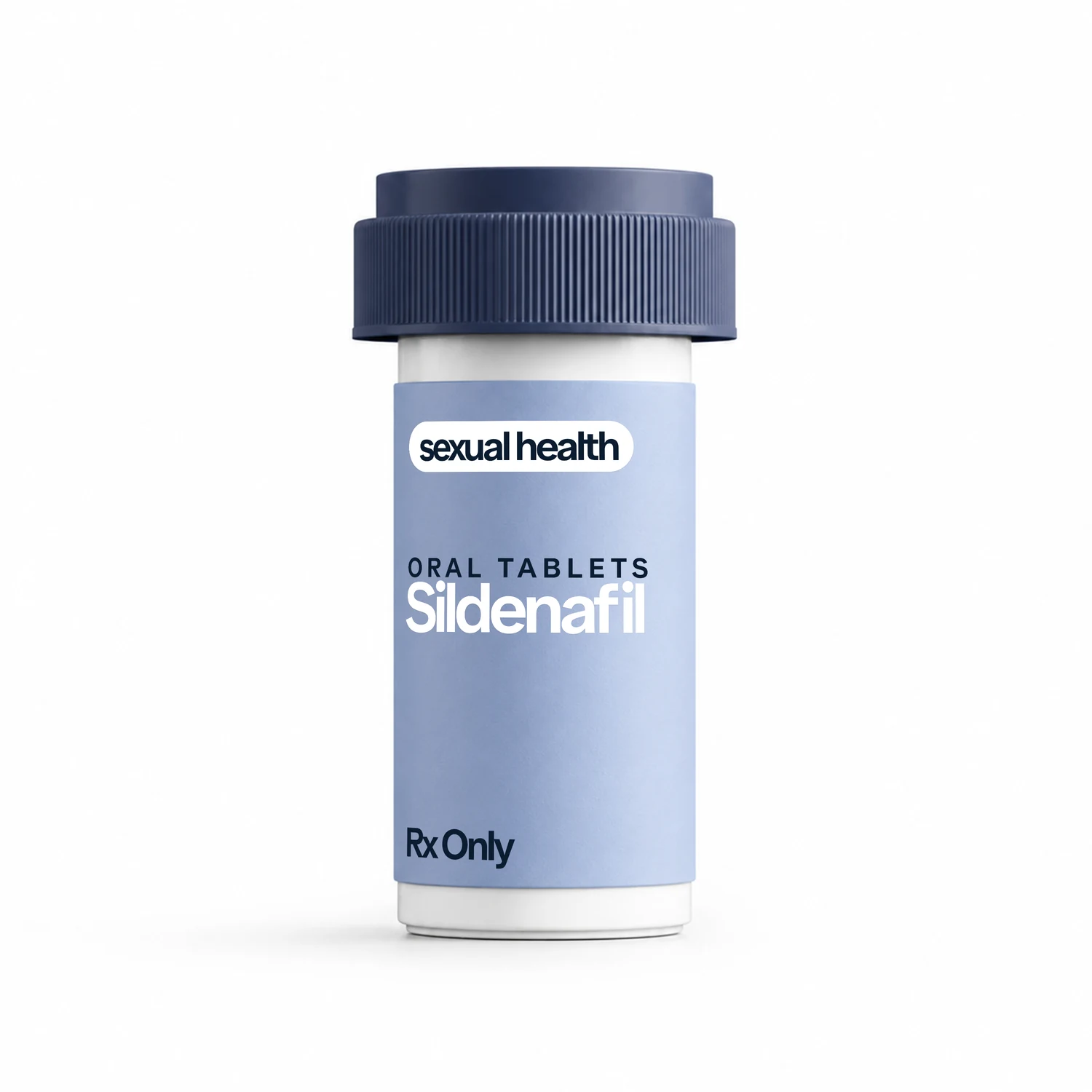
SildenafilRx
Generic Viagra®. Works in 30 minutes.
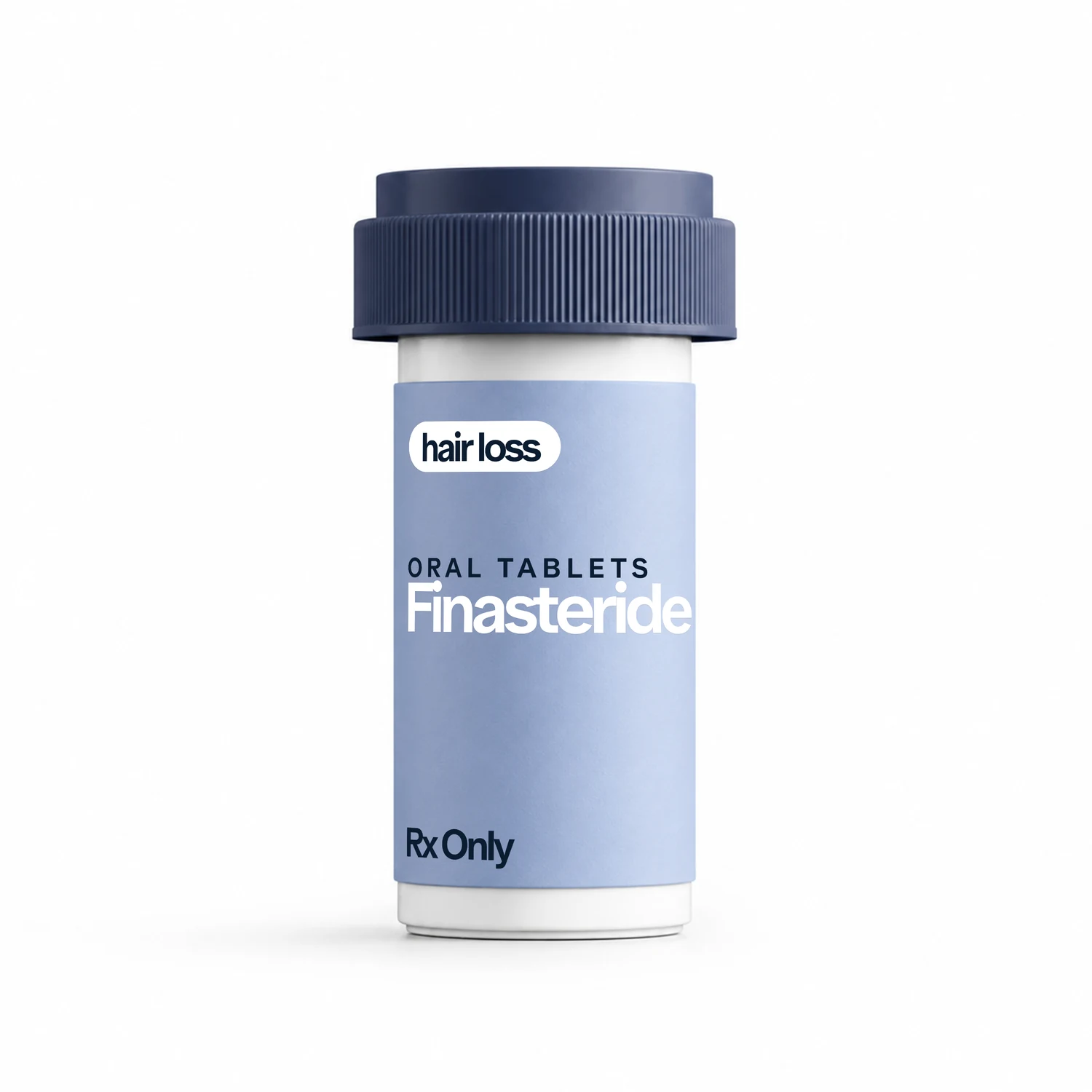
FinasterideRx
Generic Propecia®. Blocks DHT daily.
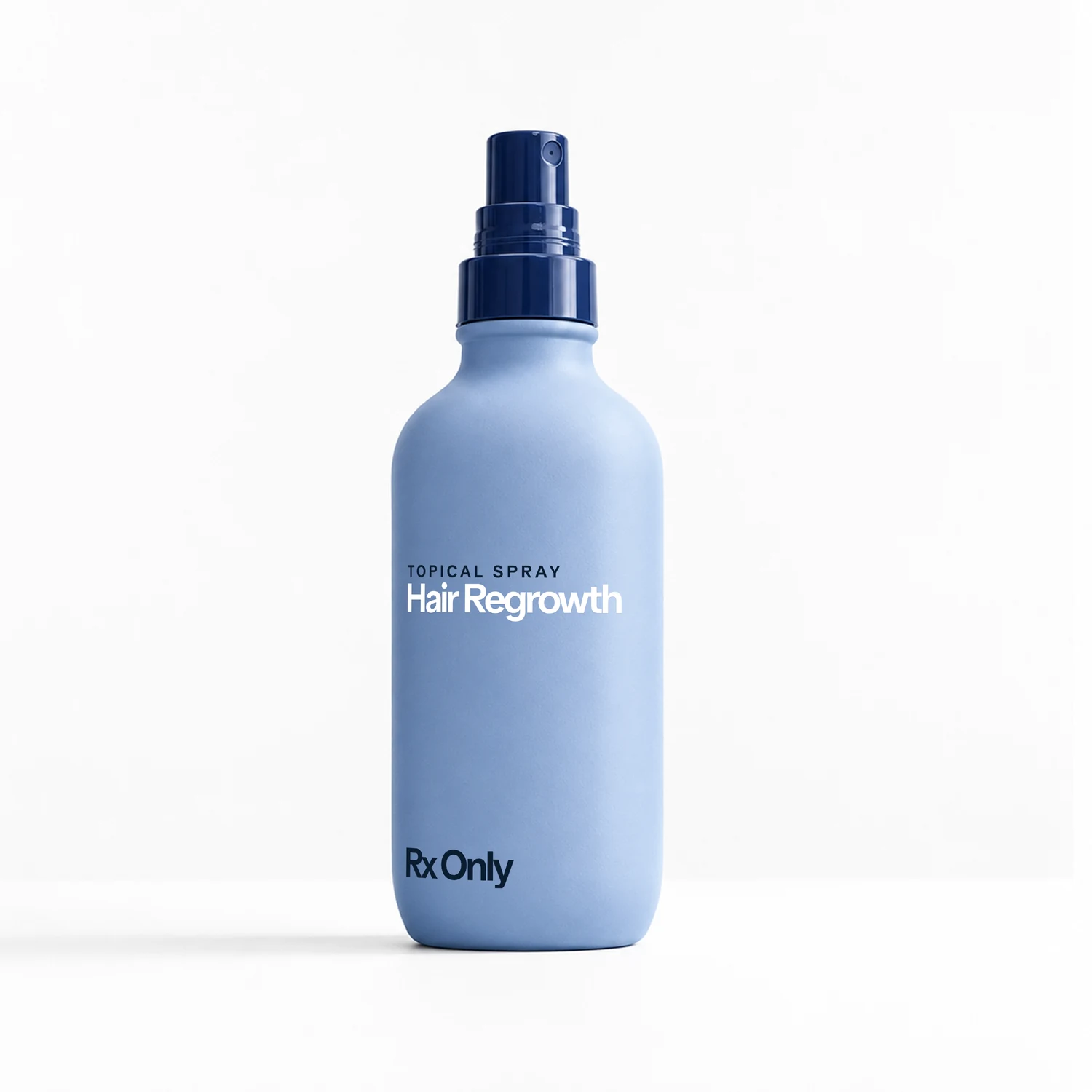
Hair Regrowth SprayRx
3-in-1 topical: finasteride + minoxidil + tretinoin.
ED in Younger Men: What I'd Tell My 40-Year-Old Self
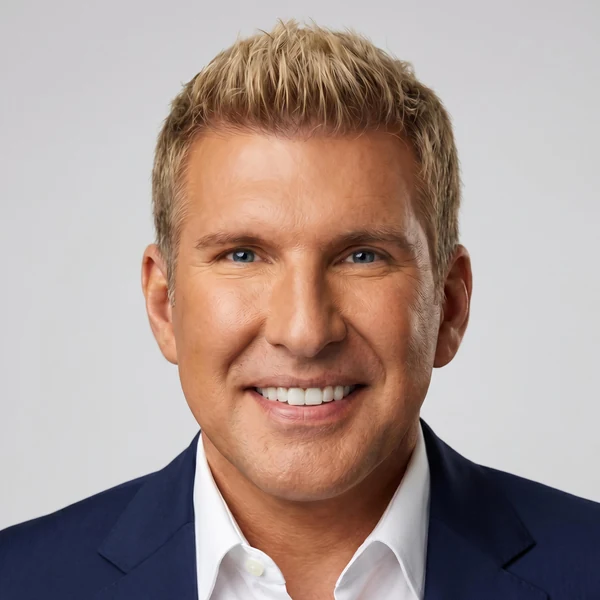
Written by Todd Chrisley
Published April 8, 2026

Key Takeaways
# What I Would Have Told My Forty-Year-Old Self About ED
I was forty years old and I thought I was invincible. I had money, a television show, a beautiful wife, and enough pride to fill three zip codes. I also had no idea what was happening inside my own body, and I would not have asked anyone to tell me.
That is the thing about being a man at forty. You are not old enough to feel the urgency of maintenance, and you are too proud to admit anything might be slipping. So you do nothing. And silence, in my experience, is never actually neutral.
The Number That Should Shake You Out of Silence
Let me give you a fact first. According to a study published in the American Journal of Men's Health, erectile dysfunction affects approximately 26% of men under 40. Read that again. One in four men under forty. Not men in their seventies. Not men with a catalog of health problems. Men in what most of us would call our prime.
The Massachusetts Male Aging Study, one of the most cited pieces of research on ED in younger men, established decades ago that erectile dysfunction is not a condition that waits for old age. It begins earlier, quietly, and it is almost always connected to something else going on in the body.
That connection matters. Research published in JAMA has linked erectile dysfunction in men under fifty to elevated risk of cardiovascular disease. The blood vessels that serve the body's smallest arteries show stress first. If circulation is struggling there, it is very possibly struggling elsewhere.
I did not know any of this at forty. I would not have wanted to.
What Nobody Tells Men About Their Bodies
When I came home after 28 months in federal prison, I understood for the first time what it means to have no control over your own body. The state decides when you sleep, when you eat, when you move. I had let other things control my body long before I ever walked through those gates. Stress. Ego. Neglect. I called it strength. God called it something else.
ED at 40 is not a weakness. It is a signal. It is the body asking a man to pay attention to things he has been ignoring. Sleep debt. Blood pressure that has crept up without announcement. Testosterone that has been declining at roughly one percent per year since his early thirties, according to the National Institutes of Health. Sedentary habits that felt like rest but were actually erosion.

If you are sitting where I was sitting at forty, telling yourself this is just stress, just a long week, just a phase, I want you to hear me clearly. It might be. But it might also be your body's first clear request for you to be a better steward of what you have been given.
A Word About Stewardship This Month
April is Testicular Cancer Awareness Month, and I am going to say something plain. Men do not check themselves. We are not taught to. And we treat that neglect like it is somehow tough, when it is actually just careless.
The [American Cancer Society](https://www.cancer.org/cancer/types/testicular-cancer/detection-diagnosis-staging/detection.html) recommends that men perform a monthly self-examination. Testicular cancer is the most common cancer in men ages 15 to 35, but it does not stop caring about you after 35. Early detection changes outcomes dramatically. This is not about fear. This is stewardship. You take your car in for service. You treat the body God gave you at least as well as the car sitting in your driveway.
Same principle applies to every system in your body. Check. Ask. Act.
What I Would Tell the Forty-Year-Old Version of Myself
Here is what I know now that I wish I had known then.
Sleep is not optional. A study in the Journal of Clinical Endocrinology and Metabolism found that men who slept fewer than five hours per night showed significantly lower testosterone levels than those who slept eight. You cannot earn your way out of that deficit with willpower. Sleep is medicine. Take it seriously.
Walk. Every single day. Research in the American Journal of Cardiology has shown that regular moderate aerobic exercise reduces erectile dysfunction symptoms in men with cardiovascular risk factors. Not marathon training. Walking. Thirty minutes. Your body was built to move.
Eat less of what you know you should eat less of. Processed food drives inflammation. Inflammation drives endothelial dysfunction. Endothelial dysfunction is one of the primary physiological contributors to ED in your 30s and 40s. The American Heart Association has published extensively on this connection. None of this is complicated. It just requires a decision.
See a doctor. Not someday. Not when it gets worse. A licensed physician can run a basic panel, check your testosterone, your thyroid, your fasting glucose, your blood pressure. Young men erectile dysfunction presentations almost always benefit from a full picture, not a single fix.

Results will vary for every man, depending on his individual health history and what his provider finds. There is no single answer that applies to everyone. But there is no answer at all if you never ask the question.
For Men Who Want a Clear Starting Point
Good Guy Rx is a technology platform that connects men to independent licensed physicians and independent state-licensed pharmacies. If a physician determines that an oral ED medication is appropriate, one option that may be discussed is a clinically established treatment available through our platform.
You can start that conversation here: ED Assessment at Good Guy Rx
Any medication prepared through this platform is prepared by state-licensed compounding pharmacies in accordance with FDA regulations. These medications are not FDA-approved compounded preparations, and results may vary. All medical decisions are made by the independent licensed physician assigned to your case, not by support staff.
The Close
Forty is not too young to pay attention, and it is not too late to correct course.
You are not managing decline. You are practicing stewardship of something that was given to you, and that is worth treating with the same seriousness you bring to everything else that matters.
Take care of what God gave you.
Share this article

Ready to start your journey?
Complete your free online visit and see if GLP-1 treatment is right for you.
Get Started