
Good Guy Rx
Take care of what God gave you.
Get started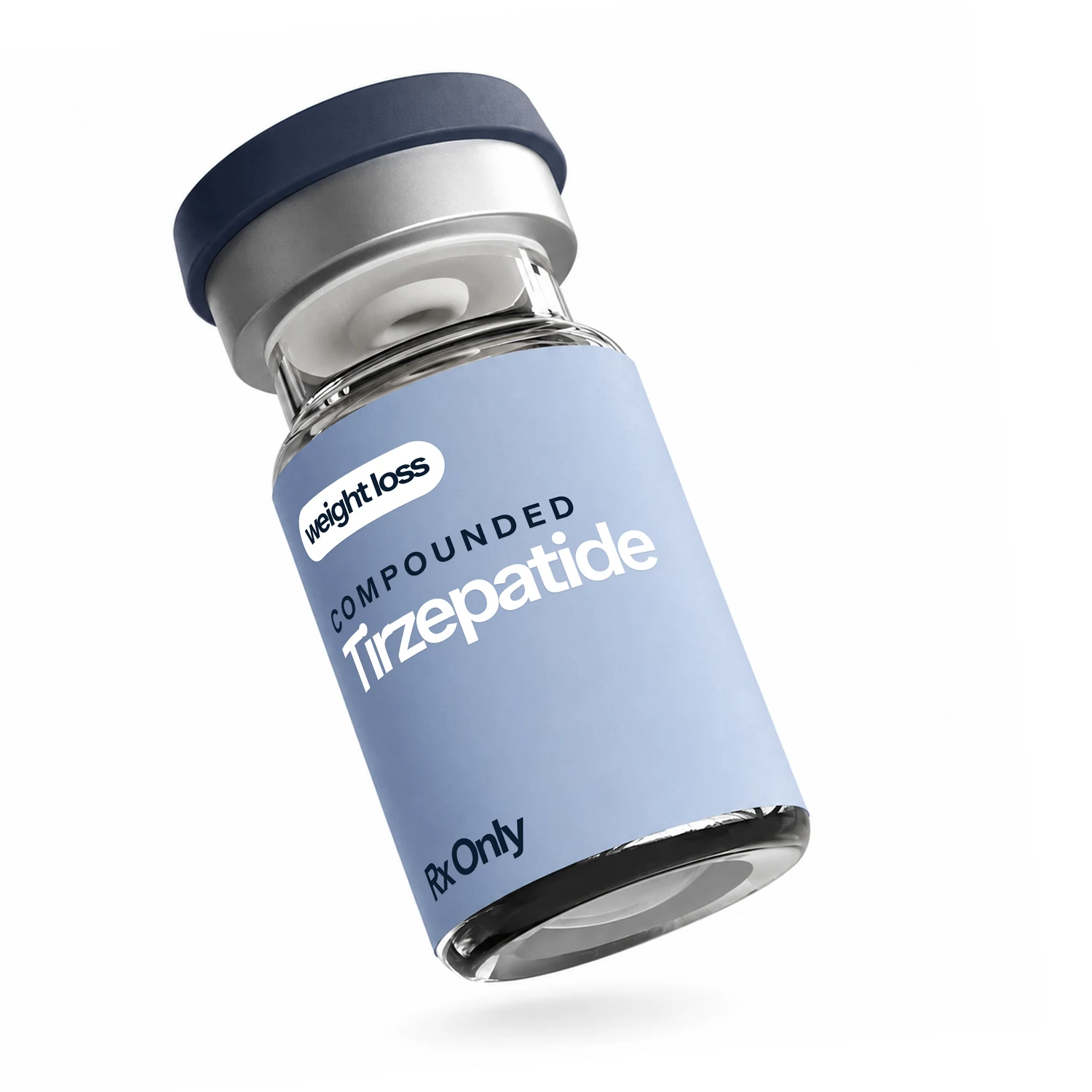
Compounded TirzepatideRx
Weekly GLP-1 + GIP injection.
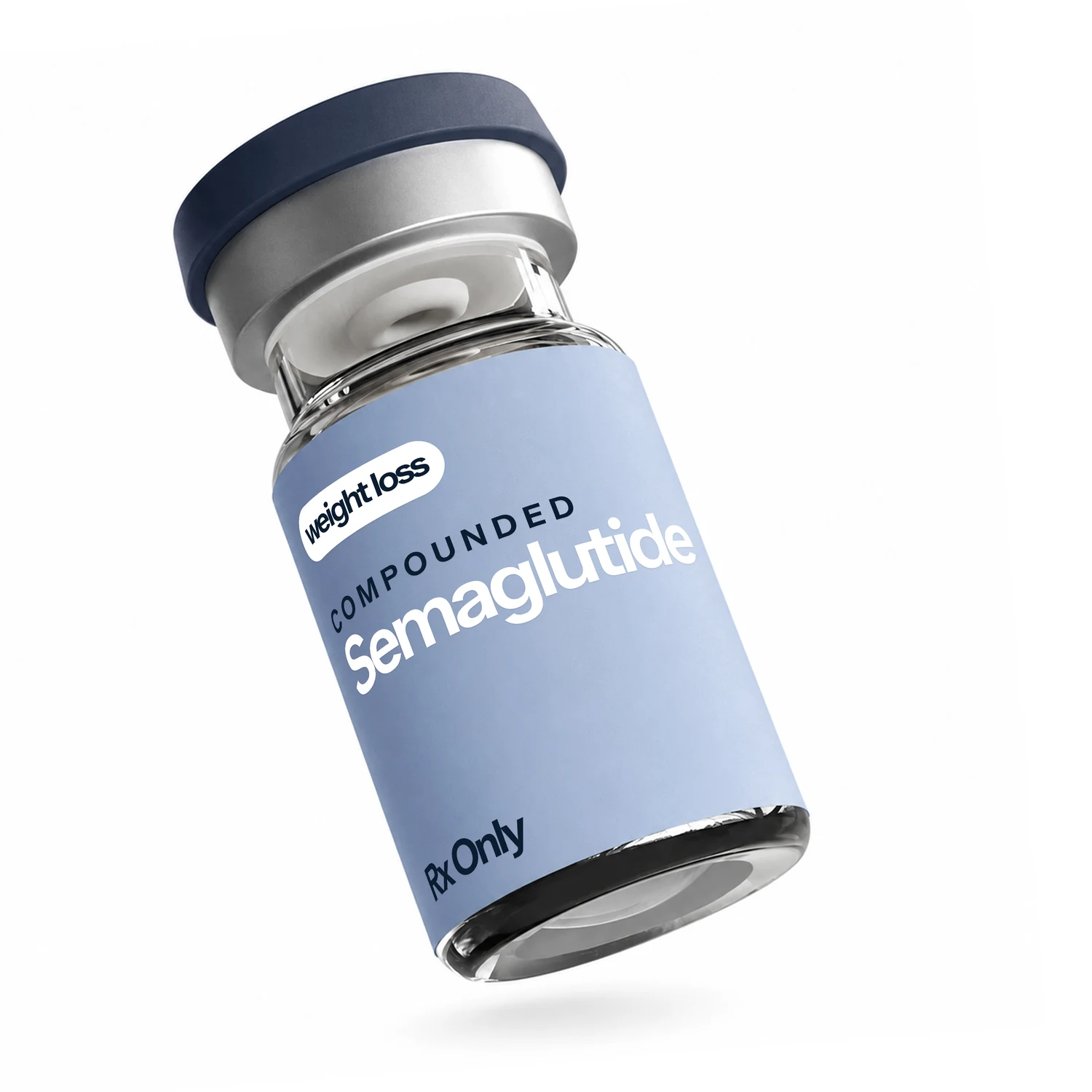
Compounded SemaglutideRx
Weekly GLP-1 injection.
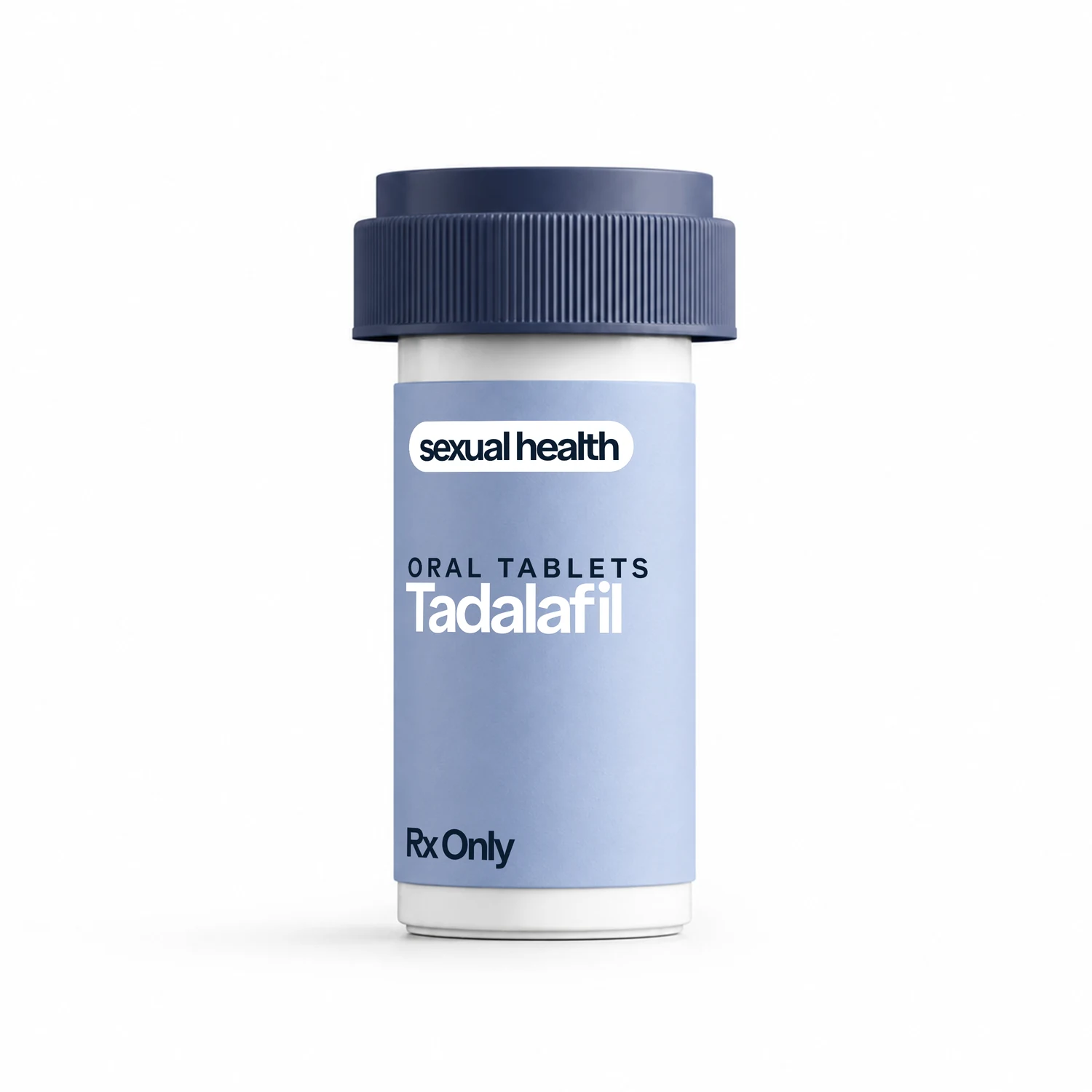
TadalafilRx
Generic Cialis®. Lasts up to 36 hours.
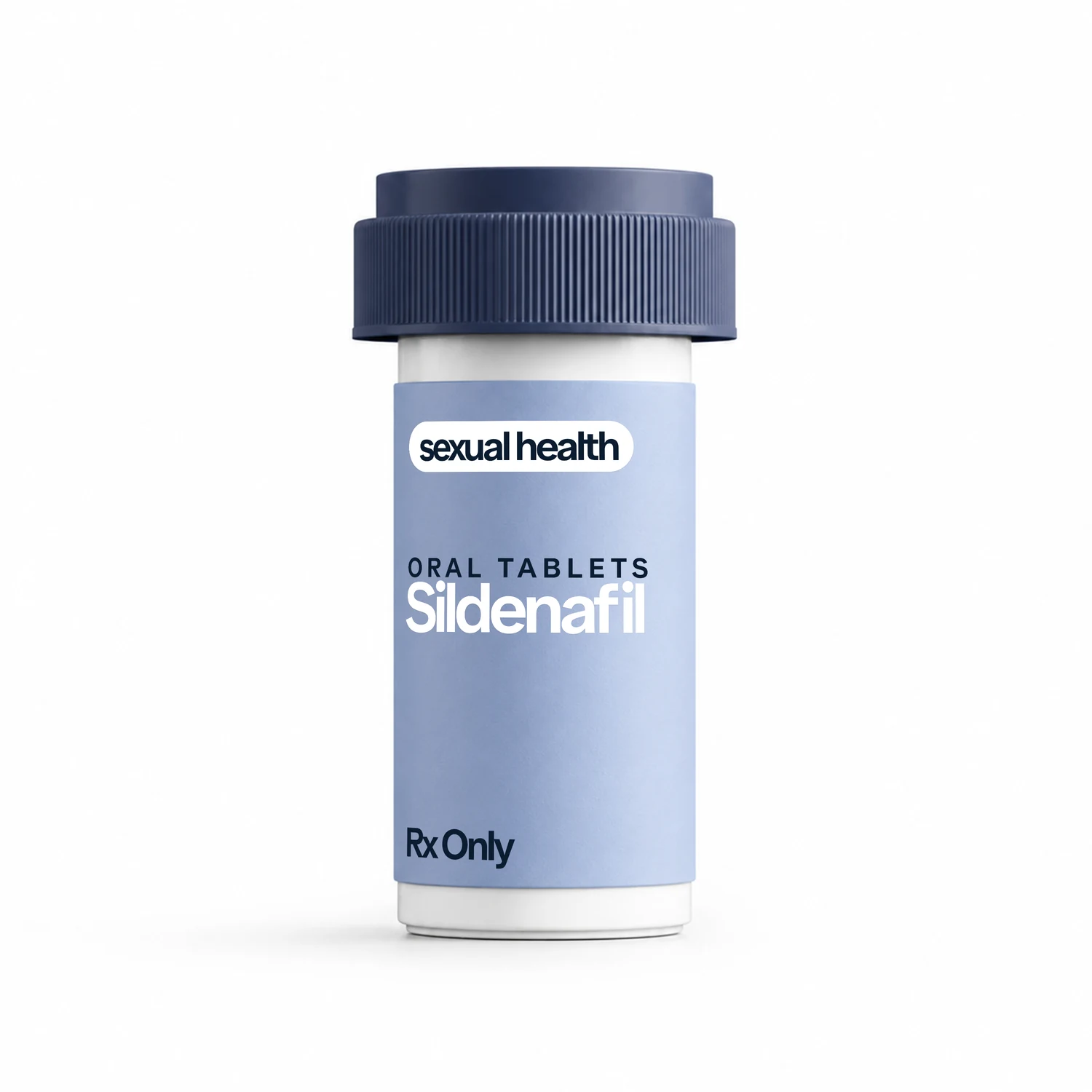
SildenafilRx
Generic Viagra®. Works in 30 minutes.
FinasterideRx
Generic Propecia®. Blocks DHT daily.

Hair Regrowth SprayRx
3-in-1 topical: finasteride + minoxidil + tretinoin.
Men ED Stigma: Why 75% Never Seek Treatment

Written by Todd Chrisley
Published April 19, 2026

Key Takeaways
# Men ED Stigma: Why 75% Never Seek Treatment
I have sat in rooms where I had everything and felt like nothing. I know what it is to keep a face on for the world while something inside you is quietly breaking. I also know that the moment I stopped pretending and started dealing, things began to change. That is the only reason I am writing this.
If you are a man between 45 and 65, and something has changed in the bedroom, and you have not told a single soul — not your doctor, not your wife, not even yourself in the plain light of morning — then this column is for you.
The Number That Stopped Me
Only one in four men with erectile dysfunction ever seeks treatment. That number comes from research published in the Journal of Sexual Medicine, and when I first read it, I sat with it for a minute. Three out of four men would rather carry something alone, in silence, and let it eat at their confidence, their marriages, and their sense of who they are — than simply ask for help.
I understand that. I lived a version of it. I spent years building an image. When things got hard — and they got very hard — my first instinct was to manage appearances. I have learned, at real cost, that appearances are not a foundation. They are a wall. And walls keep out the help you need just as effectively as they keep out the judgment you fear.
What the Silence Actually Costs
ED stigma in men is not a new problem. The American Urological Association estimates that erectile dysfunction affects more than 30 million men in the United States. It becomes more common with age — according to the Massachusetts Male Aging Study, roughly 40 percent of men experience some degree of ED by age 40, and that number climbs significantly with each decade after that.
Here is what I want you to hear: erectile dysfunction is frequently a signal, not just a symptom. According to the American Heart Association, ED can precede cardiovascular events by three to five years in some men because both conditions share the same root cause — compromised blood flow. When a man avoids ED treatment, he is not just leaving a bedroom problem unaddressed. He may be leaving a health warning unread.
That is not a scare tactic. That is stewardship. And stewardship is something I take seriously, because I have learned what it means to lose things you assumed would always be there.

Why Men Avoid ED Treatment
I do not need a study to explain why men avoid ED treatment. I can tell you from lived experience and from talking to men across this country.
It starts with pride. Not the good kind — the brittle kind. The kind that tells you admitting a problem is the same as becoming one. It is not. Admitting a problem is the beginning of authority over it.
Then there is fear. Fear of what a doctor might find. Fear that the conversation will change how your partner sees you. Fear that you are, somehow, less.
Let me say this plainly: you are not less. You are human. And the men who are actually less — I have met them — are the ones who never look at anything hard. You are reading this. That already separates you.
According to a study in the American Journal of Men's Health, men ED stigma is one of the primary barriers to care, with many men reporting they would rather self-manage or do nothing than discuss sexual health with a physician. The result is that the problem compounds. Confidence erodes. Relationships strain under weight neither partner can name out loud.
That is not strength. That is suffering dressed up as stoicism.
What to Actually Do
None of this requires a dramatic moment. It requires a decision.
First: see a doctor. A licensed physician can assess whether your ED is vascular, hormonal, psychological, or some combination. This is not optional — it is the responsible first step. Do not let a support line or a friend or a blog be your diagnosis. See a physician.
Second: get your blood work done. Testosterone, blood sugar, and cardiovascular markers all matter here. Know your numbers.
Third: look at the basics. Sleep is not negotiable. Poor sleep suppresses testosterone and elevates cortisol. According to research published in the Journal of the American Medical Association, men who slept fewer than five hours a night for one week showed a 10 to 15 percent decrease in testosterone levels. Walk daily. Lift something heavy three times a week. Reduce alcohol. These are not suggestions for someone else. These are for you.
Fourth: do a full self-check. April is Testicular Cancer Awareness Month, and while this column is about ED, I want to say something plainly here: your body deserves the same attention you give your truck, your business, and your finances. A monthly testicular self-examination takes two minutes. The American Cancer Society recommends it, and early detection is the single greatest factor in outcomes. Stewardship means checking what God gave you — all of it.

A note from Good Guy Rx:
Good Guy Rx is a technology platform that connects men to independent licensed physicians and independent state-licensed pharmacies. If your physician determines that a prescription treatment for ED is appropriate for you, our platform makes access straightforward — no waiting rooms, no awkward conversations at a front desk. Compounded medications available through our network are prepared by state-licensed compounding pharmacies in accordance with FDA regulations and are not FDA-approved. Results may vary. Start with an online visit and speak with a licensed provider about your options: Begin your assessment here.
This Is Where I Land
Three out of four men with erectile dysfunction stay silent. I was one of them in other areas of my life, and silence has never once served me. The men who come out the other side of hard things are not the ones who hid best. They are the ones who looked hardest.
You do not have to announce anything to anyone. You just have to be honest with yourself and with one licensed doctor. That is it. That is the whole ask.
Take care of what God gave you.
Sources
- Prevalence and Treatment-Seeking in Men with Erectile Dysfunction — Journal of Sexual Medicine
- Erectile Dysfunction: Overview and Clinical Data — American Urological Association
- The Massachusetts Male Aging Study — PubMed / NIH
- Erectile Dysfunction as a Cardiovascular Risk Marker — American Heart Association
- Stigma as a Barrier to ED Care — American Journal of Men's Health
- Sleep Restriction and Testosterone in Young Men — JAMA
- Testicular Self-Examination Guidelines — American Cancer Society
References
- [Erectile Dysfunction: Overview and Clinical Data — American Urological Association](https://www.auanet.org/)
- [The Massachusetts Male Aging Study — PubMed / NIH](https://pubmed.ncbi.nlm.nih.gov/1434140/)
- [Erectile Dysfunction as a Cardiovascular Risk Marker — American Heart Association](https://www.heart.org/)
- [Stigma as a Barrier to ED Care — American Journal of Men's Health](https://journals.sagepub.com/home/jmh)
- [Sleep Restriction and Testosterone in Young Men — JAMA](https://jamanetwork.com/journals/jama/fullarticle/1029127)
- [Testicular Self-Examination Guidelines — American Cancer Society](https://www.cancer.org/cancer/types/testicular-cancer/detection-diagnosis-staging/detection.html)
Share this article

Ready to start your journey?
Complete your free online visit and see if GLP-1 treatment is right for you.
Get Started