
Good Guy Rx
Take care of what God gave you.
Get started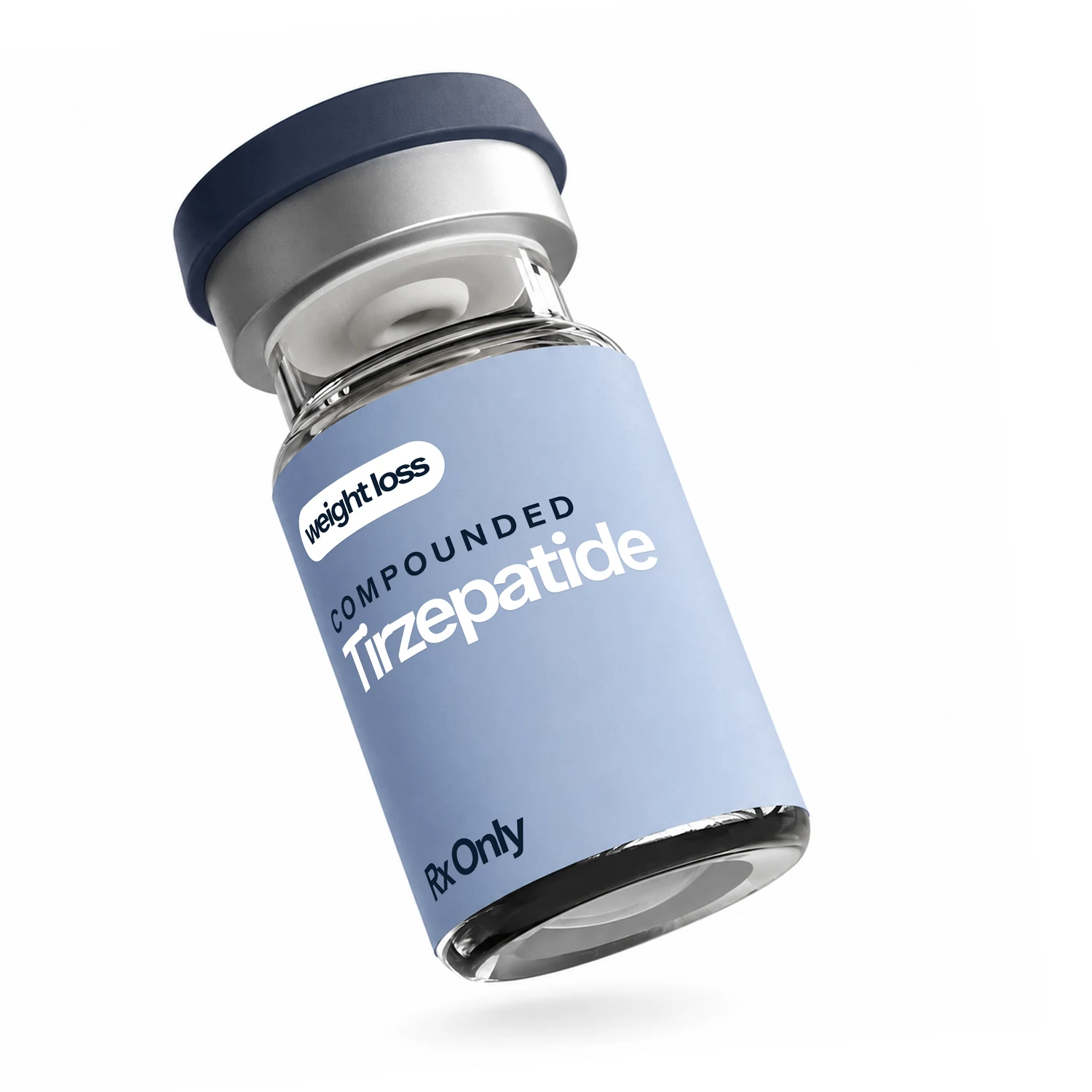
Compounded TirzepatideRx
Weekly GLP-1 + GIP injection.

Compounded SemaglutideRx
Weekly GLP-1 injection.
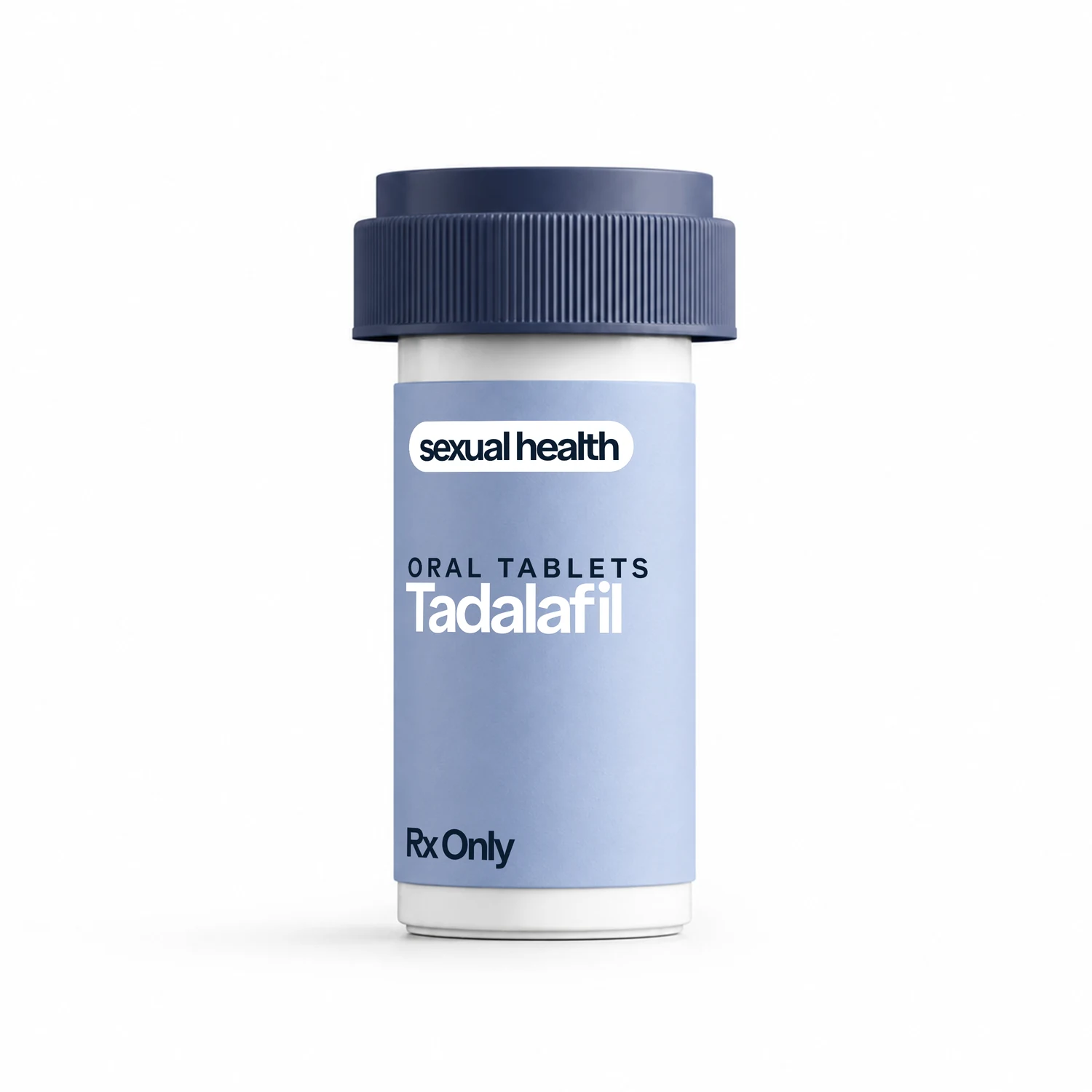
TadalafilRx
Generic Cialis®. Lasts up to 36 hours.

SildenafilRx
Generic Viagra®. Works in 30 minutes.

FinasterideRx
Generic Propecia®. Blocks DHT daily.
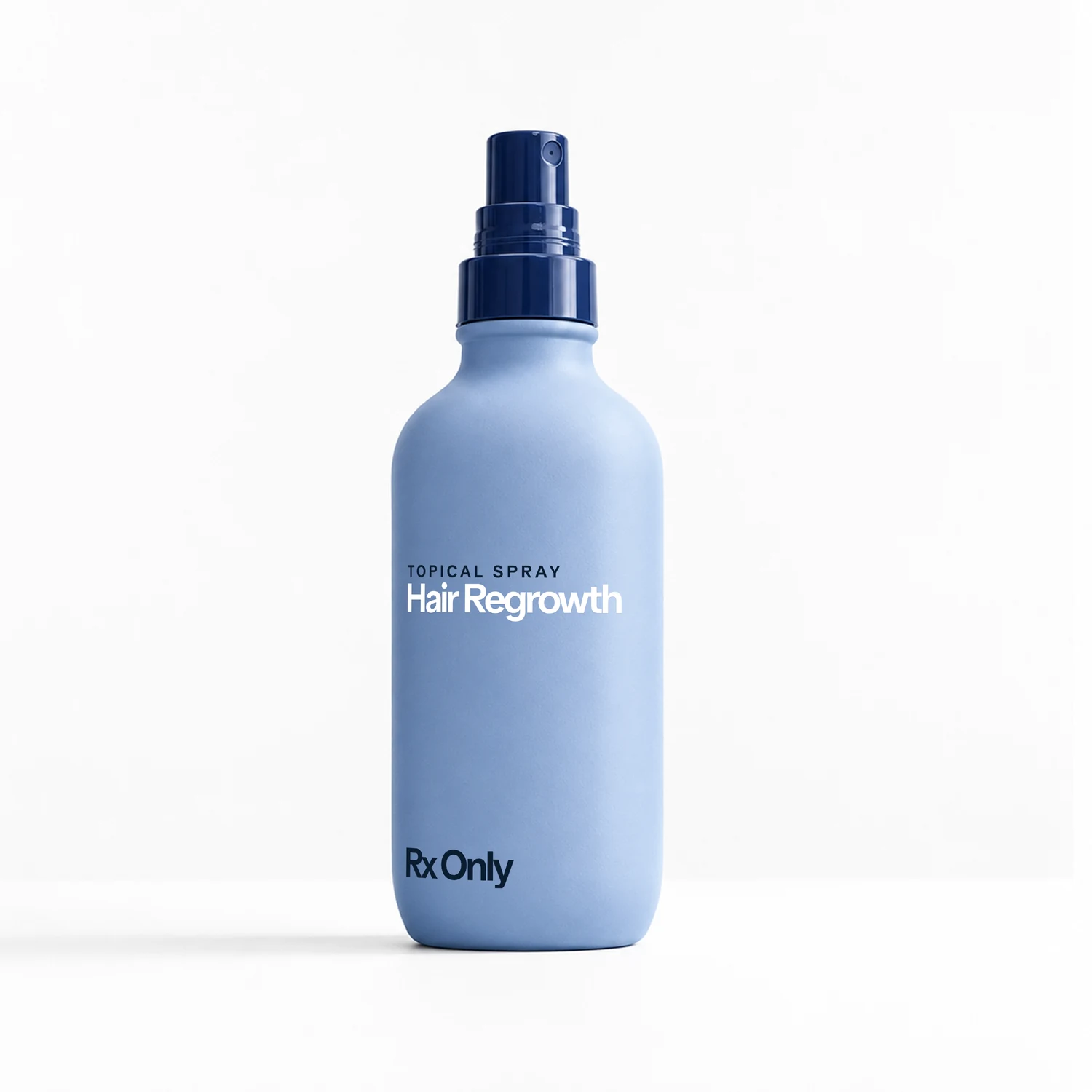
Hair Regrowth SprayRx
3-in-1 topical: finasteride + minoxidil + tretinoin.
Time-Restricted Eating for Men: Why I Stop at 7

Written by Todd Chrisley
Published March 29, 2026

Key Takeaways
# Why I Stopped Eating After Seven
I am not a nutritionist. I am not a doctor. What I am is a man who spent 28 months inside a federal prison, lost control of almost everything, and came out the other side with a very short list of things I was willing to let slide. What I eat — and when I eat — is not on that list anymore.
There was a season in my life, before the walls closed in and long after they opened back up, when I would eat whatever was in front of me at whatever hour it appeared. Stress eating is real. I do not dress it up. You sit in a hard place long enough and food becomes comfort, becomes habit, becomes something you stop thinking about altogether. And that is exactly where the damage gets done — in the space where intention used to be.
When I came home, I made a decision. I was going to steward what God gave me. That meant my faith, my family, and yes, this body. I started with one rule. Nothing after seven in the evening. Simple. Clear. No negotiation. That one rule changed more than I expected.
What Happens to a Man's Body at Night
Here is what the science says, and it lines up with what I have lived.
Your body does not idle at night. It repairs. It regulates. It processes the day. When you keep feeding it at ten or eleven at night, you are interrupting work it was already doing. According to research published in *Cell Metabolism*, time-restricted eating — confining your food intake to a consistent daily window — is associated with measurable improvements in metabolic health, including blood sugar regulation and reduced fat mass, independent of calorie counting.
The National Institute on Aging has noted that circadian rhythm disruption, which late-night eating contributes to, is linked to accelerated metabolic decline in men as they age. Your body runs on a clock. When you eat against that clock, you pay for it — in poor sleep, in weight that collects around your middle, in energy that is not there the next morning.
A 2022 study in *Obesity* found that men who practiced consistent time-restricted eating reported improved sleep quality alongside metabolic benefits. Results may vary. But the mechanism is not complicated. Stop taxing your digestive system at midnight and it stops keeping you awake at midnight.
I can tell you from experience: the nights I honor that seven o'clock line are the nights I sleep like a man with a clear conscience. The nights I do not, I feel every year of my age by three in the morning.
What Late-Night Eating Actually Costs You
If you are a man between 45 and 70 reading this, you already know something has shifted. The metabolism you had at 32 is not the one you have today. That is not a complaint — it is physiology.

Insulin sensitivity declines with age. According to the American Diabetes Association, men's bodies become progressively less efficient at processing carbohydrates consumed late in the evening, when cortisol is low and melatonin is rising. Late-night eating is not just a calorie problem. It is a timing problem. Your body at 10 p.m. handles a plate of food very differently than your body at noon.
There is also the sleep connection. Research from the National Sleep Foundation has consistently shown that late night eating and sleep quality are directly linked — particularly in men over 40, where deep sleep stages are already naturally compressed. When digestion competes with restoration, restoration loses.
If you have been telling yourself that the late plate does not matter, that you will just be more careful about what you eat instead of when — I understand that logic. I used it too. It does not hold.
The Principle
Here is what I want you to hear. This is not about deprivation. I am not asking you to be hungry. Eat well. Eat enough. Eat food that is worth eating — lean protein, real vegetables, whole grains, the kind of Mediterranean-style foundation that your doctor has probably mentioned and you have probably nodded at and not done.
The *American Journal of Men's Health* has published research showing that men who adopt clean-eating fundamentals — consistent meal timing, higher protein intake, reduced processed food — in their 40s and 50s see meaningful improvements in body composition and cardiovascular markers. Results may vary. But the foundation is available to every man willing to keep it.
Discipline is not punishment. It is the opposite of punishment. Every time I close the kitchen at seven, I am making a declaration that I am in charge of this body, not the other way around. That matters to me. After losing control of so much, the ability to govern myself — even in something as small as where I set a mealtime cutoff — is not a small thing. It is an act of stewardship.
What to Actually Do
Here is the plain version. No philosophy required.
Set a hard stop. Pick a time — seven, seven-thirty, whatever your household can hold — and honor it six nights out of seven. Consistency beats perfection.
Eat your protein early. Shift your heaviest, most nutrient-dense meal to midday if you can. According to peer-reviewed research published in the *Journal of Clinical Endocrinology and Metabolism*, men who front-load protein earlier in the day preserve more lean muscle mass as they age. Aim for 30 grams of protein at both breakfast and lunch.
Walk after dinner. A 10-minute walk after your last meal measurably reduces postprandial blood glucose spikes, according to research cited by the American Diabetes Association. It also signals to your body that the activity window is still open, which helps with the transition to sleep.
Sleep in the dark and on a schedule. The CDC recommends seven to nine hours for adults. Most men in this age range are getting six or less. Pair your meal cutoff with a consistent bedtime and the results accelerate.

See a doctor. If your weight has not moved despite genuine effort, or if you are tired in a way that sleep does not fix, that is a clinical question. It deserves a clinical answer. Not a podcast. Not a supplement. A licensed physician.
If Weight Has Been the Harder Fight
Platform note: If you have been doing the work — eating cleaner, moving more, cutting the late nights — and the scale still will not cooperate, there may be more going on worth discussing with a physician. Good Guy Rx is a technology platform that connects men to independent licensed physicians and independent state-licensed pharmacies. Those physicians can evaluate whether a medically supervised weight management program is appropriate for you, including medications prepared by state-licensed compounding pharmacies in accordance with FDA regulations, which are not FDA-approved but are legally prepared to a physician's specification. To start a confidential conversation with a licensed provider, visit the weight loss assessment. Results may vary. All medical decisions are made by your independent treating physician.
The Close
You do not have to overhaul your life tonight. You just have to close the kitchen.
That is where I started. One line. One decision. Repeated until it became the kind of man I am now. God gave you this body for a reason. It carried you through more than you probably give it credit for. The least you can do is stop eating at seven.
Take care of what God gave you.
Sources
- Time-Restricted Eating and Metabolic Health — *Cell Metabolism* — https://www.cell.com/cell-metabolism/home
- Time-Restricted Eating and Sleep Quality in Men — *Obesity* — https://onlinelibrary.wiley.com/journal/1930739x
- Circadian Rhythms and Metabolic Aging — National Institute on Aging — https://www.nia.nih.gov/
- Insulin Sensitivity and Evening Carbohydrate Intake — American Diabetes Association — https://www.diabetes.org/
- Postprandial Blood Glucose and Walking — American Diabetes Association — https://www.diabetes.org/
- Protein Timing and Lean Mass Preservation — Journal of Clinical Endocrinology and Metabolism — https://academic.oup.com/jcem
- Clean-Eating Fundamentals and Male Body Composition — American Journal of Men's Health — https://journals.sagepub.com/home/jmh
- Adult Sleep Recommendations — CDC — https://www.cdc.gov/sleep/index.html
- Sleep Quality and Men Over 40 — National Sleep Foundation — https://www.thensf.org/
References
- [Time-Restricted Eating and Sleep Quality in Men — *Obesity* — https://onlinelibrary.wiley.com/journal/1930739x](https://onlinelibrary.wiley.com/journal/1930739x)
- [Circadian Rhythms and Metabolic Aging — National Institute on Aging — https://www.nia.nih.gov/](https://www.nia.nih.gov/)
- [Insulin Sensitivity and Evening Carbohydrate Intake — American Diabetes Association — https://www.diabetes.org/](https://www.diabetes.org/)
- [Postprandial Blood Glucose and Walking — American Diabetes Association — https://www.diabetes.org/](https://www.diabetes.org/)
- [Protein Timing and Lean Mass Preservation — Journal of Clinical Endocrinology and Metabolism — https://academic.oup.com/jcem](https://academic.oup.com/jcem)
- [Clean-Eating Fundamentals and Male Body Composition — American Journal of Men's Health — https://journals.sagepub.com/home/jmh](https://journals.sagepub.com/home/jmh)
- [Adult Sleep Recommendations — CDC — https://www.cdc.gov/sleep/index.html](https://www.cdc.gov/sleep/index.html)
- [Sleep Quality and Men Over 40 — National Sleep Foundation — https://www.thensf.org/](https://www.thensf.org/)
Share this article

Ready to start your journey?
Complete your free online visit and see if GLP-1 treatment is right for you.
Get Started