Good Guy Rx
Take care of what God gave you.
Get started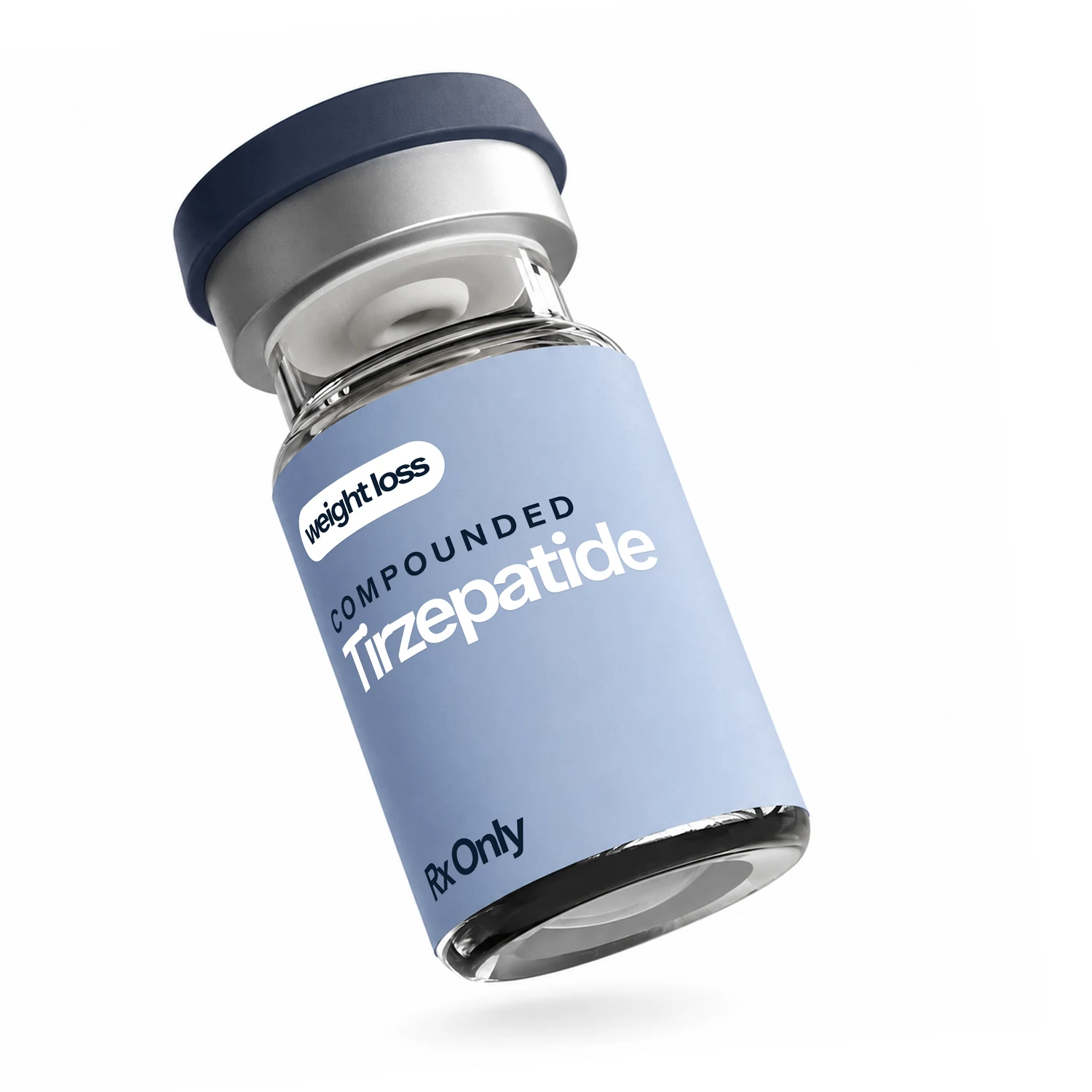
Compounded TirzepatideRx
Weekly GLP-1 + GIP injection.
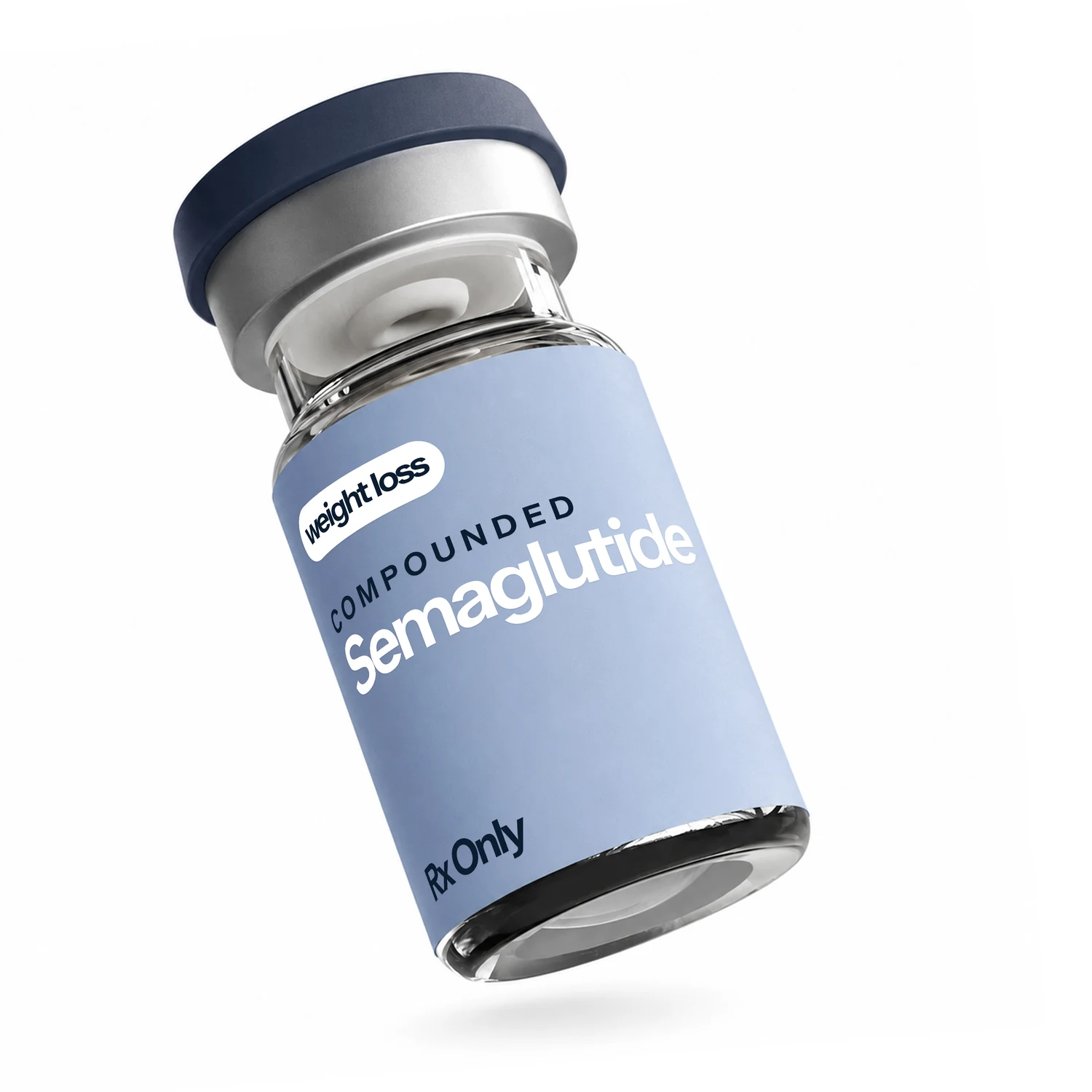
Compounded SemaglutideRx
Weekly GLP-1 injection.
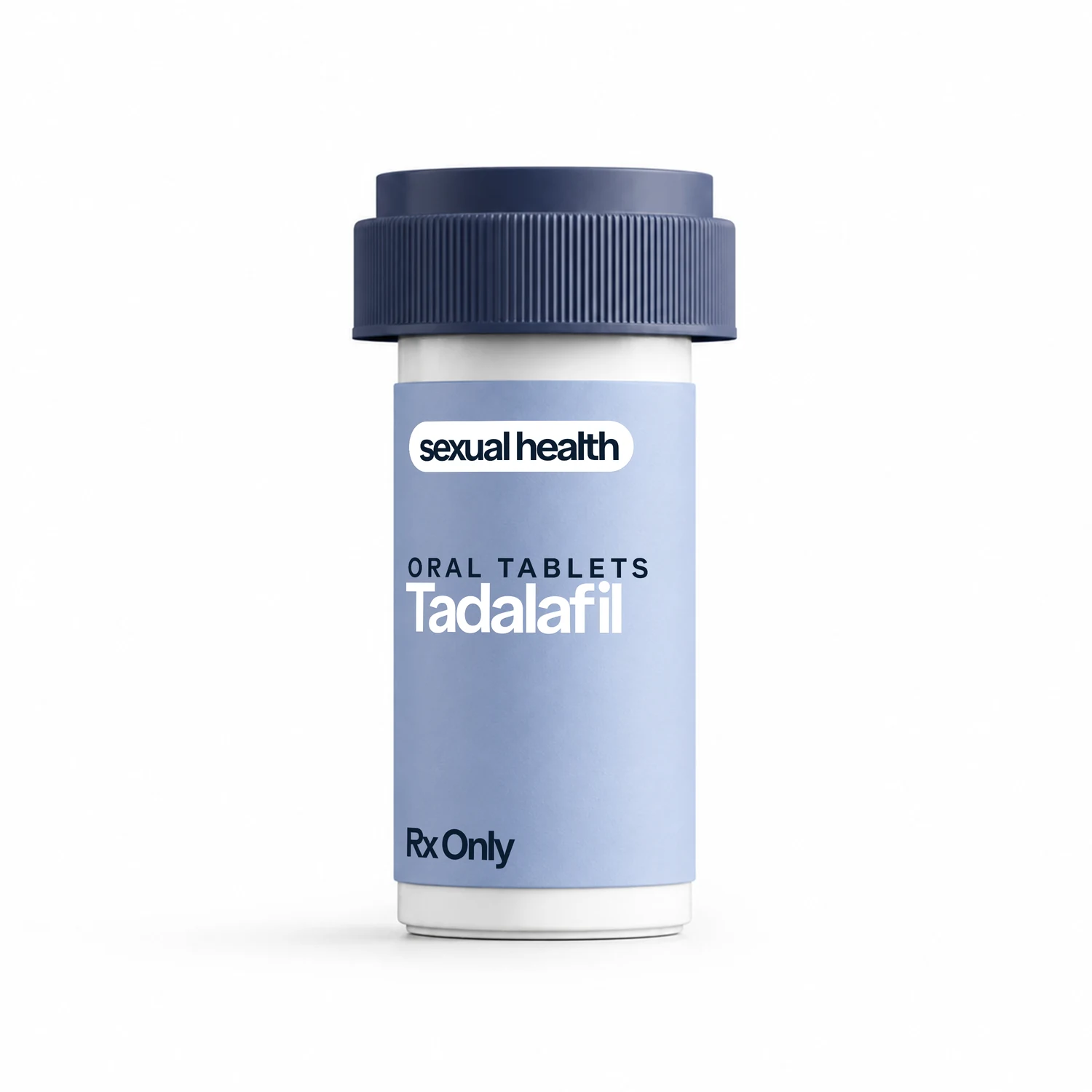
TadalafilRx
Generic Cialis®. Lasts up to 36 hours.
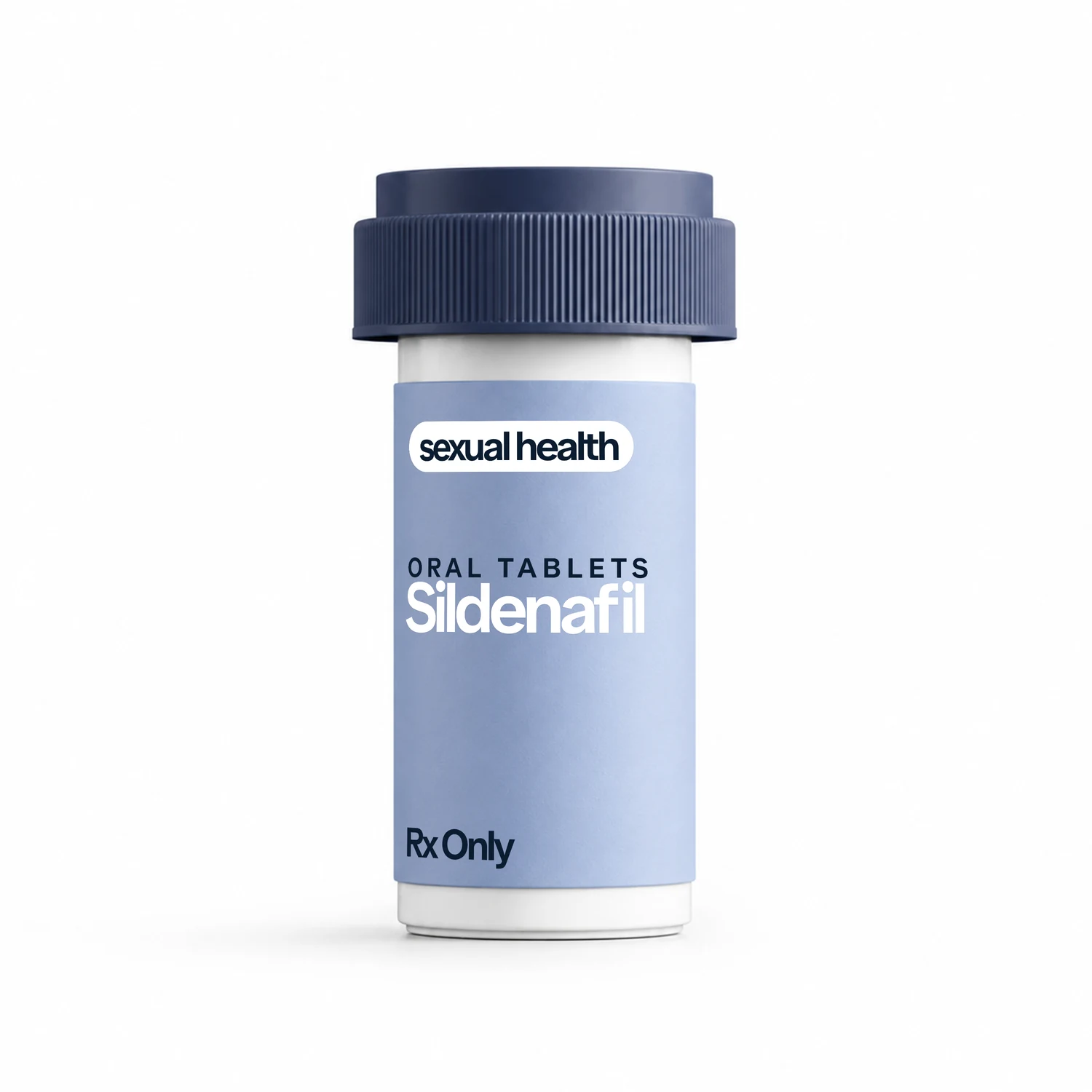
SildenafilRx
Generic Viagra®. Works in 30 minutes.
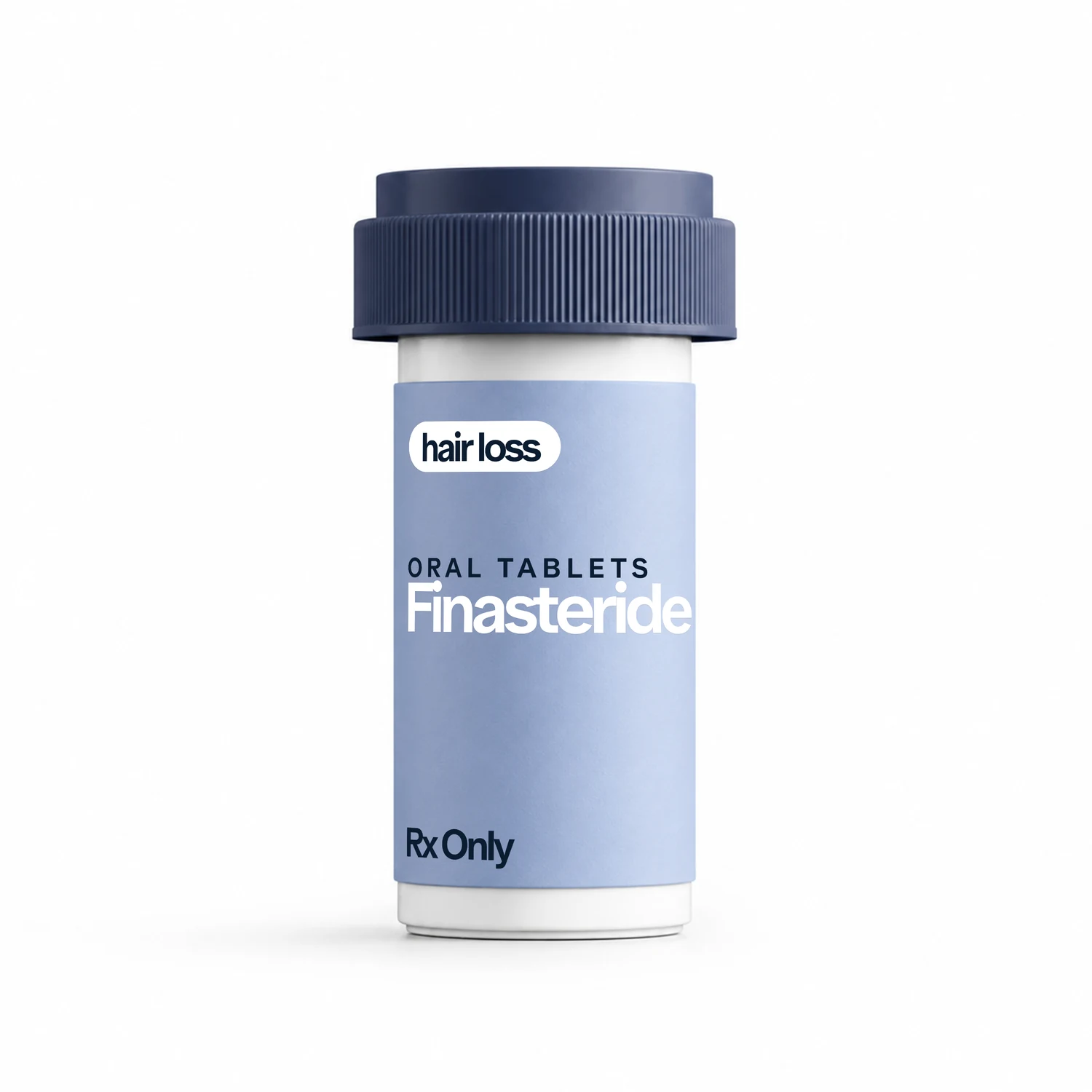
FinasterideRx
Generic Propecia®. Blocks DHT daily.
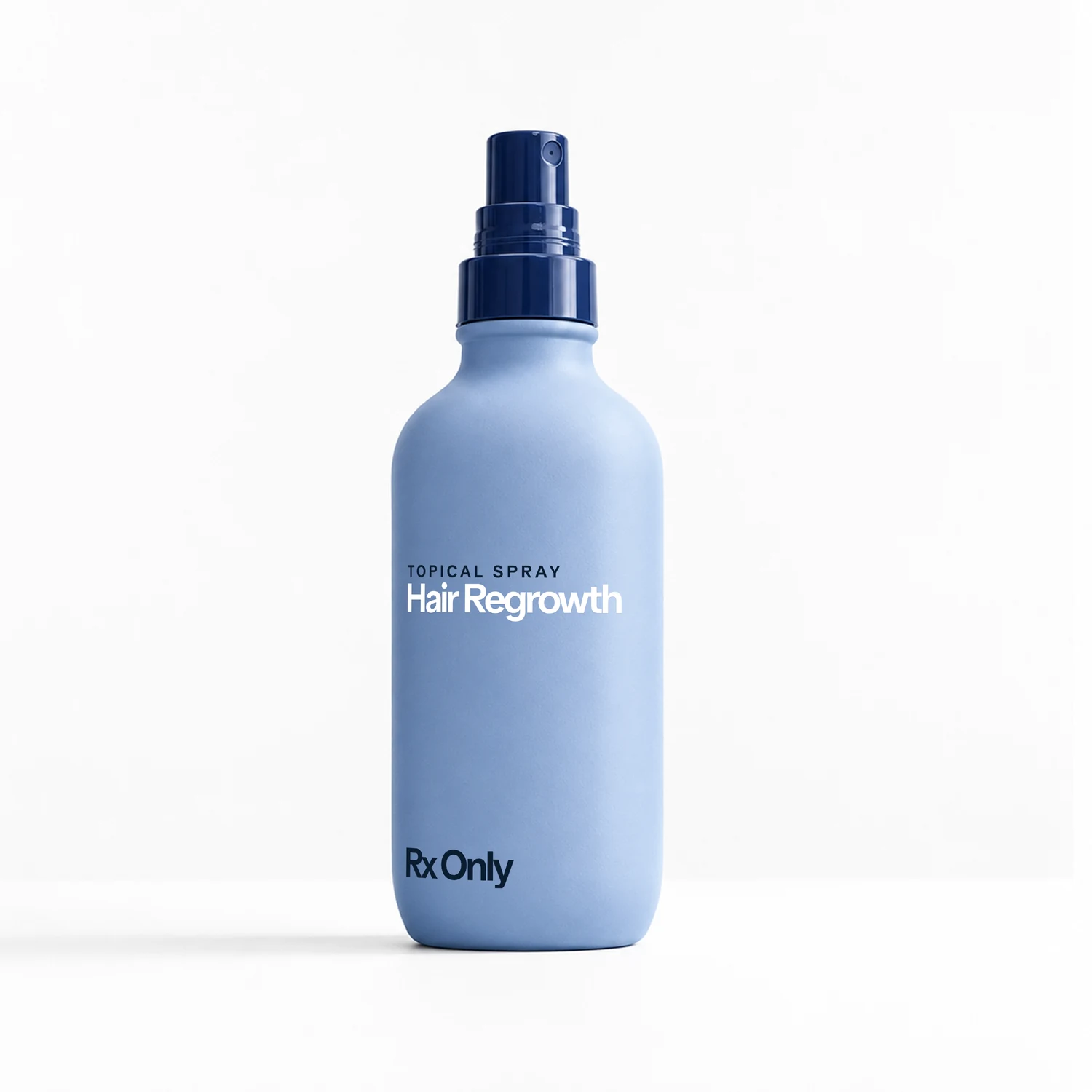
Hair Regrowth SprayRx
3-in-1 topical: finasteride + minoxidil + tretinoin.
Weight Gain After 50: What I Tell Men Who Blame Age
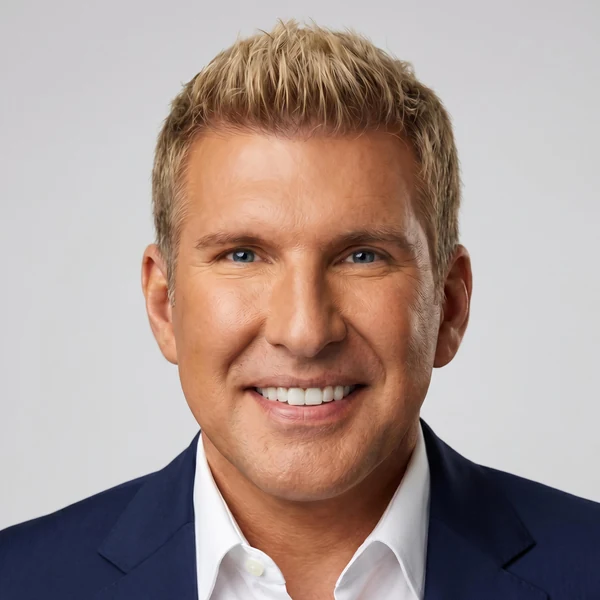
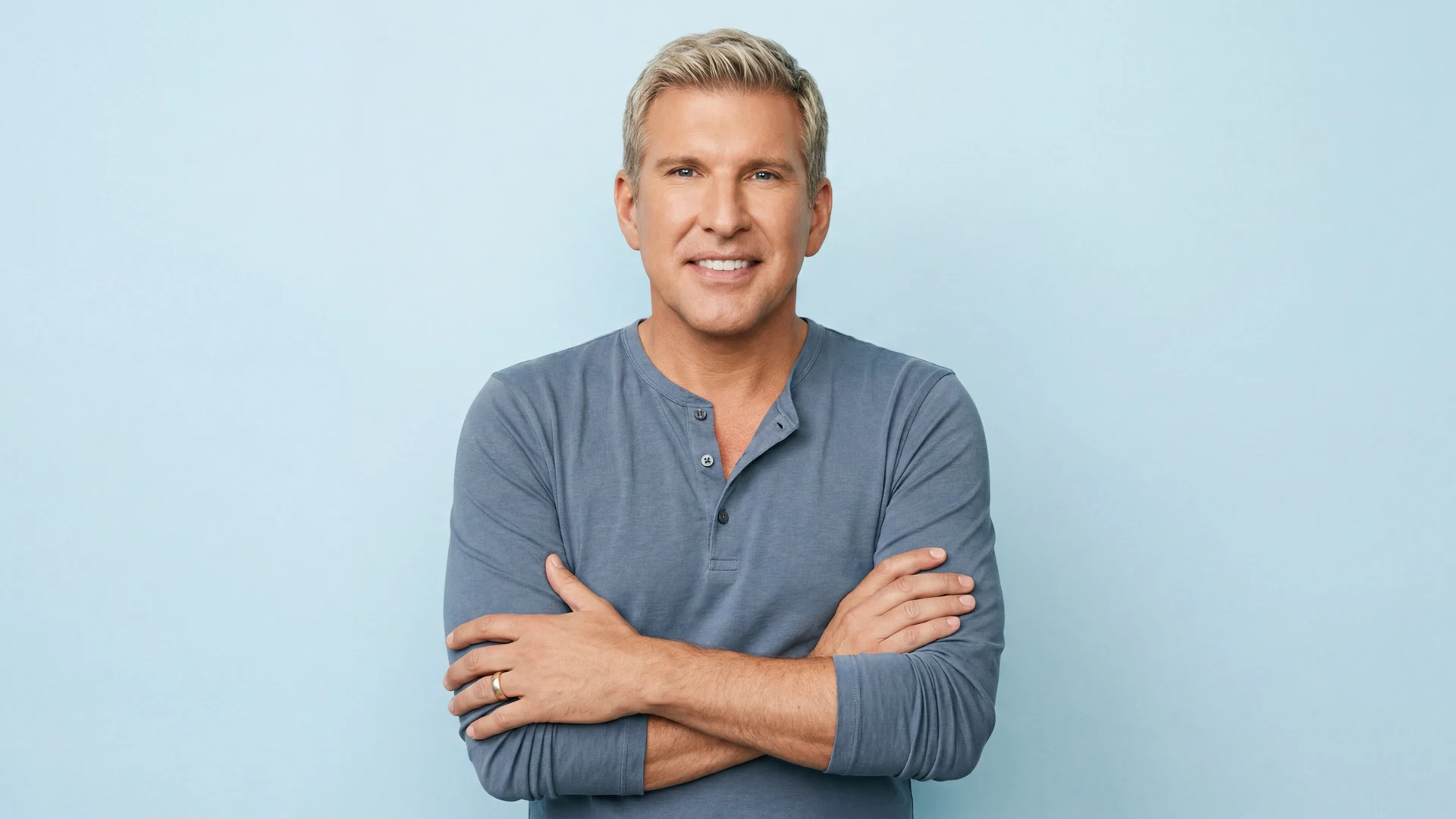
Written by Todd Chrisley
Published February 8, 2026

Key Takeaways
# Weight Gain After 50: What I Tell Men Who Blame Age
I have stood in front of a mirror and told myself a lie. Not a big dramatic lie — just the quiet kind. The kind that says the pants shrank in the wash, or this is just what happens when you get older, or I have been through a lot and my body is just showing it. I believed that lie for longer than I should have. And I suspect you have told yourself some version of it too.
Here is the truth I had to earn: the weight is not just age. It is a signal. And a man who ignores signals long enough will eventually find himself dealing with consequences that go far beyond the size of his belt.
What Is Actually Happening Inside Your Body
The body does change after 50. That part is real. But "change" is not the same as "inevitable decay you have to accept." What is happening is specific, and specific things can be addressed.
Testosterone levels in men begin a measurable decline starting around age 30, dropping at roughly 1–2% per year. According to the American Urological Association, low testosterone is associated with increased body fat — particularly around the abdomen — decreased muscle mass, reduced energy, and changes in mood. That is not aging. That is a hormonal shift with a name and, in many cases, a clinical response.
At the same time, insulin sensitivity decreases as we get older. The National Institute on Aging notes that changes in metabolic function after midlife can make it easier to store fat and harder to build or preserve lean muscle — even when your calories have not changed. You are not eating more. Your body is just processing differently.
Metabolism after 50 does slow. But research published in *Science* — a large-scale analysis of total energy expenditure across the lifespan — found that metabolism remains largely stable from age 20 to 60. The sharp drop most men attribute to "getting older" is not purely biological. It is behavioral. It is muscle loss from inactivity. It is sleep deprivation. It is stress that never gets processed. The biology gives you less margin. What you do with that margin is still your call.
The Part Most Men Do Not Want to Hear
Here is where I am going to speak plainly, because I was not spoken to plainly when I needed to be, and I wish someone had.
Age-related weight gain — particularly abdominal fat — is one of the strongest modifiable risk factors for cardiovascular disease. February is American Heart Month, and I think it deserves more than a social media post with a red ribbon on it. The American Heart Association reports that men over 45 face a significantly elevated risk of coronary artery disease, and excess visceral fat is a direct contributor to that risk — driving up blood pressure, disrupting lipid profiles, and promoting systemic inflammation.
But there is another signal that often shows up even before the heart gives you a warning. Doctors call it one of the earliest clinical indicators of endothelial dysfunction — the same vascular problem that drives cardiovascular disease. That signal is erectile dysfunction.
I am going to say that plainly because men do not talk about it, and the silence costs them. According to research published in the *Journal of the American College of Cardiology*, men with erectile dysfunction have a significantly higher risk of future cardiovascular events — including heart attack and stroke — independent of other risk factors. The blood vessels that serve the heart and the blood vessels involved in erectile function are part of the same system. When one is struggling, the other often is too.
This is not something to be embarrassed about. It is something to pay attention to. Because a man who addresses these signals early has a lot of runway. A man who waits does not always get the same opportunity.
What You Can Actually Do Right Now
I am not going to tell you to overhaul your entire life by Monday. I am going to tell you what works, because I have lived it.
Sleep. This is not optional maintenance. Cortisol — the primary stress hormone — rises with sleep deprivation and directly promotes fat storage and muscle breakdown. The CDC recommends 7 or more hours per night for adults. Start there.
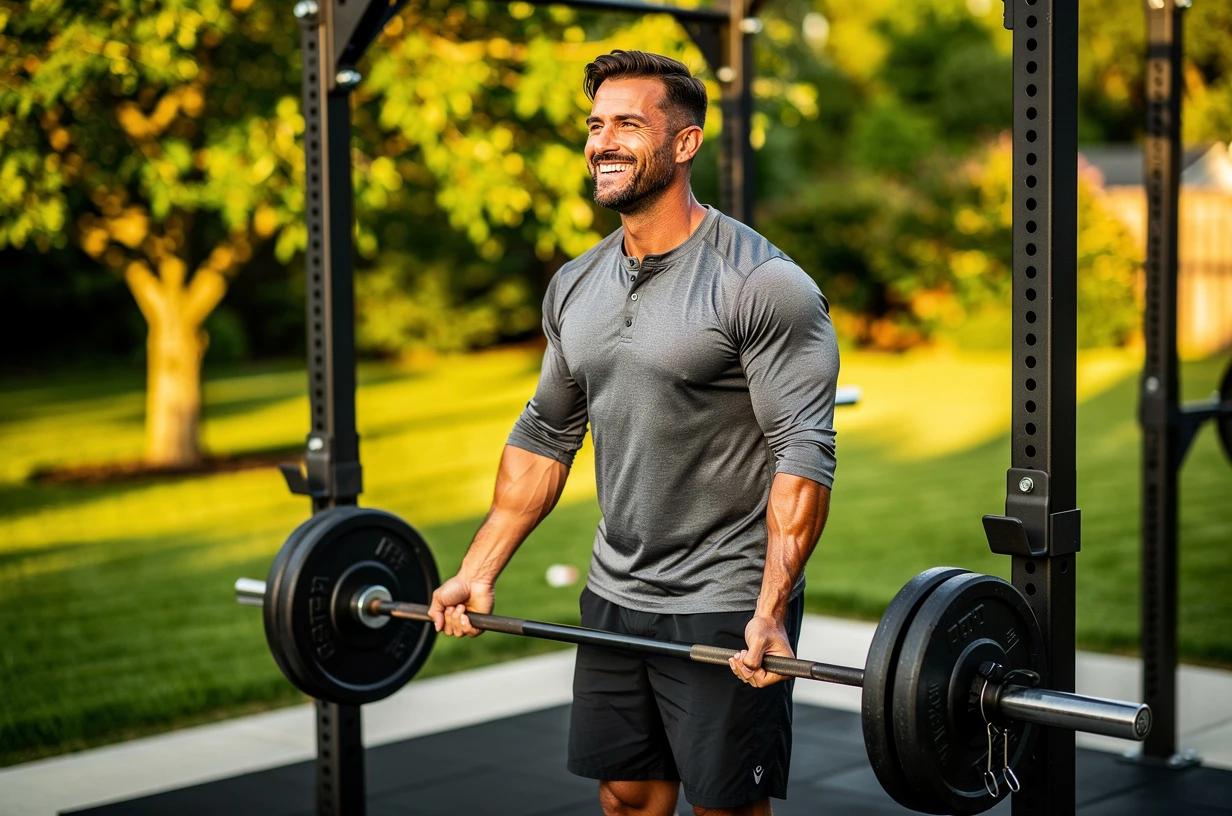
Lift something heavy, consistently. Sarcopenia — age-related muscle loss — accelerates after 50 if you do not resist it. Resistance training two to three times per week preserves lean mass and improves insulin sensitivity. You do not need a trainer. You need a barbell and a commitment.
Walk after you eat. A 10-to-15-minute walk after meals measurably improves postprandial glucose response, according to research published in *Sports Medicine*. That one habit, compounded over months, makes a real difference.
See a doctor. Not a machine. Not a quiz on a website. A licensed physician who can run labs, look at your testosterone, your thyroid, your lipid panel, your fasting glucose, and tell you what is actually going on. No guessing. No Google. A real conversation with a real clinician.
Talk to your physician about your vascular health honestly. If you are experiencing symptoms you have been quietly ignoring, those symptoms belong in the conversation. They are data. Physicians need data to help you.
For men who are ready to take a clinical look at their weight:
Good Guy Rx is a technology platform that connects men to independent licensed physicians and independent state-licensed pharmacies. If you have been carrying extra weight and want a real medical evaluation — not a generic plan, but a physician-supervised approach — start with a weight loss assessment. The physicians in our network can review your health history and discuss options that may include medications prepared by state-licensed compounding pharmacies in accordance with FDA regulations. Compounded medications are not FDA-approved. Results may vary.

What I Know Now That I Did Not Know Then
I spent a long time telling myself that what I was carrying — physically, spiritually, emotionally — was just the cost of the life I had lived. God let me sit in that long enough to understand that it was not humility talking. It was avoidance dressed up as acceptance. There is a difference between bearing a burden with grace and refusing to set down a burden that was never meant to be permanent.
You were built for more than the slow accumulation of weight and silence. The signals your body is sending are not punishments. They are invitations to pay attention before the decision gets made for you.
Do not wait for a crisis to decide you are worth the maintenance.
*Take care of what God gave you.*
Sources
- Testosterone and Aging — American Urological Association
- Midlife Metabolic Changes and Body Composition — National Institute on Aging
- Pontzer et al., "Daily energy expenditure through the human life course" — *Science*, 2021
- Erectile Dysfunction and Cardiovascular Risk — *Journal of the American College of Cardiology*, 2005
- American Heart Association — Heart Disease Risk Factors
- CDC Sleep Guidelines
- Buffey et al., "The Acute Effects of Interrupting Prolonged Sitting Time in Adults with Standing and Light-Intensity Walking on Biomarkers of Cardiometabolic Health" — *Sports Medicine*, 2022
References
- [Midlife Metabolic Changes and Body Composition — National Institute on Aging](https://www.nia.nih.gov/)
- [Pontzer et al., "Daily energy expenditure through the human life course" — *Science*, 2021](https://www.science.org/doi/10.1126/science.abe5017)
- [Erectile Dysfunction and Cardiovascular Risk — *Journal of the American College of Cardiology*, 2005](https://www.jacc.org/doi/10.1016/j.jacc.2005.02.063)
- [American Heart Association — Heart Disease Risk Factors](https://www.heart.org/)
- [CDC Sleep Guidelines](https://www.cdc.gov/sleep/index.html)
- [Buffey et al., "The Acute Effects of Interrupting Prolonged Sitting Time in Adults with Standing and Light-Intensity Walking on Biomarkers of Cardiometabolic Health" — *Sports Medicine*, 2022](https://link.springer.com/article/10.1007/s40279-022-01649-4)
Share this article

Ready to start your journey?
Complete your free online visit and see if GLP-1 treatment is right for you.
Get Started