
Good Guy Rx
Take care of what God gave you.
Get started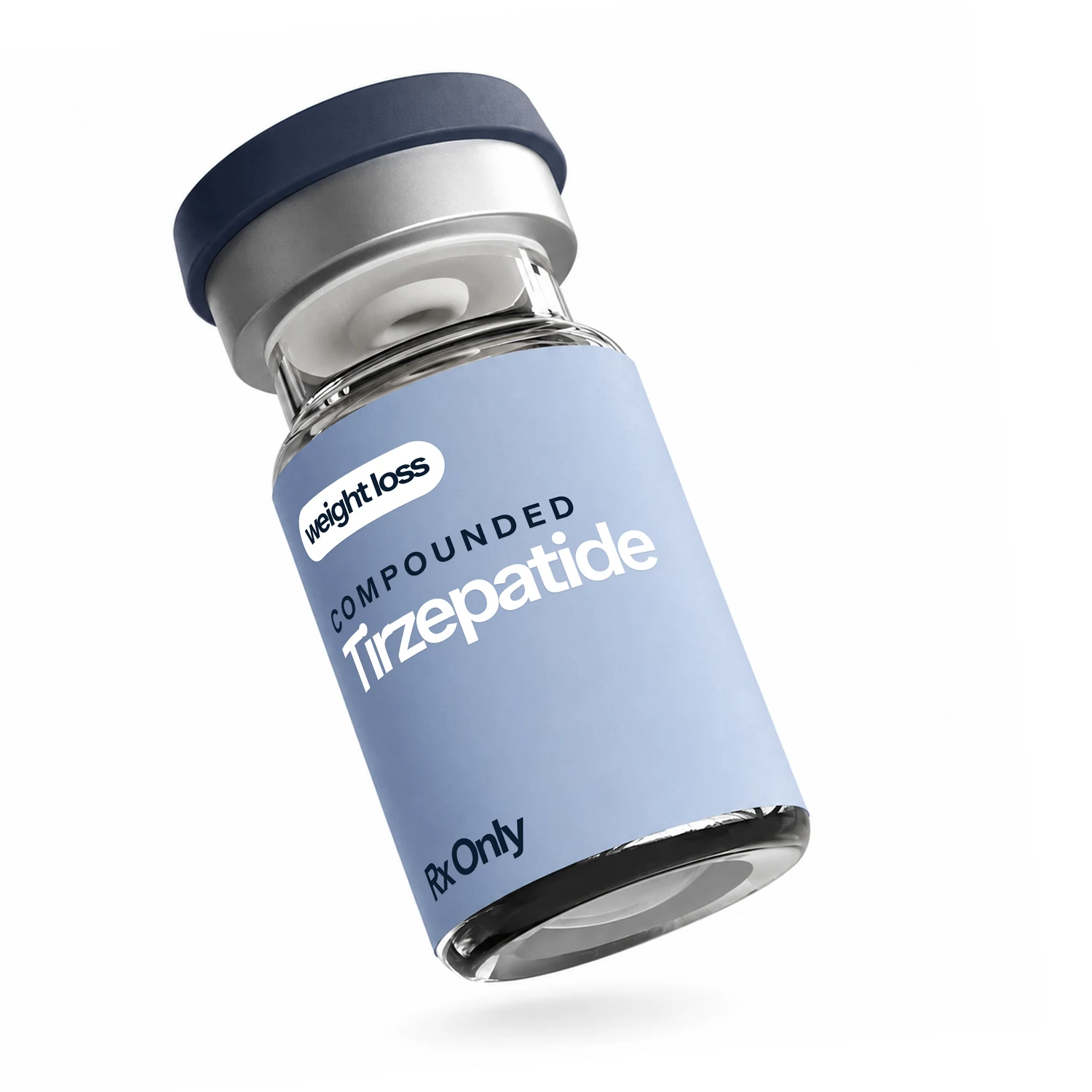
Compounded TirzepatideRx
Weekly GLP-1 + GIP injection.
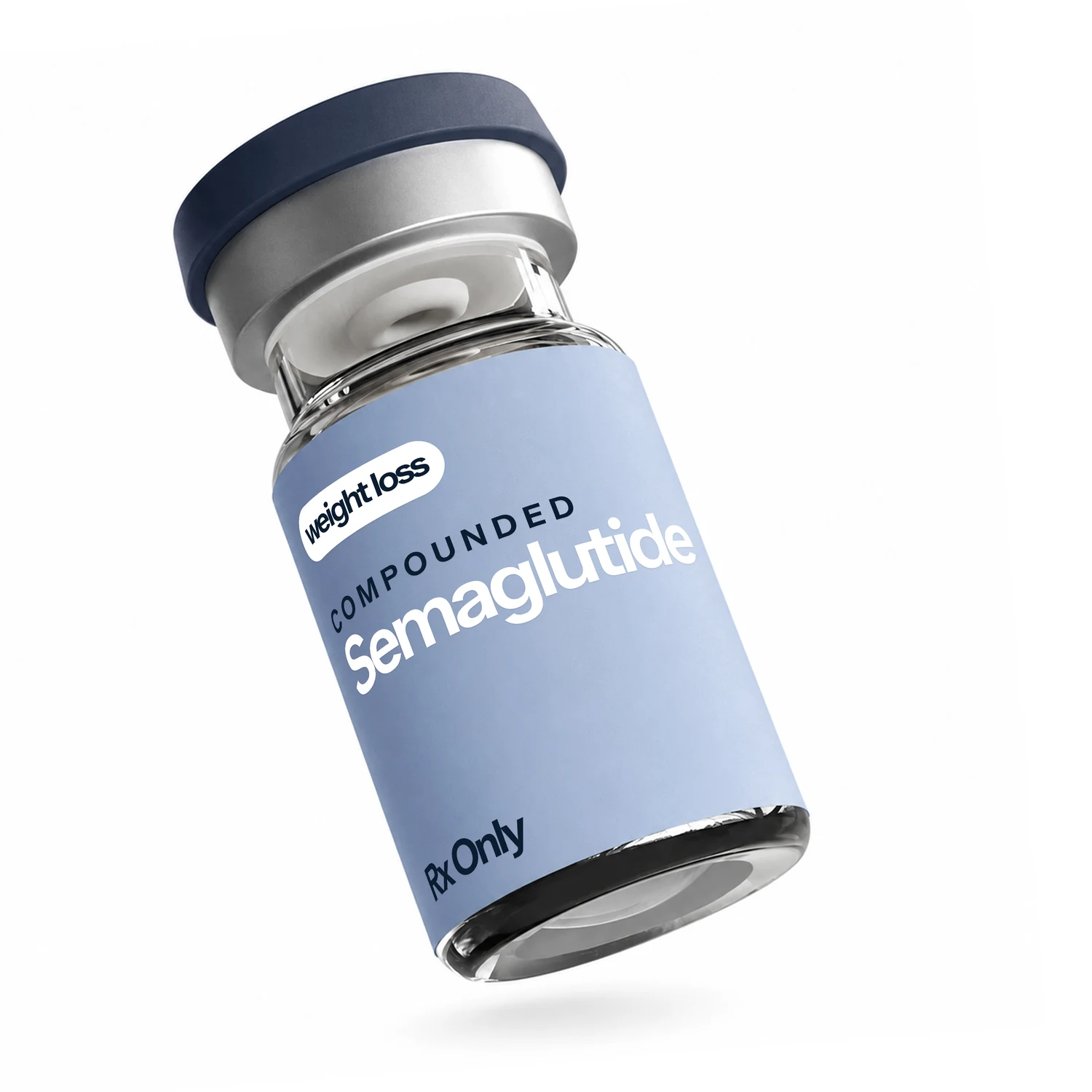
Compounded SemaglutideRx
Weekly GLP-1 injection.
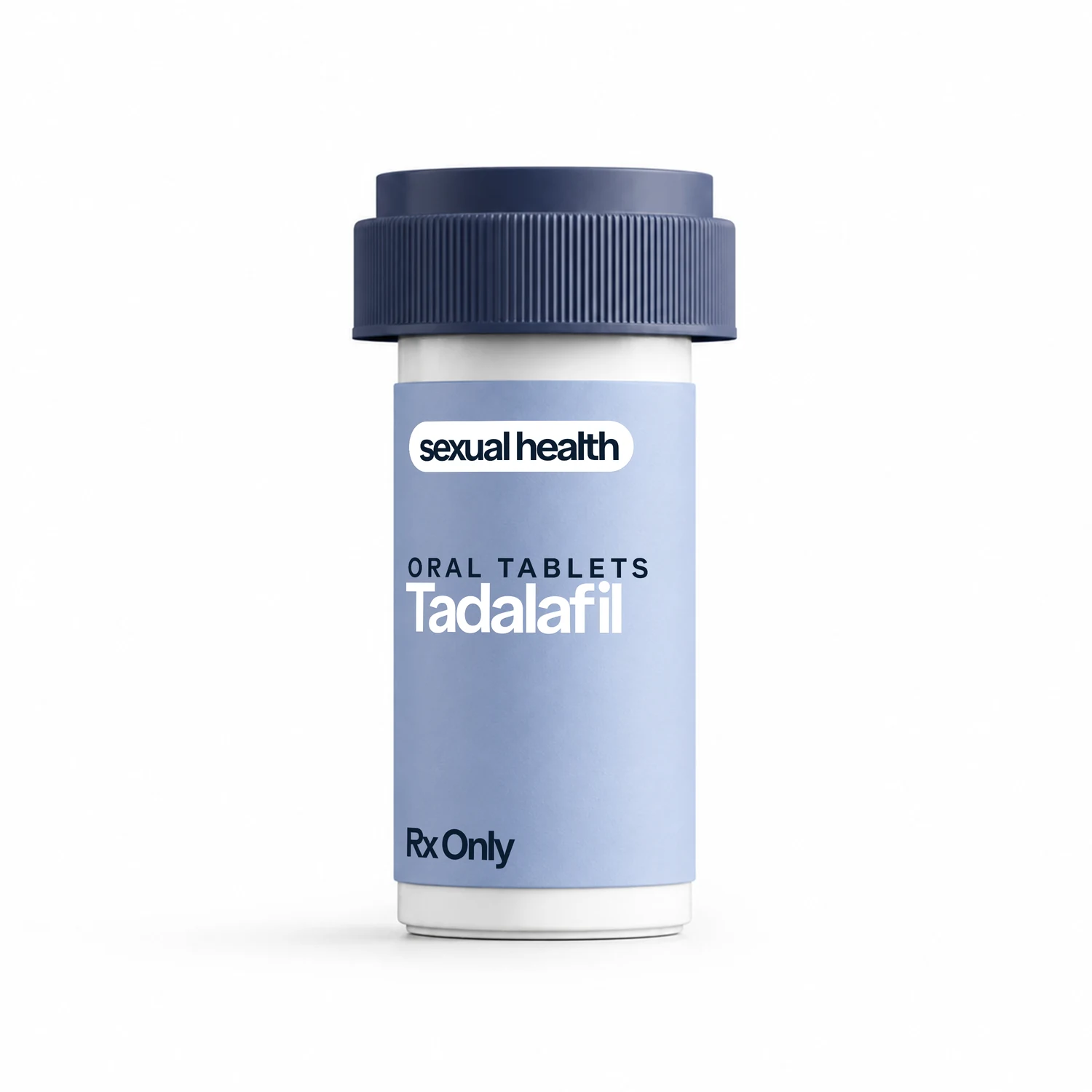
TadalafilRx
Generic Cialis®. Lasts up to 36 hours.

SildenafilRx
Generic Viagra®. Works in 30 minutes.
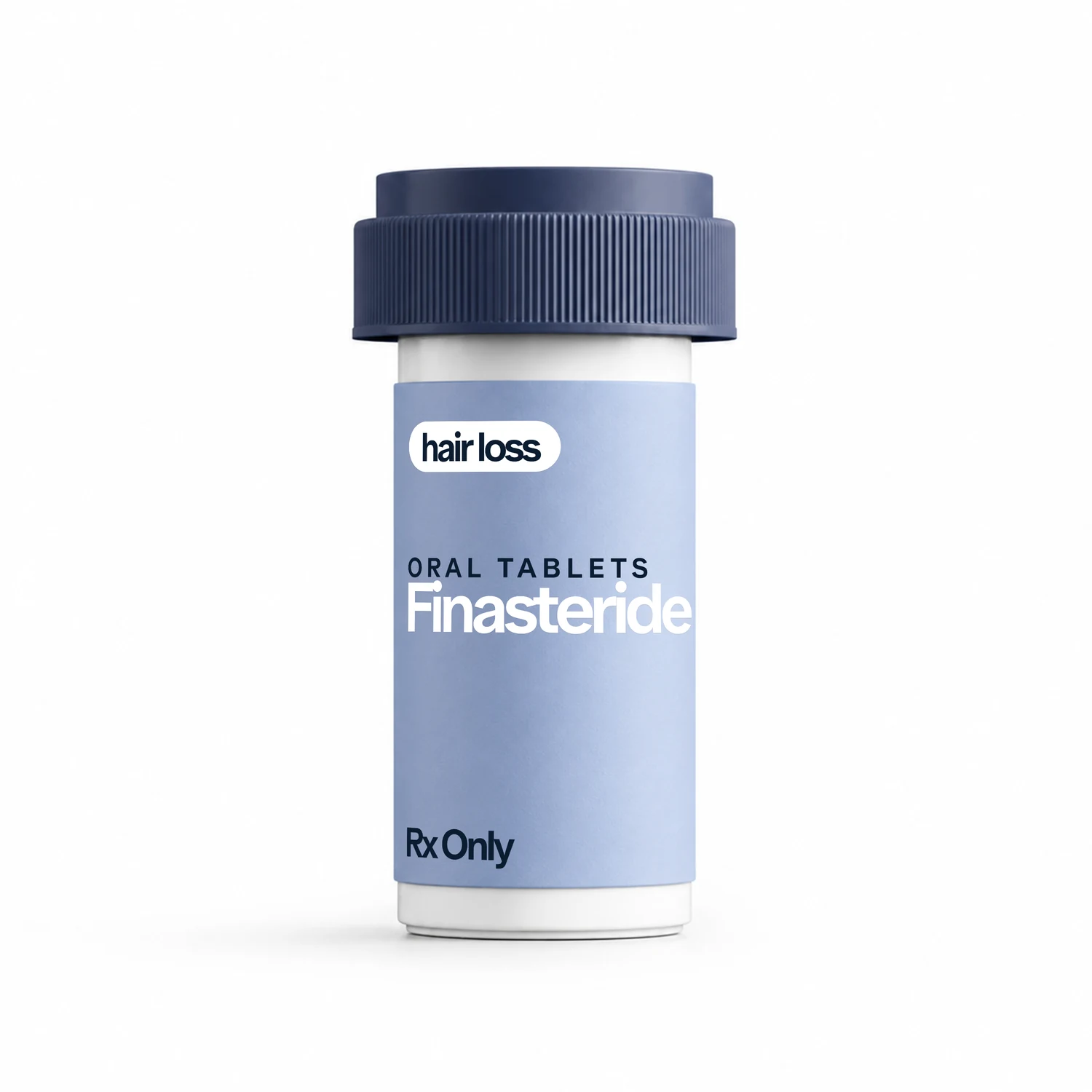
FinasterideRx
Generic Propecia®. Blocks DHT daily.

Hair Regrowth SprayRx
3-in-1 topical: finasteride + minoxidil + tretinoin.
Telehealth ED Treatment: Why the Math Changed

Written by David K.
Published February 7, 2026

Key Takeaways
# Telehealth ED Treatment: Why the Math Changed
If you typed some version of "how do I get ED treated without walking into a waiting room," you are not alone, and the question is fair. For decades, the math on getting erectile dysfunction treated did not work in a man's favor. The appointment took weeks to schedule. The waiting room was public. The conversation with a doctor you had known since your forties was awkward. And somewhere in that friction, most men simply let it go. Telehealth ED treatment changed that calculus in a direct, measurable way — and during American Heart Month, there is a second reason the topic deserves a plain, unsentimental look.
What Erectile Dysfunction Actually Is
Erectile dysfunction (ED) is defined as the consistent inability to achieve or maintain an erection sufficient for satisfactory sexual performance. The word "consistent" matters. One difficult night is not a diagnosis. A pattern that persists over weeks or months is worth addressing with a licensed provider.
The National Institutes of Health estimates that ED affects more than 30 million men in the United States. Prevalence increases with age, but ED is not an inevitable feature of getting older. It is a medical condition with identifiable causes and established treatments. Results may vary from man to man.
The Heart Month Connection You Should Not Ignore
February is American Heart Month, and there is a clinical reason to bring ED into that conversation. Endothelial dysfunction — impaired function of the cells lining blood vessels — is a common root cause of both ED and cardiovascular disease. The same process that restricts blood flow to erectile tissue often restricts flow to the coronary arteries.
According to a landmark study published in *Circulation*, men with ED had a significantly higher risk of cardiovascular events compared with men without ED, independent of traditional risk factors. The American Heart Association and the American Urological Association both recognize this link. ED, in many cases, is the body's earliest warning signal that vascular health deserves attention — often appearing years before a cardiac event.
This is not meant to alarm you. It is meant to reframe the question. Seeking treatment for ED is not vanity. It is stewardship of your health in the fullest sense.
Why Men Did Not Get Treated Before
The barriers were real. A 2019 survey published in the *American Journal of Men's Health* found that embarrassment, cost concerns, and lack of access to a trusted provider were the three most commonly cited reasons men delayed or avoided ED care. The traditional path — primary care referral, urology appointment, in-person prescription — required time, multiple co-pays, and a level of conversational comfort that most men described as a significant obstacle.
For men 45 to 70, that friction was compounded by the fact that most of the telehealth platforms that entered the market starting around 2018 were designed for a younger, tech-native demographic. The marketing did not speak to a man who has owned a home for twenty years, has a cardiologist, and is simply not interested in being treated like a startup's target user.

The result: millions of men continued to carry a treatable condition in silence.
How Telehealth ED Treatment Changed the Numbers
Telehealth, in the context of men's health, refers to a structured clinical encounter conducted via a secure digital platform — typically a short intake questionnaire followed by an asynchronous or synchronous consultation with a licensed physician. The physician reviews your health history, current medications, and stated concerns, then determines whether a prescription is appropriate.
The math that changed is this: what once required three to four weeks and two to three appointments now requires one visit, completed in the time it takes to drink a cup of coffee. A prescription, when issued, routes to an independent state-licensed pharmacy and ships to your home in discreet packaging.
Peer-reviewed research supports the clinical adequacy of this model. A 2021 analysis published in *JAMA Internal Medicine* found that telehealth care for common men's health conditions produced comparable clinical outcomes to in-person care when the condition was well-characterized and the prescribing guidelines were followed. Results may vary.
The Medications: What Is Available and What to Know
The two most established oral treatments for ED are sildenafil and tadalafil, both members of the drug class called phosphodiesterase type 5 inhibitors (PDE5 inhibitors). They work by increasing blood flow to erectile tissue in response to stimulation. Neither is a standalone fix — they work in the presence of natural arousal.
Sildenafil is the compound originally marketed as Viagra. It is typically taken 30 to 60 minutes before activity and remains active for four to six hours. It is one of the most studied medications in men's health, with decades of safety data.
Tadalafil is the compound marketed as Cialis. Its duration of action extends to 36 hours, which means it can be taken less situationally — some men use a low daily dose. For men with a confirmed cardiovascular history, a licensed provider will weigh PDE5 inhibitor use against your current medications, particularly nitrates, before issuing a prescription.
Both sildenafil and tadalafil are available as brand-name medications and as compounded preparations. Compounded medications are prepared by state-licensed compounding pharmacies in accordance with FDA regulations. They are not FDA-approved in the same way brand-name drugs are, but they are a legitimate option when prepared by a licensed compounding pharmacy under appropriate oversight. Your independent licensed provider will determine which form is clinically appropriate for you.
Where Good Guy Rx Fits
Good Guy Rx is a technology platform. It connects men to independent licensed physicians and independent state-licensed pharmacies. It does not manufacture medications. It does not fill prescriptions. It builds and maintains the structure that makes a discreet, clinically sound consultation possible without a waiting room.
The platform was built for the man who looked at every other option available online, saw marketing written for someone half his age, and closed the tab. It does not ask you to adopt a new identity or a new vocabulary. It asks you to answer a health questionnaire honestly and let a licensed provider do the clinical work.
An online ED prescription, when appropriate, is issued by the independent physician based on your health history. It routes directly to a state-licensed pharmacy. Packaging is discreet. The patient portal is the right place for any medical question — not a support line, not a chat widget, but a direct line to your provider.

What to Do Next
Step 1. Complete the intake questionnaire honestly. List all current medications, including supplements and any cardiac medications. This is where the clinical conversation begins.
Step 2. Allow the independent licensed physician to review your case. If you have a known cardiovascular condition, say so clearly. The provider will factor that into any prescribing decision.
Step 3. If a prescription is issued, review the instructions from the pharmacy carefully. Understand the dosing, the timing, and any listed contraindications. If anything is unclear, use the patient portal.
Step 4. Take the cardiovascular signal seriously. If an independent licensed physician flags concerns about your vascular health during the consultation, treat that as information worth acting on with your primary care provider. ED and heart health are not separate conversations.
This article is for informational purposes only and does not constitute medical advice. Talk with a licensed provider through the patient portal before starting any treatment.
Sources
- Erectile Dysfunction — National Institute of Diabetes and Digestive and Kidney Diseases (NIDDK)
- Erectile Dysfunction and Subsequent Cardiovascular Disease — *Circulation*, American Heart Association
- American Heart Association — Heart Month
- American Urological Association — Erectile Dysfunction Guidelines
- Barriers to ED Treatment — *American Journal of Men's Health*, SAGE Journals
- Telehealth and Clinical Outcomes in Men's Health — *JAMA Internal Medicine*
References
- [Erectile Dysfunction and Subsequent Cardiovascular Disease — *Circulation*, American Heart Association](https://www.ahajournals.org/doi/10.1161/01.CIR.0000082045.16148.A5)
- [American Heart Association — Heart Month](https://www.heart.org/)
- [American Urological Association — Erectile Dysfunction Guidelines](https://www.auanet.org/)
- [Barriers to ED Treatment — *American Journal of Men's Health*, SAGE Journals](https://journals.sagepub.com/home/ajm)
- [Telehealth and Clinical Outcomes in Men's Health — *JAMA Internal Medicine*](https://jamanetwork.com/journals/jamainternalmedicine)
Share this article

Ready to start your journey?
Complete your free online visit and see if GLP-1 treatment is right for you.
Get Started