
Good Guy Rx
Take care of what God gave you.
Get started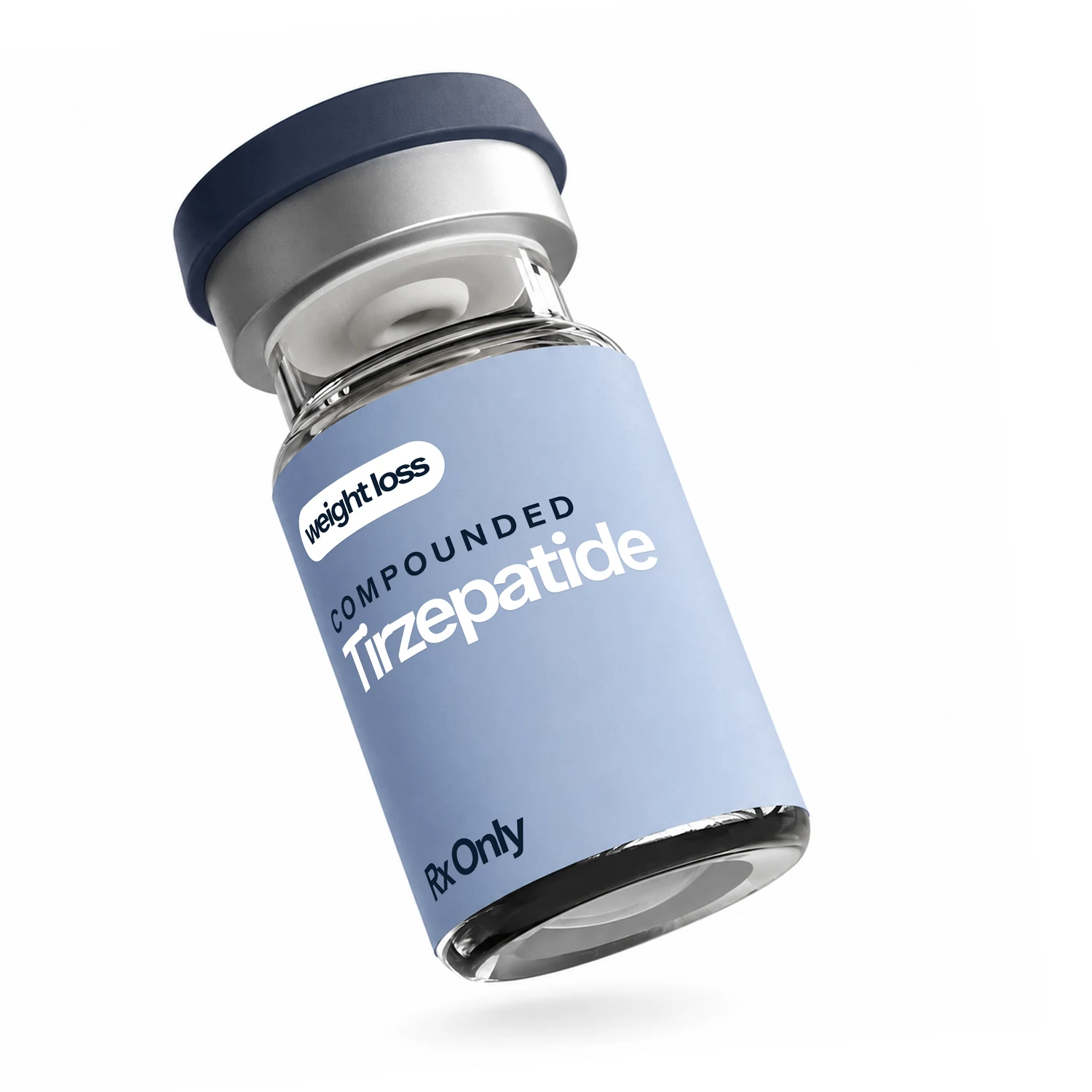
Compounded TirzepatideRx
Weekly GLP-1 + GIP injection.
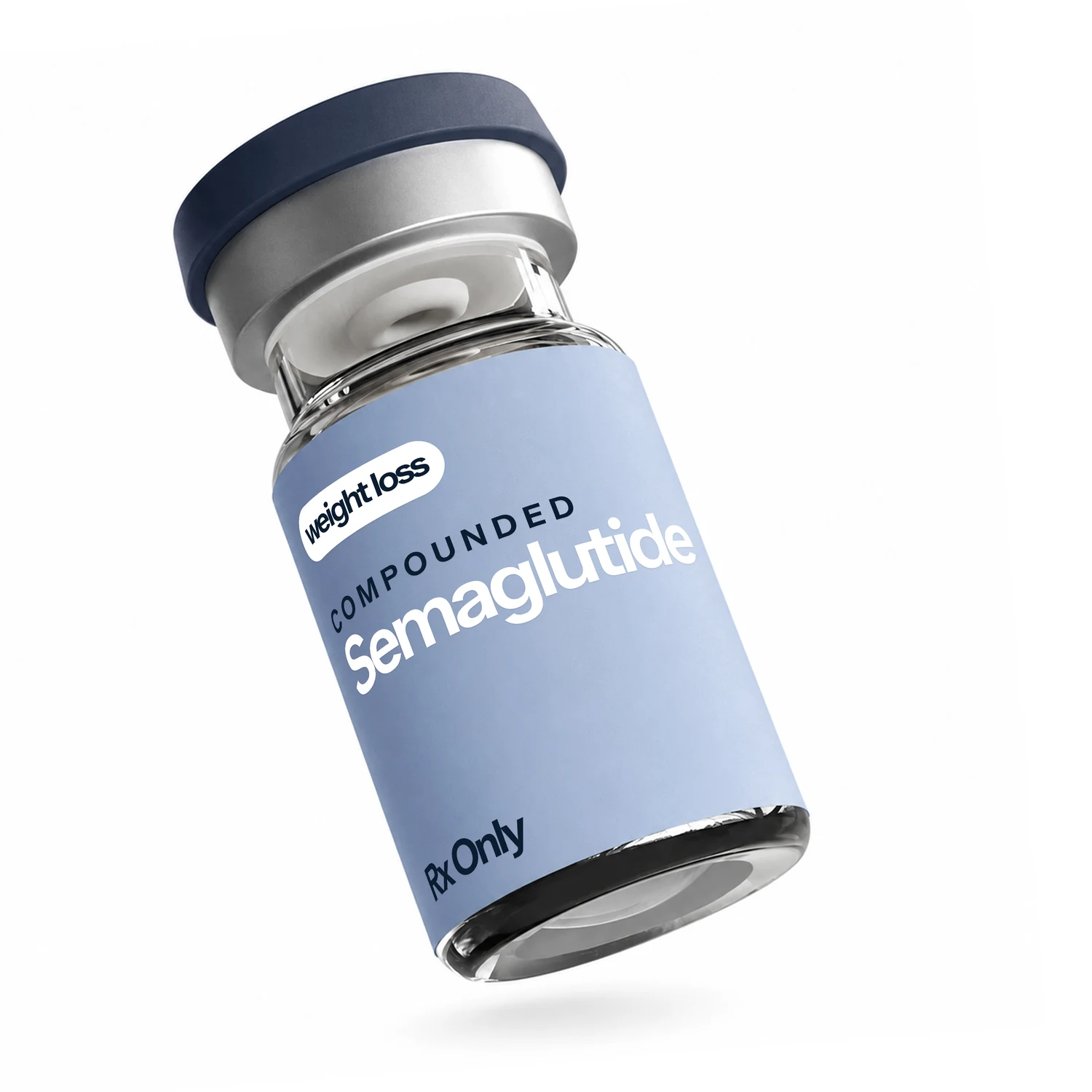
Compounded SemaglutideRx
Weekly GLP-1 injection.
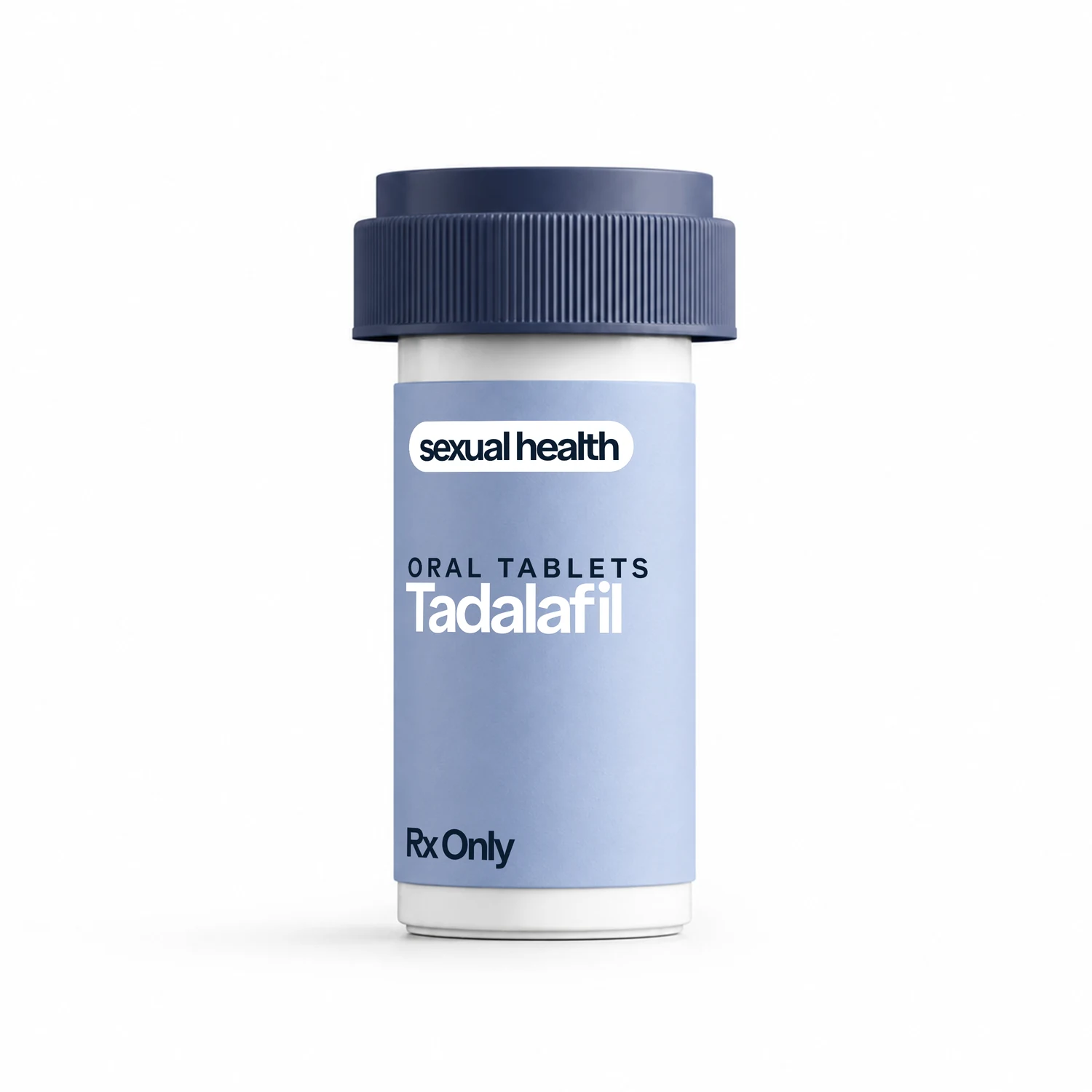
TadalafilRx
Generic Cialis®. Lasts up to 36 hours.
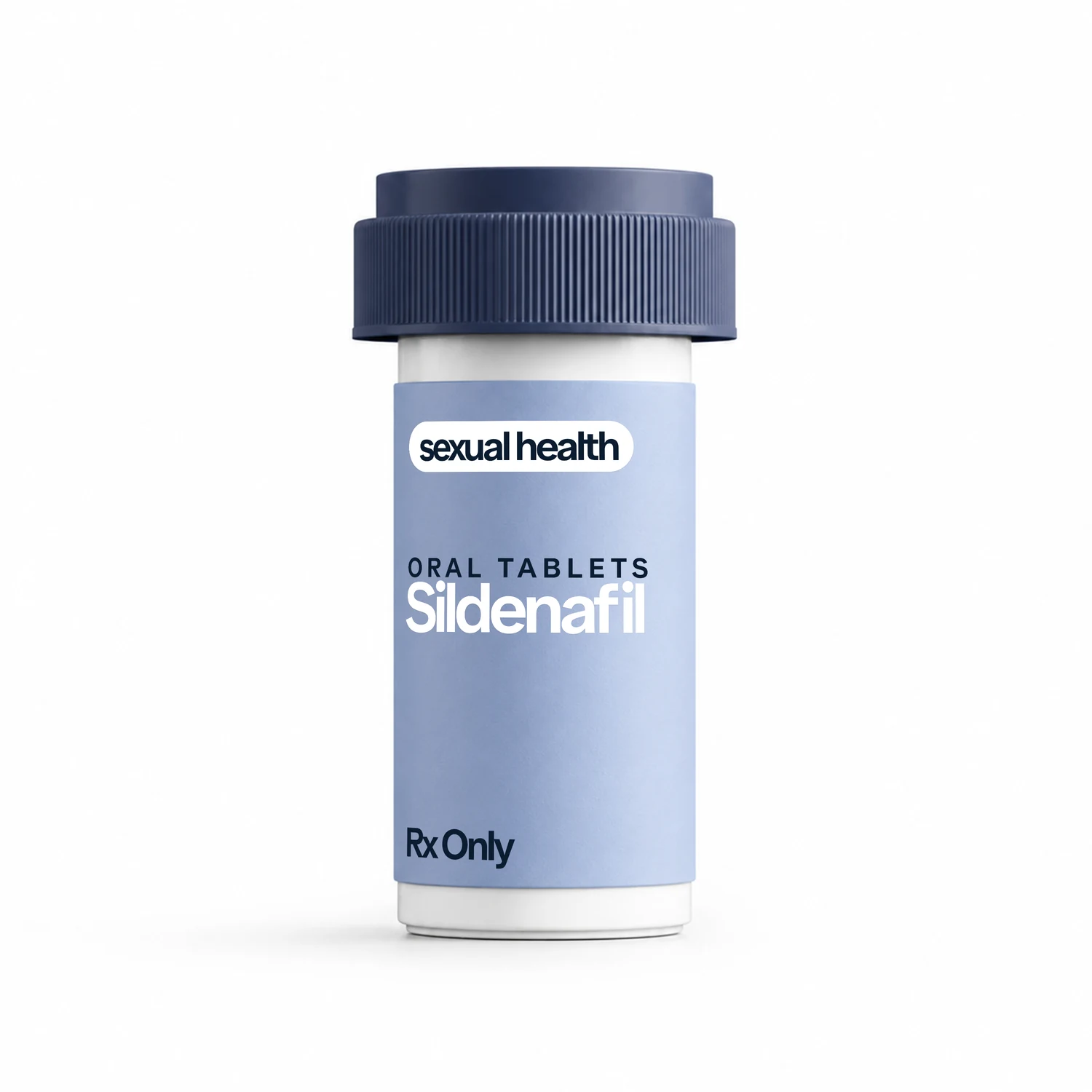
SildenafilRx
Generic Viagra®. Works in 30 minutes.
FinasterideRx
Generic Propecia®. Blocks DHT daily.
Hair Regrowth SprayRx
3-in-1 topical: finasteride + minoxidil + tretinoin.
Sildenafil vs Tadalafil: Comparing Two ED Treatments

Written by Marcus W.
Published April 20, 2026

Key Takeaways
Both sildenafil and tadalafil are FDA-approved *phosphodiesterase type 5* (PDE5) inhibitors shown in randomized controlled trials to improve erectile function in men with erectile dysfunction (ED); the choice between them depends on dosing frequency, timing preferences, and individual health history.
How PDE5 Inhibitors Work
Erectile dysfunction occurs when blood flow into the penile tissue is insufficient to sustain an erection. During sexual arousal, the body releases nitric oxide, which triggers the production of cyclic guanosine monophosphate (cGMP) — a signaling molecule that relaxes smooth muscle in penile blood vessels and allows increased blood flow.
The enzyme phosphodiesterase type 5 (PDE5) breaks down cGMP and limits that response. PDE5 inhibitors block this enzyme, allowing cGMP to remain active longer and supporting the erectile response. Critically, both sildenafil and tadalafil require sexual stimulation to work — they do not produce an erection independently.
Sildenafil: The As-Needed Standard
Sildenafil (the active ingredient in brand-name Viagra) is the original oral PDE5 inhibitor, approved by the FDA in 1998. It is typically taken 30–60 minutes before anticipated sexual activity and has an effective window of approximately 4–6 hours.
Available in 25 mg, 50 mg, and 100 mg doses, sildenafil is designed as an as-needed ED medication — you take it when you plan to use it. It should not be taken more than once in a 24-hour period.
A meaningful clinical note: high-fat meals can slow sildenafil's absorption and delay onset. Taking it on an empty stomach or after a light meal is generally recommended.
Tadalafil: As-Needed or Daily Dosing
Tadalafil (the active ingredient in brand-name Cialis) was approved by the FDA in 2003 and distinguishes itself with a significantly longer half-life — the time it takes for half the drug to leave the body. Tadalafil's half-life is approximately 17.5 hours, giving it an effective window of up to 36 hours.
This pharmacokinetic (drug behavior in the body) profile creates two clinical use patterns:
- As-needed dosing: typically 10 mg or 20 mg taken before activity, with flexibility in timing that sildenafil does not provide.
- Daily low-dose dosing: 2.5 mg or 5 mg taken every day, maintaining a steady concentration in the bloodstream so that timing around sexual activity becomes largely irrelevant.

Daily tadalafil is also FDA-approved for benign prostatic hyperplasia (BPH) — an enlarged prostate — making it a practical single-agent option for men managing both conditions simultaneously.
What the Evidence Shows
The clinical evidence base for both agents is robust.
A landmark meta-analysis published in *European Urology* reviewed 82 randomized controlled trials and found both sildenafil and tadalafil significantly improved International Index of Erectile Function (IIEF) scores compared to placebo, with comparable efficacy rates. Results may vary.
The American Urological Association (AUA) recognizes oral PDE5 inhibitors as first-line therapy for erectile dysfunction across most patient populations, citing a strong evidence base and favorable safety profile.
Head-to-head trials, including one published in *BJU International*, found that patient preference often favored tadalafil's longer window of action, though efficacy between agents was not statistically different. Results may vary.
Who Is — and Is NOT — a Candidate
Potentially appropriate candidates (subject to provider evaluation): - Men with ED of vasculogenic (blood-vessel-related), psychogenic (psychological), or mixed origin - Men with BPH who also have ED (tadalafil specifically) - Men seeking as-needed or daily dosing flexibility
Contraindications — PDE5 inhibitors are NOT appropriate for: - Men taking nitrate medications (e.g., nitroglycerin, isosorbide) for heart conditions — the combination can cause a dangerous, potentially life-threatening drop in blood pressure - Men using alpha-blocker medications without careful provider-supervised dose adjustment - Men with severe cardiovascular disease, recent stroke, or recent myocardial infarction (heart attack) — sexual activity itself carries cardiovascular risk in these populations - Men with severe hepatic (liver) impairment - Men with a known hypersensitivity (allergy) to the active ingredient
The prescribing provider determines whether either medication is appropriate after a thorough medical intake.
What to Expect on Treatment
Common side effects shared by both agents include headache, facial flushing, nasal congestion, and dyspepsia (indigestion). These are generally mild and transient.
Sildenafil has a higher association with visual disturbances — a bluish tint or light sensitivity — due to mild off-target inhibition of a related enzyme (PDE6) in the retina. Tadalafil is more frequently associated with back pain and myalgia (muscle aches), typically resolving within 48 hours.

When to contact your provider immediately: - An erection lasting more than 4 hours (priapism — a urological emergency) - Sudden vision or hearing loss - Chest pain, dizziness, or fainting during or after sexual activity
Routine follow-up with the prescribing provider helps confirm dose adequacy and monitor for any emerging concerns.
A Note for Testicular Cancer Awareness Month
April is Testicular Cancer Awareness Month — an appropriate moment to reinforce that men engaging with their health around ED should also be practicing monthly testicular self-examination. Testicular cancer is the most common solid tumor in men ages 15–35, but it occurs across a wider age range. The American Cancer Society recommends familiarity with normal testicular anatomy so that any new lump, firmness, or change in size prompts a timely visit to a urologist. Responsible health stewardship means attending to the whole picture.
The Good Guy Rx Pathway
Good Guy Rx is a technology platform that connects you to independent licensed physicians and independent state-licensed pharmacies. If you are considering treatment for ED, the prescribing provider determines whether sildenafil or tadalafil is appropriate after a structured medical intake that includes your cardiovascular history, current medications, and relevant lab work. Direct any specific clinical questions to a licensed provider through the patient portal.
Sources
- FDA: Sildenafil (Viagra) Prescribing Information — U.S. Food & Drug Administration
- FDA: Tadalafil (Cialis) Prescribing Information — U.S. Food & Drug Administration
- Huang SA, Lie JD. Phosphodiesterase-5 (PDE5) Inhibitors In the Management of Erectile Dysfunction — *Pharmacy and Therapeutics*, 2013
- Fink HA, et al. Sildenafil for Male Erectile Dysfunction: A Systematic Review and Meta-analysis — *Archives of Internal Medicine*, 2002
- Porst H, et al. The Efficacy and Tolerability of Vardenafil, a New, Oral, Selective PDE5 Inhibitor, in Patients with Erectile Dysfunction — *BJU International*, 2003 (head-to-head context)
- American Urological Association: Erectile Dysfunction Clinical Guidelines — AUA, 2018 (amended 2024)
- American Cancer Society: Testicular Cancer Early Detection — ACS
This article is educational. A licensed provider determines whether you are a candidate after a medical intake.
References
- [FDA: Tadalafil (Cialis) Prescribing Information — U.S. Food & Drug Administration](https://www.accessdata.fda.gov/drugsatfda_docs/label/2011/021368s19lbl.pdf)
- [Huang SA, Lie JD. Phosphodiesterase-5 (PDE5) Inhibitors In the Management of Erectile Dysfunction — *Pharmacy and Therapeutics*, 2013](https://pubmed.ncbi.nlm.nih.gov/24049429/)
- [Fink HA, et al. Sildenafil for Male Erectile Dysfunction: A Systematic Review and Meta-analysis — *Archives of Internal Medicine*, 2002](https://pubmed.ncbi.nlm.nih.gov/12456227/)
- [Porst H, et al. The Efficacy and Tolerability of Vardenafil, a New, Oral, Selective PDE5 Inhibitor, in Patients with Erectile Dysfunction — *BJU International*, 2003 (head-to-head context)](https://pubmed.ncbi.nlm.nih.gov/15049994/)
- [American Urological Association: Erectile Dysfunction Clinical Guidelines — AUA, 2018 (amended 2024)](https://www.auanet.org/guidelines-and-quality/guidelines/erectile-dysfunction-guideline)
- [American Cancer Society: Testicular Cancer Early Detection — ACS](https://www.cancer.org/cancer/types/testicular-cancer/detection-diagnosis-staging/detection.html)
- This article is educational. A licensed provider determines whether you are a candidate after a medical intake.*
Share this article

Ready to start your journey?
Complete your free online visit and see if GLP-1 treatment is right for you.
Get Started