
Good Guy Rx
Take care of what God gave you.
Get started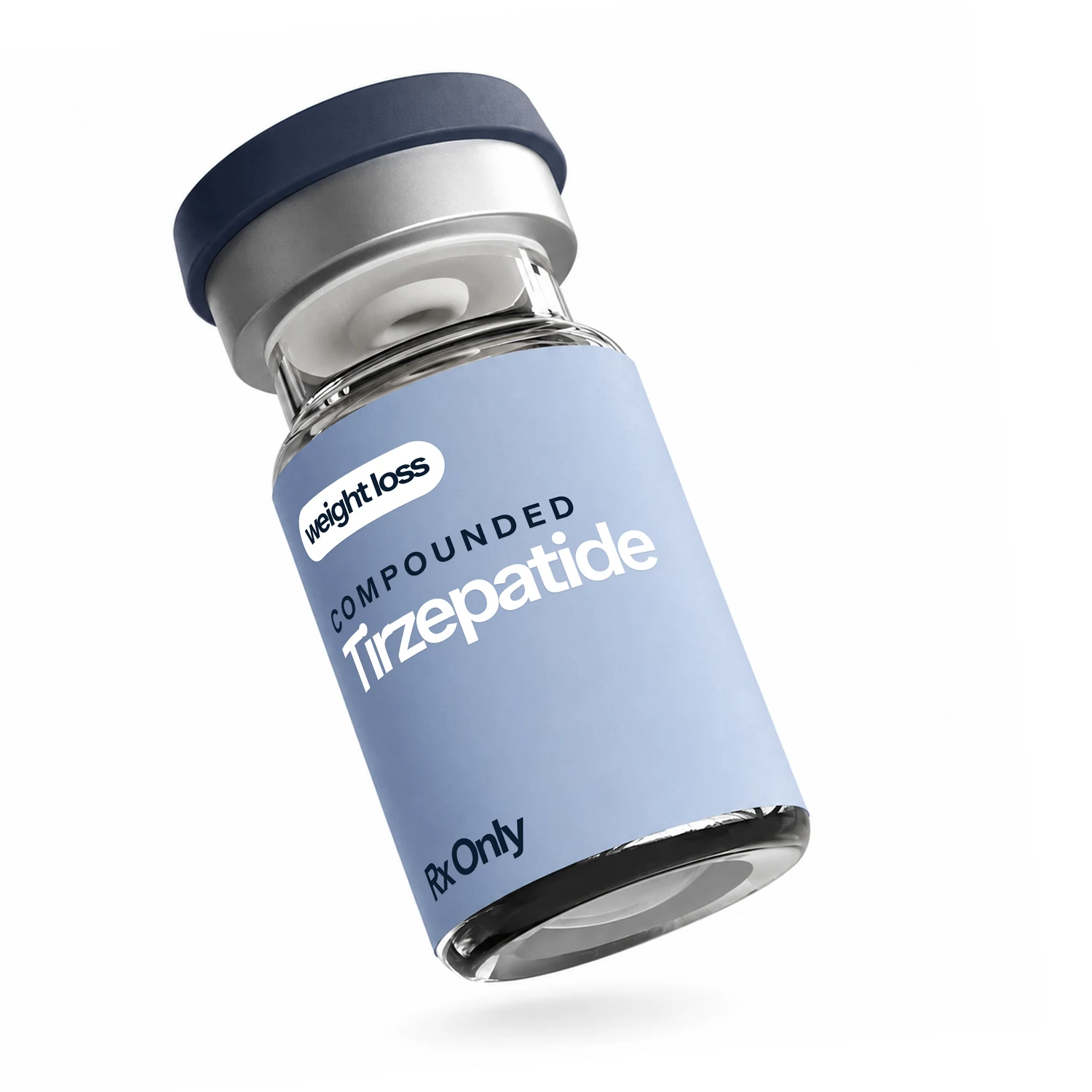
Compounded TirzepatideRx
Weekly GLP-1 + GIP injection.
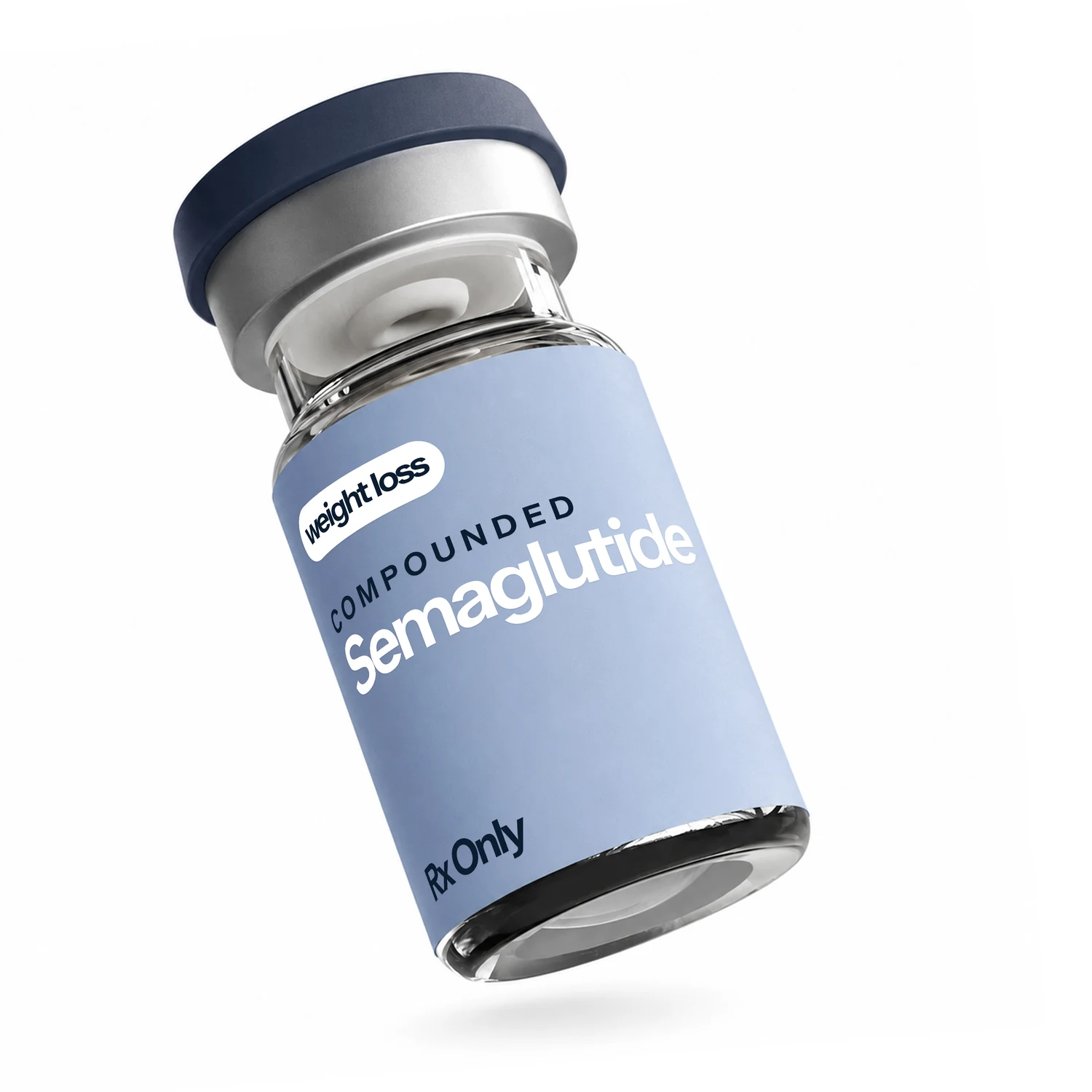
Compounded SemaglutideRx
Weekly GLP-1 injection.
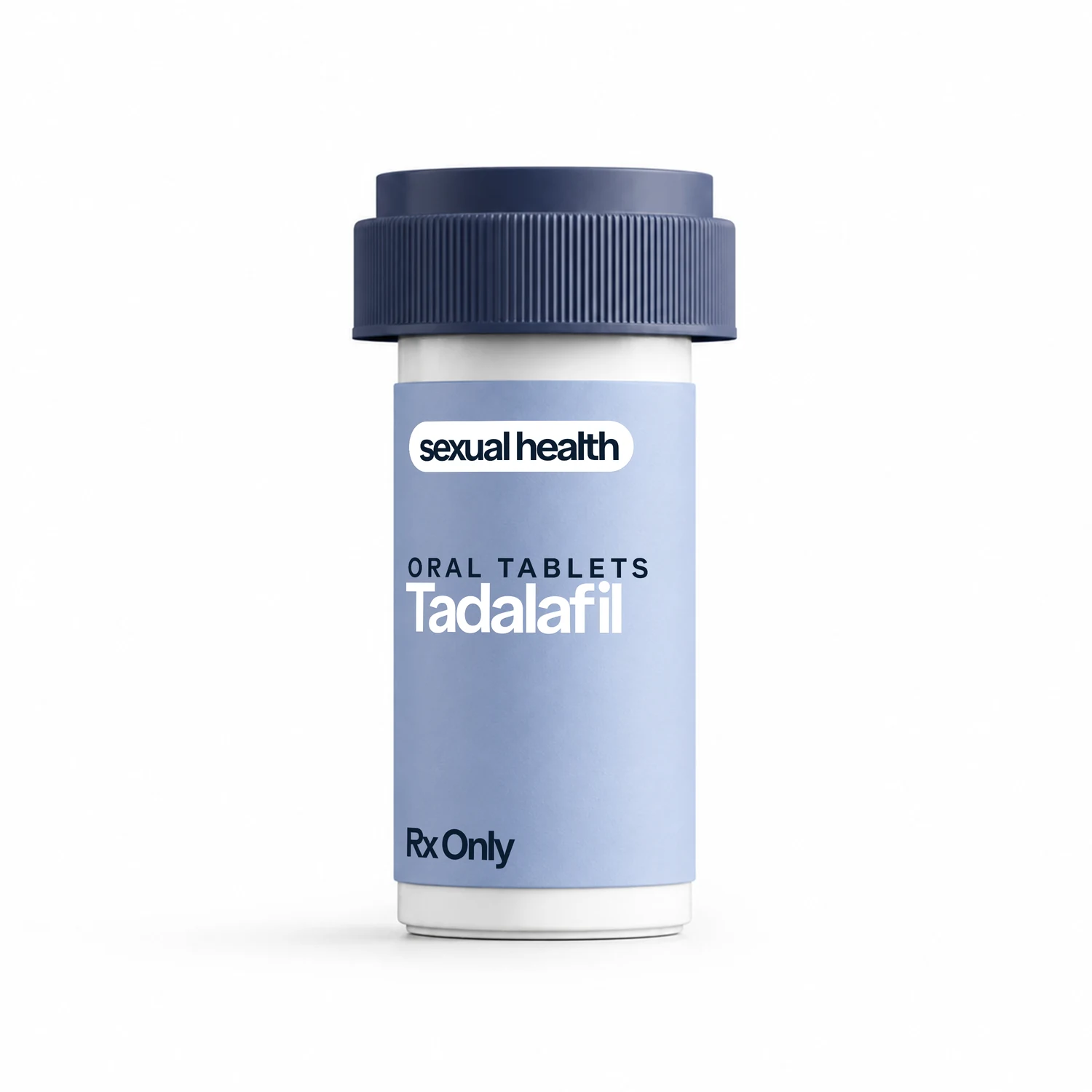
TadalafilRx
Generic Cialis®. Lasts up to 36 hours.
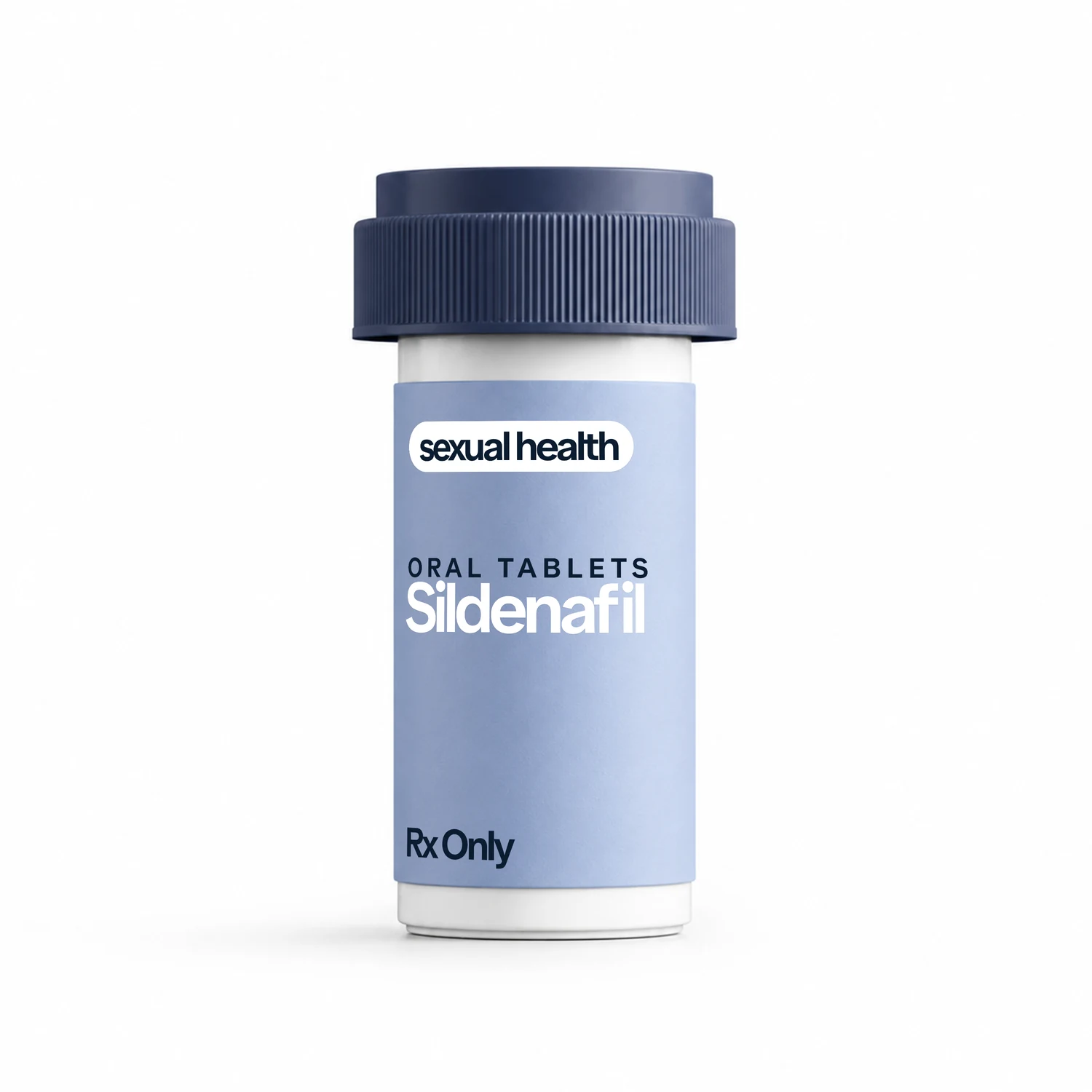
SildenafilRx
Generic Viagra®. Works in 30 minutes.
FinasterideRx
Generic Propecia®. Blocks DHT daily.

Hair Regrowth SprayRx
3-in-1 topical: finasteride + minoxidil + tretinoin.
Semaglutide Shortage 2026: What You Need to Know

Written by Jonathan R.
Published February 10, 2026

Key Takeaways
# Semaglutide Shortage 2026: What You Need to Know
If you searched "semaglutide shortage 2026," you are not alone. Men across the country are asking the same question: can they still get the medication their provider prescribed, and what happens if the answer is no? The supply picture has shifted more than once in the past two years. This article explains where things stand, what drove the disruption, and what your realistic options are right now.
How the Shortage Developed
Semaglutide is the active glucagon-like peptide-1 (GLP-1) receptor agonist in both Ozempic (approved for type 2 diabetes) and Wegovy (approved for chronic weight management). Demand for both products surged after the STEP trials established the clinical case for semaglutide in weight loss. According to data published in The New England Journal of Medicine as part of the STEP 1 trial, participants receiving semaglutide 2.4 mg lost significantly more body weight than those on placebo over 68 weeks. Results may vary.
The manufacturer, Novo Nordisk, could not scale production fast enough to match that demand spike. The FDA placed semaglutide on its Drug Shortage Database beginning in 2022. That shortage designation had downstream consequences that are still being worked through in 2026.
Where the FDA Shortage Designation Stands in 2026
The FDA formally removed branded semaglutide injectable products from its shortage list in early 2024, finding that Novo Nordisk had demonstrated adequate supply of the finished drug product. That decision triggered a compliance deadline for 503B outsourcing facilities — the large-scale compounding operations that had been producing compounded semaglutide legally under shortage exemptions.
Under FDA guidance, once the FDA determines a drug is no longer in shortage, 503A and 503B compounders generally may not compound copies of that drug unless a patient-specific reason applies (such as a documented allergy to an inactive ingredient). The agency communicated enforcement timelines and extended deadlines more than once, creating understandable confusion for patients and providers.
As of 2026, the regulatory status of compounded semaglutide continues to evolve. Independent state-licensed compounding pharmacies and 503B outsourcing facilities operate under different rules, and individual state pharmacy boards add another layer. The practical result: compounded semaglutide availability varies by state, by pharmacy, and by the specific compounding category involved. No blanket statement covers every patient's situation.
What This Means for GLP-1 Supply
GLP-1 supply for branded products has stabilized meaningfully compared to 2022 and 2023. Novo Nordisk has expanded manufacturing capacity, and most pharmacies can now fill Wegovy prescriptions with shorter wait times than two years ago. That said, demand remains high, insurance coverage remains inconsistent, and out-of-pocket costs for branded GLP-1 medications can be substantial.

The tirzepatide market adds context. The SURMOUNT-1 trial, published in The New England Journal of Medicine (SURMOUNT-1), demonstrated that tirzepatide — a dual GIP/GLP-1 receptor agonist — produced meaningful weight reduction in adults with obesity or overweight and at least one weight-related condition. Results may vary. The availability of tirzepatide as an alternative has redistributed some demand pressure, though it faces its own coverage and cost challenges.
For men specifically, weight management carries cardiovascular stakes that deserve plain acknowledgment. February is American Heart Month, and the American Heart Association has documented the connection between excess adiposity, insulin resistance, and cardiovascular risk in middle-aged men. Separately, the American Urological Association recognizes erectile dysfunction as a potential early marker of cardiovascular disease — a link that makes weight-related metabolic health directly relevant to a man's broader physical function. Taking care of the body's capacity in this decade is a form of stewardship, not vanity.
Compounded Semaglutide: The Regulatory Reality
Compounded medications are not FDA-approved. That is not a rhetorical disclaimer — it is a factual distinction that matters when you are making decisions. Compounded semaglutide prepared by a state-licensed compounding pharmacy is not the same product as Ozempic or Wegovy, even if the active ingredient is chemically identical. The finished product has not gone through the FDA's approval process for safety, efficacy, and manufacturing consistency.
What compounding pharmacies do operate under is a regulatory framework. State-licensed compounding pharmacies must comply with USP (United States Pharmacopeia) standards and state pharmacy board rules. 503B outsourcing facilities face additional federal oversight. "Prepared by state-licensed compounding pharmacies in accordance with FDA regulations" is the accurate description — not "FDA-approved."
The FDA has raised concerns specifically about salt forms of semaglutide (such as semaglutide acetate and semaglutide sodium) used by some compounders, noting these are not the same as the active ingredient in approved products. According to FDA communications, these salt forms have not been shown to be safe and effective. Any patient considering compounded semaglutide should raise these distinctions explicitly with a licensed provider. That conversation belongs in a clinical consultation, not a support chat.
Where Good Guy Rx Fits
Good Guy Rx is a technology platform. It connects men to independent licensed physicians and independent state-licensed pharmacies. It does not manufacture medications. It does not operate a pharmacy.
For men navigating the 2026 GLP-1 supply landscape, the platform offers two pathways depending on what a provider determines is clinically appropriate:
[Semaglutide](https://care.goodguyrx.com/start-online-visit/semaglutide) — For men whose providers determine compounded semaglutide is appropriate and available through an independent state-licensed compounding pharmacy connected to the platform. Compounded semaglutide is not FDA-approved and is prepared by state-licensed compounding pharmacies in accordance with FDA regulations. Availability is subject to current regulatory guidance and pharmacy capacity.
[Wegovy](https://care.goodguyrx.com/start-online-visit/wegovy) — The FDA-approved branded semaglutide 2.4 mg injection for chronic weight management in adults who meet clinical criteria. An independent licensed physician determines eligibility. Insurance coverage and out-of-pocket cost vary.
A licensed provider through the platform reviews each patient's medical history, goals, and current supply conditions before any prescription is written. The platform does not make prescribing decisions. The physician does.

What to Do Next
1. Start with an online consultation. An independent licensed physician reviews your health history and determines what, if anything, is appropriate for your situation. No prescription is guaranteed.
2. Ask directly about compounded vs. branded options. The regulatory status of compounded semaglutide is the most important variable in the current environment. Your provider can explain what is available and what the distinctions mean for you.
3. Clarify coverage before you commit. Branded Wegovy may be coverable under some insurance plans, particularly with a documented BMI and comorbidity. Compounded medications are generally not covered. Know your out-of-pocket exposure before starting.
4. Treat this as a clinical relationship, not a transaction. The years between 45 and 70 reward consistency. A provider who knows your baseline can track progress, adjust dosing, and flag anything that warrants attention — including the cardiovascular markers that make weight management more than a cosmetic concern during American Heart Month and every other month.
Sources
- STEP 1 Trial — Semaglutide and Weight Reduction — *New England Journal of Medicine* — https://www.nejm.org/doi/10.1056/NEJMoa2032183
- SURMOUNT-1 Trial — Tirzepatide and Weight Reduction — *New England Journal of Medicine* — https://www.nejm.org/doi/10.1056/NEJMoa2206038
- FDA Drug Shortage Database — U.S. Food and Drug Administration — https://www.accessdata.fda.gov/scripts/drugshortages/
- FDA Compounding and FAQ — U.S. Food and Drug Administration — https://www.fda.gov/drugs/human-drug-compounding/compounding-and-fda-questions-and-answers
- FDA Updates on GLP-1 Analogs and Compounding — U.S. Food and Drug Administration — https://www.fda.gov/drugs/human-drug-compounding/fda-updates-and-press-announcements-analogs-glp-1
- American Heart Association — Cardiovascular Risk and Obesity — https://www.heart.org/
- American Urological Association — Erectile Dysfunction Guidelines — https://www.auanet.org/
This article is for informational purposes only and does not constitute medical advice. Talk with a licensed provider through the patient portal before starting any treatment.
References
- STEP trial
- [SURMOUNT-1 Trial — Tirzepatide and Weight Reduction — *New England Journal of Medicine* — https://www.nejm.org/doi/10.1056/NEJMoa2206038](https://www.nejm.org/doi/10.1056/NEJMoa2206038)
- [FDA Drug Shortage Database — U.S. Food and Drug Administration — https://www.accessdata.fda.gov/scripts/drugshortages/](https://www.accessdata.fda.gov/scripts/drugshortages/)
- [FDA Compounding and FAQ — U.S. Food and Drug Administration — https://www.fda.gov/drugs/human-drug-compounding/compounding-and-fda-questions-and-answers](https://www.fda.gov/drugs/human-drug-compounding/compounding-and-fda-questions-and-answers)
- [FDA Updates on GLP-1 Analogs and Compounding — U.S. Food and Drug Administration — https://www.fda.gov/drugs/human-drug-compounding/fda-updates-and-press-announcements-analogs-glp-1](https://www.fda.gov/drugs/human-drug-compounding/fda-updates-and-press-announcements-analogs-glp-1)
- [American Heart Association — Cardiovascular Risk and Obesity — https://www.heart.org/](https://www.heart.org/)
- [American Urological Association — Erectile Dysfunction Guidelines — https://www.auanet.org/](https://www.auanet.org/)
- This article is for informational purposes only and does not constitute medical advice. Talk with a licensed provider through the patient portal before starting any treatment.*
Share this article

Ready to start your journey?
Complete your free online visit and see if GLP-1 treatment is right for you.
Get Started