
Good Guy Rx
Take care of what God gave you.
Get started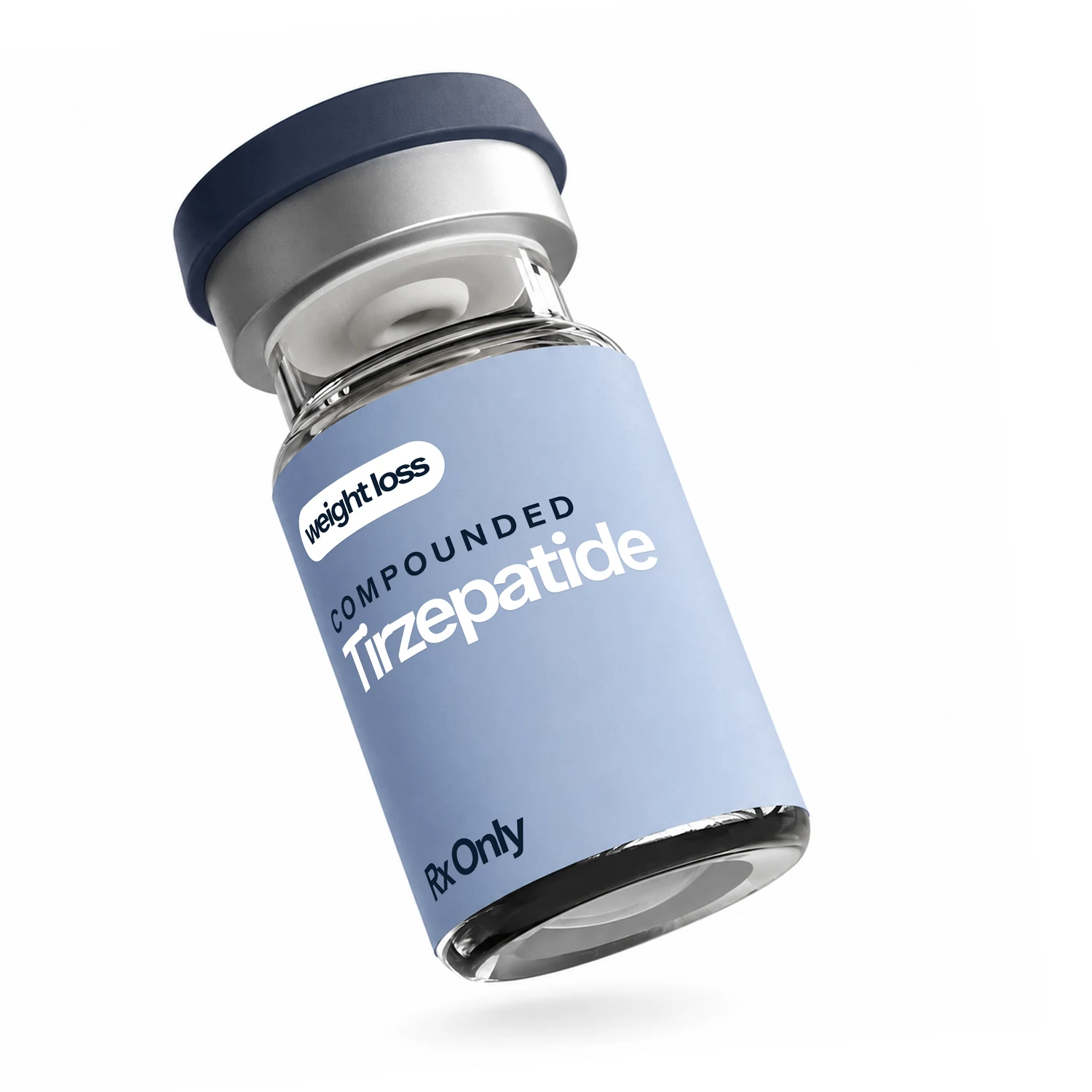
Compounded TirzepatideRx
Weekly GLP-1 + GIP injection.
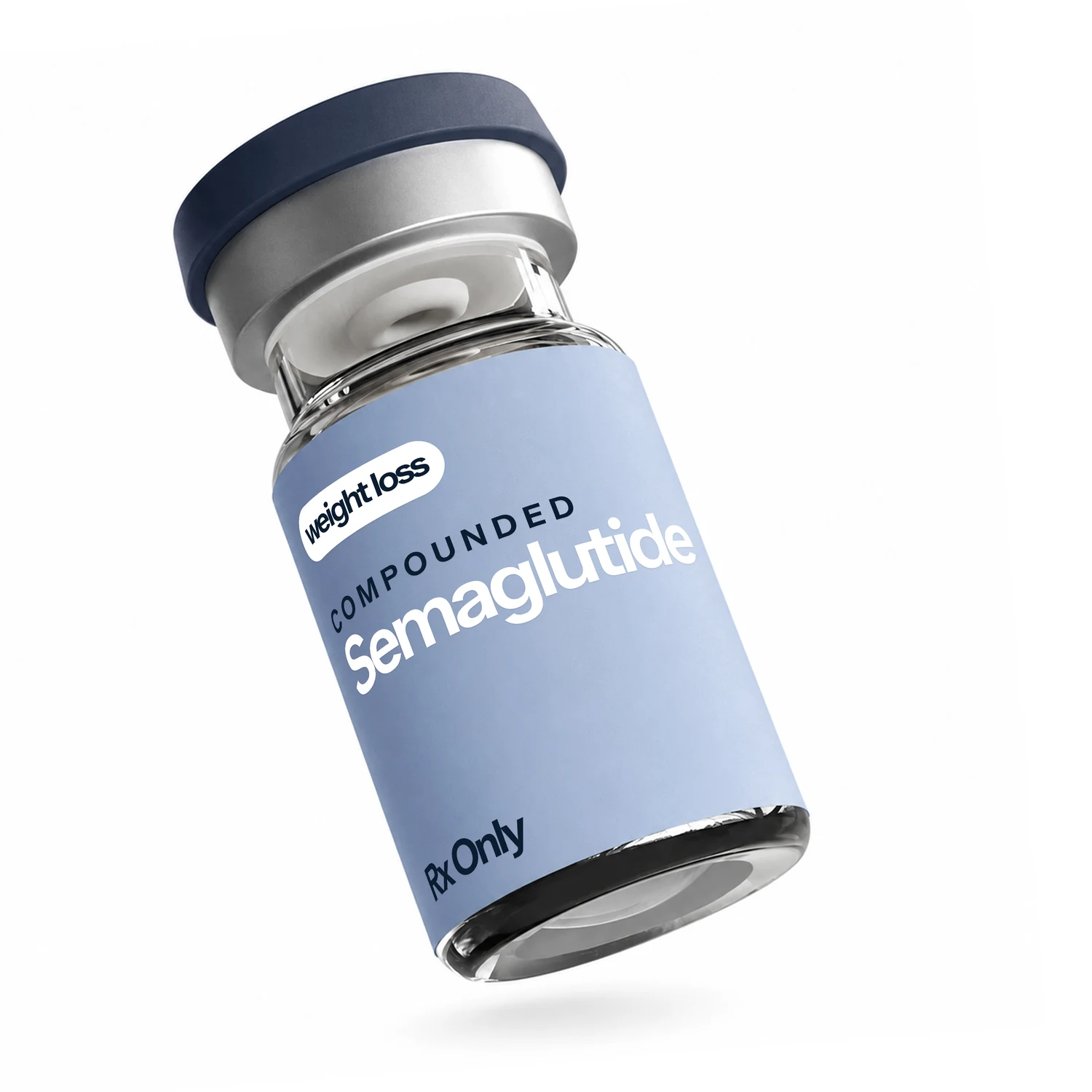
Compounded SemaglutideRx
Weekly GLP-1 injection.
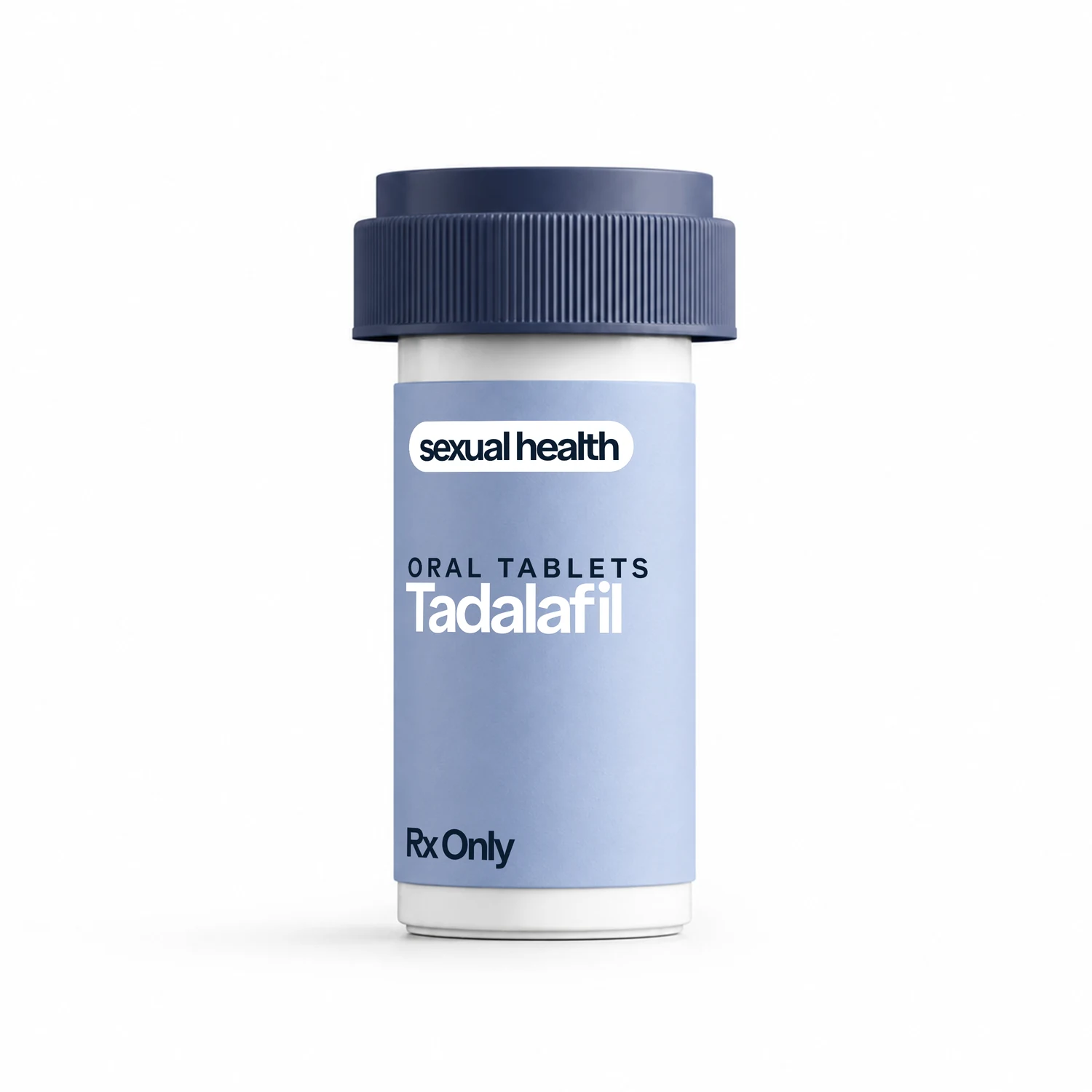
TadalafilRx
Generic Cialis®. Lasts up to 36 hours.

SildenafilRx
Generic Viagra®. Works in 30 minutes.
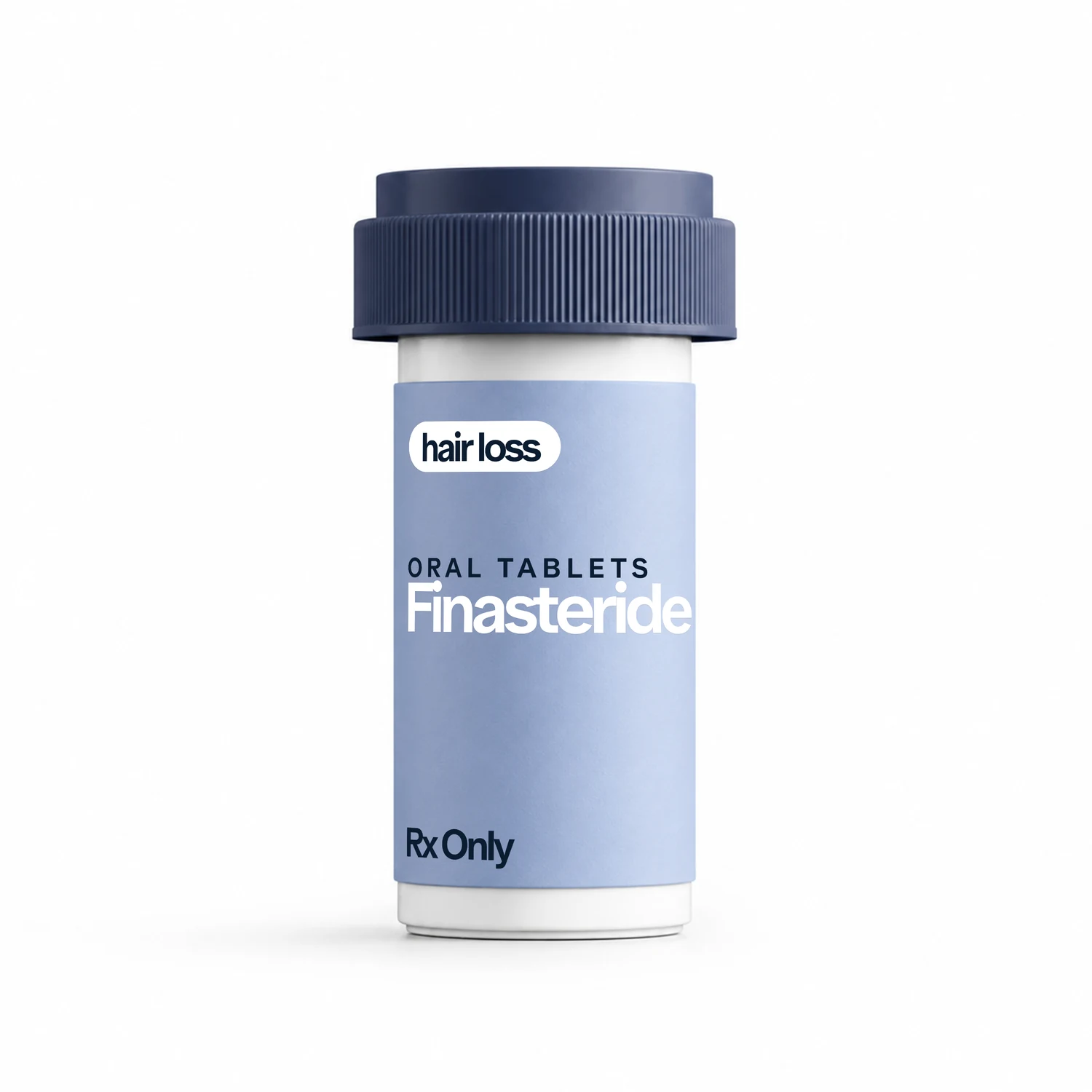
FinasterideRx
Generic Propecia®. Blocks DHT daily.

Hair Regrowth SprayRx
3-in-1 topical: finasteride + minoxidil + tretinoin.
The Prostate-ED Connection Men Learn Too Late

Written by Michael H.
Published April 14, 2026

Key Takeaways
# The Prostate-ED Connection Most Men Only Learn After the Diagnosis
If you typed something like "does prostate problems cause erectile dysfunction" into a search bar, you are not alone — and you asked exactly the right question. The prostate-ED connection is one of the most common intersections in men's health, yet most men only learn it exists after a urologist delivers a diagnosis. That is too late to be prepared. This article covers what the research says, what the mechanisms are, and what practical steps look like.
What the Prostate Has to Do With Erections
The prostate sits directly below the bladder, wrapped around the urethra. It shares a neighborhood with the neurovascular bundles — paired nerve and blood-vessel structures that run along either side of the prostate and are directly responsible for triggering and sustaining an erection. When anything disturbs that neighborhood — inflammation, enlargement, surgery, or radiation — erectile function is often the first casualty.
This is not coincidence. It is anatomy. The same region that houses the prostate also carries the cavernous nerves, which signal the corpus cavernosum of the penis to fill with blood. Pressure on those nerves, or disruption of the blood supply feeding them, reduces the quality and reliability of erections regardless of testosterone levels or general health.
BPH and Erectile Function: The Benign Problem That Is Not So Benign
BPH, or benign prostatic hyperplasia, is the non-cancerous enlargement of the prostate that affects roughly half of men by age 60 and up to 90 percent of men by age 85, according to the National Institute of Diabetes and Digestive and Kidney Diseases. Most men associate it with frequent nighttime urination and a weak stream. Fewer men are told upfront that BPH is independently associated with erectile dysfunction (ED).
A large-scale analysis published in the [European Urology](https://www.europeanurology.com/) showed that men with moderate-to-severe lower urinary tract symptoms — the hallmark presentation of BPH — reported significantly higher rates of ED than age-matched men without those symptoms. Results may vary, but the association holds across multiple studies and geographies. The leading theory is that chronic inflammation in the prostate and surrounding tissue impairs nitric oxide signaling, the same chemical pathway that makes erections physiologically possible.
Certain medications used to treat BPH compound the issue. 5-alpha reductase inhibitors such as finasteride and dutasteride reduce prostate size by blocking the conversion of testosterone to dihydrotestosterone (DHT), but they carry a documented risk of reduced libido and erectile difficulty in a subset of men. The FDA has required labeling updates acknowledging these effects. If you are currently on one of these medications and noticing changes in sexual function, that conversation belongs with a licensed provider — not a pharmacist, not a support line.
Prostate Surgery, Radiation, and ED: Understanding the Risk
Prostate cancer is the second most common cancer in American men, according to the American Cancer Society. When treatment is required, the two most common interventions — radical prostatectomy (surgical removal of the prostate) and radiation therapy — both carry meaningful risk to erectile function.

In radical prostatectomy, the surgeon must work in close proximity to the cavernous nerves. Even in nerve-sparing prostatectomy, a technique specifically designed to preserve those bundles, some degree of post-surgical ED is common in the months following the procedure. According to peer-reviewed research published in [The Journal of Urology](https://www.auajournals.org/journal/juro), recovery of erectile function after nerve-sparing surgery can take 12 to 24 months, and outcomes depend heavily on baseline erectile function before surgery, patient age, and surgeon experience. Results may vary significantly.
Radiation therapy — whether external beam or brachytherapy — causes cumulative vascular damage to the pelvic region over time. ED following radiation often develops more gradually than post-surgical ED, sometimes appearing 12 to 18 months after treatment concludes. This delayed timeline catches men off guard. They complete treatment feeling relatively intact and only later notice the erosion in erectile reliability.
The practical implication: any man facing a prostate diagnosis should ask his urologist or radiation oncologist directly about erectile function outcomes before consenting to treatment. Penile rehabilitation — the use of PDE5 inhibitors in the months following surgery or radiation — is a recognized clinical strategy to support nerve recovery and tissue oxygenation during healing.
The Awareness Angle: What You Do Not Know Can Cost You
May is Testicular Cancer Awareness Month, and while testicular cancer and prostate disease are distinct conditions, the underlying principle is identical: early detection and honest self-accounting protect the years ahead. Testicular self-exams, routine PSA screening conversations with a primary care physician, and candid reporting of urinary or sexual symptoms are all acts of stewardship over the gift of health. The man who waits until a symptom forces the conversation loses options that an earlier conversation would have preserved.
The American Urological Association recommends shared decision-making about PSA screening beginning at age 55 for average-risk men, and earlier for men with family history or other risk factors. A 10-minute conversation once a year is a reasonable investment in what comes next.
Where Good Guy Rx Fits
Good Guy Rx is a technology platform. It connects men to independent licensed physicians who can evaluate symptoms, review history, and determine whether treatment is appropriate — and to independent state-licensed pharmacies that prepare or dispense medication in accordance with FDA regulations.
For men navigating ED related to BPH, post-prostatectomy recovery, or radiation-related vascular changes, two medications are commonly discussed with providers:
- [Sildenafil](https://care.goodguyrx.com/start-online-visit/sildenafil) — a PDE5 inhibitor taken as needed, typically 30 to 60 minutes before activity. Available as a brand-name medication or as a compounded preparation prepared by state-licensed compounding pharmacies in accordance with FDA regulations. Compounded formulations are not FDA-approved.
- [Tadalafil](https://care.goodguyrx.com/start-online-visit/tadalafil) — a longer-acting PDE5 inhibitor that can be taken daily at a low dose or as needed at a higher dose. Also available in compounded form through independent state-licensed pharmacies. Compounded formulations are not FDA-approved.
Which option — if either — is appropriate depends on your medical history, current medications, and the specific nature of your prostate-related ED. A licensed provider through the patient portal is the right person to make that determination. Support staff cannot provide that guidance.

What to Do Next
Step 1: Schedule a PSA conversation. If you are between 45 and 70 and have not had a direct conversation with a physician about prostate-specific antigen screening, put that on the calendar this month. It is a blood draw and a 10-minute discussion. That is the full investment.
Step 2: Report sexual symptoms honestly. If you are already being treated for BPH and have noticed changes in erectile reliability, tell your prescribing physician. That symptom belongs in your chart, and it may change the treatment plan.
Step 3: Ask about penile rehabilitation if surgery or radiation is planned. Before any prostate procedure, ask your urologist specifically about post-treatment erectile function and whether early PDE5 inhibitor use is appropriate for your case.
Step 4: Start a provider conversation through Good Guy Rx. If you are experiencing ED related to prostate disease — whether diagnosed or suspected — the patient portal connects you to an independent licensed physician who can evaluate your case and discuss treatment options. Bring your medication list. Bring your surgical history if applicable.
Sources
- Prostate Enlargement (BPH) — National Institute of Diabetes and Digestive and Kidney Diseases
- Key Statistics for Prostate Cancer — American Cancer Society
- PSA Screening Guidelines — American Urological Association
- Finasteride and Sexual Side Effects — FDA Drug Safety Communication
- Erectile Dysfunction After Prostate Surgery — The Journal of Urology (AUA Journals)
- Lower Urinary Tract Symptoms and Sexual Dysfunction — European Urology
This article is for informational purposes only and does not constitute medical advice. Talk with a licensed provider through the patient portal before starting any treatment.
References
- [Key Statistics for Prostate Cancer — American Cancer Society](https://www.cancer.org/cancer/types/prostate-cancer/about/key-statistics.html)
- [PSA Screening Guidelines — American Urological Association](https://www.auanet.org/guidelines-and-resources/guidelines/psa-guideline)
- [Finasteride and Sexual Side Effects — FDA Drug Safety Communication](https://www.fda.gov/drugs/drug-safety-and-availability/fda-drug-safety-communication-revised-labels-propecia-and-proscar-finasteride)
- [Erectile Dysfunction After Prostate Surgery — The Journal of Urology (AUA Journals)](https://www.auajournals.org/journal/juro)
- [Lower Urinary Tract Symptoms and Sexual Dysfunction — European Urology](https://www.europeanurology.com/)
- This article is for informational purposes only and does not constitute medical advice. Talk with a licensed provider through the patient portal before starting any treatment.*
Share this article

Ready to start your journey?
Complete your free online visit and see if GLP-1 treatment is right for you.
Get Started