
Good Guy Rx
Take care of what God gave you.
Get started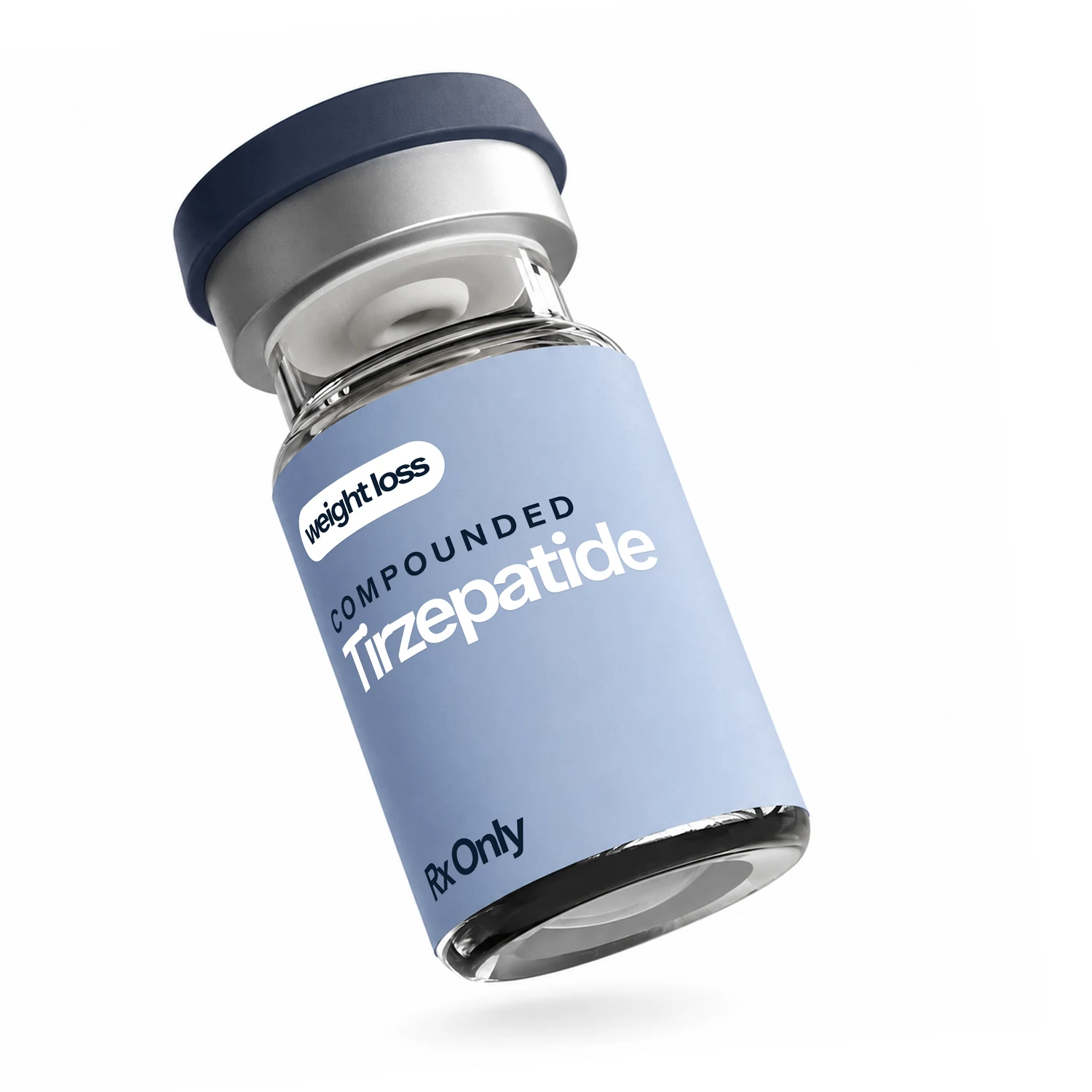
Compounded TirzepatideRx
Weekly GLP-1 + GIP injection.
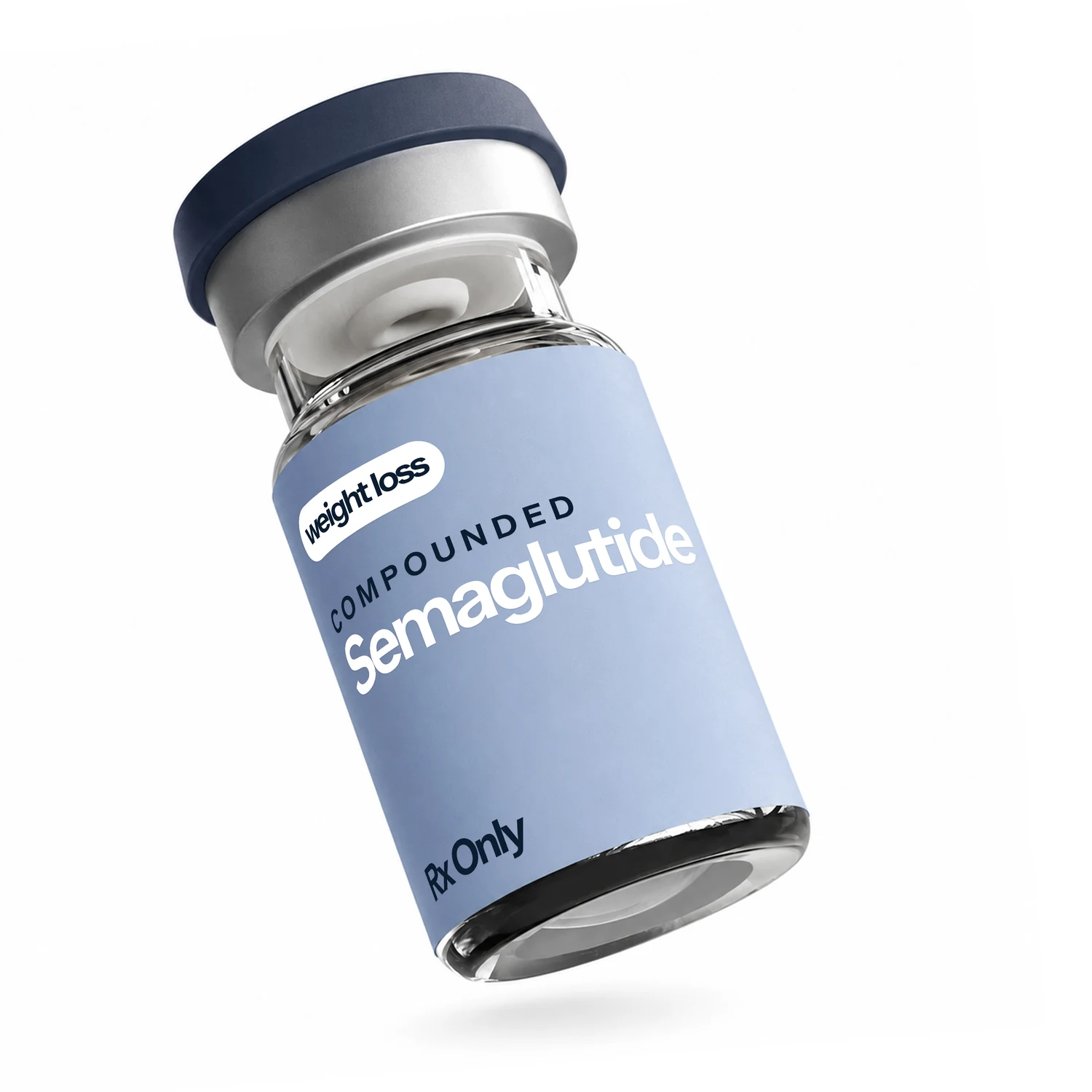
Compounded SemaglutideRx
Weekly GLP-1 injection.
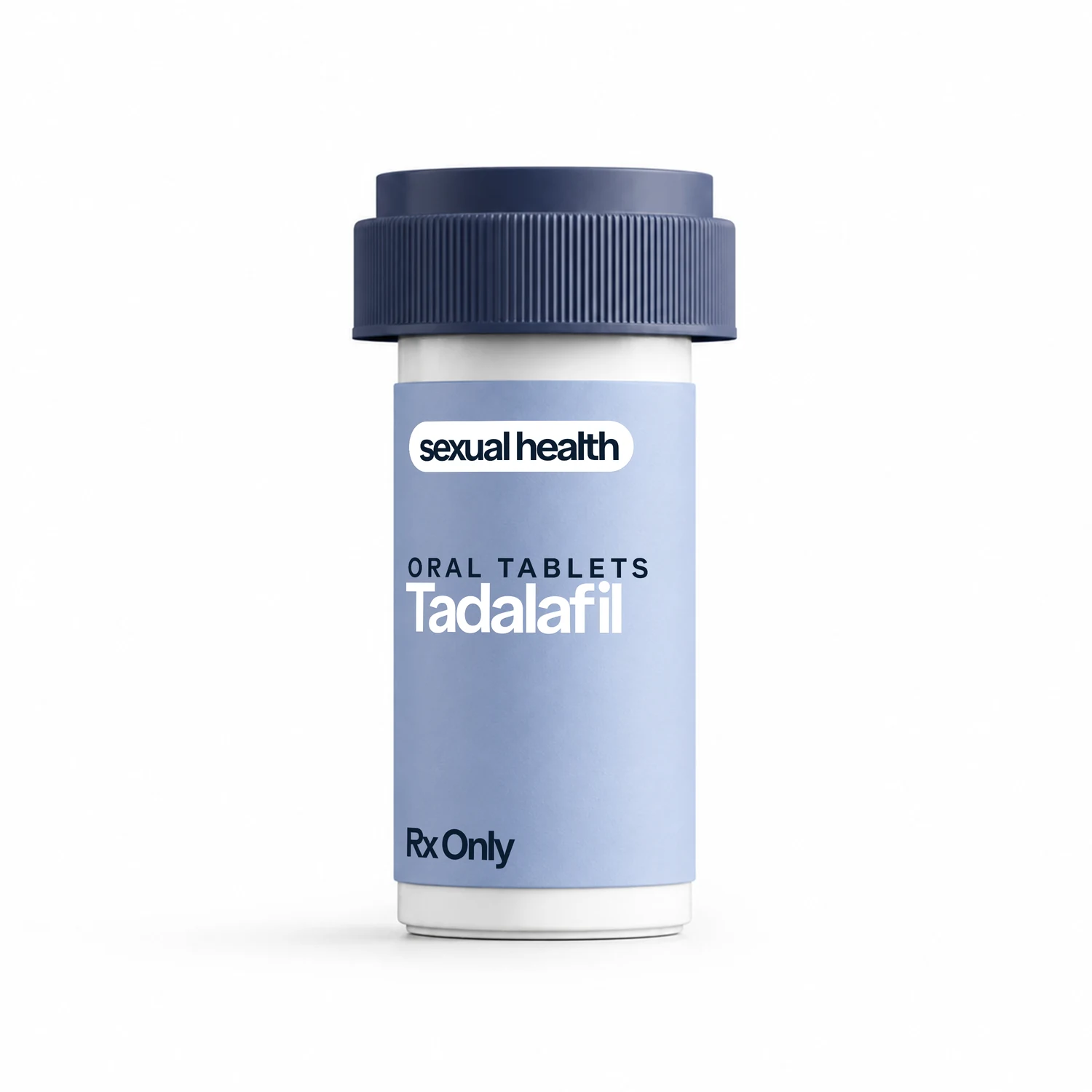
TadalafilRx
Generic Cialis®. Lasts up to 36 hours.

SildenafilRx
Generic Viagra®. Works in 30 minutes.
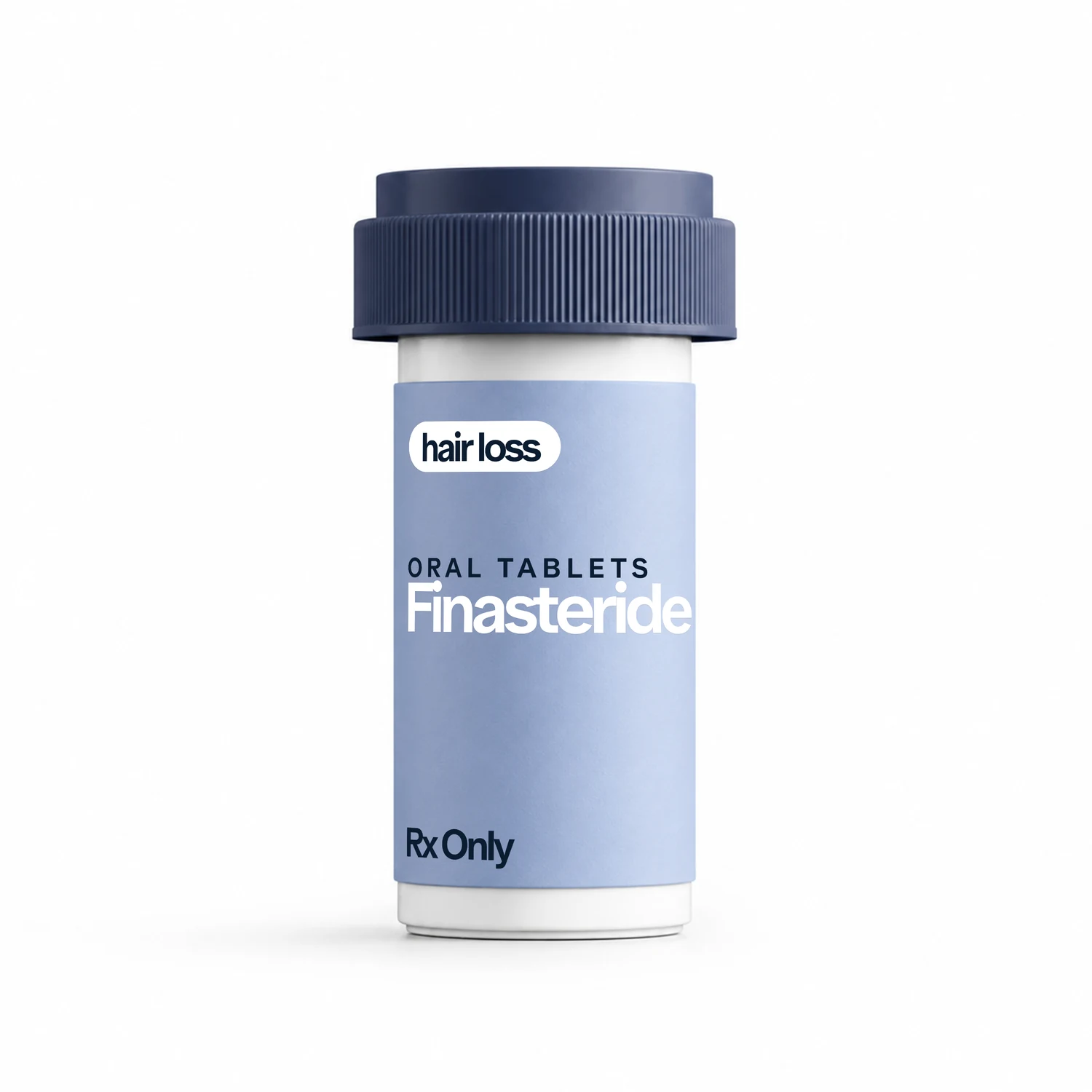
FinasterideRx
Generic Propecia®. Blocks DHT daily.

Hair Regrowth SprayRx
3-in-1 topical: finasteride + minoxidil + tretinoin.
Pre-Diabetes Reversal in Men: What Most Don't Know

Written by David K.
Published May 12, 2026

Key Takeaways
# Pre-Diabetes Reversal in Men: What Most Don't Know
If you typed something like "can pre-diabetes be reversed" or "pre-diabetes reversal men," you are not alone — and the answer is yes, in many cases it can be. That is not a marketing claim. It is what the clinical evidence shows. The problem is that most men who receive a pre-diabetes diagnosis walk out of a doctor's office believing the condition is a waiting room for Type 2 diabetes rather than a window for meaningful change. This article explains what the condition is, what the research says about reversing it, and what practical steps apply to men in the 45-to-70 range.
What Pre-Diabetes Actually Means
Pre-diabetes is defined by the American Diabetes Association as a fasting blood glucose between 100 and 125 mg/dL, or an A1C — a three-month average of blood sugar — between 5.7% and 6.4%. A reading at or above 6.5% on two separate tests crosses into a Type 2 diabetes diagnosis. Pre-diabetes sits in between: blood sugar is elevated enough to do quiet damage but not yet high enough for a full diabetes label.
The CDC estimates that approximately 98 million American adults — more than one in three — have pre-diabetes. Of those, more than 80% do not know it. Men are disproportionately affected; metabolic syndrome, the cluster of conditions that includes elevated blood sugar, high triglycerides, low HDL cholesterol, elevated blood pressure, and excess abdominal fat, is prevalent in men beginning in middle age and tends to be underdiagnosed because annual bloodwork is inconsistent in this demographic.
The reason this matters urgently: pre-diabetes is not simply a number on a lab report. Sustained elevated blood sugar accelerates arterial damage, increases cardiovascular risk, and creates the conditions for nerve and kidney stress years before a Type 2 diagnosis ever arrives. Waiting for the number to cross 6.5% is not a neutral act.
Insulin Resistance: The Mechanism Behind the Number
To understand why reversal is possible, it helps to understand the mechanism. Insulin resistance is the condition in which the body's cells become less responsive to insulin, the hormone the pancreas produces to shuttle glucose from the bloodstream into cells for energy. When cells resist insulin's signal, the pancreas compensates by producing more of it. For a period, blood sugar stays roughly controlled. Over time, the pancreas cannot keep pace, and blood glucose begins to rise — first into pre-diabetes range, then potentially beyond.
Insulin resistance in men is strongly correlated with excess visceral fat — the fat stored around and within abdominal organs rather than just under the skin. According to research published in *Diabetes Care*, visceral adiposity drives inflammatory signaling that directly impairs insulin receptor function. This is why the conversation about A1C reduction and the conversation about body composition are the same conversation.
The clinical significance for reversal: insulin resistance is a physiological state, not a permanent diagnosis. Cells that have become less responsive to insulin can become more responsive again when the signals that drive resistance — excess visceral fat, chronic low-grade inflammation, physical inactivity, sleep disruption — are addressed with sufficient consistency.
What the Evidence Says About Reversal
The landmark evidence on this comes from the Diabetes Prevention Program (DPP), a large National Institutes of Health-funded trial. The DPP found that lifestyle intervention reduced the progression from pre-diabetes to Type 2 diabetes by 58% compared to placebo — and by 71% in adults over 60. These are not modest effects. The primary levers were a reduction in body weight of 5 to 7% and 150 minutes per week of moderate physical activity.

More recent research has reinforced and extended these findings. The STEP trials (semaglutide) and SURMOUNT trials (tirzepatide) — the clinical programs behind the GLP-1 and GIP/GLP-1 receptor agonist class of medications — demonstrated sustained reductions in body weight that corresponded with meaningful improvements in fasting glucose and A1C. In the SURMOUNT-1 trial, participants using tirzepatide achieved significant reductions in body weight and accompanying metabolic markers. Results may vary. These trials enrolled adults with obesity or overweight and at least one weight-related comorbidity; pre-diabetes was a qualifying condition in several substudies.
A 2023 analysis published in *The Lancet* reinforced that metabolic syndrome reversal — defined as resolution of three or more of the five diagnostic criteria — was achievable in a meaningful proportion of patients who sustained weight loss, regardless of the method used to achieve it.
The window matters. The longer elevated blood sugar persists, the more cumulative vascular and metabolic damage accumulates. Earlier intervention produces better outcomes. That is not a scare tactic; it is the consistent finding across the literature.
A Note on Mental Health: The Number Men Don't Talk About
May is Mental Health Awareness Month. This is not a tangent from a pre-diabetes article. It is directly relevant.
The American Foundation for Suicide Prevention (AFSP) reports that men account for approximately 80% of suicide deaths in the United States while representing only about 20% of crisis helpline contacts. Men are dying in disproportionate numbers in part because the infrastructure for asking for help does not match how men are built to seek it — if they seek it at all.
That same dynamic plays out in physical health. Men in the 45-to-70 range are the cohort most likely to have abnormal bloodwork they haven't acted on. Most of them are not indifferent. Most of them are busy, skeptical of clinical marketing, and uninterested in a process that feels performative. The metabolic and the psychological are connected. Chronic stress elevates cortisol, which elevates blood glucose, which worsens insulin resistance. Sleep disruption — common in men experiencing anxiety or depression — compounds the same pathway.
This is not about labeling. It is about stewardship. If the numbers on a lab report are moving in the wrong direction and the weight is accumulating around the middle, both deserve attention. A licensed provider can address both without the conversation feeling like something it is not.
Where Good Guy Rx Fits
Good Guy Rx is a technology platform. It connects men to independent licensed physicians and independent state-licensed pharmacies. It does not manufacture medications and does not dispense them directly.
If you are a man in the 45-to-70 range with elevated blood sugar, creeping weight around the midsection, or an A1C that has moved in the wrong direction over the past two annual physicals, the place to start is a structured clinical assessment. The weight loss assessment connects you to an independent licensed provider who reviews your history, your current labs if available, and your goals — without a waiting room or a 20-minute appointment window.
For men whose weight is a significant contributor to metabolic risk and for whom a licensed provider determines it is appropriate, tirzepatide is available through the platform. Compounded tirzepatide is prepared by state-licensed compounding pharmacies in accordance with FDA regulations. It is not FDA-approved as a compounded preparation. The brand-name formulation (Zepbound, Mounjaro) carries FDA approval for obesity and Type 2 diabetes management respectively. A licensed provider determines whether compounded or brand-name is appropriate based on clinical factors, availability, and cost considerations.

The platform does not promise outcomes. What it provides is access to qualified clinical professionals who can review your actual numbers and recommend a protocol suited to your situation.
What to Do Next
1. Get the number. If you do not have a current A1C and fasting glucose on file, request them. Any primary care physician can order these. If you do not have a primary care physician, an independent provider through the platform can order labs.
2. Know what the number means. An A1C of 5.7 to 6.4% is pre-diabetes. A fasting glucose of 100 to 125 mg/dL is pre-diabetes. These are not "almost fine." They are a clinical signal that warrants a response.
3. Start the assessment before the number gets worse. The weight loss assessment takes less than 10 minutes. An independent licensed provider reviews your submission and responds through the patient portal. You do not call a call center. You do not speak with a sales representative.
4. Direct all clinical questions to a licensed provider through the patient portal. Support staff cannot answer medical questions. That is not a limitation; it is appropriate practice.
Sources
- Diabetes Prevention Program Research Group — NIH/NIDDK — https://www.niddk.nih.gov/about-niddk/research-programs/diabetes-prevention-program-dpp
- National Diabetes Statistics Report — CDC — https://www.cdc.gov/diabetes/data/statistics-report/index.html
- Standards of Medical Care in Diabetes — American Diabetes Association — https://diabetes.org/
- SURMOUNT-1 Trial: Tirzepatide Once Weekly for the Treatment of Obesity — New England Journal of Medicine — https://www.nejm.org/doi/full/10.1056/NEJMoa2206038
- Visceral Adiposity and Insulin Resistance — Diabetes Care — https://diabetesjournals.org/care
- Metabolic Syndrome Reversal and Weight Loss — The Lancet — https://www.thelancet.com/
- Suicide Statistics — American Foundation for Suicide Prevention — https://afsp.org/suicide-statistics/
This article is for informational purposes only and does not constitute medical advice. Talk with a licensed provider through the patient portal before starting any treatment.
References
- STEP trial
- SURMOUNT trial
- [National Diabetes Statistics Report — CDC — https://www.cdc.gov/diabetes/data/statistics-report/index.html](https://www.cdc.gov/diabetes/data/statistics-report/index.html)
- [Standards of Medical Care in Diabetes — American Diabetes Association — https://diabetes.org/](https://diabetes.org/)
- [SURMOUNT-1 Trial: Tirzepatide Once Weekly for the Treatment of Obesity — New England Journal of Medicine — https://www.nejm.org/doi/full/10.1056/NEJMoa2206038](https://www.nejm.org/doi/full/10.1056/NEJMoa2206038)
- [Visceral Adiposity and Insulin Resistance — Diabetes Care — https://diabetesjournals.org/care](https://diabetesjournals.org/care)
- [Metabolic Syndrome Reversal and Weight Loss — The Lancet — https://www.thelancet.com/](https://www.thelancet.com/)
- [Suicide Statistics — American Foundation for Suicide Prevention — https://afsp.org/suicide-statistics/](https://afsp.org/suicide-statistics/)
Share this article

Ready to start your journey?
Complete your free online visit and see if GLP-1 treatment is right for you.
Get Started