
Good Guy Rx
Take care of what God gave you.
Get started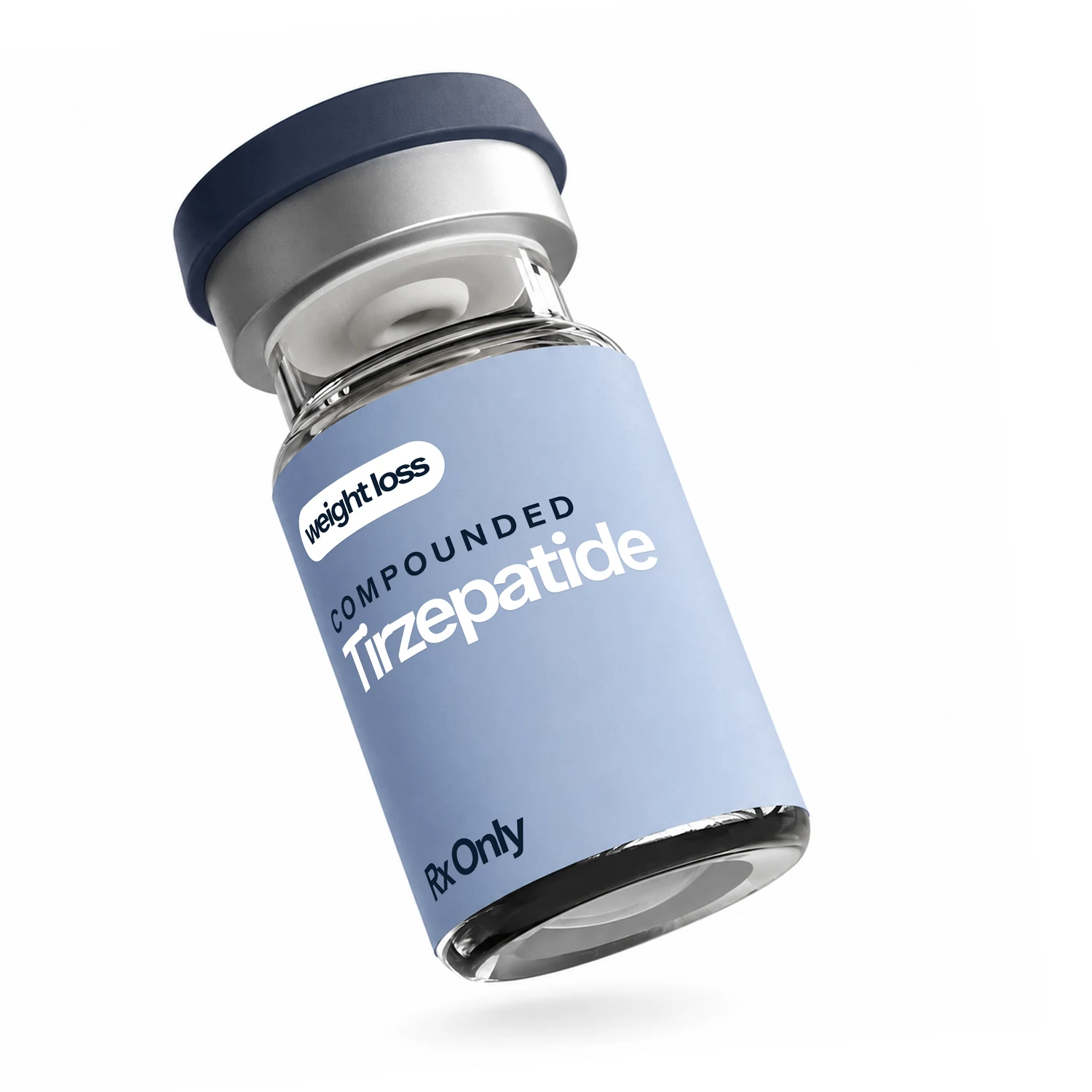
Compounded TirzepatideRx
Weekly GLP-1 + GIP injection.
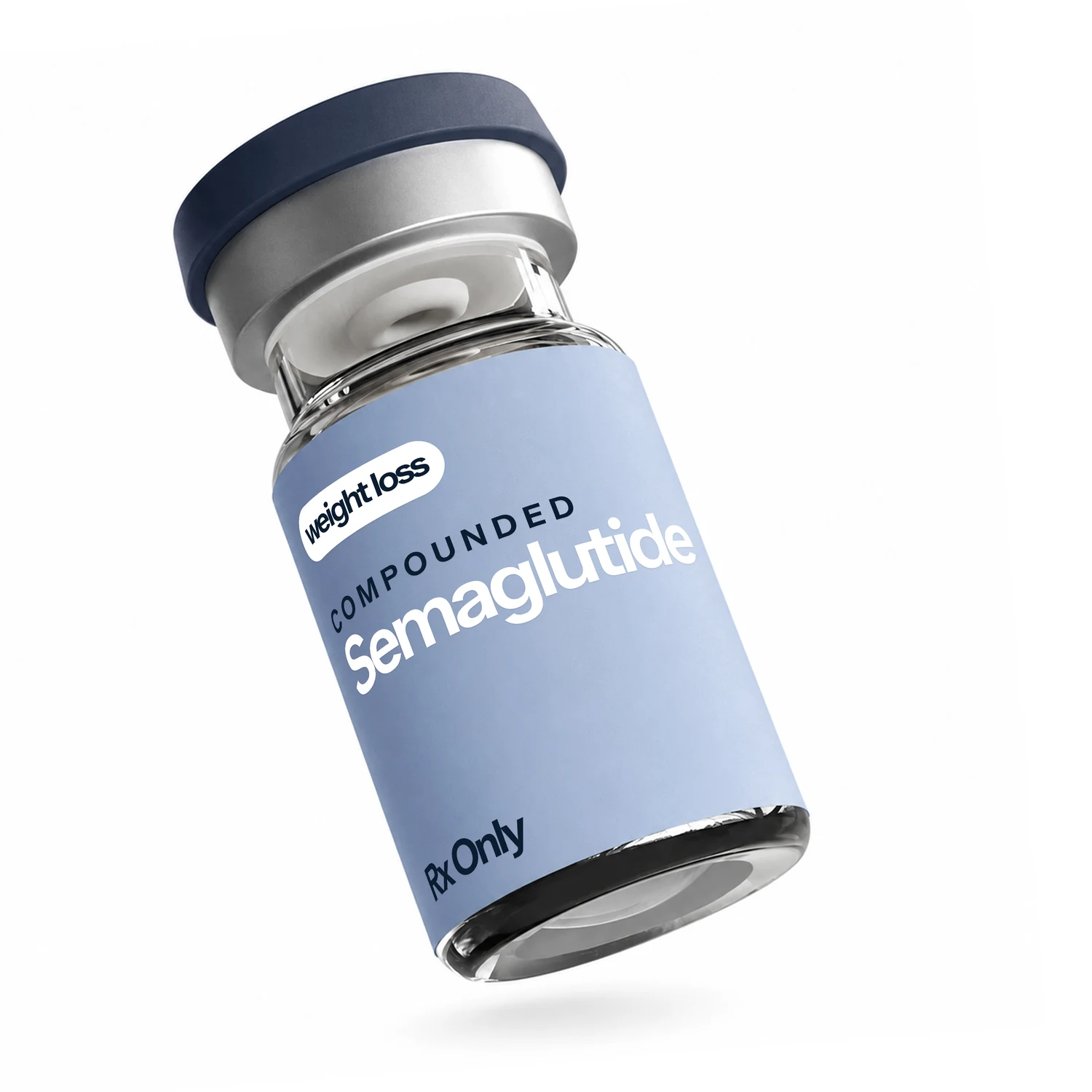
Compounded SemaglutideRx
Weekly GLP-1 injection.
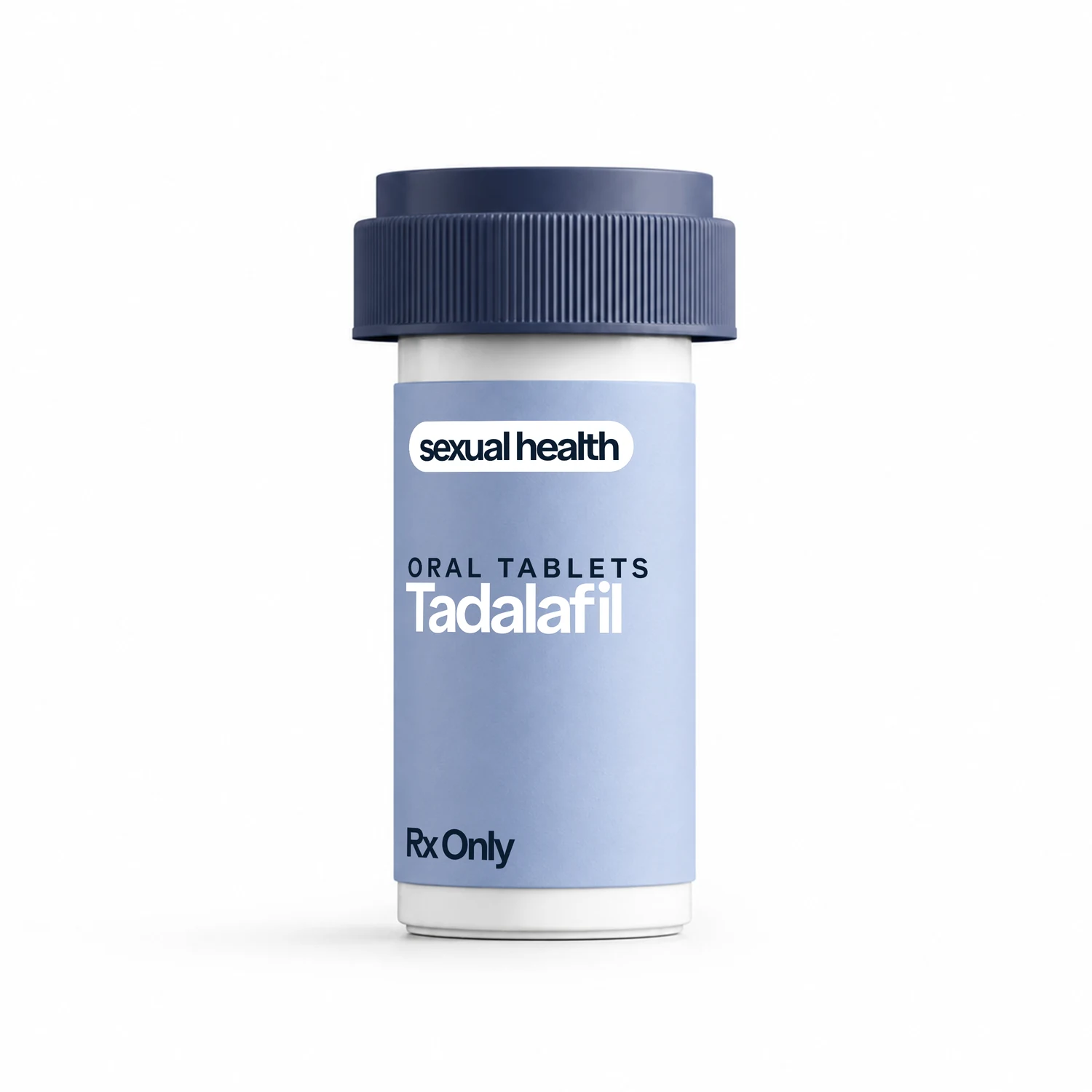
TadalafilRx
Generic Cialis®. Lasts up to 36 hours.
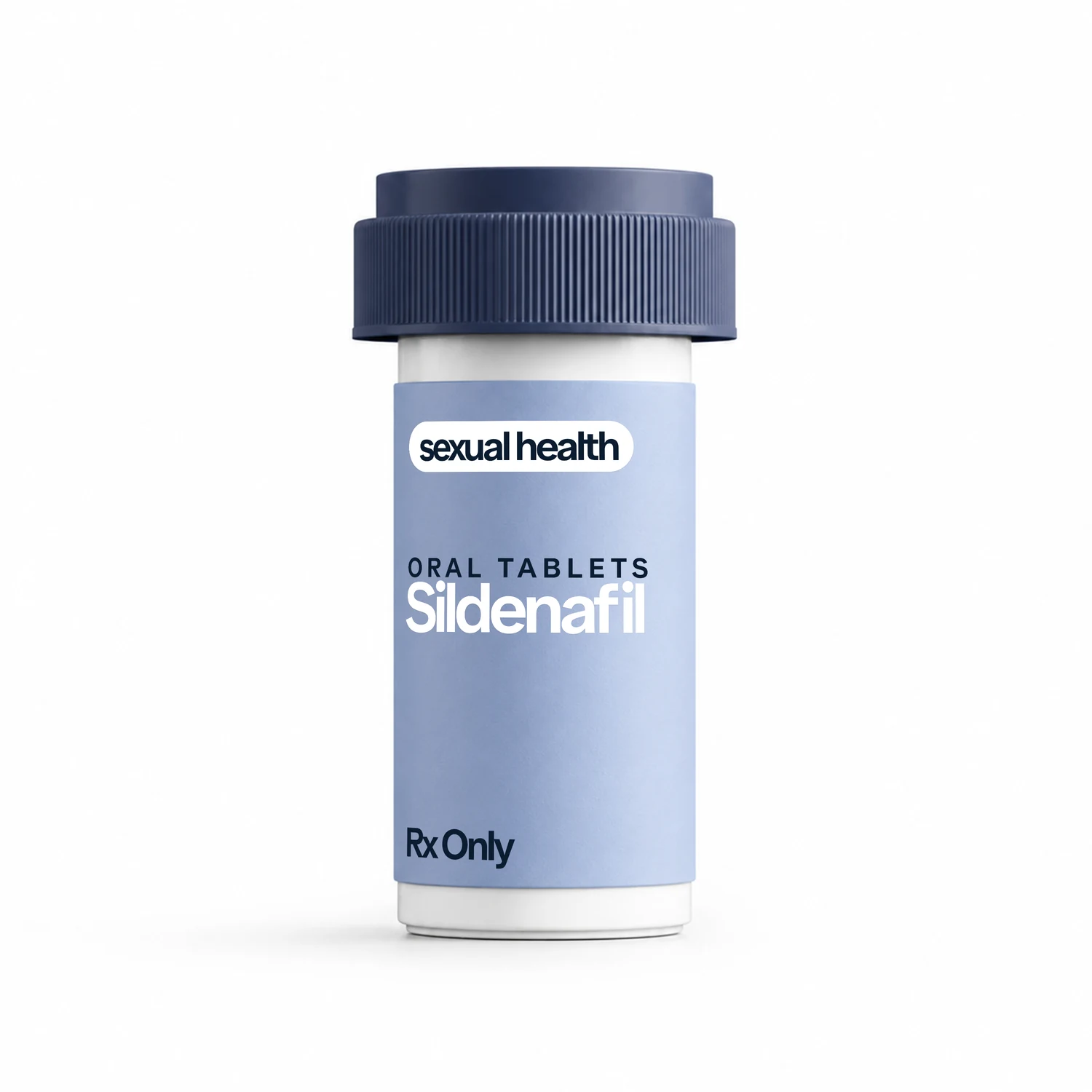
SildenafilRx
Generic Viagra®. Works in 30 minutes.
FinasterideRx
Generic Propecia®. Blocks DHT daily.
Hair Regrowth SprayRx
3-in-1 topical: finasteride + minoxidil + tretinoin.
Morning Erections: A Vitality Signal Worth Tracking

Written by Marcus W.
Published March 28, 2026

Key Takeaways
Nocturnal penile tumescence (NPT)—commonly called morning erections—is a measurable physiological signal reflecting cardiovascular, hormonal, and neurological health, and a meaningful reduction in frequency or firmness warrants a clinical evaluation.
What Morning Erections Actually Are
Nocturnal penile tumescence refers to the automatic, involuntary erections that occur during rapid eye movement (REM) sleep—the deepest, most restorative sleep stage. Most men experience three to five episodes per night, each lasting 20 to 40 minutes. The erection you notice upon waking is simply the tail end of the last REM cycle.
These erections are not driven by sexual arousal. They are driven by the autonomic nervous system—specifically the parasympathetic branch—releasing nitric oxide (NO), a signaling molecule that relaxes the smooth muscle of the penile arteries and allows blood to fill the erectile tissue. No arousal required. No conscious input needed. The body runs this process automatically, night after night, as a form of tissue oxygenation and vascular maintenance.
That automatic process is exactly why it is clinically informative. Because it operates independent of psychological state, a decline in NPT points to a physiological problem—not a mental one.
Why It Is a Health Signal, Not a Vanity Metric
Morning erections serve as a low-cost, real-world stress test for your vascular system. The same endothelial (blood vessel lining) function that governs penile blood flow governs coronary, cerebral, and peripheral blood flow. When NPT diminishes, it often means the vascular machinery is underperforming system-wide.
A landmark analysis published in the *Journal of the American College of Cardiology* found that erectile dysfunction (ED)—defined as the consistent inability to achieve or maintain an erection sufficient for sexual activity—precedes a major cardiovascular event by an average of three to five years in men who have no prior cardiac history. NPT is one of the earliest detectable signs on that continuum.
Testosterone also plays a direct role. According to research published in the *Journal of Clinical Endocrinology and Metabolism*, testosterone supports the nitric oxide pathway in penile tissue. When testosterone declines—as it does at a rate of roughly 1–2% per year after age 30, per NIH data—NPT frequency can decrease alongside it.
Other conditions associated with reduced NPT include:
- Type 2 diabetes — damages autonomic nerves and small blood vessels (diabetic neuropathy and microangiopathy)
- Hypertension — stiffens arterial walls, reducing vasodilation capacity
- Obstructive sleep apnea (*OSA*) — interrupts REM sleep, directly cutting NPT episodes
- Obesity — suppresses testosterone via peripheral aromatization (conversion of testosterone to estrogen in fat tissue)
- Depression — disrupts autonomic tone even before medications are introduced
The takeaway: fewer or weaker morning erections are a symptom looking for a cause—not an isolated inconvenience.

The Nutrition Connection: National Nutrition Month
March is National Nutrition Month, and the vascular-diet link deserves attention here. The Mediterranean dietary pattern—centered on vegetables, legumes, whole grains, fish, olive oil, and limited red meat—has been associated in peer-reviewed research with improved endothelial function and reduced ED risk.
A study published in *Andrology* found that men with ED who adopted a Mediterranean-style diet showed measurable improvements in erectile function scores over a 24-month period. Results may vary.
Three clean-eating fundamentals for men over 40:
- Prioritize protein at every meal. Adequate dietary protein (0.7–1.0 g per pound of lean body mass, per American Journal of Clinical Nutrition guidelines) preserves lean muscle mass, which is a direct correlate of testosterone production and insulin sensitivity.
- Reduce ultra-processed foods. Ultra-processed foods (UPFs)—defined by the NOVA classification as industrially formulated products with five or more ingredients—are independently associated with elevated inflammation markers (C-reactive protein, interleukin-6) that impair endothelial function.
- Protect sleep architecture. Magnesium-rich foods (leafy greens, pumpkin seeds, legumes) support deeper REM sleep, which directly supports NPT frequency. The CDC reports that more than one in three American adults are chronically sleep-deficient—a figure with direct consequences for vascular and hormonal health.
Who Should Be Concerned
A clinically meaningful change in NPT is generally defined as:
- Absent or near-absent morning erections most mornings over a period of several weeks
- Significant reduction in firmness compared to a prior baseline
- Morning erections present but daytime erections consistently absent (suggesting a psychological component may be contributing)
Age alone does not fully account for NPT decline. While some reduction in frequency is expected with advancing age, the American Urological Association (AUA) recommends evaluation when ED symptoms are present, because treatable underlying conditions are found in a substantial proportion of men who present.
Men with cardiovascular disease, diabetes, or sleep apnea who notice NPT changes should raise this specifically with their provider, as it may reflect disease progression rather than a standalone issue.
NPT changes are generally not the right starting point for self-diagnosis. They are, however, an excellent reason to schedule a structured clinical intake.
What Clinical Treatment Looks Like
When a licensed provider evaluates ED, first-line pharmacological options include PDE5 inhibitors—phosphodiesterase type 5 inhibitors—which work by blocking the enzyme that breaks down nitric oxide signaling in penile tissue, sustaining the vasodilatory response.

The two most studied agents in this class are:
- [Sildenafil](https://care.goodguyrx.com/start-online-visit/sildenafil) (Viagra generic) — on-demand dosing, typically taken 30–60 minutes before activity, with a 4–6 hour window of effect
- [Tadalafil](https://care.goodguyrx.com/start-online-visit/tadalafil) (Cialis generic) — available in both on-demand (10–20 mg) and daily low-dose (2.5–5 mg) formulations; daily dosing has also been studied for NPT restoration
Both agents have extensive safety data from randomized controlled trials and are recommended as first-line therapy by the AUA. Results may vary. Neither is appropriate for men taking nitrate medications (e.g., nitroglycerin) due to risk of severe hypotension—the prescribing provider screens for this during intake.
The Good Guy Rx Pathway
Good Guy Rx is a technology platform that connects you to independent licensed physicians and independent state-licensed pharmacies. If you have noticed a change in morning erection frequency or firmness, the appropriate next step is a structured medical intake—not a search engine. A prescribing provider determines whether a PDE5 inhibitor or further diagnostic workup is appropriate after reviewing your medical history, current medications, and cardiovascular risk profile. Start that conversation by completing the ED assessment through the patient portal.
Sources
- Erectile Dysfunction as a Cardiovascular Risk Marker — Journal of the American College of Cardiology — https://www.ncbi.nlm.nih.gov/pmc/articles/PMC2765026/
- Testosterone and the Nitric Oxide Pathway — Journal of Clinical Endocrinology and Metabolism — https://pubmed.ncbi.nlm.nih.gov/18728170/
- Erectile Dysfunction: Definition and Facts — NIH / NIDDK — https://www.niddk.nih.gov/health-information/urologic-diseases/erectile-dysfunction/definition-facts
- Mediterranean Diet and Erectile Function — Andrology — https://pubmed.ncbi.nlm.nih.gov/27176257/
- Dietary Protein Recommendations — American Journal of Clinical Nutrition — https://pubmed.ncbi.nlm.nih.gov/19927027/
- Sleep and Public Health — CDC — https://www.cdc.gov/sleep/index.html
- Erectile Dysfunction Clinical Guideline — American Urological Association — https://www.auanet.org/guidelines-and-quality/guidelines/erectile-dysfunction-guideline
This article is educational. A licensed provider determines whether you are a candidate after a medical intake.
References
- REM sleep
- [Testosterone and the Nitric Oxide Pathway — Journal of Clinical Endocrinology and Metabolism — https://pubmed.ncbi.nlm.nih.gov/18728170/](https://pubmed.ncbi.nlm.nih.gov/18728170/)
- [Erectile Dysfunction: Definition and Facts — NIH / NIDDK — https://www.niddk.nih.gov/health-information/urologic-diseases/erectile-dysfunction/definition-facts](https://www.niddk.nih.gov/health-information/urologic-diseases/erectile-dysfunction/definition-facts)
- [Mediterranean Diet and Erectile Function — Andrology — https://pubmed.ncbi.nlm.nih.gov/27176257/](https://pubmed.ncbi.nlm.nih.gov/27176257/)
- [Dietary Protein Recommendations — American Journal of Clinical Nutrition — https://pubmed.ncbi.nlm.nih.gov/19927027/](https://pubmed.ncbi.nlm.nih.gov/19927027/)
- [Sleep and Public Health — CDC — https://www.cdc.gov/sleep/index.html](https://www.cdc.gov/sleep/index.html)
- [Erectile Dysfunction Clinical Guideline — American Urological Association — https://www.auanet.org/guidelines-and-quality/guidelines/erectile-dysfunction-guideline](https://www.auanet.org/guidelines-and-quality/guidelines/erectile-dysfunction-guideline)
- This article is educational. A licensed provider determines whether you are a candidate after a medical intake.*
Share this article

Ready to start your journey?
Complete your free online visit and see if GLP-1 treatment is right for you.
Get Started