
Good Guy Rx
Take care of what God gave you.
Get started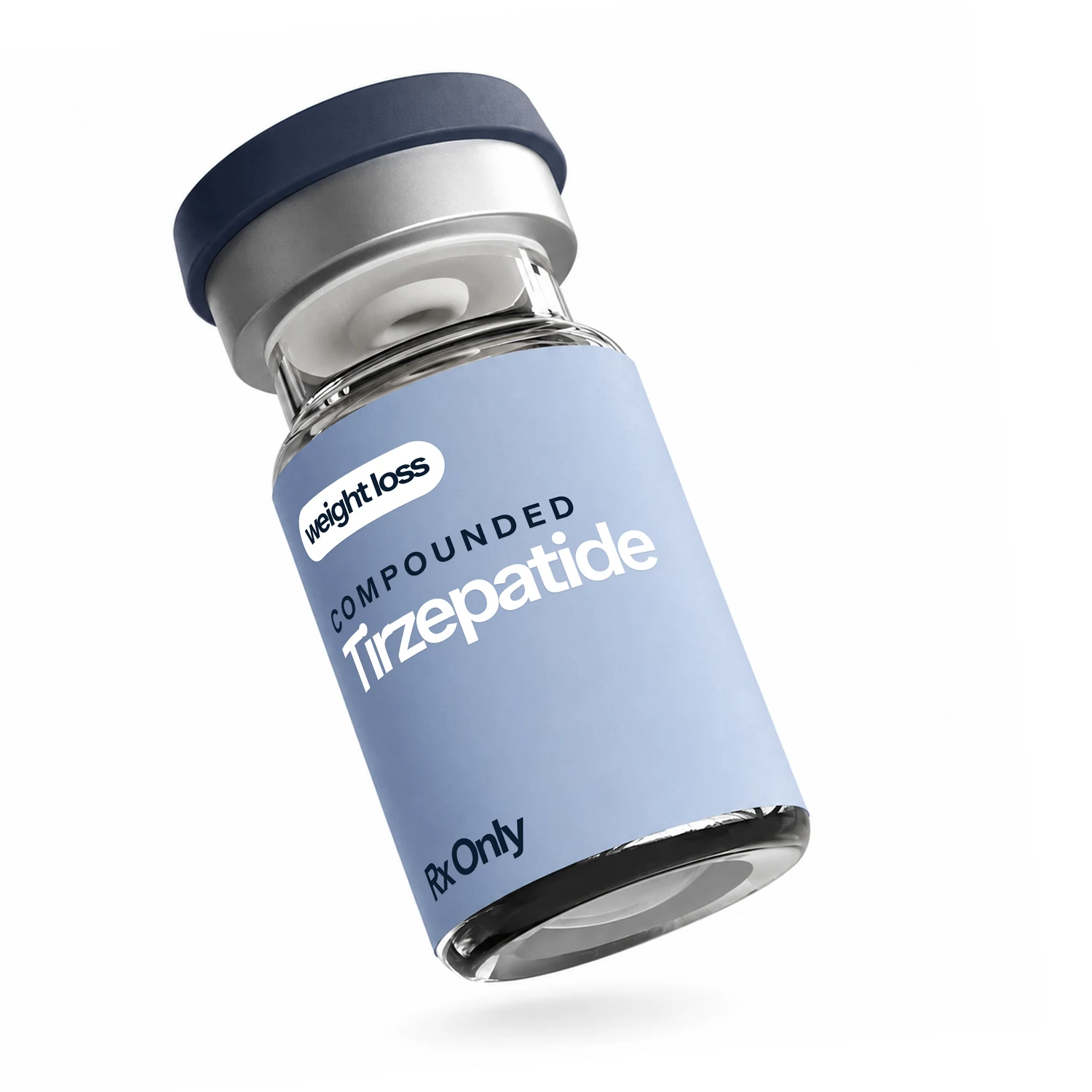
Compounded TirzepatideRx
Weekly GLP-1 + GIP injection.
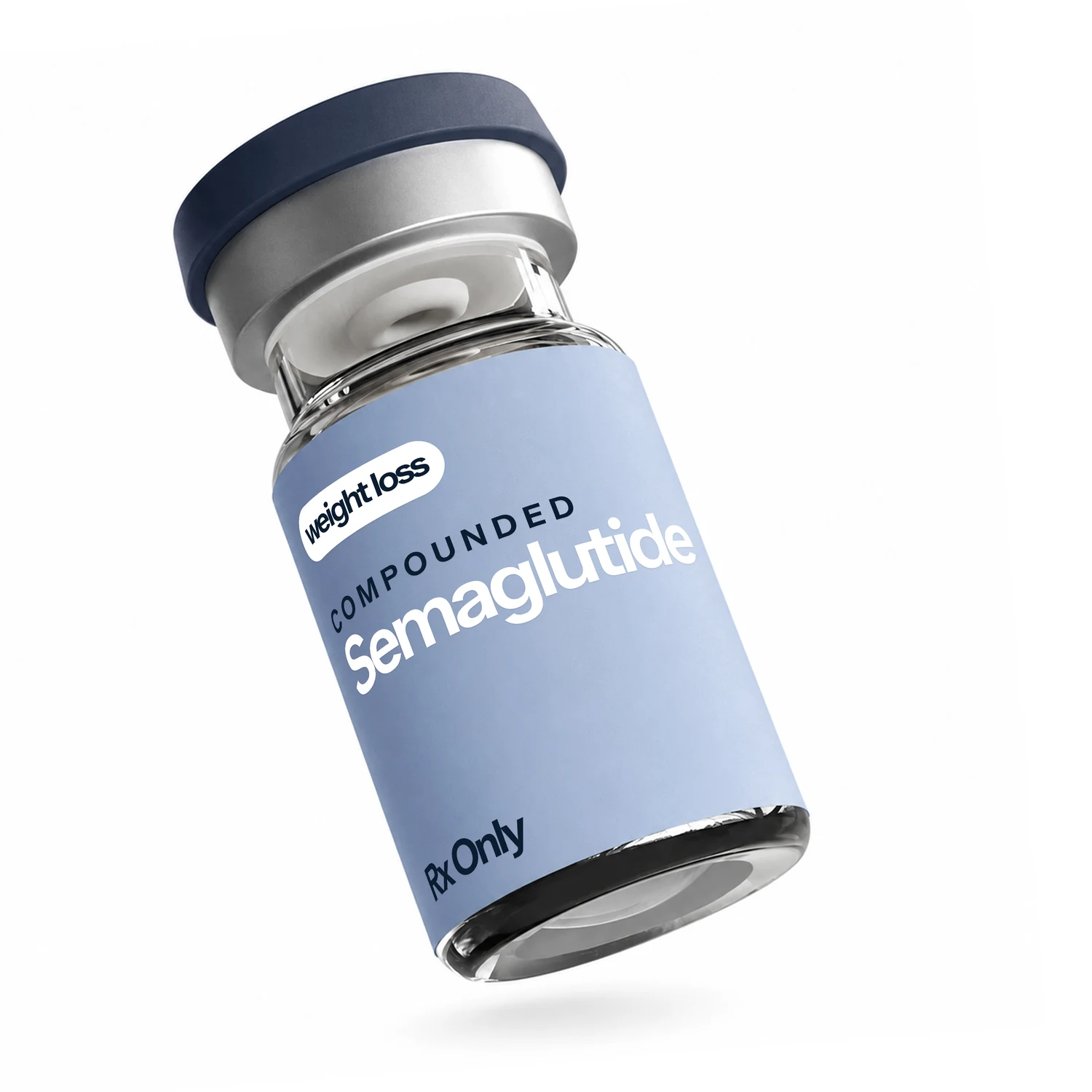
Compounded SemaglutideRx
Weekly GLP-1 injection.
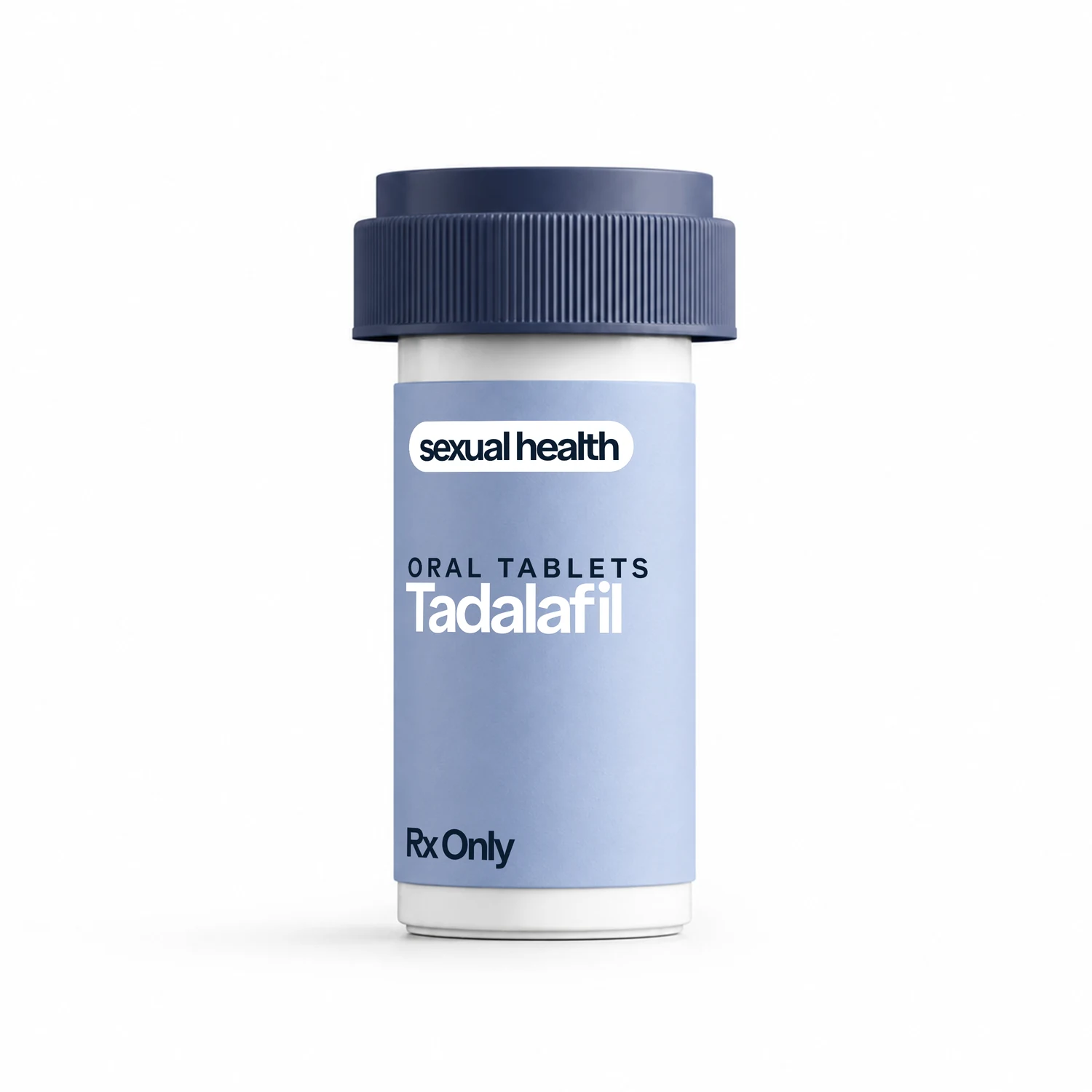
TadalafilRx
Generic Cialis®. Lasts up to 36 hours.
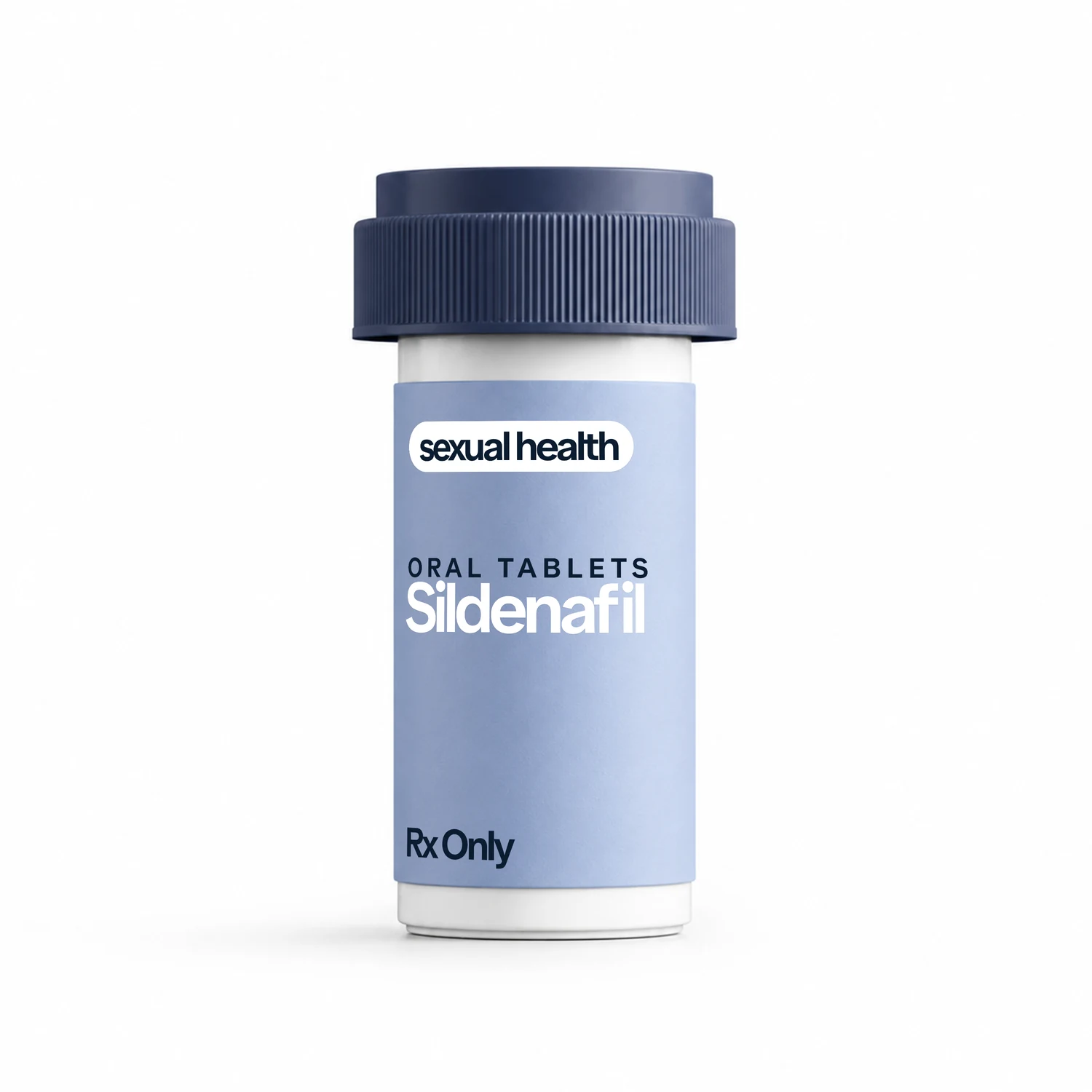
SildenafilRx
Generic Viagra®. Works in 30 minutes.
FinasterideRx
Generic Propecia®. Blocks DHT daily.

Hair Regrowth SprayRx
3-in-1 topical: finasteride + minoxidil + tretinoin.
Mediterranean Diet Meal Plan for Men: Real Life

Written by Daniel C.
Published February 18, 2026

Key Takeaways
# Mediterranean Diet Meal Plan for Men: Built for Real Life
If you searched "Mediterranean diet meal plan men," you are probably not looking for a recipe blog written for someone with four free hours on a Sunday afternoon. You want to know what this way of eating actually looks like on a Tuesday night, whether it requires you to throw out everything in your pantry, and whether it is worth the effort. Those are fair questions. This article answers them plainly.
Why This Matters More Than a Trend
The Mediterranean diet is not a commercial weight-loss program. It is a dietary pattern drawn from the traditional eating habits of populations bordering the Mediterranean Sea — southern Italy, Greece, Spain, coastal North Africa. Decades of research have associated it with lower rates of cardiovascular disease, type 2 diabetes, and all-cause mortality.
For men in the 45–70 range, that association carries weight. February is American Heart Month, and the cardiovascular risk profile of men in this demographic deserves direct attention. The American Heart Association identifies this age bracket as a peak window for cardiovascular events. What is less widely discussed is that erectile dysfunction (ED) is frequently the first clinical signal of underlying cardiovascular disease — not the last. The same endothelial damage that narrows coronary arteries reduces blood flow everywhere, including below the belt.
According to a 2018 meta-analysis published in the *Journal of Sexual Medicine*, men with ED have a significantly elevated risk of future cardiovascular events compared to men without ED. The Mediterranean diet has been studied specifically in this context. A 2020 randomized controlled trial published in *Nutrients* found that adherence to a Mediterranean dietary pattern was associated with improved endothelial function — the same vascular mechanism that governs both heart health and erectile function. Results may vary.
What Is Actually on a Mediterranean Food List for Men
The Mediterranean food list is less a prescription than a hierarchy of frequency. Here is how it maps to practical grocery shopping.
Eat most days: - Extra-virgin olive oil (your primary fat source) - Vegetables — leafy greens, tomatoes, peppers, cucumbers, zucchini, onions, garlic - Legumes — lentils, chickpeas, white beans, black beans - Whole grains — farro, barley, oats, whole-grain bread, brown rice - Fruit — berries, citrus, apples, figs
Eat several times per week: - Fish and seafood — salmon, sardines, mackerel, cod, shrimp - Nuts and seeds — walnuts, almonds, pistachios, pumpkin seeds - Eggs - Dairy — plain Greek yogurt, aged cheeses in moderate portions
Eat occasionally: - Poultry — chicken, turkey - Red meat — lean cuts, not more than once or twice per week
Limit sharply: - Ultra-processed foods, added sugars, refined grains, seed oils, fast food
No food group is forbidden. That matters for men who have tried elimination diets and found them unsustainable past day nine.

A 7-Day Mediterranean Meal Plan — Real Portions, Real Schedules
This 7-day Mediterranean plan is built around men who eat breakfast fast, eat lunch at a desk or in a car, and want dinner to be something the household actually eats together. Every day follows the same logic: olive oil somewhere, a vegetable somewhere, a protein somewhere, a whole grain or legume somewhere.
Day 1 - Breakfast: Greek yogurt, walnuts, blueberries - Lunch: Tuna over mixed greens, olive oil and lemon dressing, whole-grain pita - Dinner: Baked salmon, roasted broccoli, farro
Day 2 - Breakfast: Two eggs scrambled in olive oil, sliced tomatoes, whole-grain toast - Lunch: Lentil soup (canned or batch-cooked), side of crusty whole-grain bread - Dinner: Grilled chicken thighs, white bean salad with parsley and olive oil
Day 3 - Breakfast: Oatmeal with almonds and a sliced apple - Lunch: Chickpea and cucumber salad, hard-boiled egg - Dinner: Shrimp sautéed in garlic and olive oil, brown rice, steamed spinach
Day 4 - Breakfast: Greek yogurt, pistachios, sliced orange - Lunch: Leftover shrimp and rice in a whole-grain wrap - Dinner: Lean beef and vegetable stew, barley
Day 5 - Breakfast: Two eggs, sautéed peppers and onions, whole-grain toast - Lunch: Sardines on whole-grain crackers, sliced tomatoes, olive oil drizzle - Dinner: Baked cod with capers and tomatoes, roasted zucchini, quinoa
Day 6 - Breakfast: Overnight oats with walnuts and berries - Lunch: White bean and vegetable soup - Dinner: Grilled salmon, tabbouleh, side salad with feta
Day 7 - Breakfast: Eggs any style, fruit, whole-grain toast - Lunch: Large Mediterranean salad — greens, chickpeas, olives, cucumber, tomato, feta, olive oil and red wine vinegar - Dinner: Grilled chicken, roasted root vegetables, lentils
This is not a calorie-counting protocol. It is a structure. When the structure becomes habit, the decisions become automatic.
The Evidence Behind the Pattern
The Mediterranean diet has more peer-reviewed support than any other dietary pattern studied in relation to cardiovascular disease. The PREDIMED trial (Prevención con Dieta Mediterránea), published in the *New England England Journal of Medicine* in 2013 and subsequently corrected and republished, followed more than 7,000 participants at elevated cardiovascular risk. Those assigned to a Mediterranean diet supplemented with extra-virgin olive oil or nuts had a significantly lower rate of major cardiovascular events than those assigned to a low-fat control diet. Results may vary.
For men managing weight, the data is also relevant. Peer-reviewed research published in *Obesity* suggests that Mediterranean dietary patterns support modest, sustained weight reduction compared to low-fat diets, without the compliance problems that come with severe restriction. If your physician has discussed GLP-1 receptor agonist medications — such as semaglutide or tirzepatide — as part of a weight management protocol, a Mediterranean dietary pattern is a clinically compatible foundation. The two approaches are not in competition.
Where Good Guy Rx Fits
Good Guy Rx is a technology platform. It connects men to independent licensed physicians and independent state-licensed pharmacies. It does not manufacture medications, dispense medications, or practice medicine.

If a man reviewing his weight, cardiovascular risk, or metabolic health wants to speak with a licensed provider, the platform makes that accessible without a waiting room or a referral chain. For men exploring medically supervised weight management — including whether compounded semaglutide or compounded tirzepatide, prepared by state-licensed compounding pharmacies in accordance with FDA regulations, may be appropriate — the weight loss assessment is the starting point.
Compounded medications are not FDA-approved. They are prepared by state-licensed compounding pharmacies and prescribed at the discretion of an independent licensed physician following a clinical consultation. Whether any medication is appropriate for you is a decision made between you and your provider.
The Mediterranean diet is not a replacement for that conversation. It is the kind of foundational change that makes every other intervention work better.
What to Do Next
1. Audit your pantry this week. Swap your cooking oil to extra-virgin olive oil. Add one can each of chickpeas, lentils, and white beans to your shelf. Buy sardines or canned wild salmon. These four moves put you inside the pattern at roughly zero extra cost.
2. Build the 7-day plan around meals your household already eats. Grilled fish instead of fried. Whole-grain instead of white. A salad with olive oil instead of a processed dressing. The architecture stays the same; the substitutions are surgical.
3. Pay attention to your cardiovascular signals. If you are experiencing ED, fatigue, or unexplained changes in body composition, those are data. They belong in a conversation with a licensed physician, not on a supplement label. Use the patient portal, not support staff, for any medical question.
4. If weight is part of the picture, get a clinical assessment. The weight loss assessment connects you to an independent licensed provider who can evaluate whether dietary changes alone are sufficient or whether a supervised medical protocol is appropriate for your situation.
Sources
- Mediterranean Diet and Cardiovascular Disease — PREDIMED Trial — *New England Journal of Medicine* — https://pubmed.ncbi.nlm.nih.gov/23432189/
- Erectile Dysfunction as a Predictor of Cardiovascular Events — *Journal of Sexual Medicine* — https://pubmed.ncbi.nlm.nih.gov/29753540/
- Mediterranean Diet and Endothelial Function — *Nutrients* — https://pubmed.ncbi.nlm.nih.gov/33086693/
- Mediterranean Diet and Weight Loss — *Obesity* — https://pubmed.ncbi.nlm.nih.gov/35020211/
- American Heart Association — Heart Month Resources — https://www.heart.org/
This article is for informational purposes only and does not constitute medical advice. Talk with a licensed provider through the patient portal before starting any treatment.
References
- [Erectile Dysfunction as a Predictor of Cardiovascular Events — *Journal of Sexual Medicine* — https://pubmed.ncbi.nlm.nih.gov/29753540/](https://pubmed.ncbi.nlm.nih.gov/29753540/)
- [Mediterranean Diet and Endothelial Function — *Nutrients* — https://pubmed.ncbi.nlm.nih.gov/33086693/](https://pubmed.ncbi.nlm.nih.gov/33086693/)
- [Mediterranean Diet and Weight Loss — *Obesity* — https://pubmed.ncbi.nlm.nih.gov/35020211/](https://pubmed.ncbi.nlm.nih.gov/35020211/)
- [American Heart Association — Heart Month Resources — https://www.heart.org/](https://www.heart.org/)
- This article is for informational purposes only and does not constitute medical advice. Talk with a licensed provider through the patient portal before starting any treatment.*
Share this article

Ready to start your journey?
Complete your free online visit and see if GLP-1 treatment is right for you.
Get Started