
Good Guy Rx
Take care of what God gave you.
Get started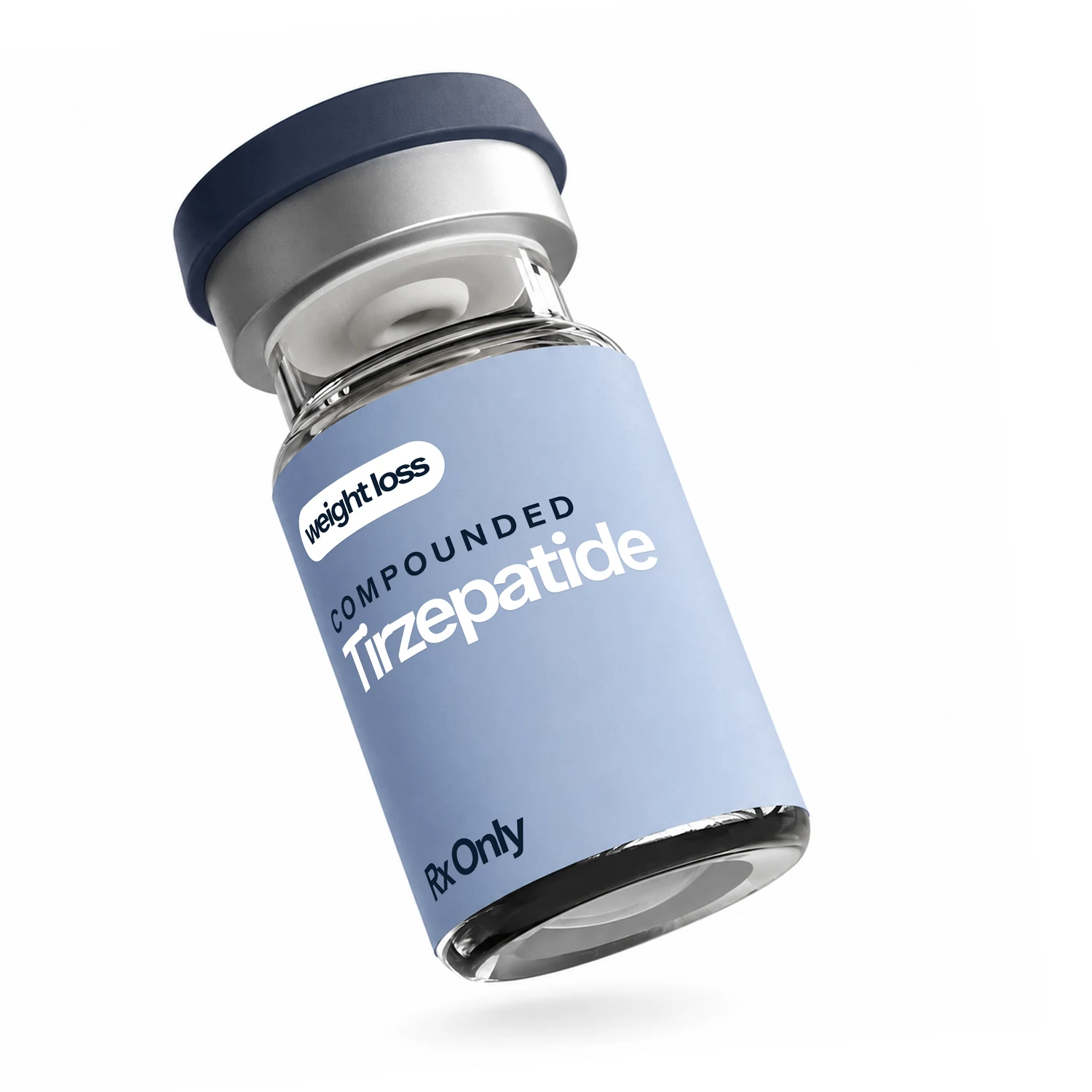
Compounded TirzepatideRx
Weekly GLP-1 + GIP injection.
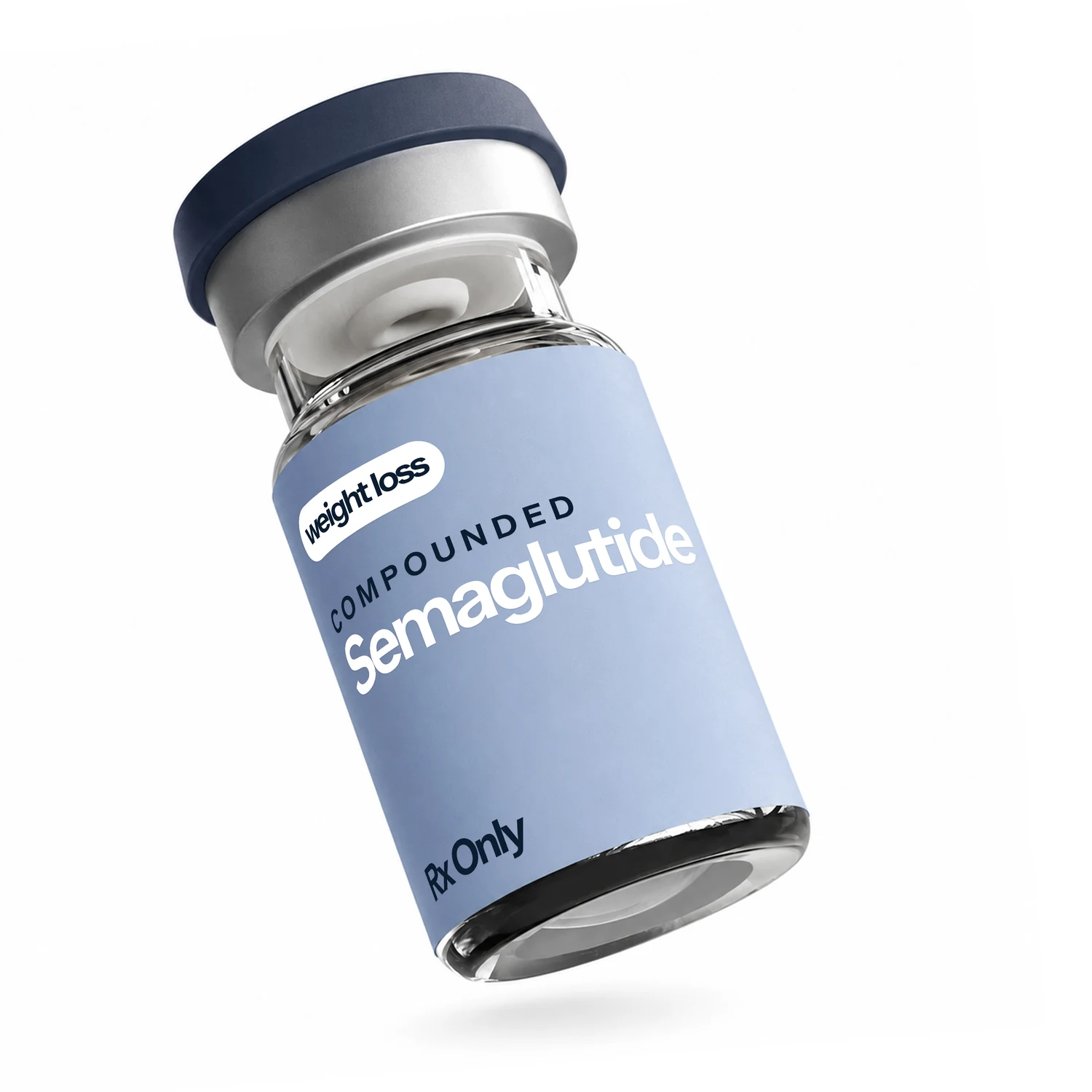
Compounded SemaglutideRx
Weekly GLP-1 injection.
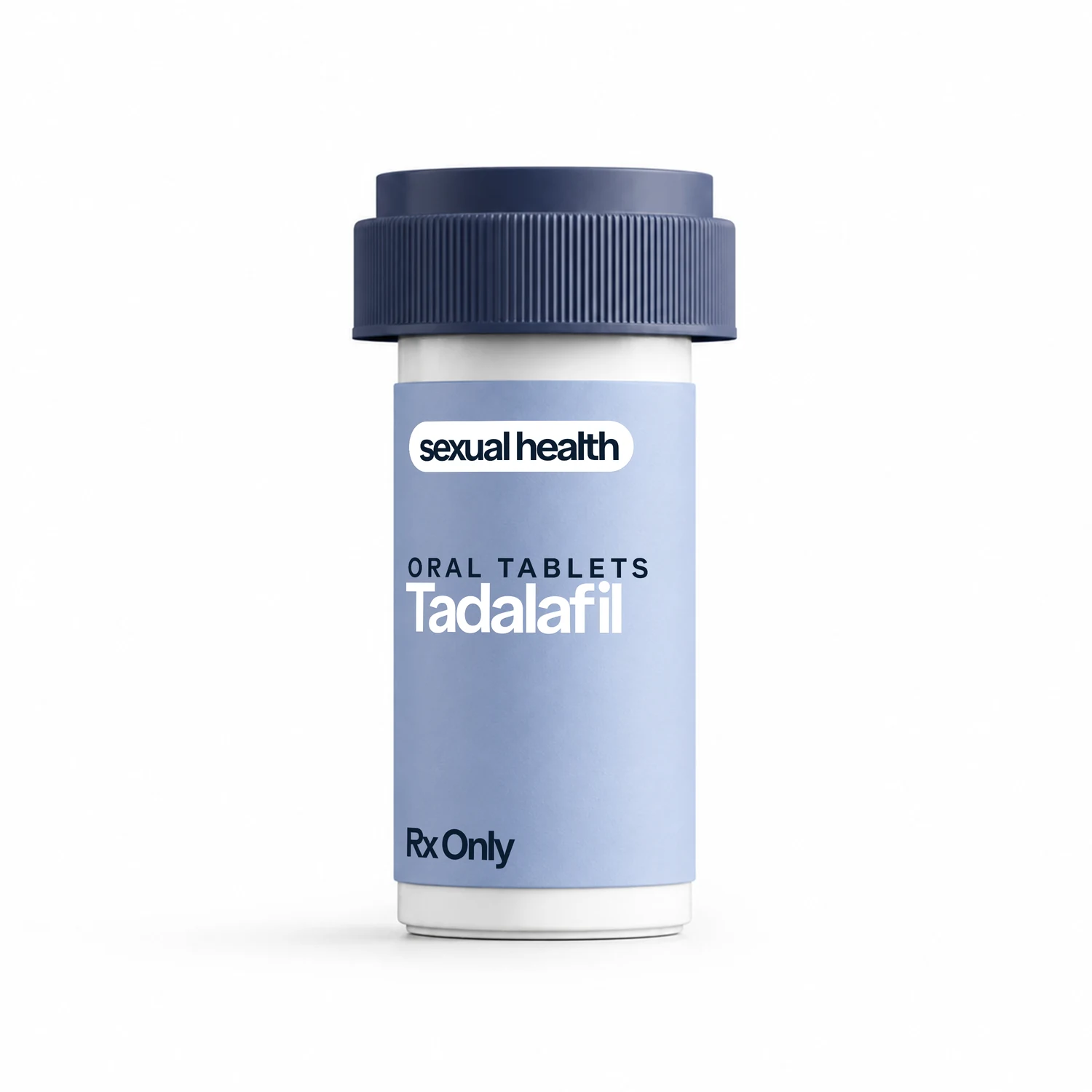
TadalafilRx
Generic Cialis®. Lasts up to 36 hours.
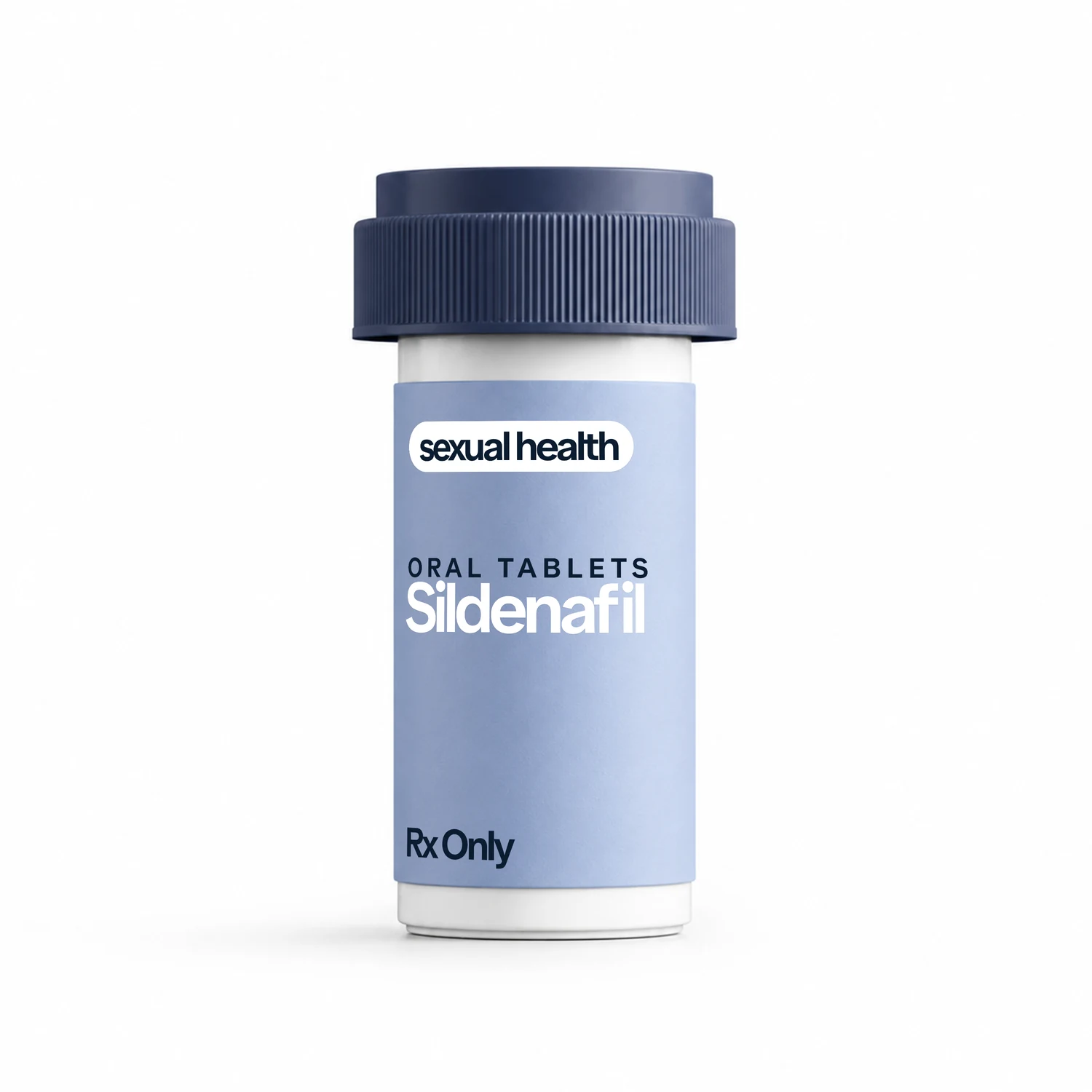
SildenafilRx
Generic Viagra®. Works in 30 minutes.
FinasterideRx
Generic Propecia®. Blocks DHT daily.

Hair Regrowth SprayRx
3-in-1 topical: finasteride + minoxidil + tretinoin.
GLP-1 Holidays: Eating Well Without a Fight

Written by Jonathan R.
Published February 20, 2026

Key Takeaways
# GLP-1 and the Holiday Table: a Plan, Not a Fight
If you typed something like "what do I eat at Thanksgiving on semaglutide" or "can I drink at Christmas on tirzepatide," you are not alone. The question is practical, not trivial. Holidays are built around food — family recipes, second helpings, a glass of wine with people you love. GLP-1 medications change your relationship with appetite and portion size, sometimes dramatically, and the holiday table is where that change becomes visible to everyone at once. This article gives you a plan, not a lecture.
What GLP-1 Medications Actually Do to Appetite
Glucagon-like peptide-1 (GLP-1) receptor agonists — including semaglutide and tirzepatide — work by mimicking a hormone your gut naturally releases after eating. They slow gastric emptying, reduce appetite signals from the brain, and increase the sensation of fullness after smaller amounts of food. According to the STEP trials for semaglutide, published in the New England Journal of Medicine, participants on semaglutide reported significant reductions in hunger and caloric intake that persisted over the treatment period. Results may vary.
The practical consequence at a holiday table is straightforward: you will likely feel full faster than the people seated next to you. A plate that once looked modest may now look like a challenge. This is not a problem to solve with willpower — it is a physiological shift you can plan around.
Tirzepatide, a dual GIP/GLP-1 receptor agonist studied in the SURMOUNT trials, also published in the New England Journal of Medicine, produced similar appetite-reduction effects. Both compounds lower your effective "ceiling" for comfortable food intake. That ceiling does not disappear on Thanksgiving. Plan accordingly, and the holiday becomes easier, not harder.
The Specific Risks to Know Before You Sit Down
Portion Miscalculation
The most common mistake men on GLP-1 therapy make at holiday meals is loading the plate the way they always have — out of habit, out of hospitality, out of not wanting to explain themselves to their mother-in-law. GLP-1 medications slow gastric emptying, which means overeating past the point of comfort produces more significant discomfort than it did before treatment. According to prescribing guidance referenced by the FDA, nausea is among the most commonly reported side effects of this drug class, and large meals are a known trigger.
The fix is simple: serve yourself roughly half of what you would have put on your plate a year ago. You can always take more. You cannot un-eat what is already down.
Alcohol Interaction
Alcohol does not have a direct contraindication with most GLP-1 medications, but it compounds the picture in two ways. First, GLP-1 therapy can reduce alcohol cravings in some patients — peer-reviewed research published in *Biological Psychiatry* suggests a shared neural pathway between GLP-1 receptors and the reward circuitry involved in substance use. Second, alcohol on an already-slowed digestive system can intensify nausea. One glass with dinner is a reasonable plan for most patients. Talk with your licensed provider through the patient portal if you have questions specific to your dose and history.

Injection Day Timing
If your injection day falls on or near a major holiday, do not skip it. Do not move it without guidance. Talk with your provider in advance. Missing a dose and then eating a large holiday meal without the medication's appetite-suppression effect can produce the kind of overcorrection that sets back a month of steady progress.
A Practical Holiday Plate on GLP-1 Therapy
No food is prohibited. That is worth saying plainly. GLP-1 therapy is not a diet — it is a medical aid to the dietary and lifestyle changes your provider has outlined for you. The holiday table is not a minefield. It is a meal.
That said, some choices sit better than others. Protein-first eating — turkey, lean cuts, fish — supports satiety that complements what the medication is already doing. The American Journal of Men's Health has published research connecting adequate dietary protein in middle-aged men to preservation of lean muscle mass during weight loss, which matters when you are losing weight on a GLP-1 compound.
High-fat, high-sugar combinations — the sweet potato casserole with the marshmallow topping, the pecan pie — are not forbidden, but they are the foods most likely to produce nausea when your stomach is already moving slowly. A small serving, eaten after protein, is a reasonable position. Results may vary based on your dose, your metabolism, and how far into treatment you are.
Hydration is consistently underemphasized. GLP-1 medications reduce your sense of thirst alongside hunger for some patients. Drink water steadily through the day, not just at the table.
The Social Part Nobody Talks About
Men in the 45–70 range did not grow up in a culture that made it easy to say "I'm watching what I eat" at a family dinner. The expectation, in many households, is that you eat what is served, you take seconds to compliment the cook, and you do not explain yourself. GLP-1 therapy disrupts that script.
You do not owe anyone an explanation. A smaller plate is not a statement. If someone presses, "I'm paying attention to what works for me right now" is a complete sentence. This is stewardship — of the body you have been given, of the years ahead of you, of the capacity to be present and well for the people at that table.
Where Good Guy Rx Fits
Good Guy Rx is a technology platform. It connects men to independent licensed physicians and independent state-licensed pharmacies. It does not manufacture medication, and it does not operate a pharmacy.
If you are already on a GLP-1 program — or if you are considering one before the new year — the platform offers consultations for both semaglutide and tirzepatide. Both are compounded medications prepared by state-licensed compounding pharmacies in accordance with FDA regulations. They are not FDA-approved compounded products, and your provider will review whether you are an appropriate candidate.

The holiday season is not a reason to delay a conversation about your weight and metabolic health. It is, if anything, a reason to have it now — so that the plan is in place before the hard weeks arrive.
What to Do Next
1. Contact your provider before the holiday. If your injection falls within three days of a major meal, ask your provider whether timing adjustment is appropriate for your protocol. Do not adjust on your own.
2. Set your plate strategy in advance. Decide before you sit down: protein first, half the portion you would have taken a year ago, one pass through the table. Remove the in-the-moment decision-making.
3. Have a non-alcoholic drink in your hand. Water, sparkling water, or a non-alcoholic option keeps you hydrated, gives you something to do with your hands, and removes the pressure to keep pace with others on wine.
4. Log it and move on. If you overate and felt uncomfortable — note it, adjust, and keep your next scheduled injection on schedule. One meal does not define a program. The discipline is in the return, not in the perfection.
Sources
- Wilding JPH et al., "Once-Weekly Semaglutide in Adults with Overweight or Obesity" (STEP 1 Trial) — *New England Journal of Medicine*, 2021
- Jastreboff AM et al., "Tirzepatide Once Weekly for the Treatment of Obesity" (SURMOUNT-1 Trial) — *New England Journal of Medicine*, 2022
- FDA Prescribing Information, Tirzepatide (Mounjaro) — U.S. Food and Drug Administration
- Klausen MK et al., "The Role of GLP-1 Receptor Agonists in Alcohol Use Disorder" — *Biological Psychiatry*, 2022
- Ferriolli E et al., "Dietary Protein and Muscle Mass in Middle-Aged Men During Weight Loss" — *American Journal of Men's Health*, 2020
This article is for informational purposes only and does not constitute medical advice. Talk with a licensed provider through the patient portal before starting any treatment.
References
- STEP trial
- SURMOUNT trial
- [Jastreboff AM et al., "Tirzepatide Once Weekly for the Treatment of Obesity" (SURMOUNT-1 Trial) — *New England Journal of Medicine*, 2022](https://www.nejm.org/doi/10.1056/NEJMoa2206038)
- [FDA Prescribing Information, Tirzepatide (Mounjaro) — U.S. Food and Drug Administration](https://www.accessdata.fda.gov/drugsatfda_docs/label/2021/213182s000lbl.pdf)
- [Klausen MK et al., "The Role of GLP-1 Receptor Agonists in Alcohol Use Disorder" — *Biological Psychiatry*, 2022](https://www.biologicalpsychiatry.com/)
- [Ferriolli E et al., "Dietary Protein and Muscle Mass in Middle-Aged Men During Weight Loss" — *American Journal of Men's Health*, 2020](https://journals.sagepub.com/home/ajm)
- This article is for informational purposes only and does not constitute medical advice. Talk with a licensed provider through the patient portal before starting any treatment.*
Share this article

Ready to start your journey?
Complete your free online visit and see if GLP-1 treatment is right for you.
Get Started