
Good Guy Rx
Take care of what God gave you.
Get started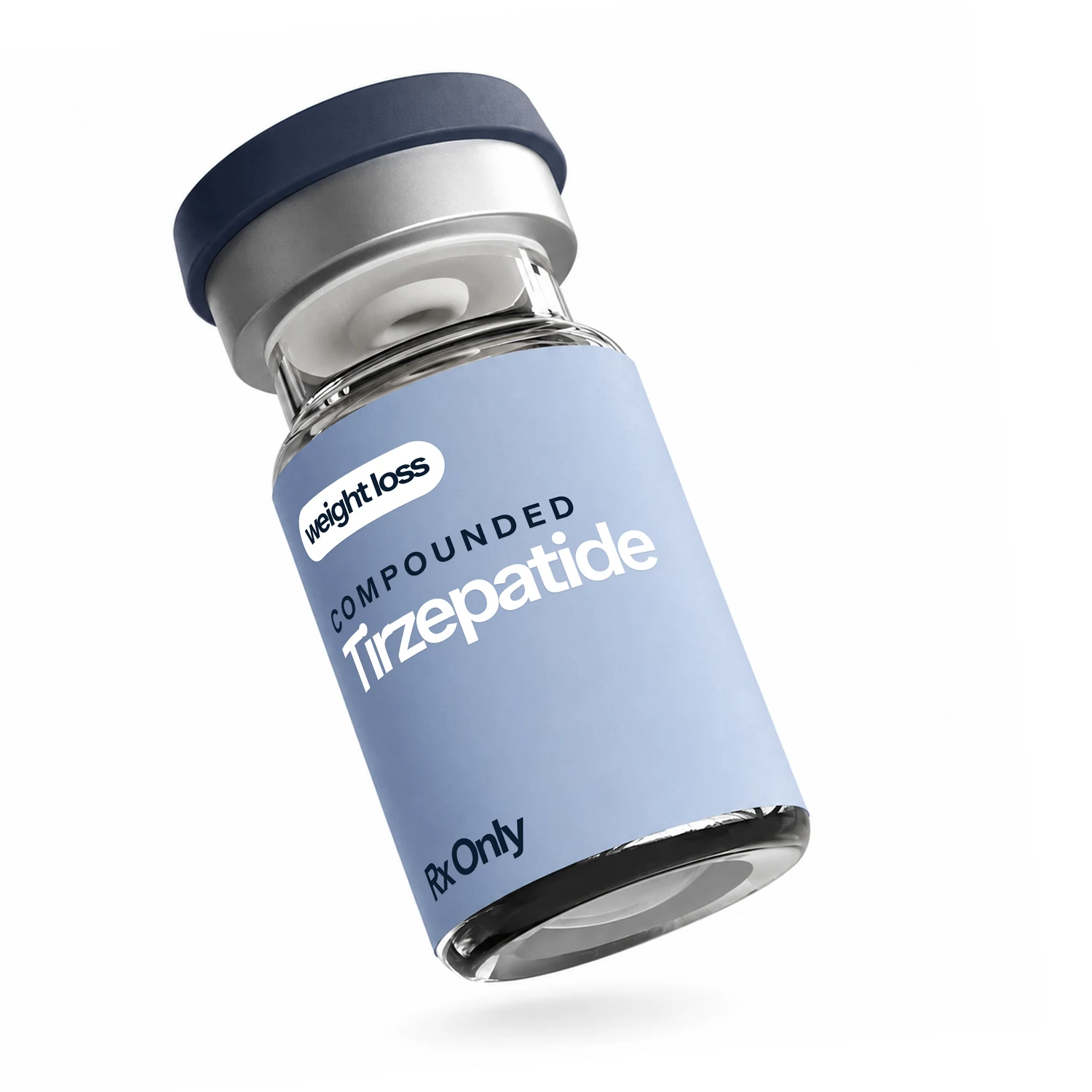
Compounded TirzepatideRx
Weekly GLP-1 + GIP injection.
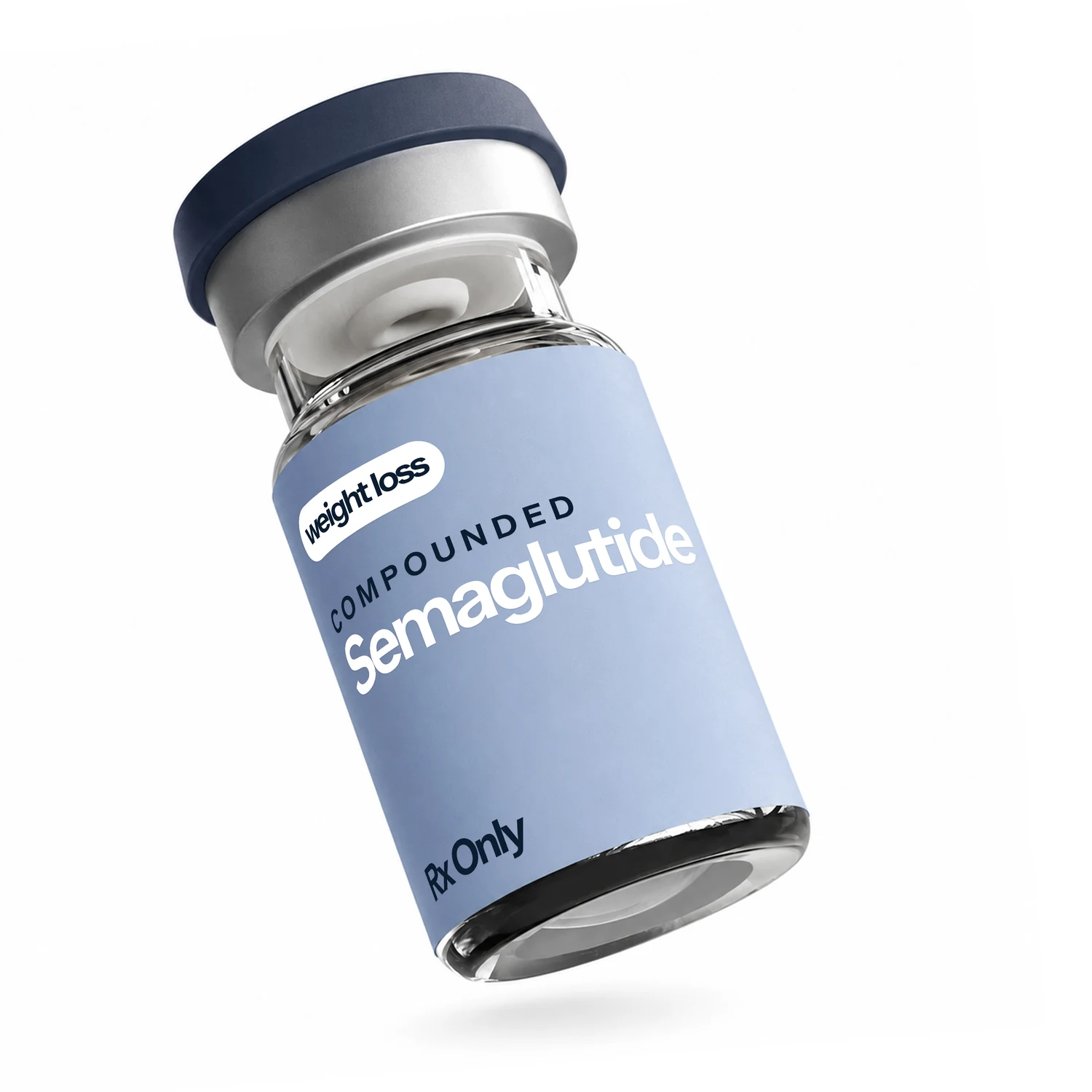
Compounded SemaglutideRx
Weekly GLP-1 injection.
TadalafilRx
Generic Cialis®. Lasts up to 36 hours.

SildenafilRx
Generic Viagra®. Works in 30 minutes.
FinasterideRx
Generic Propecia®. Blocks DHT daily.

Hair Regrowth SprayRx
3-in-1 topical: finasteride + minoxidil + tretinoin.
GLP-1 Side Effects: Managing the First 90 Days

Written by David K.
Published February 14, 2026

Key Takeaways
# GLP-1 Side Effects: What to Expect in the First Ninety Days and How to Manage Them
If you searched "GLP-1 side effects management," you already started the medication or you are close to starting it. You want a plain answer: what is going to happen, how bad will it be, and what can you do about it? This article answers those three questions without padding.
Why Side Effects Happen at All
GLP-1 receptor agonists — the drug class that includes semaglutide and tirzepatide — work by mimicking a gut hormone called glucagon-like peptide-1. That hormone slows the rate at which food leaves the stomach, signals the brain that the body has eaten, and reduces appetite. The gastrointestinal system is not accustomed to that signal arriving from an injected medication rather than a meal. Most side effects in the first ninety days are the body calibrating to a new normal. They are not a sign that something is wrong. They are, in most cases, dose-dependent and time-limited.
According to the STEP 1 trial published in the New England Journal of Medicine, approximately 44 percent of participants on semaglutide 2.4 mg reported nausea, compared with 16 percent on placebo. Vomiting was reported in roughly 24 percent versus 6 percent. The majority of gastrointestinal events were mild to moderate, and discontinuation rates due to side effects were around 7 percent. Results may vary.
The SURMOUNT-1 trial, also published in the New England Journal of Medicine, showed a similar profile for tirzepatide: nausea affected roughly 28–33 percent of participants depending on the dose, and vomiting affected 8–10 percent. Constipation was more prominent with tirzepatide than with semaglutide in head-to-head observations. Results may vary.
Month One: The Adjustment Window
The first four weeks carry the highest likelihood of noticeable semaglutide nausea or tirzepatide constipation. Both medications are initiated at a low dose precisely to minimize this period. The dose titration schedule — typically a step up every four weeks — exists for one reason: to let the body adapt before the therapeutic dose is reached.
Nausea is most common in the two to six hours after injection. Eating smaller portions, avoiding high-fat meals, and staying upright after eating reduces its intensity for most men. Eating slowly matters. The stomach is already emptying more slowly than usual; adding a large, rich meal on top of that is the most reliable way to trigger discomfort.
Vomiting in the first month is less common than nausea but not rare. If vomiting is frequent enough to prevent keeping fluids down, that is a clinical concern — not a "push through it" moment. Contact a licensed provider through the patient portal. Dehydration compounds every other side effect.
The Three Side Effects That Catch Men Off Guard
1. Constipation
Tirzepatide constipation is reported more frequently than with semaglutide. Slowed gastric motility means the entire digestive tract is working at a lower pace. Fiber intake and hydration are the first-line response. The Mayo Clinic recommends 30–38 grams of dietary fiber daily for adult men. Most American men consume roughly half that. Increasing water intake alongside fiber is not optional — fiber without adequate fluid can worsen constipation. If dietary measures are insufficient, a licensed provider may recommend an osmotic agent. Do not manage this with stimulant laxatives without guidance.

2. Fatigue in weeks two through four
Reduced caloric intake means reduced fuel. A man accustomed to eating 2,800 calories who is now comfortable at 1,800 is running a real deficit. Fatigue during this window is physiological, not psychological. Adequate protein — peer-reviewed research published in Obesity consistently suggests a floor of 1.2 grams per kilogram of body weight for men in caloric restriction — preserves lean mass and stabilizes energy. This is the single most underused tool in the first month.
3. Muscle loss concern
Lean mass preservation is a legitimate clinical priority during GLP-1 therapy. A 2023 paper in Cell Metabolism noted that without resistance exercise and adequate protein, a meaningful share of weight lost on GLP-1 medications can come from lean tissue rather than fat. The practical response is not complicated: resistance training two to three times per week and protein at every meal. That is not a supplement pitch. It is standard clinical guidance.
Months Two and Three: What Changes
By weeks six through twelve, the pattern for most men shifts. Nausea frequency decreases as the body adapts to the medication and the dose reaches a stable level. Constipation often improves once dietary habits adjust. The more common experience in this window is appetite normalization — the striking reduction in food noise that most men on these medications describe. That is the therapeutic effect working as intended.
Headache is reported by a minority of patients in this window, typically linked to reduced caffeine intake (appetite suppression reduces habitual coffee and food intake simultaneously) or mild dehydration. The solution is consistent fluid intake throughout the day, not timed to meals.
Sulfur burps — a much-discussed phenomenon online — occur in some patients and are associated with slowed gastric emptying allowing gas to accumulate. They are unpleasant and not dangerous. Reducing carbonated beverages and high-sulfur foods (eggs, red meat, cruciferous vegetables in large quantities) manages the symptom in most cases.
A Note on Cardiovascular Health
February is American Heart Month, and there is a connection worth stating plainly. Erectile dysfunction is, according to the American Heart Association, frequently an early indicator of cardiovascular disease in men — often presenting years before a cardiac event. Reduced blood flow to smaller vessels in the body shows up in erectile function before it shows up in a stress test.
Men starting GLP-1 therapy for weight management often carry cardiovascular risk factors — elevated blood pressure, elevated triglycerides, insulin resistance. A 2023 cardiovascular outcomes trial (SELECT trial) published in the New England Journal of Medicine demonstrated that semaglutide 2.4 mg reduced major adverse cardiovascular events by 20 percent in adults with overweight or obesity and established cardiovascular disease. Results may vary. Managing weight is not cosmetic. It is stewardship of a body that has to carry a man through another thirty years.
If erectile dysfunction is present alongside cardiovascular risk factors, that conversation belongs with a licensed provider. Not with a search engine.
Where Good Guy Rx Fits
Good Guy Rx is a technology platform. It connects men to independent licensed physicians and independent state-licensed pharmacies. It does not manufacture medication. It does not dispense medication.

If a licensed provider determines that a GLP-1 medication is appropriate after a consultation, the prescription is filled by an independent state-licensed compounding pharmacy. Compounded semaglutide and compounded tirzepatide are prepared by those pharmacies in accordance with FDA regulations. They are not FDA-approved products. That distinction matters, and this platform will not obscure it.
Men who want to begin the process can start an online visit for semaglutide or tirzepatide. A licensed provider reviews the intake, asks questions, and makes an independent clinical determination. No one on the platform's support staff answers medical questions — those go to the provider through the patient portal.
What to Do Next
Step 1: Start the consultation before starting the medication. Side effect management begins with a provider who knows your baseline — your current medications, your blood pressure, your digestive history. That context shapes the titration plan.
Step 2: Build the dietary foundation before week one. Increase daily water intake to at least 80 ounces. Add a fiber source to two meals per day. Set a protein target. Do this before the first injection, not after nausea arrives.
Step 3: Log what you experience. Date, time of injection, what you ate, what symptoms appeared and for how long. This record is useful to your provider at the four-week check-in and takes less than two minutes per day.
Step 4: Use the patient portal, not the internet, for clinical questions. The first ninety days will produce questions. Some will feel urgent. The licensed provider on the other end of the portal is the appropriate person to answer them. Dose adjustments, symptom escalation, drug interactions — those are not forum questions.
Sources
- STEP 1 Trial: Semaglutide 2.4 mg in Adults with Overweight or Obesity — *New England Journal of Medicine* — https://www.nejm.org/doi/full/10.1056/NEJMoa2032183
- SURMOUNT-1 Trial: Tirzepatide for Obesity — *New England Journal of Medicine* — https://www.nejm.org/doi/full/10.1056/NEJMoa2206038
- SELECT Trial: Semaglutide and Cardiovascular Outcomes — *New England Journal of Medicine* — https://www.nejm.org/doi/full/10.1056/NEJMoa2307563
- Lean Mass and GLP-1 Therapy — *Cell Metabolism* — https://www.cell.com/cell-metabolism/fulltext/S1550-4131(23)00245-300245-3)
- Dietary Fiber for Men — Mayo Clinic — https://www.mayoclinic.org/healthy-lifestyle/nutrition-and-healthy-eating/in-depth/fiber/art-20043983
- Erectile Dysfunction and Heart Disease — American Heart Association — https://www.heart.org/en/health-topics/erectile-dysfunction
- Protein Needs During Caloric Restriction — *Obesity* — https://onlinelibrary.wiley.com/journal/1930739x
This article is for informational purposes only and does not constitute medical advice. Talk with a licensed provider through the patient portal before starting any treatment.
References
- [SURMOUNT-1 Trial: Tirzepatide for Obesity — *New England Journal of Medicine* — https://www.nejm.org/doi/full/10.1056/NEJMoa2206038](https://www.nejm.org/doi/full/10.1056/NEJMoa2206038)
- [SELECT Trial: Semaglutide and Cardiovascular Outcomes — *New England Journal of Medicine* — https://www.nejm.org/doi/full/10.1056/NEJMoa2307563](https://www.nejm.org/doi/full/10.1056/NEJMoa2307563)
- [Lean Mass and GLP-1 Therapy — *Cell Metabolism* — https://www.cell.com/cell-metabolism/fulltext/S1550-4131(23)00245-3](https://www.cell.com/cell-metabolism/fulltext/S1550-4131(23)00245-3)
- [Dietary Fiber for Men — Mayo Clinic — https://www.mayoclinic.org/healthy-lifestyle/nutrition-and-healthy-eating/in-depth/fiber/art-20043983](https://www.mayoclinic.org/healthy-lifestyle/nutrition-and-healthy-eating/in-depth/fiber/art-20043983)
- [Erectile Dysfunction and Heart Disease — American Heart Association — https://www.heart.org/en/health-topics/erectile-dysfunction](https://www.heart.org/en/health-topics/erectile-dysfunction)
- [Protein Needs During Caloric Restriction — *Obesity* — https://onlinelibrary.wiley.com/journal/1930739x](https://onlinelibrary.wiley.com/journal/1930739x)
- This article is for informational purposes only and does not constitute medical advice. Talk with a licensed provider through the patient portal before starting any treatment.*
Share this article

Ready to start your journey?
Complete your free online visit and see if GLP-1 treatment is right for you.
Get Started